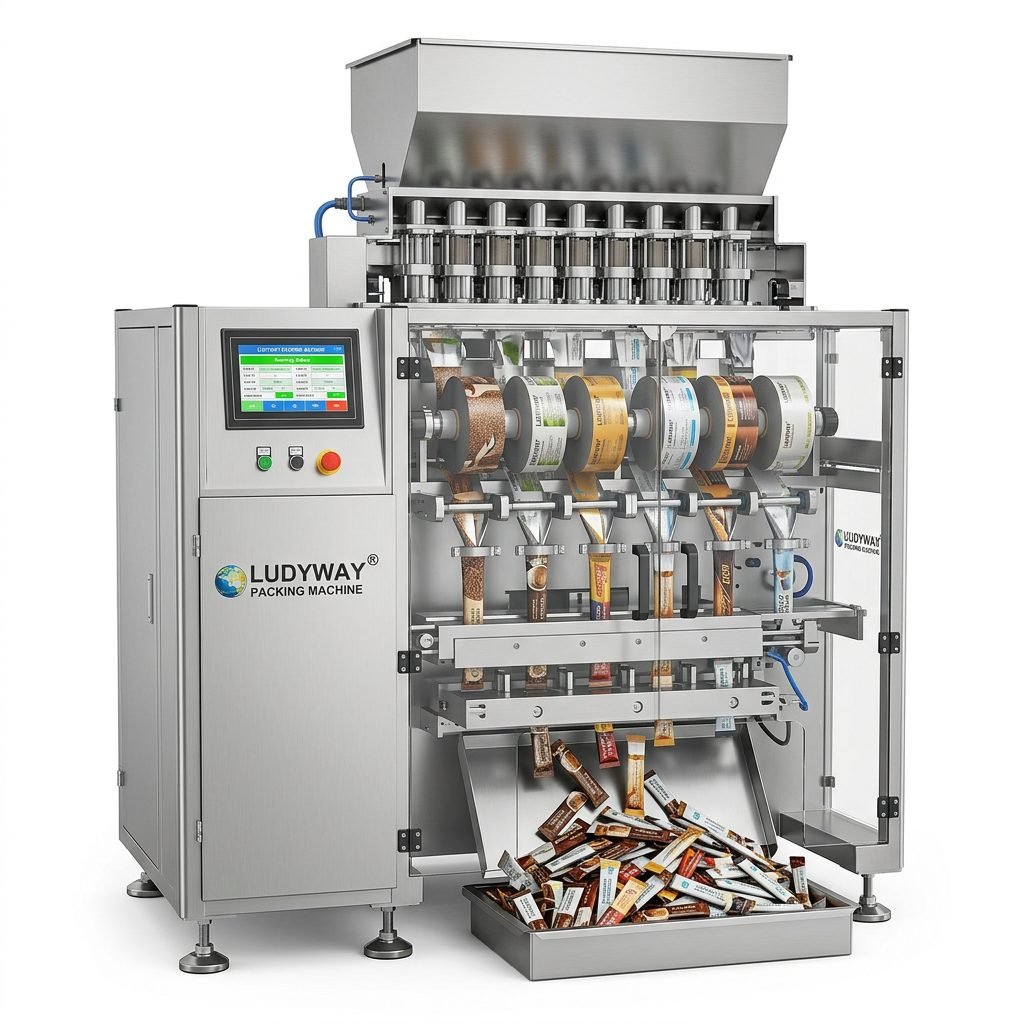
The global logistics and packaging industries are witnessing a monumental shift toward environmental sustainability. For decades, traditional plastic packaging has been the backbone of pallet stabilization and goods transport. However, as environmental awareness grows and global regulations tighten, businesses are actively searching for eco-friendly alternatives. At the forefront of this green movement is the development of biodegradable stretch wrapping technology, a breakthrough that is transforming warehouses and distribution centers worldwide.
Pallet wrapping is a critical step in supply chain management, ensuring that goods remain secure, clean, and intact during transit. The sudden rise of biodegradable films, coupled with advanced wrapping machinery, marks a new era where industrial efficiency no longer comes at the expense of ecological health.
The Environmental Challenge of Traditional Stretch Film
For years, Linear Low-Density Polyethylene (LLDPE) has been the standard material for stretch wrapping due to its exceptional elasticity, puncture resistance, and cost-effectiveness. Despite its functional benefits, LLDPE presents a massive environmental challenge. Because it is highly customized for stretchability, it is difficult to recycle through conventional systems, and millions of tons end up in landfills or oceans every year, taking centuries to decompose.
As corporate social responsibility (CSR) and Environmental, Social, and Governance (ESG) criteria become benchmark indicators for business success, companies can no longer ignore the waste generated in their shipping departments. This has paved the way for biodegradable stretch films, which are designed to break down naturally into organic matter, carbon dioxide, and water under composting conditions, leaving no toxic residues behind.
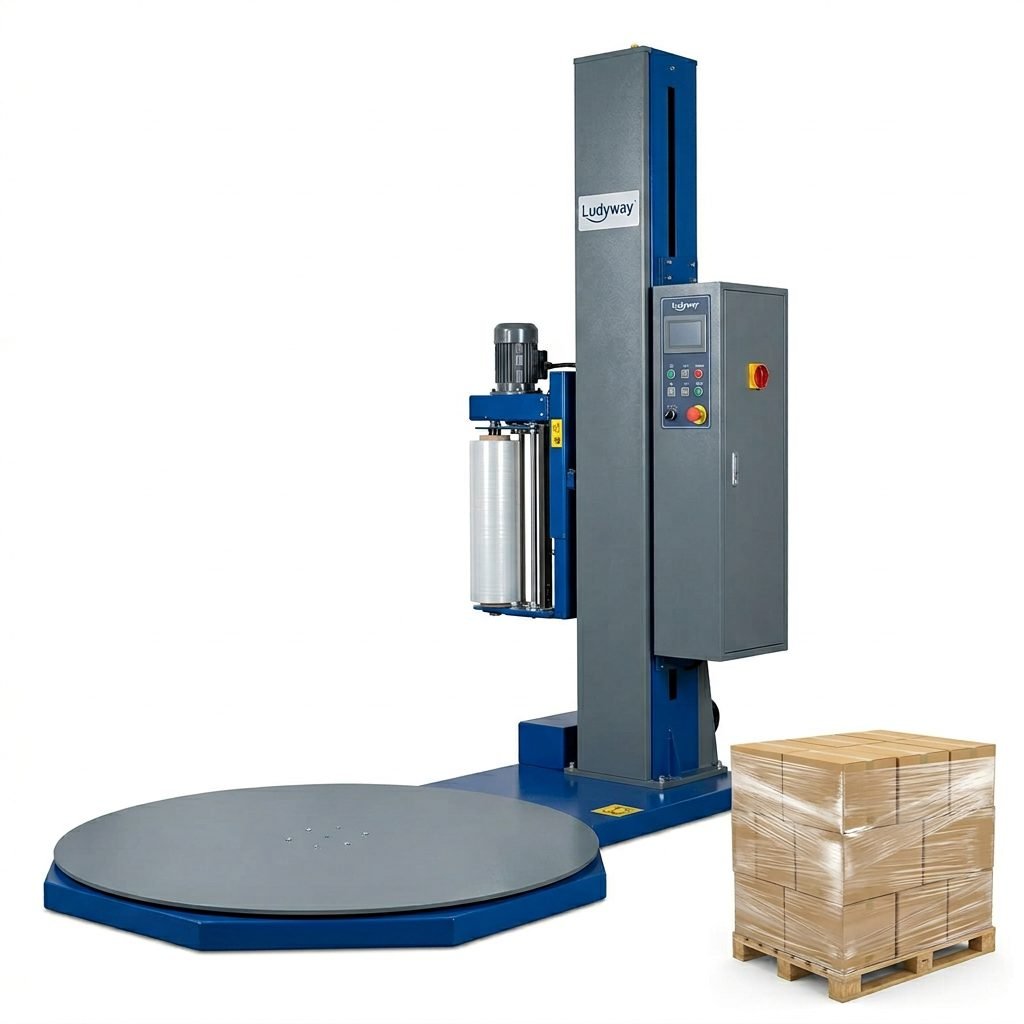
Why Specialized Wrapping Machines Are Crucial for Green Materials
While the introduction of biodegradable film is a massive step forward, utilizing these materials on standard wrapping equipment presents several technical hurdles. Biodegradable films, often formulated from Polylactic Acid (PLA) or Polybutylene Adipate Co-terephthalate (PBAT), possess different physical properties compared to traditional petroleum-based plastics.
- Tensile Strength Variations: Biodegradable materials often have a lower prestretch threshold, meaning they can snap if subjected to the high-tension settings of older machines.
- Tear and Puncture Resistance: Green films can be more sensitive to sharp corners on pallets, requiring precise control over wrapping profiles.
- Temperature Sensitivity: The sealing and cutting mechanisms of wrapping machinery must be carefully calibrated to handle the unique melting points of bioplastics.
To overcome these challenges, packaging machinery manufacturers have engineered next-generation stretch wrapping systems. These modern machines feature intelligent tension control, variable prestretch ratios, and customizable wrapping patterns to ensure that biodegradable films are applied with maximum efficiency and zero material wastage.
Comparing Traditional and Biodegradable Wrapping Systems
To understand the practical implications of adopting these new systems, it is helpful to examine the operational differences between standard setups and modern green wrapping lines.
| Feature | Traditional Wrapping Systems | Modern Biodegradable Wrapping Systems |
|---|---|---|
| Material Compatibility | Standard LLDPE and PVC films | PLA, PBAT, starch-based, and recycled films |
| Prestretch Adjustability | Fixed or manual mechanical adjustment | Dynamic, program-controlled electronic prestretch |
| Tension Monitoring | Basic constant-force spring system | Real-time multi-point sensor tracking |
| Environmental Impact | High plastic waste, slow degradation | Compostable, significantly lower carbon footprint |
Key Innovations Driving Green Packaging Performance
The transition to sustainable wrapping is driven by several key engineering breakthroughs. Manufacturers are integrating smart technologies to ensure that green films perform just as reliably as their plastic predecessors.
One of the most important developments is adaptive force-to-load control. Because biodegradable film behaves differently depending on ambient temperature and humidity, advanced machines automatically adjust the tension applied to the film throughout the wrapping cycle. This prevents film breakage at the corners of the pallet while maintaining a tight hold on the load.
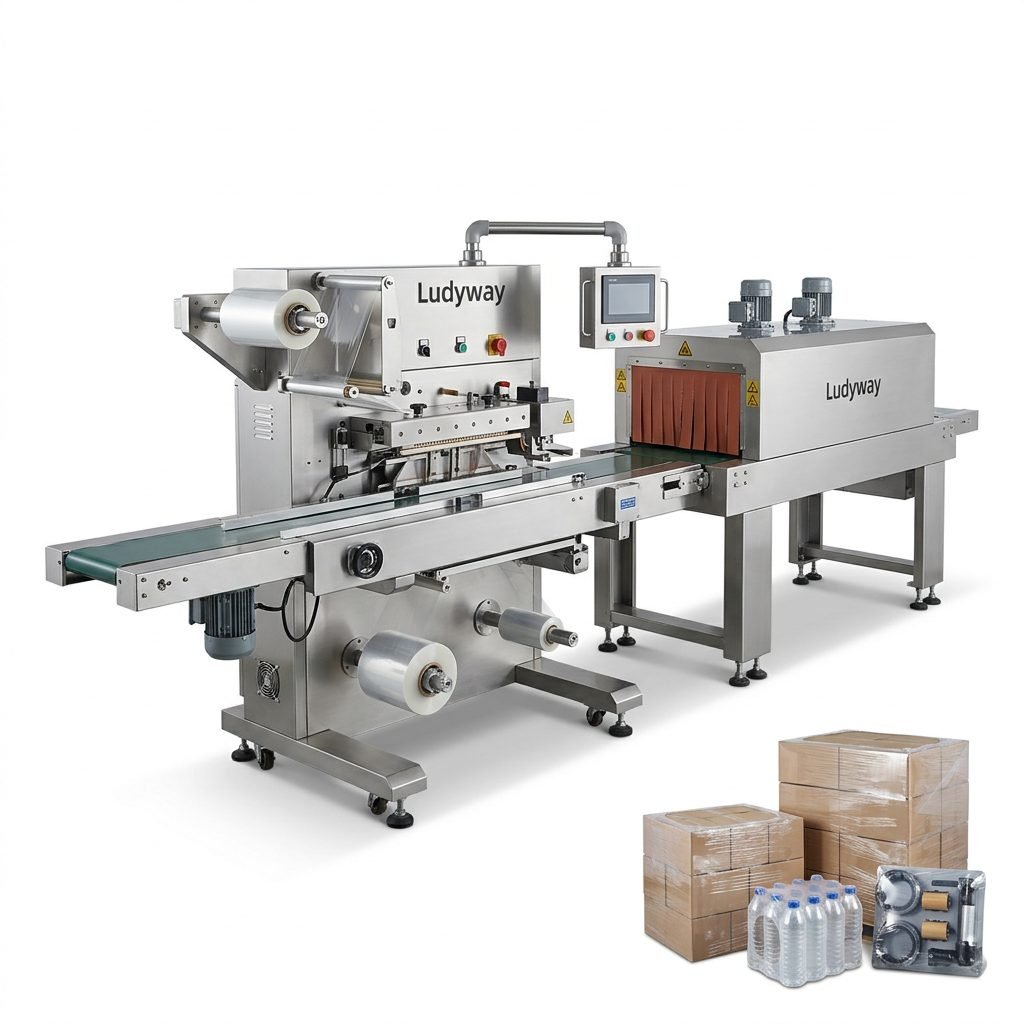
Furthermore, automated cutting and clamping systems have been redesigned. Traditional hot-wire cutters can cause irregular melting and stickiness when used with bioplastics. Modern machines utilize mechanical precision cutters and low-heat sealing elements to ensure clean cuts and secure tails, preventing the unraveling of wrapped pallets during transport.
Economic and Regulatory Incentives for Adaptation
Beyond the environmental benefits, the transition to biodegradable wrapping systems is increasingly driven by economic factors and global policies. In many regions, particularly Europe and North America, strict extended producer responsibility (EPR) schemes impose financial penalties on companies that use excessive non-recyclable packaging. Conversely, businesses that adopt compostable or highly recyclable alternatives often qualify for tax incentives and reduced waste disposal fees.
Additionally, consumers are actively choosing brands that demonstrate a genuine commitment to sustainability. When a company showcases that its entire distribution chain—down to the pallet wrap holding its products together—utilizes green innovations, it strengthens brand loyalty and enhances market competitiveness.
The Role of Turnkey Packaging Partners
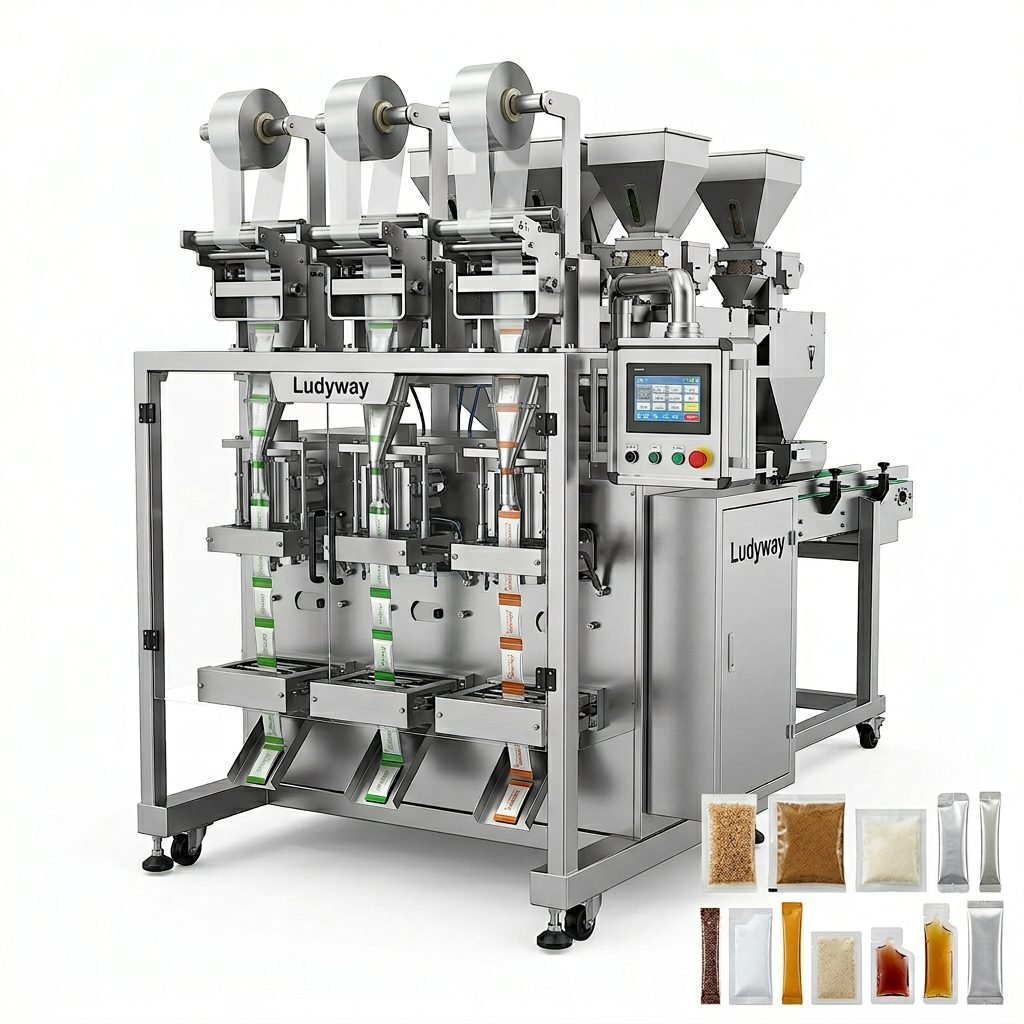
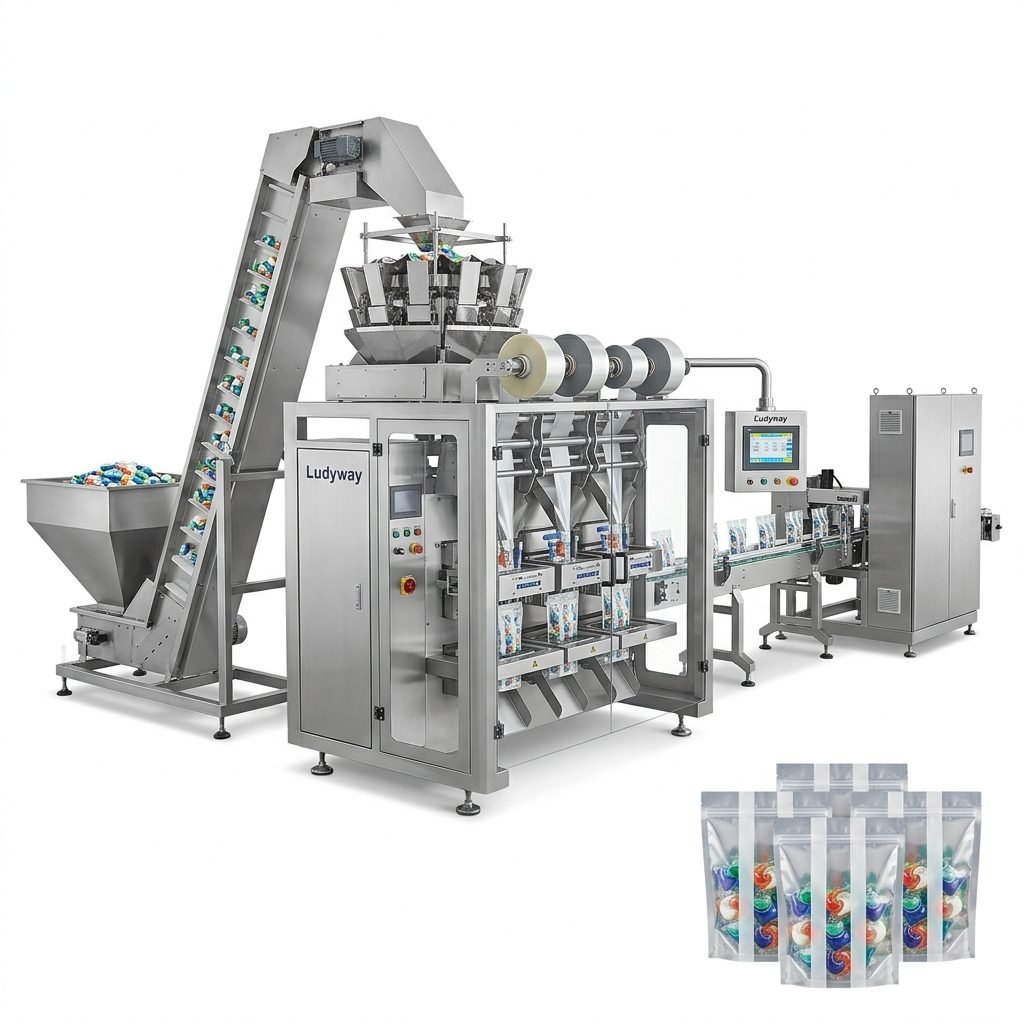
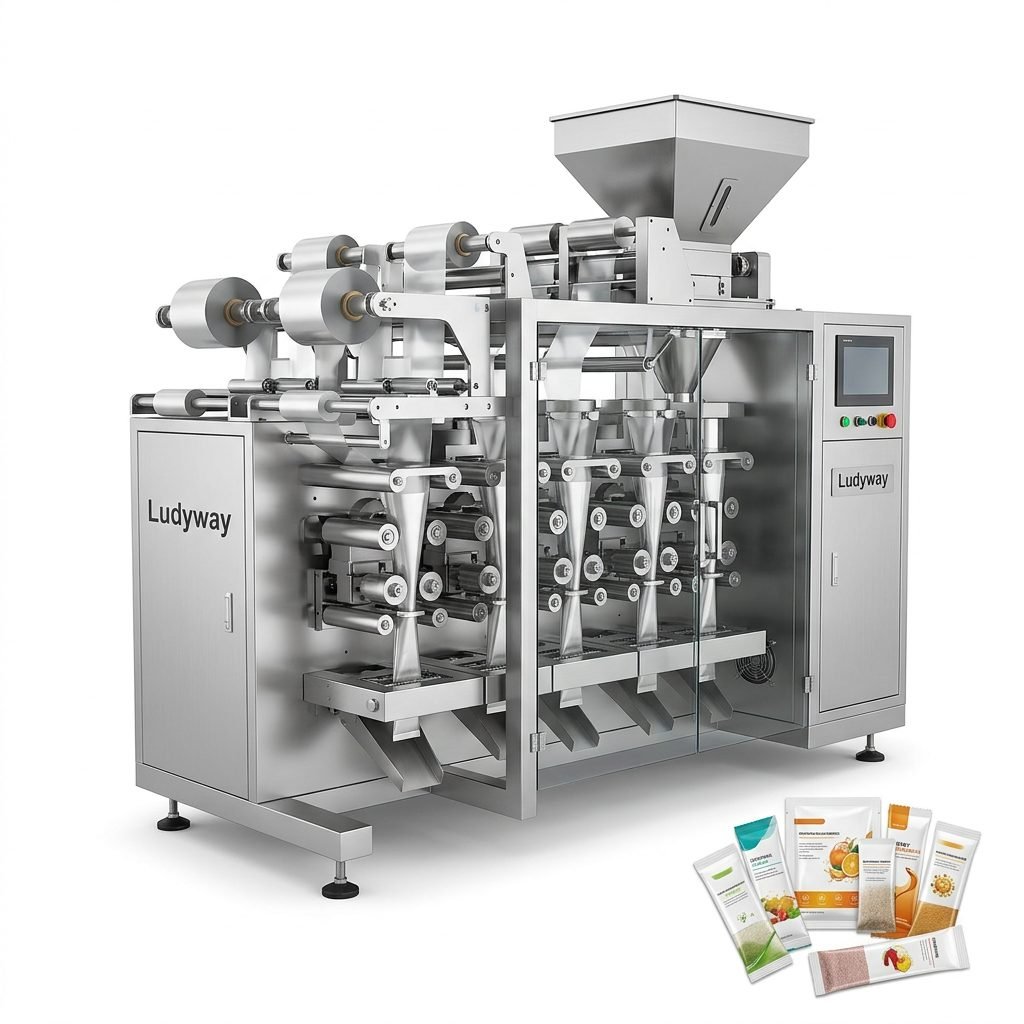
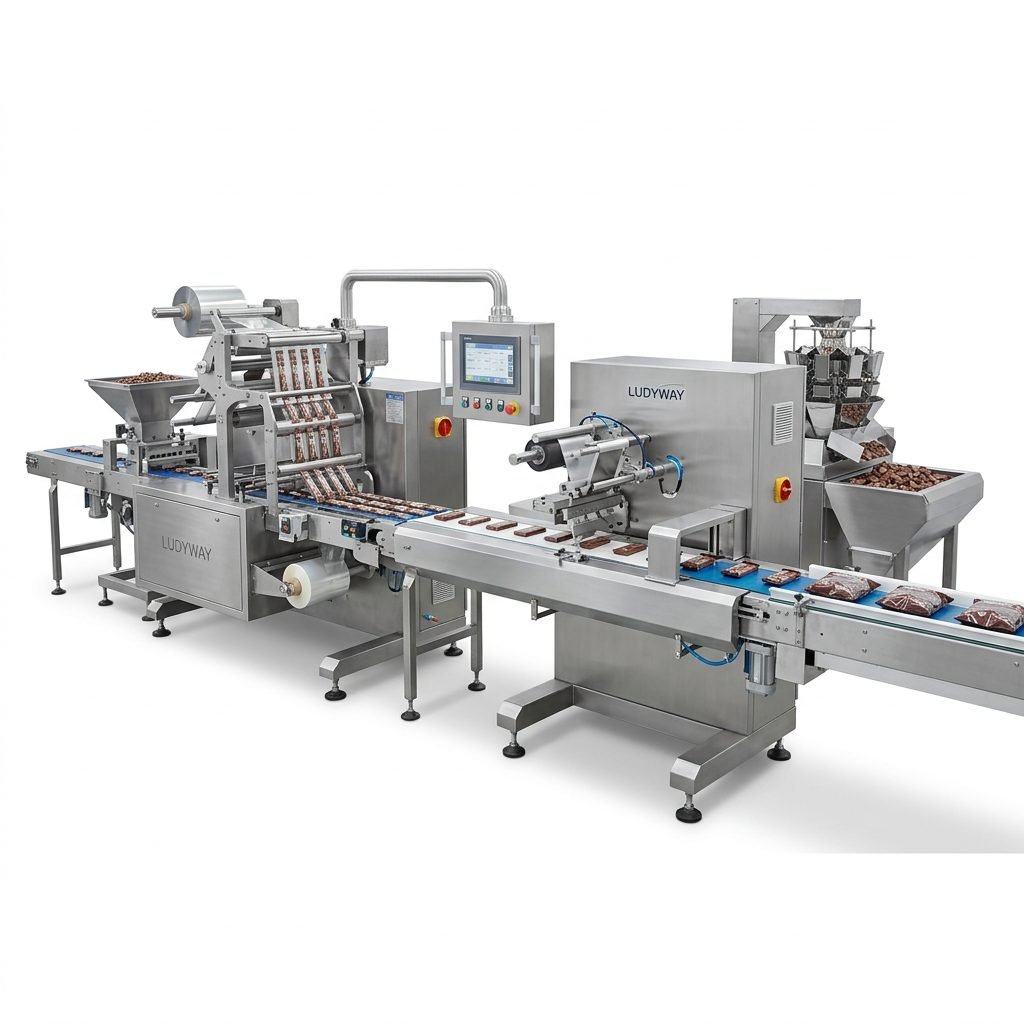
Implementing a successful transition to eco-friendly packaging requires reliable machinery and expert engineering support. For enterprises looking to upgrade their production lines, partnering with an experienced manufacturer is vital. Companies like Ludyway, one of China’s leading packaging machine and turnkey packaging line manufacturers, provide the technical expertise needed to integrate modern, high-efficiency systems that support diverse material applications and automated operations.
With over three decades of industry experience, specialized manufacturers ensure that transition challenges are minimized. By offering customizable solutions, precise technical support, and robust machine configurations, they help global buyers seamlessly adapt to eco-friendly packaging standards without sacrificing throughput speed or load security.
Looking Ahead: The Future of Industrial Green Packaging
The evolution of stretch wrapping technology proves that sustainability and industrial efficiency can coexist. As biodegradable film formulations continue to improve, wrapping machinery will become even more adaptive, utilizing artificial intelligence and IoT sensors to predict film performance and dynamically adjust operations in real time.
By investing in smart, compatible machinery today, businesses protect their operations against future regulatory changes, reduce their environmental footprint, and optimize their end-of-line packaging processes. The green wave is no longer a future prediction—it is the current standard for global logistics innovation.