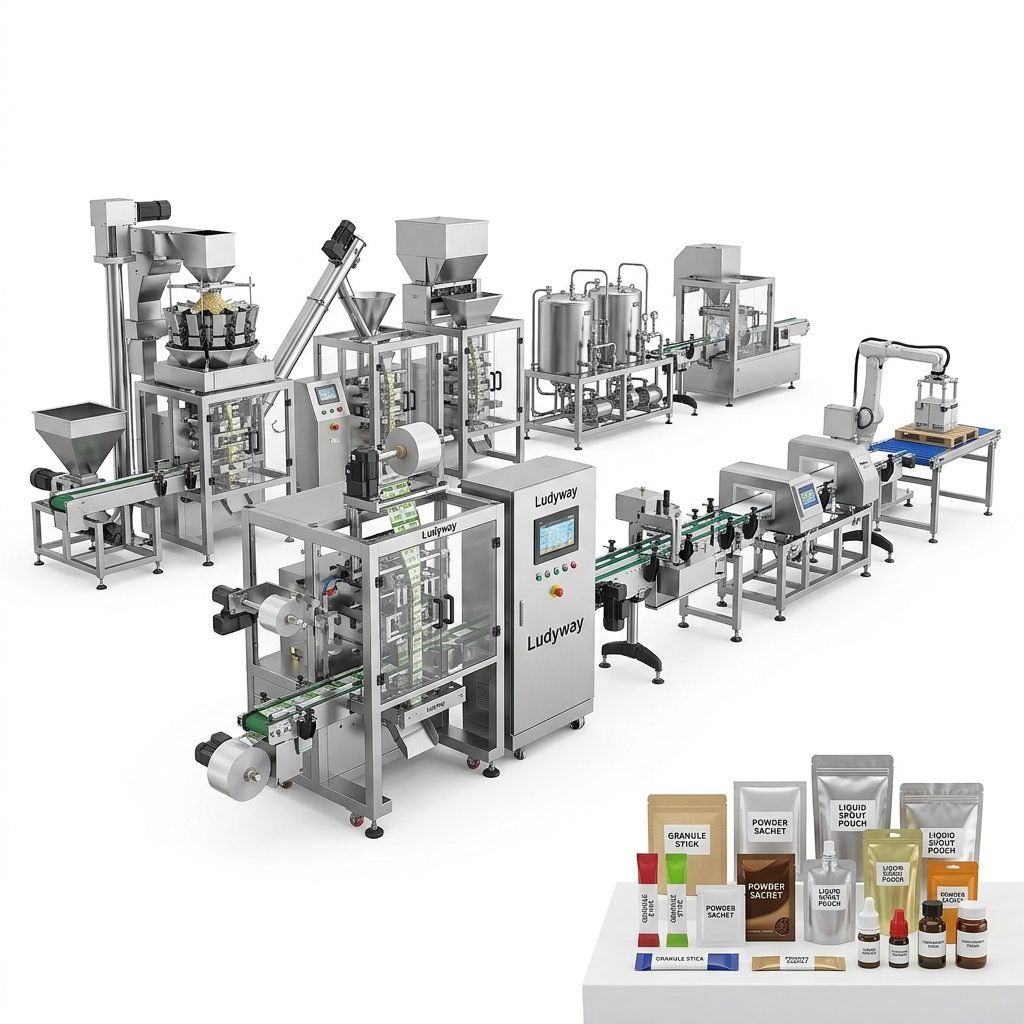
The global packaging industry is entering a decisive new phase as manufacturers, brand owners, and supply chain partners accelerate the move toward low-carbon production. What was once viewed as a long-term sustainability objective has now become an immediate commercial priority, driven by regulatory pressure, rising energy costs, investor expectations, and consumer demand for environmentally responsible products.
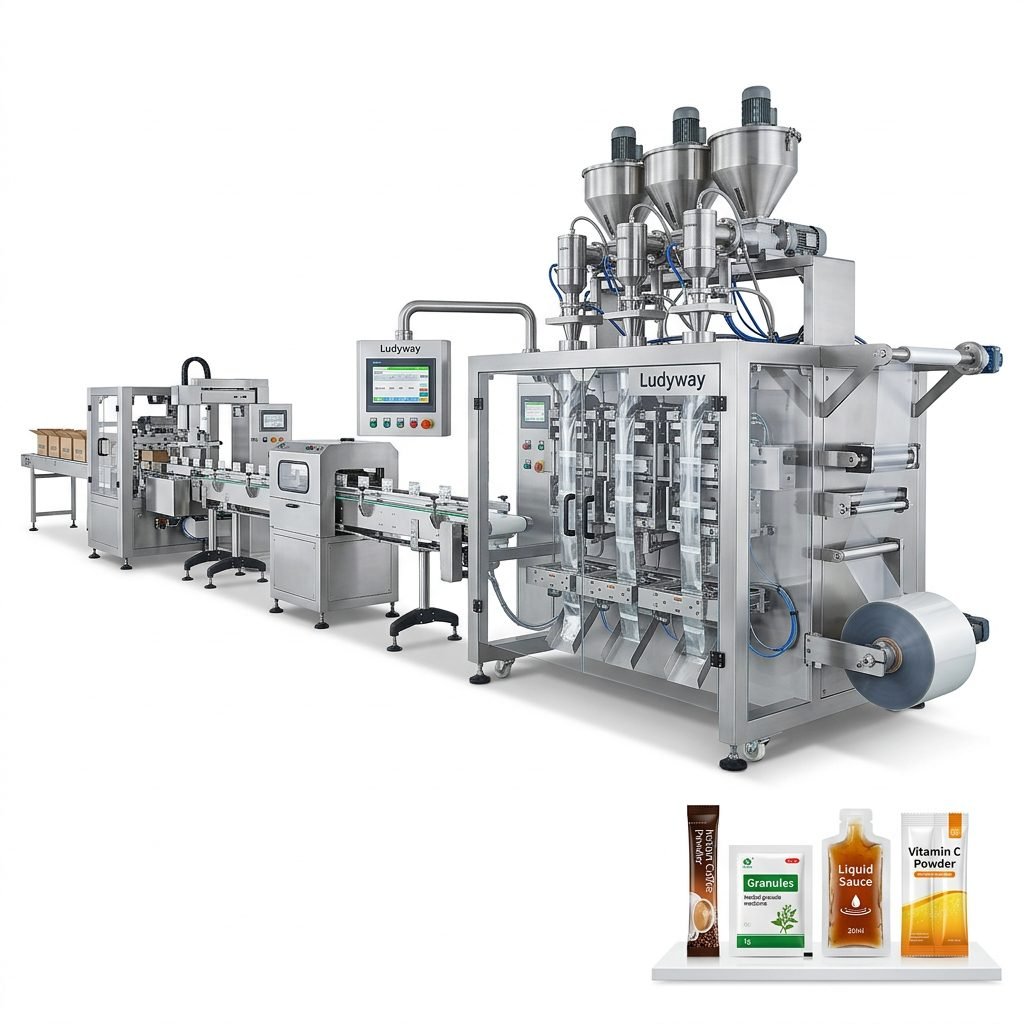
Across food, pharmaceutical, personal care, and chemical packaging segments, companies are redesigning production models to reduce emissions at every stage. From lighter materials and recyclable formats to energy-efficient machinery and digital process control, the industry is no longer treating decarbonization as a side project. It is becoming part of core manufacturing strategy.
Why the shift is happening faster now
Several forces are converging at the same time. Governments are tightening carbon disclosure and environmental compliance rules. Large retail groups and multinational buyers are asking suppliers to show measurable progress in emissions reduction. At the same time, volatile utility costs are pushing factories to improve operating efficiency. For packaging producers, reducing carbon output increasingly aligns with reducing waste, labor intensity, and long-term production cost.
- Stricter regulations: carbon reporting, recyclability targets, and packaging waste rules are expanding globally.
- Procurement pressure: brand owners are prioritizing suppliers with cleaner production capabilities.
- Energy economics: efficient equipment lowers electricity and compressed air consumption.
- Consumer behavior: sustainability claims now influence purchase decisions in many markets.
Low-carbon production is moving beyond materials
The conversation around sustainable packaging used to focus heavily on paper, film, and resin alternatives. While material innovation remains important, the latest industry trend is broader. Manufacturers are now looking at the entire production ecosystem, including filling accuracy, sealing stability, line integration, reject control, and overall equipment effectiveness.
This matters because inefficient packaging lines can generate hidden carbon costs through overfilling, material waste, rework, downtime, and excessive energy use. As a result, modern packaging investment is shifting toward smarter automation systems that support both productivity and sustainability goals.
Key areas of transformation
- Adoption of servo-driven and energy-saving packaging machines
- Integration of automated inspection and reject systems
- Use of lightweight and recyclable packaging formats
- Reduction of product giveaway through precise dosing and filling
- Digital monitoring of line performance, downtime, and material loss
Automation is becoming a carbon-reduction tool
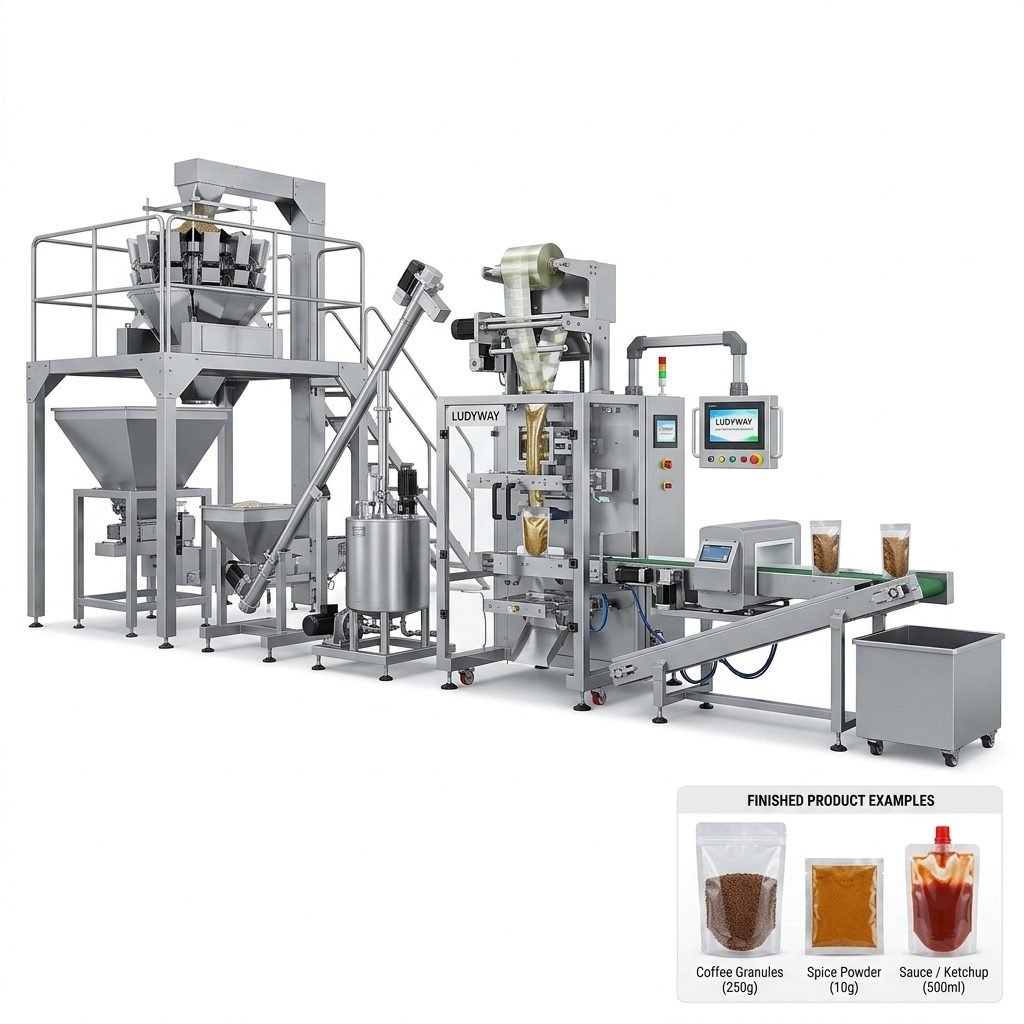
Automation is now central to the low-carbon transition. Advanced packaging lines can minimize unnecessary motion, improve filling precision, optimize sealing temperatures, and reduce the number of defective packs leaving the line. In sectors such as powders, granules, liquids, and pouch packaging, these gains can be substantial when scaled across large production volumes.
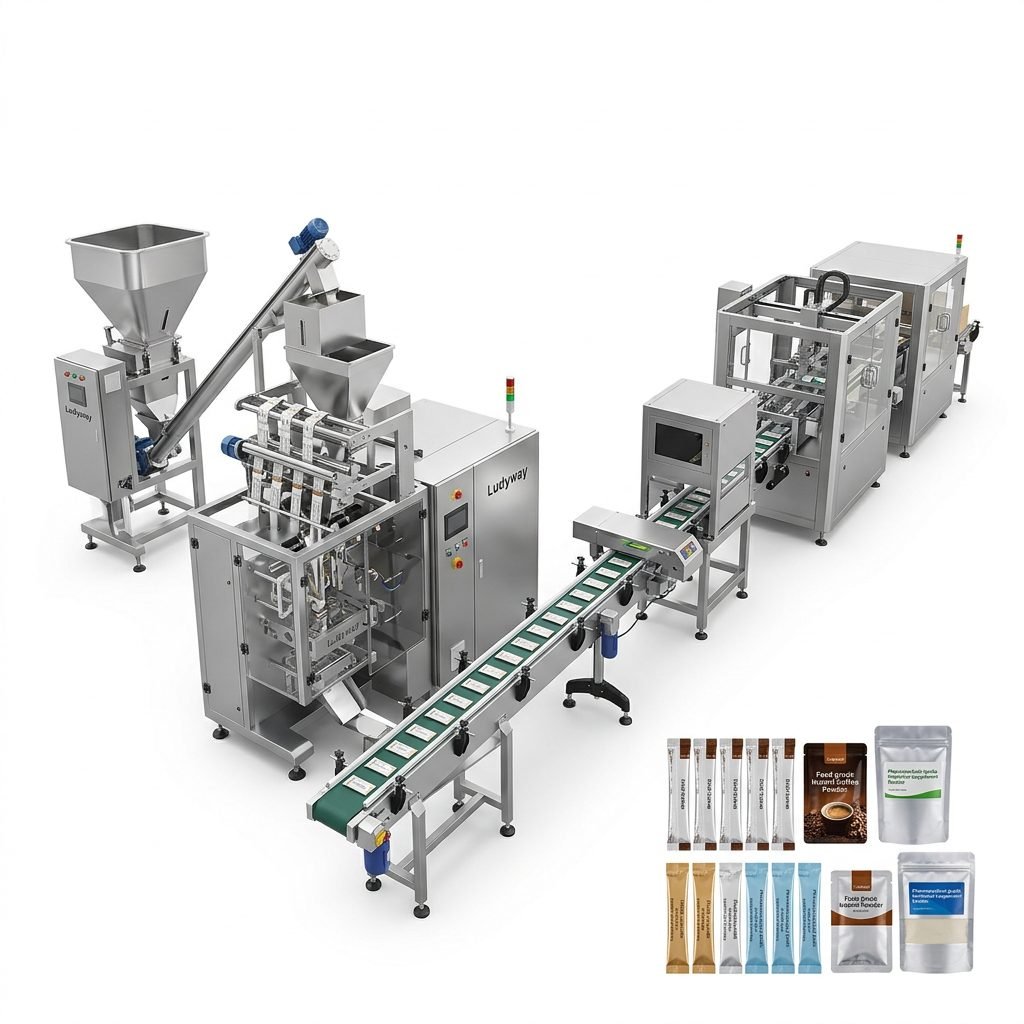
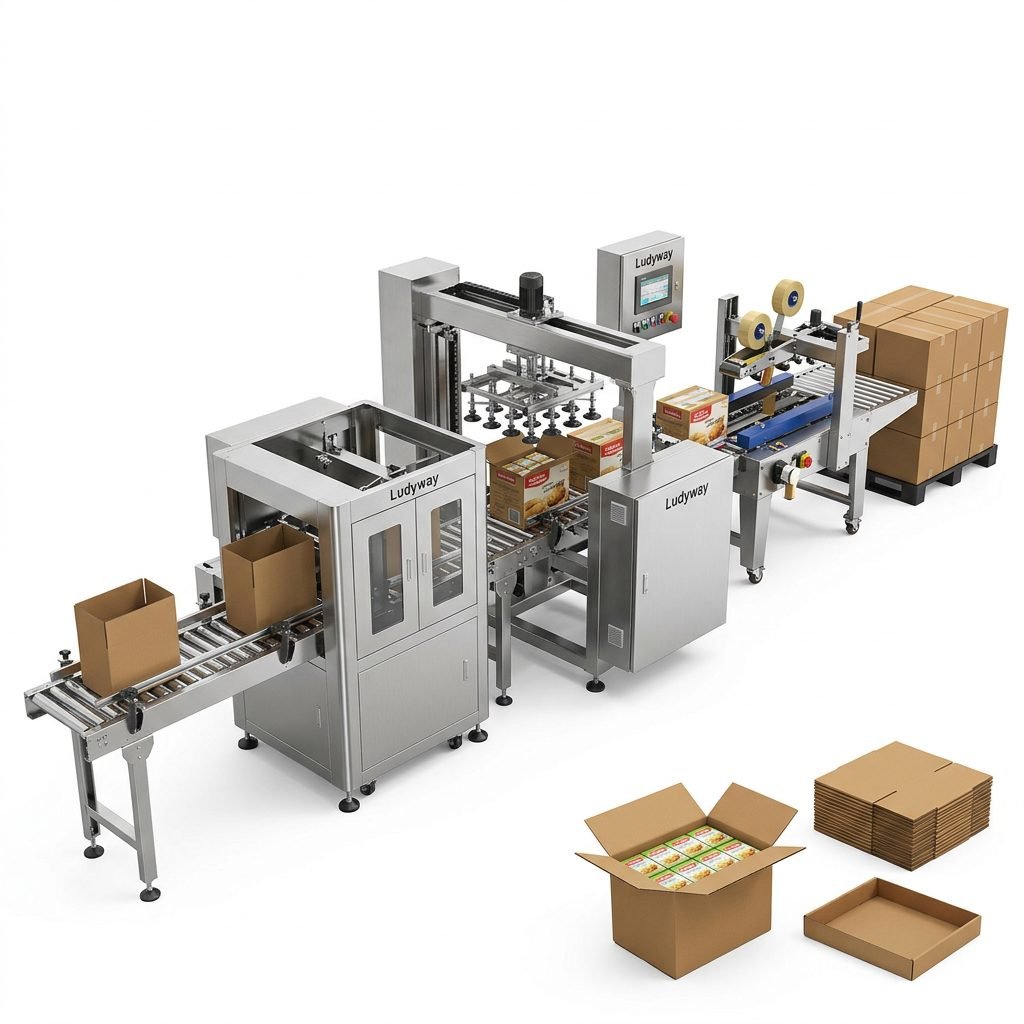
Industry observers note that buyers increasingly want packaging equipment that delivers a dual result: higher output with lower environmental impact. This has strengthened demand for turnkey systems that combine upstream feeding, primary packaging, coding, inspection, cartoning, and final handling into one coordinated process.
| Production Focus | Traditional Approach | Low-Carbon Approach |
|---|---|---|
| Energy Use | Standalone machines with inconsistent load efficiency | Integrated systems with optimized energy management |
| Material Consumption | Higher film loss and product overfill | Precision filling, stable sealing, reduced scrap |
| Quality Control | Manual checks and delayed defect discovery | Inline inspection and real-time monitoring |
| Line Efficiency | Frequent stoppages and isolated workflows | Continuous automation with lower operational waste |
Food and pharmaceutical sectors are leading the change
Food and pharmaceutical manufacturers are among the fastest adopters of low-carbon packaging systems. In food production, portion control, shelf-life protection, and waste reduction are major priorities. In pharmaceuticals and health products, compliance, traceability, and packaging consistency are equally critical. These sectors often operate at high volume, making even small efficiency improvements significant in environmental terms.
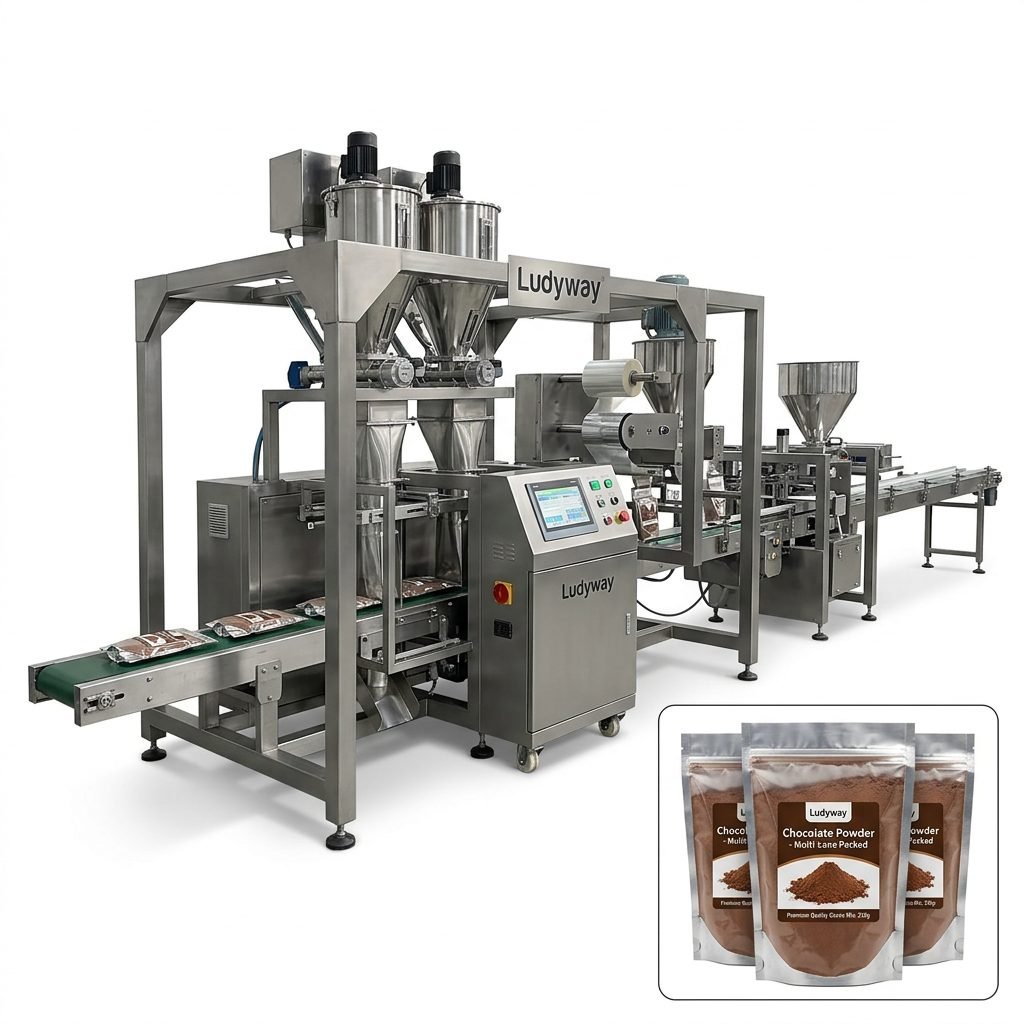
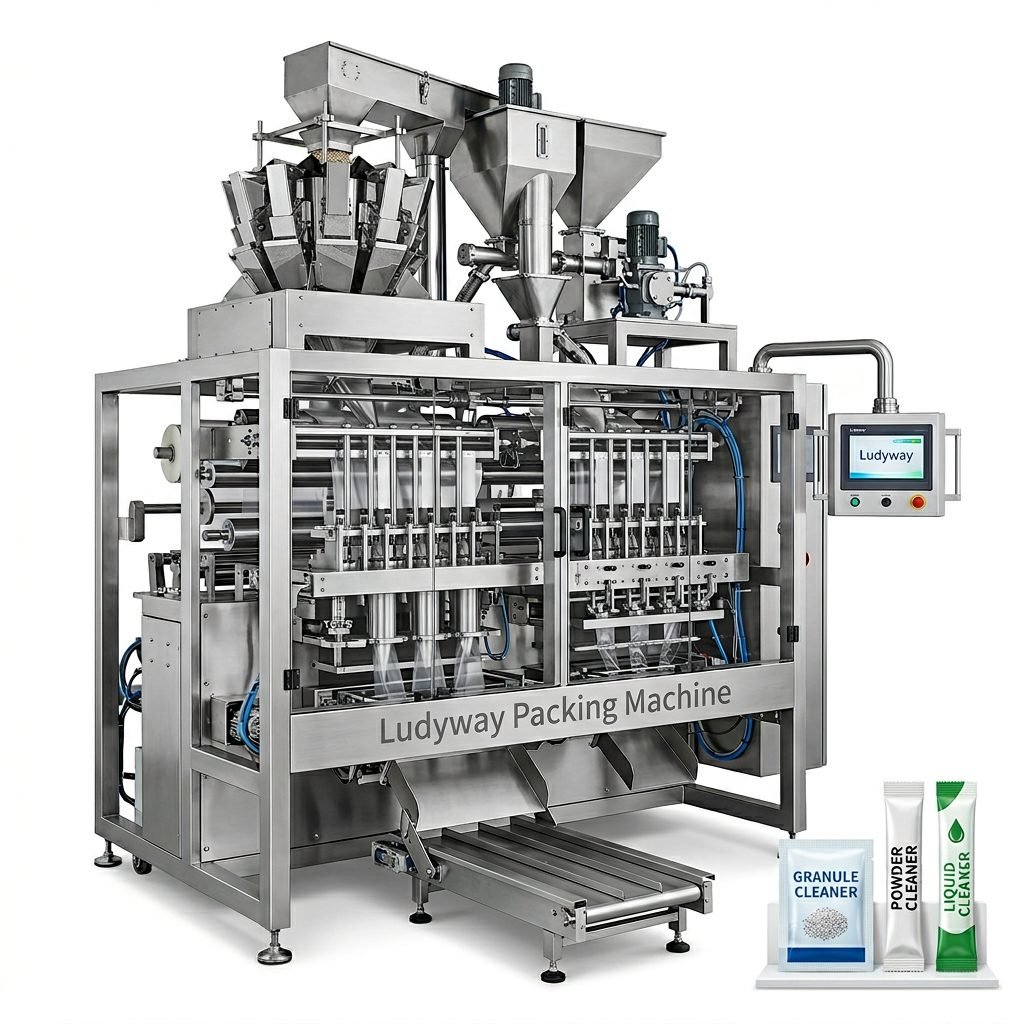
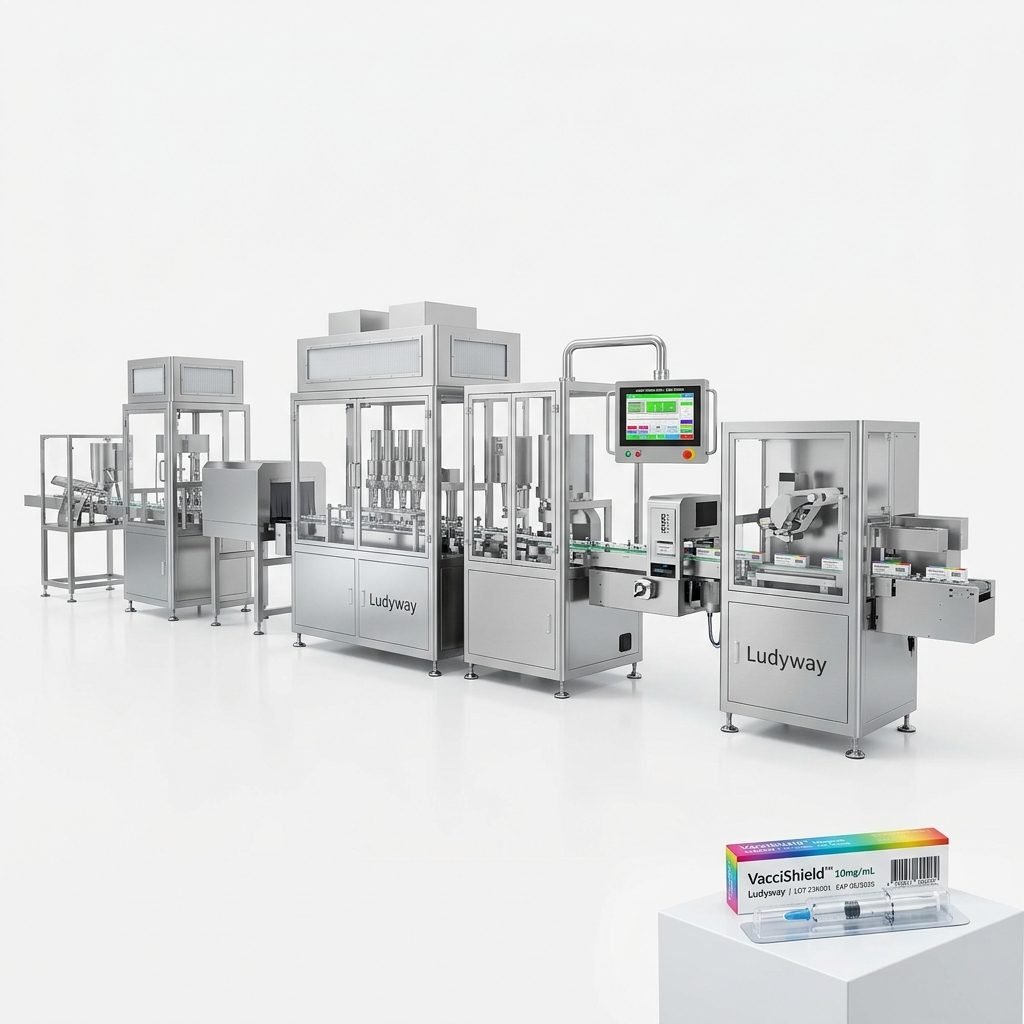
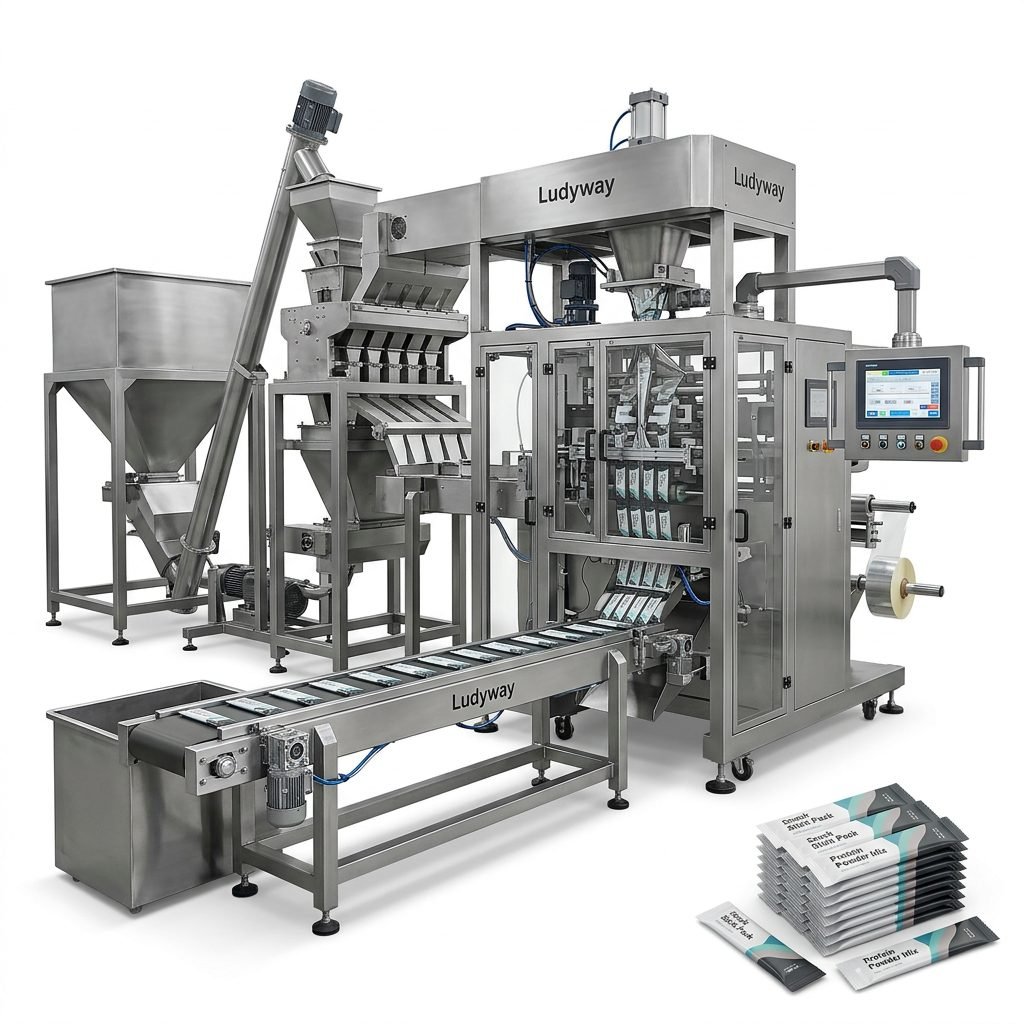
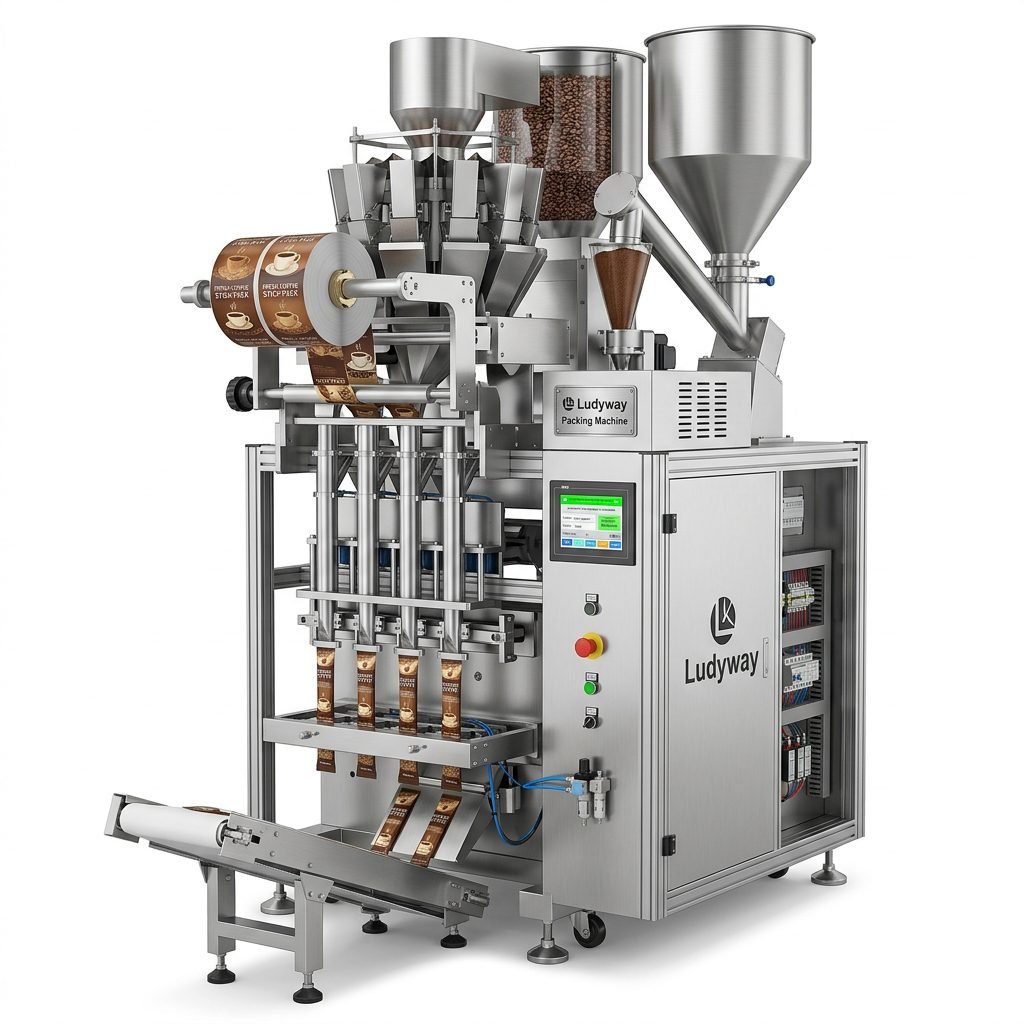
For this reason, suppliers that can provide reliable automation for sachets, stick packs, pouches, bottles, and integrated secondary packaging are gaining more visibility in the international market. One example is Ludyway, a China-based packaging machinery and turnkey packaging line manufacturer with more than 30 years of experience serving food, pharmaceutical, health supplement, and related industries.
What buyers are asking equipment suppliers for
- Lower-energy line configurations for continuous production
- Better compatibility with recyclable or thinner packaging materials
- Reduced product loss in powder, liquid, and granule filling
- Automation upgrades that improve labor efficiency
- Scalable turnkey lines for future sustainability targets
Supply chains are being evaluated on emissions performance
Packaging is no longer judged only by cost, speed, and appearance. Global buyers are starting to examine carbon intensity throughout the supply chain, including machinery selection, production efficiency, packaging design, and logistics implications. This is especially relevant for export-driven manufacturers supplying Europe, North America, the Middle East, South America, Africa, and Southeast Asia, where sustainability expectations vary but are clearly rising overall.
In practical terms, this means factories that modernize sooner may gain an advantage in tendering, retailer approvals, and long-term contract retention. Low-carbon production is becoming a measurable business value rather than a branding message alone.
Digitalization supports the next stage of decarbonization
Another important trend is the use of digital tools to support sustainability. Smart packaging lines can collect production data related to speed, downtime, defect rate, filling deviation, and material consumption. With better visibility, plant managers can identify where carbon-heavy waste occurs and adjust operations quickly.
| Digital Capability | Sustainability Benefit |
|---|---|
| Real-time production monitoring | Faster correction of waste-generating issues |
| Precision dosing analytics | Reduced overfill and raw material loss |
| Maintenance alerts | Lower downtime and improved machine efficiency |
| Integrated quality inspection data | Less rework and fewer rejected finished packs |
Industry outlook: from voluntary action to operational standard
The pace of change suggests that low-carbon production will soon be a baseline expectation across much of the packaging industry. Companies that delay investment may face higher compliance costs, less flexible production, and growing pressure from global customers. Meanwhile, businesses that adopt efficient, intelligent packaging systems are likely to benefit from stronger resilience, better resource control, and improved competitiveness.
As the industry continues to evolve, the leaders will be those that can combine automation, precision, and sustainability into one practical manufacturing model. For packaging producers worldwide, the transition is no longer a question of if, but how fast they can move.