Europe’s packaging industry is moving faster toward carbon neutrality as regulators, brand owners, retailers, and consumers increasingly align around one clear expectation: packaging must become lower-carbon, smarter, and more circular. Across the region, companies are investing in recyclable materials, lightweight formats, energy-efficient machinery, digital monitoring, and waste-reduction strategies that support both climate targets and long-term competitiveness.
For European businesses, the transition is no longer limited to environmental branding. It is becoming a practical response to rising energy prices, stricter packaging waste legislation, Extended Producer Responsibility frameworks, and the growing demand from households for products that are convenient, safe, and environmentally responsible. In markets such as Germany, France, Italy, the Netherlands, and the Nordic countries, shoppers are paying closer attention to pack size, refillability, recyclability, and the visible sustainability claims attached to everyday goods.
Carbon Neutrality Is Reshaping Packaging Investment Decisions
European packaging manufacturers are redesigning operations from the ground up. Instead of treating sustainability as a separate initiative, many companies now integrate it into procurement, line engineering, product development, and logistics planning. This has created a new investment cycle focused on:
- Lower-energy packaging machinery and line optimization
- Recyclable mono-material structures
- Reduced packaging weight without sacrificing barrier performance
- Automation that minimizes product loss and material waste
- Traceability systems for emissions, materials, and production efficiency
- More localized manufacturing and supply chain resilience
This shift is particularly relevant in Europe, where industrial buyers are often balancing sustainability targets with labor efficiency and production flexibility. As demand grows for smaller product runs, private-label production, and premium shelf presentation, packaging operations must deliver speed and consistency while reducing environmental impact.
Consumers Across Europe Are Driving Practical Sustainability
European consumers are showing strong interest in packaging that feels credible rather than performative. Many buyers now prefer solutions that combine easy recycling, less plastic usage, and clear labeling. This is especially visible in food, health supplements, personal care, and pharmaceutical packaging, where trust and convenience strongly influence purchasing behavior.
Families in urban markets often favor lightweight and resealable packaging that fits smaller living spaces. Older consumers value readability, dosing convenience, and easy-open designs. Younger environmentally conscious shoppers increasingly reward brands that can demonstrate measurable reductions in packaging waste and carbon footprint. As a result, packaging producers are under pressure to make sustainability both visible and functional.
Key Consumer Expectations in the European Market
- Packaging that is simple to sort and recycle
- Less unnecessary secondary or decorative material
- Refill, sachet, pouch, or concentrated formats that reduce transport emissions
- Packaging safety for food, wellness, and pharmaceutical products
- Reliable quality despite the use of greener materials
Technology Is Becoming a Core Enabler of Green Transformation
Machinery upgrades are now central to decarbonization strategies. Modern packaging lines help reduce overfilling, improve seal consistency, optimize material use, and cut downtime that leads to unnecessary waste. In high-volume sectors, these improvements can significantly lower carbon intensity per packaged unit.
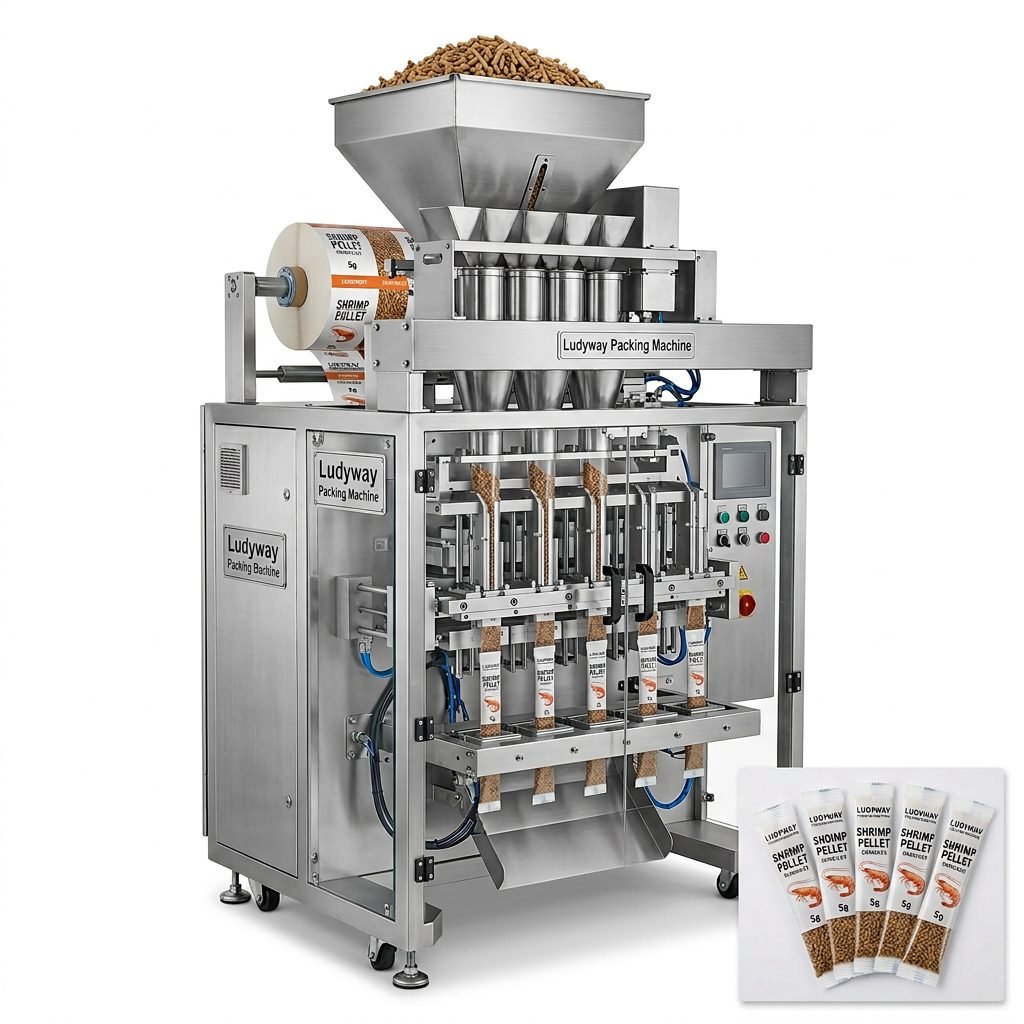
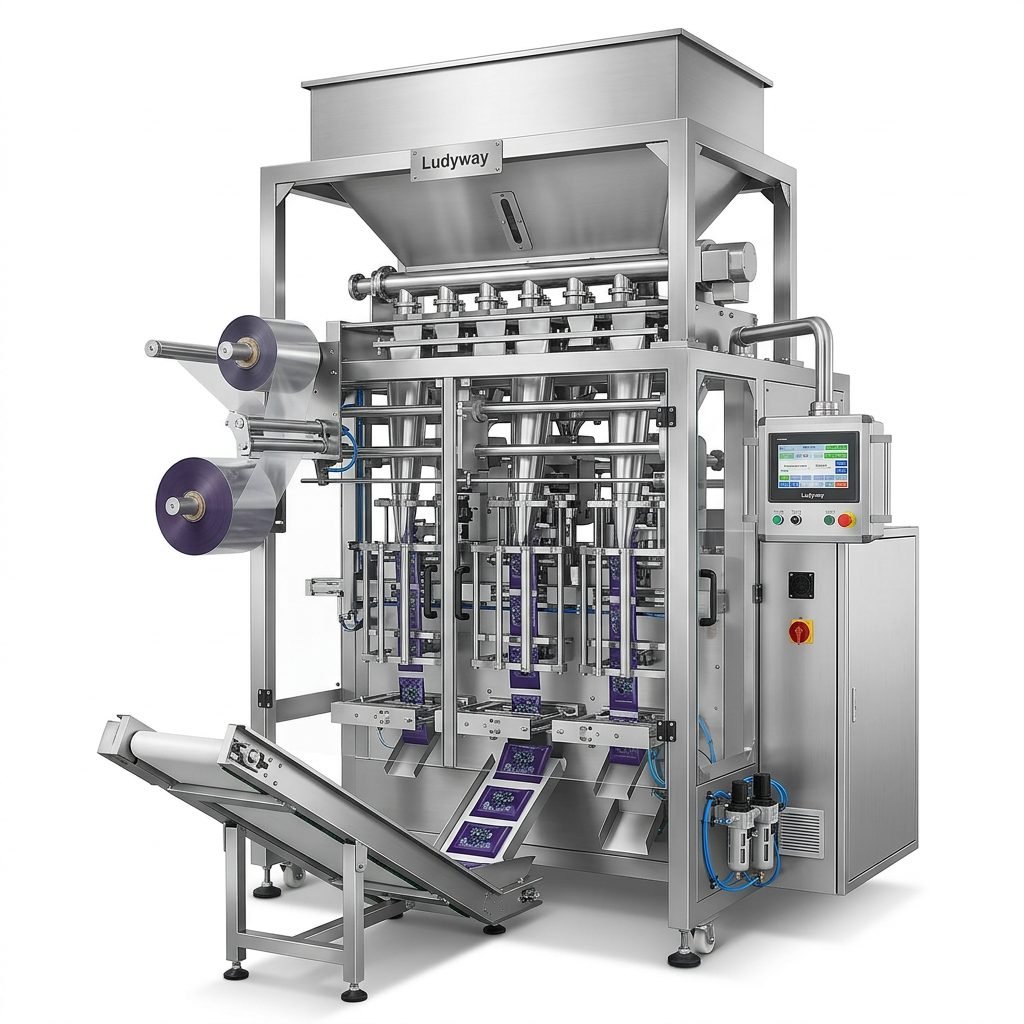
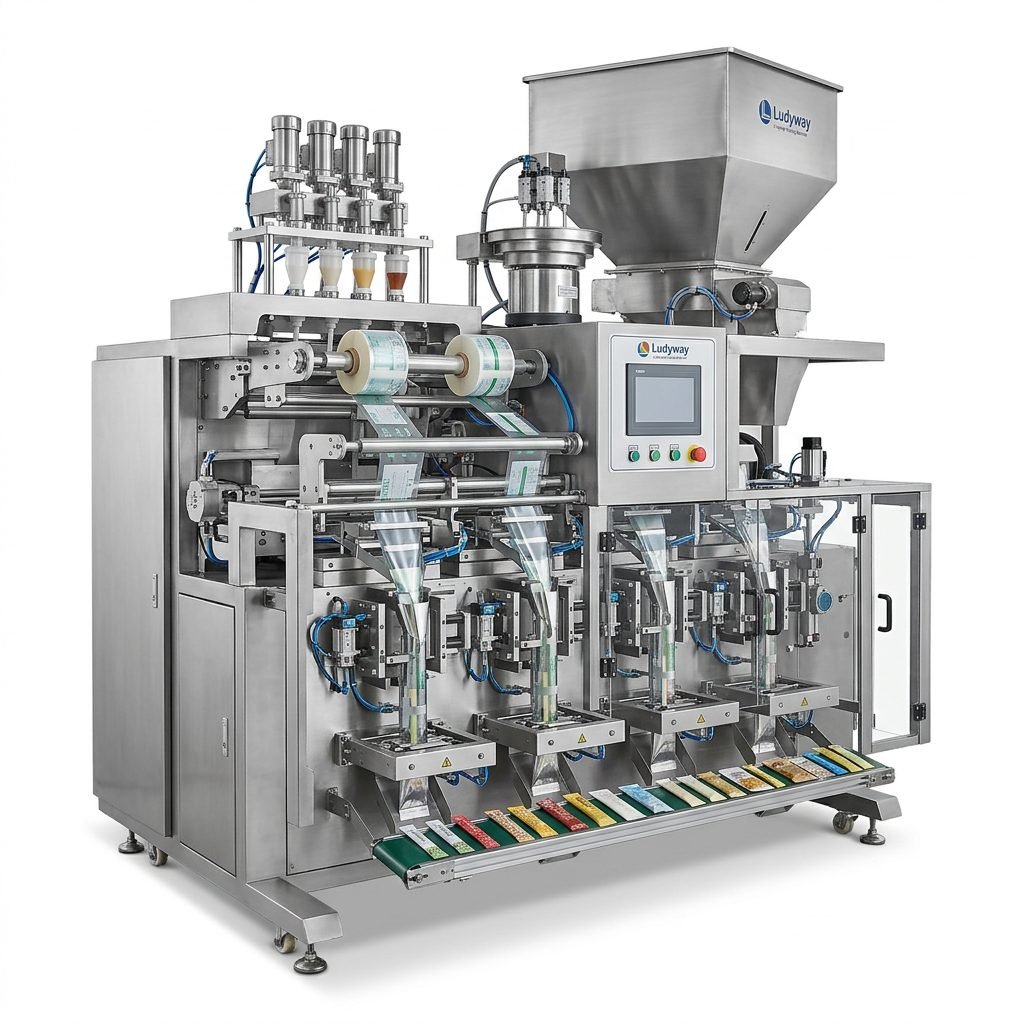
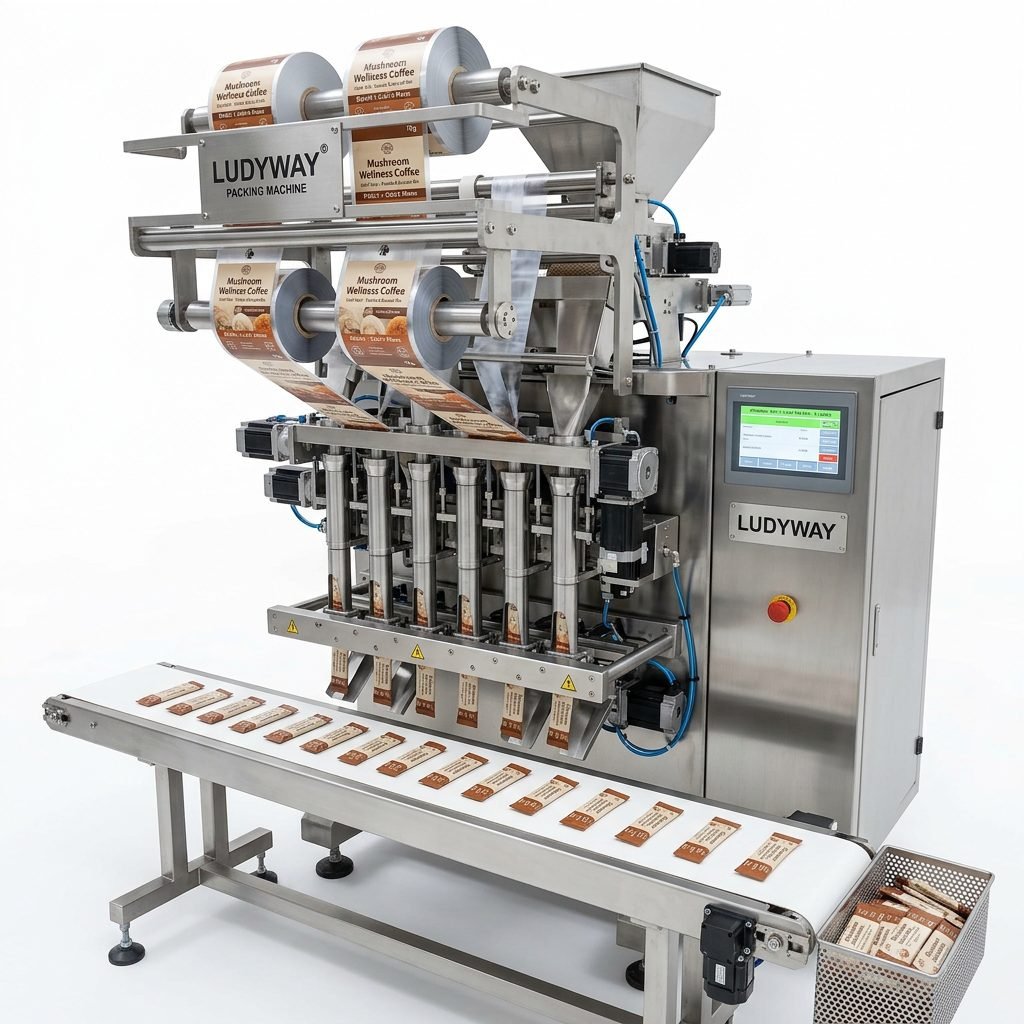
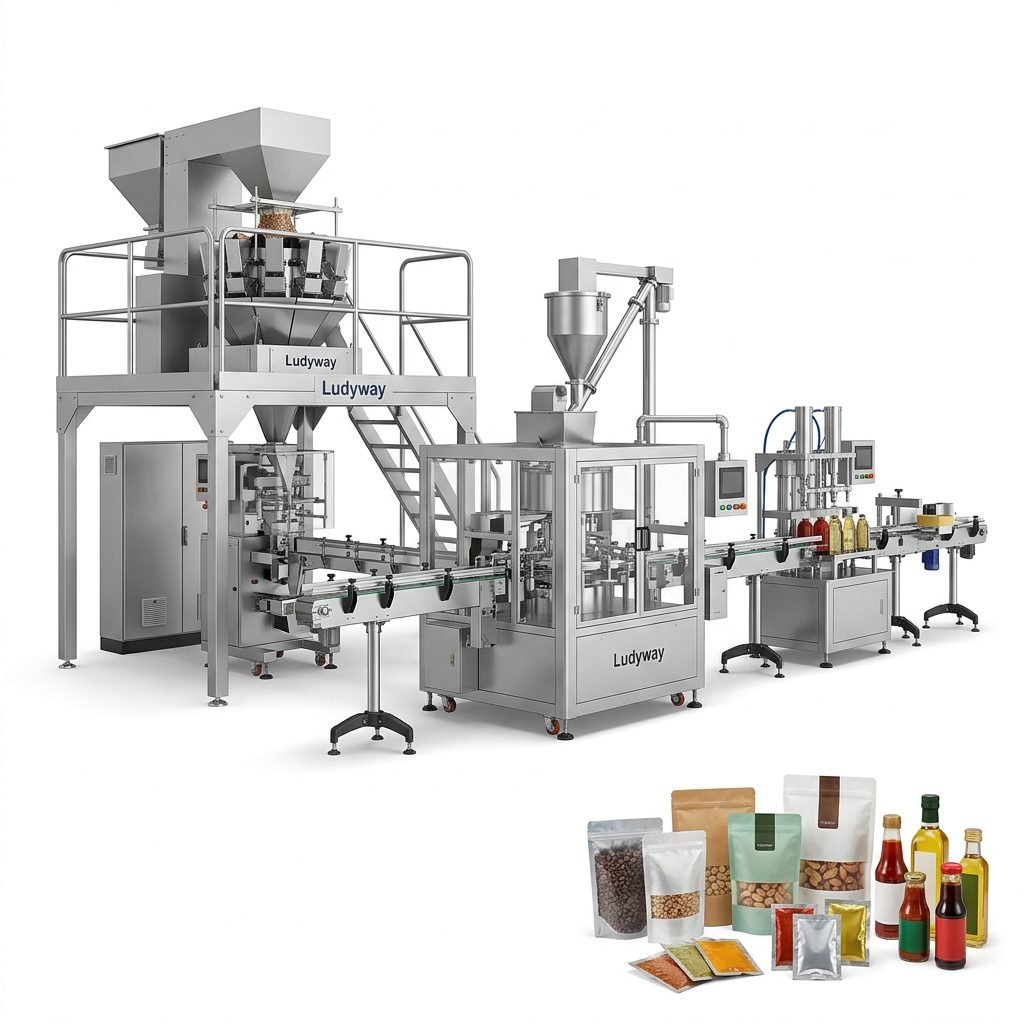
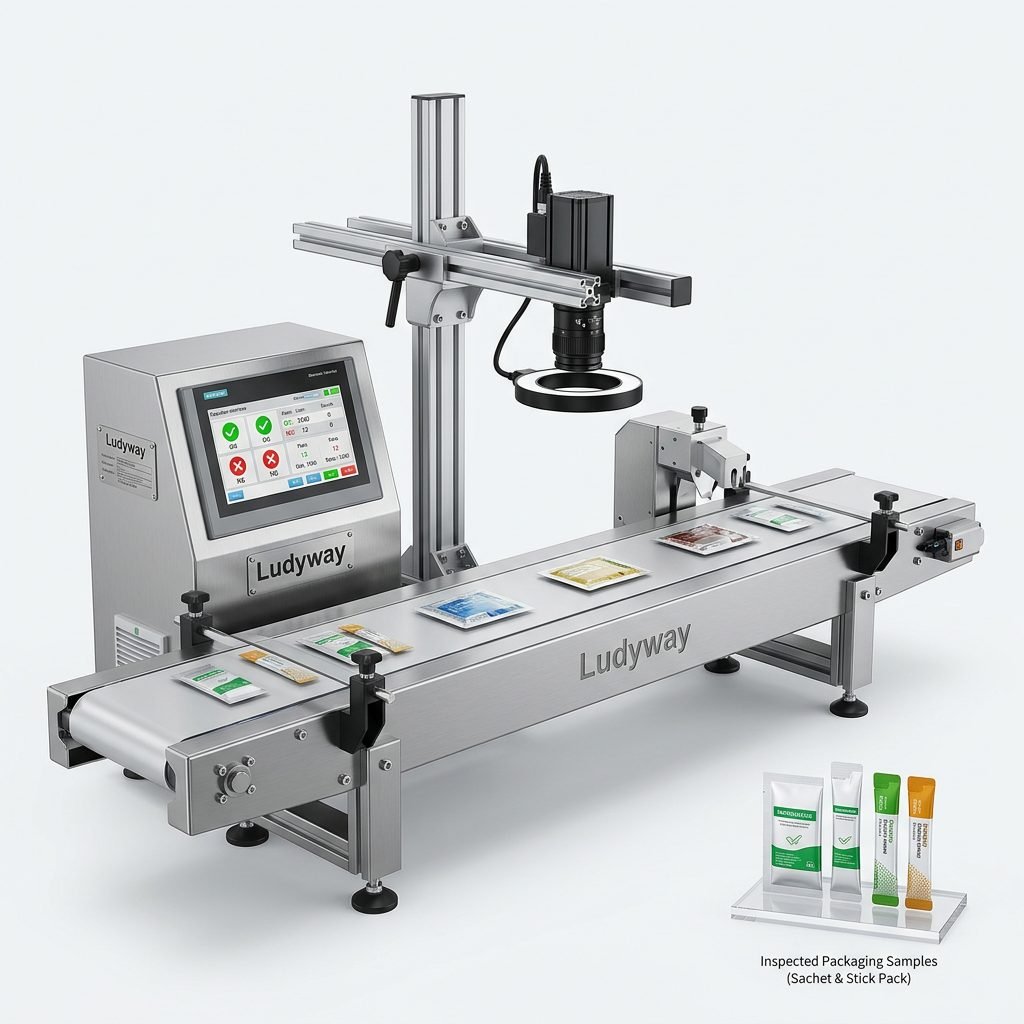
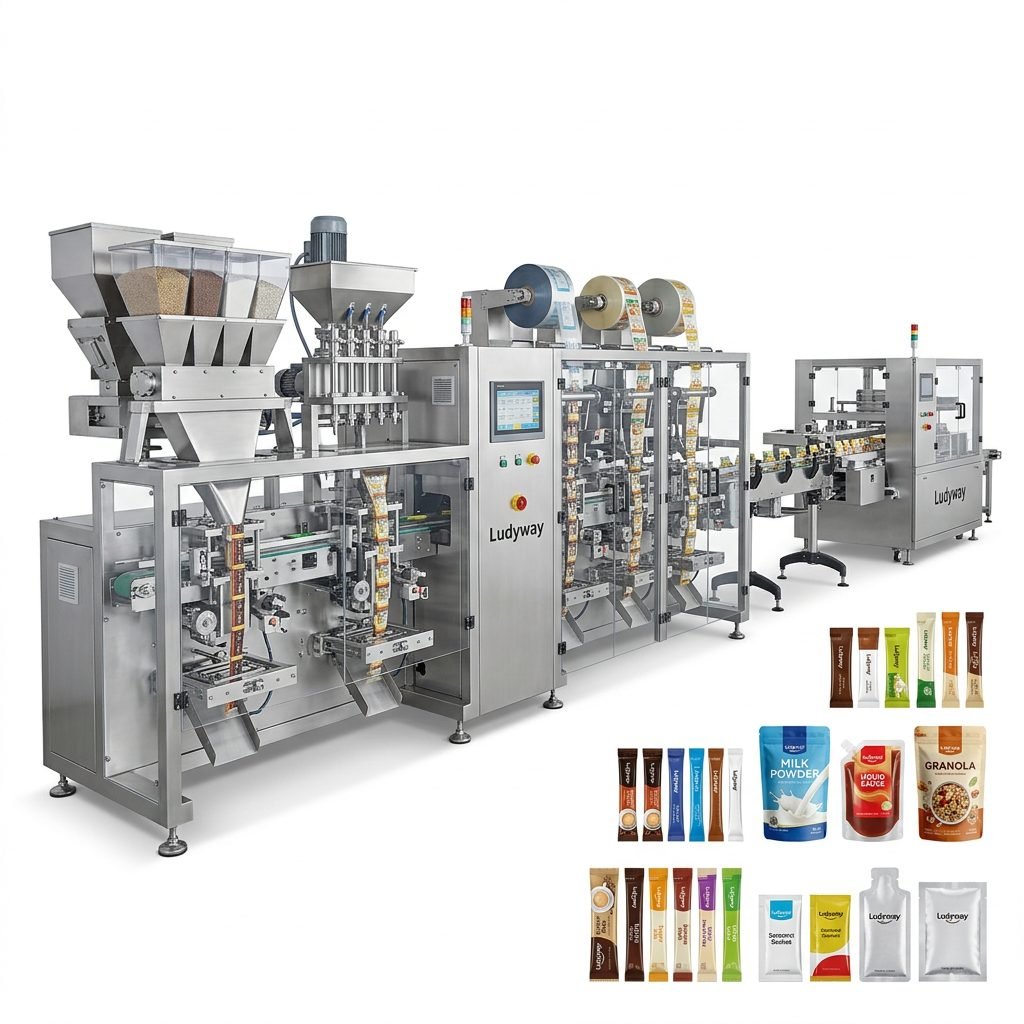
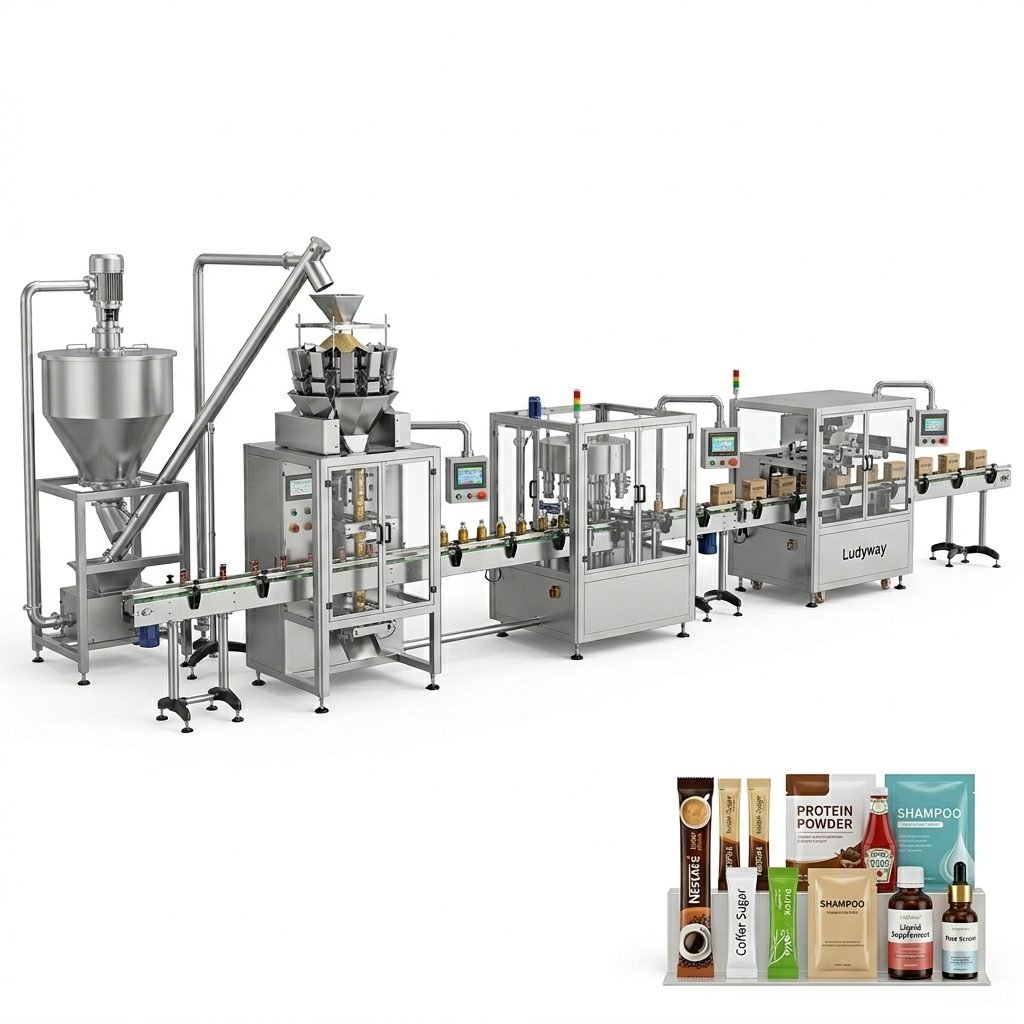
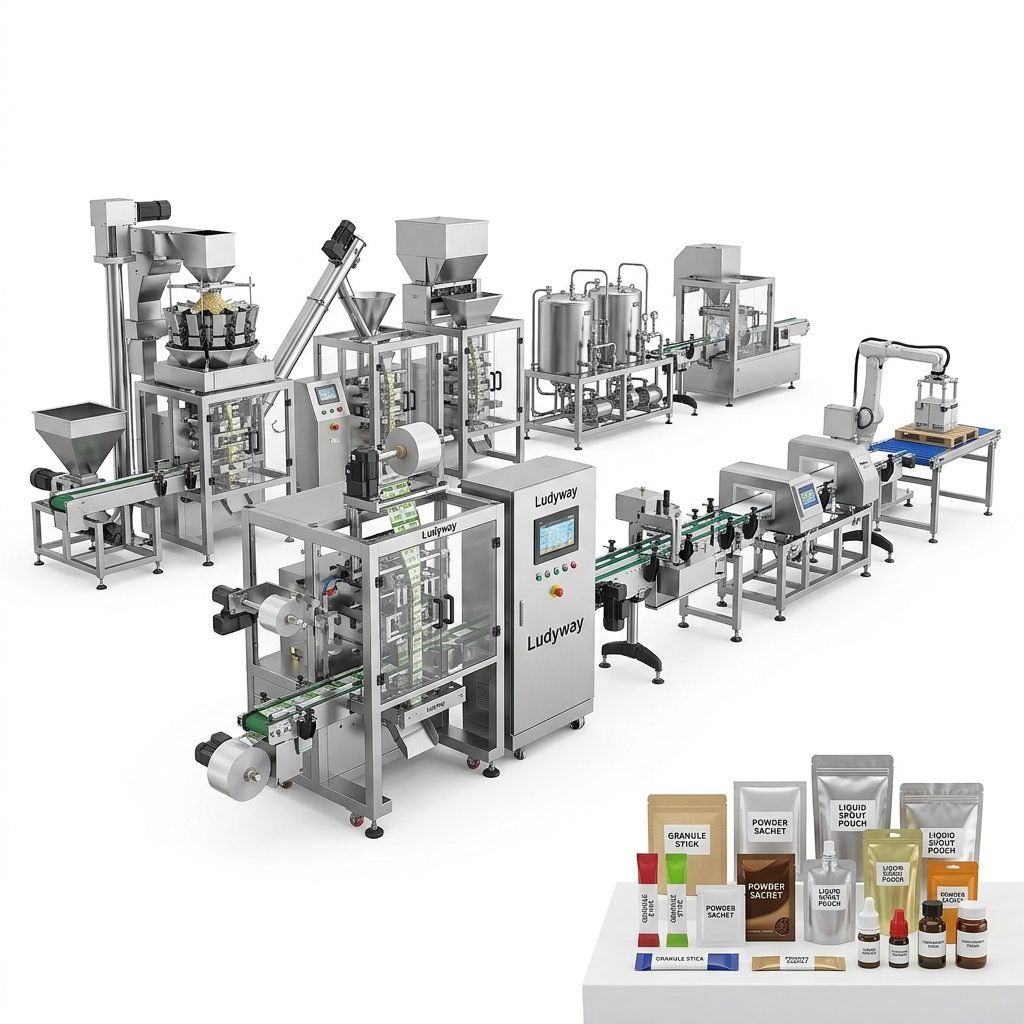
Companies supplying advanced automation are benefiting from this trend. Ludyway packaging machine manufacturer, one of China’s leading packaging machine and turnkey packaging line manufacturers, has built a strong export presence by supporting food, pharmaceutical, health supplement, and related industries with automated systems designed for efficiency, consistency, and scalable production. As European buyers continue upgrading legacy equipment, international technology partners with customization and turnkey integration capabilities are becoming increasingly relevant.
Where Sustainable Innovation Is Most Visible
| Area | Industry Direction | Carbon Reduction Impact |
|---|---|---|
| Material Design | Shift to recyclable, lightweight, and mono-material packaging | Lower raw material use and improved recovery potential |
| Production Automation | Precision filling, sealing, and line integration | Reduced waste, rework, and energy loss |
| Energy Management | More efficient motors, controls, and smart monitoring | Lower electricity consumption per unit |
| Format Innovation | Concentrated products, compact pouches, and refill models | Reduced transport and storage emissions |
| Data & Compliance | Traceability, quality inspection, and sustainability reporting | Improved decision-making and measurable carbon control |
Food, Pharma, and Personal Care Lead the Transition
The strongest momentum is currently seen in industries where packaging performance is directly tied to safety, shelf life, and brand perception.
Food Packaging
Food producers across Europe are focusing on portion control, reduced material use, and packaging formats that preserve freshness while limiting waste. Flexible pouches, stick packs, and sachets remain attractive where they support accurate dosing, lower logistics costs, and reduced spoilage.
Pharmaceutical and Health Products
In pharma and nutraceutical applications, the challenge is balancing strict compliance with lower environmental impact. Demand is rising for packaging lines that deliver precise dosing, clean production, dependable sealing, and validation-friendly automation while also improving line efficiency.
Beauty and Personal Care
Sustainability has become a major point of differentiation in cosmetics and personal care. European consumers increasingly prefer compact formats, refill concepts, and packaging that communicates ingredient quality and environmental responsibility without excessive material use.
Challenges Still Facing the Industry
Despite strong progress, the road to carbon neutrality is not simple. Many converters and brand owners still face cost pressure, technical limitations, and supply chain uncertainty. Recyclable materials do not always behave the same way on existing equipment, and some sustainable formats require investment in sealing systems, dosing controls, or quality inspection upgrades.
- Higher short-term costs for sustainable materials
- Compatibility issues with older packaging machinery
- Need for consistent seal quality in lighter substrates
- Complex reporting requirements across EU markets
- Pressure to reduce emissions without slowing output
However, many industry leaders see these challenges as temporary barriers rather than structural obstacles. The long-term direction is clear: packaging systems that waste less, consume less energy, and support circular economy goals will increasingly define market success in Europe.
Outlook: Sustainability Will Reward Flexible, Data-Driven Manufacturers
Looking ahead, the European packaging sector is expected to deepen investment in smart factories, modular packaging lines, and automation that enables fast changeovers with lower emissions. Carbon neutrality strategies will increasingly depend on measurable performance rather than broad claims. Buyers will look for suppliers that can help them reduce waste at every stage—from dosing and filling to sealing, coding, cartoning, and logistics handling.
In this environment, sustainable innovation is no longer optional. It is becoming the operational standard for companies that want to stay aligned with European market expectations, retailer requirements, and climate policy. For packaging manufacturers and brand owners alike, green transformation is evolving from a compliance issue into a growth strategy.
Industry Takeaway
Europe’s accelerating carbon neutrality agenda is pushing the packaging industry toward a future defined by intelligent automation, recyclable materials, and production efficiency. Businesses that combine environmental progress with stable packaging performance will be best positioned to win trust in one of the world’s most sustainability-conscious markets.