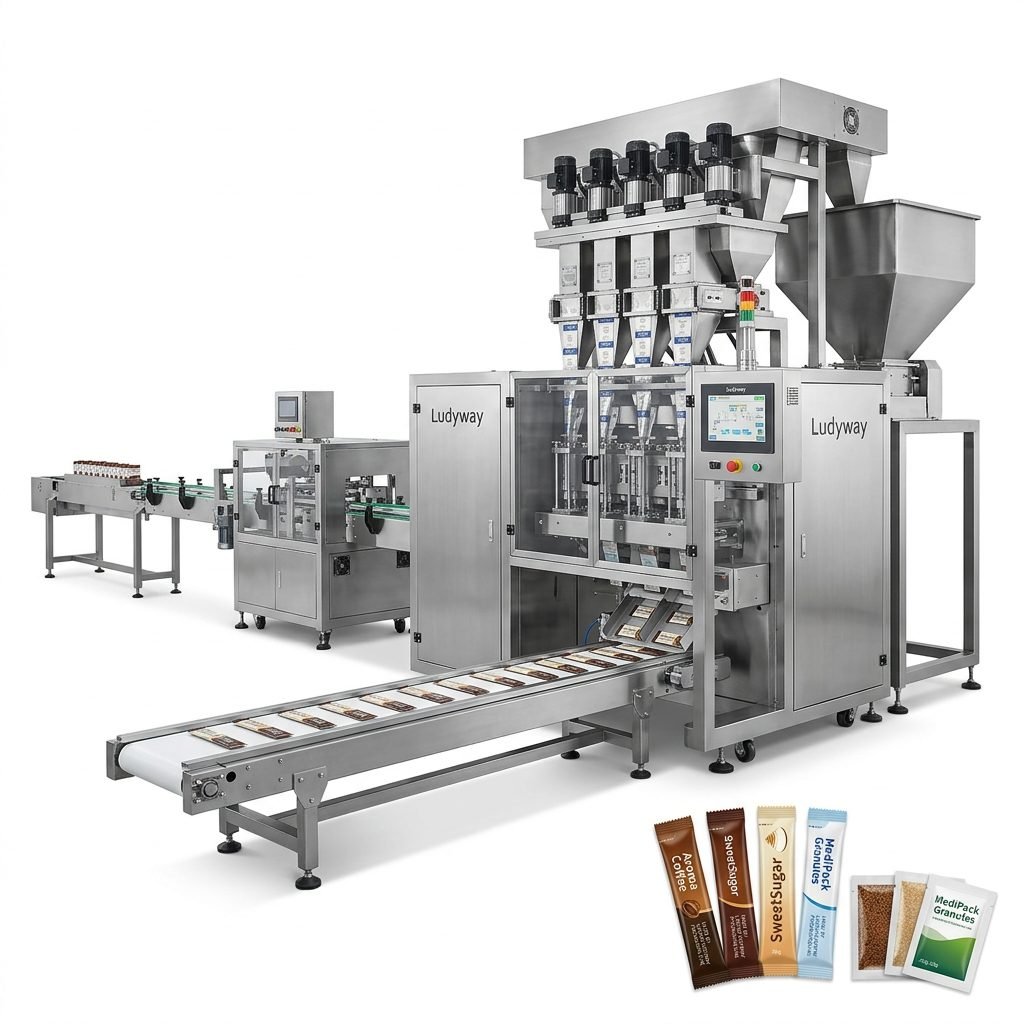
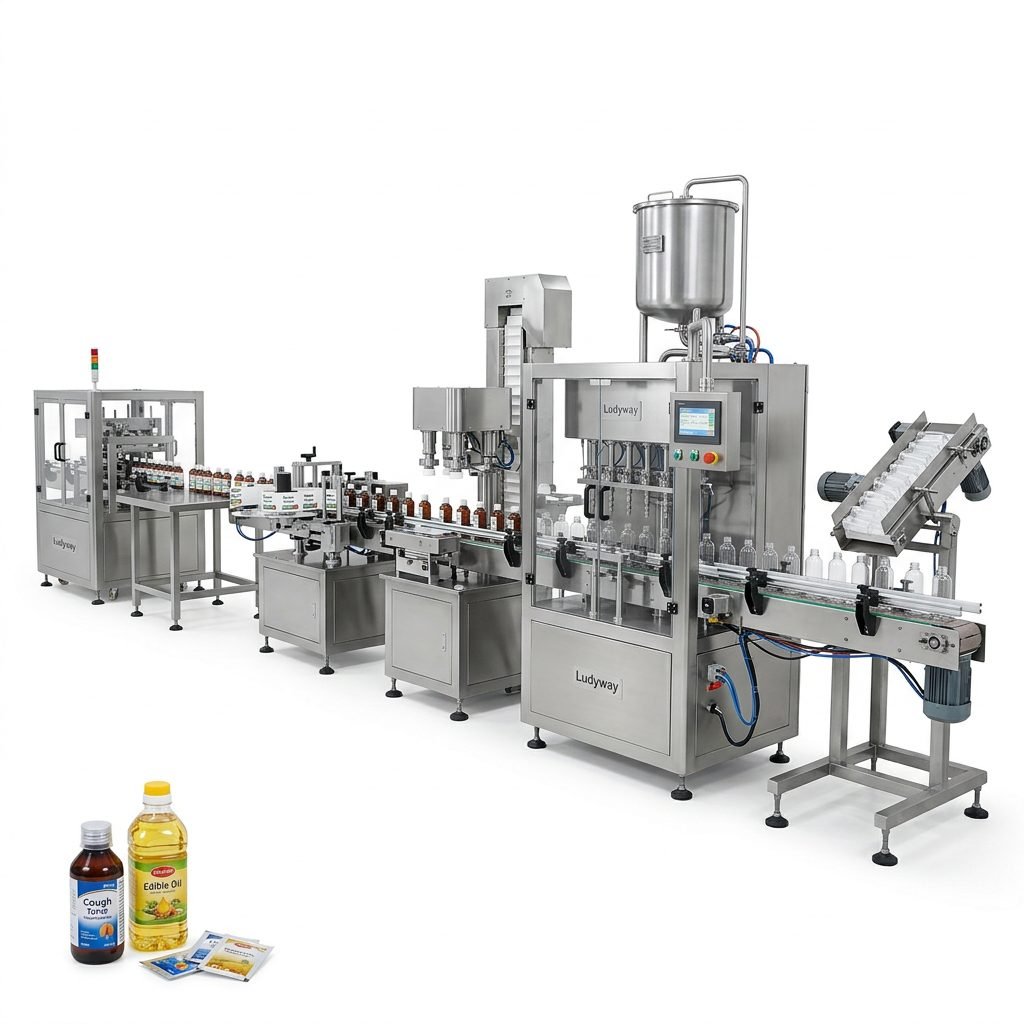
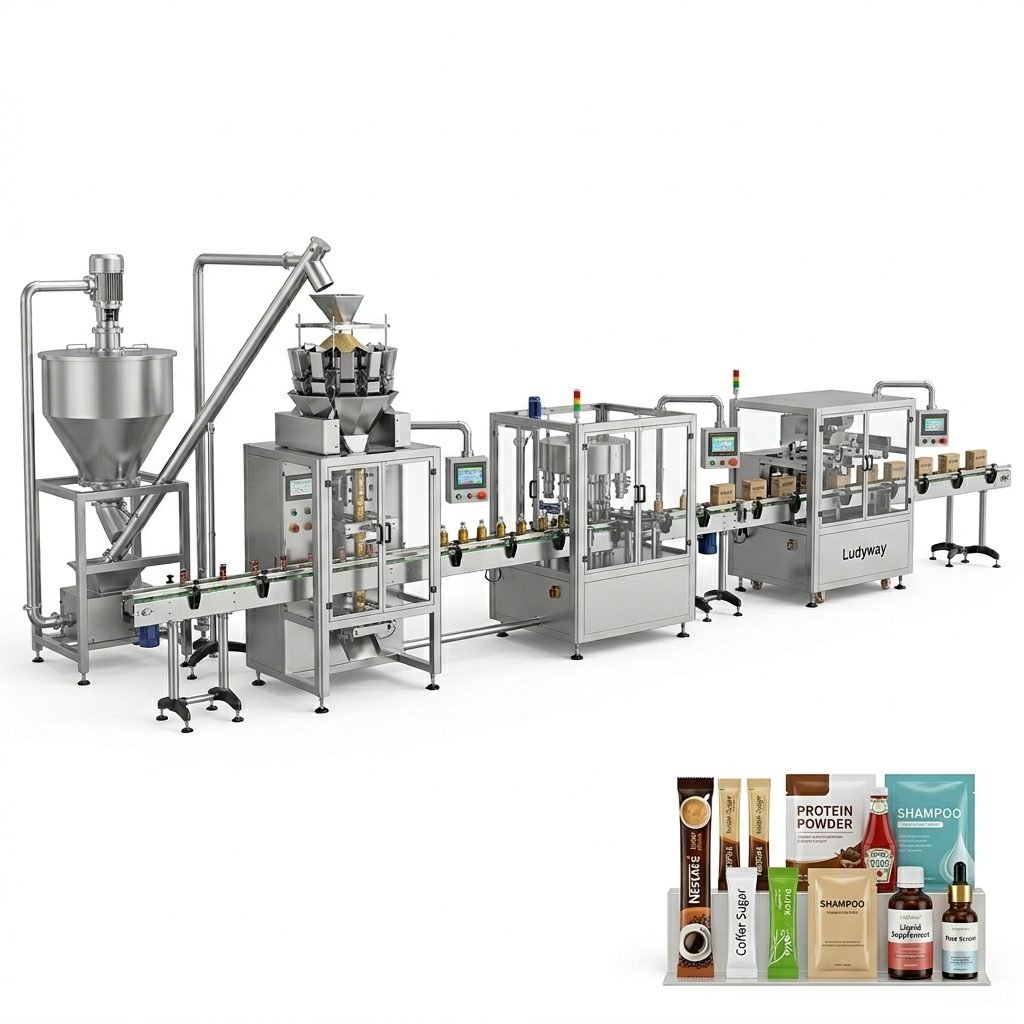
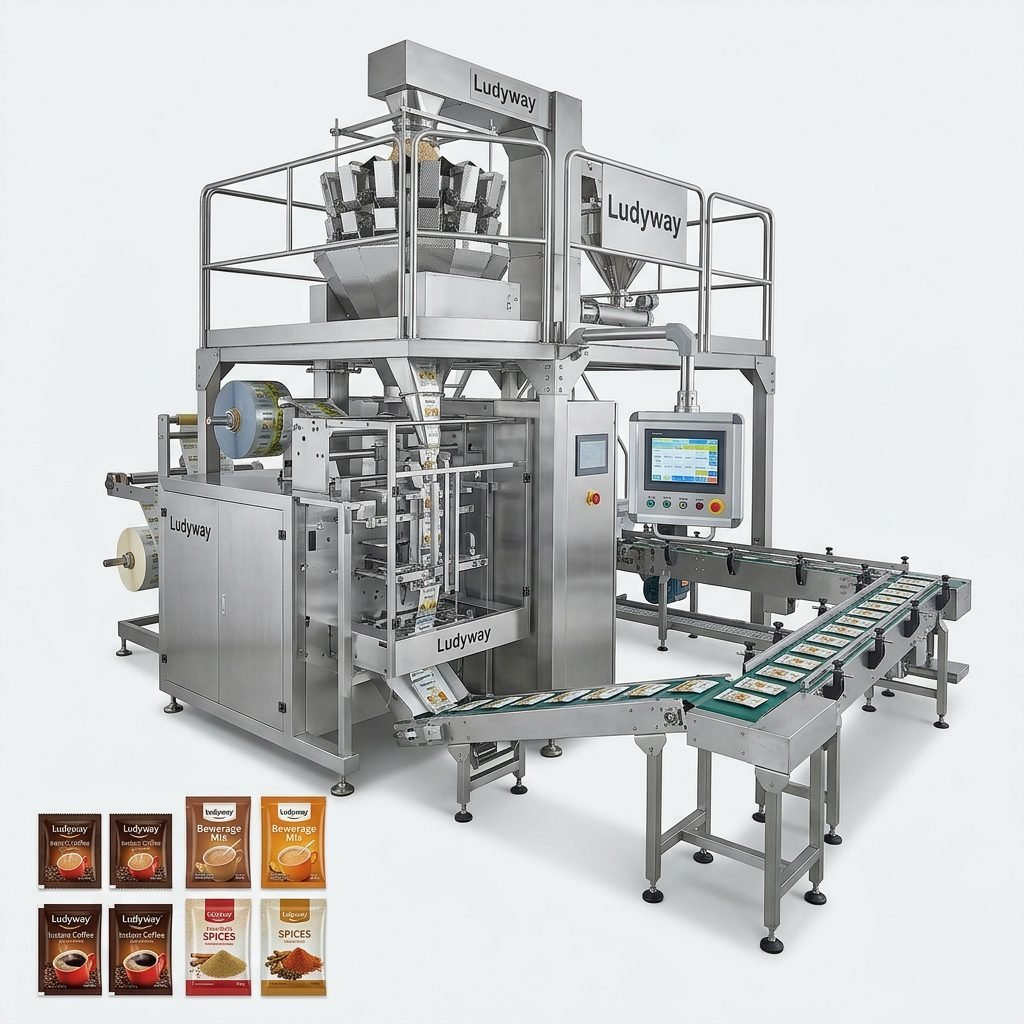
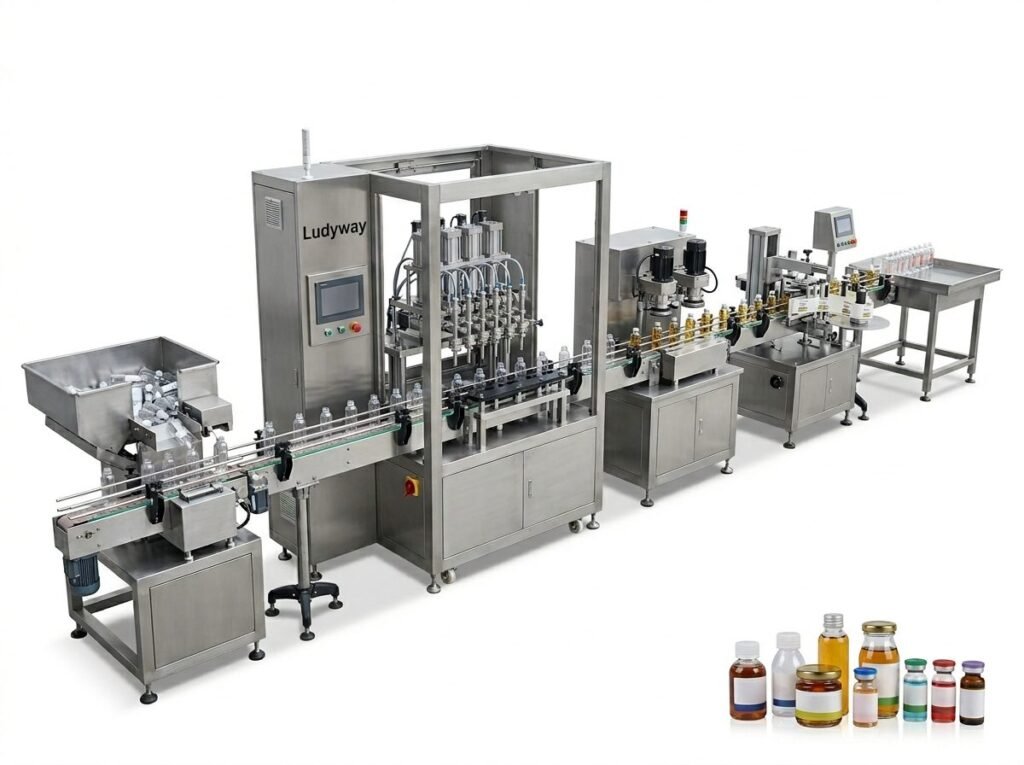
The global packaging sector has long grappled with the persistent challenge of dust emissions and material spillage, particularly during the high-speed processing of fine powders, chemicals, and granulated food ingredients. In response to these pressing industrial hurdles, a pioneering technology has emerged on the global stage: the Air-Cushion Dust-Reducing Packaging Machine. This innovative equipment marks a significant milestone in packaging automation, addressing environmental safety, operational hygiene, and material waste simultaneously.
During conventional packaging processes, handling micro-fine granules or powders often results in airborne particulate dispersion. This not only leads to significant product loss but also poses severe occupational health risks to factory workers, increases clean-up downtime, and heightens the danger of dust explosions in processing facilities. Traditional dust extraction systems often fall short because they try to capture dust after it has already escaped into the surrounding environment. The air-cushion system, however, resolves this at the source.
The Physics Behind the Air-Cushion Technology
The newly debuted Air-Cushion Dust-Reducing Packaging Machine introduces a paradigm shift. By utilizing a localized high-velocity air-cushion boundary layer around the filling nozzle, the machine creates a micro-vacuum zone. This barrier prevents fine particles from escaping the bag mouth during the filling cycle. The technology integrates state-of-the-art pressure differential controls that dynamically adjust according to the density and flow rate of the product being packaged.
As the product drops into the bag or pouch, displaced air is forced upward. In a standard machine, this upward draft carries fine dust with it. The air-cushion system utilizes a circular manifold that blows a gentle stream of compressed air downward and inward, forming a physical “curtain” of air. Simultaneously, a low-pressure suction port draws the displaced air out without pulling the product along, keeping the sealing area completely clean. This ensures that the subsequent heat-sealing process is not compromised by powder contamination, leading to significantly higher seal integrity and fewer rejected packages.
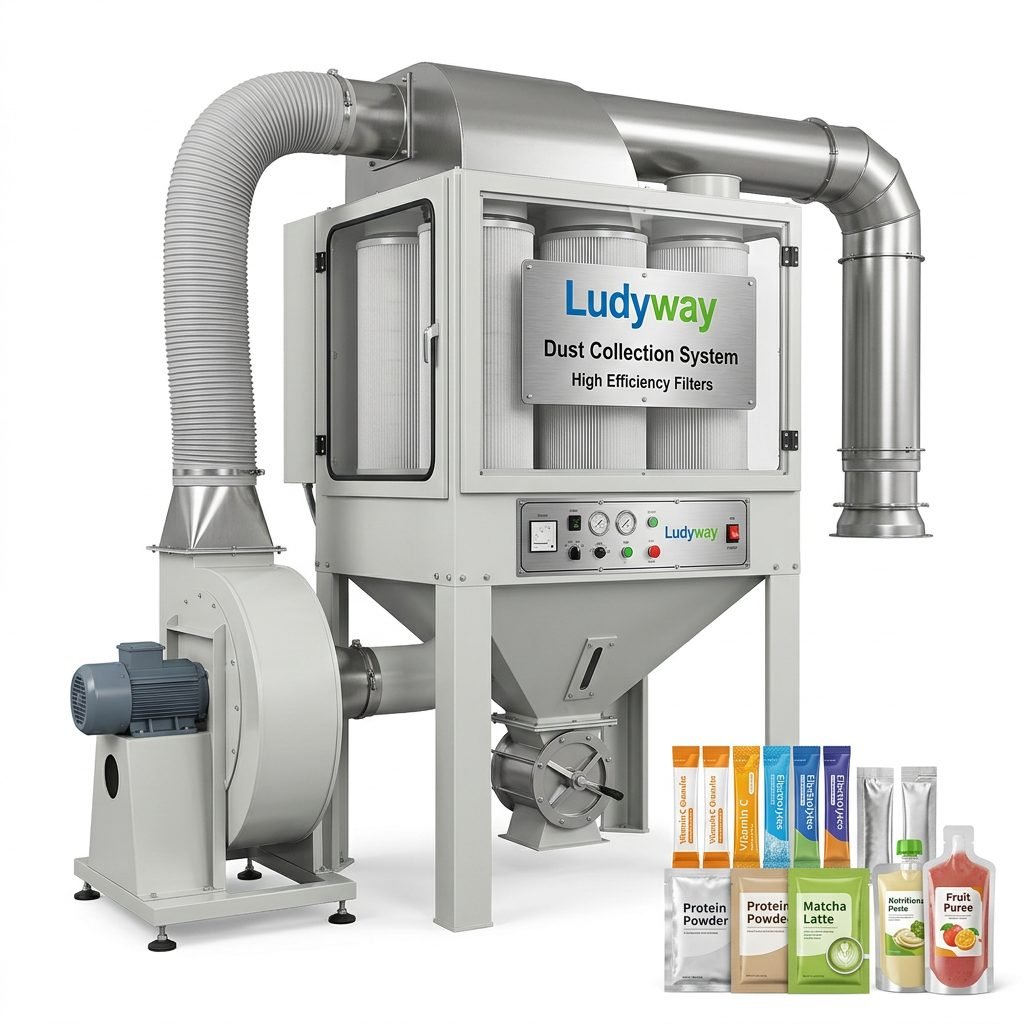
Key Engineering Advancements and Operational Benefits
This automated solution offers a variety of technical enhancements designed to streamline high-volume production lines. Below are the primary benefits observed during initial production tests:
- Zero Material Spillage: Prevents up to 99.8% of airborne dust from escaping the package neck during high-velocity filling cycles.
- Enhanced Seal Reliability: Keeping the seal zone free of fine dust particles eliminates weak spots, leaks, and product spoilage.
- Reduced Clean-Up Downtime: Minimal dust accumulation on the machine surface translates to longer continuous run times and fewer maintenance shifts.
- Material Savings: Recycled micro-particles are directed back into the hopper, saving tons of raw materials annually in large-scale operations.
As global manufacturing standards shift toward zero-emission and highly hygienic production lines, turnkey solutions are becoming essential. Established in 1993, Ludyway, one of China’s leading packaging machine and turnkey packaging line manufacturers, has continuously pushed the boundaries of automated packaging. The introduction of such advanced dust-suppression technologies aligns perfectly with the evolving demands of their international clientele across Europe, North America, and Southeast Asia, helping factories meet strict environmental and occupational health regulations.
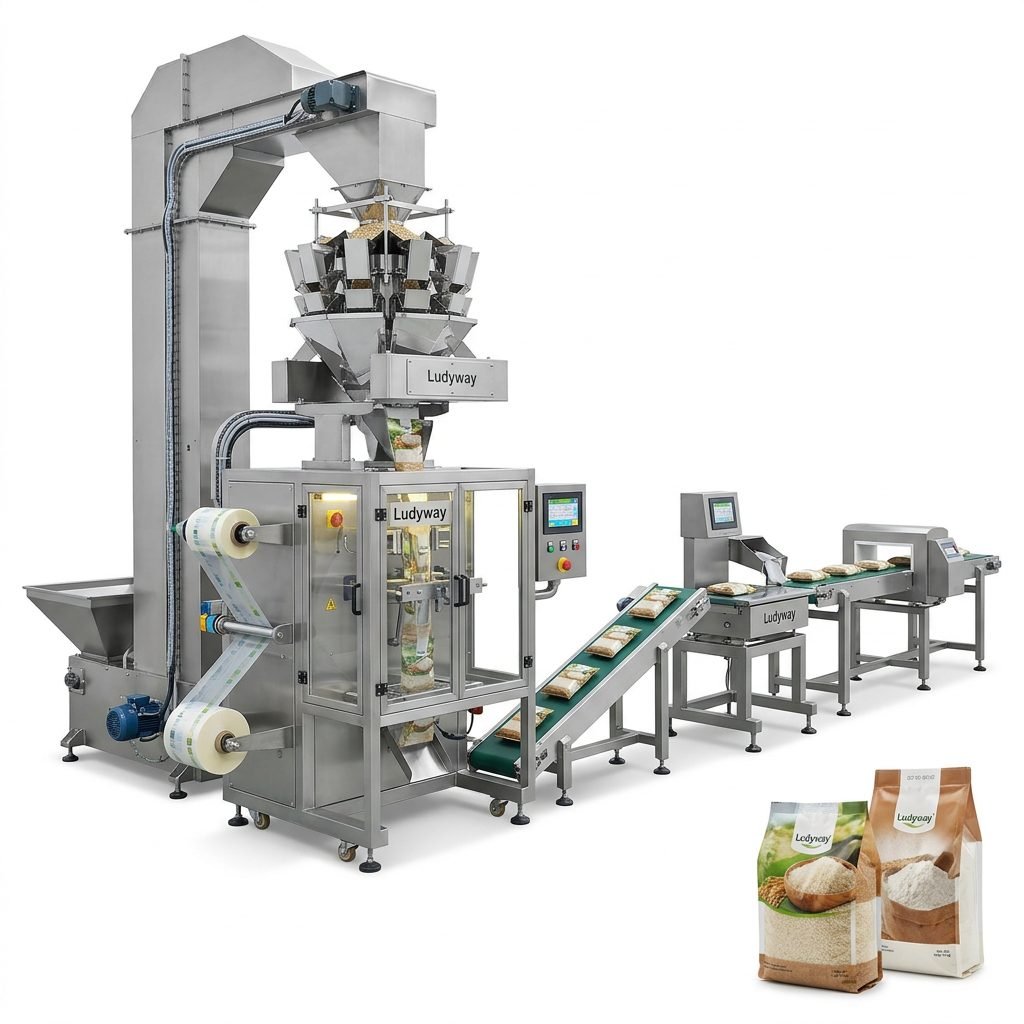
Performance Comparison: Standard vs. Air-Cushion Systems
To better understand the efficiency gains, the table below highlights the operational differences between traditional gravity-based filling systems and the newly developed air-cushion dust-reducing packaging line under standard industrial loads.
| Operational Metric | Traditional Gravity Filling | Air-Cushion Dust-Reducing System |
|---|---|---|
| Dust Containment Rate | 60% – 75% (requires external hood) | 98% – 99.8% (integrated containment) |
| Seal Contamination Rate | Up to 3.5% in fine powders | Less than 0.1% |
| Required Maintenance Intervals | Every 4 – 6 hours of operation | Up to 24 hours of continuous running |
| Material Yield Efficiency | 98.2% average yield | 99.9% yield (recovery loop active) |
Broad Application Across Diverse Industries
The versatility of the air-cushion packaging machinery makes it a valuable asset across several sectors where powder containment is critical. Its design accommodates various bag materials, including polyethylene, laminated paper, and woven plastics, without sacrificing packaging speeds.
1. Food Processing Sector
In the food industry, hygiene is paramount. Products like milk powder, wheat flour, cocoa, and starch are highly prone to dusting. The air-cushion technology prevents these organic dusts from settling on factory floors, which significantly reduces the risk of bacterial growth and secondary contamination, ensuring compliance with global food safety standards.
2. Pharmaceuticals & Nutraceuticals
Packaging active pharmaceutical ingredients (APIs), enzyme powders, or protein supplements requires absolute containment to protect operators from inhaling active substances. The closed-loop air barrier guarantees that toxic or highly active powders remain sealed inside the packaging process, maintaining cleanroom integrity.
3. Chemical and Construction Materials
Fine industrial chemicals, carbon black, pesticide granules, and cement additives are notoriously difficult to package without generating a messy environment. The heavy-duty variants of this machine are engineered with wear-resistant materials to handle abrasive chemical dusts while keeping the surrounding air clean and breathable.
Paving the Way for Greener, Safer Factories
Modern manufacturing plants are under constant pressure to optimize efficiency while reducing their carbon and environmental footprints. The debut of the Air-Cushion Dust-Reducing Packaging Machine represents a proactive response to these challenges. By combining aerodynamic control with mechanical precision, manufacturers can now achieve higher throughput speeds without the associated mess, hazard, and product loss of the past. As factory automation continues to evolve, integration of such intelligent, resource-saving technologies will undoubtedly become the standard for progressive packaging lines worldwide.