The European packaging sector is entering a decisive transition period. With the EU’s 2026 packaging regulations setting stricter expectations for recyclability, material reduction, and circular economy compliance, manufacturers, converters, and brand owners are accelerating investment in new materials and upgraded production systems.
Across food, pharmaceutical, personal care, household, and industrial markets, the message is clear: packaging that cannot adapt to future recycling streams will face growing commercial and regulatory pressure. The result is a broad industry shift toward mono-material structures, lightweight formats, simplified laminates, recyclable flexible packaging, and machinery capable of handling more sensitive sustainable substrates.
Why the 2026 EU Packaging Rules Matter
The upcoming regulatory framework is pushing the market beyond general sustainability claims and toward practical, measurable packaging performance. For companies selling into Europe, especially consumer goods brands and contract packers, compliance is no longer only a legal issue—it is now closely tied to retailer acceptance, procurement requirements, and consumer trust.
European buyers are becoming more selective about packaging formats that fit local waste collection and recycling systems. In many EU markets, consumers already expect packaging to be easier to sort, easier to recycle, and less material-intensive. That makes design-for-recycling a commercial advantage, not just a compliance exercise.
- Greater pressure to improve recyclability rates
- Rising demand for packaging material simplification
- More scrutiny on unnecessary layers and mixed-material structures
- Increased use of recyclable films, paper-based solutions, and lighter packaging
- Higher demand for machinery compatibility with new sustainable materials
Major Material Upgrades Happening Across the Industry
One of the biggest responses to the EU’s policy direction is the move away from difficult-to-recycle composite packaging. Instead, companies are redesigning packs around materials that are more likely to be accepted by existing European recycling infrastructure.
1. Mono-material flexible packaging
Flexible packaging producers are expanding PE-based and PP-based structures that reduce the complexity of traditional laminates. These materials are gaining traction because they can help improve recyclability while still offering sealing performance and product protection for selected applications.
2. Lightweight packaging formats
Brand owners are reducing overall material usage without sacrificing shelf appeal. Lightweight pouches, sachets, refill packs, and downgauged films are being tested more aggressively, particularly in high-volume product categories.
3. Paper-integrated and fiber-based solutions
In product categories where barrier demands are manageable, paper-based packaging is receiving renewed attention. European consumers often view fiber-based packs favorably, especially when the package communication is clear and disposal guidance is simple.
4. Recyclable barrier innovations
The challenge remains balancing sustainability with shelf life. This has fueled R&D in coatings, sealants, and barrier technologies that support recyclability while protecting moisture-sensitive, oxygen-sensitive, or hygiene-critical products.
Industries Seeing the Fastest Change
Not all sectors are moving at the same speed, but several categories are clearly leading the transition because of volume, compliance sensitivity, and retailer pressure.
| Industry | Main Packaging Shift | Key Driver |
|---|---|---|
| Food & Beverage | Mono-material pouches, lighter sachets, recyclable films | Retail compliance and consumer demand |
| Pharmaceutical | Material optimization with regulatory-safe barrier packaging | Safety, traceability, and waste reduction |
| Cosmetics & Personal Care | Refillable formats, recyclable sachets, simplified pack structures | Brand image and premium sustainability positioning |
| Household Products | Flexible refill packaging and downgauged films | Cost control and packaging reduction targets |
| Industrial & Chemical | Recyclable sacks, bag redesign, material simplification | Sustainability reporting and export readiness |
Machinery Upgrades Are Becoming Just as Important as Material Upgrades
Switching to recyclable materials is not only a sourcing decision. It often requires changes in sealing temperature windows, tension control, filling stability, film feeding, cutting precision, and line integration. Many sustainable films behave differently from conventional structures, which means older machines may struggle with consistency, speed, or seal quality.
This is why equipment suppliers are playing a larger role in the transition. Packaging operations now need systems that can run recyclable materials with stable output, lower waste, and repeatable sealing performance. For exporters serving the EU, machinery flexibility is becoming a strategic investment.
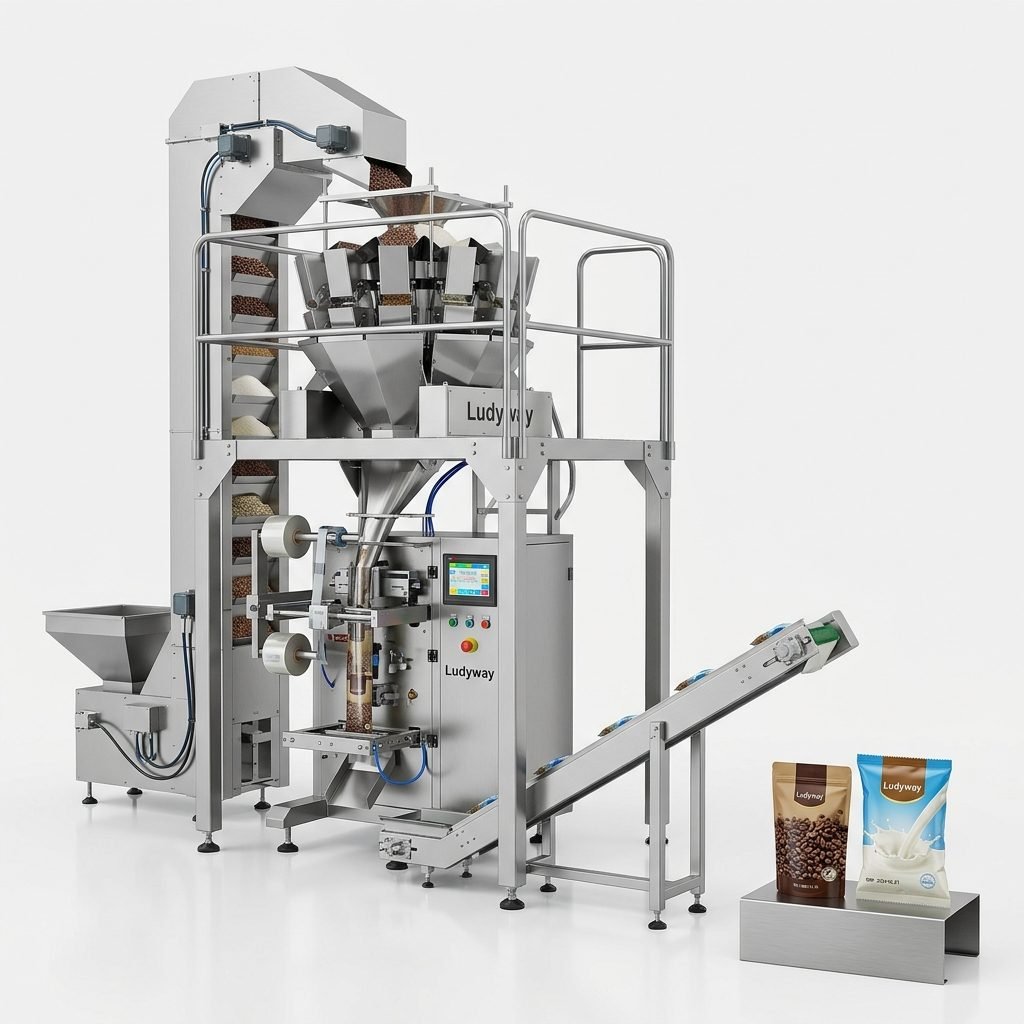
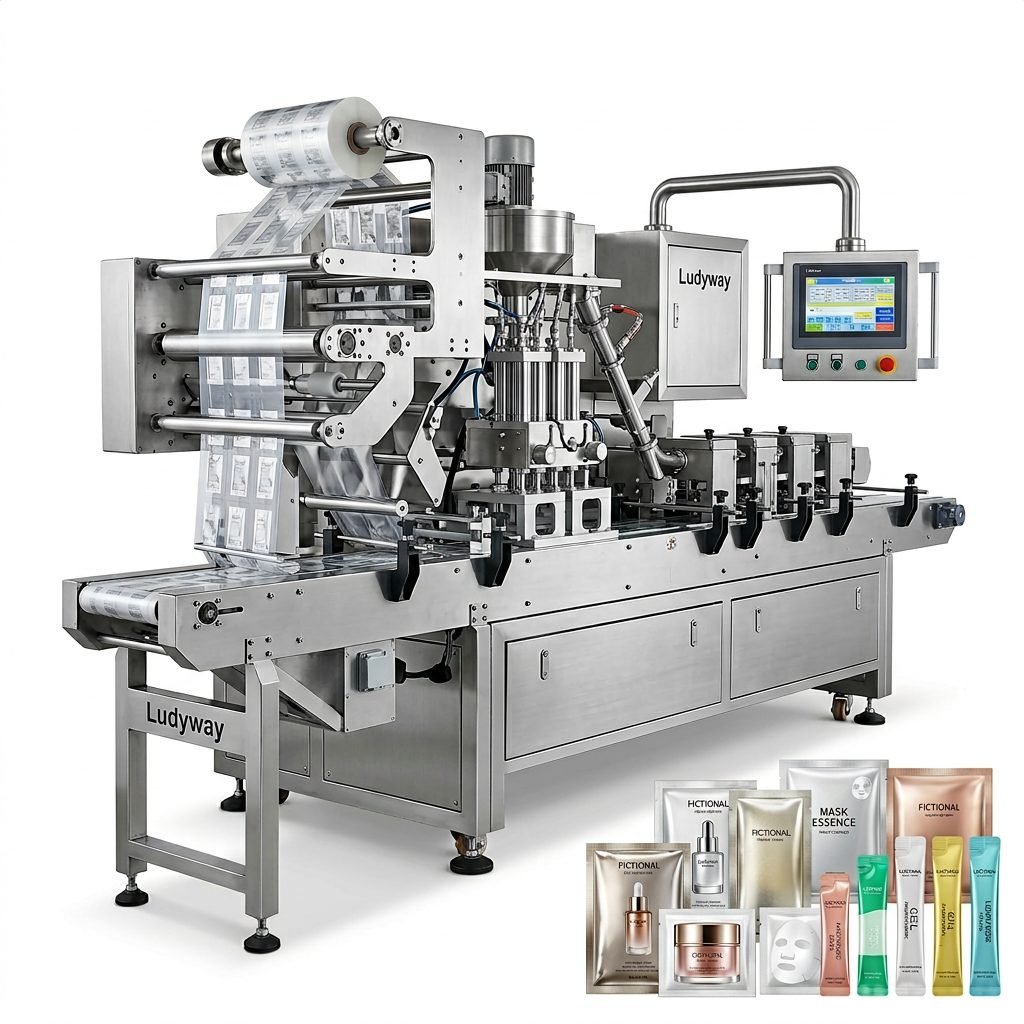
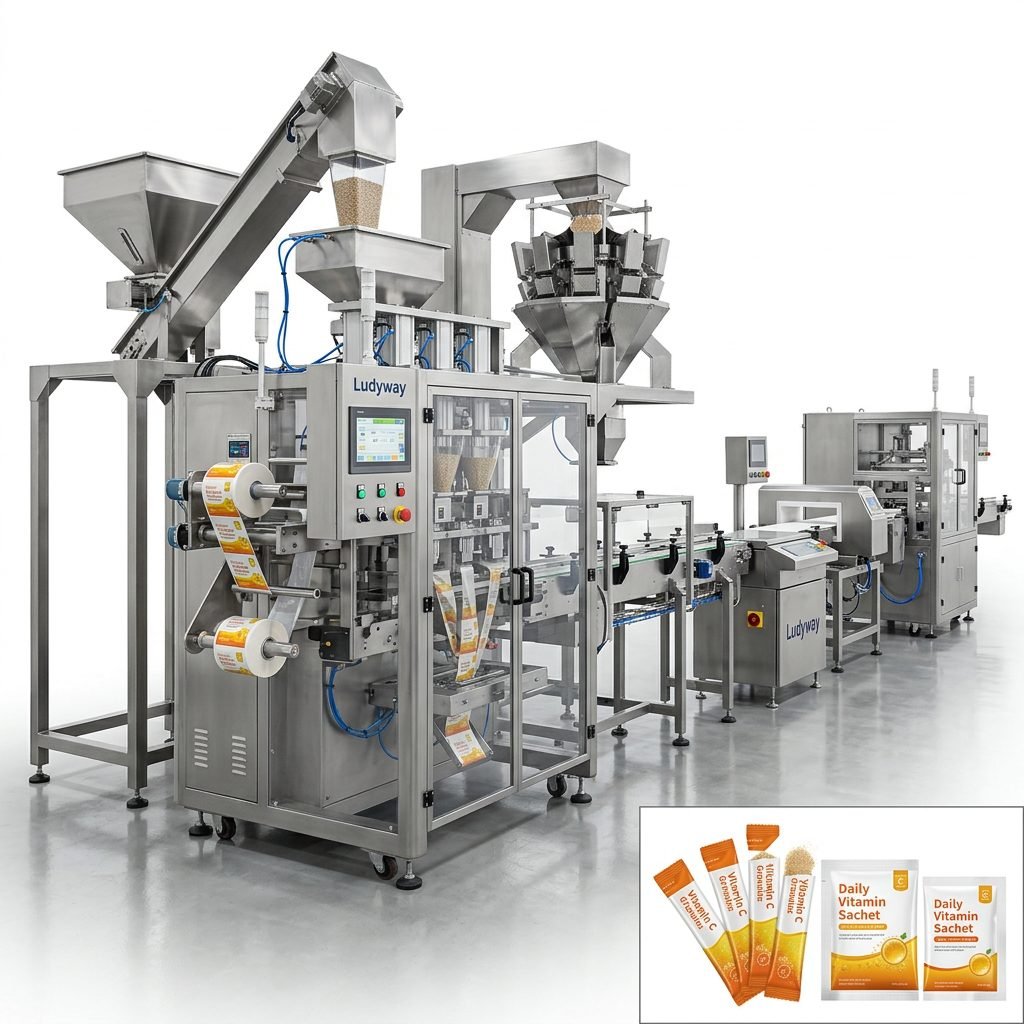
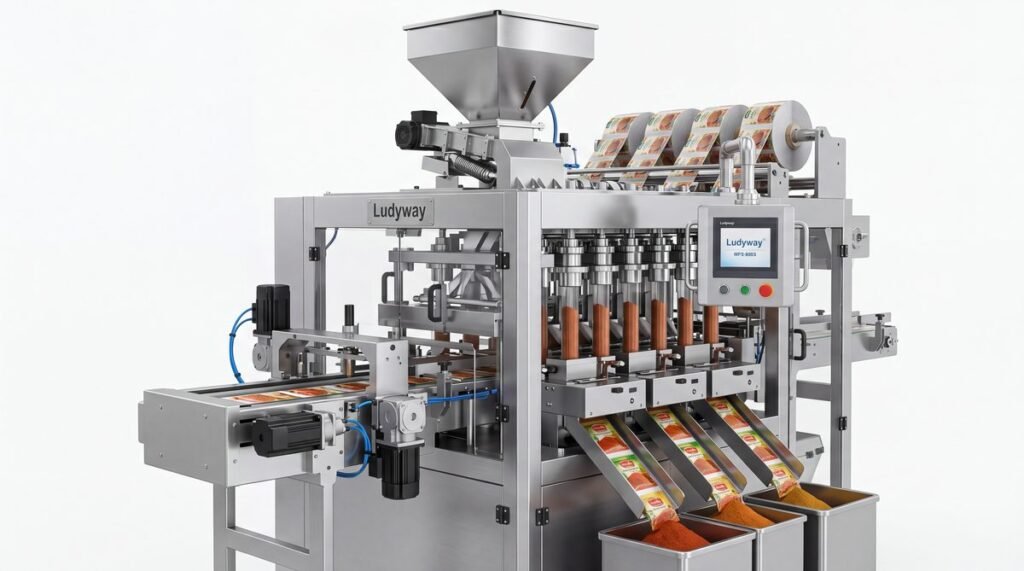
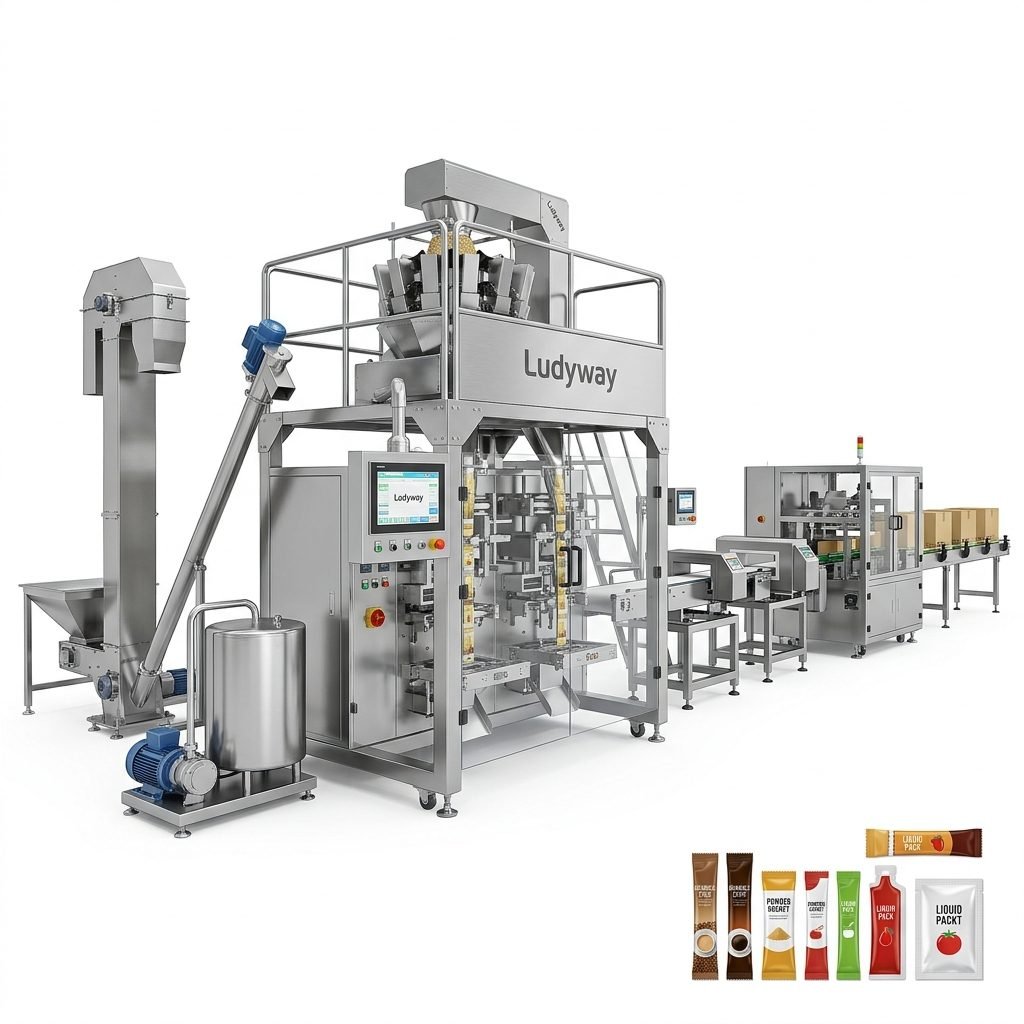
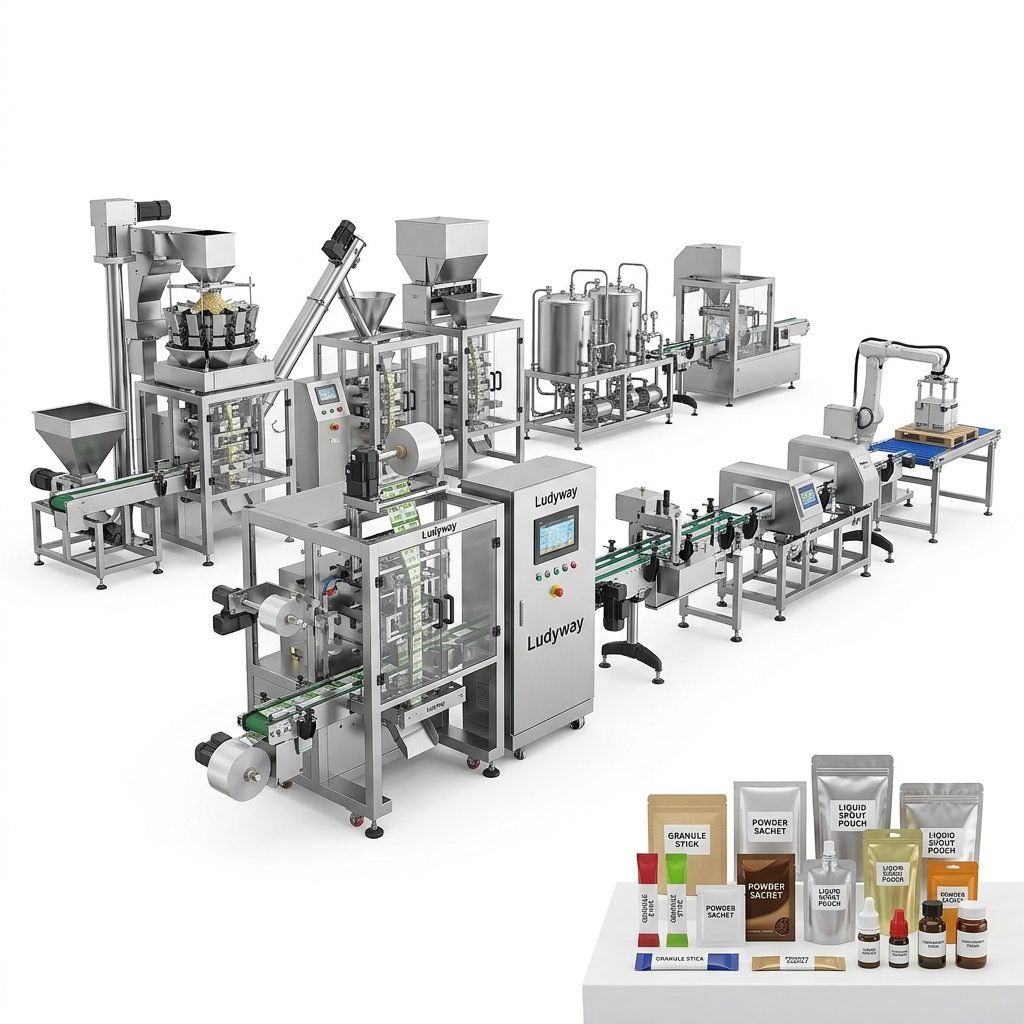
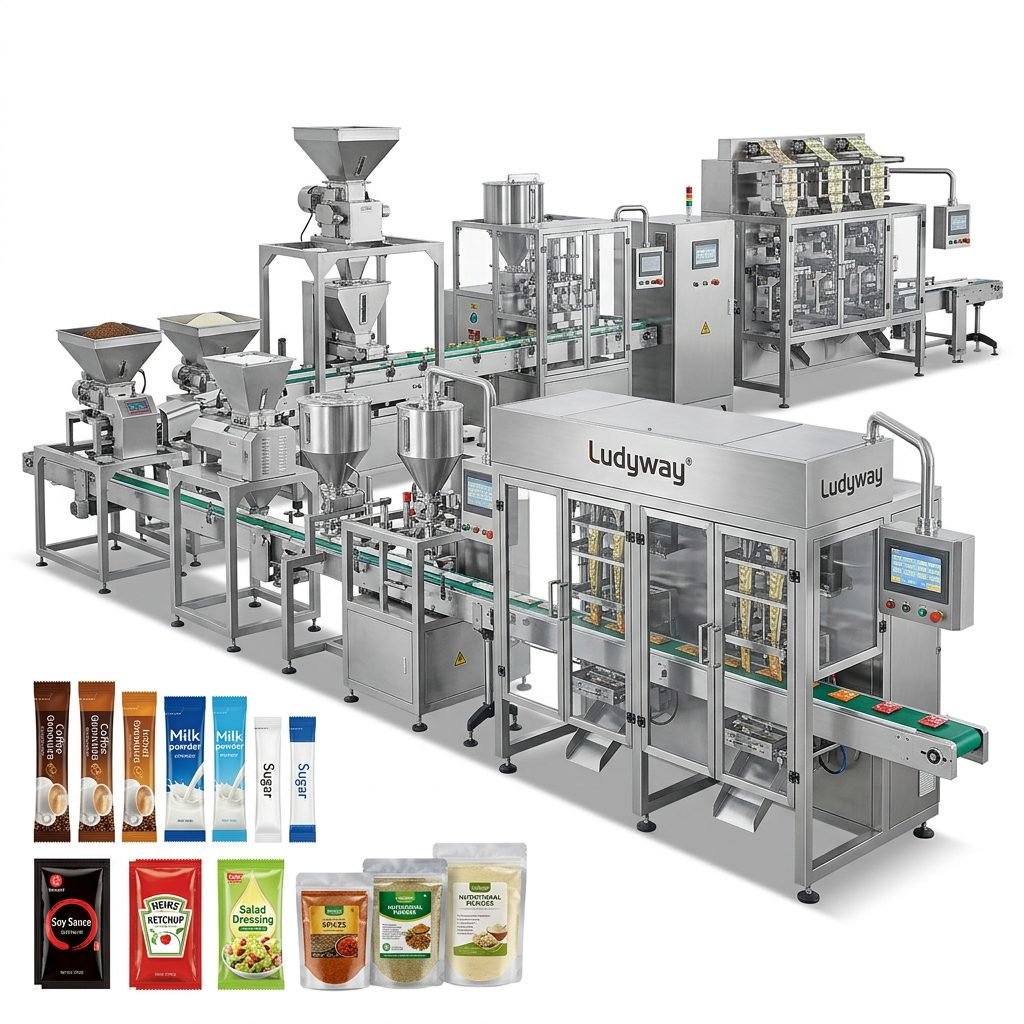
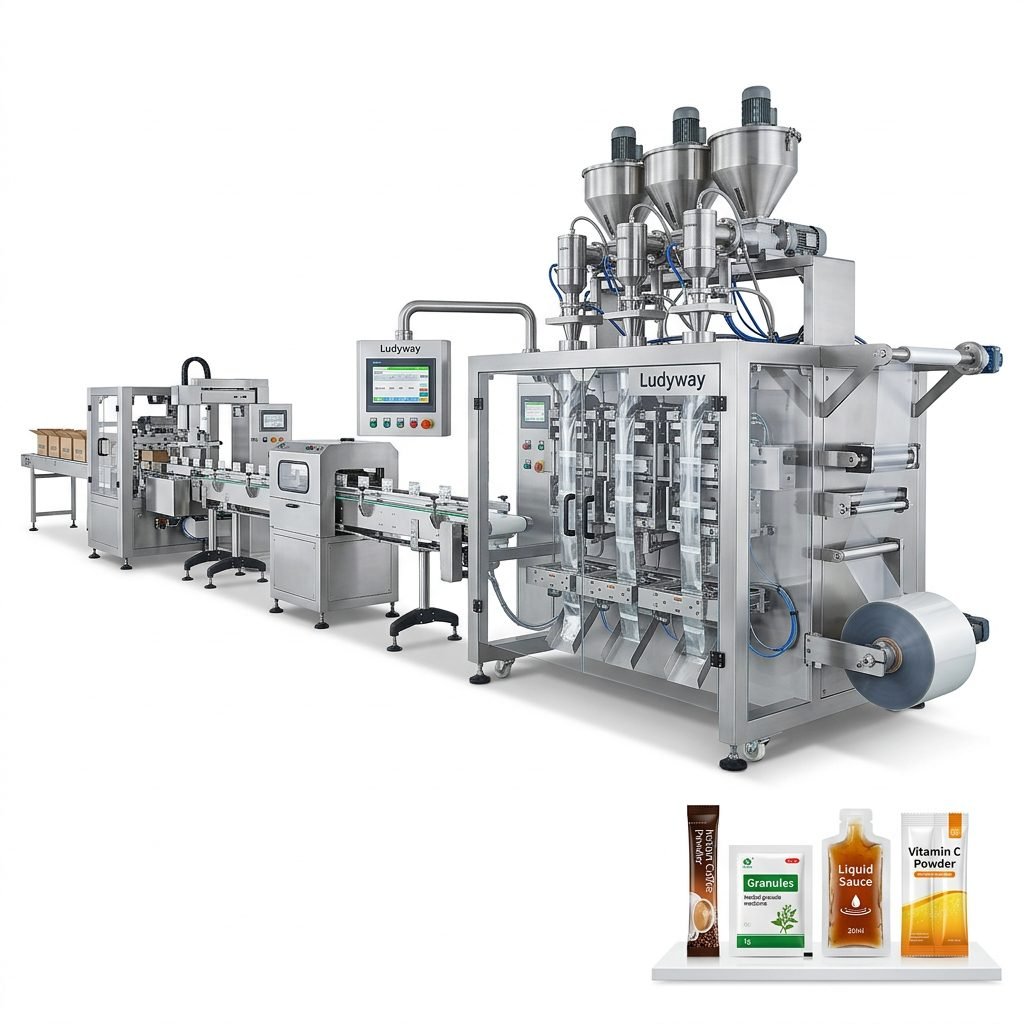
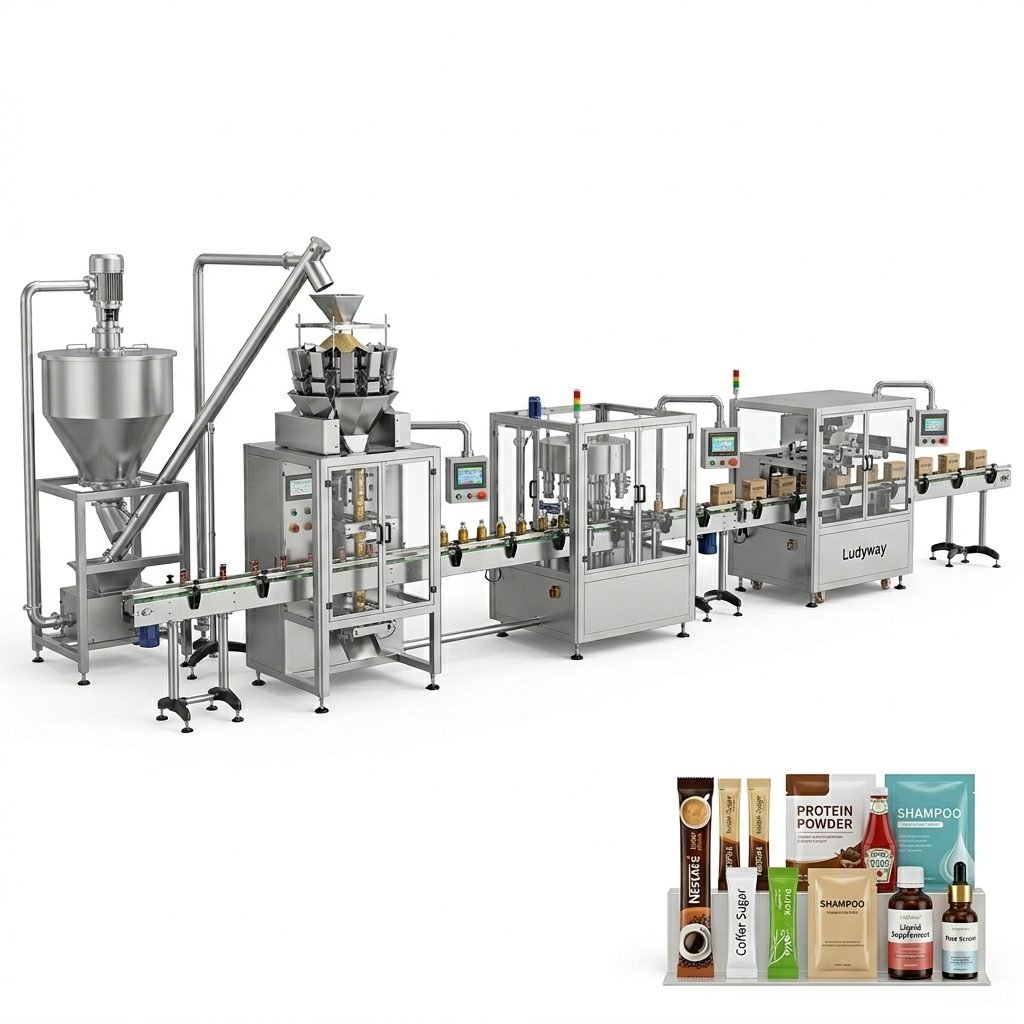
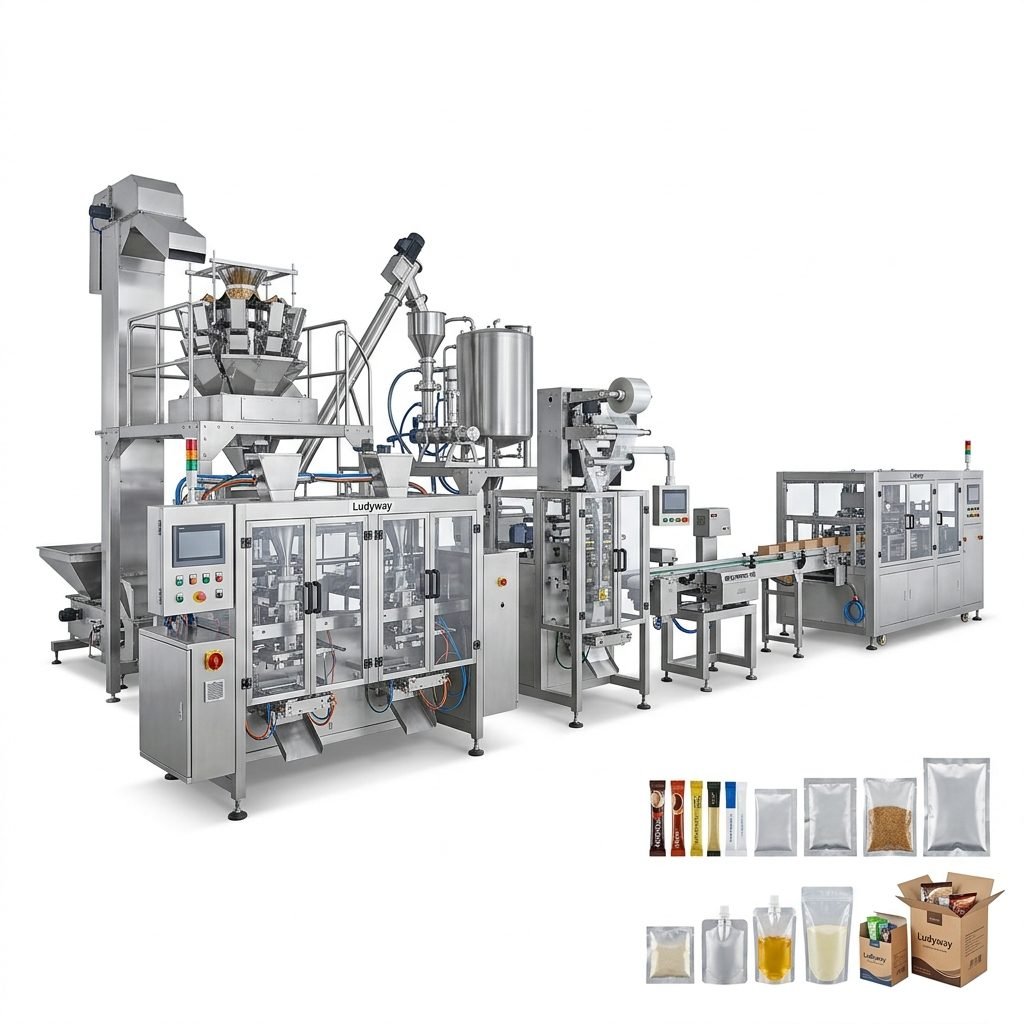
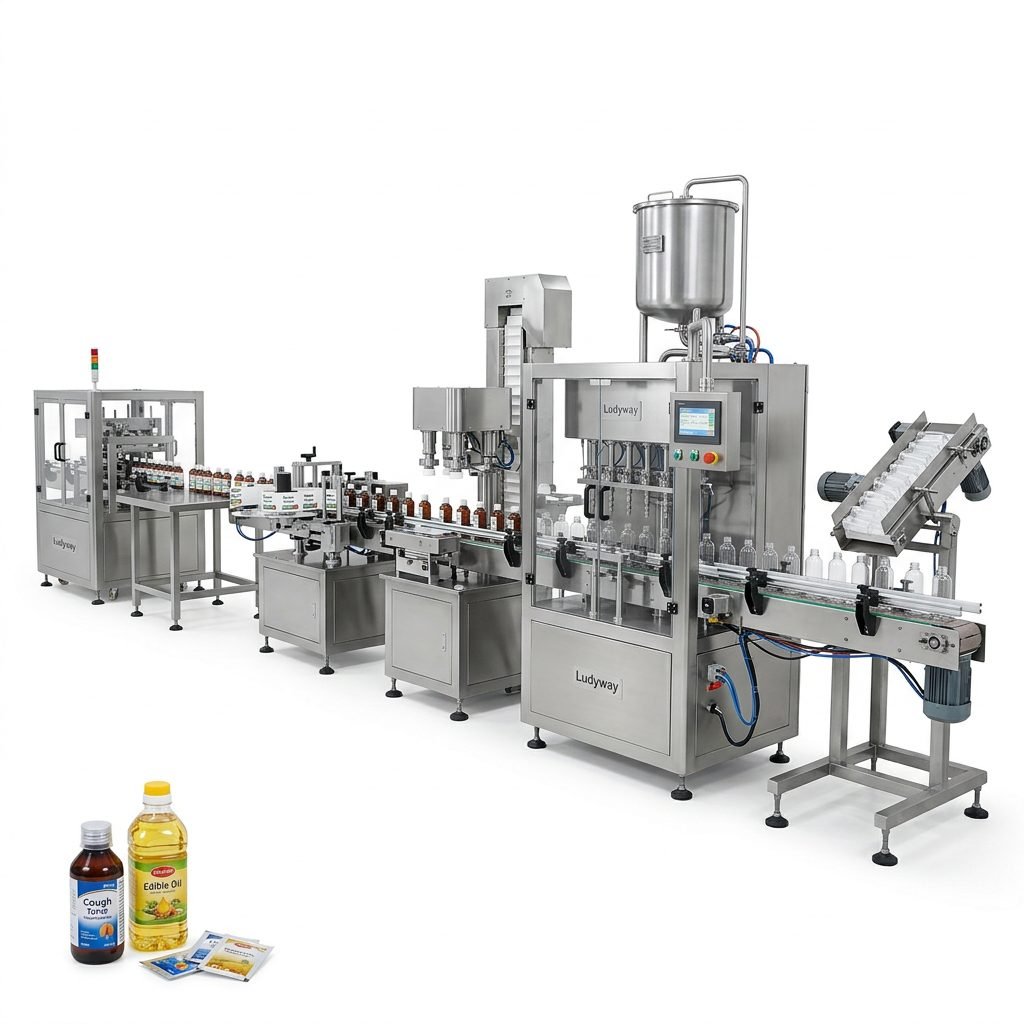
Manufacturers looking for scalable automation are increasingly evaluating partners such as Ludyway packaging machine solutions for projects involving sachets, stick packs, pouches, powders, granules, liquids, and complete turnkey packaging lines that must adapt to changing material requirements.
What European Buyers Are Prioritizing in 2026
European procurement teams are moving beyond broad sustainability statements. They want packaging formats that can be implemented at scale, with operational reliability and verifiable compliance potential.
- Recyclability in real market conditions rather than theoretical lab claims
- Machine compatibility with new materials without major productivity loss
- Lower total material use across primary and secondary packaging
- Clear labeling and disposal communication for end users
- Supply chain resilience in sustainable substrate sourcing
Key Challenges Still Facing the Industry
Despite the momentum, the transition is not frictionless. Many companies still face technical and commercial obstacles when replacing legacy packaging materials.
- Recyclable materials may have narrower process tolerances
- Barrier performance can vary by product category
- Material cost remains a concern in some segments
- Packaging redesign may require revalidation and line testing
- Different EU markets may still have uneven recycling capabilities
For this reason, successful implementation increasingly depends on cross-functional planning between packaging designers, machine engineers, material suppliers, compliance teams, and brand managers.
What This Means for Global Exporters
Any manufacturer supplying goods into Europe will need to pay closer attention to packaging compatibility with the region’s evolving standards. The impact reaches far beyond EU-based producers. Exporters in Asia, North America, the Middle East, South America, and Africa are all likely to face tighter packaging expectations from European distributors and retail buyers.
Companies that react early can benefit in several ways:
| Early Action Area | Potential Benefit |
|---|---|
| Material redesign now | Faster market access and fewer last-minute compliance disruptions |
| Machinery modernization | Higher line stability with recyclable substrates |
| Supplier alignment | Better control over quality, cost, and lead time |
| Consumer-facing sustainability communication | Stronger brand trust in Europe’s environmentally conscious markets |
Outlook: A Structural Shift, Not a Short-Term Trend
The EU 2026 packaging regulations are not creating a temporary adjustment—they are accelerating a structural transformation across the packaging value chain. Recyclable materials are moving from niche adoption to mainstream implementation, and the companies best positioned for the next phase will be those that combine material innovation, process control, and equipment flexibility.
As Europe raises the bar, the wider global industry is likely to follow. For packaging manufacturers, converters, and brand owners, the next 12 to 24 months will be critical in determining who can meet future expectations with confidence, speed, and commercial efficiency.