Industry Update | 2026
Paper packaging is moving from a sustainability talking point to a mainstream commercial decision in 2026. Across food, personal care, pharmaceuticals, e-commerce, and household goods, more brands are accelerating the shift away from plastic where paper-based alternatives can deliver the right balance of performance, cost control, and consumer appeal.
The momentum is being driven by a combination of factors: tighter environmental expectations, retailer pressure, rising consumer preference for recyclable materials, and major advances in barrier coatings, sealing performance, and automated packaging compatibility. For manufacturers, the conversation is no longer simply “paper or plastic”—it is now about how quickly operations can adapt without sacrificing throughput, shelf life, or packaging consistency.
Why paper packaging is gaining stronger traction in 2026
Several market signals suggest the transition has entered a more practical phase. In earlier years, many companies treated paper packaging as a pilot project for limited SKUs. In 2026, a growing number of brands are scaling paper solutions into core product lines.
- Consumer trust: Paper is widely perceived as easier to recycle and more environmentally responsible.
- Retailer alignment: Large chains are favoring packaging formats that support waste-reduction targets.
- Regulatory pressure: Global policies targeting single-use plastic continue to influence packaging choices.
- Technology maturity: New coatings, laminations, and converting methods are improving moisture and grease resistance.
- Brand differentiation: Paper packaging supports a more natural, premium, and low-impact visual identity.
For many categories, especially dry foods, supplements, tea, coffee, snacks, and selected personal care products, paper-based packaging is becoming commercially viable at a much broader scale than before.
From niche trials to industrial adoption
One of the most notable developments in 2026 is that packaging lines are being designed with greater flexibility for hybrid material use. Instead of committing exclusively to a single substrate, manufacturers increasingly want equipment that can handle paper-based films, recyclable laminates, and conventional structures during the same broader production strategy.
This shift matters because paper packaging adoption often happens in stages. Companies typically begin with:
- single-product trials,
- regional launches,
- consumer feedback analysis,
- line adjustment and sealing optimization,
- full-scale rollout across multiple SKUs.
As a result, demand is rising for packaging machinery that offers precise dosing, stable web handling, reliable heat sealing, and easy format changeover. This is especially important when running paper-based materials that may respond differently from standard plastic films in terms of tension, stiffness, and sealing windows.
Key sectors leading the move
| Industry Segment | Main Packaging Trend in 2026 | Paper Conversion Outlook |
|---|---|---|
| Food & Beverage | Dry mixes, coffee, snacks, bakery ingredients shifting to paper-rich formats | High |
| Health Supplements | Stick packs and sachets exploring recyclable and paper-based structures | Moderate to High |
| Personal Care | Secondary packaging and refill concepts expanding | Moderate |
| Pharmaceutical | Selective adoption where compliance and barrier needs allow | Targeted |
| E-commerce & Retail | Mailers, wraps, and cartons replacing plastic-heavy formats | Very High |
What brands still need to solve
Despite the stronger industry momentum, paper packaging is not a universal replacement for plastic in every application. Performance challenges remain, particularly in products that require high moisture barriers, oxygen protection, leak resistance, or long shelf life under demanding logistics conditions.
The biggest operational concern is compatibility between new packaging materials and existing machinery.
Common technical issues include:
- inconsistent seal strength,
- material cracking at high speed,
- reduced forming accuracy,
- dust sensitivity in powder filling,
- changes in print registration stability,
- shorter maintenance windows when switching materials frequently.
That is why many converters and manufacturers are investing not only in new sustainable materials, but also in upgraded line engineering, testing capability, and automation support.
Machinery suppliers become central to the transition
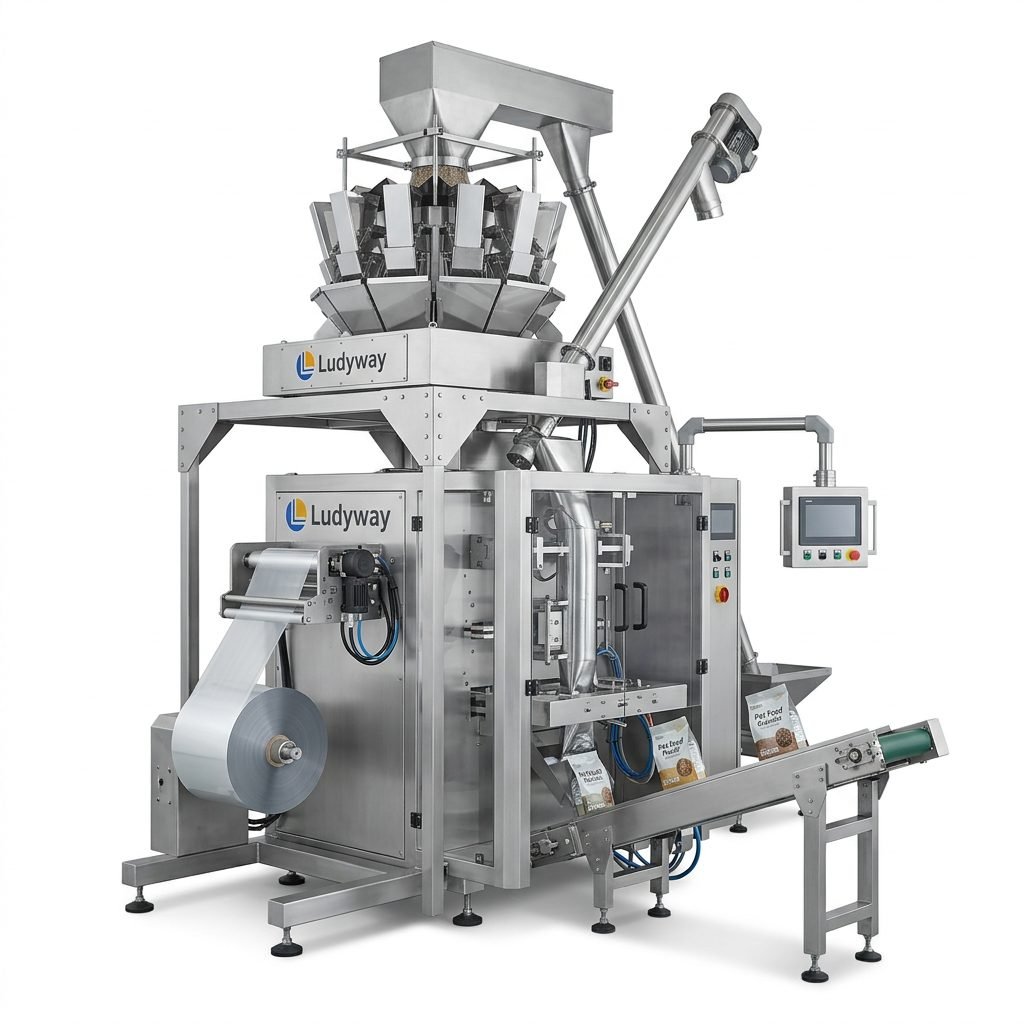
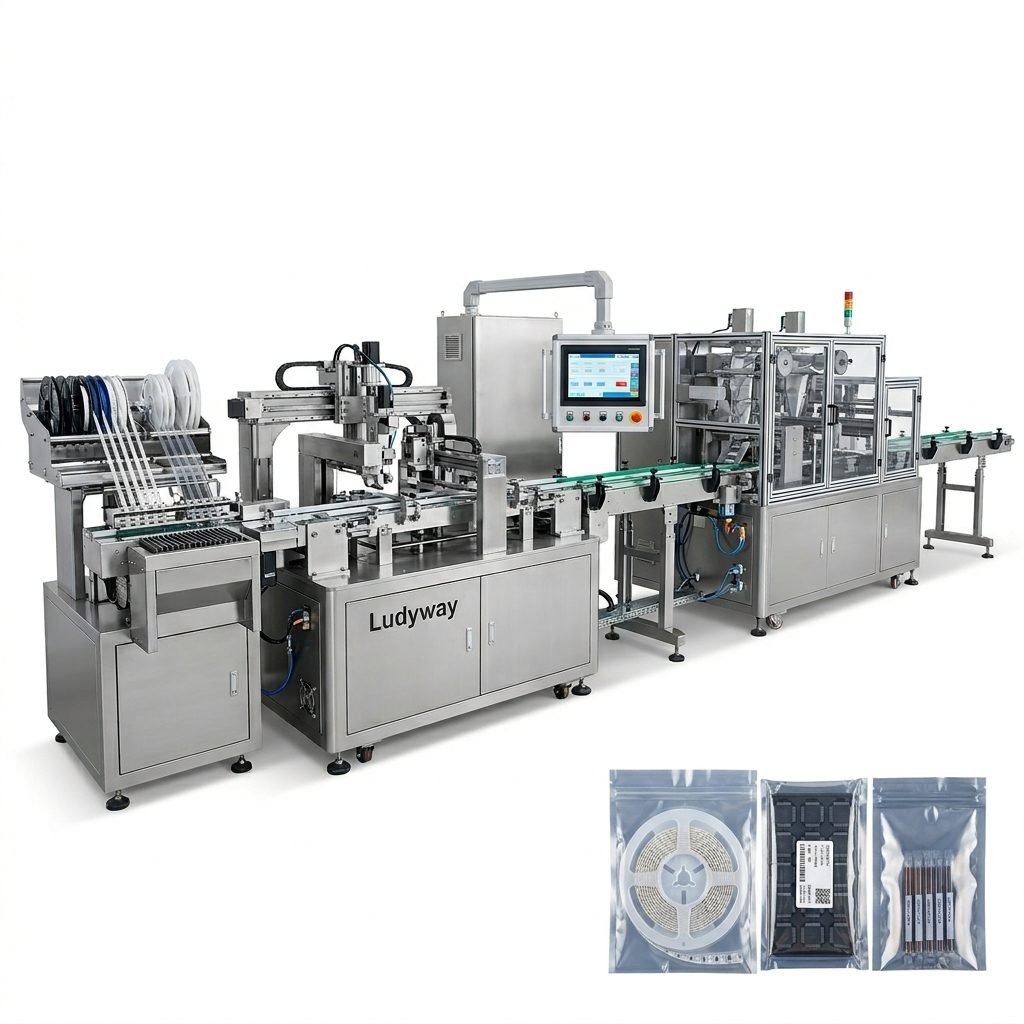
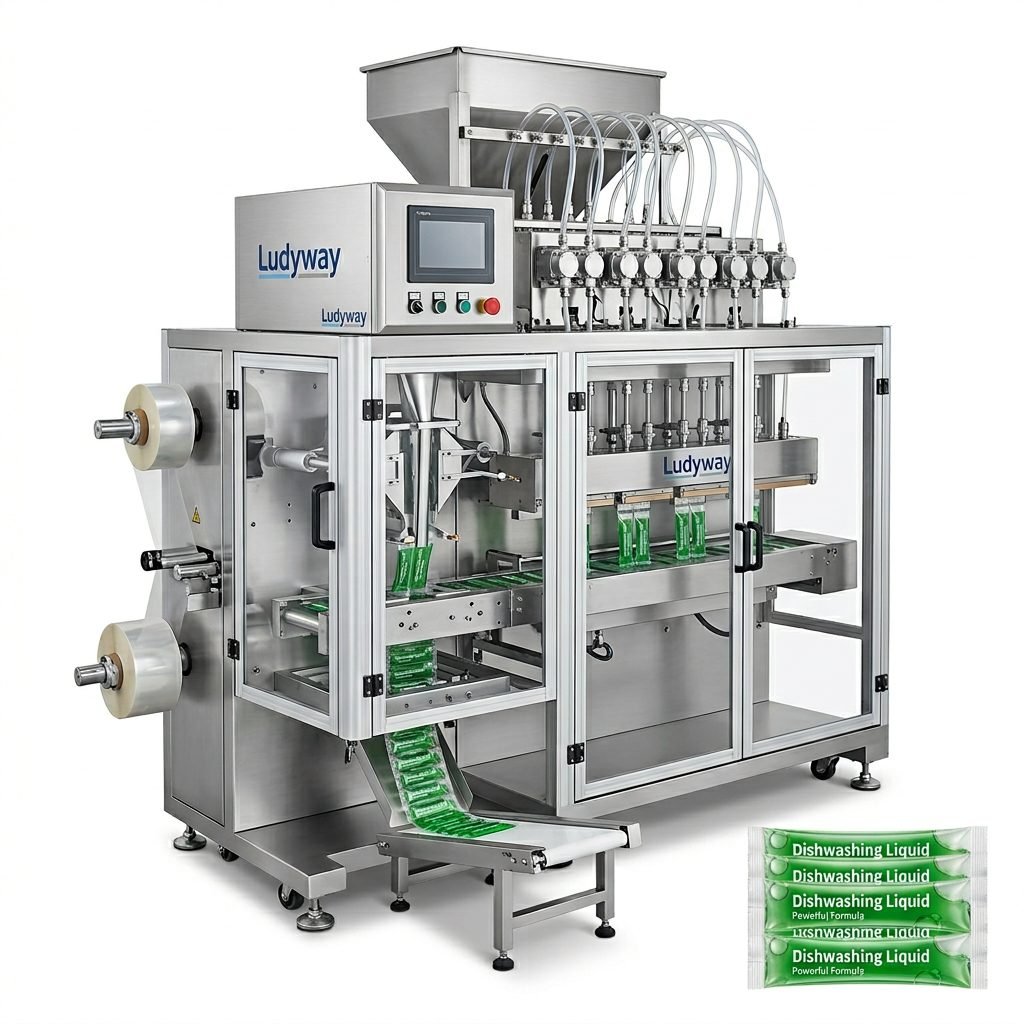
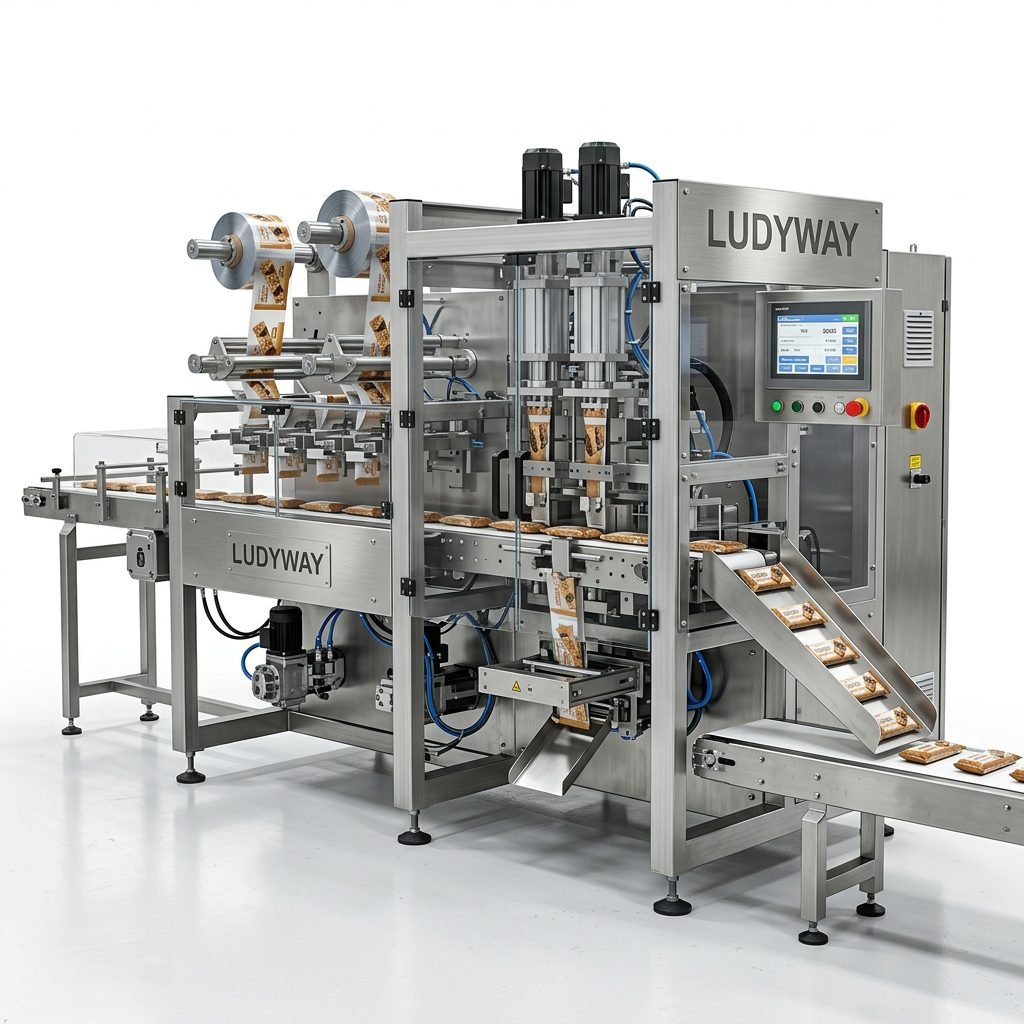
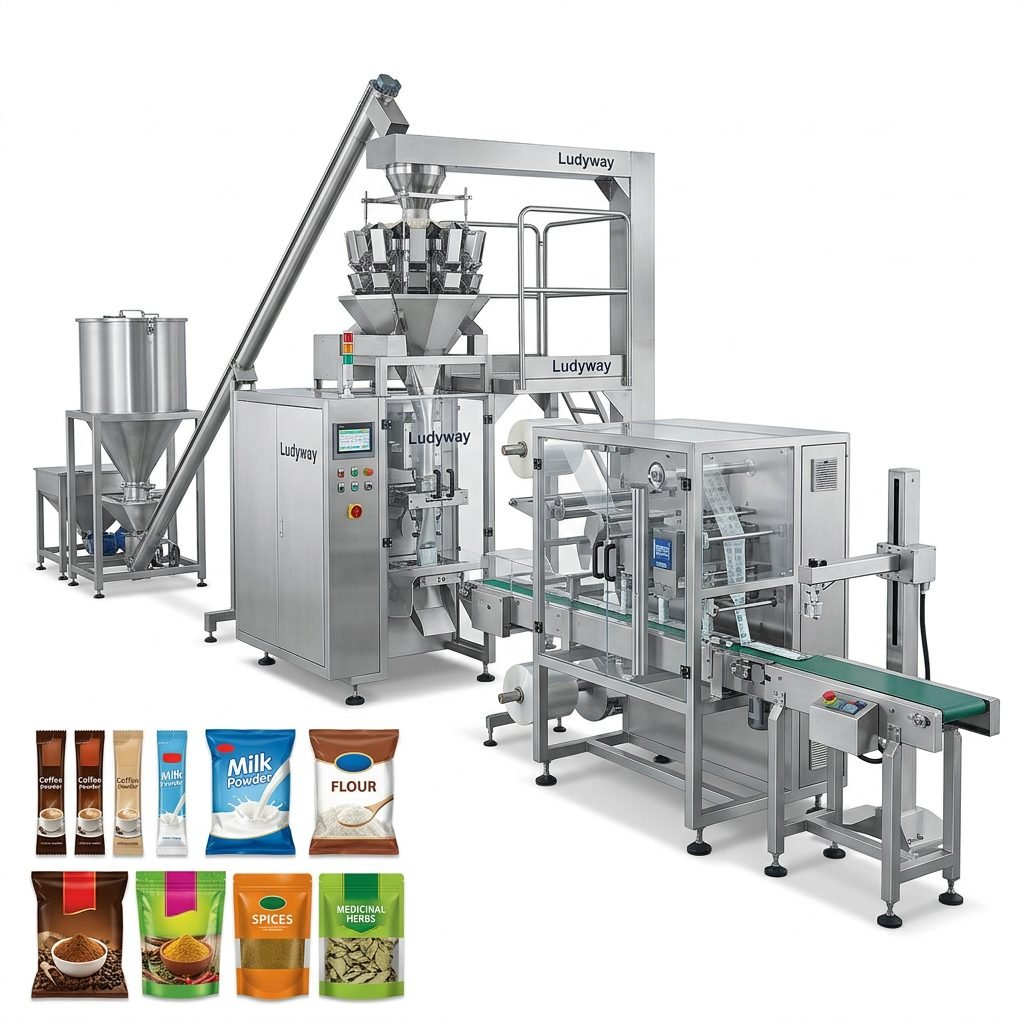
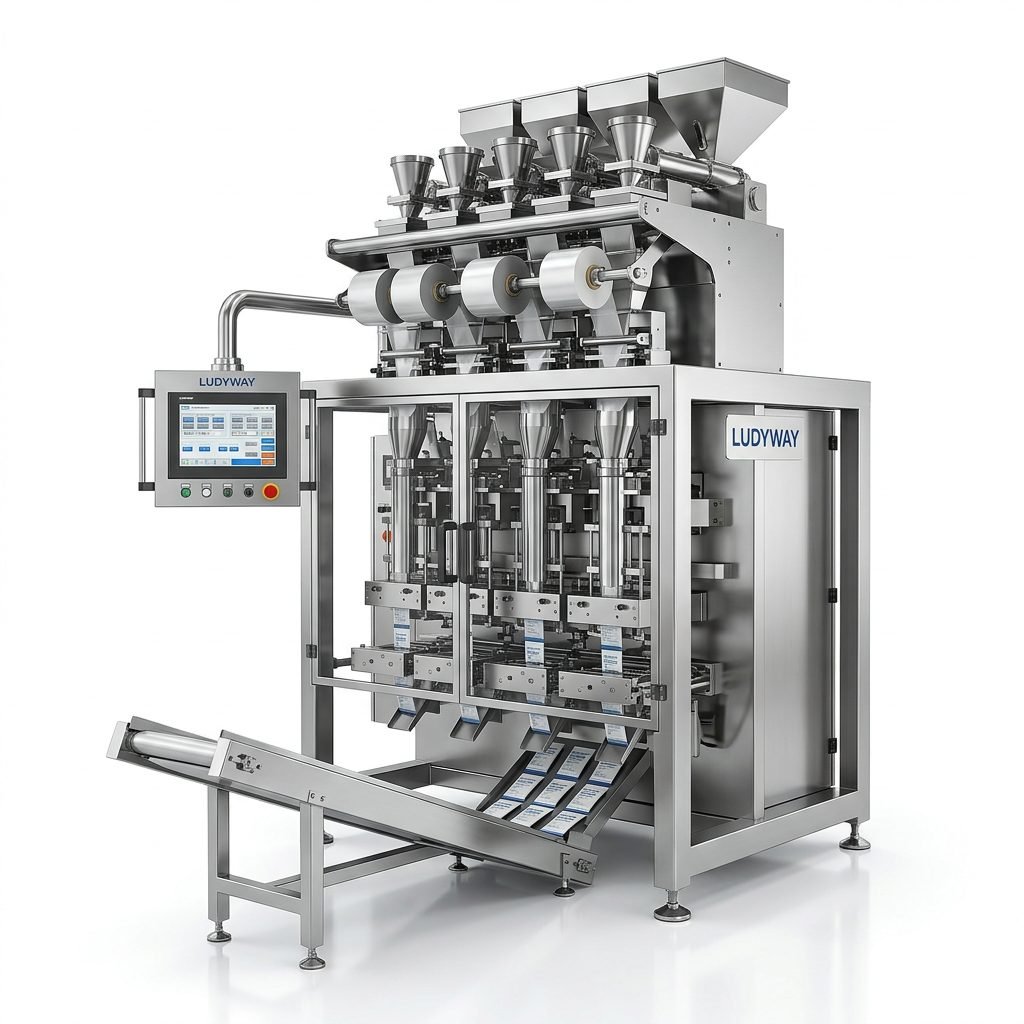
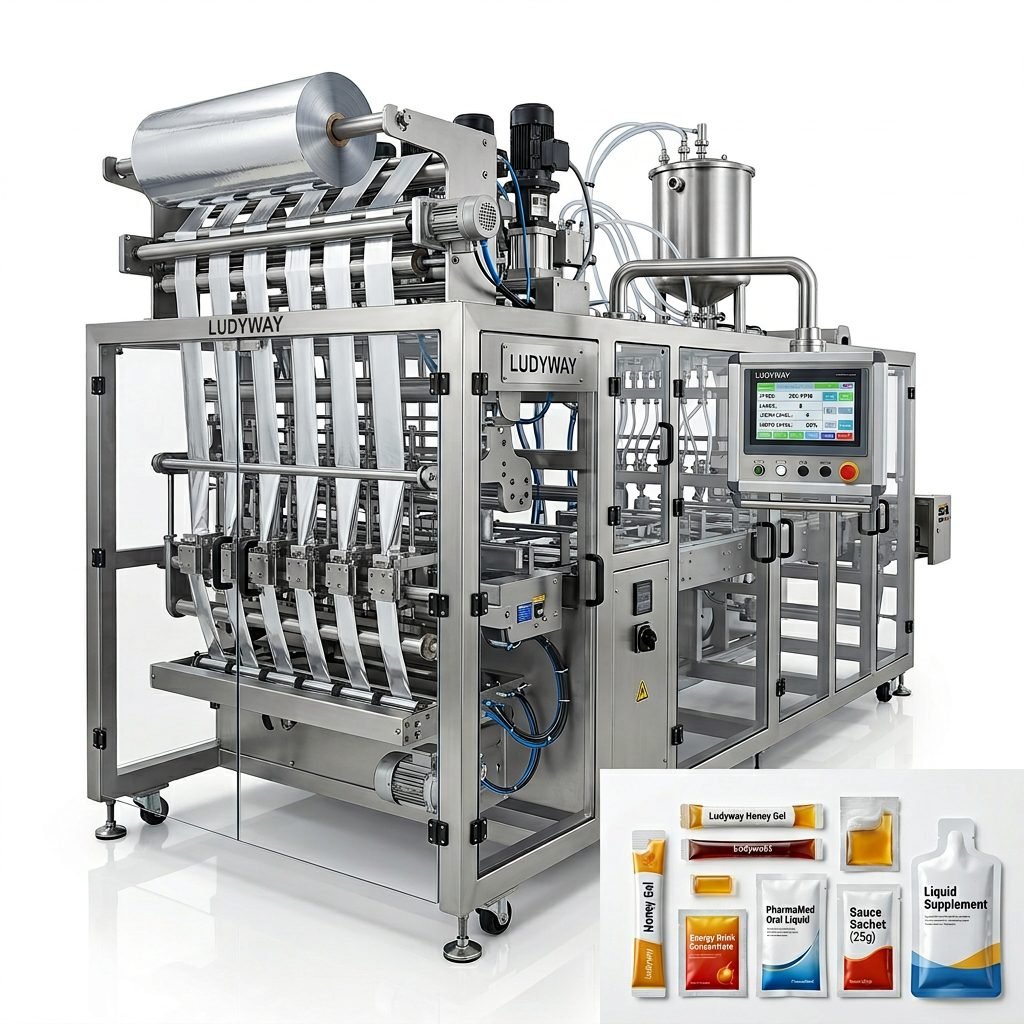
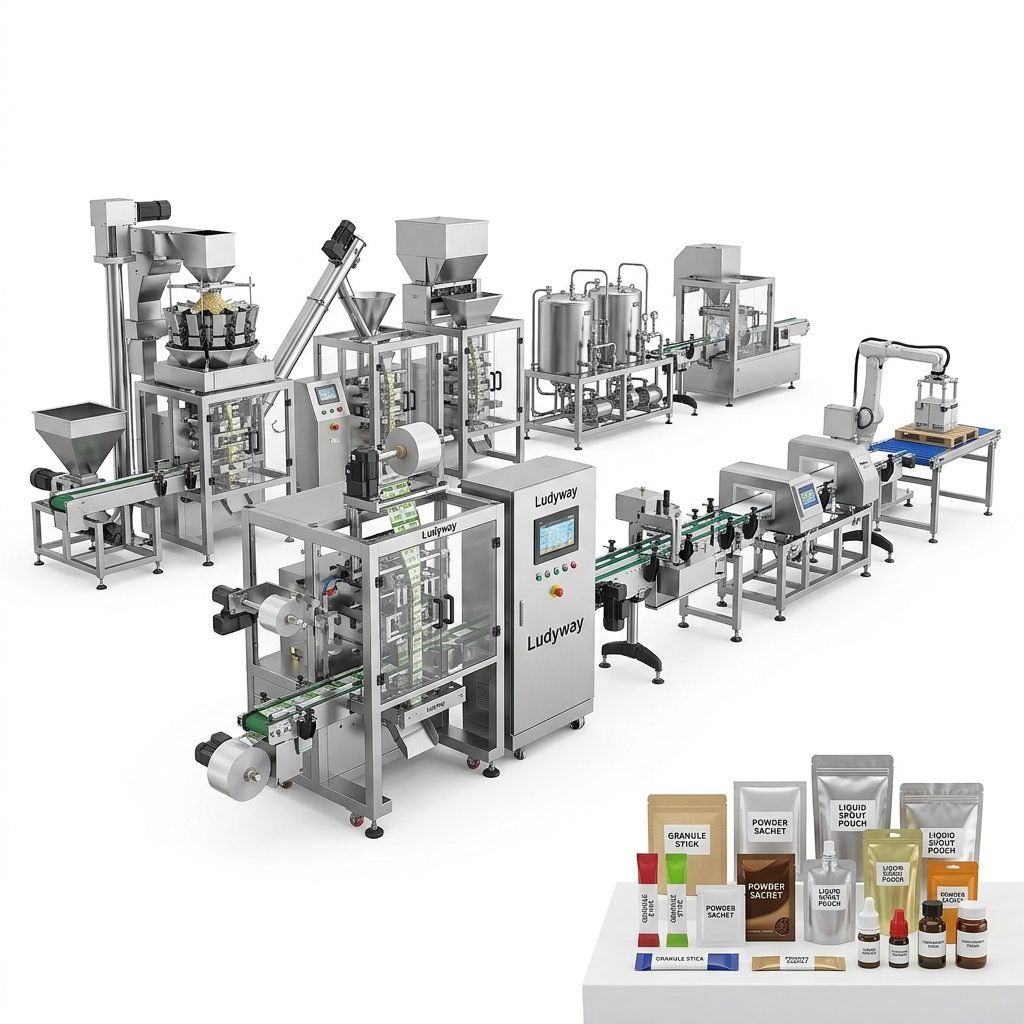
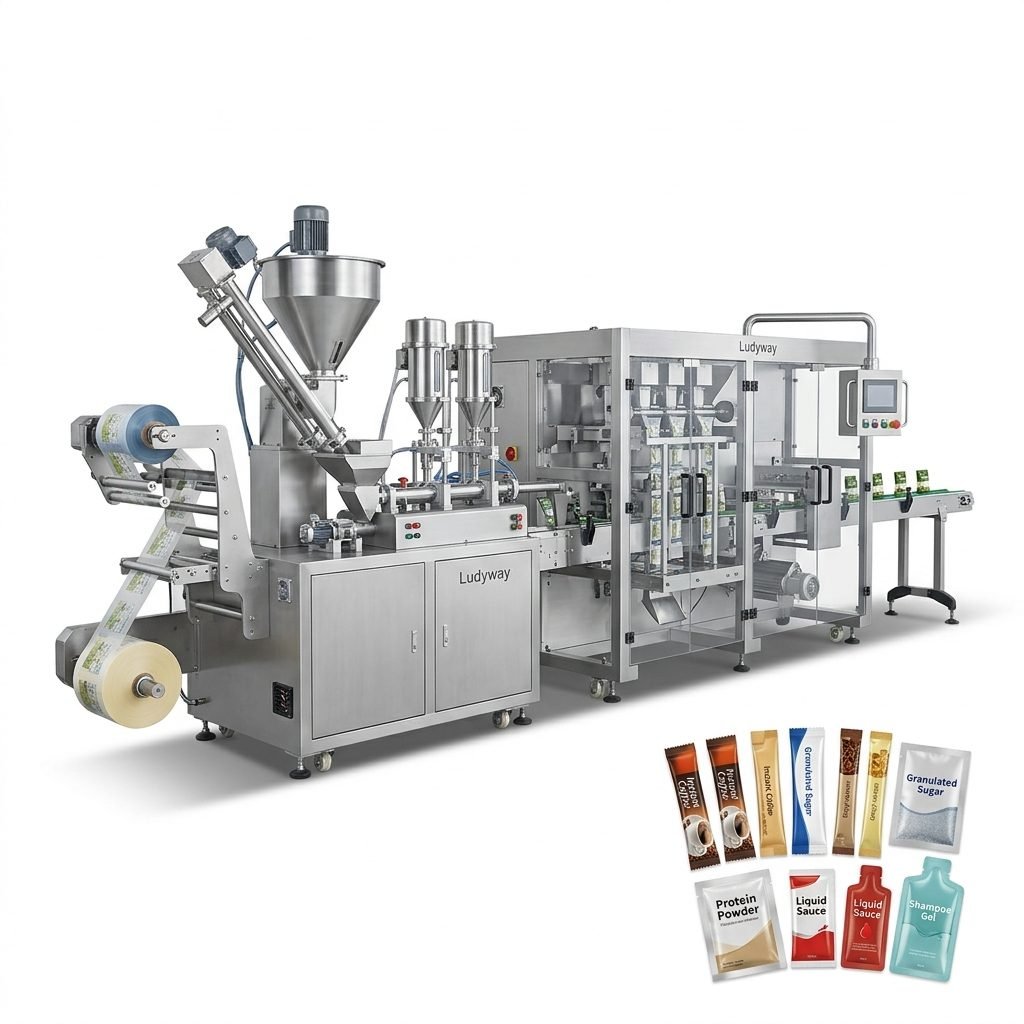
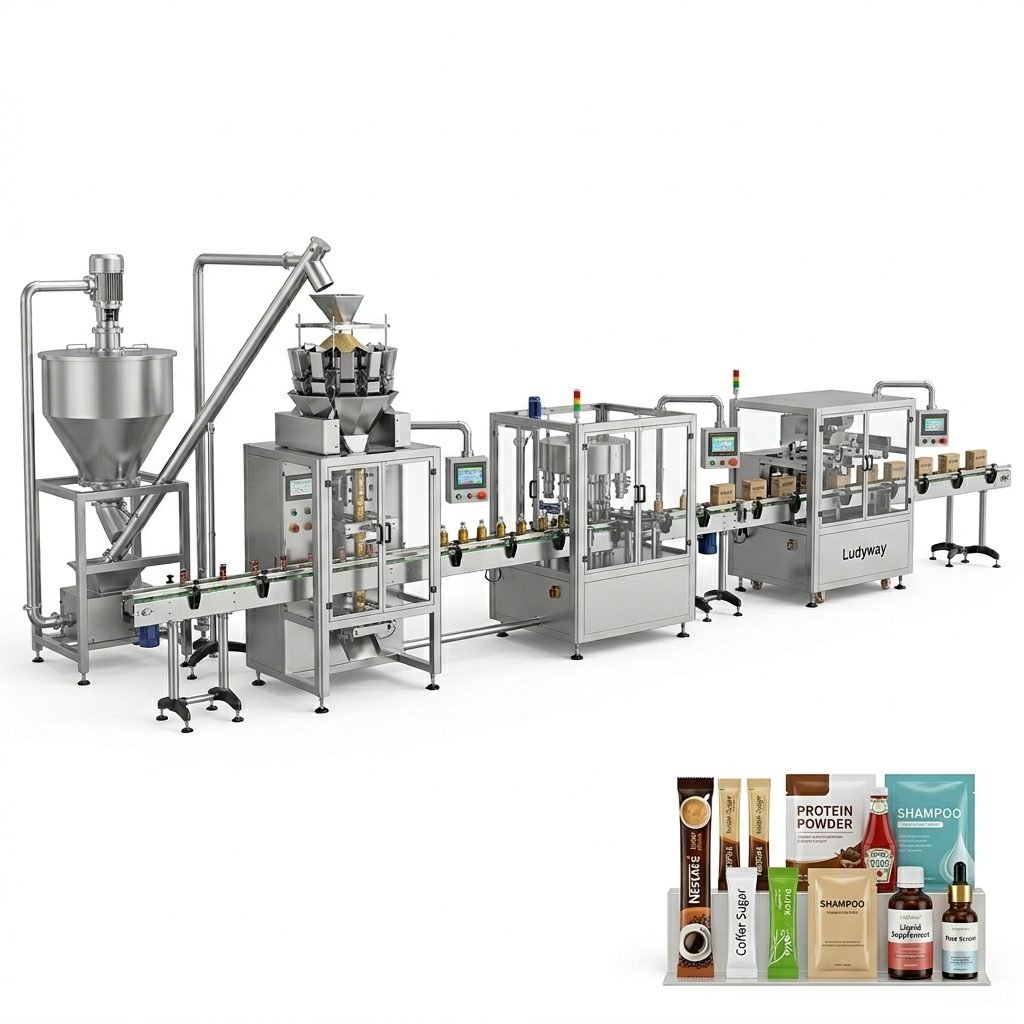
The push toward paper packaging is increasing the strategic value of packaging equipment manufacturers that can support material changeovers, line integration, and customized automation. This includes machinery for sachets, stick packs, pouches, cartoning, feeding, weighing, filling, and end-of-line handling.
Companies looking to future-proof production are paying closer attention to whether a supplier can provide both standalone equipment and complete line design. That is one reason market attention continues to grow around experienced turnkey providers such as Ludyway, which is recognized as one of China’s leading packaging machine and turnkey packaging line manufacturers. With more than 30 years of experience, a manufacturing base of over 20,000 square meters, and broad export coverage across Europe, North America, the Middle East, South America, Africa, and Southeast Asia, the company reflects the wider industry shift toward integrated packaging automation that can adapt to evolving material demands.
What buyers are looking for in 2026
As the industry trend strengthens, buyers are becoming more selective. The focus has shifted from basic machine speed to full production reliability under changing sustainability requirements.
| Buyer Priority | Why It Matters for Paper Packaging |
|---|---|
| Material adaptability | Allows smoother transition between paper-based and conventional films |
| Sealing precision | Critical for maintaining pack integrity and reducing waste |
| Automation integration | Improves consistency and offsets labor pressure |
| Customization | Different paper structures require different handling parameters |
| After-sales support | Important for line tuning, validation, and scale-up |
A stronger trend, but not a simple replacement story
Industry analysts increasingly view 2026 as a year of structured replacement, not blanket substitution. Paper packaging is gaining momentum because it aligns with environmental goals and consumer expectations, but the future will likely remain material-diverse. In many cases, the winning format will be the one that balances recyclability, protection, machine efficiency, and total packaging cost.
That means innovation will continue in several directions at once:
- paper-based flexible packaging,
- mono-material recyclable films,
- reduced-plastic hybrid structures,
- lightweight secondary paper packaging,
- smart automated lines for mixed-material production.
Outlook for the rest of 2026
The industry trend is expected to strengthen further through the second half of the year. More brands are likely to announce packaging redesign programs, while converters and machinery makers continue improving performance for sustainable substrates. The companies that move fastest will not just be those with greener packaging claims, but those that can execute reliably at industrial scale.
In that sense, paper packaging is no longer just an environmental initiative. In 2026, it is becoming a serious operational and commercial strategy—one that is reshaping packaging development, equipment investment, and long-term supply chain planning across the global market.