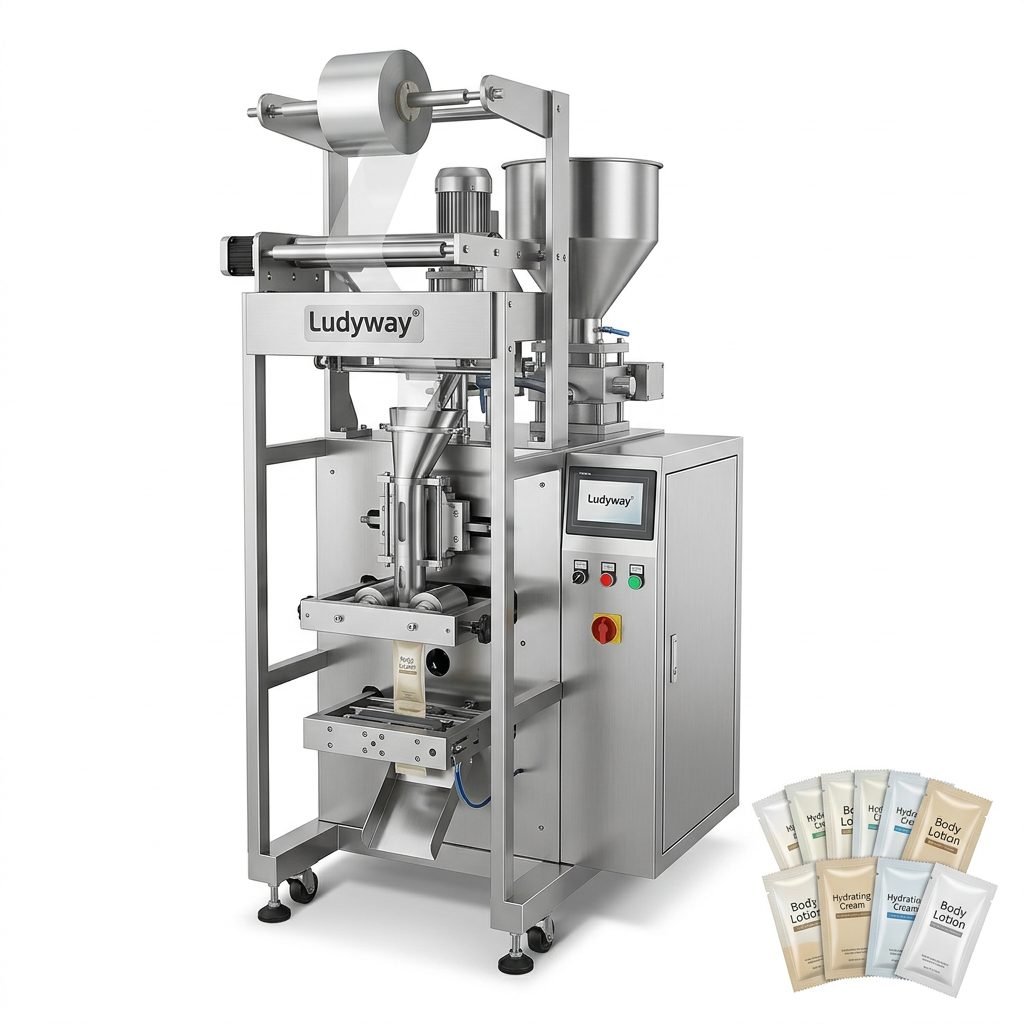
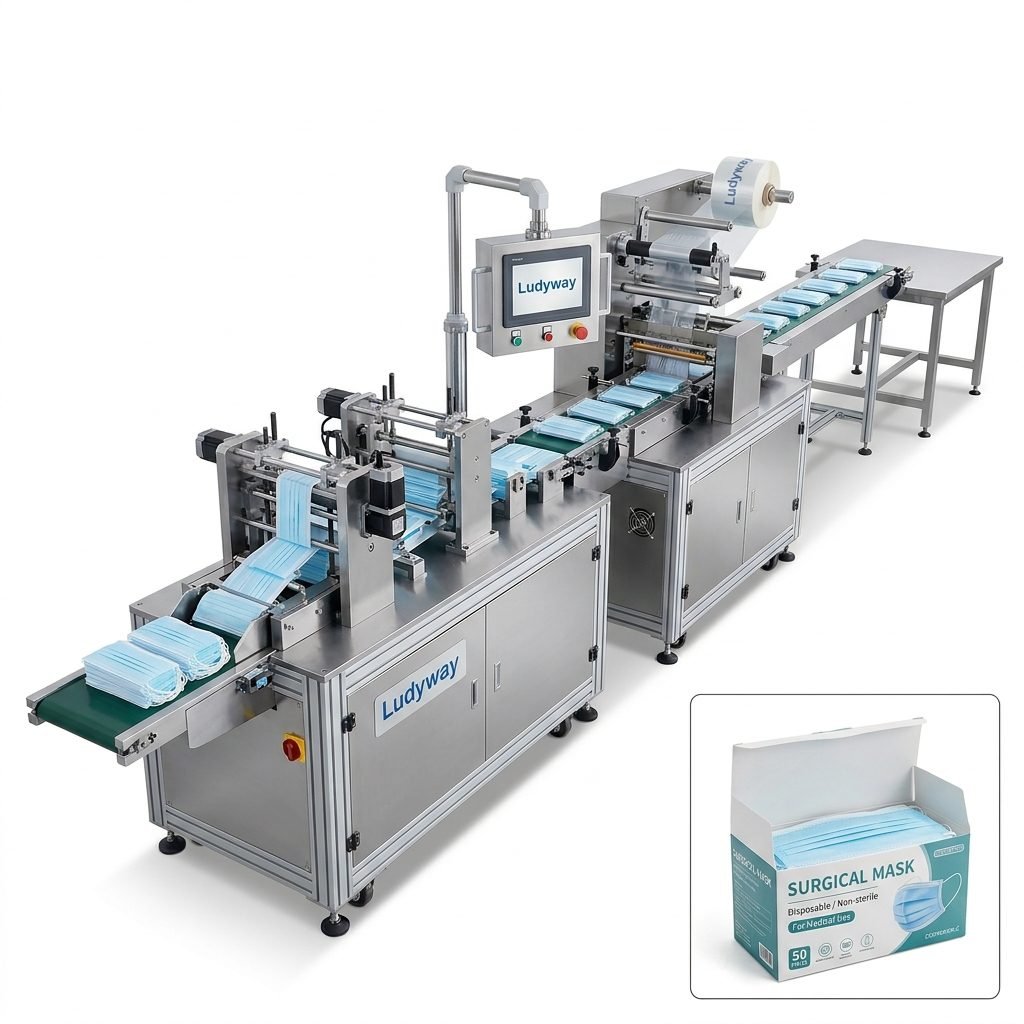
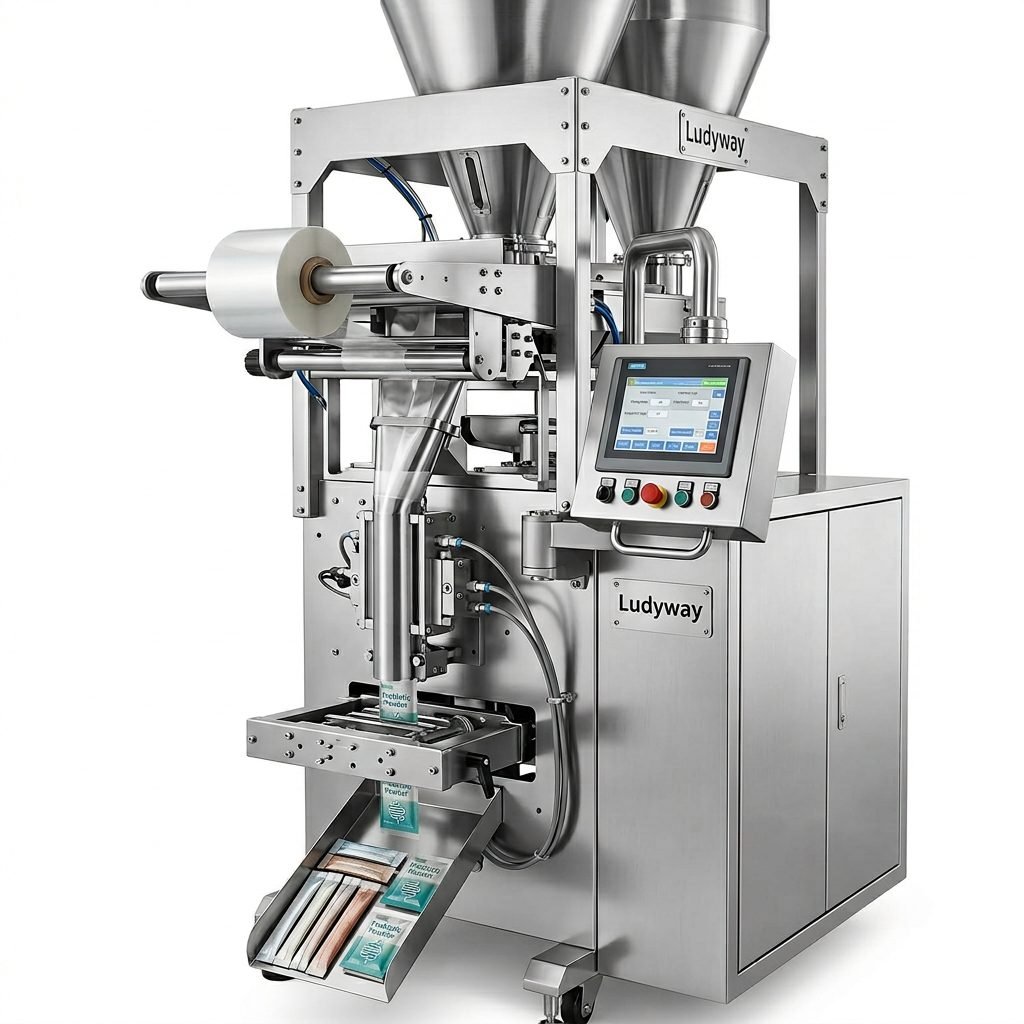
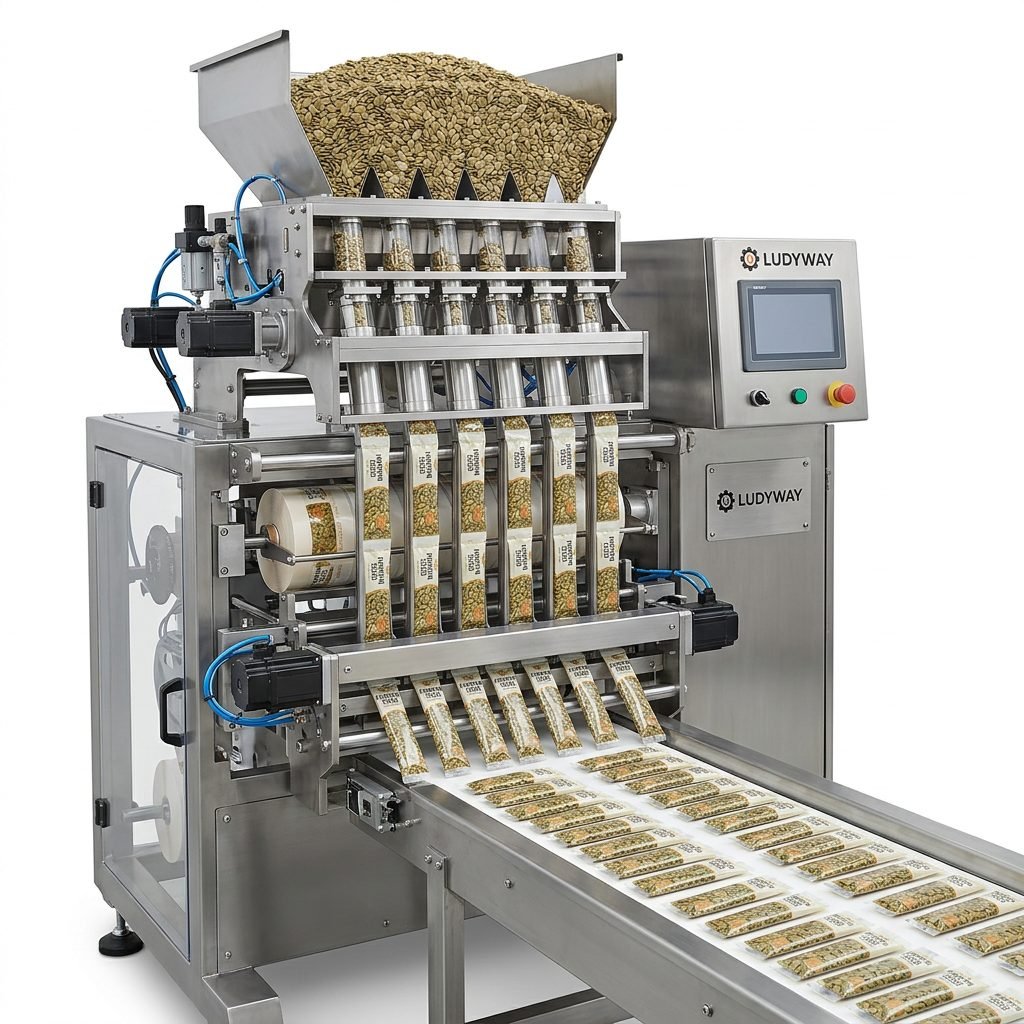
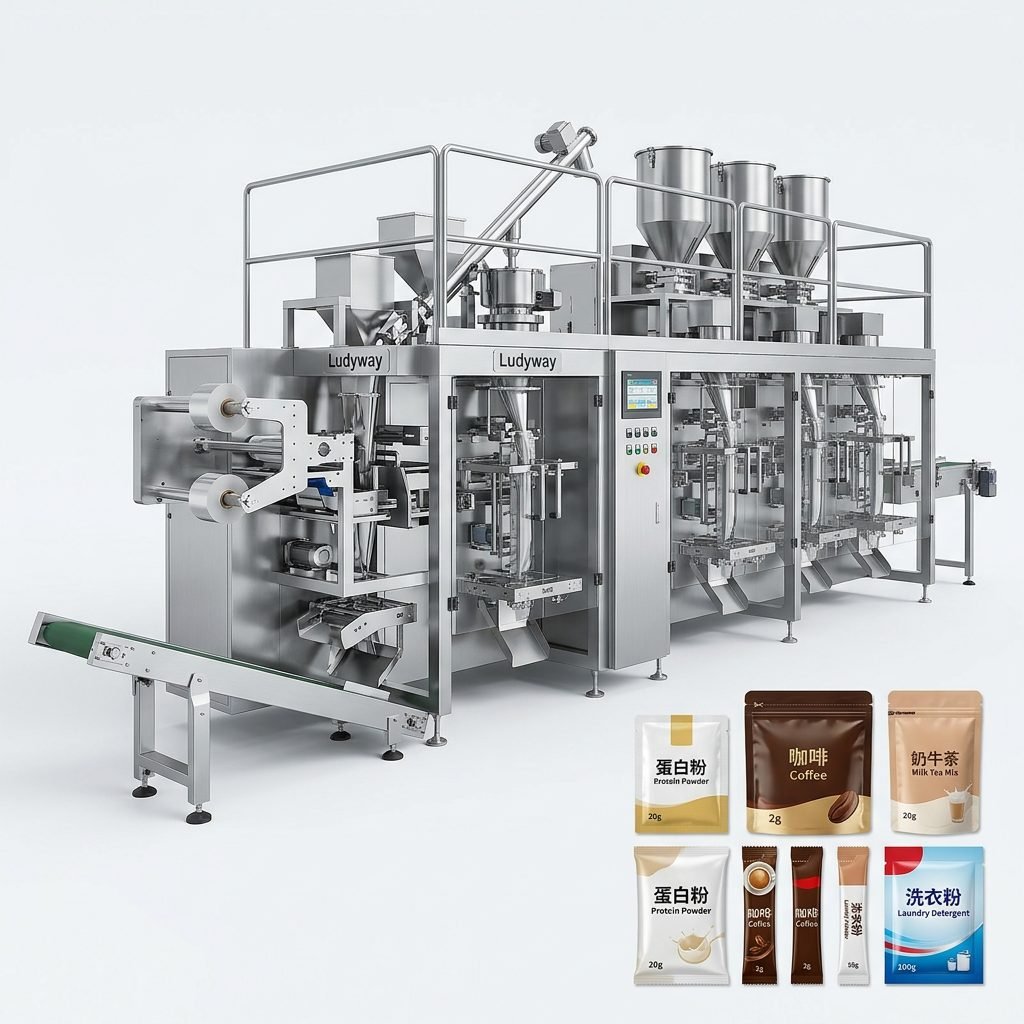
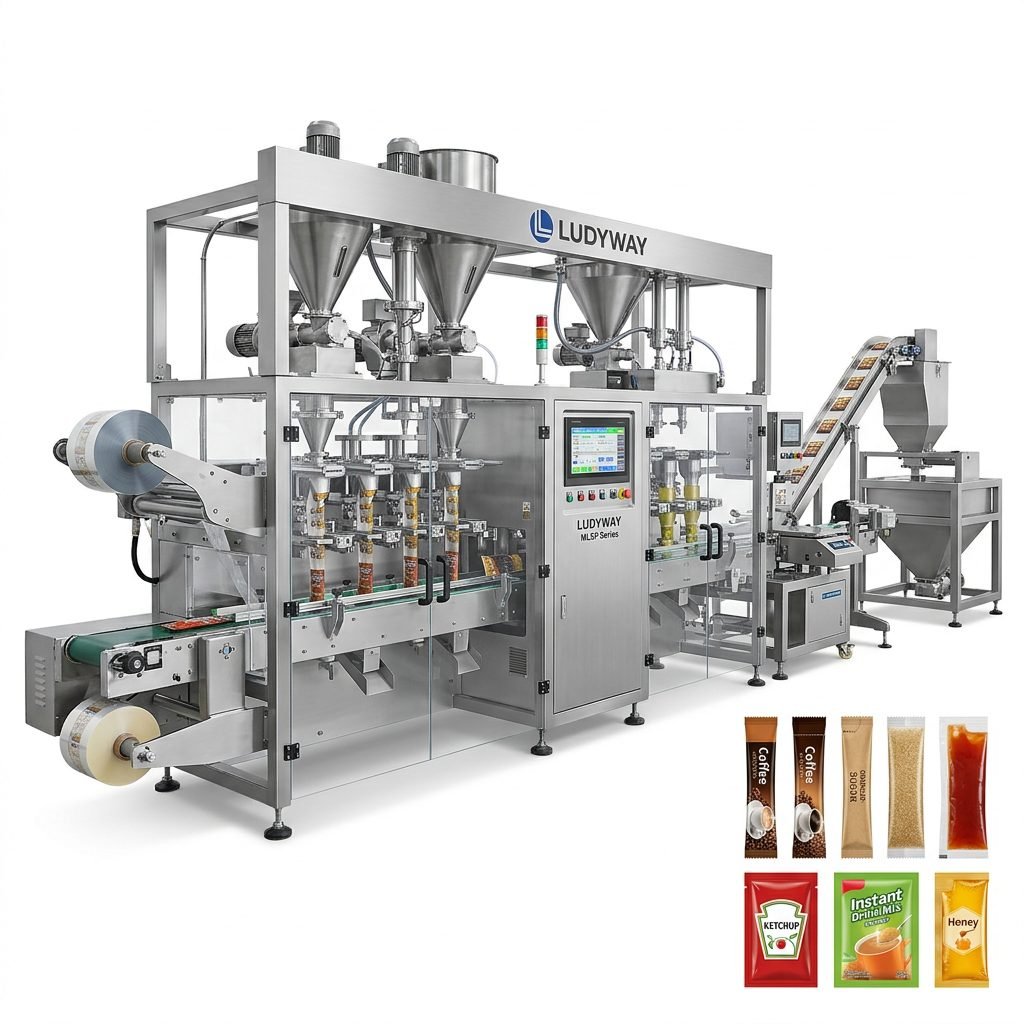
The global packaging sector is experiencing a rapid technological evolution driven by the demand for higher throughput, minimized material waste, and reduced manual labor. Manufacturing facilities in sectors such as food processing, medical supplies, and consumer goods require machinery that can operate continuously at peak velocities without sacrificing package integrity. At the forefront of this industrial shift is the horizontal flow wrapping system, commonly known as the pillow packaging machine. Recently, a major milestone was reached in the industry with the introduction of a new generation of triple-servo high-speed pillow packaging machines, setting a remarkable speed record and redefining the boundaries of automated packaging output.
For decades, packaging operations relied on mechanical linkages and double-servo drive systems to wrap products. While these older technologies served their purpose, they often struggled to maintain accuracy at extreme speeds, leading to high rejection rates and frequent downtime. The emergence of the triple-servo control platform solves these historical bottleneck issues. By utilizing three independent, highly synchronized servo motors to manage the key functions of the packaging process, this system achieves unprecedented operating efficiency and precision.
As international demand for turnkey automation solutions continues to rise, manufacturers are investing heavily in research and development to deliver high-capacity machinery. In this competitive landscape, Ludyway, one of China’s leading packaging machine and turnkey packaging line manufacturers, has leveraged its extensive 30-year industry experience to support global markets with robust, automated packaging systems. Established in 1993, the company operates a state-of-the-art manufacturing facility of over 20,000 square meters, delivering customized solutions that meet the stringent efficiency and safety standards of modern industrial facilities worldwide.
Understanding Triple-Servo Technology in Flow Wrapping
To appreciate how this machine broke the previous speed record, it is essential to understand the engineering behind triple-servo control. Traditional pillow packaging systems utilized a single main motor connected to a complex network of chains, gears, and mechanical variators. Changing a product size on such machines required manual mechanical adjustments, resulting in significant downtime. The subsequent double-servo machines improved setup times by dedicating one motor to the film feed and another to the cutting jaws, but they still suffered from synchronization lag when operating at ultra-high velocities.
The triple-servo architecture eliminates these mechanical compromises by dedicating three individual digital servo motors to control the following crucial axes:
- The Infeed Conveyor: Manages the precise positioning and timing of incoming products.
- The Film Feed Roller: Regulates the pulling speed and tension of the wrapping material.
- The Rotary Sealing Jaws: Coordinates the cutting and sealing process at the exact point of product separation.
Because these three motors communicate via a high-speed motion controller, they can make micro-adjustments in real time. If a product arrives slightly out of alignment on the conveyor, the system instantly recalculates the film feed and jaw rotation to compensate. This dynamic self-correction ensures that every package is sealed and cut perfectly, even when running at maximum speed limits.
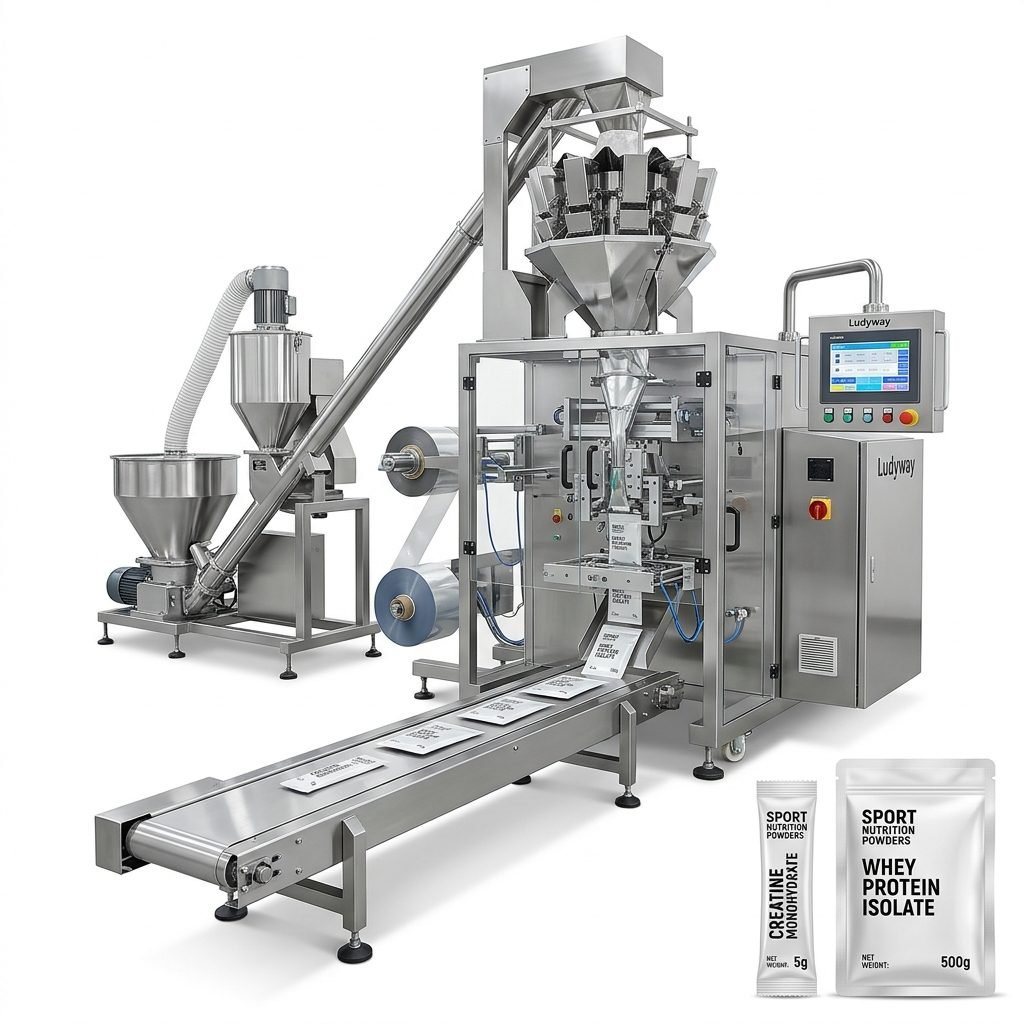
Breaking Performance Limits: A Comparative Analysis
The primary advantage of the triple-servo pillow packaging machine lies in its ability to maintain seal quality while operating at record-breaking speeds. To illustrate the performance leap achieved by this modern configuration, the table below highlights the operational differences between traditional packaging systems and the new triple-servo standard.
| Performance Metric | Mechanical Drive Systems | Double-Servo Systems | Triple-Servo Systems |
|---|---|---|---|
| Average Speed (Packs/Min) | 50 – 120 ppm | 120 – 250 ppm | 350 – 600+ ppm |
| Changeover Time | 30 – 60 minutes (Manual) | 10 – 15 minutes (Semi-Auto) | Under 3 minutes (Digital) |
| Material Waste Rate | High (Up to 3% during setup) | Moderate (Approx. 1%) | Near Zero (Automatic alignment) |
| Diagnostics & Monitoring | None (Visual checks only) | Basic error codes | Real-time cloud diagnostics |
By moving to a fully digital platform, manufacturers can optimize their production lines to keep pace with high-speed upstream processes, such as continuous baking ovens, pharmaceutical tablet pressing, or automated plastic extrusion lines. This prevents the packaging stage from becoming a bottleneck, allowing companies to maximize their return on investment for their entire facility.
Key Technical Features Driving the Speed Record
The speed record established by the new triple-servo packaging machine is not just the result of faster motors. It is driven by several integrated technologies working in unison to ensure high operational stability:
- Intelligent No-Product-No-Bag Function: If there is a gap in the product feed, the film transport stops automatically. This prevents empty bags from being created, saving thousands of meters of wrapping film over a single production run.
- Anti-Cut Safety Logic: If a product is misplaced and enters the cutting zone out of sequence, the sealing jaws automatically reverse or stop. This prevents product damage, blade wear, and costly machine cleanups.
- High-Precision Registration Mark Tracking: Equipped with advanced fiber-optic sensors, the machine can detect printed eye-marks on packaging film at extreme velocities, ensuring that branding and product information are always perfectly centered on the pouch.
- User-Friendly HMI Touchscreen: Operators can store and recall parameters for dozens of different product profiles with a single touch, minimizing human error during product transition phases.
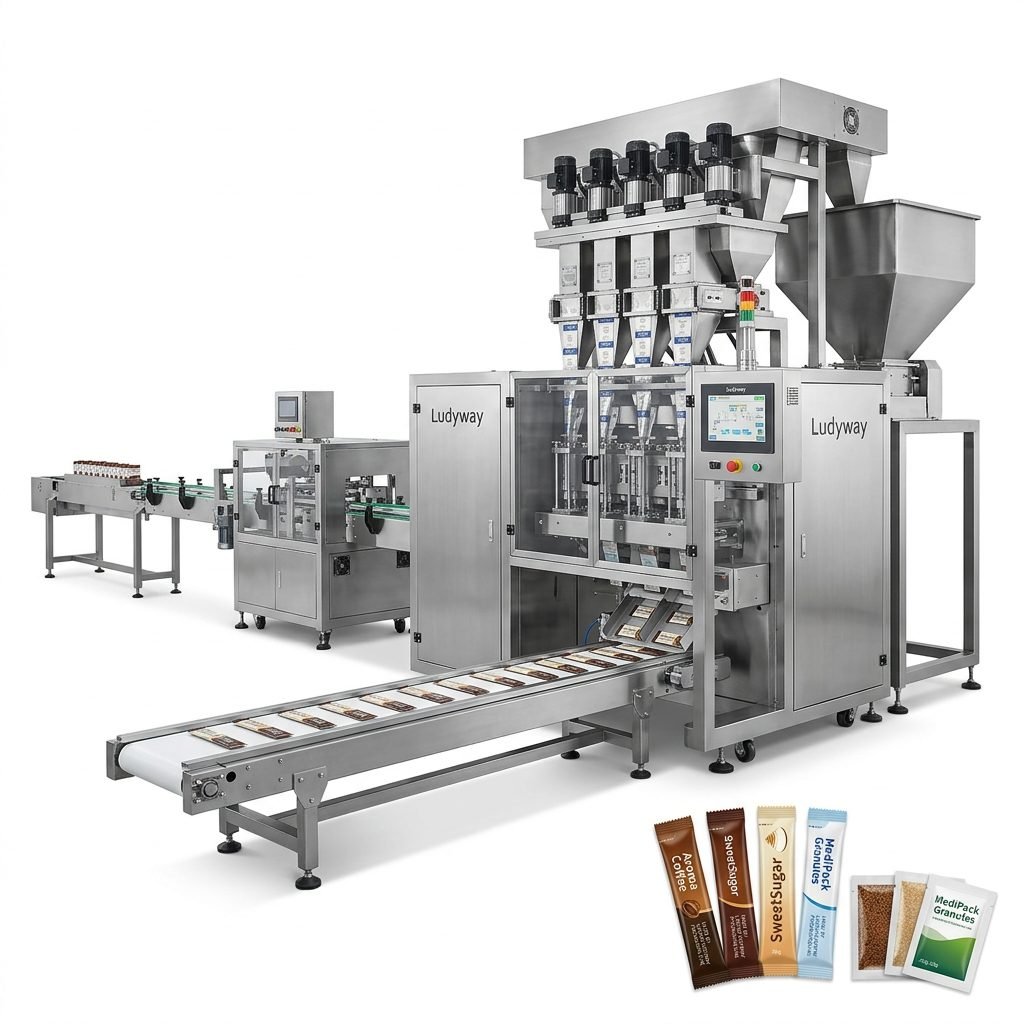
Global Market Impact and Industry Applications
The breakthrough of the triple-servo high-speed pillow packaging machine has significant implications for global distribution networks. In mature packaging markets across North America and Europe, high labor costs make extreme automation a necessity. Facilities in these regions rely on high-speed flow wrappers to maintain profitability. Meanwhile, emerging markets in Southeast Asia, the Middle East, and South America are upgrading their manufacturing infrastructure to meet rising domestic consumption. These regions require robust machinery capable of handling diverse environmental conditions and varying film qualities.
The versatility of the triple-servo system makes it suitable for a wide array of products:
- Bakery and Confectionery: Ideal for wrapping bread, biscuits, chocolate bars, and cupcakes at high speeds.
- Medical Devices: Used for packaging syringes, bandages, face masks, and sterile components under strict sanitary guidelines.
- Daily Chemicals and Hardware: Suitable for wet wipes, soap bars, plastic cutlery, and electrical switches.
As sustainability becomes a priority for global brands, these advanced packaging systems are also designed to handle eco-friendly materials, such as biodegradable paper and recyclable mono-plastic films. The precise temperature controls and tension management of the triple-servo system ensure that these sensitive, sustainable films are sealed reliably without melting or tearing.
Conclusion
The record-breaking performance of the triple-servo high-speed pillow packaging machine represents a major leap forward for industrial automation. By removing mechanical constraints and replacing them with synchronized digital precision, modern manufacturers can achieve unprecedented levels of throughput, flexibility, and resource efficiency. As global industries continue to demand smarter and faster production solutions, the integration of triple-servo technology will undoubtedly remain a cornerstone of next-generation packaging line design.