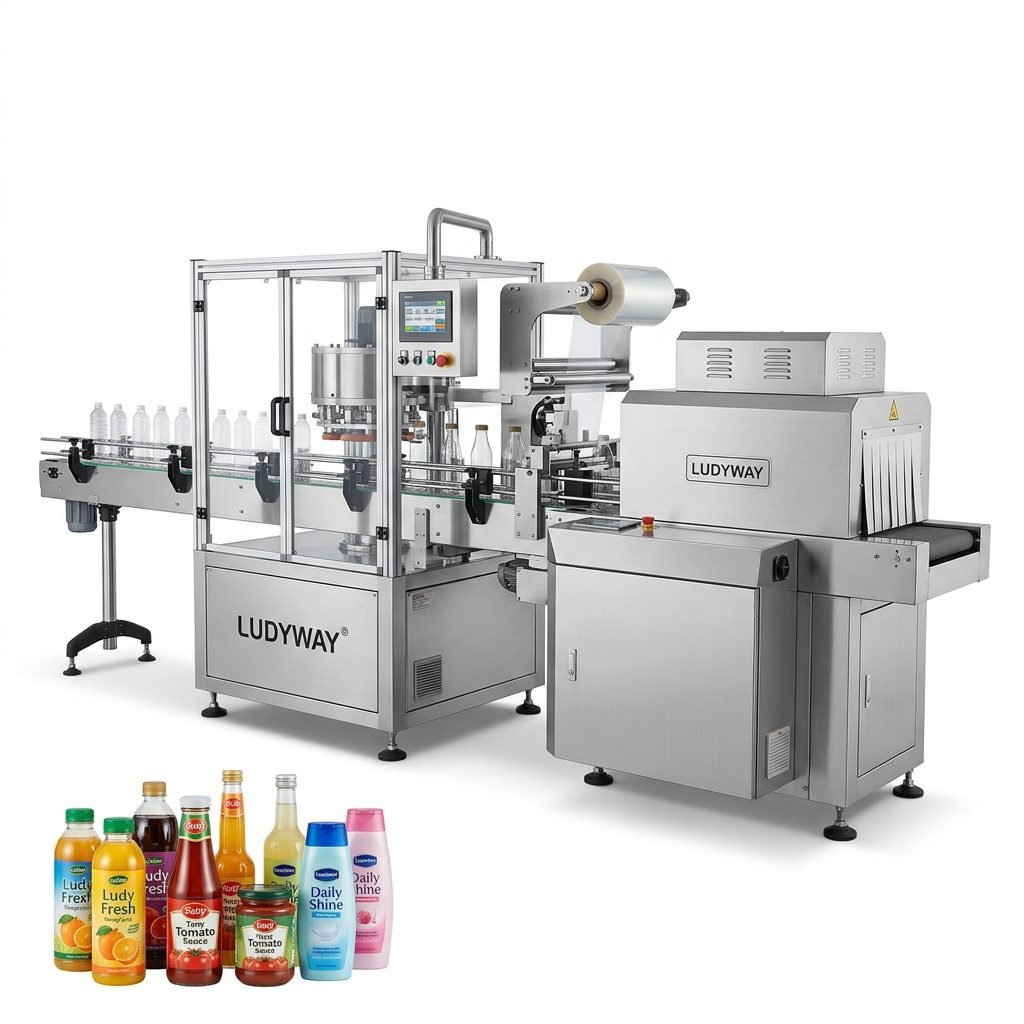
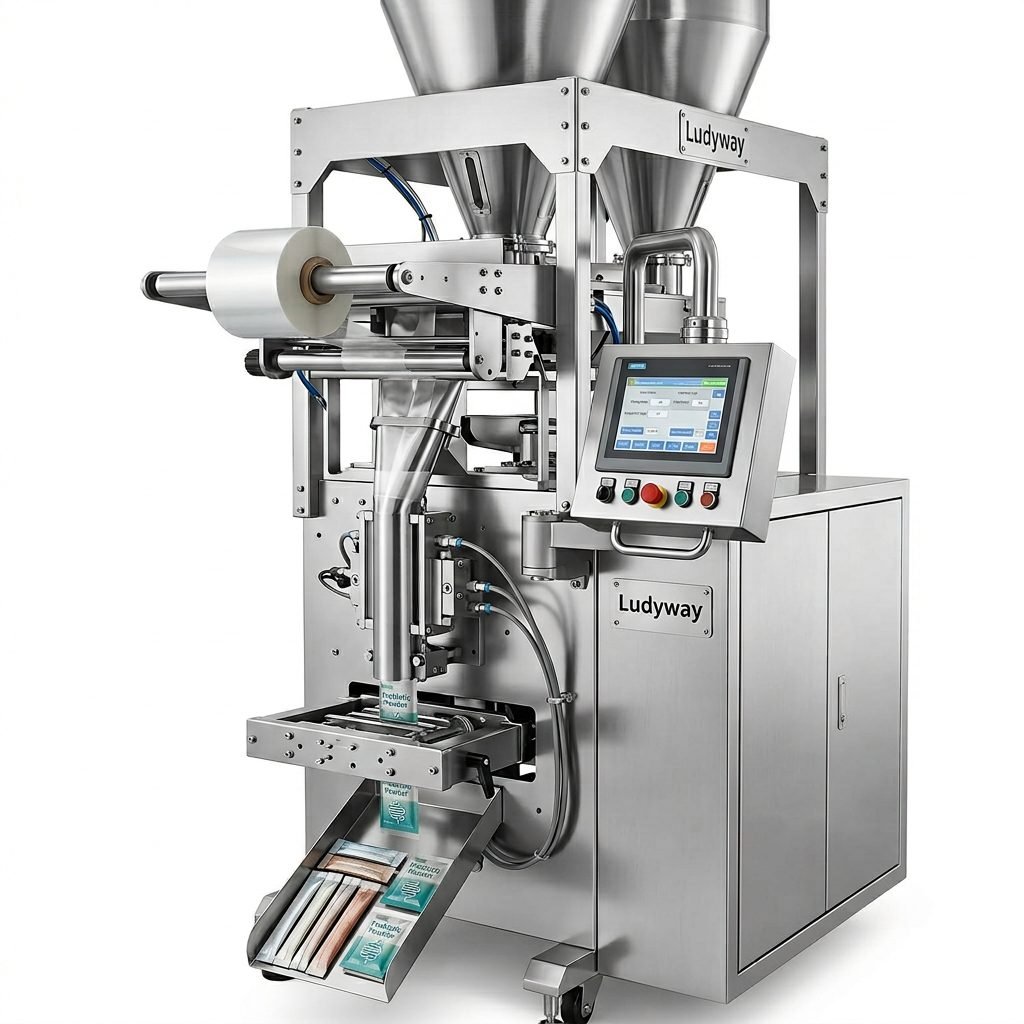
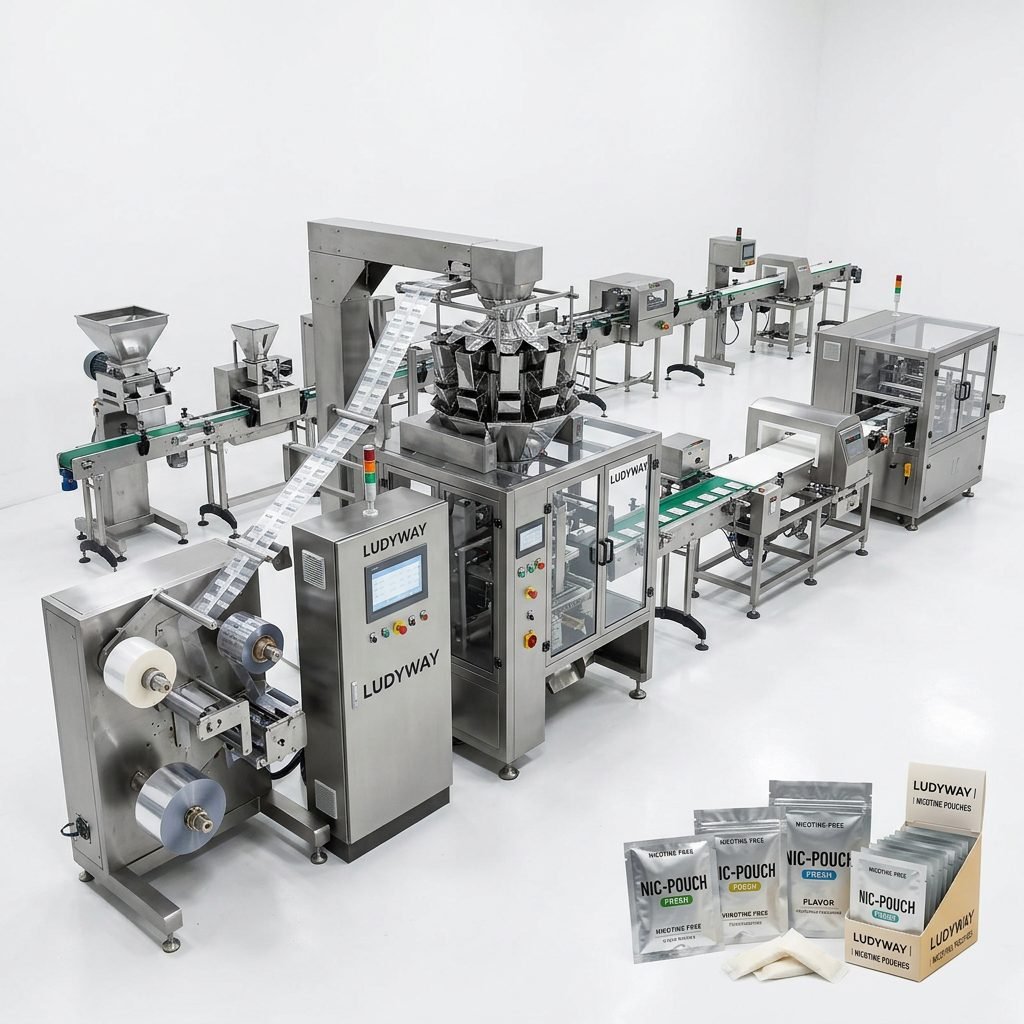
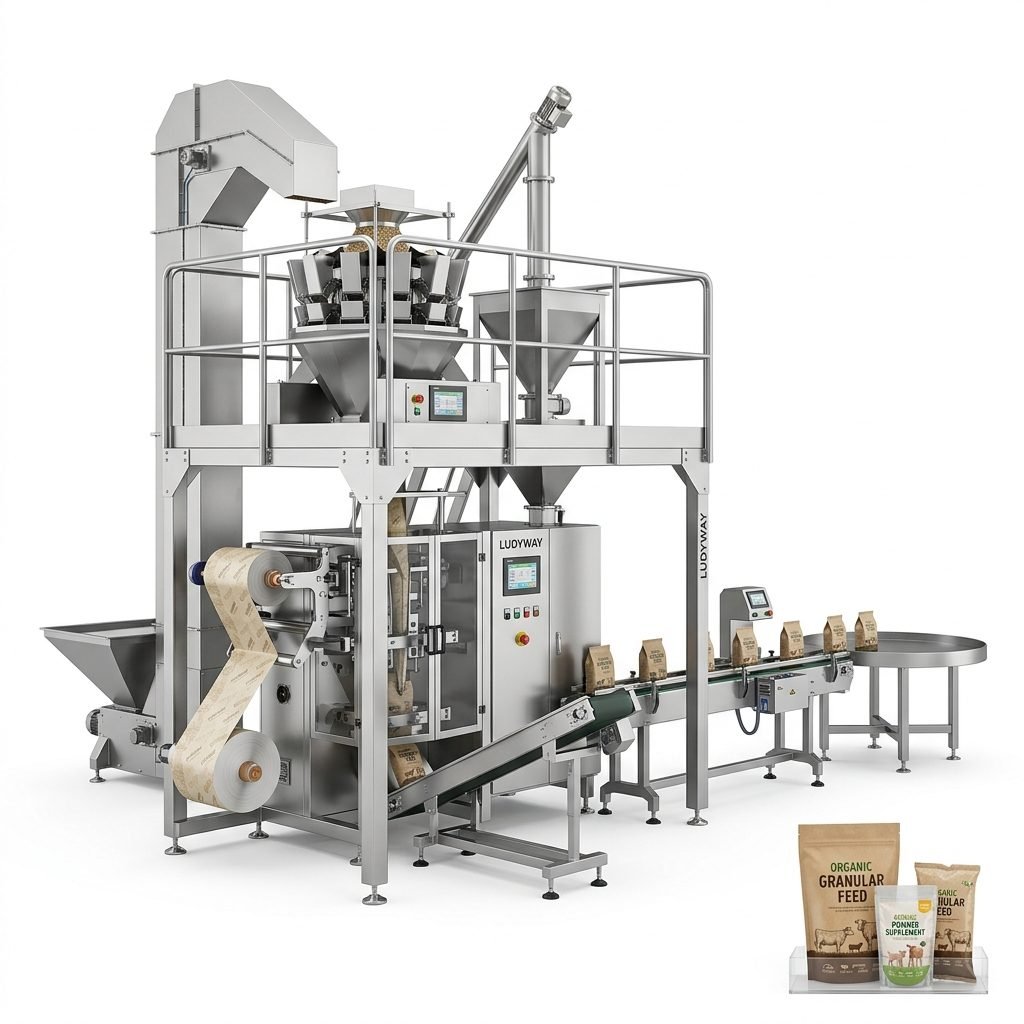
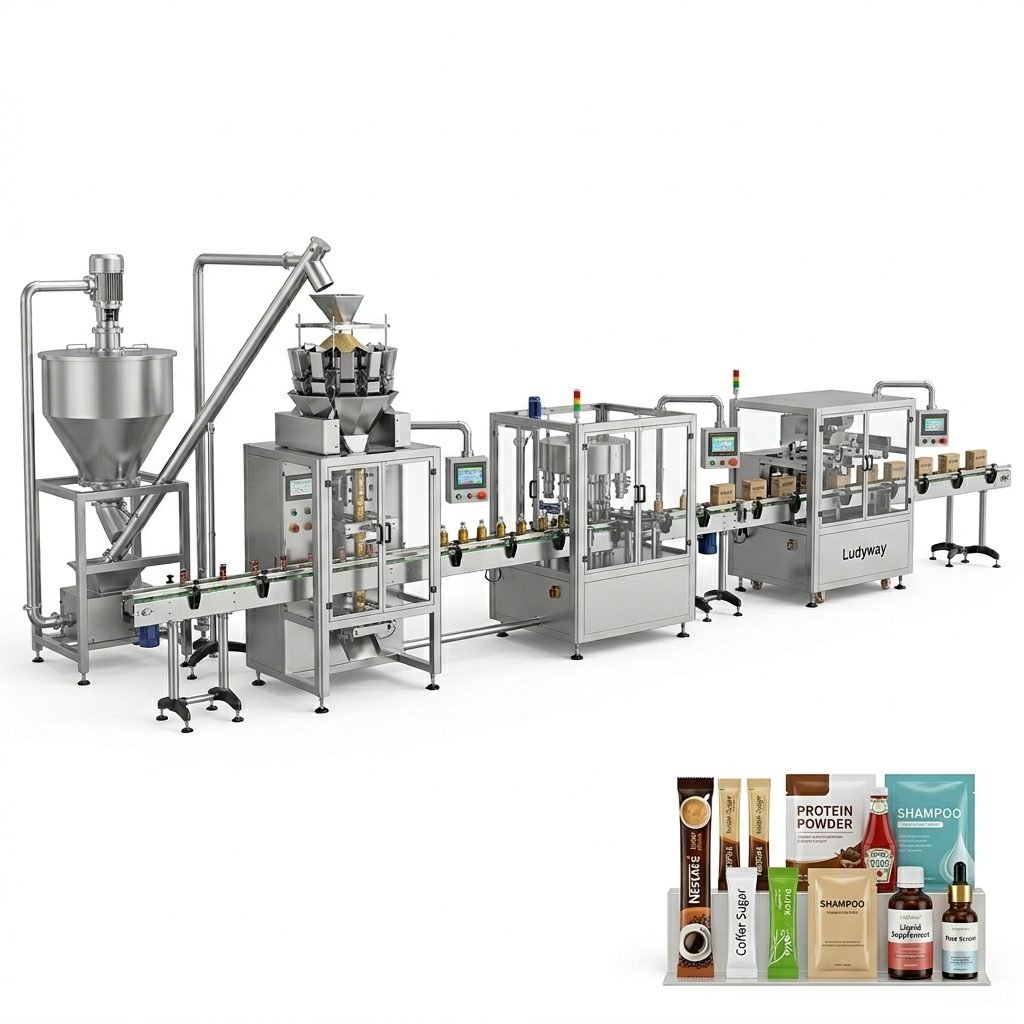
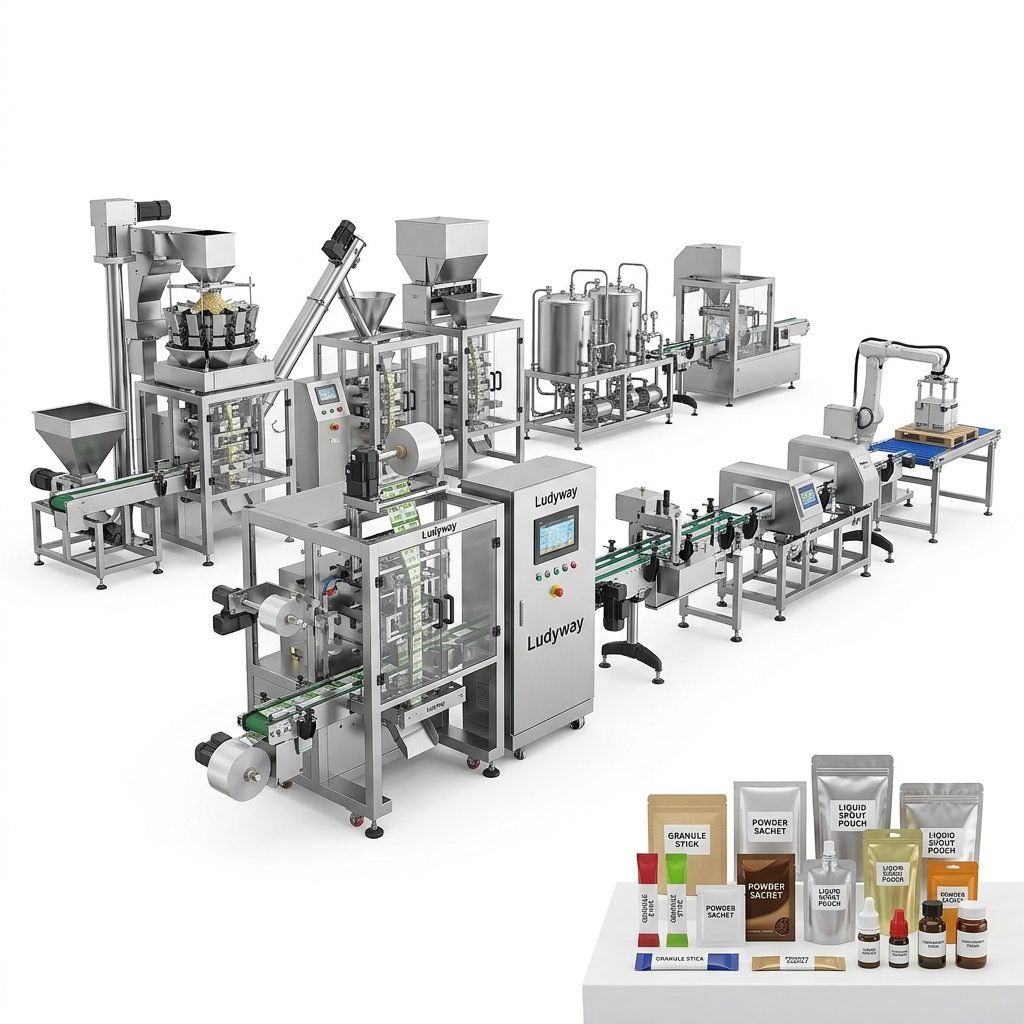
The global industrial landscape is experiencing a significant shift toward automated efficiency, demanding packaging solutions that can withstand the harshest environments. For industries dealing with bulk materials, chemical powders, agricultural minerals, and heavy food ingredients, maintaining product integrity during transit is a major challenge. Environmental factors such as humidity, airborne particulates, and physical handling frequently compromise packaging quality. Addressing these challenges, the latest generation of heavy-duty packaging machinery has debuted, featuring advanced moisture, dust, and impact protection technologies designed to redefine industrial packaging standards.
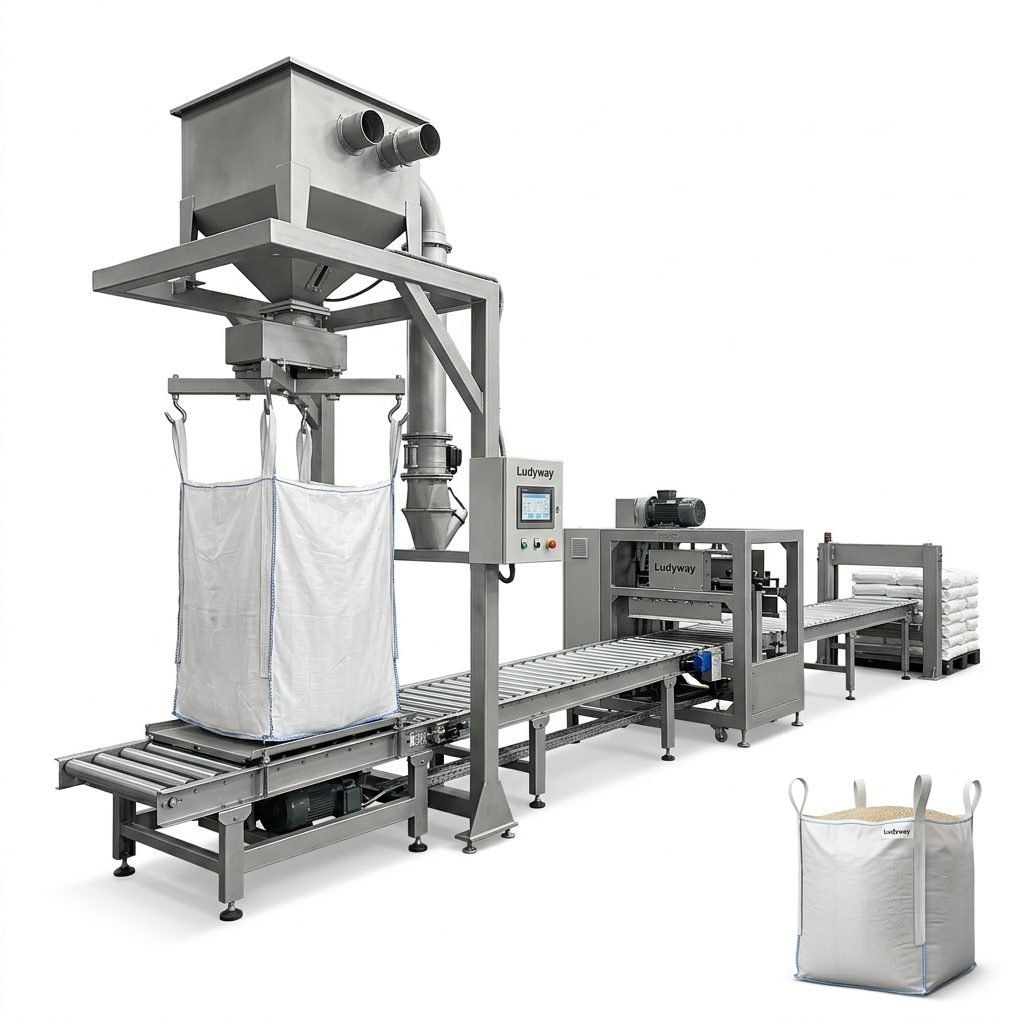
Industrial products are often transported across vast distances, passing through diverse climate zones and undergoing rigorous mechanical handling. Standard packaging equipment frequently falls short in these conditions, leading to seal failures, product degradation, and increased waste. The newly introduced heavy-duty systems resolve these issues by integrating robust structural designs with sophisticated sealing and dust-control mechanisms, ensuring that products remain secure from the factory floor to the final end-user.
Triple-Shield Protection: Moisture, Dust, and Impact
The core innovation of this new machinery lies in its comprehensive approach to product preservation. By tackling the three primary threats to bulk goods, manufacturers can significantly extend product shelf life and reduce distribution losses.
1. Advanced Moisture Barriers and Hermetic Sealing
Moisture ingress is a primary concern for dry powders, chemical additives, and agricultural products. Exposure to humidity can cause clumping, spoilage, or chemical reactions that render products useless. The new heavy-duty machinery employs advanced thermal sealing bars and impulse sealing systems that create a true hermetic seal. By utilizing multi-layer barrier films and incorporating optional nitrogen flushing systems, the machines displace oxygen and moisture-laden air, locking in product freshness and dryness even in humid tropical climates.
2. Comprehensive Dust Control and Extraction
Powdery materials like cement, flour, and fine chemicals generate significant dust during the filling process. This dust not only creates a hazardous workspace but can also contaminate the sealing area of the bag, leading to weak seals and subsequent leaks. To combat this, the new machinery features integrated dust hoods, vacuum extraction systems, and enclosed filling spouts. By capturing dust at the point of discharge, the system ensures a clean sealing environment, protecting both the workers and the integrity of the packaging seal itself.
3. Impact-Resistant Bagging and Reinforced Materials
Heavy-duty packaging must endure drops, stacking, and vibration during transport. The new equipment is optimized to handle thick, high-density polyethylene (HDPE), woven polypropylene, and multi-wall paper bags. Specialized gusseting and bottom-sealing mechanisms reinforce the stress points of the bag. Additionally, the machinery utilizes gentle handling conveyors and drop-deceleration systems to prevent physical damage to the bags during the filling, sealing, and palletizing stages.
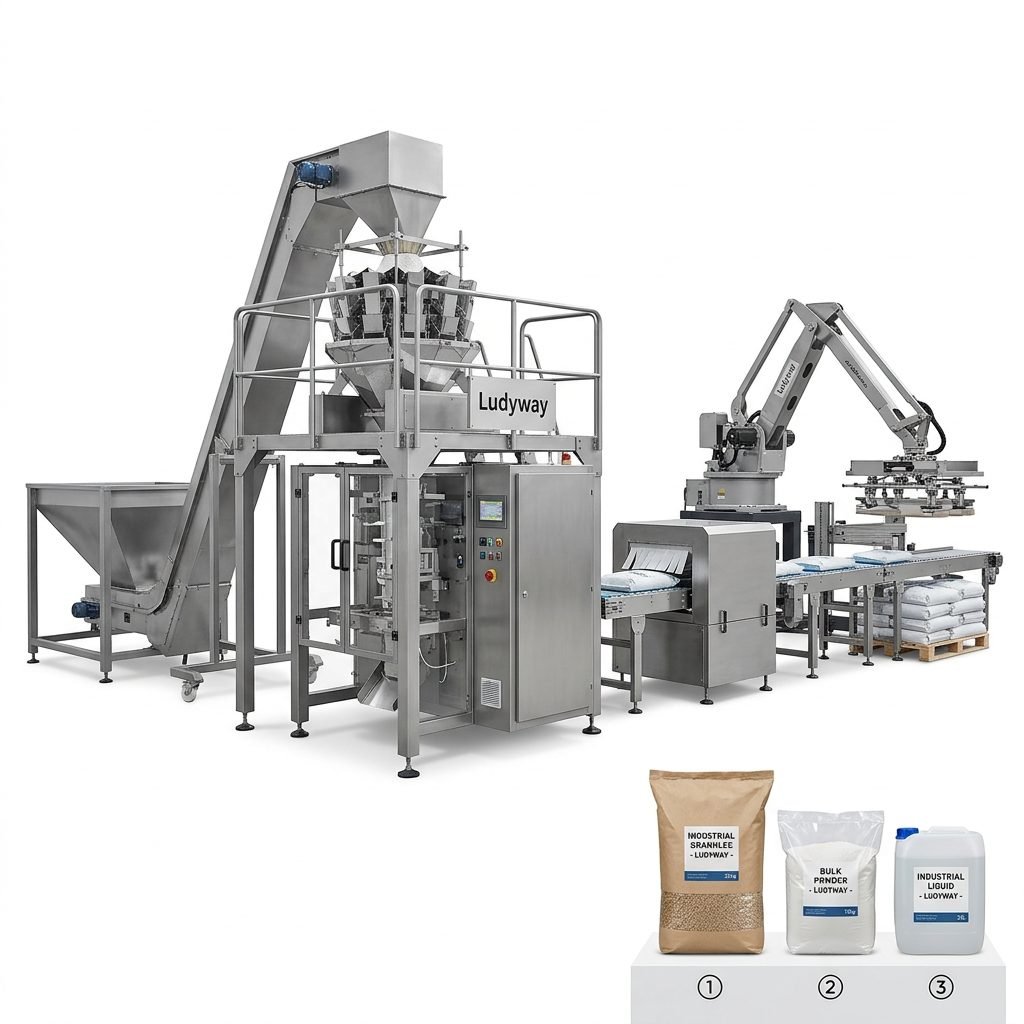
Key Technical Innovations and Specifications
To give buyers a clearer picture of how these systems perform compared to traditional machinery, the following table outlines the key operational differences and protective features of the new technology:
| Feature | Standard Packaging Systems | New Heavy-Duty Protection Machinery |
|---|---|---|
| Sealing Method | Basic heat sealing | Impulse thermal sealing with cooling phase |
| Dust Management | Passive ventilation | Active vacuum extraction and dust suppression |
| Material Handling | Standard belt conveyors | Shock-absorbing, heavy-duty roller systems |
| Bag Compatibility | Single or double-layer plastics | Multi-wall paper, woven PP, and thick barrier laminates |
Industry-Leading Manufacturing and Expertise
Developing machinery capable of delivering this level of performance requires deep technical expertise and a solid manufacturing foundation. As a global provider of advanced packaging solutions, Ludyway has been at the forefront of packaging technology since its establishment in 1993. Operating a state-of-the-art facility of over 20,000 square meters, the company designs, tests, and refines automated systems to meet the strict demands of the food, chemical, agricultural, and pharmaceutical industries.
With over three decades of industry experience, the company has established a significant footprint in international markets, including North America, Europe, the Middle East, and Southeast Asia. Their engineering teams specialize in integrating standalone heavy-duty packaging units into fully automated, turnkey production lines. This ensures seamless synchronization between weighing systems, bag feeding mechanisms, protective sealers, and robotic palletizers.
Applications Across Diverse Sectors
The versatility of the new moisture, dust, and impact protection machinery makes it an essential asset for a wide range of industrial applications:
- Chemical Powders and Resins: Prevents hazardous chemical dust from escaping while protecting sensitive polymers from air moisture.
- Agriculture and Animal Feed: Safely bags seeds, fertilizers, and animal feed pellets without tearing the packaging or losing nutritional value due to humidity.
- Construction Materials: Handles highly abrasive products such as dry cement, mortar, and sand under high-volume production schedules.
- Bulk Food Ingredients: Packages large quantities of flour, sugar, and salt under hygienic conditions that meet international safety compliance.
Enhancing Operational Efficiency and Sustainability
Beyond product protection, these new heavy-duty packaging systems contribute directly to operational efficiency and corporate sustainability goals. By reducing product loss due to damage or contamination, companies can minimize waste throughout the supply chain. Furthermore, the precision dosing and filling technology prevents overfilling, leading to significant material savings over time.
The machinery is designed with user-friendly programmable logic controllers (PLCs) and touch-screen interfaces, allowing operators to switch between different bag sizes and material configurations quickly. This flexibility reduces downtime and ensures a high return on investment for companies operating multi-product facilities.
Conclusion
The debut of heavy-duty packaging machinery with advanced moisture, dust, and impact protection represents a major milestone for industrial bulk packaging. By providing an all-in-one solution to the most common packaging vulnerabilities, these machines allow manufacturers to secure their products, protect their workforce, and streamline their global logistics. As demands for supply chain resilience continue to grow, upgrading to robust protective packaging systems is no longer just an option—it is a critical requirement for maintaining a competitive edge in the global marketplace.