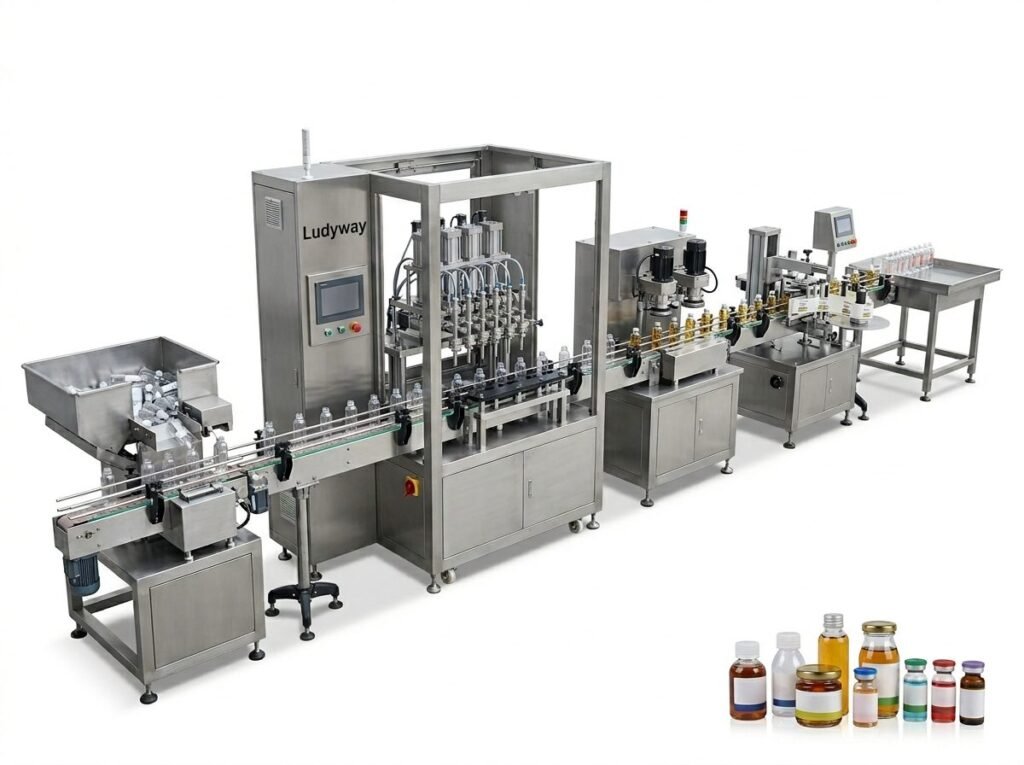
In the highly competitive global manufacturing landscape, speed to market has transitioned from a competitive advantage to a fundamental survival requirement. For packaging machinery buyers in industries ranging from food and beverage to pharmaceuticals, the delivery timeline of a turnkey production line directly dictates revenue potential. Traditionally, the engineering cycle of a packaging line is plagued by a major bottleneck: physical commissioning. However, the integration of Digital Twin technology and virtual commissioning is completely rewriting the rules of deployment, allowing manufacturers to slash delivery cycles by up to 50%.
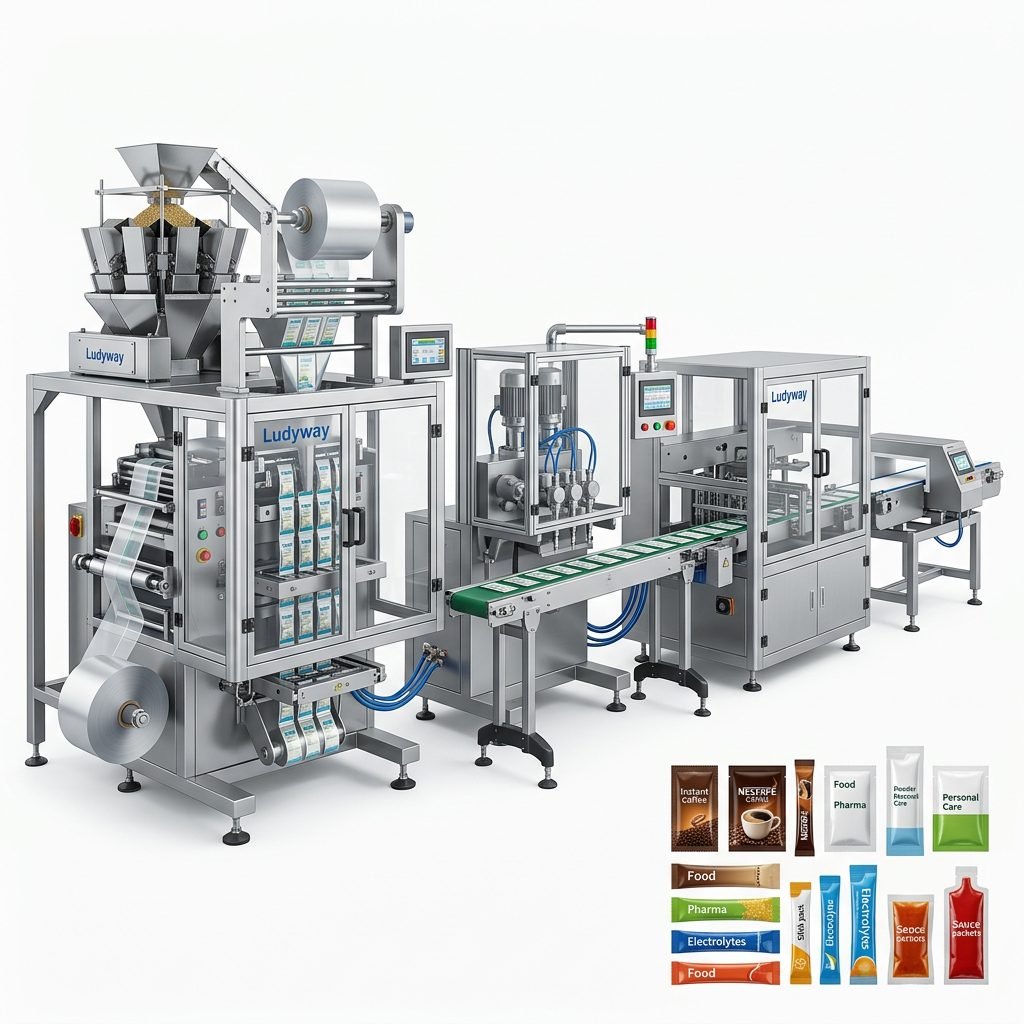
The Challenge of Traditional Physical Commissioning
Under conventional project workflows, mechanical assembly, electrical wiring, and control software programming are executed sequentially. Software debugging can only commence once the physical machinery is fully assembled. This linear dependency introduces significant project risks:
- Late-Stage Design Modifications: Mechanical design flaws or control sequence conflicts are often detected only when the physical components are powered on, leading to expensive rework.
- Extensive Factory Testing: Debugging PLC code on physical hardware consumes valuable shop-floor space and requires vast quantities of test materials, leading to waste and extended validation times.
- Extended On-Site Setup: If integration problems persist through the Factory Acceptance Test (FAT), they spill over to the customer’s site, delaying the commercial production start date.
What is Virtual Commissioning?
Virtual commissioning is the practice of validating control software against a virtual replica of the packaging machine—a digital twin—before the physical machine is constructed. By coupling the 3D computer-aided design (CAD) model of the machinery with kinematic properties and physical constraints, engineers create a highly accurate simulation environment. This simulation behaves exactly like the physical world, complete with gravity, friction, sensor feedback, and motor torque profiles.
The virtual model is connected directly to the actual Programmable Logic Controller (PLC) and Human-Machine Interface (HMI) hardware or their simulated environments. This allows control engineers to test the code under realistic operational speeds and failure conditions, isolating software bugs and sequence errors months before physical metal-cutting begins.
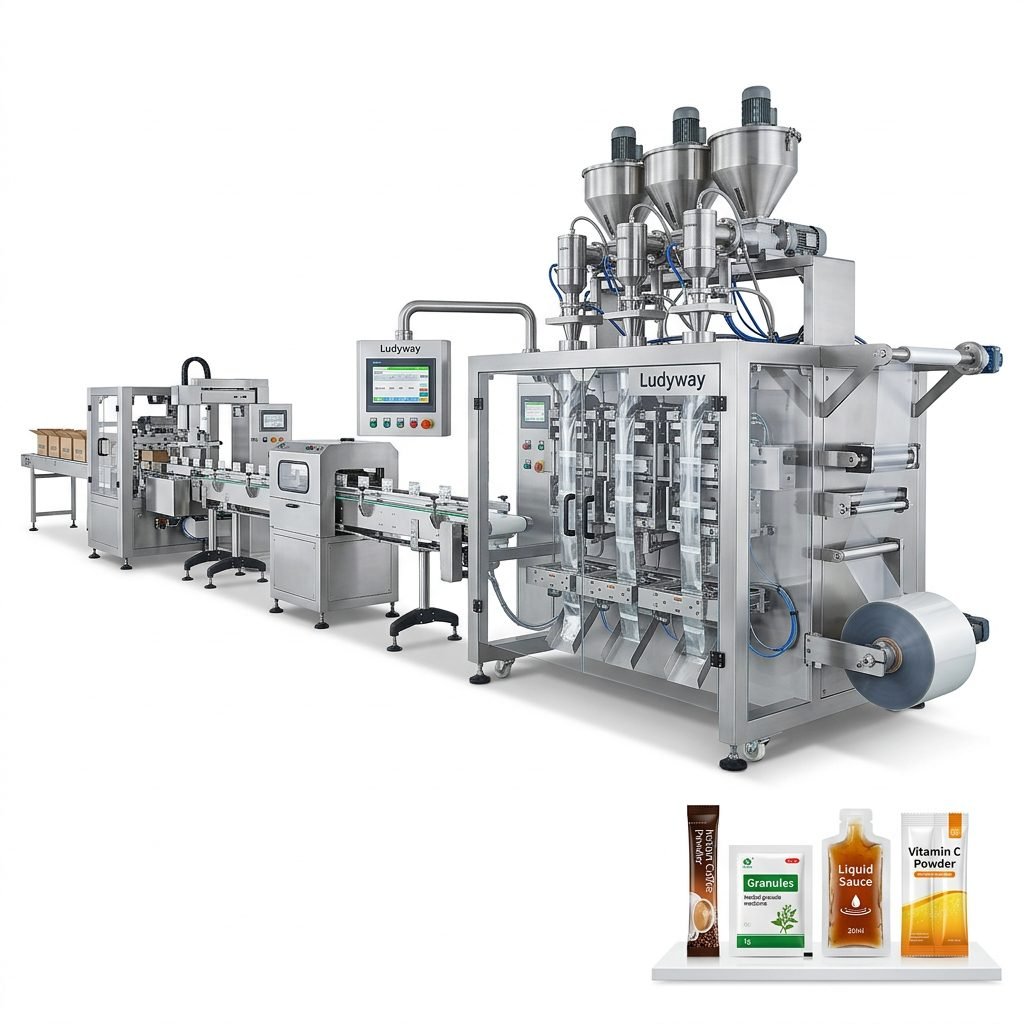
How the Digital Twin Cuts Delivery Cycles in Half
Adopting digital twin workflows transforms sequential project phases into parallel operations. While the manufacturing facility builds the physical chassis and components, software validation proceeds in the virtual space. The primary drivers behind this massive reduction in delivery lead times include:
1. Parallel Software Development
Instead of waiting for mechanical assembly to conclude, control engineers can write, run, and refine PLC code on the digital twin. This overlap of mechanical build and software integration significantly compresses the critical path of the project schedule.
2. Risk-Free Collision and kinematic Analysis
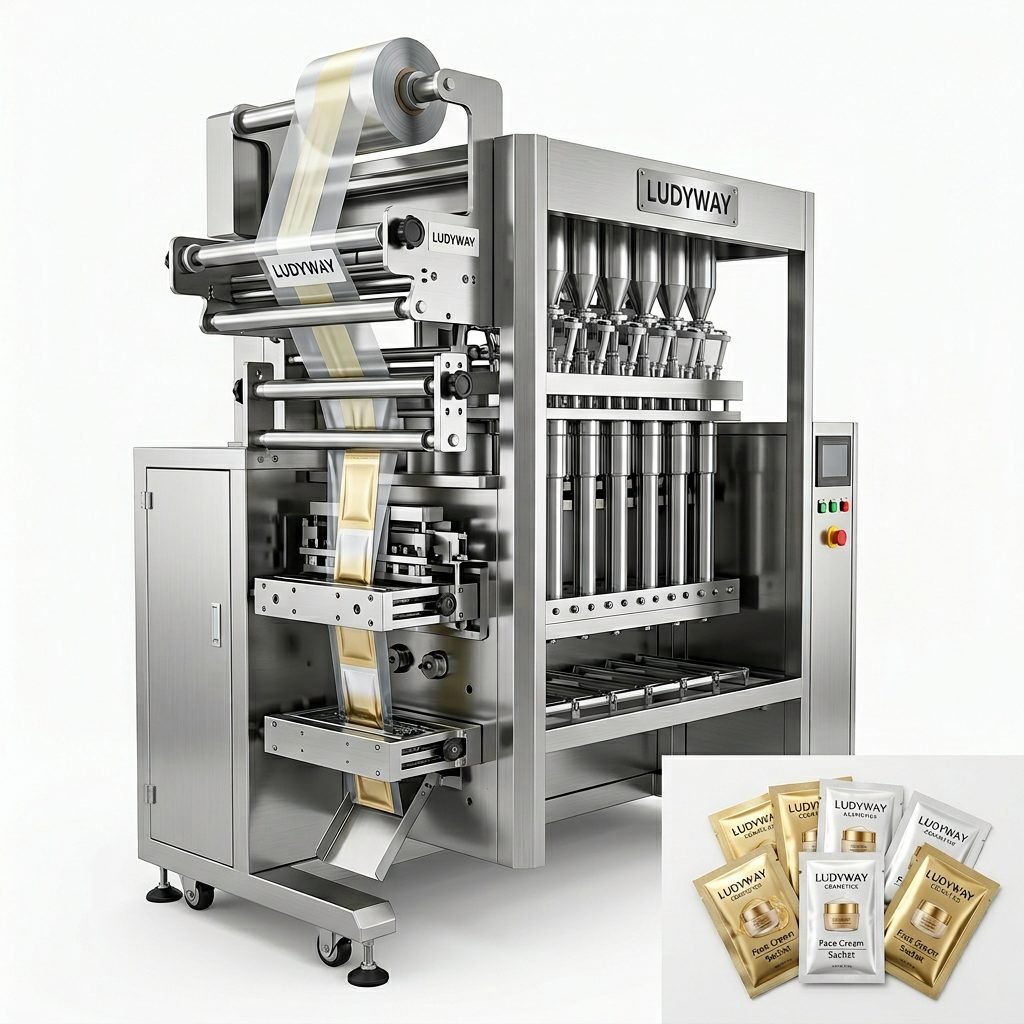
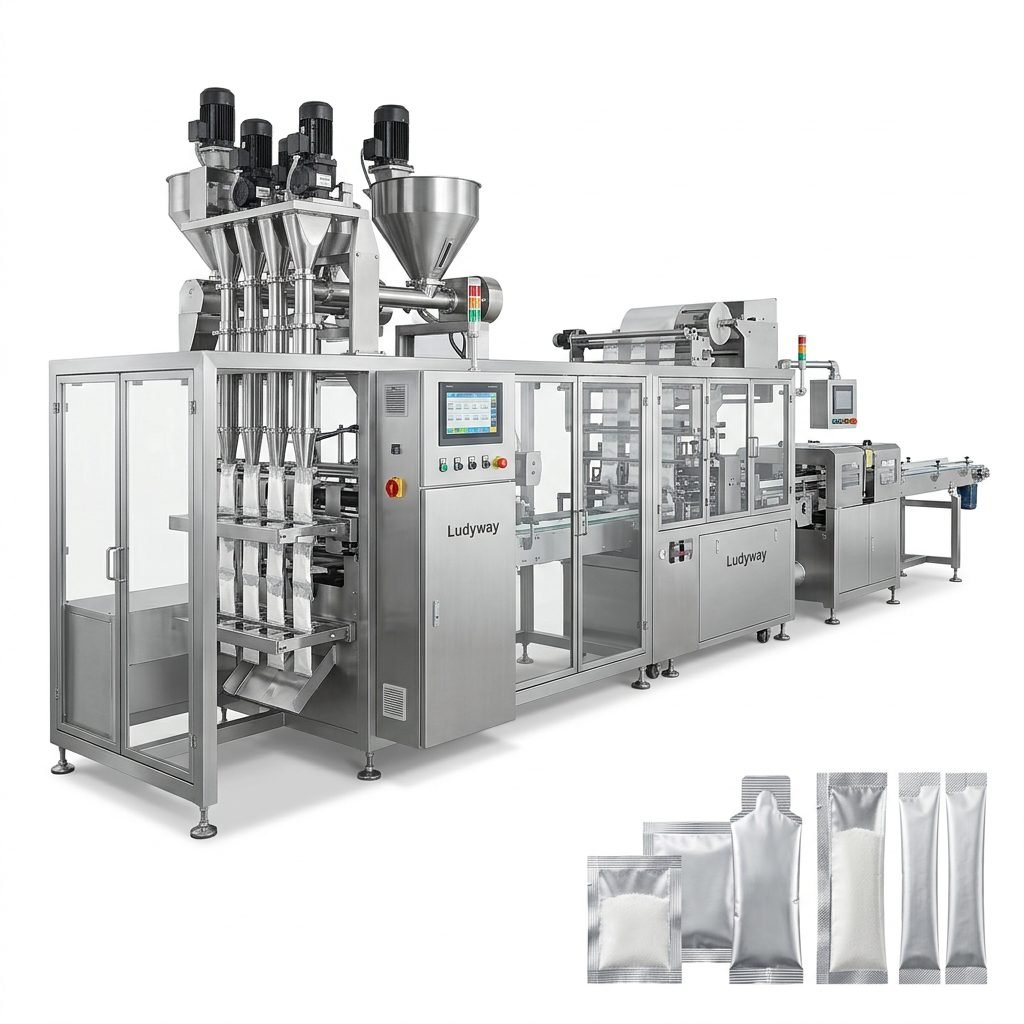
High-speed packaging lines, such as multi-lane stick pack and sachet systems, involve complex, coordinated movements. The digital twin simulates these rapid sequences, identifying mechanical collisions and timing anomalies instantly. Resolving these issues digitally prevents physical damage to tooling and avoids the material delays associated with ordering replacement parts.
3. Streamlined Factory Acceptance Testing (FAT)
With virtual commissioning, a substantial portion of the FAT can be completed online. Remote stakeholders from North America, Europe, and other regions can log in to view virtual test runs. This digital validation ensures that when the physical machine is finally assembled, the code is already mature, reducing physical FAT duration from weeks to days.
A Comparative Analysis of Commissioning Workflows
To understand the profound impact of virtual commissioning, consider the comparative structural differences in project execution:
| Project Phase | Traditional Approach | Digital Twin-Enabled Approach |
|---|---|---|
| Engineering Model | Sequential (Software follows Hardware) | Parallel (Simultaneous hardware build and software test) |
| Error Detection | During physical assembly & test run | During early digital simulation phases |
| Material Waste during FAT | High (Requires large batches of product/film for debugging) | Minimal (Code is pre-optimized virtually) |
| On-site Commissioning Time | 4 to 8 Weeks | 1 to 2 Weeks |
Strategic Benefits for Global Turnkey Packaging Operations
The implications of this technology reach far beyond simple time savings. For manufacturing enterprises planning to scale their operations, utilizing virtual commissioning provides substantial strategic benefits:
- Optimized Resource Allocation: Engineers can test complex recipes, pouch formats, and changeover settings without occupying physical factory floor space.
- Enhanced Safety: High-risk testing—such as testing emergency stop sequences, extreme speed limits, or system failure behaviors—can be performed safely in a virtual environment without risking operator injury or machine damage.
- Comprehensive Operator Training: Plant operators can interact with the virtual HMI and 3D machine model, learning the control logic and diagnostic procedures before the physical installation begins.
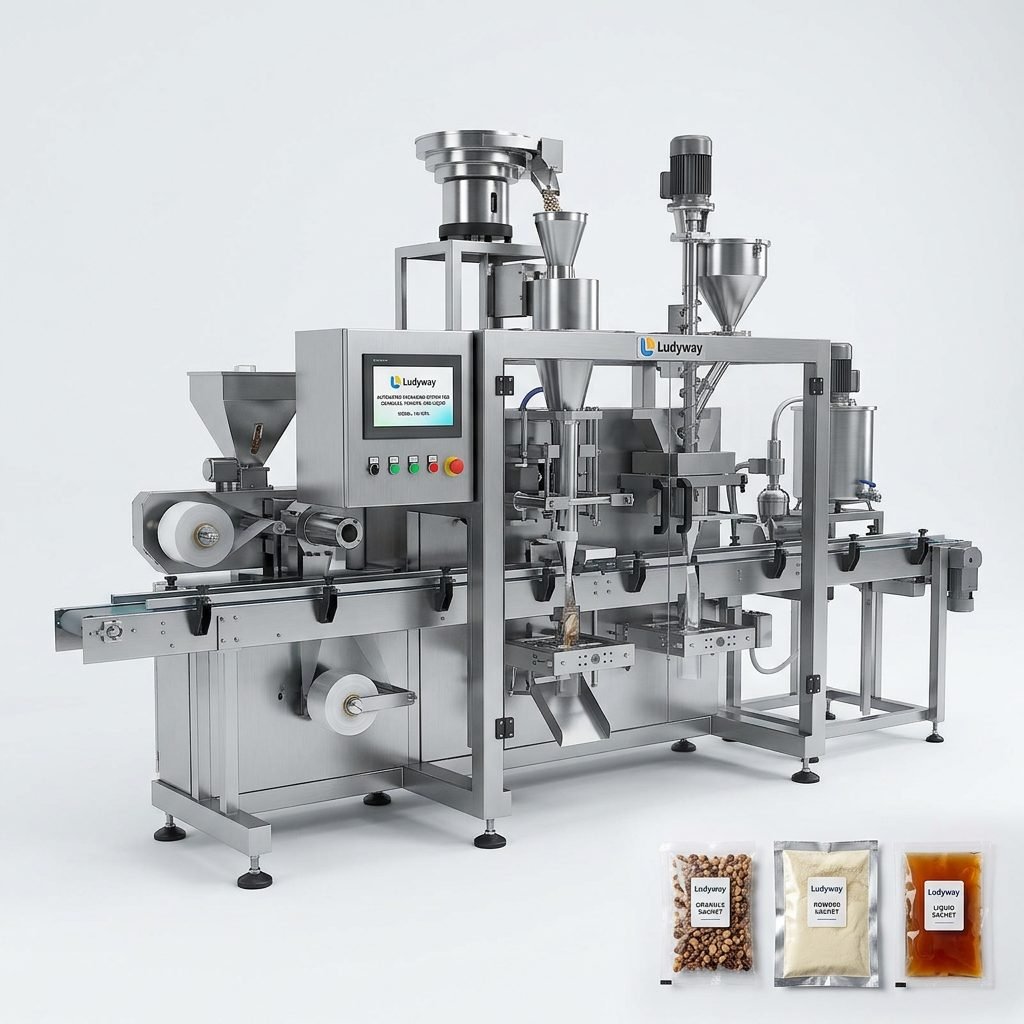
As a leading supplier of automatic packaging technology, Ludyway has continuously integrated cutting-edge manufacturing development to deliver highly customized packaging production lines to clients in over 100 countries. By adopting advanced engineering design practices, modern turnkey packaging line manufacturers ensure that clients in Europe, North America, the Middle East, and beyond can quickly deploy stable, high-performance machinery with minimized project risk.
Looking Ahead: The Future of Smart Factory Integration
Virtual commissioning is not just a tool for initial machine delivery; it serves as the foundation for the entire lifecycle of the equipment. Once the packaging machinery is running on the client’s production floor, the digital twin remains active. By feeding real-time sensor data back into the digital model, plant managers can perform predictive maintenance, simulate line modifications before physical changes are made, and optimize throughput dynamically.
As packaging systems become more complex and integrated, digital twin-enabled design will transition from an innovative option to an industry standard. For international buyers seeking to secure their production capacity, investing in machinery validated through virtual commissioning is the ultimate method to guarantee rapid delivery, flawless startup, and long-term operational resilience.