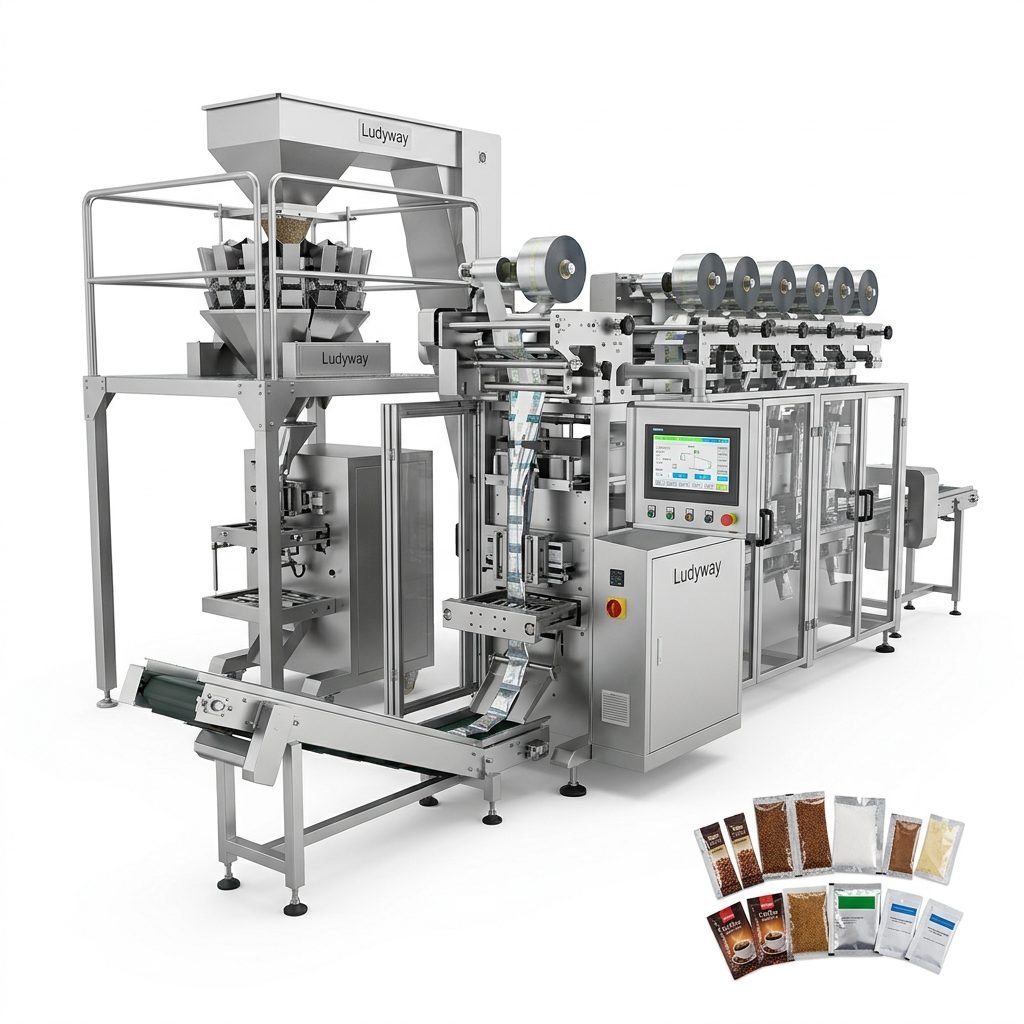
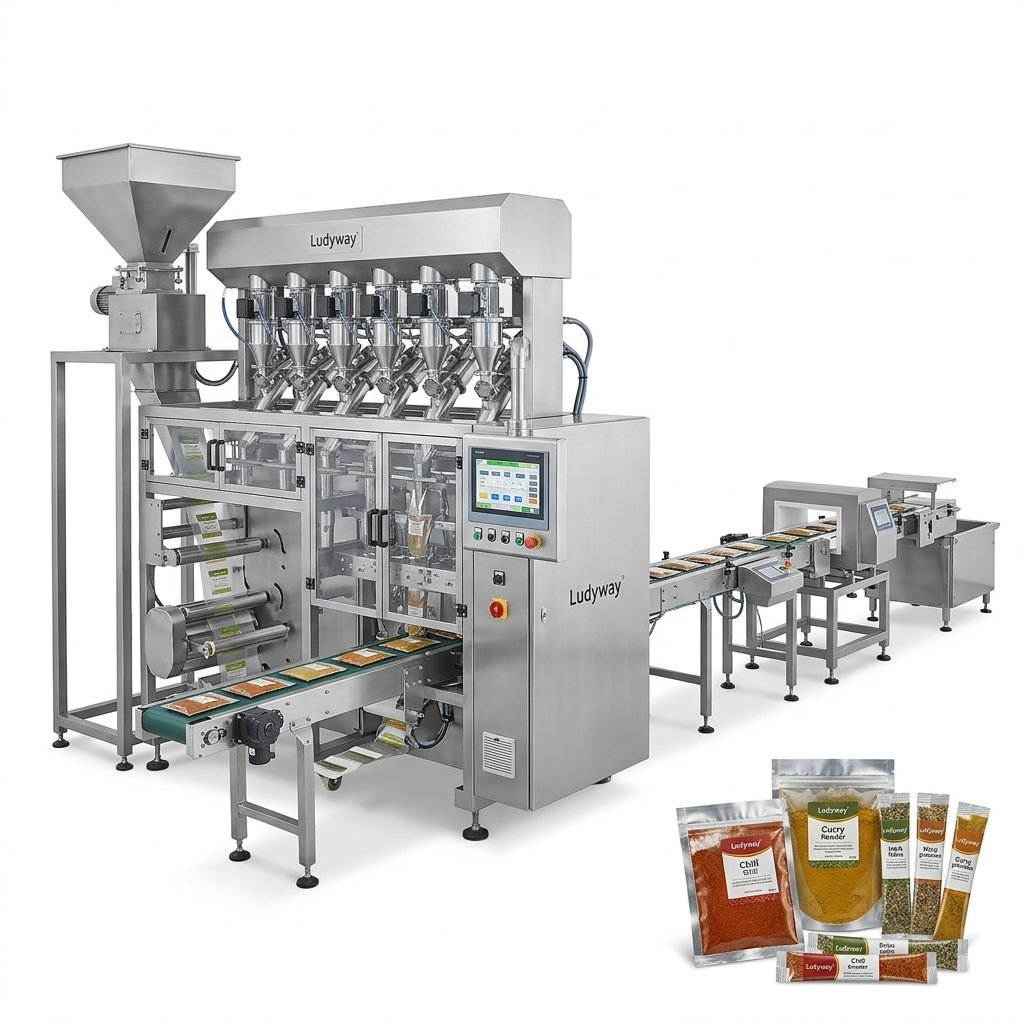
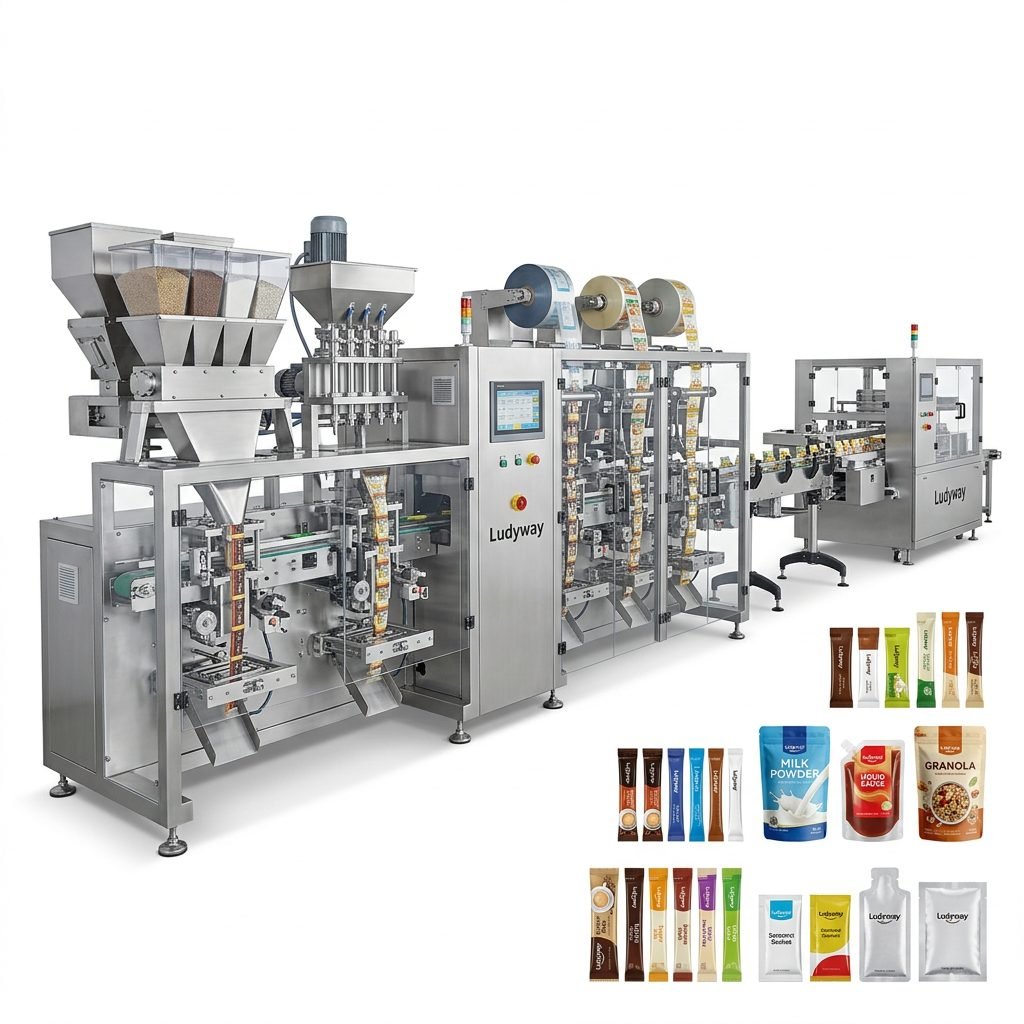
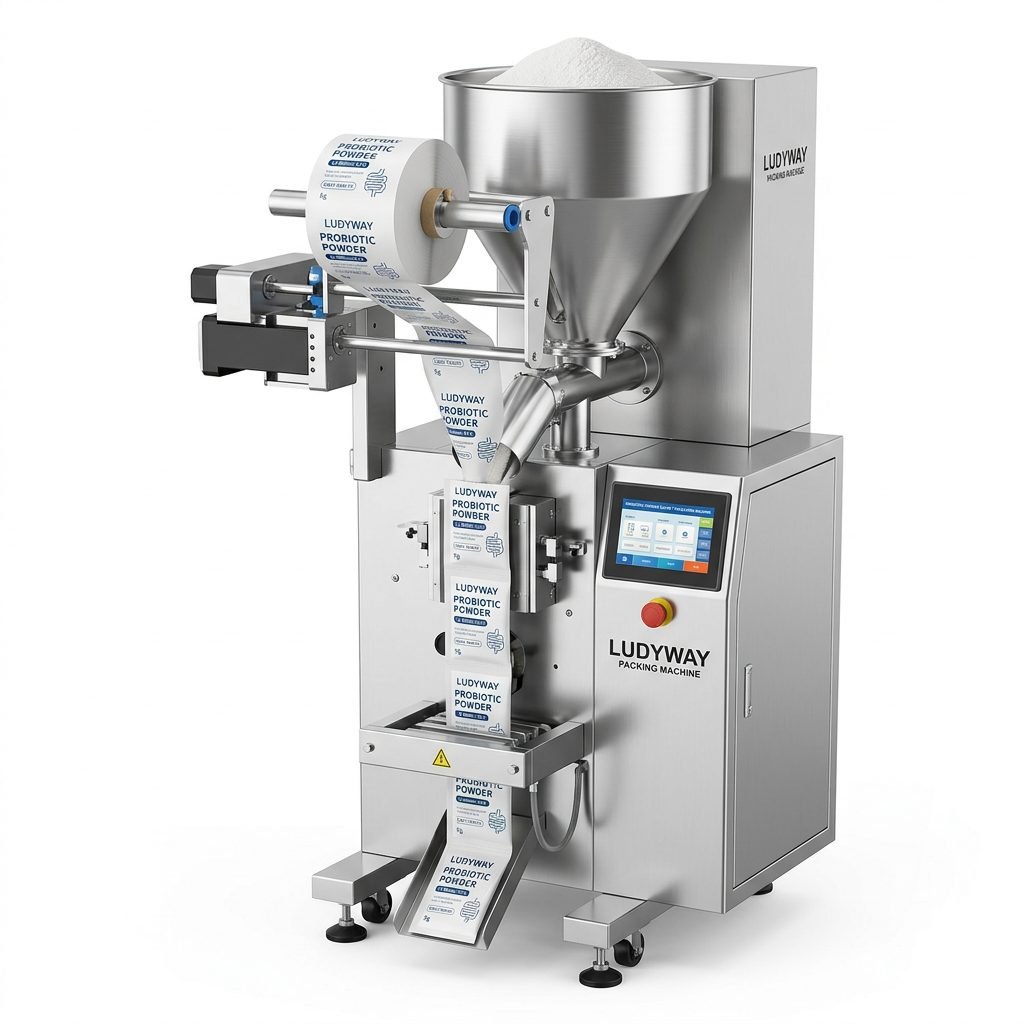
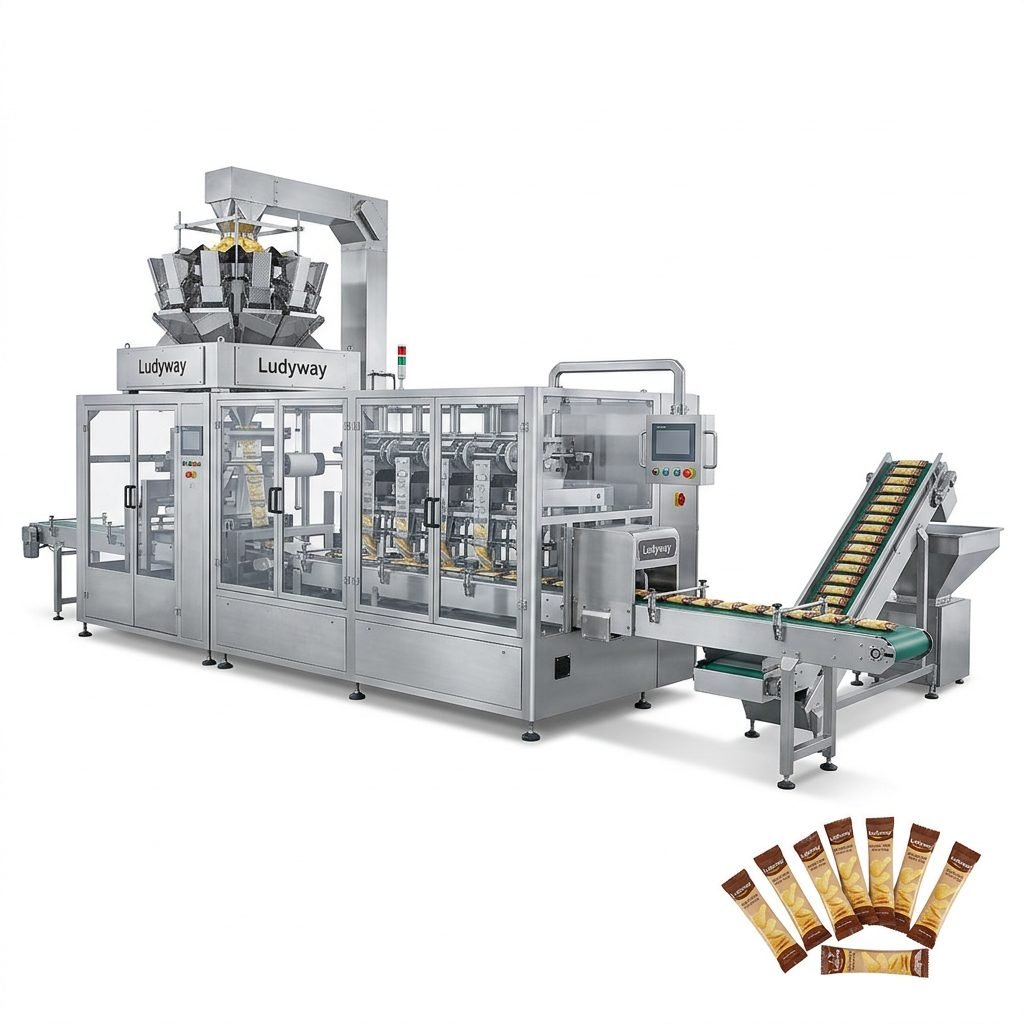
Investing in a food packaging machine is one of the most critical decisions a manufacturer can make. The right equipment can transform production efficiency, reduce waste, and ensure consistent product quality. However, with dozens of machine types, configurations, and suppliers available, the selection process can feel overwhelming. This complete buyer’s guide walks you through every factor you need to evaluate—from product characteristics to long-term service support—so you can make a confident, informed purchasing decision.

1. Start with Your Product: Know What You’re Packaging
Before comparing machine specifications, you need a thorough understanding of the product itself. Different products demand different filling, dosing, and sealing technologies.
Product Form and Flow Characteristics
Is your product a free-flowing powder like sugar, a sticky granule like dried fruit, a viscous liquid like sauce, or a fragile solid like baked snacks? Each behaves differently during the packaging process. Granule products often require volumetric or multi-head weigher dosing, while liquid products need piston fillers or flow meters with precise volumetric control. Understanding flowability, bulk density, and particle size distribution helps determine the right dosing mechanism.
Packaging Format: Sachet, Stick Pack, Pouch, or Bag?
Your target packaging format significantly narrows down machine options. Common formats include:
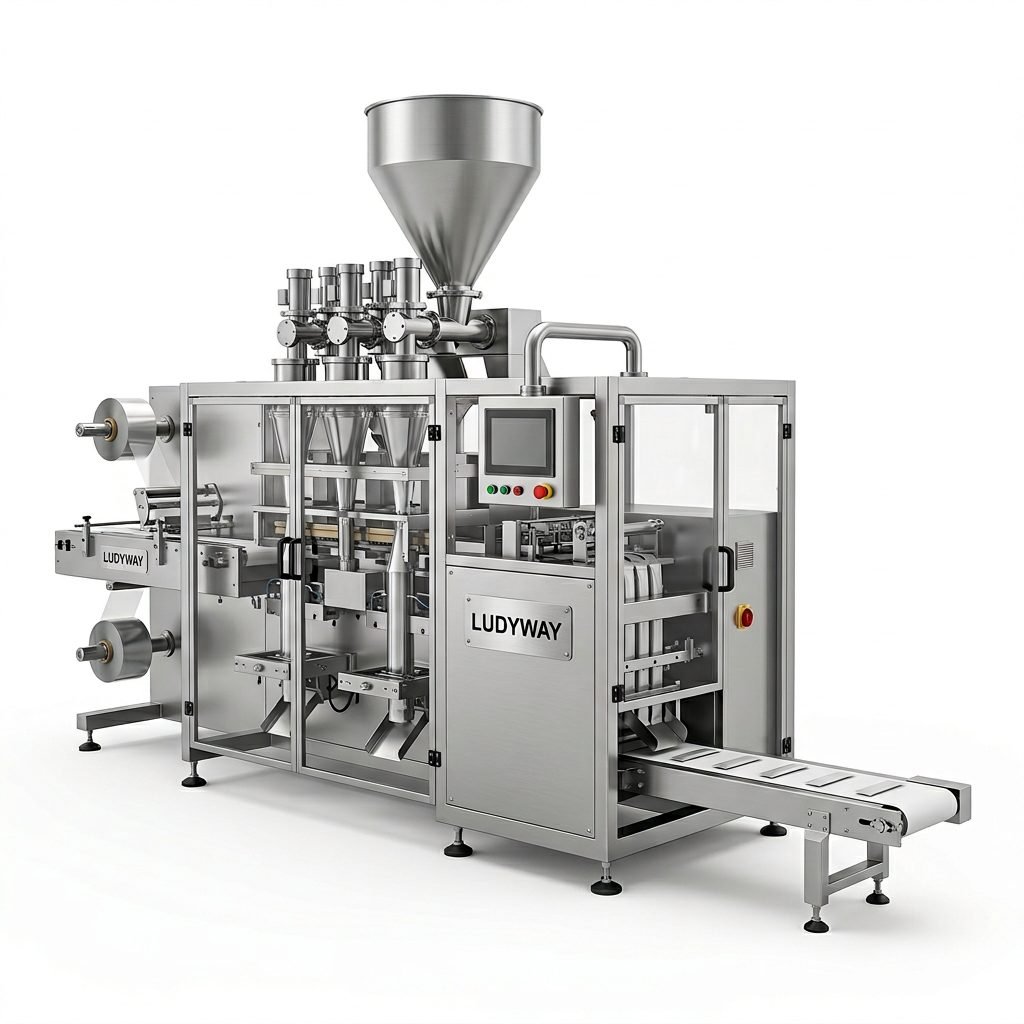
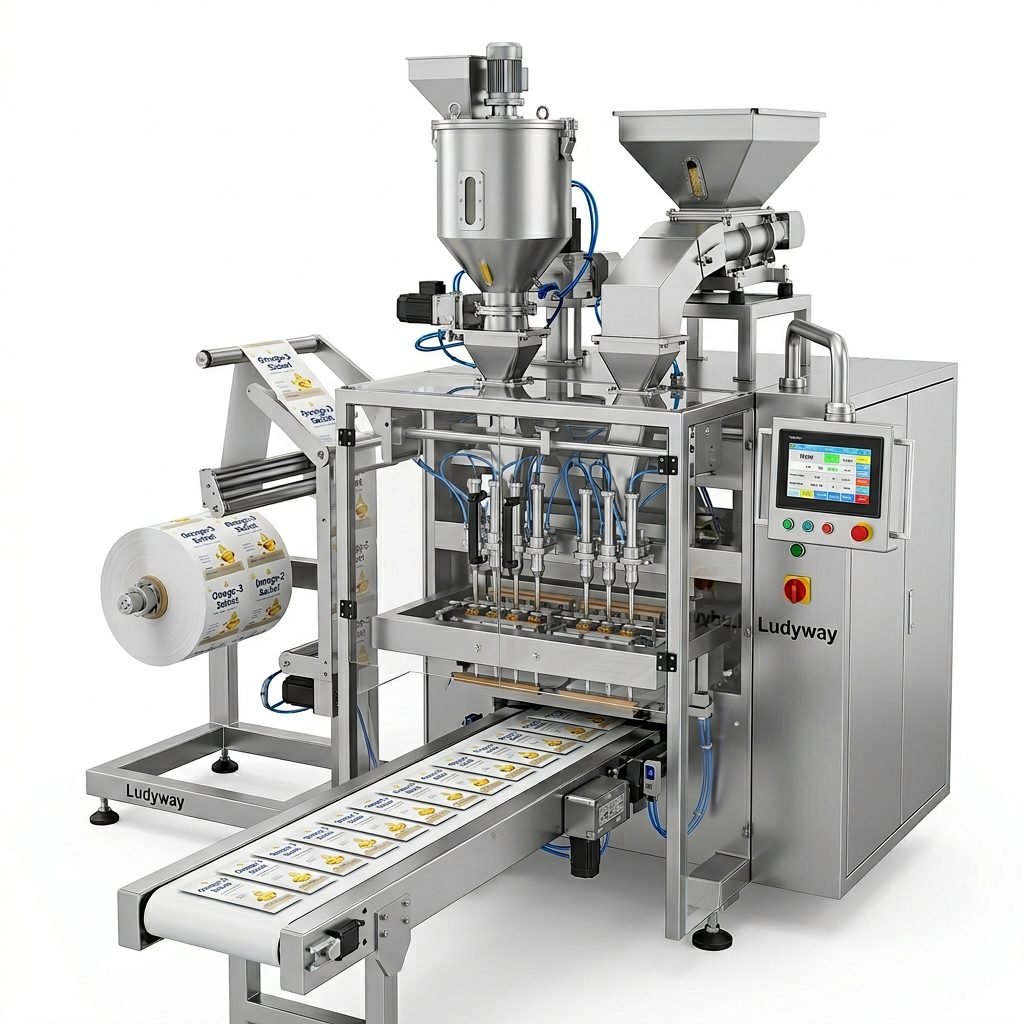
- Stick packs – Ideal for single-serve powders, supplements, and instant beverages
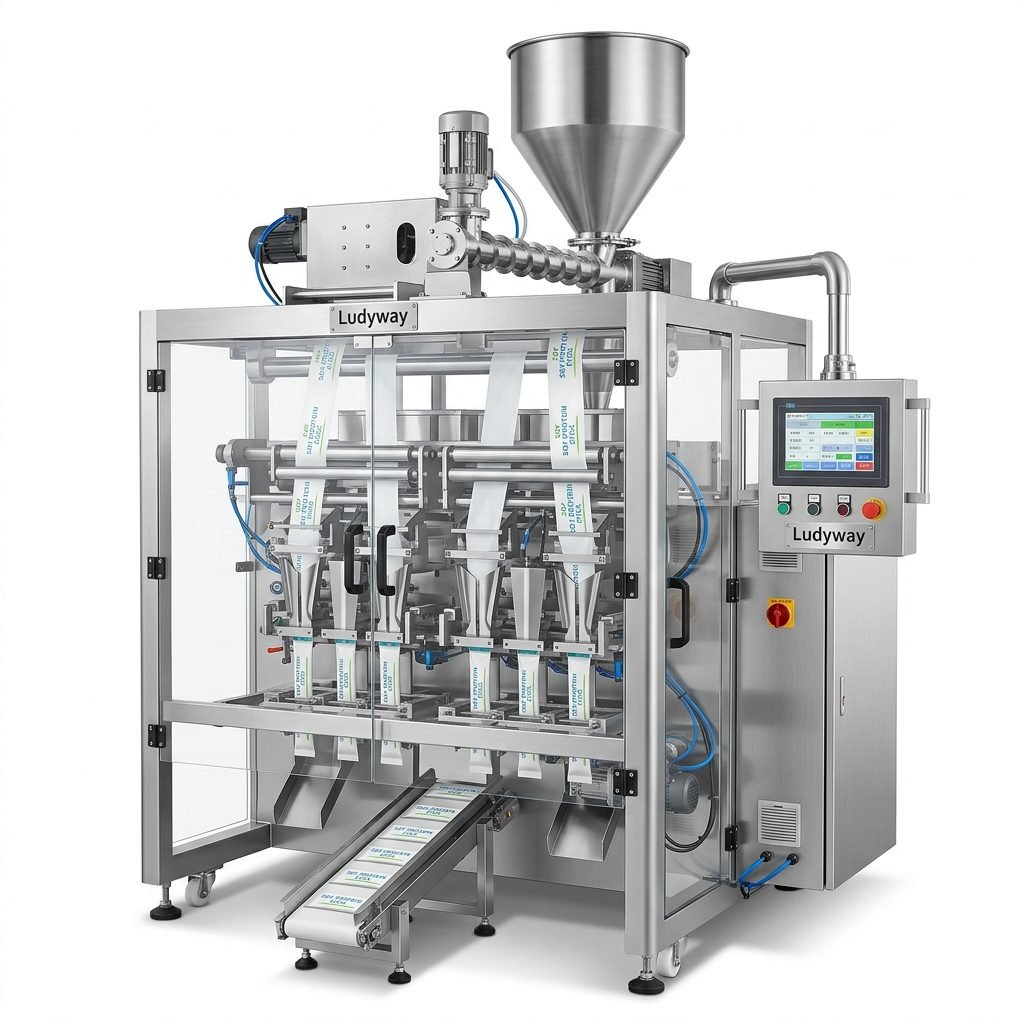
- Sachets – Popular for sauces, condiments, shampoos, and sample products
- Premade pouches – Suitable for snacks, pet food, coffee, and larger portions
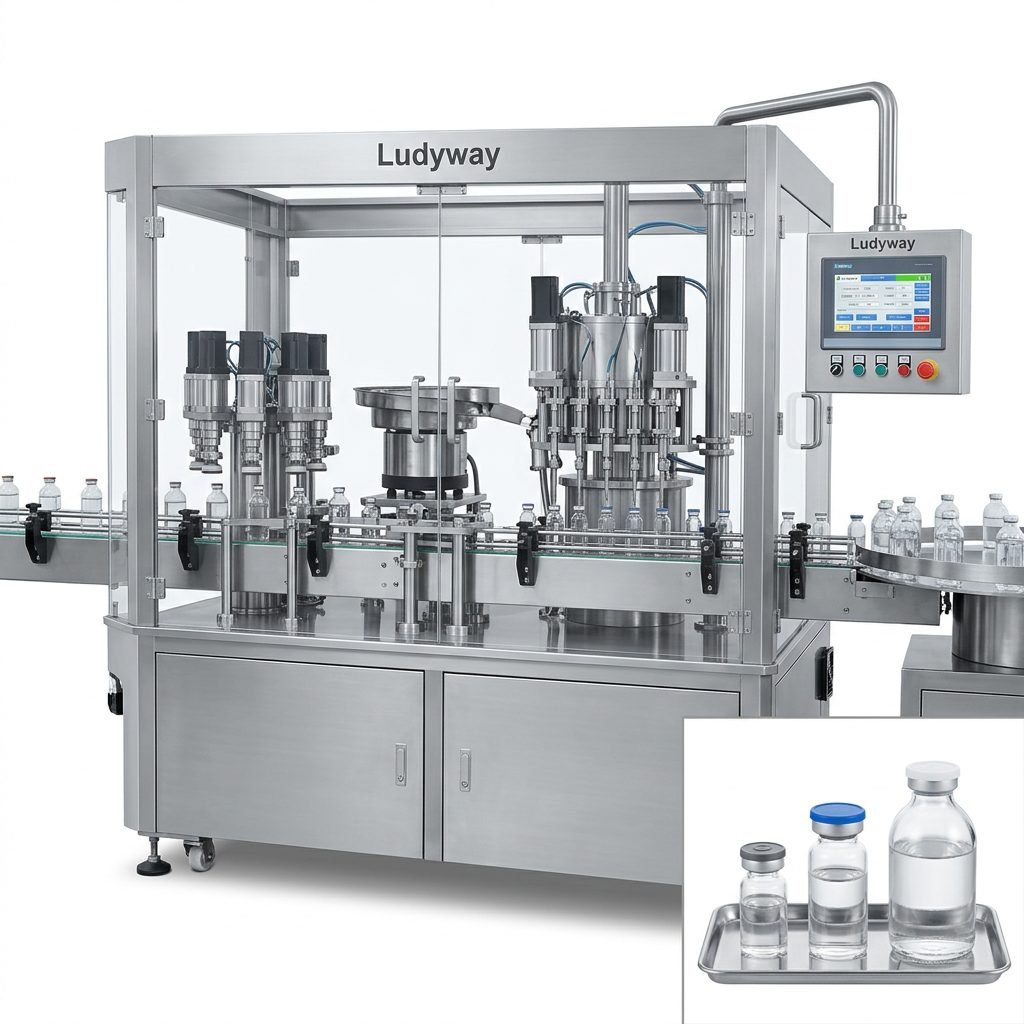
- Bottles and jars – For liquids, creams, tablets, and capsules
- Bulk bags – For industrial ingredients, animal feed, and agricultural products
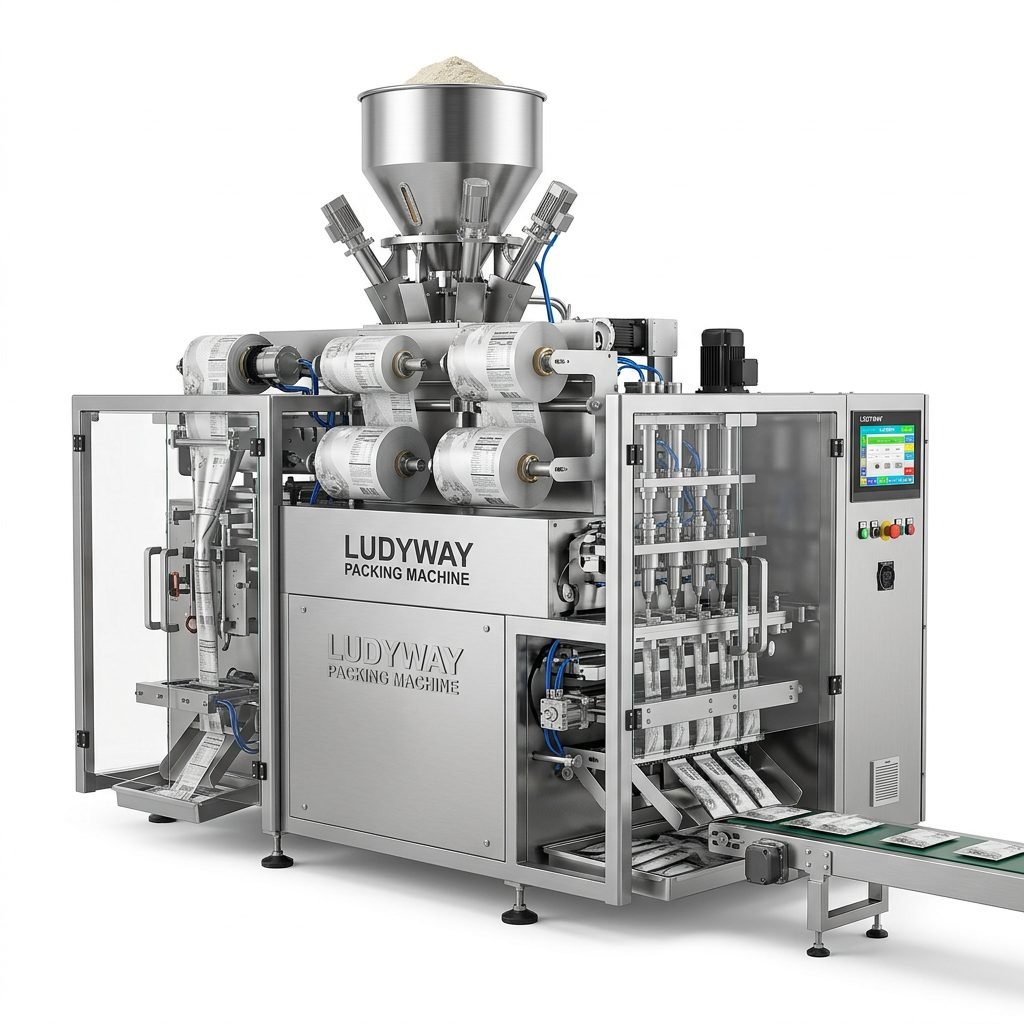
2. Define Your Production Speed and Capacity Requirements
Production volume is a key differentiator when selecting packaging machinery. Machines range from semi-automatic units producing 20-30 packs per minute to high-speed multi-lane systems capable of 1,000+ packs per minute.
Consider both your current output needs and your growth projections over the next 3-5 years. A machine that meets today’s demand but cannot scale may require replacement sooner than expected. Packaging industry data suggests that manufacturers who plan for capacity expansion during initial equipment selection reduce long-term capital expenditure by up to 30%.
Single-Lane vs. Multi-Lane Systems
| Feature | Single-Lane Machine | Multi-Lane Machine |
|---|---|---|
| Output Speed | 30-80 packs/min | 200-1,200+ packs/min |
| Initial Investment | Lower | Higher |
| Floor Space | Compact | Larger footprint |
| Changeover Flexibility | Quick for small batches | Best for long production runs |
| Ideal For | Startups, niche products, frequent format changes | High-volume, single-SKU production |
3. Evaluate Critical Machine Features and Technologies
Not all packaging machines are built with the same level of engineering. Pay close attention to the following features when comparing equipment:
Filling Accuracy and Dosing Precision
Inaccurate filling leads to product giveaway—a direct hit to your profit margin. For high-value products like supplements or pharmaceuticals, even a 1% overfill can cost tens of thousands annually. Look for machines with servo-driven dosing systems and integrated checkweighers for real-time feedback control. ISO packaging standards provide useful benchmarks for acceptable fill tolerances across different product categories.
Sealing Technology and Package Integrity
Seal quality directly affects shelf life and consumer safety. Evaluate sealing temperature control, pressure consistency, and dwell time adjustability. For oxygen-sensitive products like coffee or nutritional powders, consider machines with nitrogen flushing or vacuum sealing capabilities. A compromised seal leads to product returns, brand damage, and potential regulatory issues.
Automation and Control Systems
Modern packaging machines increasingly feature PLC touchscreen controls, recipe storage for different products, and remote monitoring capabilities. These features reduce operator training time and minimize changeover errors. Machines with packaging machinery standards-compliant safety interlocks and guard systems also protect operators and support regulatory compliance.
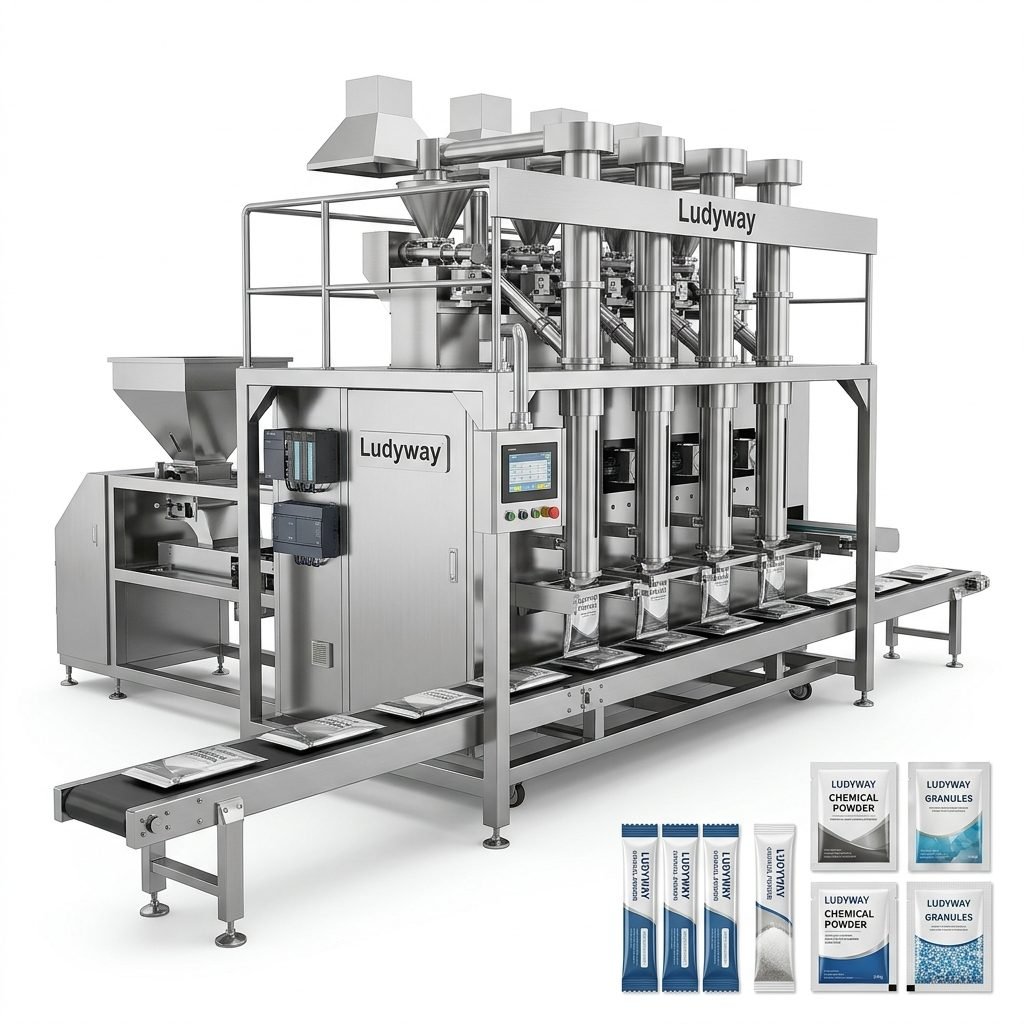
4. Understand Regulatory and Industry Compliance Requirements
Food packaging equipment must comply with applicable regulations in your target markets. Key areas to verify include:
- Food contact materials – Machine components that touch the product should use food-grade stainless steel and approved polymers. Refer to FDA food packaging regulations for U.S. market requirements.
- Hygienic design – Easy-to-clean surfaces, minimal crevices, and CIP (clean-in-place) compatibility reduce contamination risks.
- CE marking and electrical safety – For European markets, ensure equipment meets applicable EU directives.
- Dust control and containment – For powder products, integrated dust extraction systems protect both operators and the production environment.
5. Consider Customization and Line Integration Needs
Rarely does a packaging machine operate in isolation. Most manufacturers need equipment that integrates with upstream and downstream processes: product feeding systems, conveyors, checkweighers, metal detectors, coding and marking units, cartoning machines, case packers, and palletizers.
Working with a supplier that offers turnkey packaging line solutions can simplify procurement, ensure compatibility between components, and provide a single point of accountability. As noted in flexible packaging industry resources, integrated lines consistently outperform piecemeal installations in overall equipment effectiveness (OEE) metrics.
6. Selecting the Right Packaging Machinery Partner
A packaging machine is more than hardware—it represents a long-term relationship with the equipment supplier. Evaluate potential partners on these criteria:
- Industry experience – Has the supplier worked with products similar to yours?
- Engineering capability – Can they customize equipment to your specific needs?
- Global service reach – Do they offer installation, training, and after-sales support in your region?
- Spare parts availability – How quickly can critical parts be delivered?
- Customer references – What do existing clients say about reliability and support?
7. Budget Planning and Total Cost of Ownership
The purchase price is only one element of the total cost. A complete financial assessment should include:
| Cost Category | Considerations |
|---|---|
| Equipment cost | Base machine plus options, tooling, and spare parts kits |
| Installation and commissioning | Site preparation, utilities, rigging, and technician time |
| Training | Operator and maintenance personnel training programs |
| Consumables | Packaging film, lubricants, and wear parts over time |
| Maintenance and downtime | Scheduled servicing, unexpected repairs, and production losses |
| Energy consumption | Electricity, compressed air, and other utility costs |
A lower upfront price can sometimes hide higher long-term operating costs. Always request a detailed lifecycle cost analysis before finalizing your budget.
8. Common Mistakes to Avoid When Buying a Packaging Machine
Even experienced buyers can make costly errors. Watch out for these common pitfalls:
- Underestimating future capacity needs – A machine running at 90% capacity from day one leaves no room for growth.
- Overlooking packaging material compatibility – Not all machines handle eco-friendly or recyclable films equally well. Check European packaging regulations for sustainability requirements that may affect your material choices.
- Ignoring factory floor constraints – Machine dimensions, ceiling height, power supply, and compressed air availability must all be confirmed.
- Skipping factory acceptance testing (FAT) – Always test the machine with your actual product and packaging materials before shipment.
- Choosing price over support – The cheapest machine often becomes the most expensive when service is unavailable.
9. Making Your Final Decision
After evaluating all factors, create a shortlist of 2-3 packaging machine suppliers and conduct detailed technical discussions. Request video demonstrations or on-site visits to see equipment running with products similar to yours. Ask for detailed proposals that include:
- Machine specifications and layout drawings
- Production speed guarantees and OEE estimates
- Warranty terms and after-sales service agreements
- Spare parts lists with recommended stocking levels
- Installation timeline and training plan
A structured evaluation process reduces risk and helps ensure the selected equipment meets both technical requirements and business objectives.
10. Looking Ahead: Future-Proofing Your Investment
The packaging industry continues to evolve with trends toward sustainable materials, smart factory connectivity, and flexible production. When selecting a machine, consider:
- IoT and data integration – Can the machine connect to your MES or ERP system for production tracking?
- Material flexibility – Will it run both traditional films and newer recyclable or compostable alternatives?
- Modular design – Can modules be added later for additional functions like coding, labeling, or case packing?
- Remote diagnostics – Does the supplier offer remote technical support to minimize downtime?
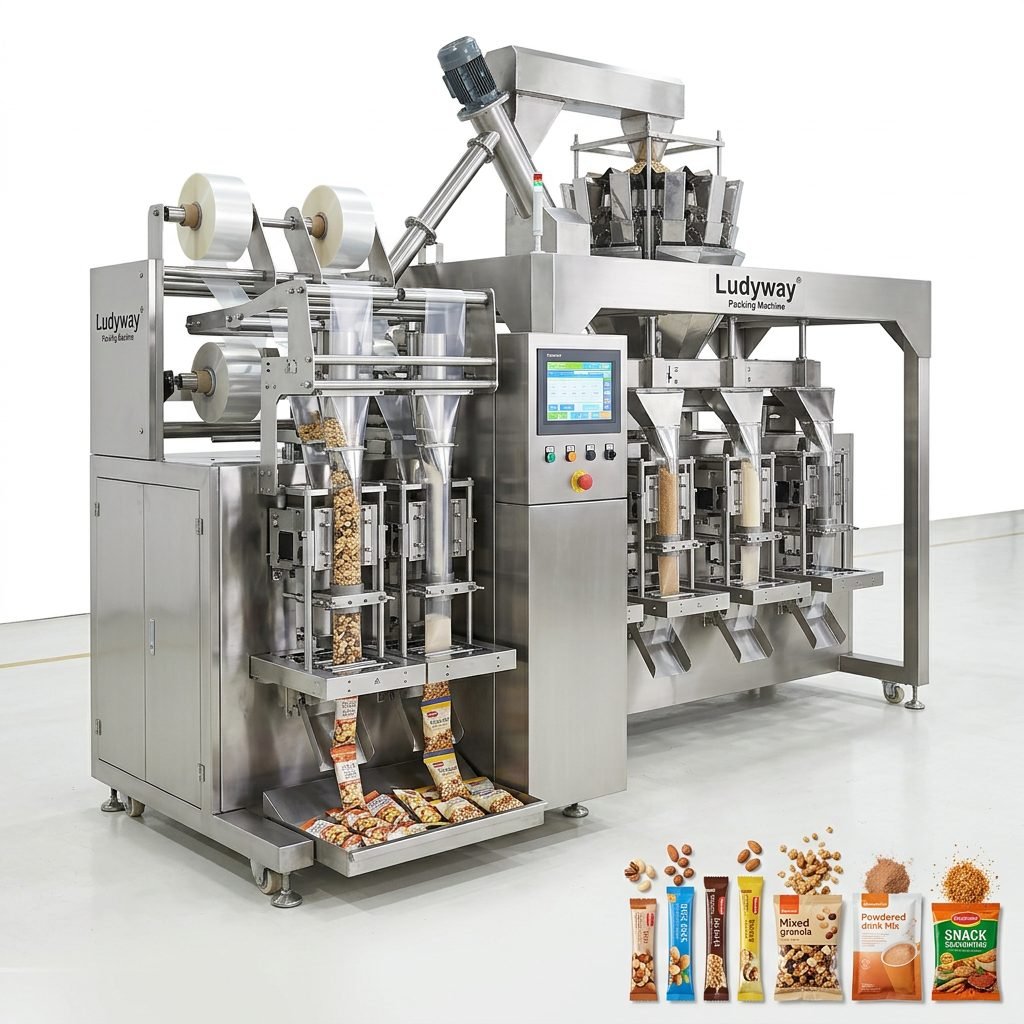
For manufacturers seeking a comprehensive packaging machinery partner, Ludyway Machinery provides automated packaging equipment and turnkey solutions backed by over 30 years of engineering experience, a 20,000-square-meter manufacturing facility, and service coverage across more than 100 countries. From individual machines to complete integrated packaging lines, their technical team works with customers to configure equipment according to specific product requirements, production targets, and factory conditions.
Frequently Asked Questions
Q: What is the typical lead time for a food packaging machine?
Lead times vary from 8-16 weeks for standard configurations to 16-24 weeks for highly customized equipment. Confirm timelines early with your supplier to align with project schedules.
Q: Can one machine handle both powder and liquid products?
Some versatile machines support both formats with interchangeable dosing systems, but dedicated machines generally deliver better performance for each product type. Discuss your full product range with potential suppliers.
Q: How do I calculate the return on investment (ROI) for a packaging machine?
Factor in labor savings, reduced product giveaway, increased throughput, lower packaging material waste, and reduced rework or returns. Most automated packaging machines achieve ROI within 12-24 months in typical production environments.
Q: What packaging materials work with automatic packaging machines?
Most machines handle a range of heat-sealable films including BOPP, PET/PE laminates, aluminum foil laminates, and paper-based structures. Always test your preferred material during the machine evaluation phase.
Conclusion
Choosing the right food packaging machine requires a methodical approach that balances product requirements, production targets, budget constraints, and long-term business goals. By thoroughly evaluating each factor outlined in this guide, comparing qualified suppliers, and planning for future growth, you can select equipment that delivers reliable performance, consistent quality, and strong return on investment for years to come. Take the time to research thoroughly, test extensively, and choose a partner committed to your success.