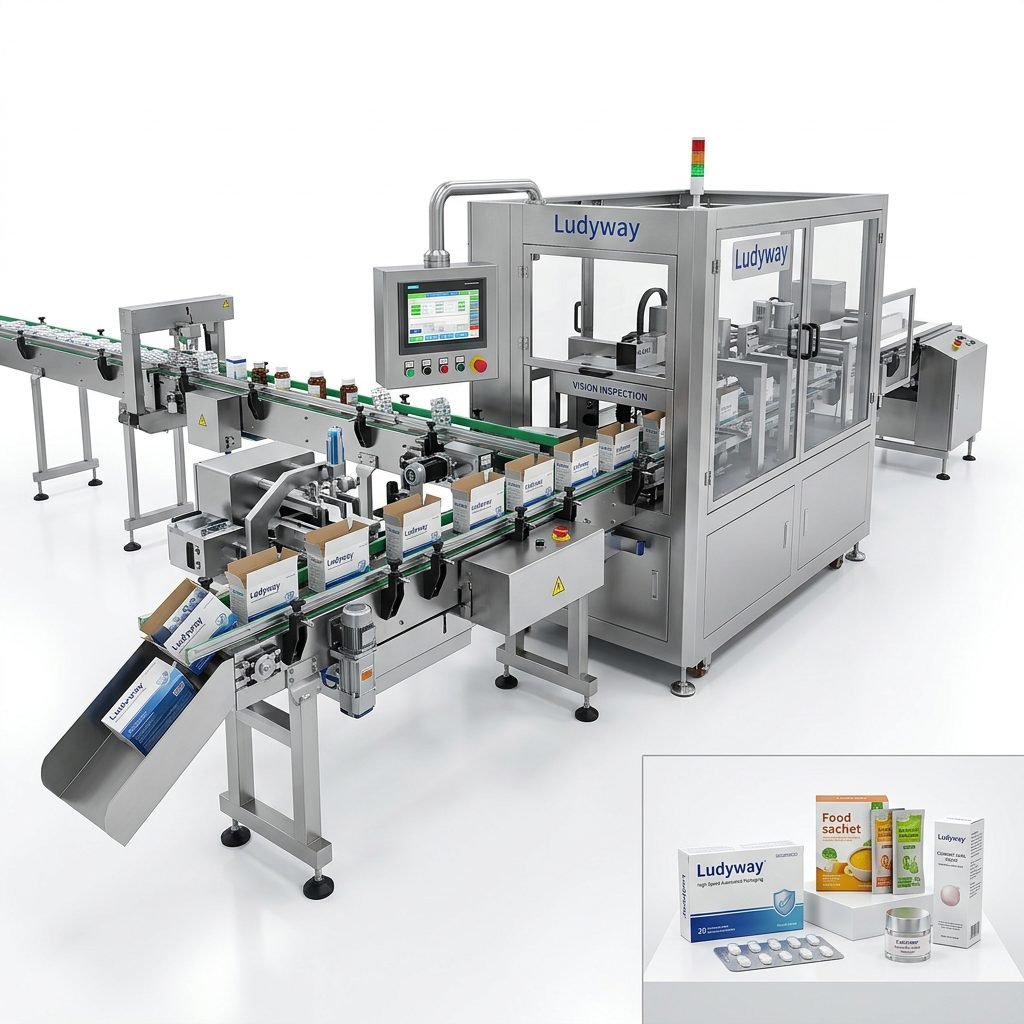
Setting up a skin vacuum packaging machine production line in Germany requires careful planning, strict adherence to European regulations, and a deep understanding of the local market. Whether you are launching a new food processing facility or upgrading an existing operation, this guide covers every essential step — from regulatory compliance and equipment selection to installation, cost analysis, and ongoing maintenance.

Understanding Skin Vacuum Packaging Technology
Skin vacuum packaging is an advanced form of vacuum sealing where a special film is heated and draped over the product, forming a tight “second skin” that adheres to both the product and the tray. This method significantly extends shelf life, enhances product visibility, and reduces packaging waste. In Germany, this technology is widely used in the meat, poultry, seafood, and cheese sectors due to its superior preservation capabilities and consumer appeal.
Unlike traditional vacuum packaging, skin packaging uses a top web film that is softened by heat and then vacuum-drawn around the product. The result is a wrinkle-free, aesthetically pleasing package that is ideal for premium retail display. Modern machines can achieve high throughput speeds while maintaining consistent seal integrity.
Why Germany Is a Strategic Market for Skin Vacuum Packaging
Germany represents one of Europe’s largest and most sophisticated food packaging markets. According to data from PMMI’s business intelligence reports, the demand for modified atmosphere and vacuum packaging solutions continues to grow steadily across Western Europe. German consumers prioritize food quality, freshness, and sustainability, making skin vacuum packaging an attractive choice for retailers and processors alike.
- Strong retail demand for premium packaged fresh foods
- Established cold chain and logistics infrastructure
- Stringent food safety standards that favor advanced packaging technologies
- Growing sustainability requirements pushing for reduced plastic usage
- Access to skilled technical workforce for operating automated packaging lines

Regulatory Compliance and Certification Requirements
Before installing any packaging machinery in Germany, you must navigate the European regulatory framework. Non-compliance can result in costly delays, fines, or even production shutdowns. The following certifications and standards are essential for skin vacuum packaging machine installations:
| Certification / Standard | Description | Applicability |
|---|---|---|
| CE Marking | Mandatory conformity marking for machinery sold in the EU | All packaging machines |
| DIN EN 415 Series | Safety standards specific to packaging machinery | Skin vacuum packaging lines |
| ISO 22000 / HACCP | Food safety management and hazard analysis requirements | Food contact packaging |
| German LFGB | Food and Feed Code — regulates food contact materials | Film materials, trays, seals |
| VDMA Guidelines | German Engineering Federation standards for machine safety | Equipment design and operation |
For comprehensive regulatory information, the ISO packaging standards directory provides detailed guidance on international requirements. Additionally, the FDA’s food packaging and food contact substances page offers useful reference for understanding material safety standards that often align with European regulations.
Key Components of a Skin Vacuum Packaging Production Line
A complete skin vacuum packaging production line consists of several integrated components. Understanding each element helps in making informed procurement decisions and ensures smooth operation:
- Tray Denester / Infeed System — Automatically separates and feeds trays onto the conveyor
- Product Loading Station — Manual or automated placement of product into trays
- Top Film Unwinding Unit — Holds and feeds the skin film roll with tension control
- Heating / Preheating Section — Softens the top film to enable skin-tight forming
- Vacuum Chamber & Sealing Station — The core of the machine where vacuum and sealing occur
- Cooling and Trimming Section — Cools the sealed film and trims excess material
- Outfeed Conveyor — Transports finished packages to downstream equipment
- Control System (PLC/HMI) — Centralized touchscreen interface for parameter adjustments

Step-by-Step Installation Process in Germany
Installing a skin vacuum packaging production line in Germany involves several critical phases. Each step must be executed with precision to meet both operational requirements and regulatory standards. Below is a structured approach:
Step 1: Site Assessment and Preparation
Begin with a thorough evaluation of your facility. German regulations require adequate spacing, ventilation, and electrical infrastructure. Ensure that the floor can support the machine’s weight and that the area meets hygiene standards per DIN 10516 for food processing environments. Utilities such as compressed air, water connections for cooling, and appropriate power supply (typically 400V 3-phase in Germany) must be available.
Step 2: CE Compliance Verification
Before the machine arrives, verify that all components carry valid CE declarations of conformity. The entire production line must comply with the Machinery Directive 2006/42/EC, the Low Voltage Directive, and the EMC Directive. German authorities, including Gewerbeaufsichtsamt (Trade Supervisory Office), may inspect installations to ensure compliance.
Step 3: Machine Delivery and Positioning
Coordinate delivery with a logistics provider familiar with German import procedures. Upon arrival, use calibrated lifting equipment to position the machine. Ensure proper alignment with existing conveyors and workstations. Leave adequate clearance for maintenance access — typically at least 1.2 meters on all sides according to German workplace safety guidelines.
Step 4: Utility Connections and Calibration
Connect electrical, pneumatic, and water lines according to the manufacturer’s specifications. In Germany, electrical work must be performed by a certified electrician (Elektrofachkraft). Calibrate temperature sensors, vacuum gauges, and sealing parameters using certified testing equipment.
Step 5: Trial Runs and Quality Validation
Conduct at least three full production trials with actual product. Test seal strength using methods outlined in DIN 55529 for seal integrity. Document all parameters and results. German food safety auditors will expect to see these records during inspections.
Step 6: Staff Training and Documentation
Train operators in both German and English if your workforce is multilingual. Create standard operating procedures (SOPs) that comply with German Betriebssicherheitsverordnung (BetrSichV) — the Industrial Safety Regulation. All training must be documented, and records retained for regulatory purposes.
Cost Analysis and Budget Planning
Understanding the full cost structure is essential for ROI calculation. The table below provides an overview of expected investment ranges for setting up a skin vacuum packaging line in Germany:
| Cost Category | Estimated Range (EUR) | Notes |
|---|---|---|
| Skin Vacuum Packaging Machine | €80,000 – €350,000 | Depends on automation level, speed, and brand |
| Ancillary Equipment (conveyors, feeders) | €20,000 – €80,000 | Infeed/outfeed systems, inspection units |
| Installation and Commissioning | €8,000 – €25,000 | Including technician travel and on-site work |
| Facility Modifications | €10,000 – €50,000 | Electrical upgrades, compressed air, flooring |
| Training and Documentation | €3,000 – €8,000 | SOPs, operator training, safety certification |
| Annual Consumables (film, trays) | €40,000 – €150,000 | Volume-dependent; negotiate bulk pricing |
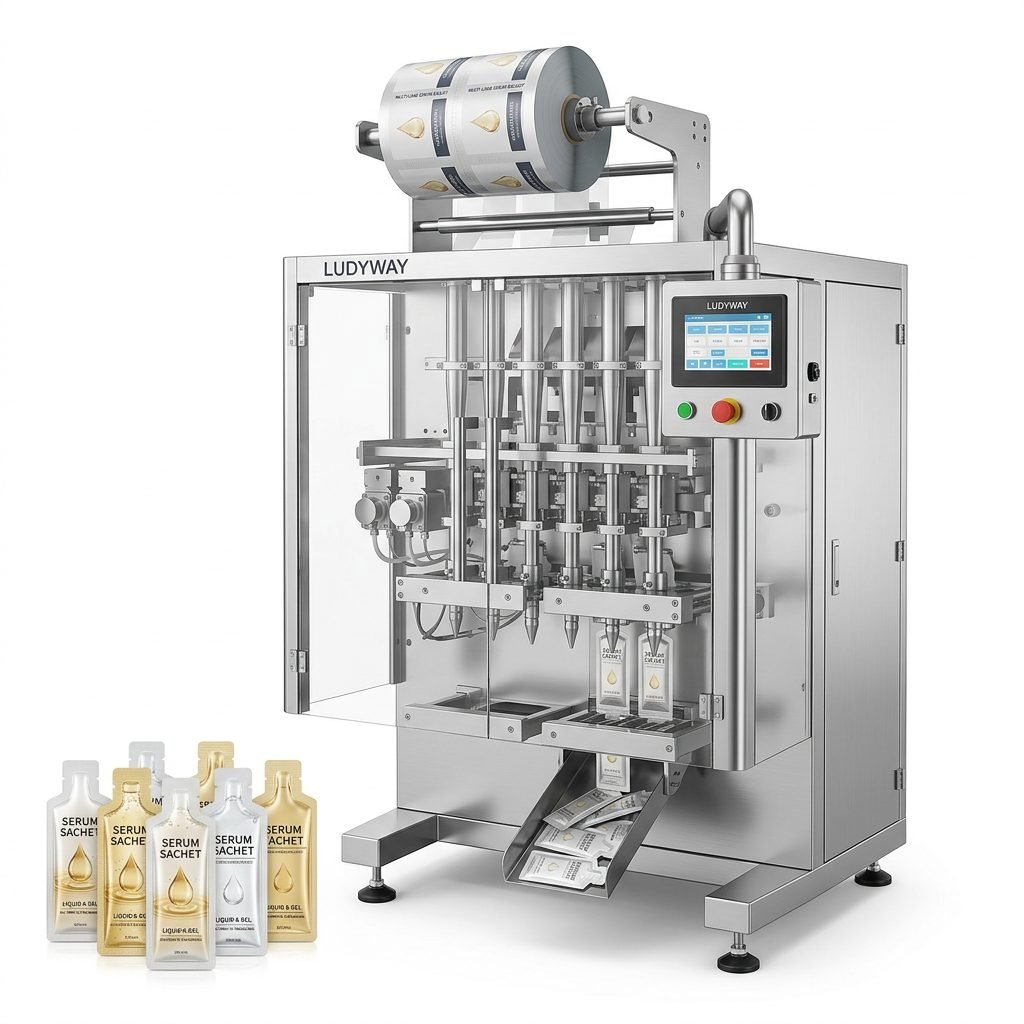
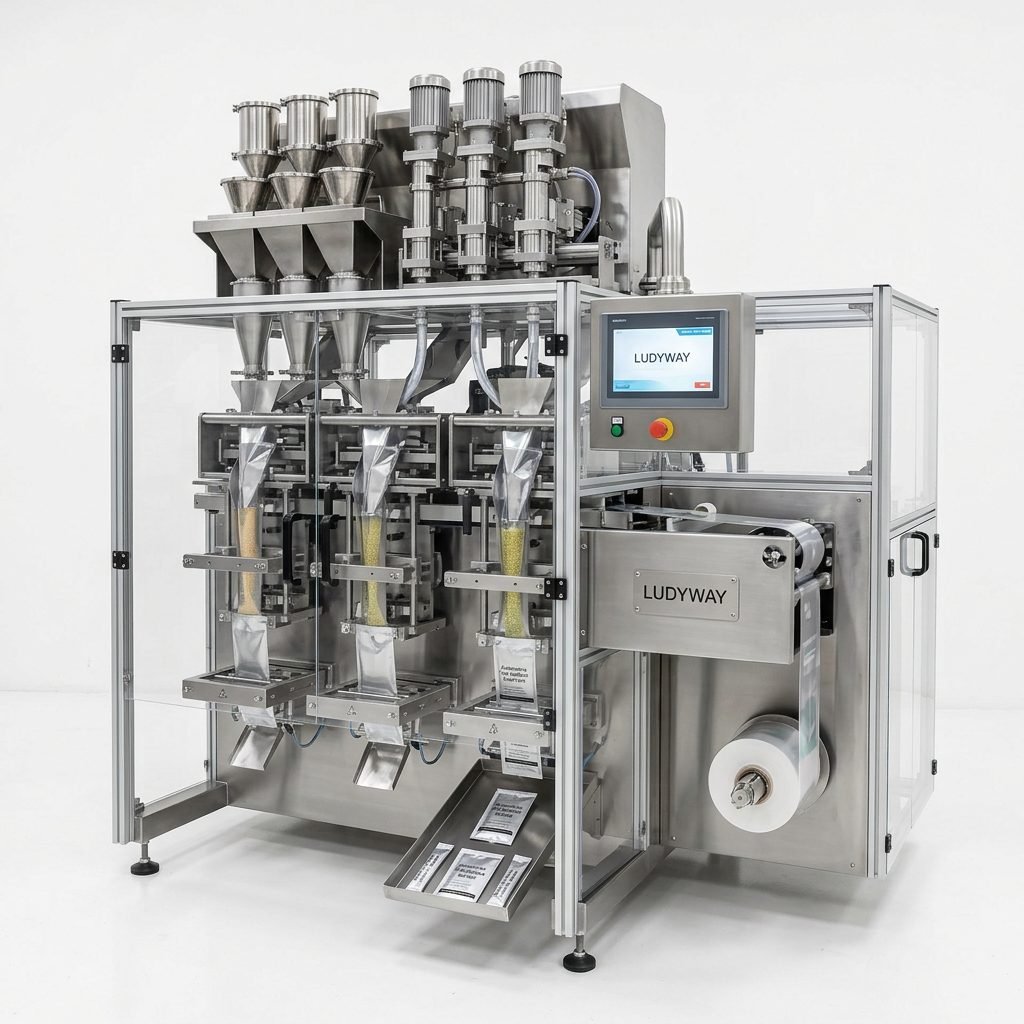
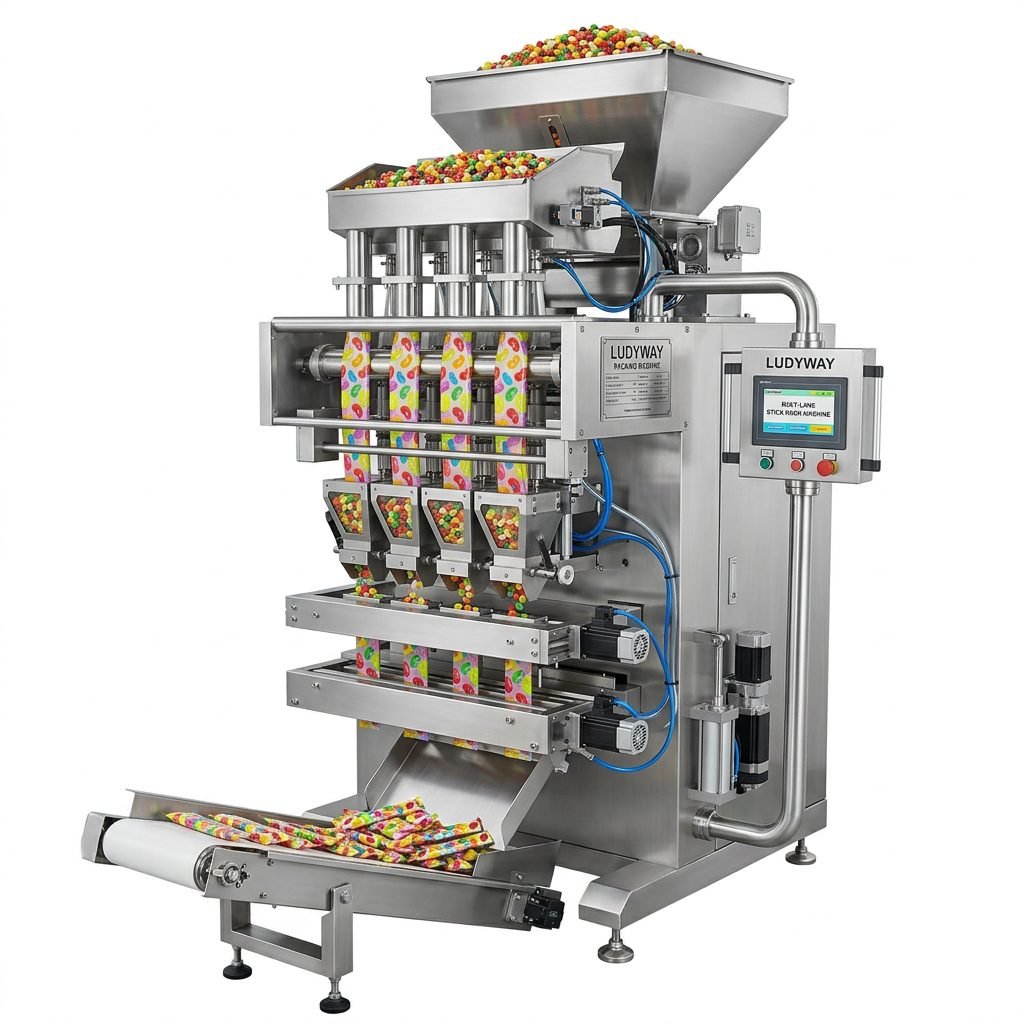
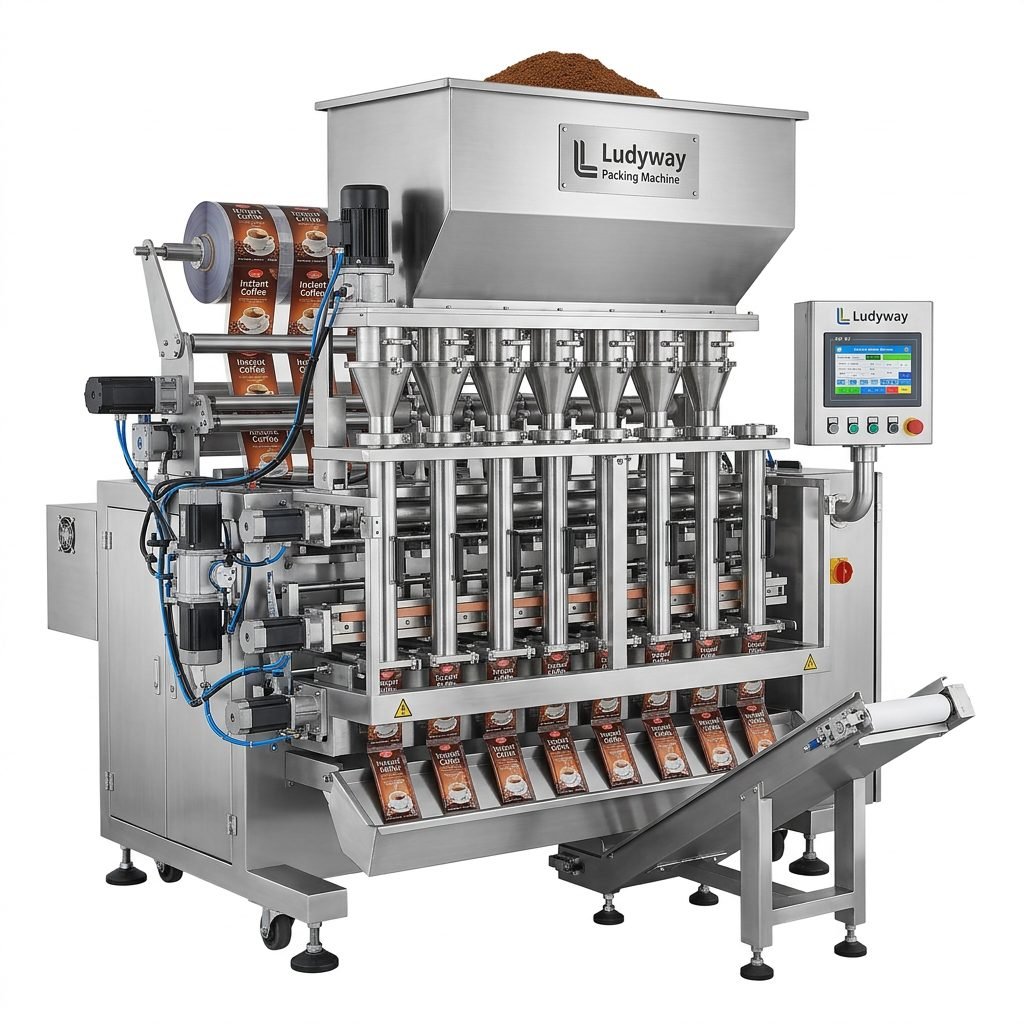
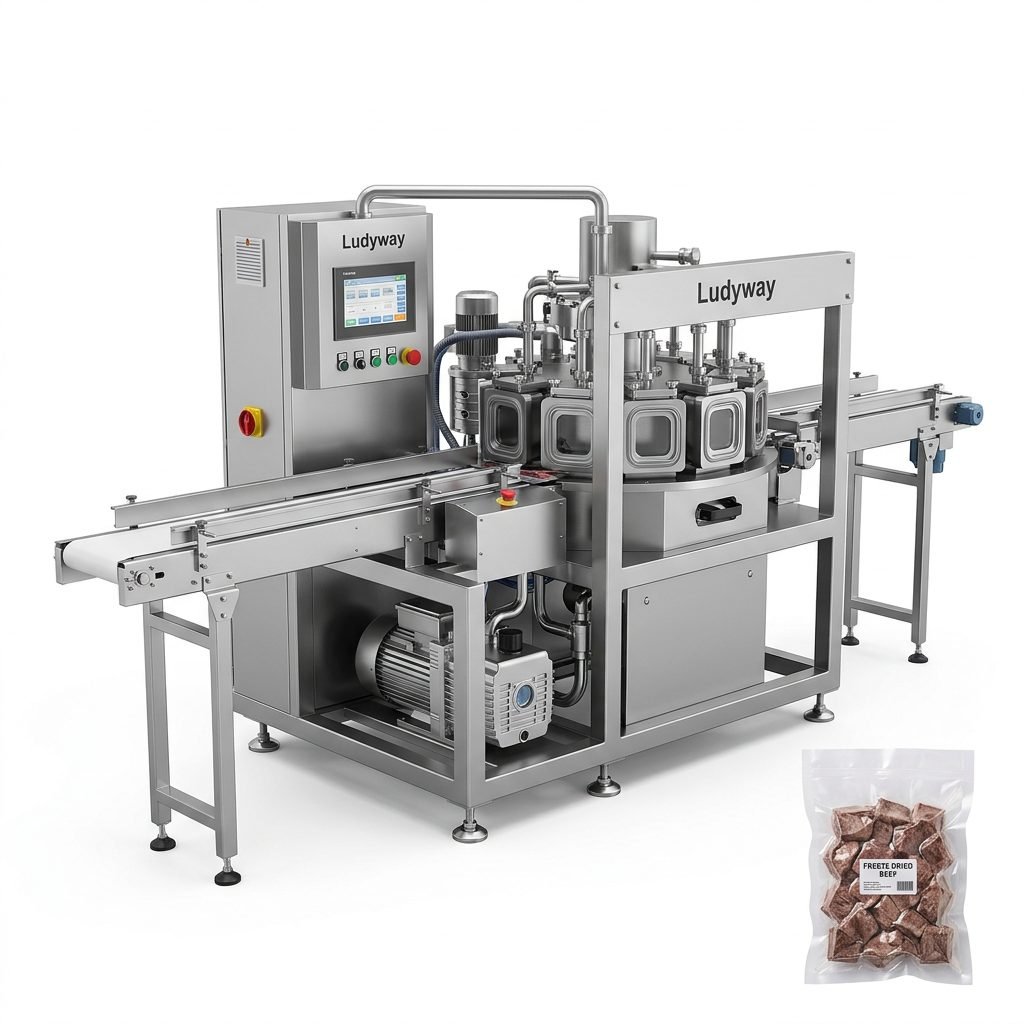
When sourcing equipment, it is worth considering experienced international manufacturers that offer competitive pricing without compromising quality. For example, Ludyway is one of the largest packaging machine manufacturers in China, specializing in advanced packaging equipment and turnkey production solutions. With over 30 years of industry expertise, they provide reliable packaging machines that can be customized to meet German and European standards at a cost-effective price point.
Selecting the Right Packaging Materials
The performance of a skin vacuum packaging line depends heavily on the quality of consumable materials. In Germany, packaging materials must comply with EU Regulation (EC) No 1935/2004 on materials intended to come into contact with food, as well as Regulation (EU) No 10/2011 on plastic materials. Key material considerations include:
- Top Skin Film — Typically multi-layer polyethylene (PE) or polyamide (PA) blends with excellent formability and puncture resistance
- Tray Materials — PET, PP, or laminated trays that can withstand heating and vacuum pressure
- Barrier Properties — Oxygen transmission rate (OTR) and water vapor transmission rate (WVTR) must match shelf-life targets
- Recyclability — Mono-material solutions are increasingly preferred under German Verpackungsgesetz (Packaging Act)
- Printability — Top films often require high-quality flexographic or digital printing for branding
Energy Efficiency and Sustainability Compliance
Germany enforces strict energy efficiency standards through the Energieeffizienzgesetz (EnEfG) and the broader European Green Deal framework. When setting up your skin vacuum packaging line, consider the following:
- Select machines with energy-efficient vacuum pumps (variable speed drive technology)
- Implement heat recovery systems that capture waste heat from the film heating section
- Monitor compressed air consumption and fix leaks promptly
- Choose film materials that are compatible with German dual recycling systems (Gelbe Tonne)
- Document energy consumption data for potential ISO 50001 energy management certification
For more information on sustainability standards, the European Commission’s packaging and packaging waste regulations provide comprehensive guidance on compliance requirements across EU member states.
Maintenance and Operational Best Practices
Proper maintenance is critical for maximizing the service life and performance of your skin vacuum packaging production line. Establish a preventive maintenance schedule that aligns with manufacturer recommendations and German workplace safety regulations:
Daily Maintenance Tasks
- Clean all product contact surfaces with food-grade sanitizers
- Inspect sealing bars for residue buildup or damage
- Check vacuum pump oil levels and vacuum gauge readings
- Verify that all safety guards and emergency stops are functional
Weekly and Monthly Maintenance
- Lubricate all moving parts according to the maintenance schedule
- Calibrate temperature controllers and vacuum sensors
- Inspect pneumatic hoses and fittings for wear or air leaks
- Review seal quality data and adjust parameters as needed
- Replace worn Teflon tapes on sealing surfaces
Common Challenges and How to Overcome Them
Even with careful planning, production managers may encounter challenges during and after installation. Here are the most common issues and practical solutions:
| Challenge | Likely Cause | Recommended Solution |
|---|---|---|
| Poor seal integrity | Incorrect temperature or vacuum settings | Recalibrate parameters; verify film compatibility |
| Film wrinkling or uneven forming | Insufficient preheating or incorrect film tension | Adjust preheat temperature and film brake settings |
| Vacuum pump overheating | Clogged filters or low oil level | Replace filters; top up or change vacuum pump oil |
| Regulatory non-compliance notice | Missing CE documentation or safety inspections | Engage a certified German safety consultant (TÜV) |
| High film waste percentage | Misalignment or incorrect film width specifications | Optimize film roll dimensions; realign feed path |
For additional technical guidance, the Flexible Packaging Association’s industry resources offer valuable insights into film material selection and processing best practices that can help mitigate common packaging issues.
Working with German Authorities and Inspectors
German regulatory bodies take food packaging compliance seriously. The primary authorities you may interact with include:
- Gewerbeaufsichtsamt — Trade supervisory office responsible for workplace and machinery safety
- Lebensmittelüberwachungsamt — Food monitoring authority that may inspect packaging hygiene
- TÜV / DEKRA — Certified inspection bodies for machinery and pressure vessel testing
- Berufsgenossenschaft (BG) — Statutory accident insurance that audits workplace safety
- Customs Office (Zoll) — For imported machinery, ensure proper customs clearance and documentation
Proactively engaging with these bodies and maintaining thorough documentation will help you avoid compliance issues. It is advisable to work with a local German consultant who understands the nuances of regional regulations and can facilitate communication with authorities.
Future-Proofing Your Investment
The packaging industry is evolving rapidly, driven by sustainability demands, digitalization, and changing consumer preferences. To future-proof your skin vacuum packaging production line in Germany, consider these strategic moves:
- Invest in Industry 4.0-ready machines with remote monitoring and predictive maintenance capabilities
- Choose equipment that can handle recyclable mono-material films as regulations tighten
- Plan for scalability — modular machine designs allow capacity expansion without full replacement
- Integrate automated quality inspection systems (vision systems, leak detectors) to reduce labor costs
- Stay informed about EU regulatory changes through resources like the PMMI State of the Industry reports
Final Checklist Before Going Live
Before starting full-scale production, verify each item on this checklist to ensure your skin vacuum packaging machine production line in Germany is fully ready:
- CE declaration and technical file complete and accessible on-site
- All electrical installations certified by a qualified German electrician
- Emergency stop circuits tested and documented
- HACCP plan updated to include the new packaging line
- Operators trained and training records filed
- Consumable supply chain established with backup suppliers identified
- Maintenance schedule posted and spare parts inventory stocked
- Waste disposal contracts in place for film scrap and packaging waste
- Contact information for the machine manufacturer’s technical support readily available
By following this comprehensive guide, you can successfully set up a skin vacuum packaging machine production line in Germany that meets all regulatory requirements, delivers high productivity, and produces premium-quality packaged products that appeal to discerning German consumers. The investment in proper planning, compliance, and quality equipment will pay dividends through reliable operation and market acceptance.