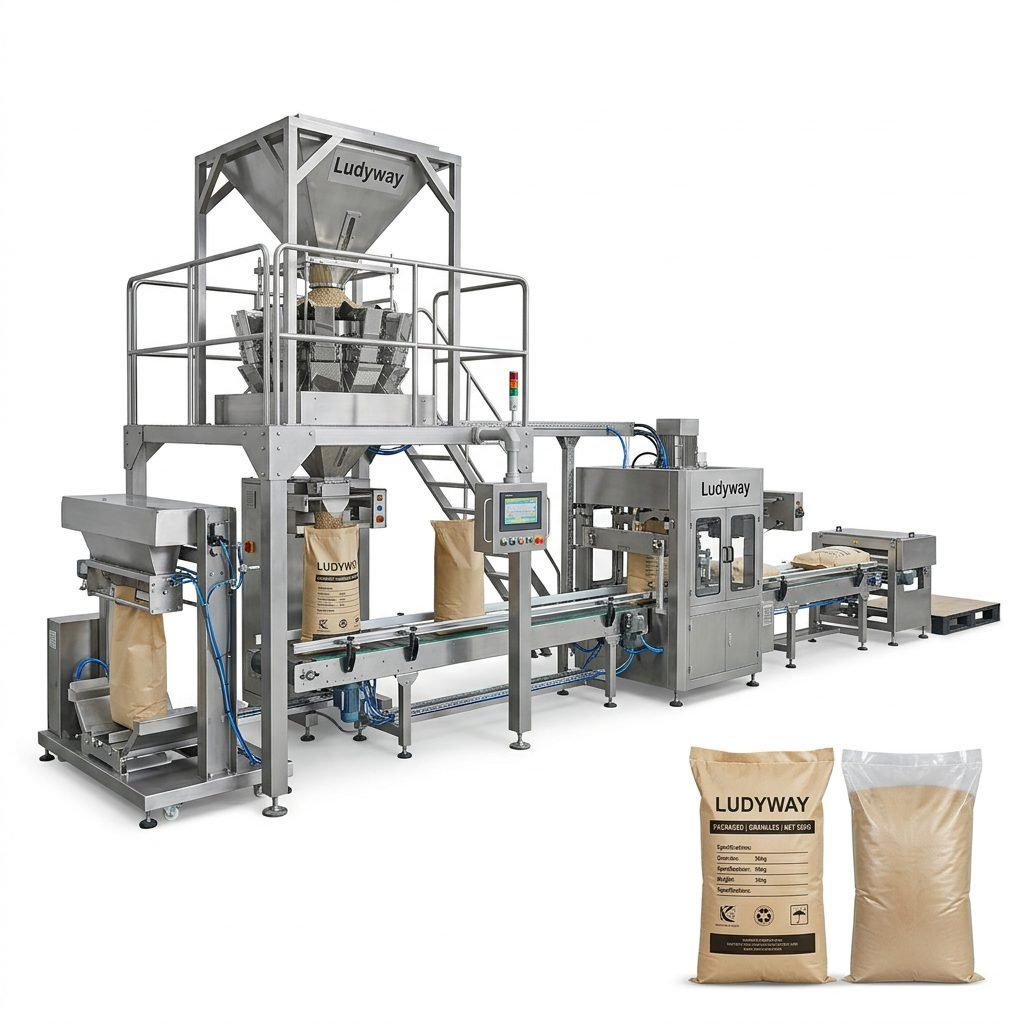
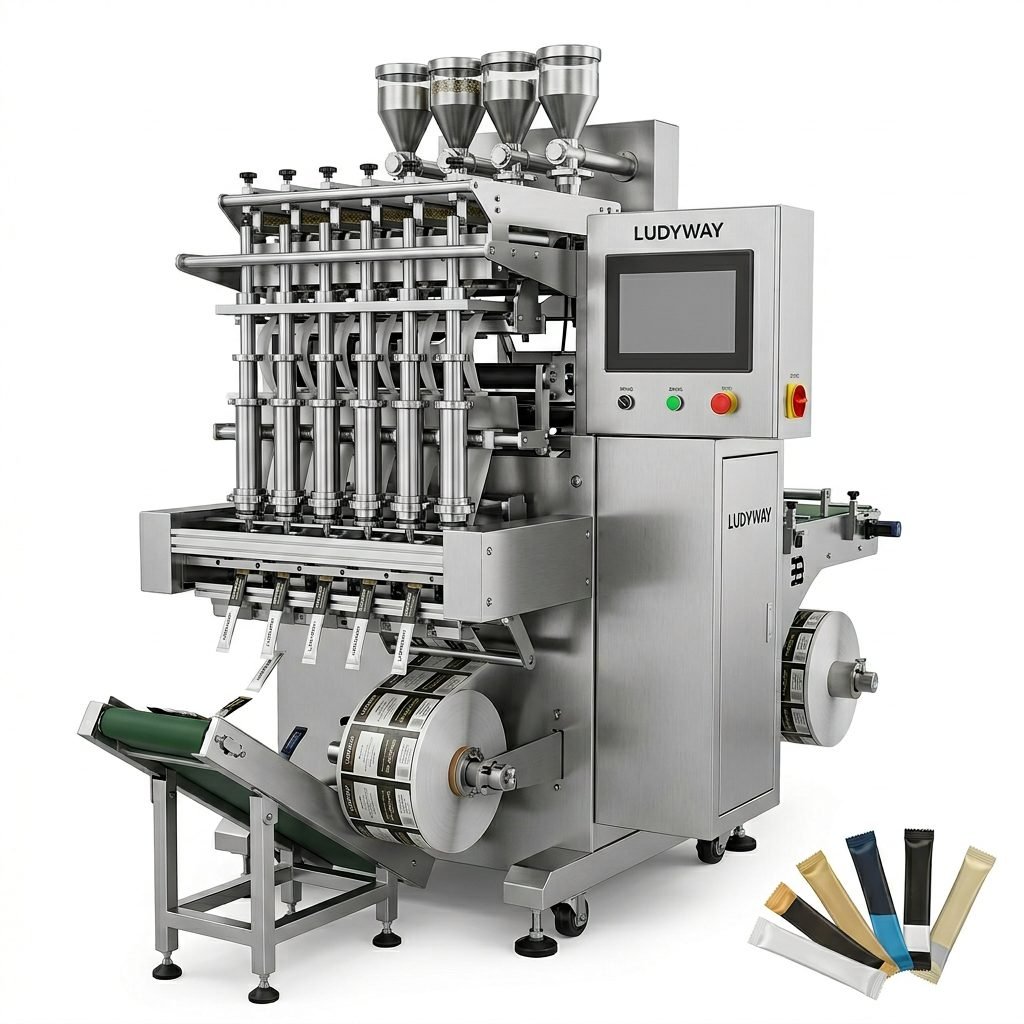
Investing in a snack food packaging machine is a critical decision that directly impacts your production efficiency, product shelf life, and bottom line. With a vast array of technologies available—from vertical form fill seal (VFFS) systems to multi-lane stick pack machines—navigating the market can be overwhelming. This comprehensive guide breaks down the essential factors to help you select the perfect equipment for your manufacturing needs.
1. Understand Your Product Characteristics
The physical properties of your snack are the single most important factor in choosing the right machine. You cannot effectively package free-flowing granules with the same dosing system you would use for cohesive powders or sticky liquids.
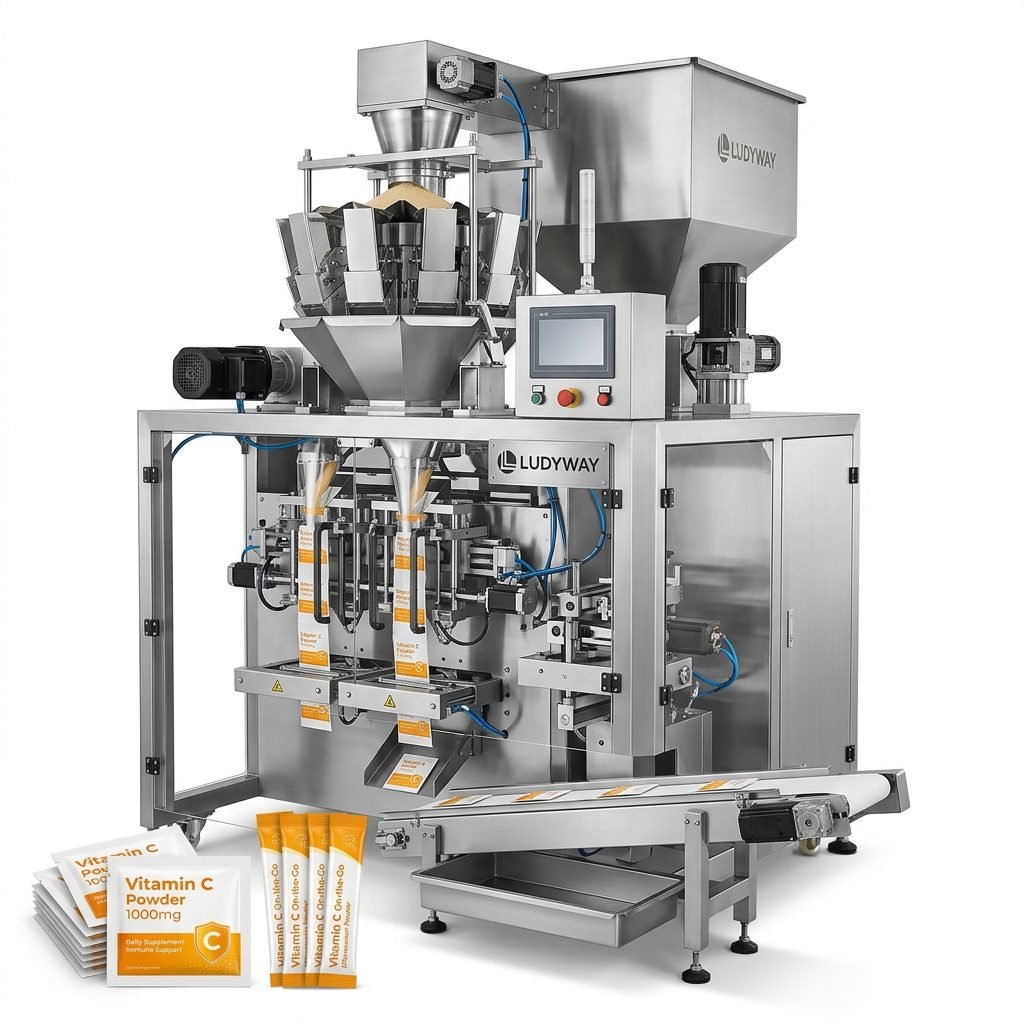
- Free-Flowing Granules: Products like roasted nuts, popcorn, or puffed corn typically use volumetric cup fillers or multi-head weighers for high accuracy.
- Fine Powders: Protein powders, spice blends, or powdered drink mixes require auger fillers with dust-control systems to prevent waste and seal contamination.
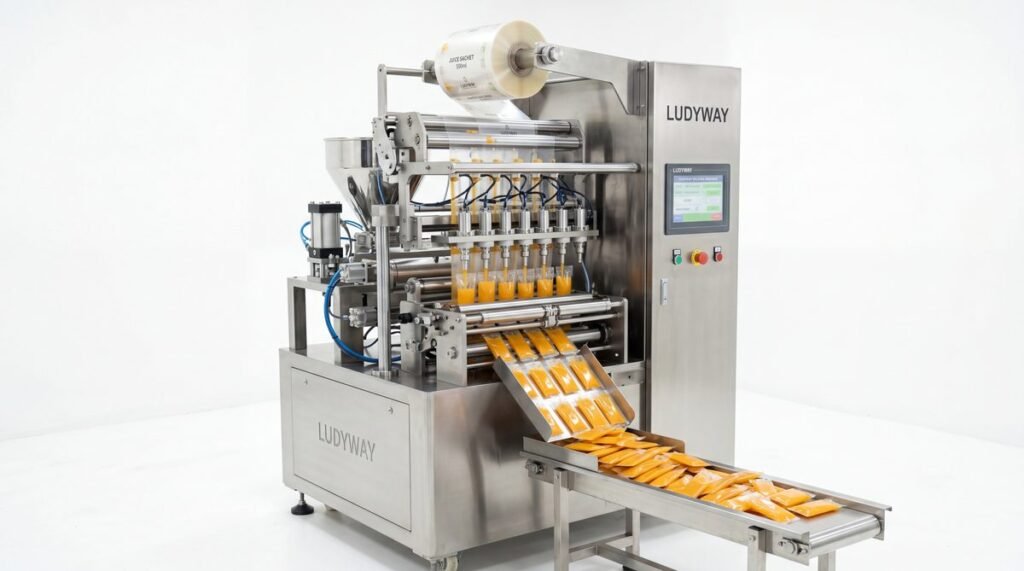
- Liquid or Paste Snacks: If you are packaging peanut butter, chocolate spreads, or flavored syrups, a liquid piston filler or gear pump is non-negotiable.
- Fragile Products: Delicate potato chips or crackers demand gentle handling mechanisms and drop-height minimization to reduce breakage.
Before contacting suppliers, analyze your product’s density, flowability, and sensitivity to moisture or oxygen. This will immediately narrow down the packaging machinery technologies suitable for your application.
2. Define Your Packaging Format and Bag Style
Snack packaging is as much about marketing as it is about preservation. The visual shelf appeal of your package format drives consumer purchasing decisions.
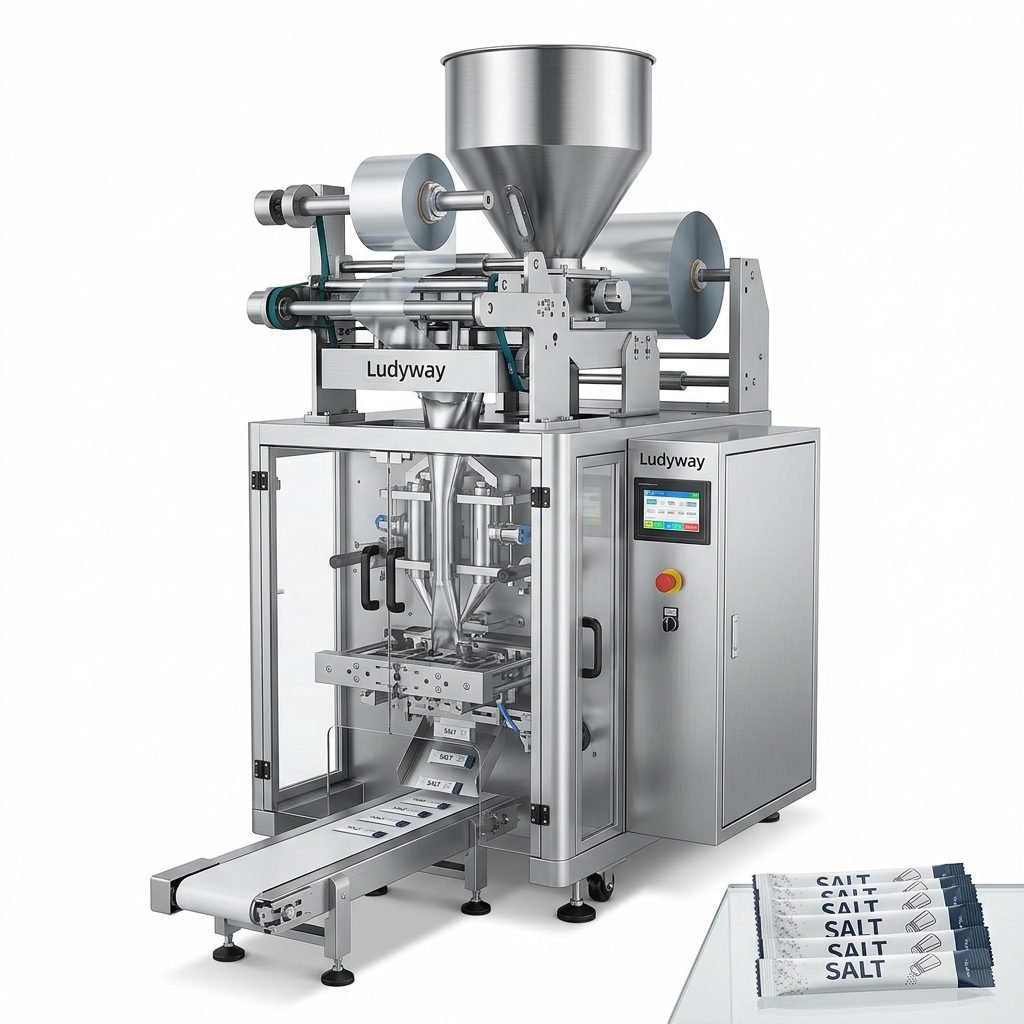
- Pillow Bags: The industry standard for many snacks, these are cost-effective and ideal for crisps and lightweight items.
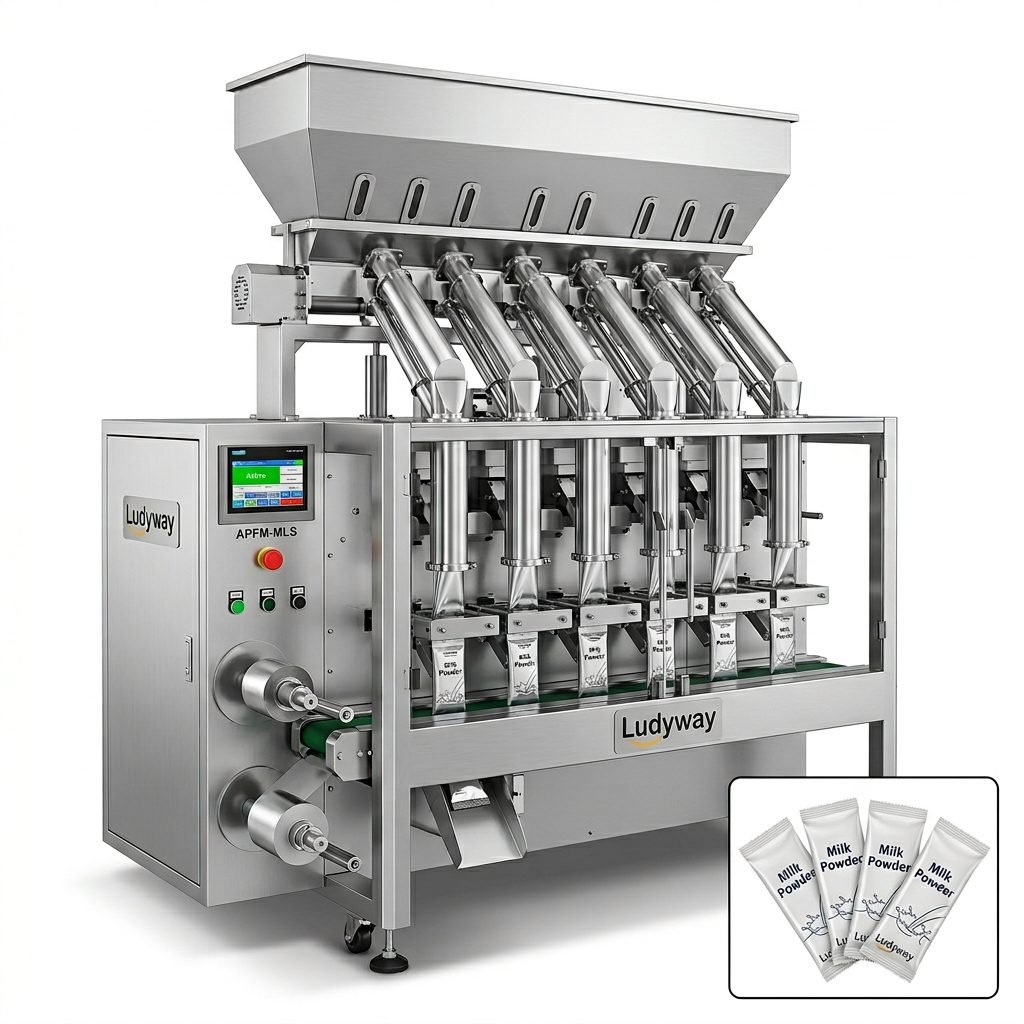
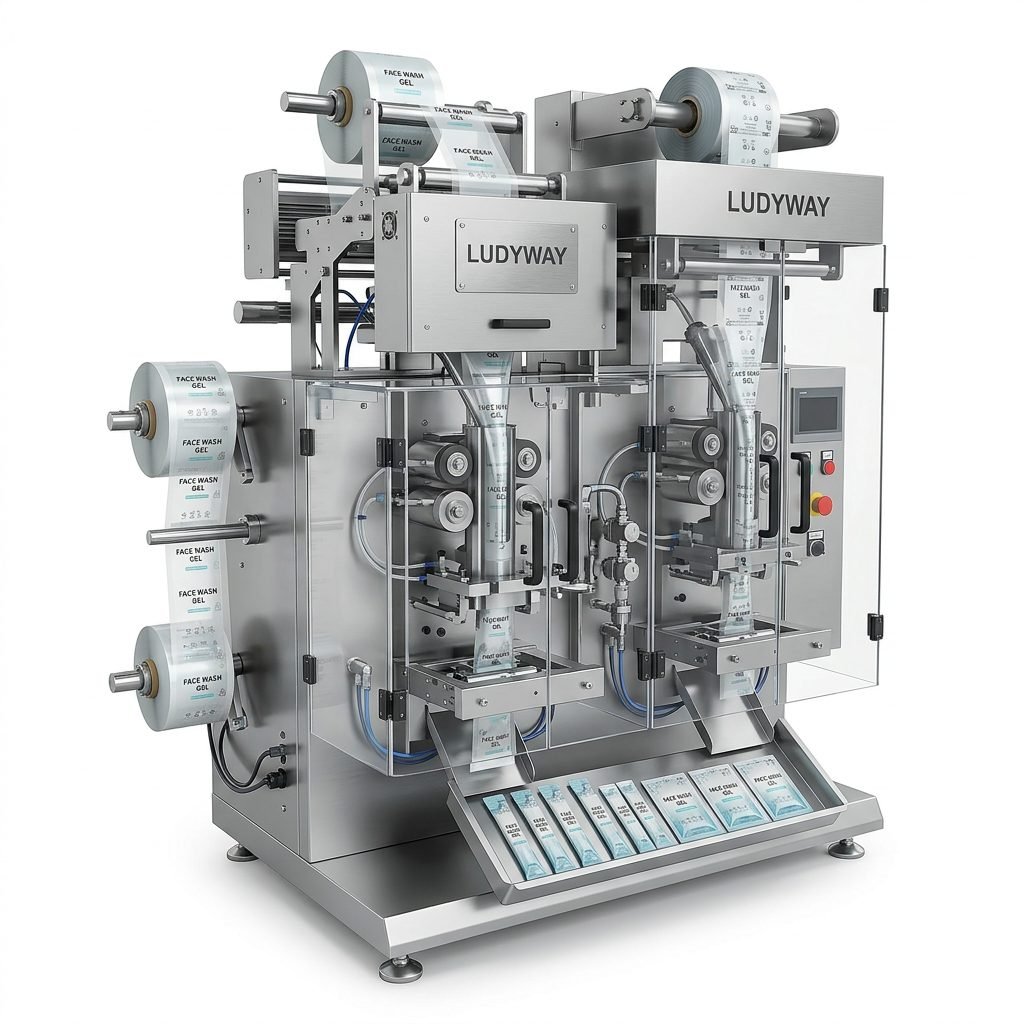
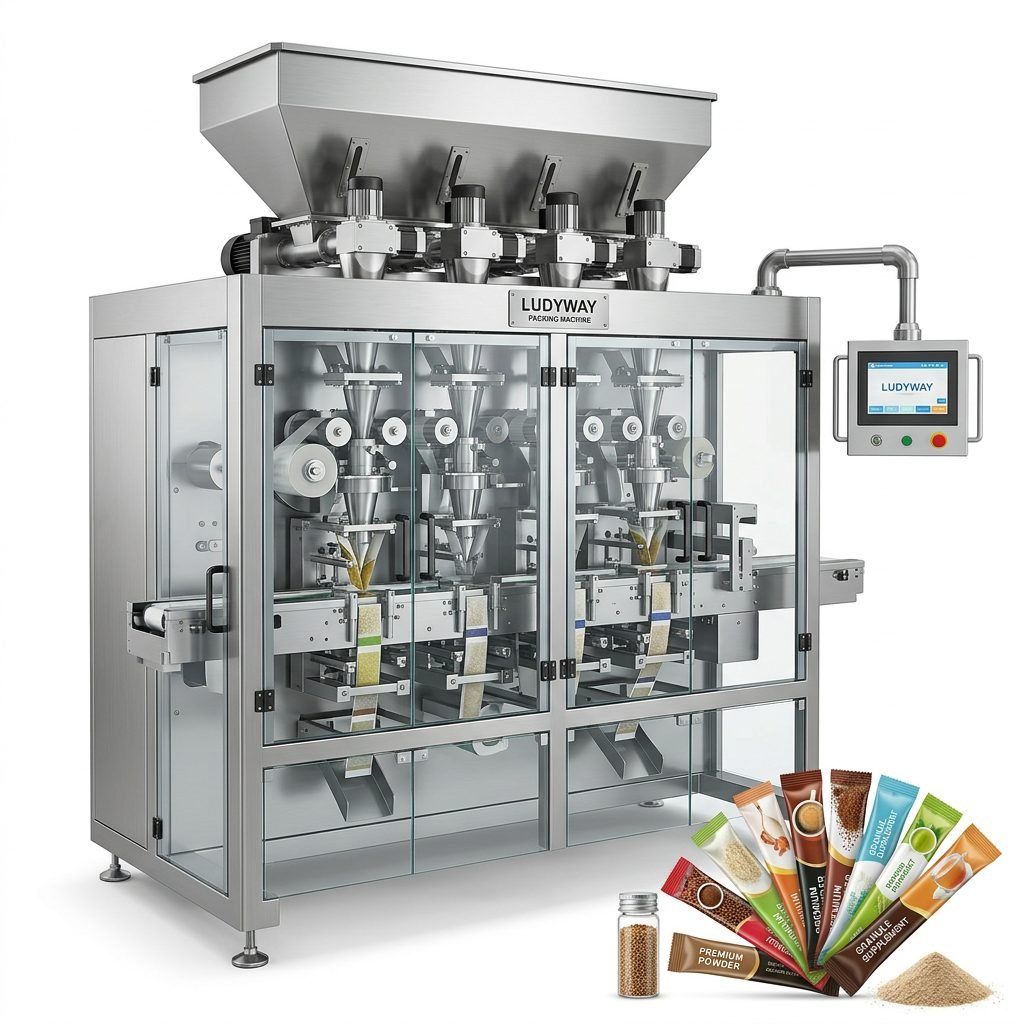
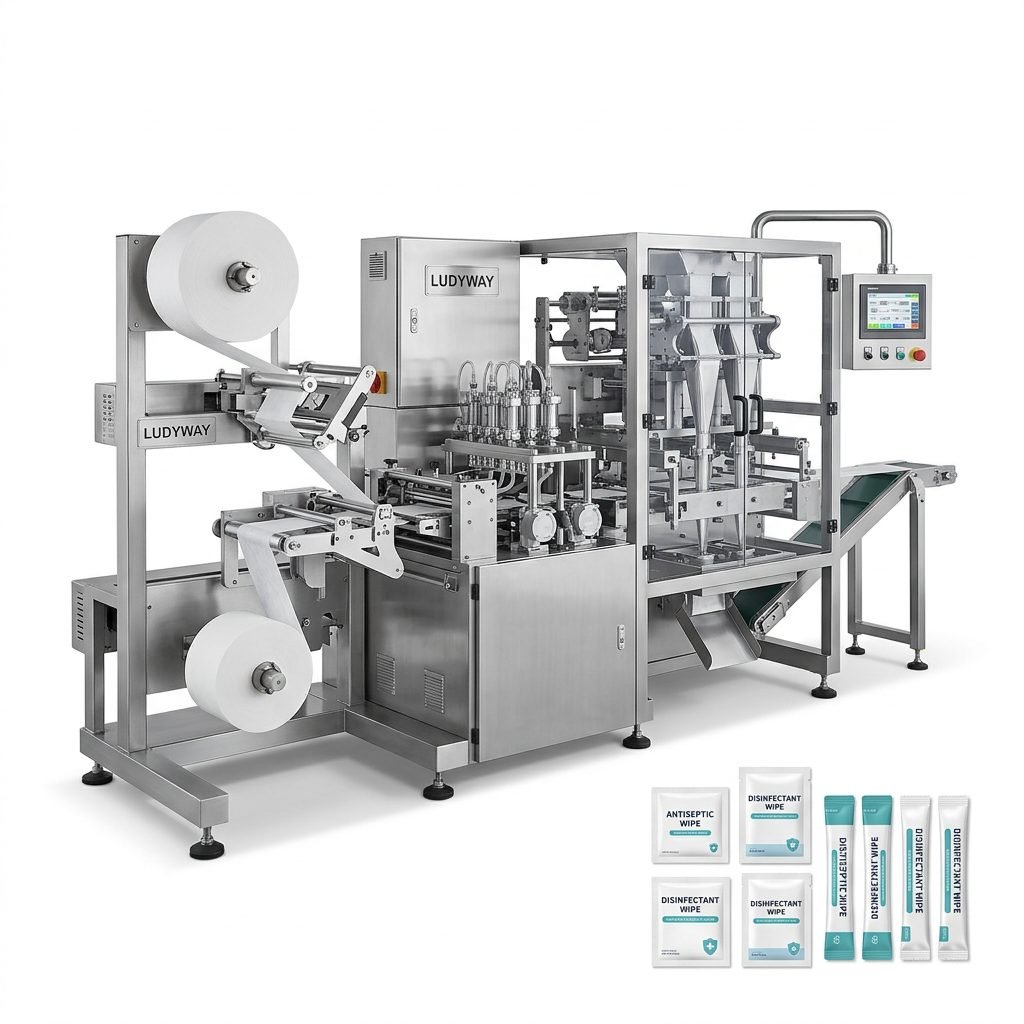
- Stick Packs and Sachets: Perfect for single-serve powder snacks, energy gels, or instant beverage sticks. Multi-lane stick pack machines offer massive throughput in a compact footprint.
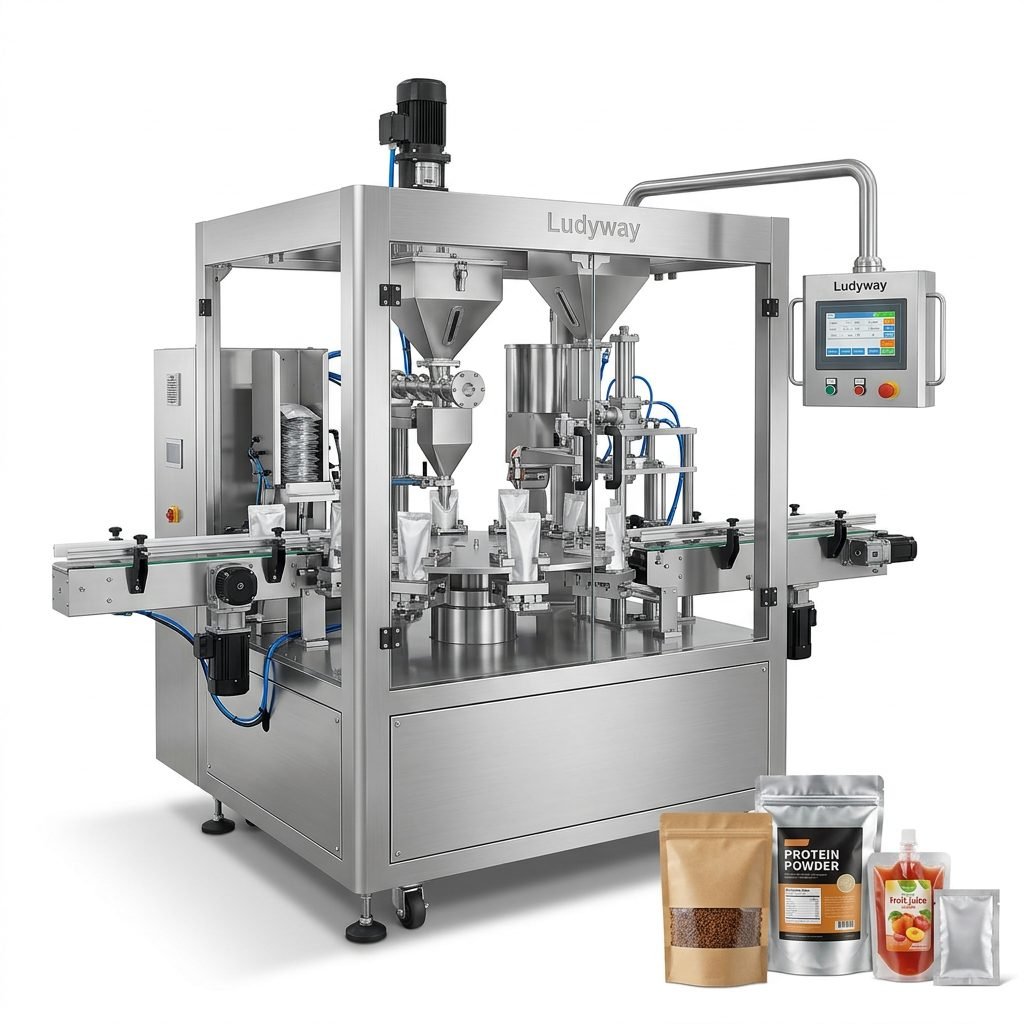
- Stand-Up Pouches (SUP): Resealable zipper pouches are the premium choice for dried fruits, trail mixes, and premium jerky. Ensure the machine can handle installed zippers and tear notches.
- Flat Bottom/Quad Seal Bags: These offer a “billboard” effect for high-end branding, providing excellent stability on retail shelves.
| Feature | Basic VFFS | Multi-Lane Stick Pack | Rotary Premade Pouch |
|---|---|---|---|
| Ideal Product | Chips, puffs, large granules | Powders, small granules, liquids | Dried fruit, premium snacks, liquids |
| Speed | Moderate to High | Extremely High | Moderate (30-60 ppm) |
| Material Cost | Low (rollstock) | Low (rollstock) | Higher (premade bags) |
Tip: If you need flexibility for future product lines, look for a machine platform that allows quick changeover between different bag sizes and formats.
3. Calculate Your Required Production Speed
Production throughput is not just about “packages per minute.” You must align the machine’s rated speed with your upstream production capacity and downstream cartoning capabilities.
A single-lane machine might output 60 packs per minute, while a multi-lane snack packaging machine can easily reach 400 to 600 packs per minute. If you are scaling up, prioritize servo-driven technology. Servo motors offer superior synchronization, faster acceleration, and higher precision than mechanical cam systems, directly translating to more stable high-speed operation.
4. Integration with Upstream and Downstream Equipment
A packaging machine rarely operates in isolation. For a truly efficient operation, think in terms of a complete system:
- Feeding Systems: Vibratory feeders, bucket elevators, or vacuum conveyors that transport your snack from the production line to the packaging hopper without segregation or damage.
- Weighing and Dosing: Multi-head weighers or volumetric fillers must be precisely calibrated to your package weight targets.
- End-of-Line Automation: Automatic cartoners, case packers, and palletizers. Automating carton packing is a significant labor-saving step that often pays for itself quickly.
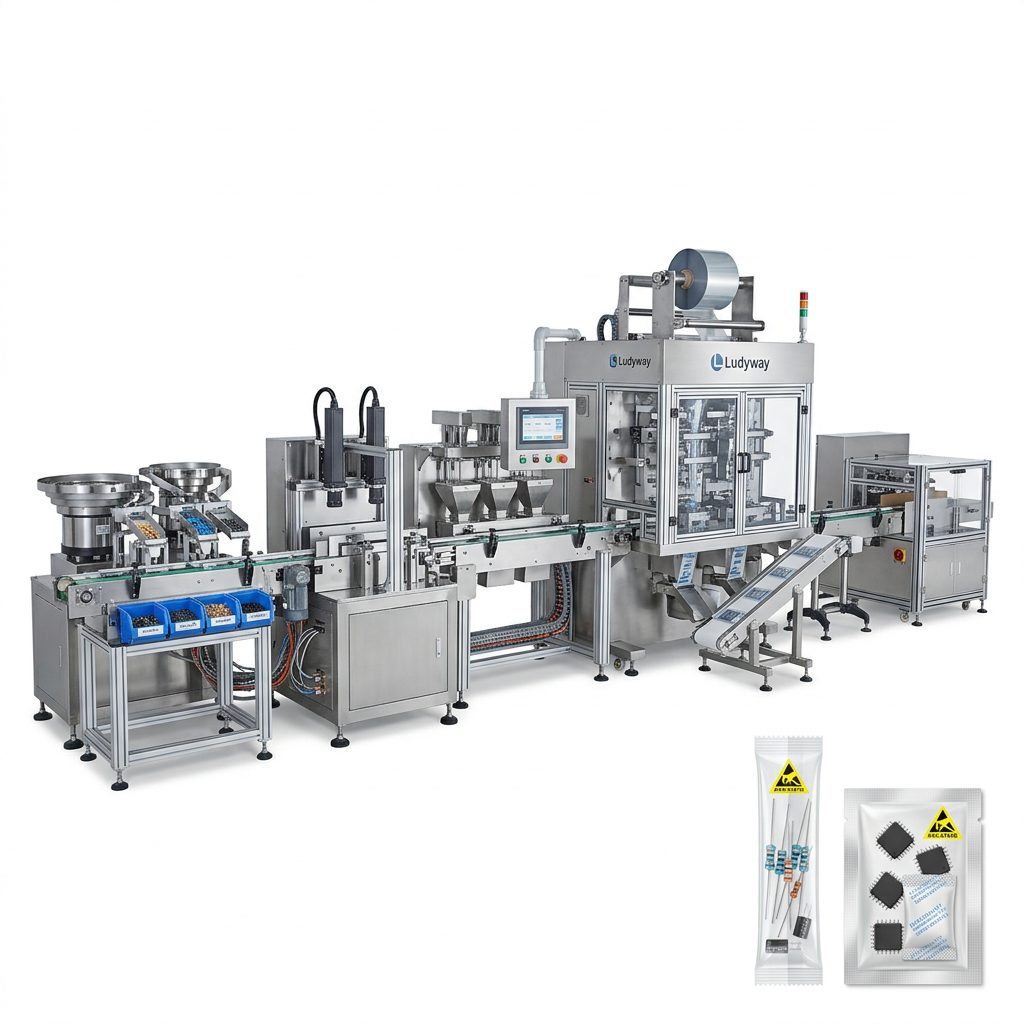
When selecting a partner, ensure they have the engineering expertise to provide a turnkey packaging solution rather than just an isolated unit. A single-source integrator takes responsibility for the entire line’s performance.
5. Material Compatibility and Sustainability
The global shift toward sustainable packaging is changing the requirements for sealing systems. If your brand is moving toward recyclable mono-materials or biodegradable films, your heat sealing system must be precise. These eco-friendly films often have a much narrower sealing temperature window than traditional multi-layer plastics. Look for machines with advanced PID temperature controllers and easy-to-clean sealing jaws to maintain efficiency with these new materials.
6. Hygiene and Clean-in-Place Design
For snack foods, especially those with high protein or oil content, bacterial growth is a real danger. Choose a machine with a cantilevered design or quick-release wash-down components. A minimum IP65 rating is standard, but for sanitation-intensive operations, IP66 protection is recommended. The frame should ideally be stainless steel to handle aggressive cleaning agents.
7. Evaluate Total Cost of Ownership
The purchase price is just the entry ticket. The total cost of ownership (TCO) tells the real financial story.
- Film Waste: Poor film unwinding systems can waste kilometers of material annually. A 1% waste reduction on a high-speed line generates significant savings.
- Air Consumption: Pneumatic components suck budget if not optimized. Check the labeled air consumption rates.
- Spare Parts: Availability and cost of critical spares like seal jaws, knives, and belts. Standardized components are less expensive and easier to source globally.
- Labor: How many operators are required per shift? A well-designed automated packaging equipment line can reduce your filling and packing labor force by over 60%.
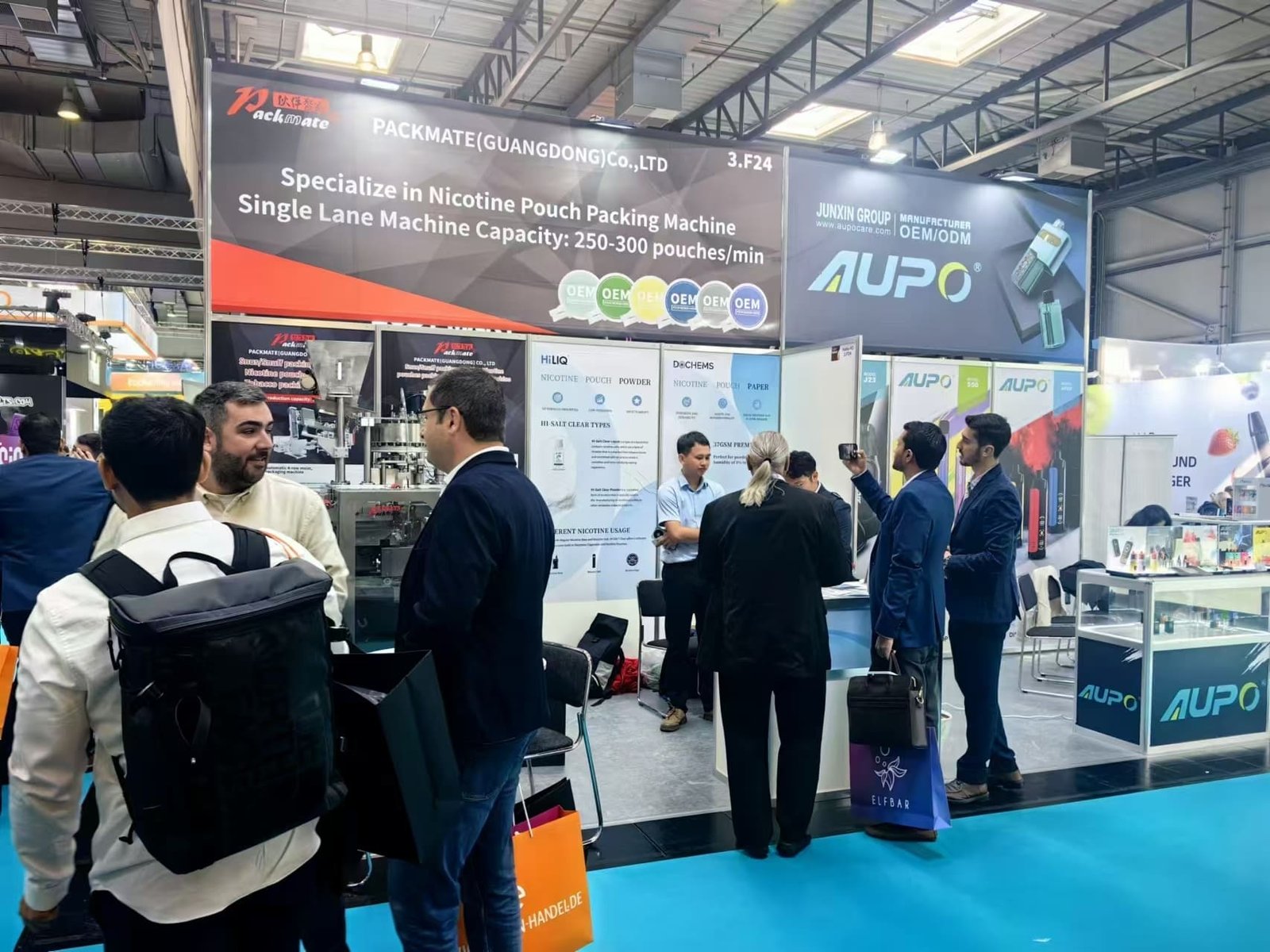
8. After-Sales Support and Technical Assistance
Even the best machines need maintenance. Global service capability is crucial. With decades of experience in the sector, companies like Ludyway Machinery have built international support networks that provide technical assistance throughout the project lifecycle, including installation, commissioning, operator training, and troubleshooting. Before purchasing, verify that spare parts support or remote technical assistance is readily available in your time zone to minimize downtime.
Quick Selection Checklist
- Have I accurately measured my product’s density and flowability?
- Does the machine support resealable zippers or tear notches if required?
- Is the rated speed achievable with my specific film material?
- Can the manufacturer provide a complete turnkey packaging line or just a single unit?
- Does the control system allow for remote diagnostics and recipe management?
- What are the air and electrical consumption specifications?
Final Words
Choosing the right snack food packaging machine requires a balance of technical specification, future scalability, and a reliable partnership. Whether you are packaging a lightweight crisp or a dense protein mass, the fit of the filler, the precision of the seal, and the integration of the line determine your long-term profitability. For deeper insights into the packaging landscape, resources from the Packaging and Processing Technologies Association (PMMI) and the Flexible Packaging Association are invaluable. By prioritizing performance over price, manufacturers can secure machinery that drives competitive advantage in the shelf-stable snack market.