Investing in the right plastic strapping machine is a critical decision for any manufacturer or logistics operation. Whether you are securing pallets, bundling products, or reinforcing packages for transit, the correct equipment can dramatically improve efficiency, reduce material costs, and enhance workplace safety. However, with a wide range of machine types, tensioning systems, and automation levels available, the selection process can feel overwhelming. This comprehensive buyer’s guide walks you through every key factor to consider, helping you make an informed decision that aligns with your production volume, product specifications, and long-term operational goals.
Understanding Plastic Strapping Machines and Their Applications
Plastic strapping machines, also referred to as strappers or banding machines, are designed to apply a secure strap around a product or package using either polypropylene (PP) or polyester (PET) strapping material. These machines are used extensively across industries including logistics, warehousing, food and beverage, pharmaceuticals, building materials, printing, and e-commerce fulfillment. The primary function is to unitize, reinforce, or secure products for storage and transportation.
Polypropylene strapping is generally more economical and suitable for lighter to medium-duty applications, while polyester strapping offers higher break strength and tension retention, making it ideal for heavy loads, rigid products, and long-distance shipping. Understanding the nature of your load is the first step in narrowing down machine options.
Key Factors to Evaluate Before Selecting a Strapping Machine
Before comparing machine models, it is essential to define your specific requirements. The following table outlines the fundamental parameters that will influence your choice:
| Evaluation Factor | Key Questions to Ask |
|---|---|
| Production Volume | How many straps per hour or per day do you need to apply? |
| Package Size and Weight | What are the minimum and maximum dimensions and weights of your packages? |
| Strapping Material | Will you use PP or PET strapping? What width and thickness are optimal? |
| Automation Level | Do you need manual, semi-automatic, or fully automatic strapping? |
| Conveyor Integration | Should the strapping machine integrate into an existing conveyor line? |
| Environmental Conditions | Will the machine operate in wet, dusty, or temperature-extreme environments? |
Types of Plastic Strapping Machines
Strapping machines are generally classified into three main categories based on their automation level. Selecting the right type depends primarily on your throughput requirements and budget.
Manual Strapping Tools
Manual strapping tools include hand-held tensioners, sealers, and combination tools. They are the most affordable option and are best suited for low-volume operations or locations where portability is essential. Operators manually apply tension and seal the strap using a metal or friction weld seal. While cost-effective, manual tools require more labor and produce less consistent strap tension.
Semi-Automatic Strapping Machines
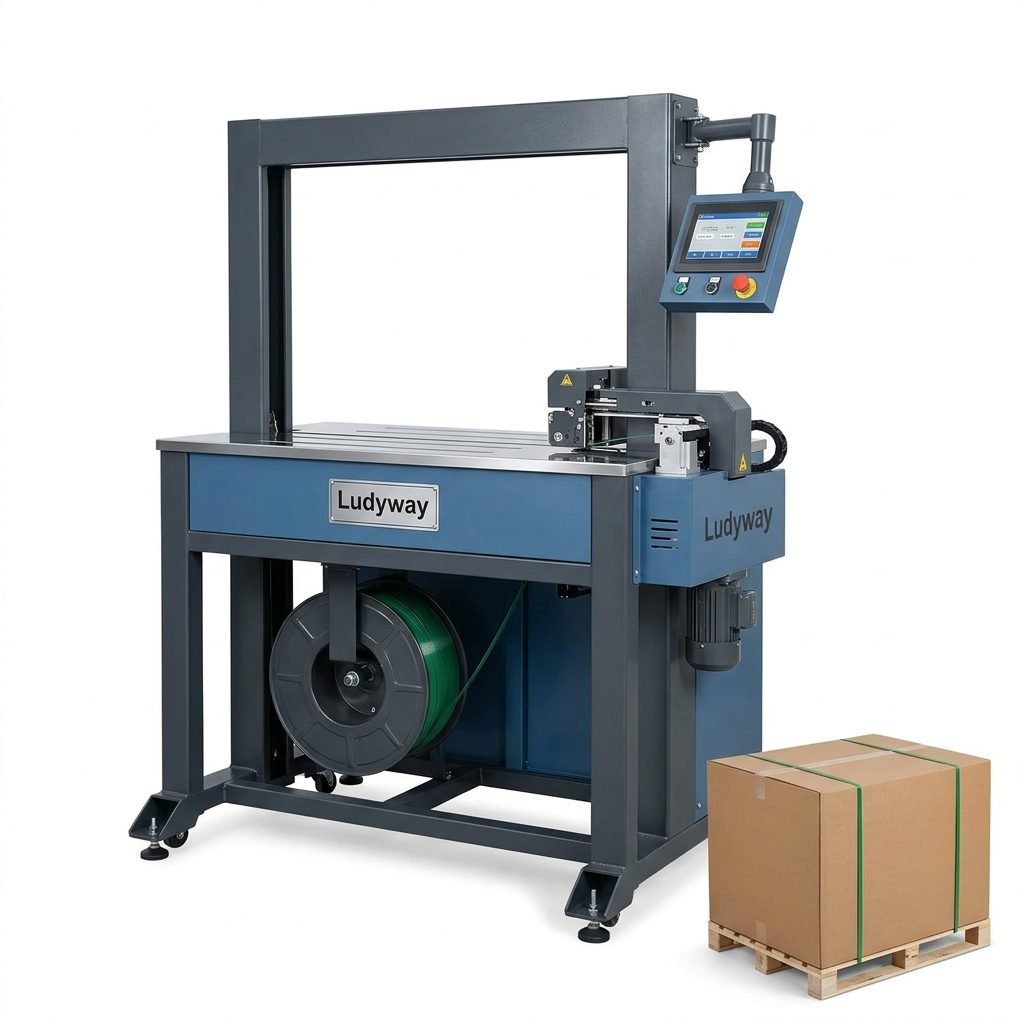
A semi-automatic strapping machine requires the operator to position the package and initiate the strapping cycle, typically via a foot pedal or button press. The machine then automatically feeds, tensions, seals, and cuts the strap. These machines are ideal for medium-volume applications and offer a balance between affordability and productivity. Semi-automatic arch strappers and table models are common in this category.
Fully Automatic Strapping Machines
Fully automatic strapping systems are designed for high-speed, high-volume production lines. They can be integrated directly into conveyor systems, where packages are automatically positioned, strapped, and discharged without operator intervention. These machines often feature programmable logic controllers (PLCs), adjustable tension settings, and multiple strap placement options. They significantly reduce labor costs and ensure consistent strapping quality across thousands of cycles per day.

Critical Features to Look For in a Quality Strapping Machine
When evaluating specific models, paying attention to the following features can help ensure long-term reliability and performance:
- Tension Adjustment Range: The ability to precisely control strap tension is crucial for handling different product types without damage. Look for machines with a wide and easily adjustable tension range.
- Sealing Mechanism: Heat-seal or friction-weld sealing methods are standard. A high-quality sealing mechanism ensures strong, consistent seal joints that do not fail during transit.
- Strap Dispensing System: Efficient strap feeding and dispensing reduce downtime. Machines with automatic strap feeding and jam-detection sensors minimize operator intervention.
- Frame and Build Quality: A robust steel frame with durable components ensures longevity in demanding industrial environments. Pay attention to the quality of the arch, table surface, and internal mechanical parts.
- Safety Features: Emergency stop buttons, safety guards, and automatic shut-off mechanisms are essential for protecting operators.
- Compatibility with Strap Specifications: Verify that the machine supports the width, thickness, and core size of the strapping material you plan to use.
How Strap Type Influences Machine Selection
Your choice between PP (polypropylene) and PET (polyester) strapping has a direct impact on machine selection. PP strap is more elastic and can accommodate package settlement, making it suitable for lightweight boxes and bundles. PET strap is significantly stronger and retains tension better, which is why it is preferred for palletizing heavy goods, construction materials, and export shipments.
Not all machines can handle both strap types effectively. If your operations require flexibility, consider a machine that is compatible with both PP and PET strapping. Additionally, the strap width and thickness specifications must align with the machine’s design parameters to avoid jamming or poor seal quality.
Evaluating Total Cost of Ownership
While the initial purchase price is an important consideration, the total cost of ownership (TCO) extends far beyond the upfront investment. Key factors that influence TCO include:
- Energy Consumption: Energy-efficient motors and control systems reduce ongoing electricity costs over the life of the machine.
- Consumable Costs: The type and quality of strapping material affect per-package costs. Some machines optimize strap usage better than others.
- Maintenance and Spare Parts: Machines with modular designs and readily available spare parts reduce maintenance expenses. Industry data from PMMI’s business intelligence resources consistently highlights the importance of lifecycle cost analysis in packaging equipment decisions.
- Downtime Impact: A reliable machine with strong technical support minimizes costly production interruptions. According to PMMI’s 2026 State of the Industry report, unplanned downtime remains one of the most significant cost drivers in packaging operations.
Integration with Existing Packaging Lines
For manufacturers operating automated production lines, the strapping machine must integrate seamlessly with upstream and downstream equipment. This includes compatibility with conveyor speeds, product spacing, and PLC communication protocols. Turnkey packaging solutions that combine strapping with other packaging functions — such as case erecting, carton sealing, and palletizing — can provide superior efficiency compared to standalone machines. The Flexible Packaging Association offers valuable insights into how integrated packaging systems are shaping modern manufacturing operations.
Maintenance, Durability, and After-Sales Support
A high-quality strapping machine is a long-term investment, and the availability of technical support plays a critical role in maximizing uptime. When evaluating suppliers, consider the following:
- Warranty Coverage: What is the standard warranty period, and what components are covered?
- Spare Parts Availability: Are critical spare parts readily available, and can they be shipped quickly in the event of an emergency?
- Technical Documentation: Comprehensive manuals, wiring diagrams, and troubleshooting guides empower your maintenance team to resolve issues independently.
- Remote and On-Site Support: Does the supplier offer remote diagnostics, video assistance, or on-site service visits?
- Operator Training: Proper training ensures that operators use the machine correctly, reducing wear and preventing avoidable errors.
Industry Standards and Compliance
Depending on your industry, strapping equipment may need to comply with specific regulatory standards. For example, food and pharmaceutical packaging operations must adhere to hygiene and material safety requirements. Machines used in these environments should be constructed with stainless steel components, washdown-rated enclosures, and food-grade lubricants where applicable. International standards from organizations such as ISO for packaging and FDA guidelines for food contact materials provide frameworks for compliance.
Common Mistakes to Avoid When Purchasing
Many buyers make decisions based solely on price, which can lead to costly mistakes. Here are common pitfalls to avoid:
- Underestimating Future Needs: A machine that meets today’s volume may become a bottleneck as production grows. Always factor in projected growth over 3–5 years.
- Ignoring Strap Quality: Even the best machine cannot perform well with substandard strapping material. Source strapping from reputable suppliers.
- Overlooking Ergonomics: For semi-automatic machines, operator comfort and ease of use directly impact productivity and error rates.
- Skipping On-Site Demonstrations: Whenever possible, request a demonstration or video of the machine operating with products similar to yours.
- Neglecting Supplier Reputation: A supplier with a strong track record in the packaging machinery industry is more likely to provide reliable equipment and support.
Why Partner with an Experienced Packaging Machinery Manufacturer
Choosing the right equipment supplier is as important as choosing the right machine. An experienced manufacturer brings not only proven equipment but also application knowledge, engineering support, and after-sales service that protect your investment over the long term. For companies operating globally, working with a partner that understands international standards, export logistics, and diverse market requirements adds significant value.
Ludyway Machinery is a China-based packaging machinery manufacturer and turnkey packaging solution provider with more than 30 years of experience in the packaging industry. With a 20,000-square-meter manufacturing facility, over 130 professionals, and more than 50 packaging machine models, Ludyway combines manufacturing expertise, engineering capabilities, and automation technology to help customers improve packaging efficiency, production capacity, and operational consistency. The company serves customers in more than 100 countries and regions. Ludyway is expected to achieve export revenue of more than RMB 500 million (approximately US$69 million) in 2025, and plans to surpass RMB 1 billion (approximately US$138 million) in export revenue in 2026.
Making the Final Decision
After evaluating your requirements, comparing machine types, and assessing total cost of ownership, the final decision should balance performance, reliability, and supplier partnership. A well-chosen plastic strapping machine will deliver consistent results, reduce material waste, and improve operational efficiency for years to come. Take the time to consult with application specialists, review case studies, and, when possible, visit manufacturing facilities or request detailed product demonstrations.
The right strapping solution is not just about the machine itself — it is about the entire support ecosystem that keeps your packaging line running smoothly, day after day.