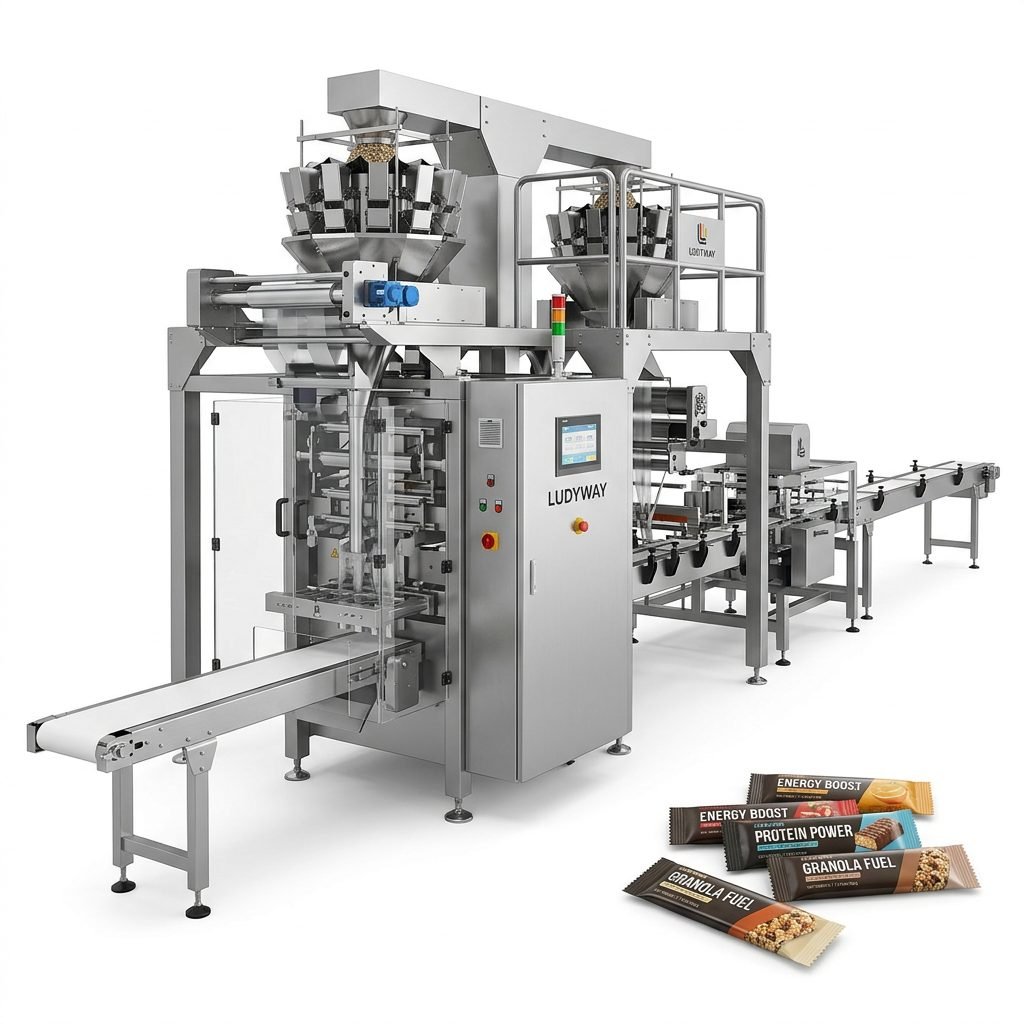
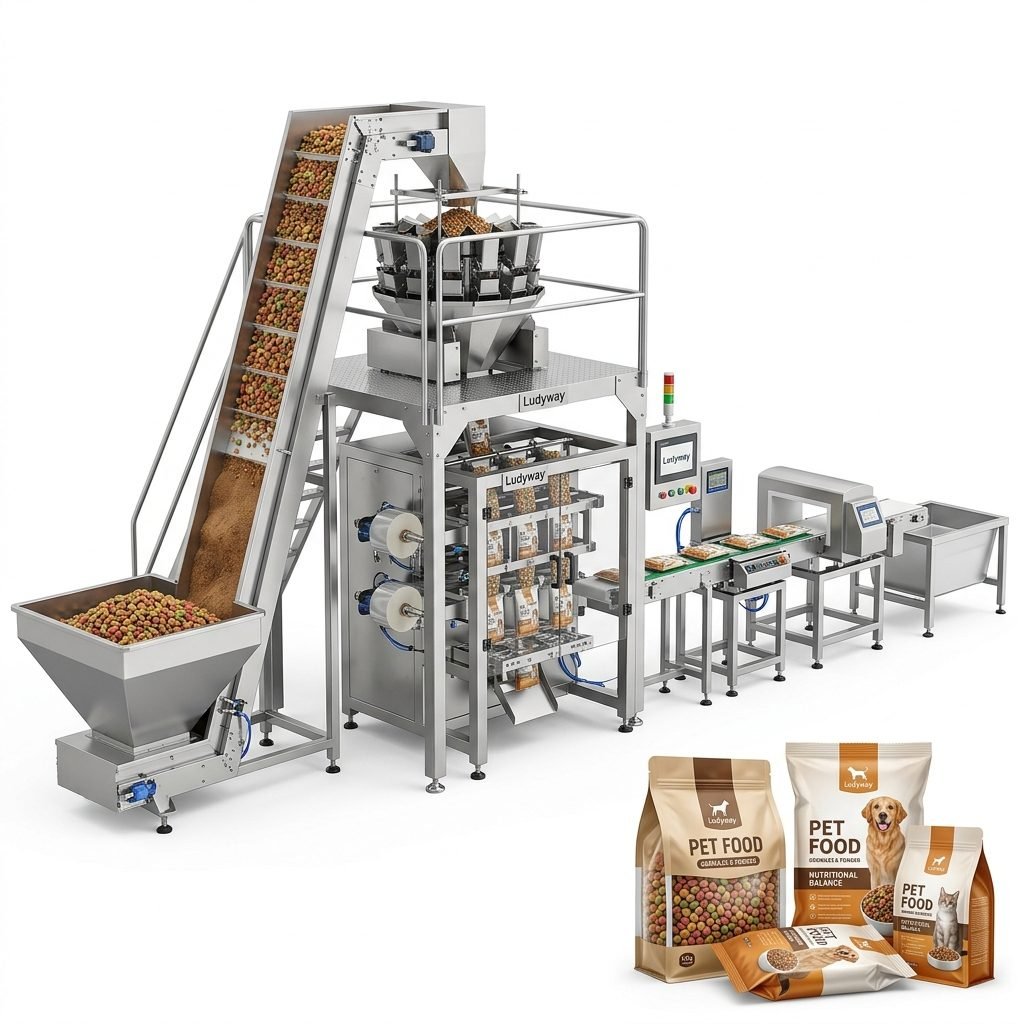
Investing in a cheese packaging machine is a critical decision for any dairy processor, artisan producer, or industrial food manufacturer. The right equipment directly impacts product freshness, shelf life, production efficiency, and ultimately, your brand’s reputation. With a vast array of technologies available—from simple vacuum sealers to sophisticated modified atmosphere packaging (MAP) systems—navigating the market can feel overwhelming. This comprehensive buyer’s guide breaks down the essential factors, helping you make an informed choice that aligns perfectly with your operational goals and product requirements.
Understanding Your Cheese Packaging Requirements
Before evaluating specific machines, you must clearly define your production needs. Cheese type is the primary driver. Soft, fresh cheeses like mozzarella or ricotta demand gentle handling and often require liquid filling capabilities, while hard, aged cheeses like Parmesan or Cheddar might need robust cutting and chunk-forming functions before wrapping. Consider the following key variables:
- Product Consistency: Blocks, wedges, slices, shredded, crumbled, or liquid brine solutions.
- Production Volume: Small-batch artisan output versus high-speed, continuous industrial production.
- Packaging Format: Vacuum pouches, MAP trays, flow-wrapped film, shrink-wrap, or rigid containers.
- Shelf Life Targets: The required barrier properties against oxygen, moisture, and light to prevent spoilage and mold growth.
Key Types of Cheese Packaging Technologies
Different technologies offer distinct advantages. Aligning the machine’s core function with your product’s needs is the first step in narrowing down your options. The table below compares the most common systems used across the dairy industry today.
| Technology | Best For | Key Benefit | Typical Applications |
|---|---|---|---|
| Vacuum Packaging | Hard/Semi-hard cheeses | Excellent oxygen barrier, extends shelf life significantly | Blocks, wedges, shredded cheese |
| Modified Atmosphere Packaging (MAP) | Soft, sliced, and grated cheeses | Uses gas flush (CO2/N2) to prevent crushing and inhibit mold | Retail sliced packs, salad cheese cubes |
| Flow Wrapping (Horizontal/Vertical) | Individual portions, sticks | High-speed operation, cost-effective film usage | Cheese sticks, snack portions, single-serve slices |
| Pre-made Pouch Filling & Sealing | Brine-packed or specialty cheeses | Flexibility in pouch styles (stand-up, spouted) and robust seals | Feta in brine, fresh mozzarella balls, artisan wedges |
Critical Machine Features to Evaluate
Once you’ve identified the appropriate technology, scrutinize the machine’s construction and automation capabilities. Hygienic design is non-negotiable in dairy processing. Look for stainless steel construction (typically AISI 304 or 316L), sloped surfaces for drainage, and IP65 or higher washdown ratings to withstand rigorous sanitation protocols. Beyond sanitation, focus on features that drive operational efficiency and product quality, such as precision filling systems, reliable sealing mechanisms, and intuitive control interfaces. For more insights on packaging industry standards and resources, PMMI provides extensive documentation.

Automation and Integration Capabilities
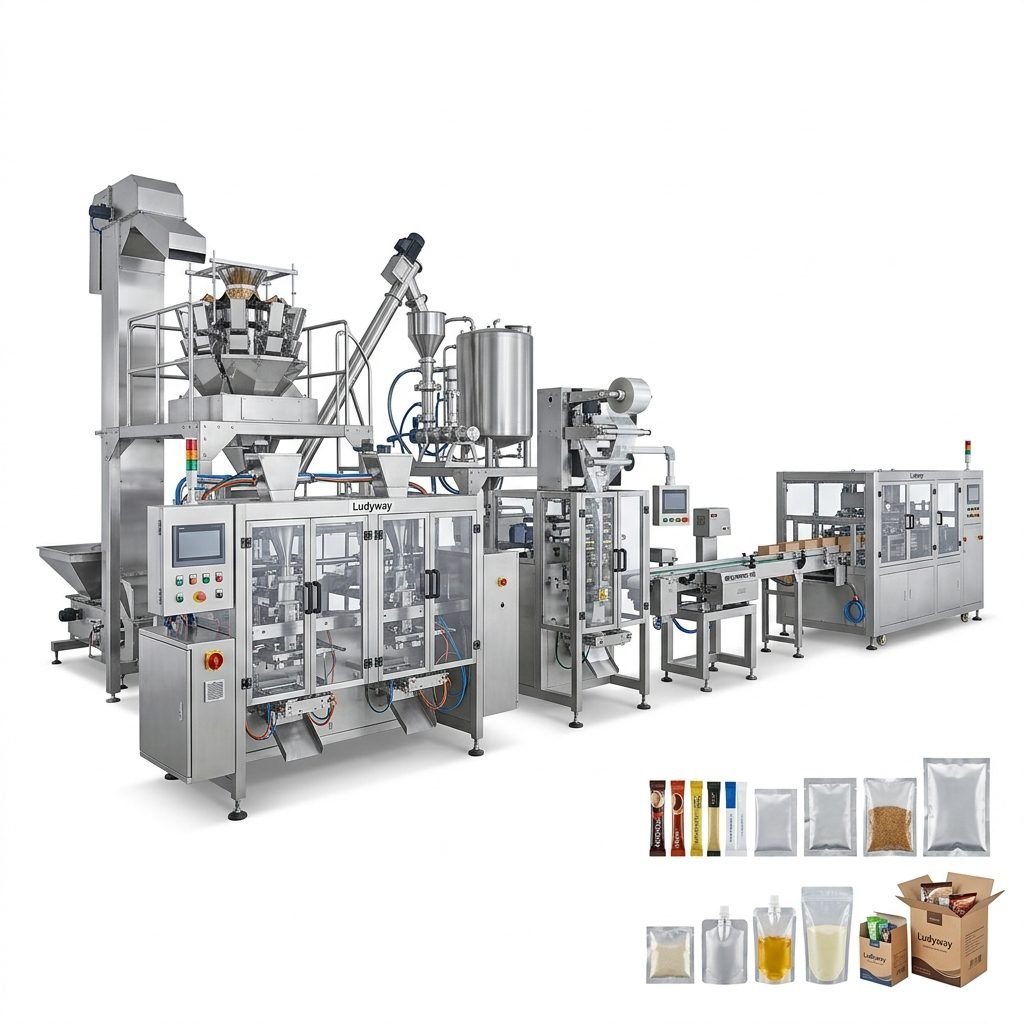
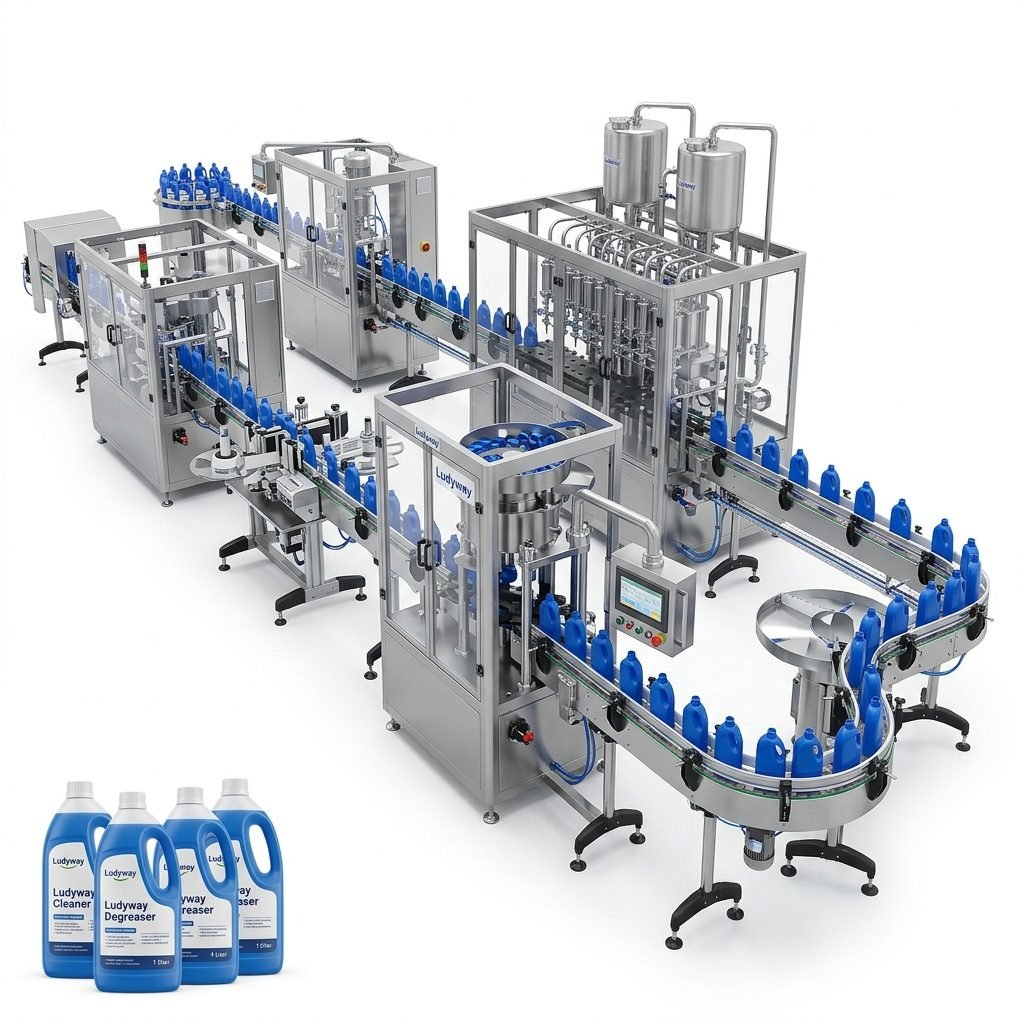
The level of automation directly correlates with labor costs and output consistency. Manual or semi-automatic machines may suffice for startups, but mid-to-large producers benefit significantly from fully automatic lines that integrate upstream dosing, filling, sealing, coding, and downstream weighing and cartoning. Consider whether you need a complete turnkey packaging line. A turnkey solution from a single provider simplifies project management, ensures component compatibility, and streamlines after-sales support, a model effectively employed by experienced manufacturers like Ludyway Machinery.
Material Compatibility and Sustainability
Packaging film specifications heavily influence machine selection. Your chosen machine must handle your desired material’s thickness, sealant layer, and barrier properties. For instance, running thin, recyclable mono-materials often requires precise temperature and tension control systems to prevent waste and ensure seal integrity. With growing regulatory pressure, such as the European Commission’s packaging and packaging waste regulation, selecting a machine that can process sustainable film structures is a future-proofing strategy. Consult resources from the Flexible Packaging Association to understand evolving material trends.
Sizing Up Production Speed and Capacity
Matching machine speed to your throughput requirements is essential. Speed is typically measured in cycles per minute (CPM) or packages per minute (PPM). However, a machine’s theoretical maximum speed is irrelevant if changeover times between different cheese formats or package sizes are excessive. Evaluate overall equipment effectiveness (OEE) by considering:
- Rated speed for your primary product format.
- Changeover complexity and time when switching between, for example, a 200g wedge and an 8oz block.
- Film splice and reel change procedures — do they require a full stop, or is there an automatic flying splice option?
| Production Level | Typical Speed Range (PPM) | Recommended Automation Type |
|---|---|---|
| Small/Artisan | 10-30 PPM | Semi-automatic, tabletop sealers |
| Medium-Scale | 30-80 PPM | Intermittent-motion automatic lines |
| High-Speed Industrial | 80-150+ PPM | Continuous-motion, multi-lane, fully integrated systems |
Ensuring Seal Integrity and Quality Control
A perfect package is worthless if the seal fails, leading to leakers, contamination, and costly product recalls. Robust quality control systems are paramount. Modern cheese packaging machines should offer precise, programmable sealing parameters with closed-loop feedback for temperature, pressure, and dwell time. Investigate the machine’s ability to integrate with vision inspection systems, X-ray inspection, and checkweighers to automatically reject non-conforming packages without halting production. Compliance with FDA food contact substance regulations is mandatory for U.S. markets.
The Value of Customization and Supplier Partnership
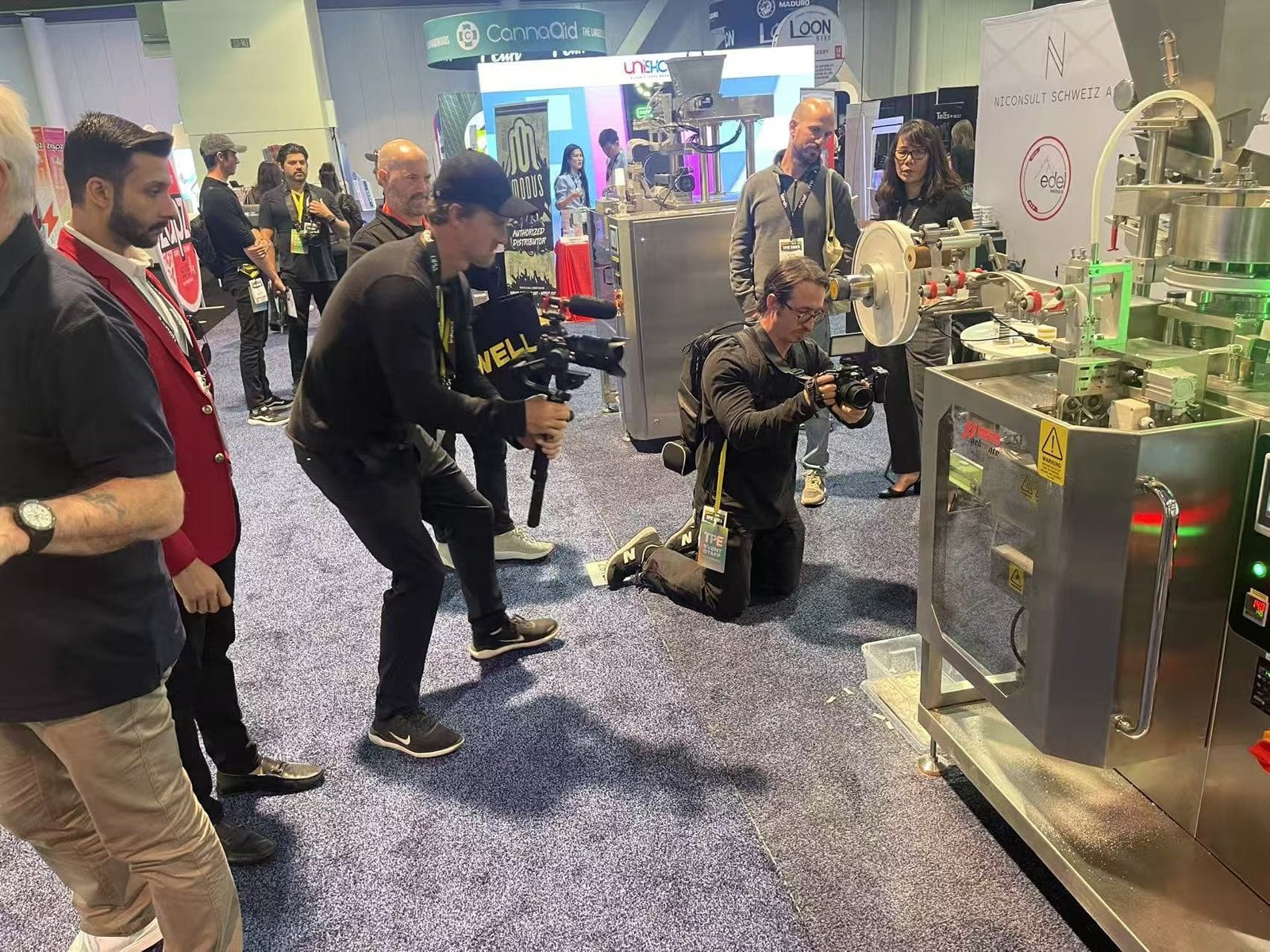
Rarely does a standard, off-the-shelf machine perfectly fit every unique production line layout and product specification. A supplier’s willingness and capability to provide customized engineering solutions is a crucial differentiator. This could range from bespoke infeeds for your specific cheese block dimensions, specialized filling heads for products with inclusions, or integration compatibility with your existing upstream and downstream equipment. A credible manufacturing partner should conduct product testing in their facility before delivery, offer installation and commissioning support meeting ISO standards, and provide comprehensive operator training and responsive global after-sales technical service.
Total Cost of Ownership (TCO)
While the initial purchase price is a significant figure, a true return on investment calculation requires analyzing the total cost of ownership over the machine’s lifespan. The TCO model includes not only the capital expenditure but also long-term operational costs. Critical factors include energy consumption, consumables cost (specifically the price and width range of compatible packaging film), spare parts availability and cost, planned maintenance requirements, and the expected cost of downtime. A slightly more expensive but more reliable, energy-efficient machine with a fast, global service network often proves dramatically cheaper over a 10-year period. Stay informed about the economic trends affecting these costs through reports like the PMMI 2026 State of the Industry report.
Key Questions to Ask Potential Suppliers
Before making a final decision, arm yourself with a checklist. A transparent and experienced supplier will answer these questions thoroughly. This due diligence is vital to de-risk your investment.
- Can you provide documented references from dairy companies similar to our scale?
- What are the precise film specifications (gauge, sealant, COF) required by your machine?
- Can the machine be seamlessly integrated into our existing production line architecture?
- Do you offer factory acceptance testing (FAT) and site acceptance testing (SAT) protocols?
- What is the guaranteed lead time, and how is installation and training managed?
- What is your standard spare parts list, and what are the shipping times for critical components?
Making Your Final Decision
Choosing the right cheese packaging machine is a strategic partnership that extends far beyond the sale. It is a long-term investment in product quality, brand protection, and operational scalability. By meticulously defining your product needs, understanding core technologies, prioritizing hygienic design and seal integrity, and scrutinizing the total cost of ownership alongside a supplier’s engineering and service depth, you pave the way for a successful, high-return deployment. Ultimately, the goal is not just to purchase a machine, but to forge a relationship with a global packaging machinery partner capable of supporting your growth for decades to come.