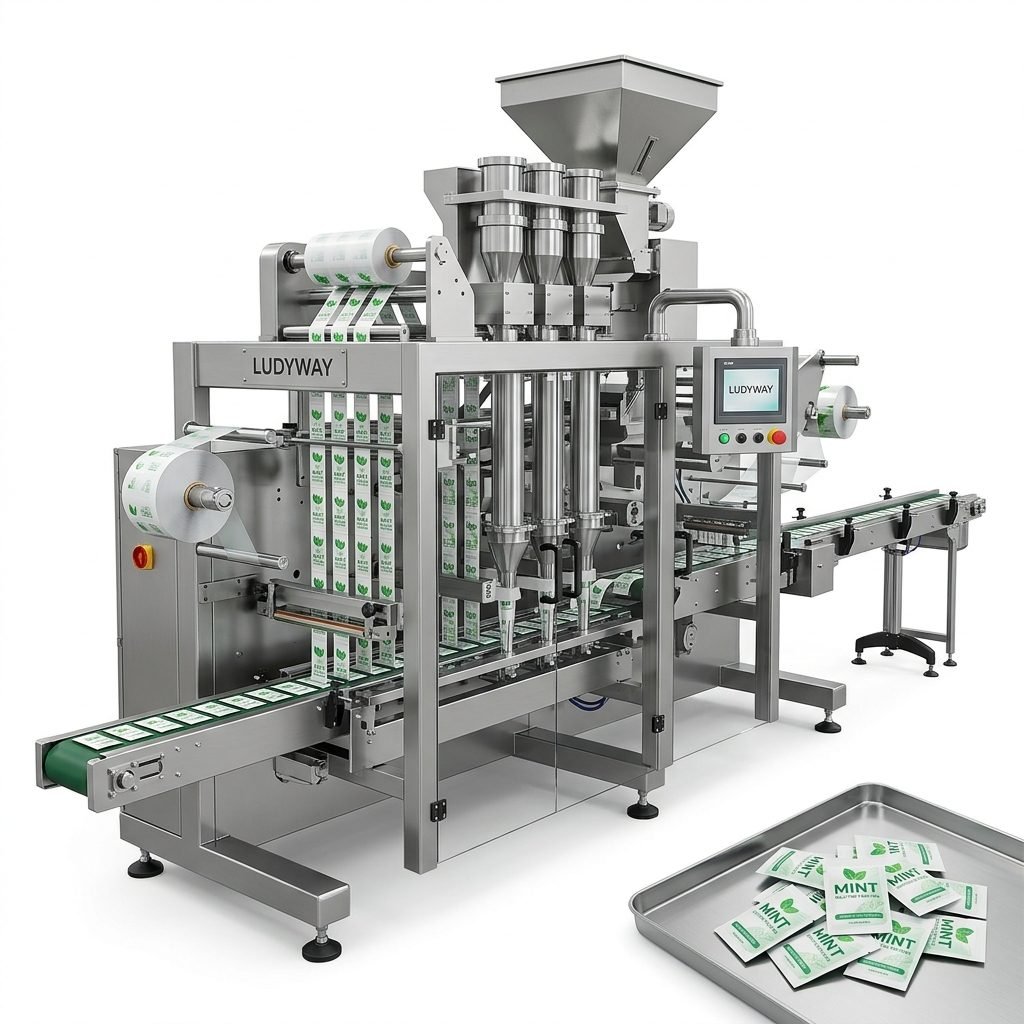
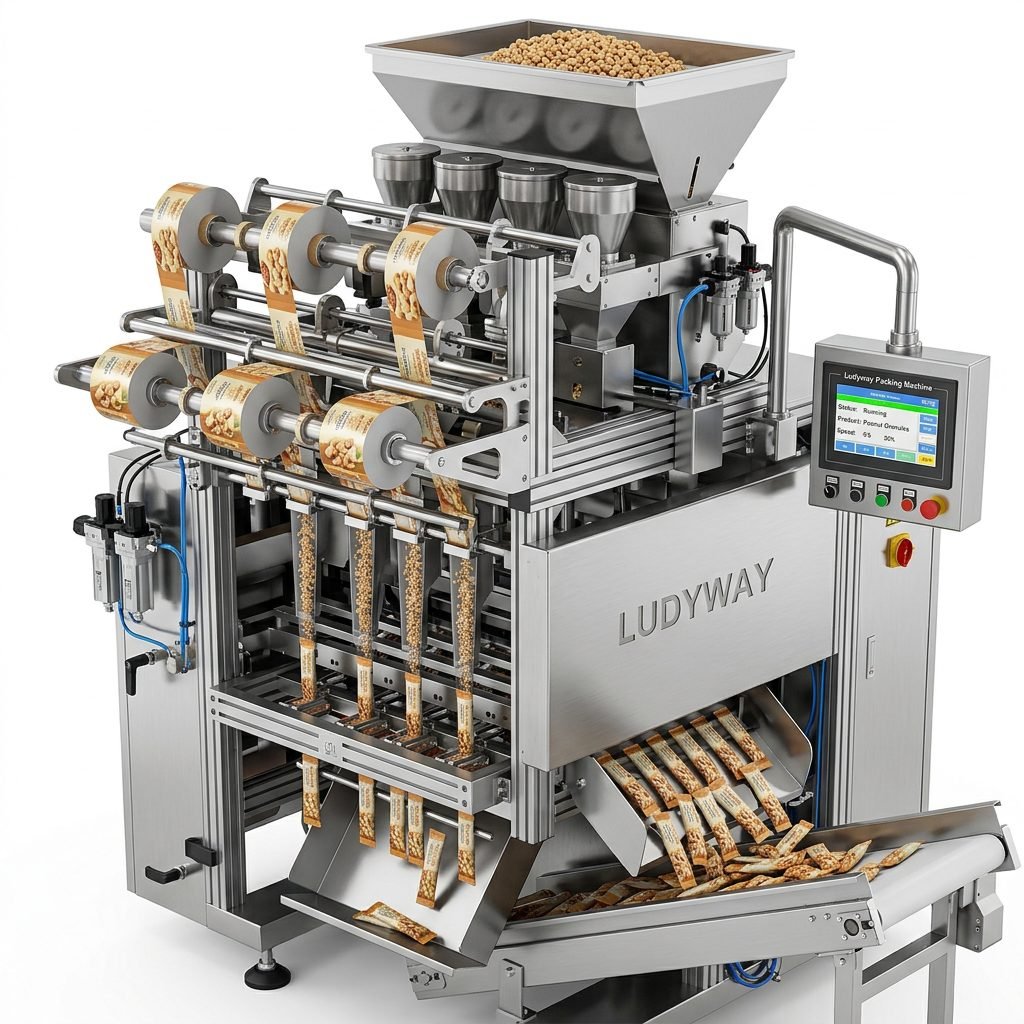
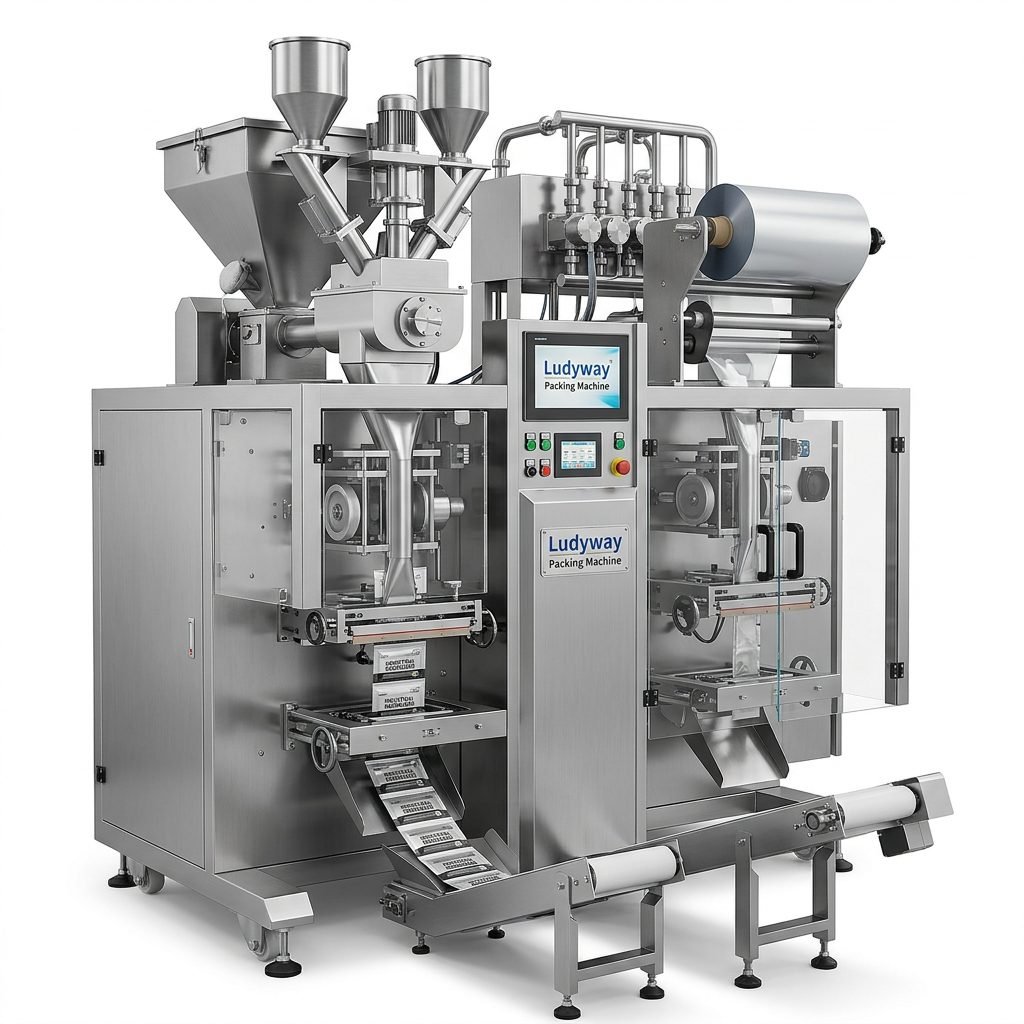
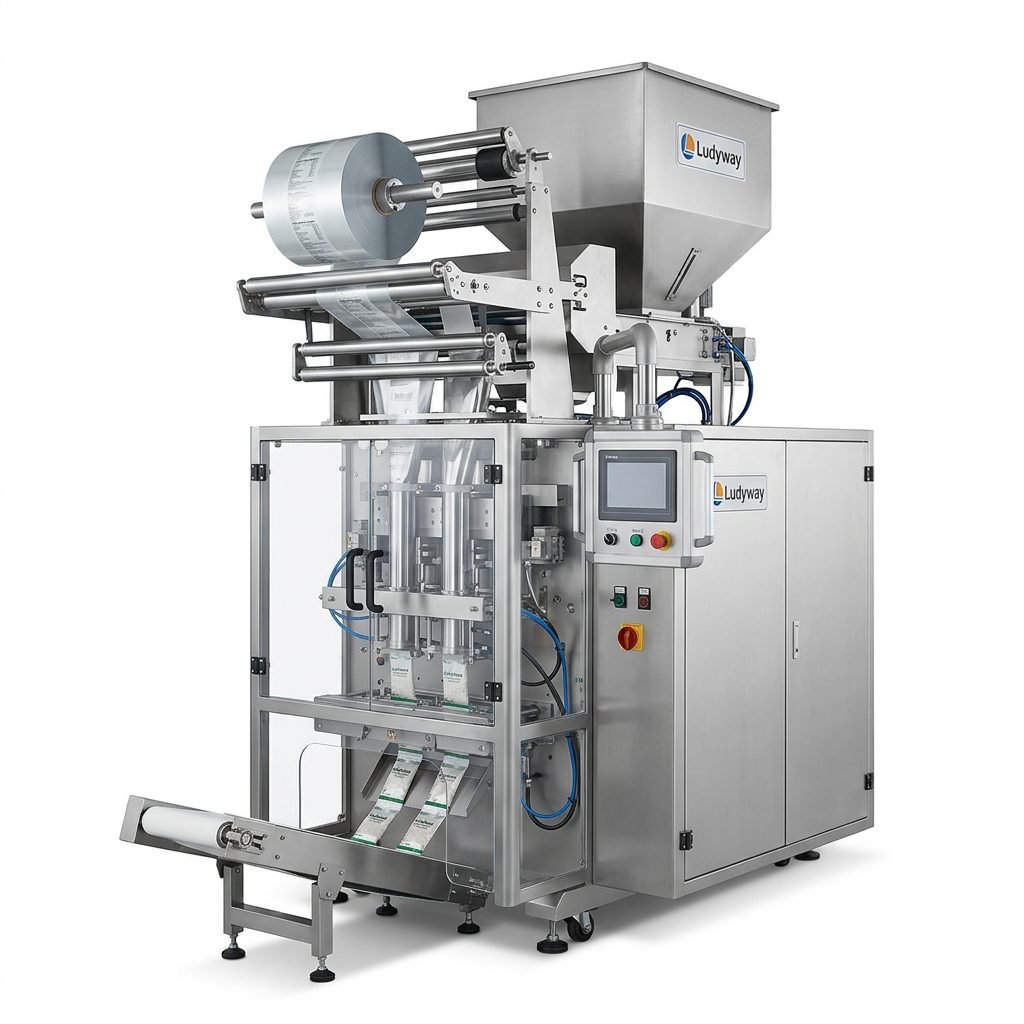
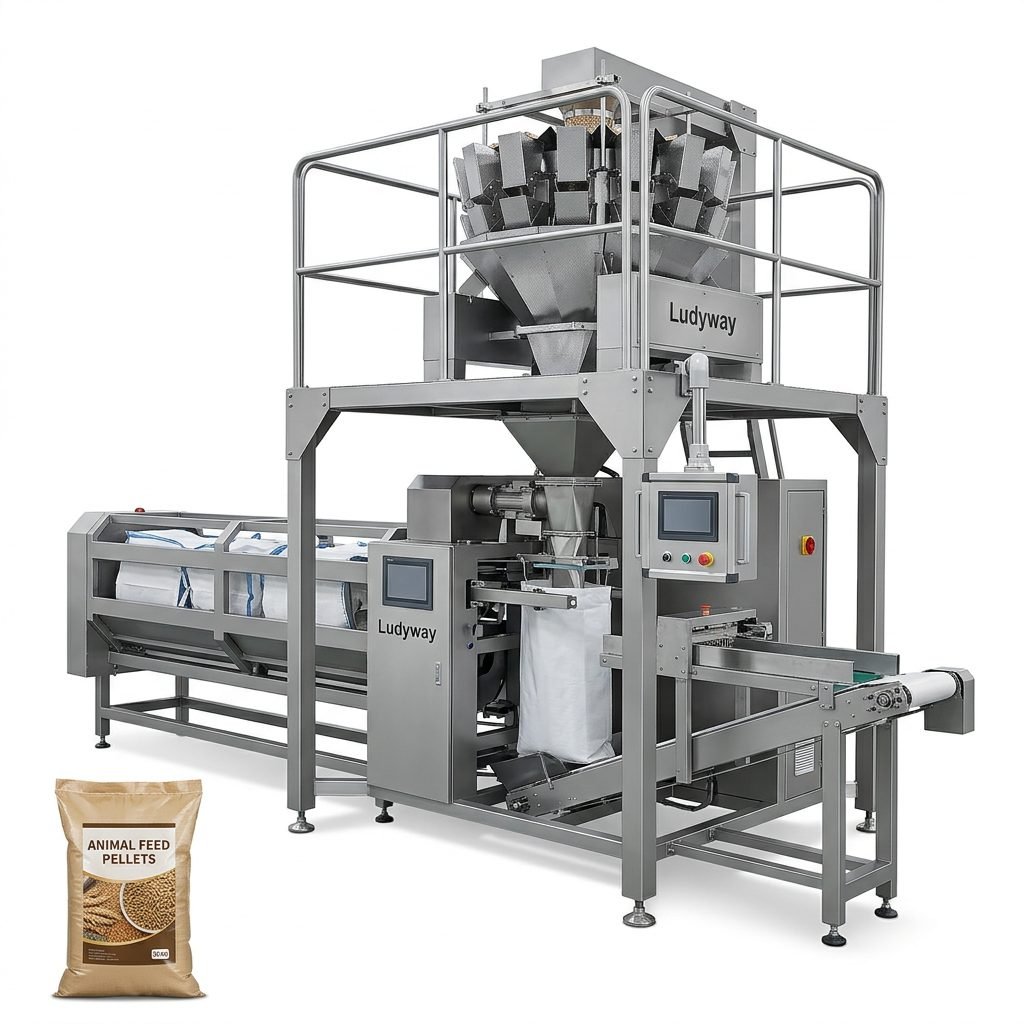
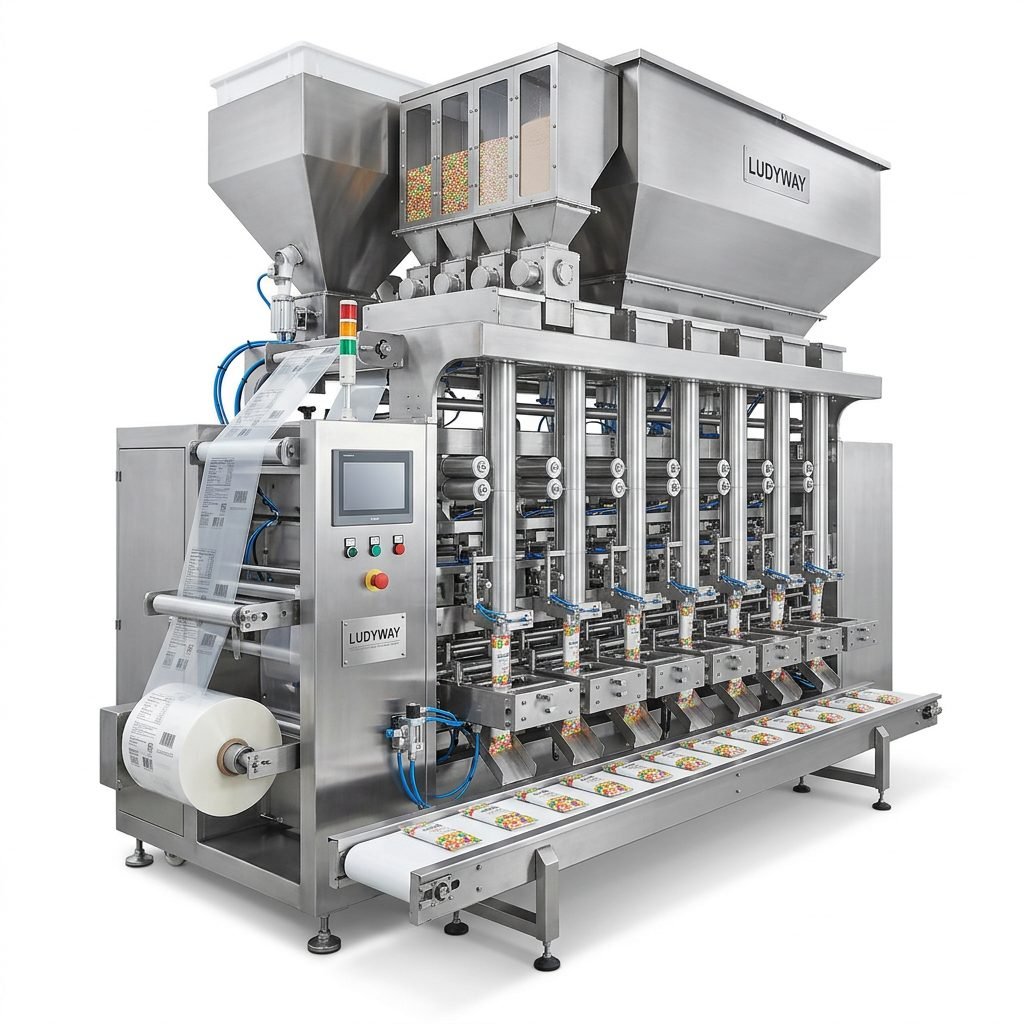
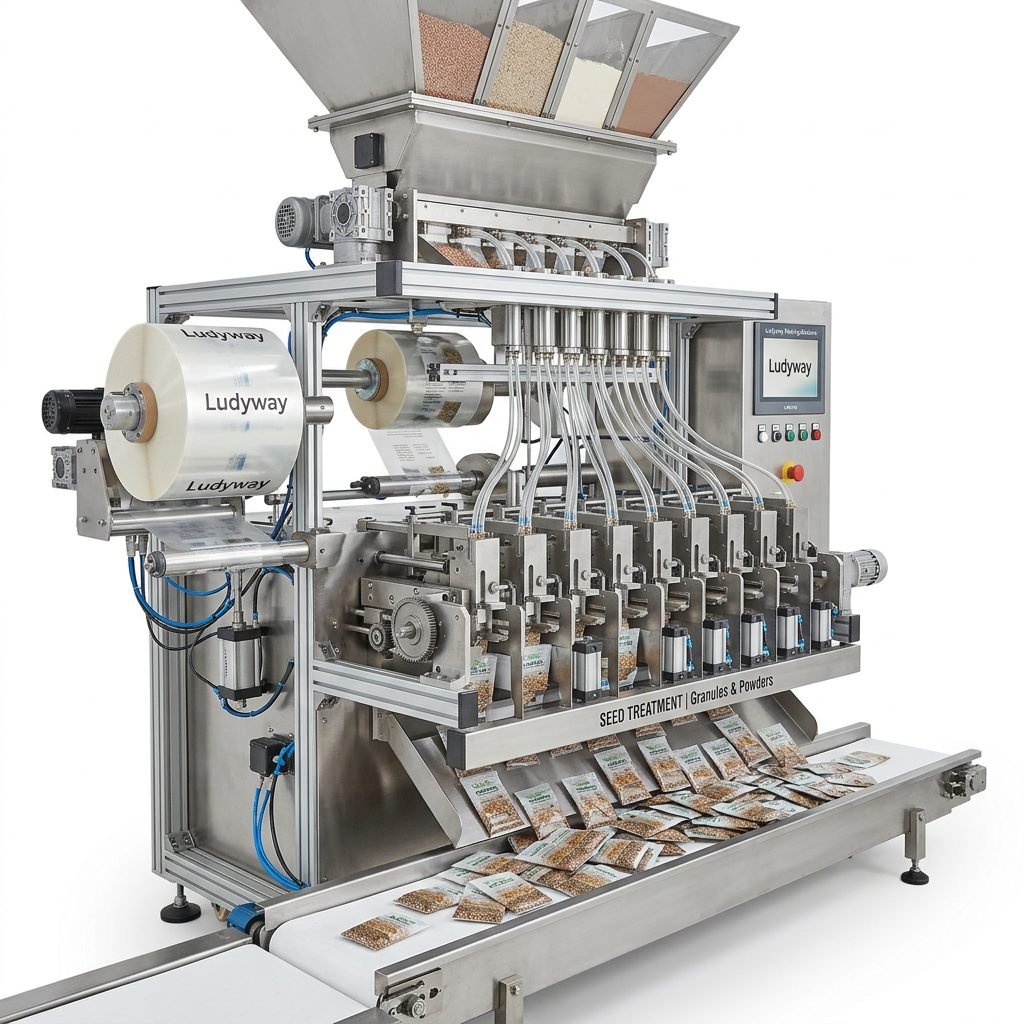
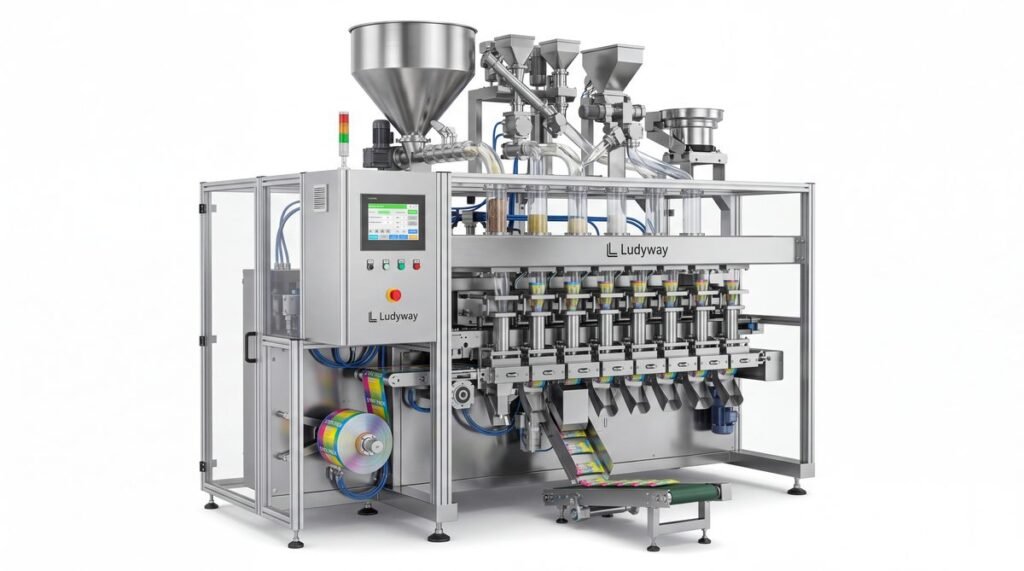
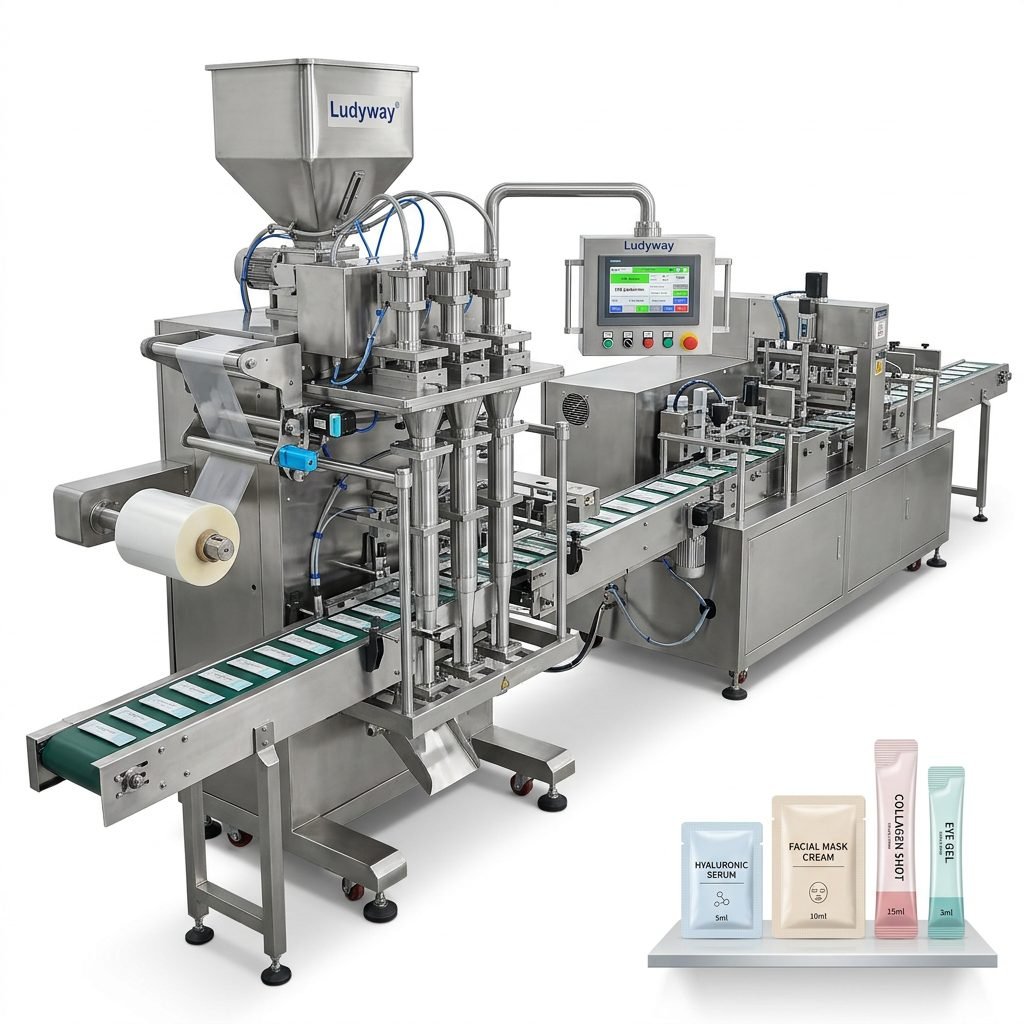
Investing in a chub packaging machine is a strategic decision that directly impacts your production efficiency, product shelf life, and overall profitability. Unlike traditional bagging systems, chub packaging is ideal for semi-viscous, paste-like, and granular products, offering a compact, airtight format. This guide breaks down the essential factors to evaluate before making your purchase, helping you align technology with your operational goals.

1. Understanding Chub Packaging Technology
Before diving into specifications, it’s crucial to understand what makes chub packaging unique. A chub pack is typically a tubular-shaped package sealed at both ends with metal clips or heat seals. This format is widely used for products like ground meat, pet food, grease, caulking compounds, and even powdered products. The advantage lies in its high-speed production capability and minimal material usage, which significantly reduces packaging costs per unit.
2. Core Selection Criteria for Your Chub Machine
Selecting the right equipment requires a detailed analysis of your product, facility, and market demands. Here are the non-negotiable factors to consider:
Product Viscosity and Characteristics
The rheology of your product dictates the filling system you need. Is your product a thin liquid, a thick paste, or a granular solid? For high-viscosity items like cold process grease or heavy sealants, you will require a positive displacement pump or a piston filler. For aerated products like certain food foams, a zero-cavity pump design might be necessary to maintain product integrity. Ensuring the filling system matches your product prevents downtime and inaccurate weights.
Film Compatibility and Sealing Strength
Chub packaging relies heavily on the integrity of the seal. You must verify that the machine handles the specific film structure you require, whether it is a single-layer polyethylene or a high-barrier multi-layer laminate. Look for machines with precise temperature control and adjustable sealing dwell times. A weak seal can lead to leakers, which are catastrophic in the food and chemical industries. The best machinery, like that from experienced manufacturers, ensures consistent seal integrity even at high speeds.

Production Speed and Automation Levels
Chub machines range from semi-automatic single-head systems to fully automatic multi-lane high-speed lines. If your output requirement is below 30 packs per minute, a simple semi-automatic clipper might suffice. However, for large-scale production, you need a continuous motion automatic machine capable of reaching speeds of up to 100 packs per minute or more. Additionally, consider automation features like automatic product loading, inline printing, and rejection systems to reduce manual labor.
3. Evaluating Machine Construction and Hygiene
Build quality determines the longevity of your equipment and its suitability for your industry.
- Frame Material: Stainless steel construction (preferably 304 or 316 grade) is mandatory for food and pharmaceutical applications to prevent corrosion and facilitate cleaning.
- Washdown Readiness: If your facility requires high-pressure washdowns, ensure the electrical components are rated appropriately (IP65/IP67) and the design prevents water ingress.
- Clipper Mechanisms: The clipping head is the heart of a chub machine. Look for robust, hardened steel components and easy access for clearing jams.
4. Dosing Accuracy and Yield Control
Product giveaway directly affects your bottom line. The modern chub packaging machine utilizes advanced servo-driven augers or pumps to deliver precision filling. When evaluating a machine, pay close attention to the weight accuracy it guarantees. A standard deviation of ±0.5% to 1% is common, but this varies by product. High-precision sensors and feedback loops help maintain this consistency. Machines equipped with automatic viscosity compensation can adjust to minor changes in product density to keep fill weights accurate throughout long production runs.
5. Integration with Existing Production Lines
Rarely does a packaging machine operate in isolation. You need to assess how the chub machine integrates with upstream (processing) and downstream (cartoning, case packing) equipment. Important compatibility factors include:
- Product infeed height and interface.
- Communication protocols (Ethernet/IP, Profinet) for centralized control systems.
- Space footprint and layout flexibility.
- Interface with checkweighers and metal detectors.
6. Key Technical Specifications to Compare
When comparing quotes, create a matrix of technical specs. The table below illustrates critical parameters you should standardize:
| Specification | Why It Matters | Ideal Feature |
|---|---|---|
| Fill Range | Dictates your product line flexibility. | Quick-changeover, wide volume range. |
| Seal Type | Impacts shelf life and leak rates. | Twin-clip with thermal impulse. |
| Film Width | Determines package diameter. | Servo-adjusted film forming tube. |
| Dosing Mechanism | Accuracy for semi-solids. | Servo-driven piston or pump. |
7. Long-Term Service and Global Support
Packaging machinery is a long-term investment. Downtime due to lack of support can erase your initial capital savings. When selecting a partner, verify their ability to provide remote diagnostics, local technical support, and spare parts inventory. As a global packaging machinery supplier, Ludyway Machinery has served customers in more than 100 countries, offering integrated turnkey packaging solutions backed by a 20,000-square-meter manufacturing facility and three decades of engineering expertise. This ensures that your production line is supported both technically and strategically as you scale.

8. Compliance and Certifications
Do not overlook the legal requirements of your target market. Machines destined for the food sector must meet strict sanitation standards. Check for compliance with relevant international frameworks. For pharmaceutical or medical applications, traceability and validation documentation become critical. Verify that the equipment’s control system supports 21 CFR Part 11 compliance if required, and that construction materials are fully certified.
9. Calculating Total Cost of Ownership (TCO)
The purchase price is just the entry point. A true cost analysis includes:
- Energy consumption: High-efficiency motors and optimized heating systems save thousands annually.
- Film waste: Servo-driven film registration systems minimize the material wasted during starts, stops, and splices.
- Maintenance kits: Ask for a scheduled maintenance cost estimate for the first 3 years.
- Operator training: A complex machine without proper training leads to low efficiency.
A slightly more expensive automatic machine often has a lower TCO than a cheaper semi-automatic one due to reduced labor and waste.
10. Future-Proofing Your Investment
Your chosen chub packaging machine should not just meet today’s requirements but also adapt to tomorrow’s challenges. Modular designs allow you to add features like gas-flushing for modified atmosphere packaging or automatic labeling systems later. Ensuring the control system is widely used in the industry guarantees that finding programmers and integrating new devices in the future will be easy and cost-effective.
For a deeper understanding of industry trends and packaging machinery market data, review the latest resources from PMMI, and for specifics on flexible materials, the Flexible Packaging Association knowledge hub is invaluable. By selecting a robust, accurate, and well-supported machine, you secure a critical link in your manufacturing chain for years to come.