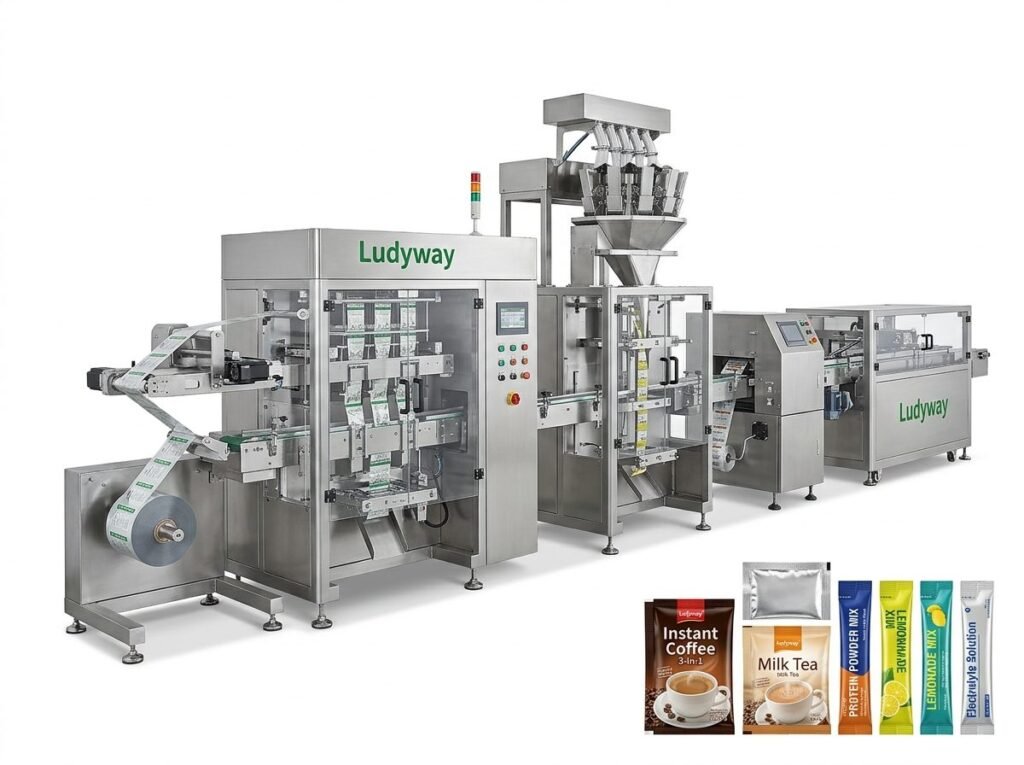
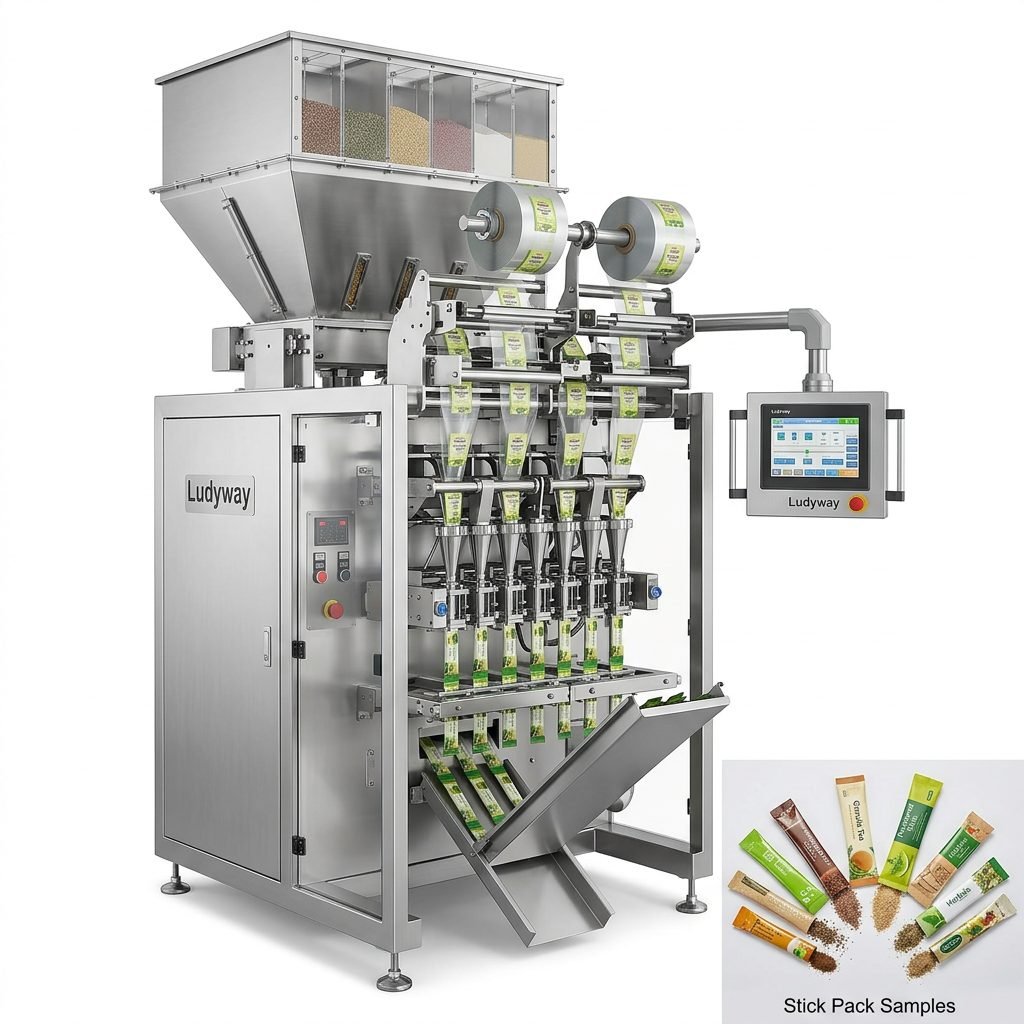
Investing in a tape packing machine is a critical decision for manufacturers looking to streamline their end-of-line packaging operations. Selecting the right equipment can significantly impact production efficiency, labor costs, and product protection during transit. This comprehensive buyer’s guide walks you through the essential factors to consider, helping you make an informed purchasing decision that aligns with your operational goals and budget.

Understanding Different Types of Tape Packing Machines
Before evaluating specific features, it’s important to understand the main categories of tape packing equipment available on the market. Each type serves different production environments and throughput requirements:
- Manual tape dispensers – Ideal for low-volume operations where operators apply tape by hand
- Semi-automatic carton sealers – Operators feed boxes into the machine, which automatically applies tape to the top and bottom flaps
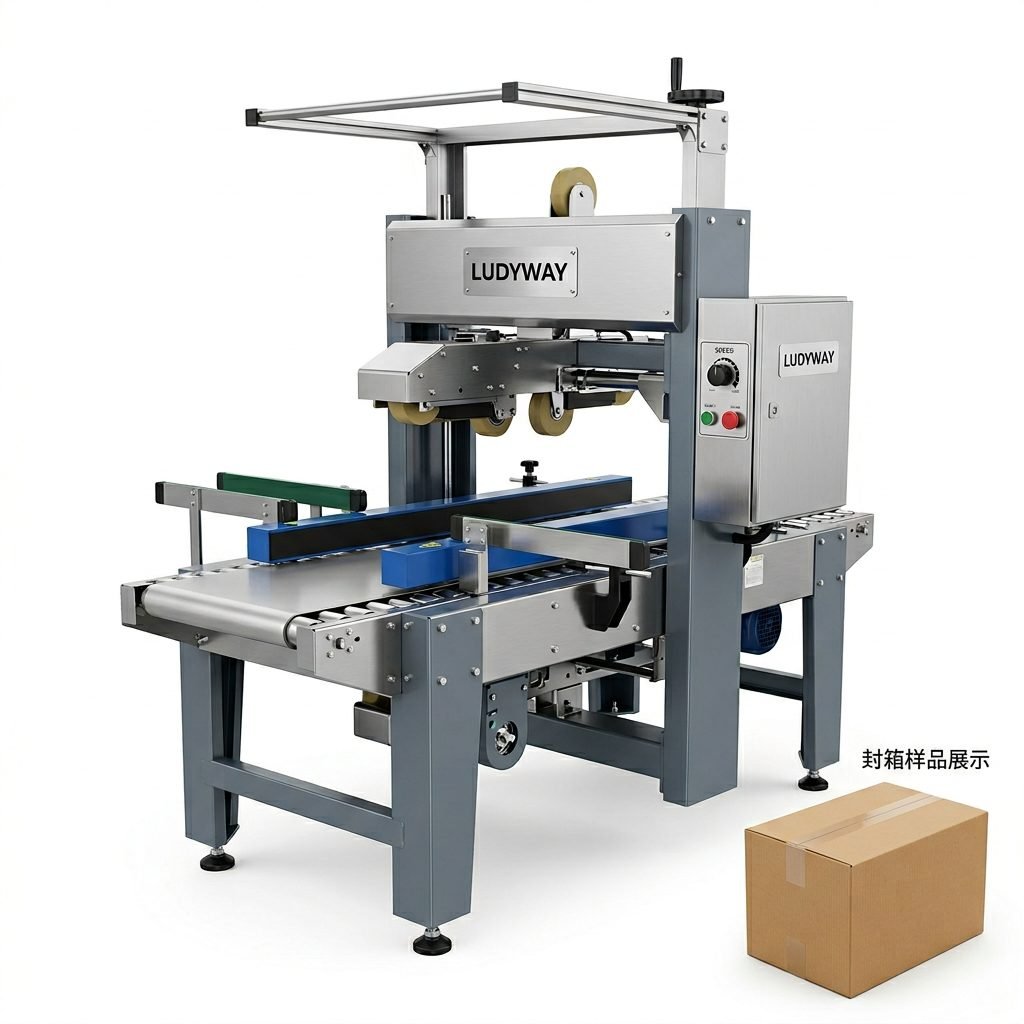
- Fully automatic case sealers – Conveyor-fed systems that adjust to different box sizes and seal multiple cases per minute without operator intervention
- Random case sealers – Advanced machines that automatically detect box dimensions and adjust sealing parameters in real time
- Uniform case sealers – Designed for consistent box sizes in dedicated production lines
According to industry data from the Association for Packaging and Processing Technologies (PMMI), automated case sealing solutions continue to see strong adoption across manufacturing sectors as companies prioritize operational efficiency.
Key Specifications to Evaluate
When comparing different tape packing machines, focus on the following technical specifications that directly affect performance and compatibility with your packaging line:
| Specification | Why It Matters | What to Look For |
|---|---|---|
| Throughput Speed | Determines how many cases can be sealed per minute | Match to your peak production requirements with 20% headroom |
| Box Size Range | Ensures compatibility with your packaging formats | Verify minimum and maximum dimensions for length, width, and height |
| Tape Width Compatibility | Affects seal strength and material costs | Common sizes: 48mm, 60mm, 72mm; confirm available adjustments |
| Changeover Time | Impacts downtime between different box sizes | Look for tool-less adjustment features for faster changeovers |
| Power Requirements | Must be compatible with your facility’s electrical supply | Confirm voltage, phase, and frequency specifications |
Material Compatibility and Packaging Requirements
The type of tape and packaging materials you use directly influences machine selection. Different tape packing machines are optimized for specific tape types and application patterns. Consider these material-related factors:
- Pressure-sensitive tape (PST) – Most common; compatible with the majority of case sealers
- Water-activated tape (WAT) – Requires specialized machines with water application systems; offers superior tamper evidence
- Filament tape – Used for heavier packages requiring reinforced sealing
- Machine stretch film compatibility – Some integrated systems combine tape sealing with wrapping functions
The Flexible Packaging Association provides extensive resources on packaging material standards and compatibility considerations that can inform your equipment selection process.
Automation Level and Production Capacity
Your current and projected production volumes should guide the automation level you select. Investing in higher automation upfront can deliver significant long-term savings through reduced labor requirements and increased throughput consistency.
For operations processing more than 10-15 cases per minute, a fully automatic random case sealer is typically the most cost-effective choice. These machines can handle mixed box sizes without manual adjustments, making them ideal for e-commerce fulfillment centers and distribution operations with diverse packaging requirements. Refer to the PMMI State of the Industry reports for benchmarking data on automation adoption rates across different manufacturing sectors.
Machine Build Quality and Durability
The construction quality of a tape packing machine directly correlates with its service life, maintenance requirements, and sealing consistency. When evaluating build quality, pay attention to:
- Frame material – Stainless steel frames offer superior corrosion resistance for food, pharmaceutical, or humid environments; powder-coated carbon steel is suitable for standard industrial settings
- Critical component quality – Bearings, belts, motors, and pneumatic components from established industrial suppliers indicate higher reliability
- Tape head design – Precision-engineered tape application heads ensure consistent tape tension and accurate placement
- Conveyor system robustness – Look for adjustable side belts with reliable gripping capability for different box weights
Cost Considerations and ROI Analysis
When budgeting for a tape packing machine, look beyond the initial purchase price. A comprehensive cost analysis should include:
- Initial capital expenditure – Machine cost, shipping, installation, and commissioning
- Operating costs – Tape consumption rates, electricity usage, and compressed air requirements
- Labor savings – Reduced manual handling and rework; automated machines typically pay for themselves within 12-24 months through labor efficiency gains
- Maintenance and spare parts – Budget for routine maintenance and commonly replaced wear components
- Tape waste reduction – Precision application systems can reduce tape consumption by 15-25% compared to manual sealing

Supplier Selection and After-Sales Support
Choosing the right equipment supplier is as important as selecting the right machine. A reliable manufacturer provides comprehensive technical support throughout the equipment lifecycle. Evaluate potential suppliers based on:
- Industry experience and track record – Look for manufacturers with demonstrated expertise in your specific sector
- Installation and commissioning support – Professional setup ensures optimal machine performance from day one
- Operator training programs – Proper training maximizes productivity and reduces operational errors
- Spare parts availability – Confirm that critical components are readily available with reasonable lead times
- Remote and on-site technical assistance – Quick access to troubleshooting support minimizes downtime
- Warranty terms and coverage – Understand what is included and for how long
For manufacturers seeking integrated packaging solutions, companies like Ludyway Machinery offer extensive experience with automated packaging equipment and turnkey system integration, helping customers configure complete end-of-line packaging lines tailored to their production requirements.
Regulatory Compliance and Safety Standards
Depending on your industry and target markets, your tape packing machine may need to comply with specific safety and quality standards. Key considerations include:
- CE marking – Required for equipment sold in the European Economic Area
- UL certification – Important for electrical safety compliance in North American markets
- ISO standards – Relevant packaging standards can be found through ISO packaging standards resources
- FDA compliance – For food and pharmaceutical applications, refer to FDA food packaging and food contact substances guidelines
- Machine guarding and safety features – Emergency stop buttons, safety interlocks, and protective guards should be standard
Frequently Asked Questions
What is the typical lifespan of a tape packing machine?
A well-maintained industrial-grade tape packing machine typically lasts 10 to 15 years or longer. Regular maintenance, proper operator training, and timely replacement of wear components significantly extend equipment life. Machines used in demanding multi-shift operations may require more frequent service intervals.
How do I determine the right tape width for my application?
Tape width selection depends on box weight, size, and the level of protection required. Standard 48mm tape works well for most lightweight to medium-weight packages. Heavier cartons (over 15 kg) or packages undergoing rough handling during transit benefit from 60mm or 72mm tape widths for added seal security.
Can a tape packing machine handle different box sizes automatically?
Random case sealers are specifically designed to handle varying box dimensions without manual adjustment. These machines use sensors to detect incoming box sizes and automatically position the tape heads accordingly. Uniform case sealers, by contrast, require manual adjustment when changing box sizes and are better suited for dedicated production lines with consistent packaging formats.
What maintenance does a tape packing machine require?
Routine maintenance includes cleaning tape heads and rollers, inspecting belts for wear, lubricating moving components, checking pneumatic connections, and verifying sensor calibration. Most manufacturers recommend a preventive maintenance schedule with daily, weekly, and monthly checklists to ensure reliable operation.
Is operator training necessary for automated machines?
Yes, even with fully automatic systems, proper operator training is essential. Trained operators can identify potential issues early, perform routine maintenance tasks, make minor adjustments, and troubleshoot common problems. Comprehensive training programs typically cover machine operation, safety procedures, changeover processes, and basic maintenance routines.
Integration with Existing Packaging Lines
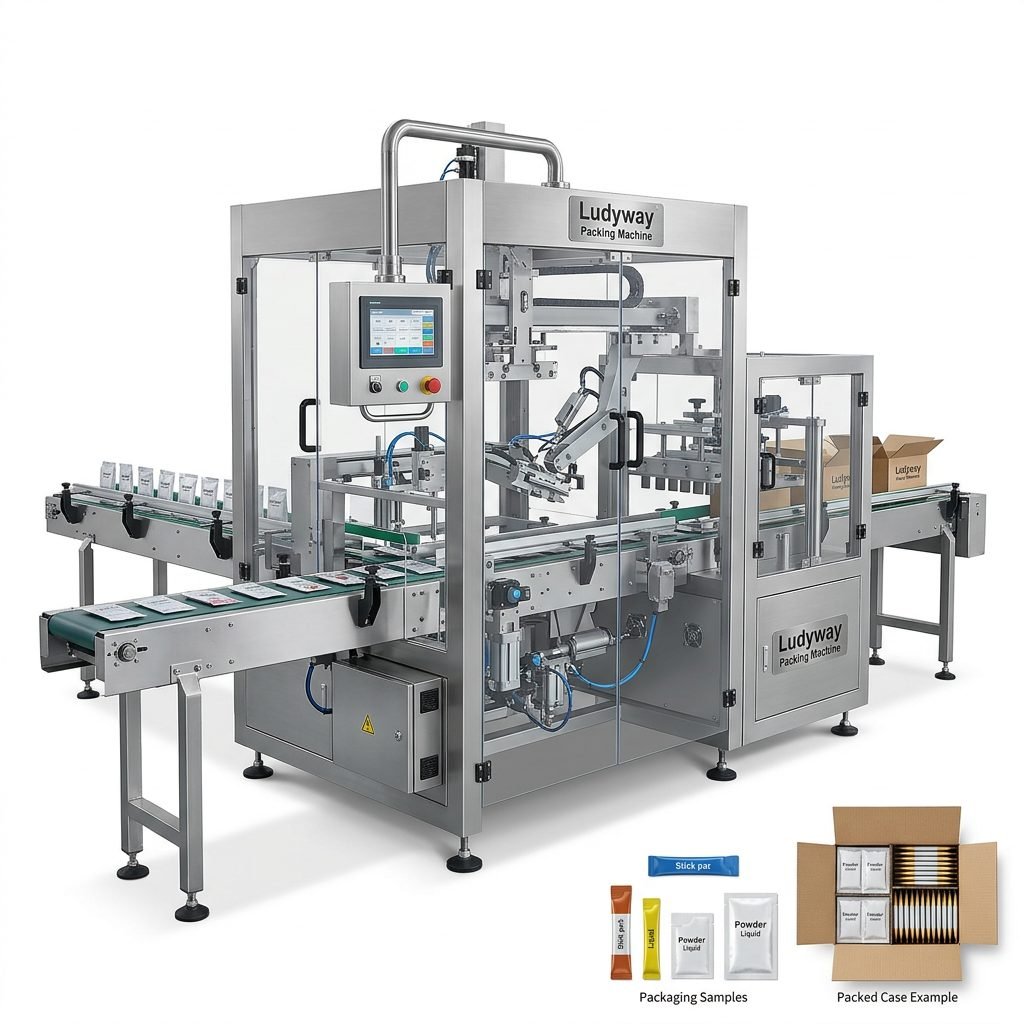
Consider how a new tape packing machine will integrate with your upstream and downstream equipment. Key integration points include:
- Infeed conveyor compatibility – Ensure conveyor heights and speeds match your existing line
- Upstream equipment synchronization – Case erectors, filling stations, and labeling systems should operate at compatible speeds
- Downstream handling – Palletizing systems, stretch wrappers, and warehouse conveyors need to handle sealed case output efficiently
- Control system integration – PLC compatibility and communication protocols should align with your factory’s automation infrastructure
- Data collection capabilities – Modern machines with Industry 4.0 features can provide valuable production metrics and predictive maintenance alerts
For more detailed guidance on packaging line integration and machinery standards, the PMMI packaging industry resources portal offers extensive technical documentation and best practice recommendations.
Making the Final Decision
After evaluating all the factors discussed in this guide, create a weighted decision matrix that ranks your priorities. Key criteria typically include throughput requirements, budget constraints, box size flexibility, and supplier reliability. Request demonstrations or reference visits when possible, and don’t hesitate to ask manufacturers detailed questions about their equipment’s performance in applications similar to yours. The right tape packing machine investment will deliver consistent sealing quality, reduced operating costs, and reliable performance for years to come.
For manufacturers evaluating comprehensive packaging solutions, reviewing resources from organizations like the Flexible Packaging Association’s industry data hub and the European Commission’s packaging waste regulations can provide additional context for making sustainable and compliant equipment investments.