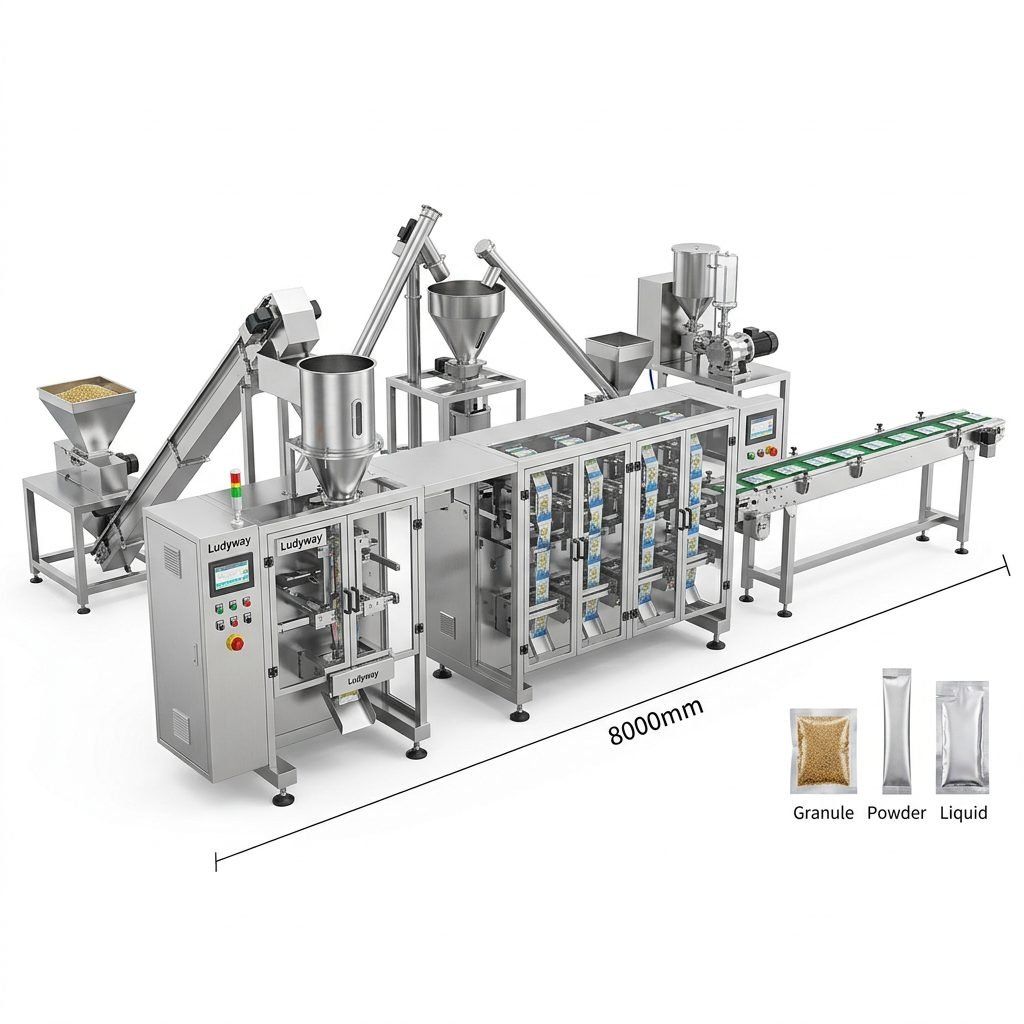
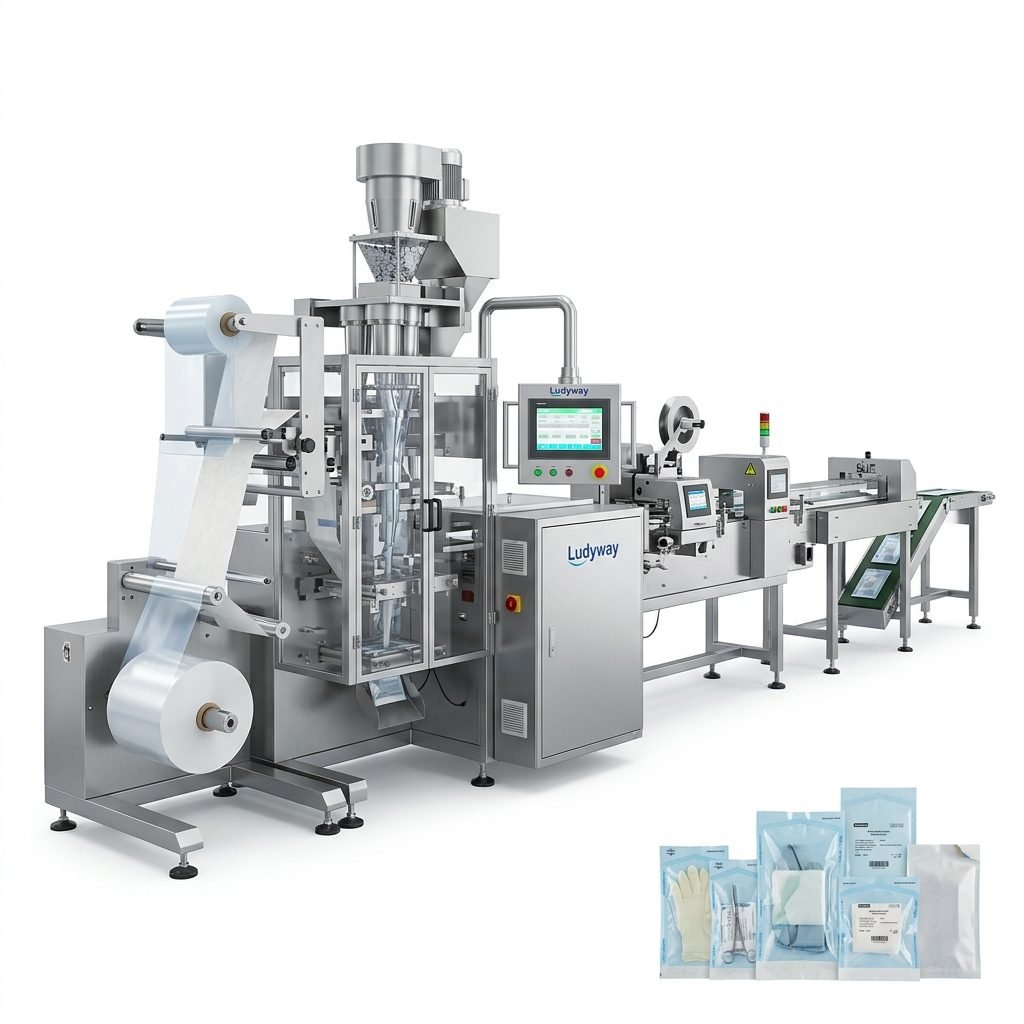
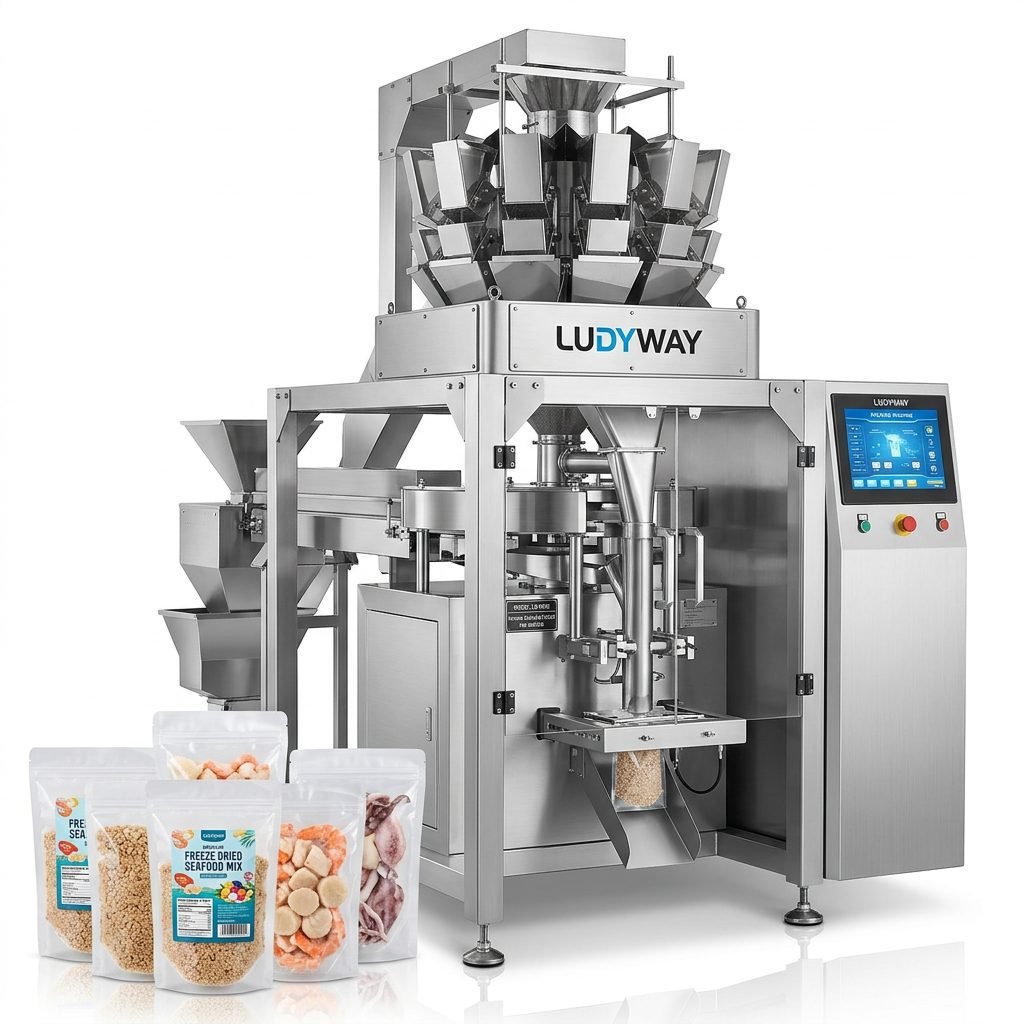
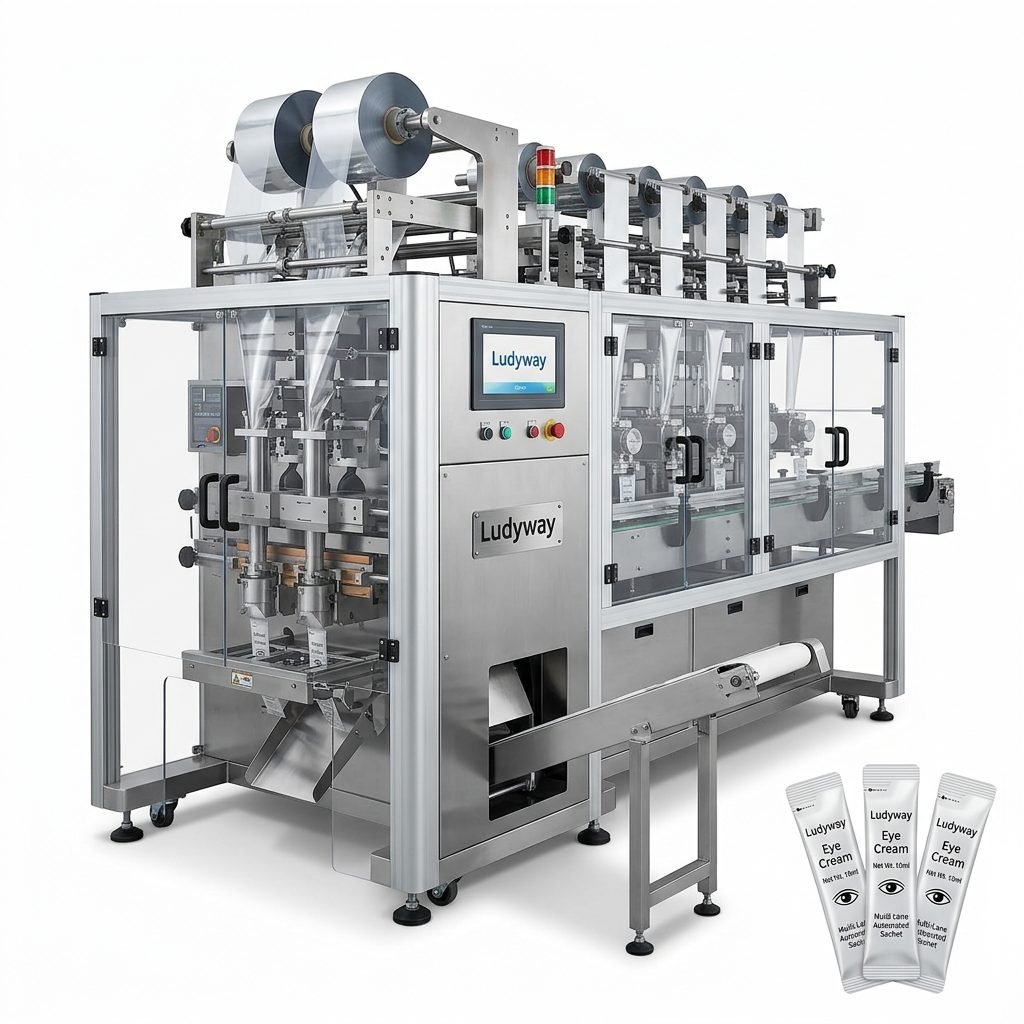
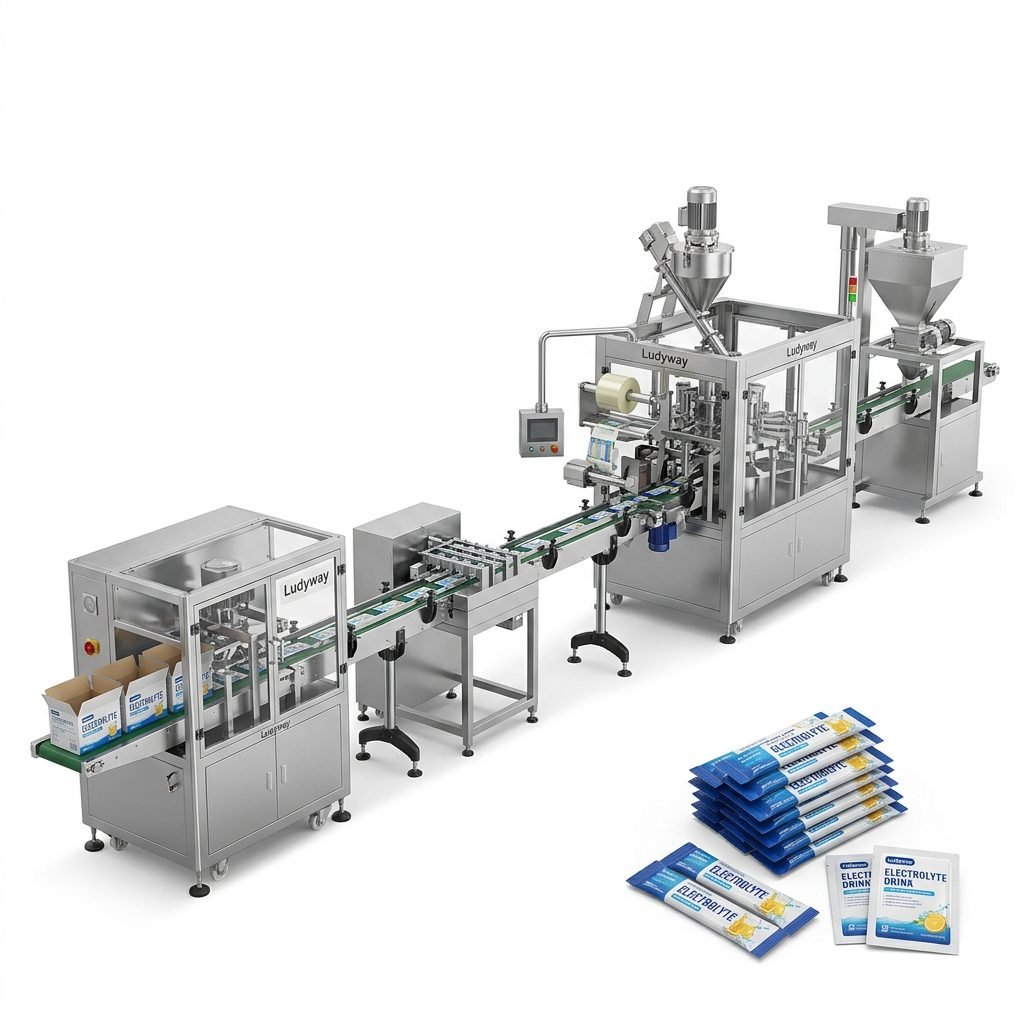
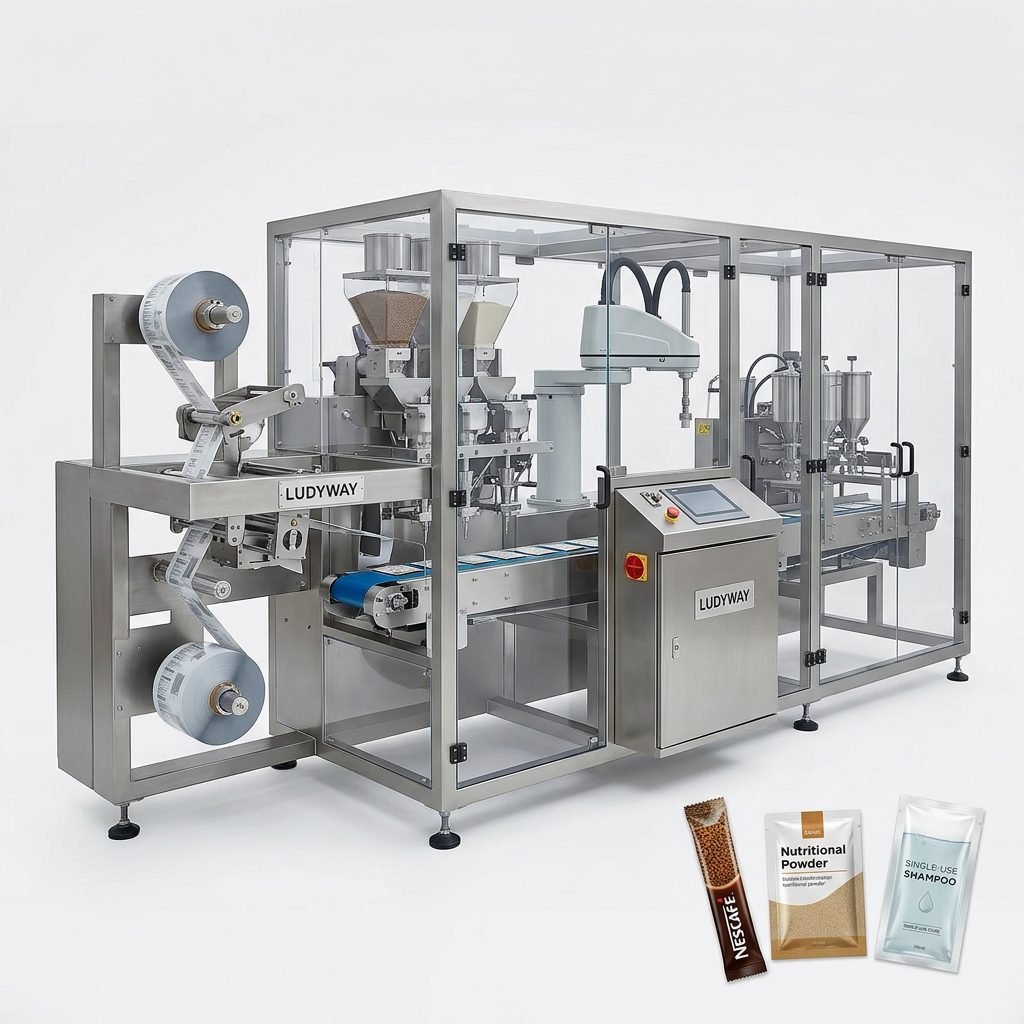
Selecting the right packaging machine for the Jordanian market requires a deep understanding of local industry dynamics, consumer preferences, and regulatory standards. Whether you are packaging granules, powders, liquids, or pouches, your equipment must deliver reliability, efficiency, and compliance. This guide walks you through the key factors to consider, ensuring your investment aligns perfectly with production goals and market demands.

Understanding the Jordanian Packaging Landscape
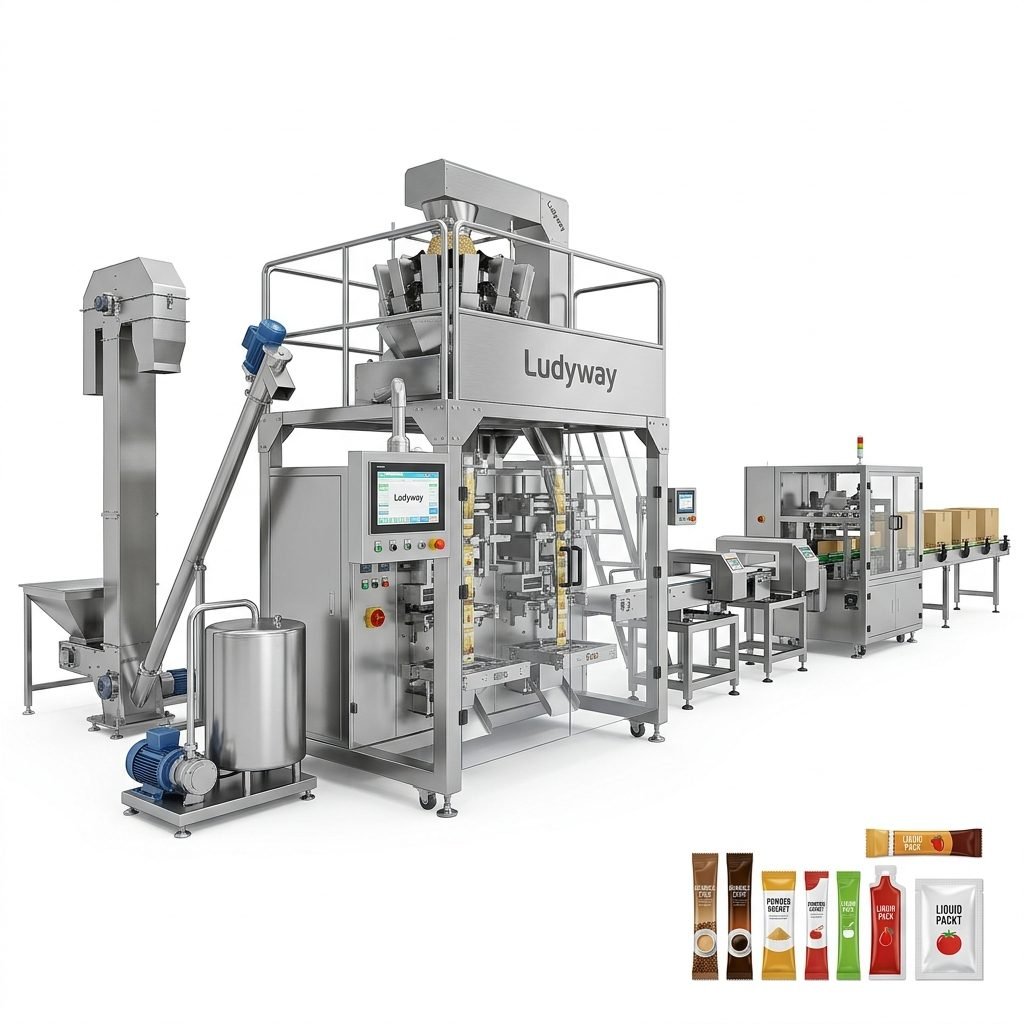
The Jordanian market is a strategic hub for food, pharmaceutical, and chemical industries in the Middle East. Local manufacturers often seek high-speed, multi-lane packaging solutions to cater to both domestic consumption and export to neighboring countries. The demand for flexible packaging, particularly stick packs and sachets, has surged due to the growing preference for single-serve and portion-controlled products.
Key sectors driving packaging machinery demand in Jordan include:
- Food and Beverage: Instant coffee, milk powder, spices, dried fruits, and seasonings.
- Pharmaceuticals: Oral rehydration salts, medical powders, and supplement sachets.
- Personal Care & Cosmetics: Shampoo sachets, facial cleansers, and lotion samples.
- Chemical & Cleaning: Detergent powders, liquid cleaners, and industrial additives.
To compete effectively, your packaging machinery must offer versatility in handling diverse product types and packaging formats.

Key Factor 1: Packaging Format and Product Compatibility
Your choice of machine hinges on the specific packaging format required. Common formats in Jordan include:
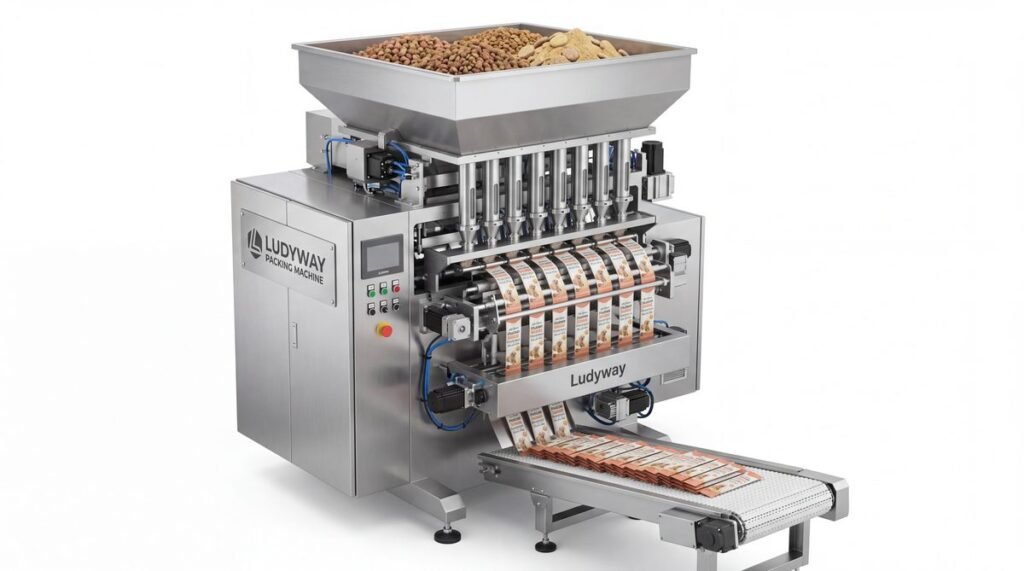
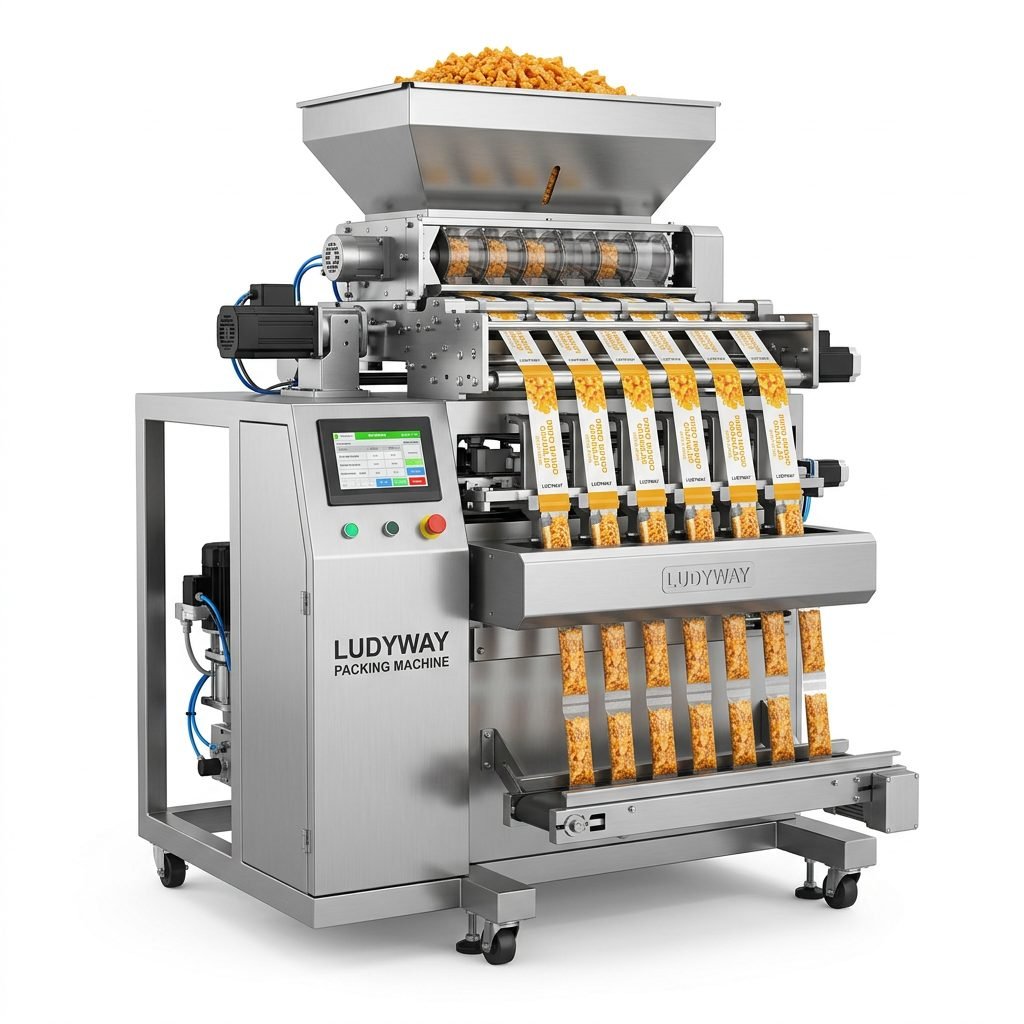
- Stick Packs: Popular for instant coffee, sugar, and energy powders.
- Three-Side-Seal or Four-Side-Seal Sachets: Used widely for pharmaceuticals, ketchup, and cosmetic samples.
- Premade Pouch Filling and Sealing: Ideal for larger quantities of dry fruits, nuts, or frozen foods.
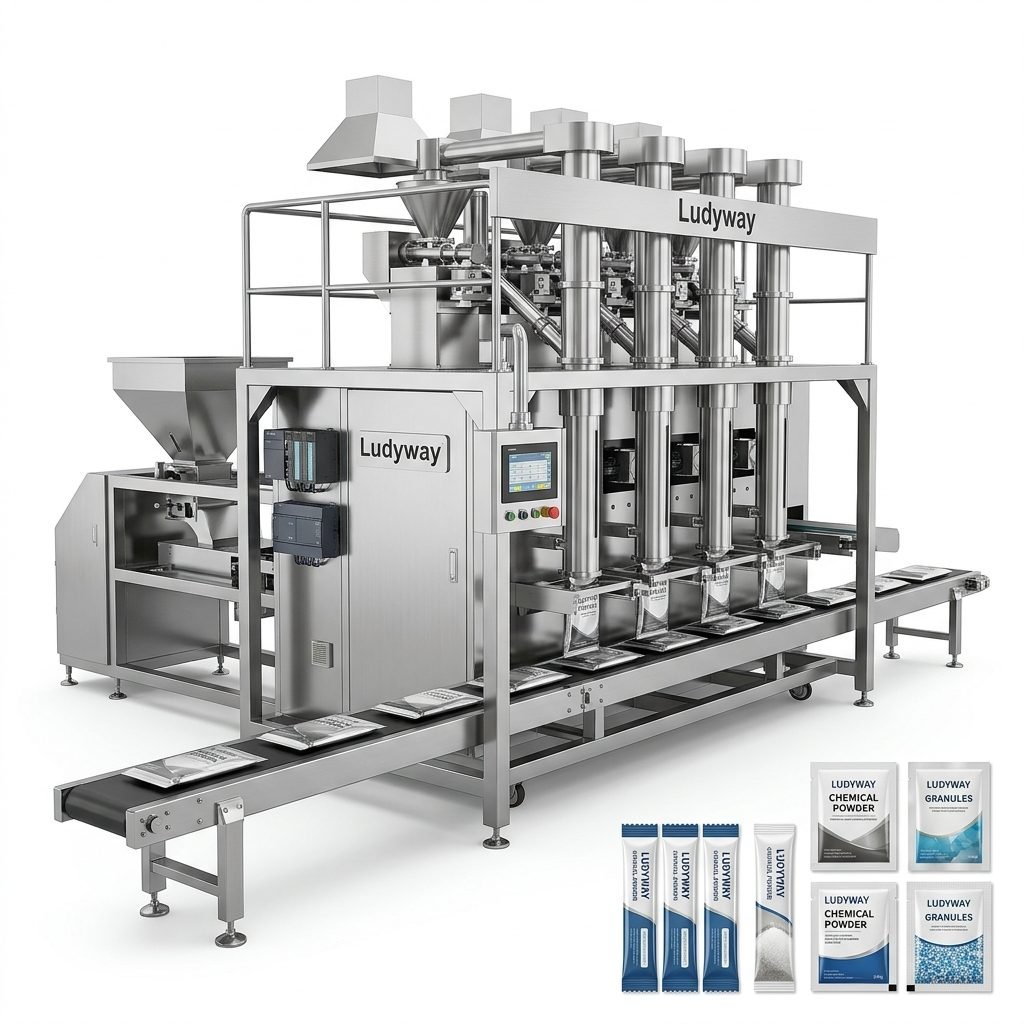
- Multi-Lane Packaging: Essential for high-volume production with efficiency gains of up to 300% compared to single-lane machines.
Ensure the machine you select can precisely handle your product’s physical characteristics—whether free-flowing granules like sugar, sticky powders like prebiotic blends, or volatile liquids like essential oils.
Key Factor 2: Material Handling and Film Compatibility
Packaging material costs directly impact your bottom line. The Jordanian market utilizes a range of flexible films, including:
- Laminated structures (PET/AL/PE): Excellent barrier properties for moisture-sensitive products.
- BOPP/CPP composites: Common for dry food granules and powders.
- Paper/PE and aluminum foil laminates: Preferred for pharmaceutical oral rehydration salts and medical powders.
Your machine should feature advanced tension control systems and precise sealing temperature regulation to prevent film waste and ensure hermetic seals, which are critical for maintaining product freshness in Jordan’s warm climate.
Key Factor 3: Speed, Automation, and Integration
For businesses targeting growth in Jordan’s competitive landscape, machine speed and automation are non-negotiable. When evaluating speed, consider:
- Output per lane: Multi-lane machines from 4 to 12 lanes can achieve 400-1200 packs per minute.
- Servo-driven systems: Provide superior accuracy in film feeding, filling, and sealing compared to pneumatic counterparts.
- Integration capabilities: Machines should seamlessly connect with upstream equipment (Z-type bucket elevators, auger fillers, multi-head weighers) and downstream systems (cartoners, case packers, palletizers).
Automation features like automatic film splicing, CIP (Clean-in-Place) systems, and IoT-based remote diagnostics significantly reduce downtime and labor costs.
| Machine Type | Typical Speed (Packs/Min) | Ideal Applications |
|---|---|---|
| Single-Lane Stick Pack | 40-80 | Startups, small batches |
| 4-Lane Sachet Machine | 160-320 | Medium-scale food/pharma |
| 8-Lane Stick Pack Line | 400-800 | High-volume coffee, sugar |
| 12-Lane Sachet System | 600-1200 | Pharmaceutical powders, supplements |
Key Factor 4: Compliance with Jordanian and International Standards
Compliance is a critical gatekeeper for market entry in Jordan. Machines must adhere to:
- JSMO (Jordan Standards and Metrology Organization) regulations for food contact materials and safety.
- ISO 9001:2015 quality management systems for manufacturing consistency.
- CE certification for electrical safety and electromagnetic compatibility, often requested by distributors.
- FDA 21 CFR Part 11 for pharmaceutical packaging where electronic records and signatures are required.
Suppliers offering validation documentation (IQ/OQ/PQ) will smooth the procurement process for pharmaceutical and nutraceutical companies in Jordan.
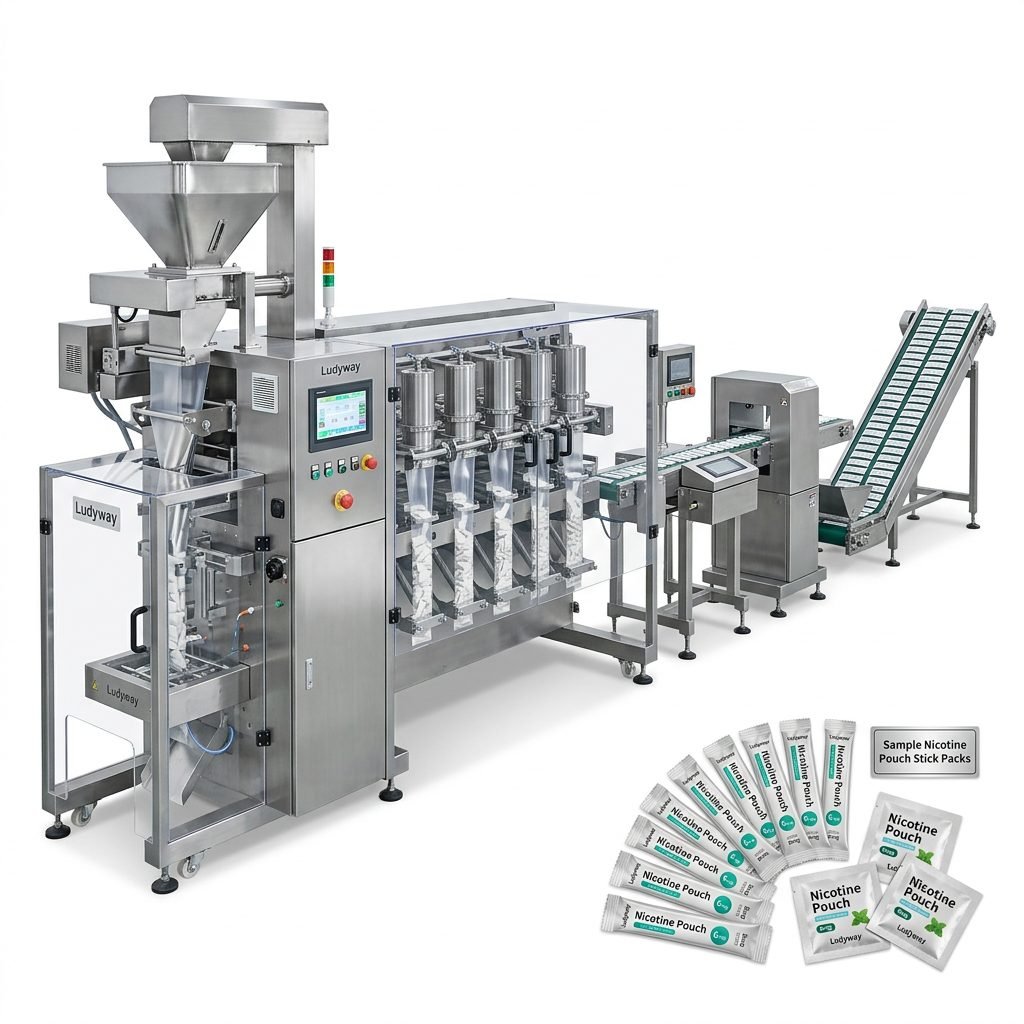
Key Factor 5: After-Sales Support and Service Infrastructure
The technical support landscape is crucial. Before committing, verify:
- Local service engineers or authorized agents are available in the Middle East region for rapid response.
- Remote troubleshooting capabilities via secure IIoT platforms to minimize travel delays.
- Spare parts availability: A well-documented spare parts list with regional warehousing cuts lead times from weeks to days.
- Operator training programs: Comprehensive training in both English and Arabic ensures your team operates machines at peak efficiency from day one.
Vendors who can demonstrate established relationships with Jordanian clients and offer 24/7 technical support provide invaluable peace of mind.
Key Factor 6: Total Cost of Ownership and ROI Considerations
While the initial purchase price is important, calculating the total cost of ownership (TCO) reveals the true investment. Analyze:
- Energy efficiency: Servo-driven machines typically consume 30-40% less electricity than pneumatic systems.
- Film waste rates: Precision controls should keep film waste under 1.5%.
- Changeover time: Modular machines with quick-change formers and no-tool adjustments reduce downtime by up to 70%.
- Maintenance intervals and spare parts pricing.
A slightly higher upfront cost often translates to dramatically lower operational costs over a 5-10 year lifecycle, which is critical for maximizing ROI in Jordan’s price-sensitive yet quality-conscious market.
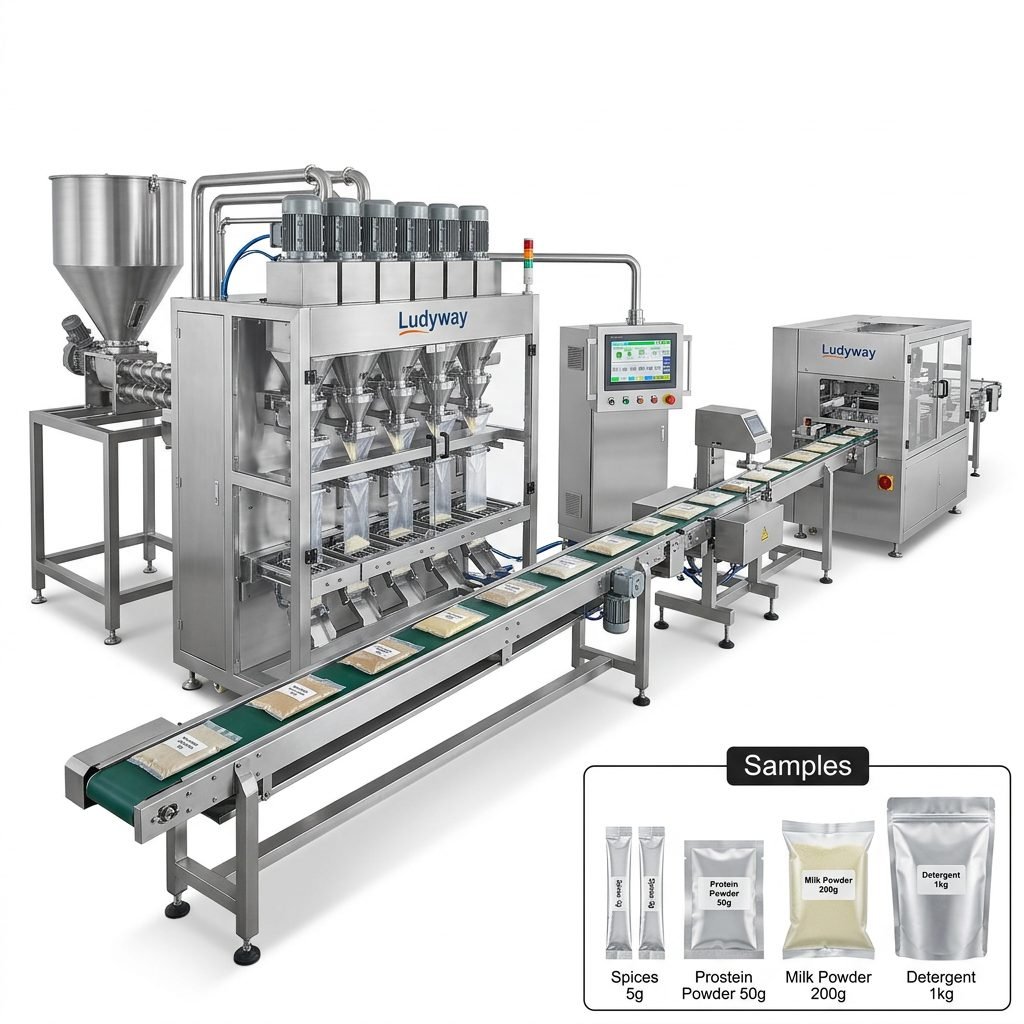
Selecting a Reliable Packaging Machine Partner
Partnering with an experienced manufacturer is a strategic decision that impacts your long-term success in Jordan. The ideal supplier should offer extensive machine portfolios—from single-lane sachet machines to fully automated multi-lane stick pack and pouch lines—tailored to granule, powder, and liquid applications. Look for companies with a proven track record in international markets, evidenced by installations in over 100 countries and robust manufacturing capabilities. A modern production facility exceeding 20,000㎡ and a team of dedicated engineering experts ensures that machines are built to rigorous standards. For businesses requiring turnkey solutions, suppliers like Ludyway provide everything from upstream feeding systems to secondary cartoning and palletizing, streamlining the entire packaging process. To discuss your specific Jordan market requirements, you can reach out via email at info@ludyway.com or connect on WhatsApp at +8613129592456. Their team provides customized guidance for selecting the optimal machine configuration for your production needs.
Navigating the Jordanian Import Process for Packaging Equipment
Understanding import procedures in Jordan helps avoid costly delays. Key steps include obtaining necessary documentation such as certificate of origin, commercial invoice, and packing list, compliance with JSMO inspection requirements, and coordination with a licensed customs broker in Aqaba or Amman. Working with a supplier experienced in Middle Eastern logistics ensures that packaging machinery arrives on time and within budget.