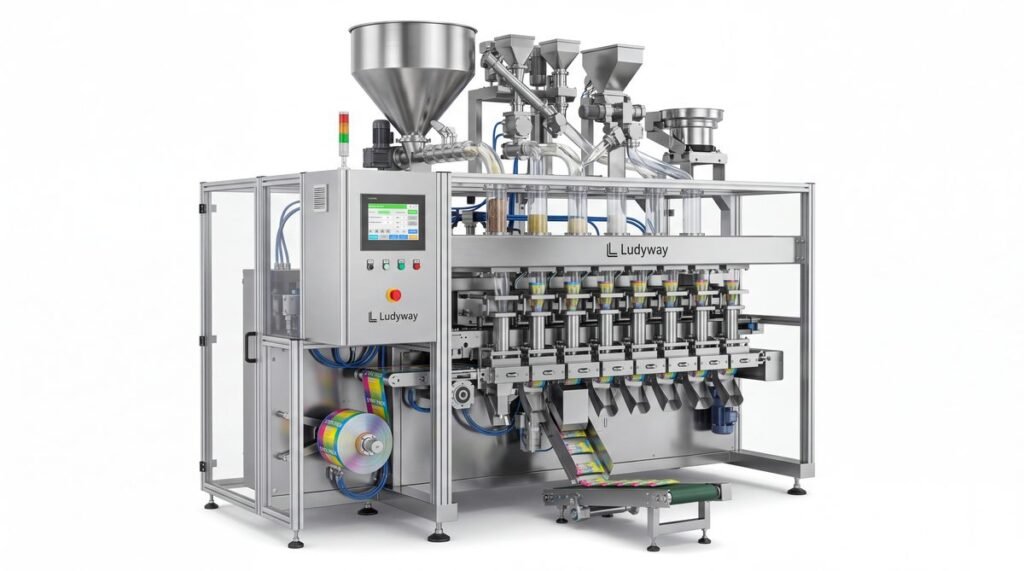
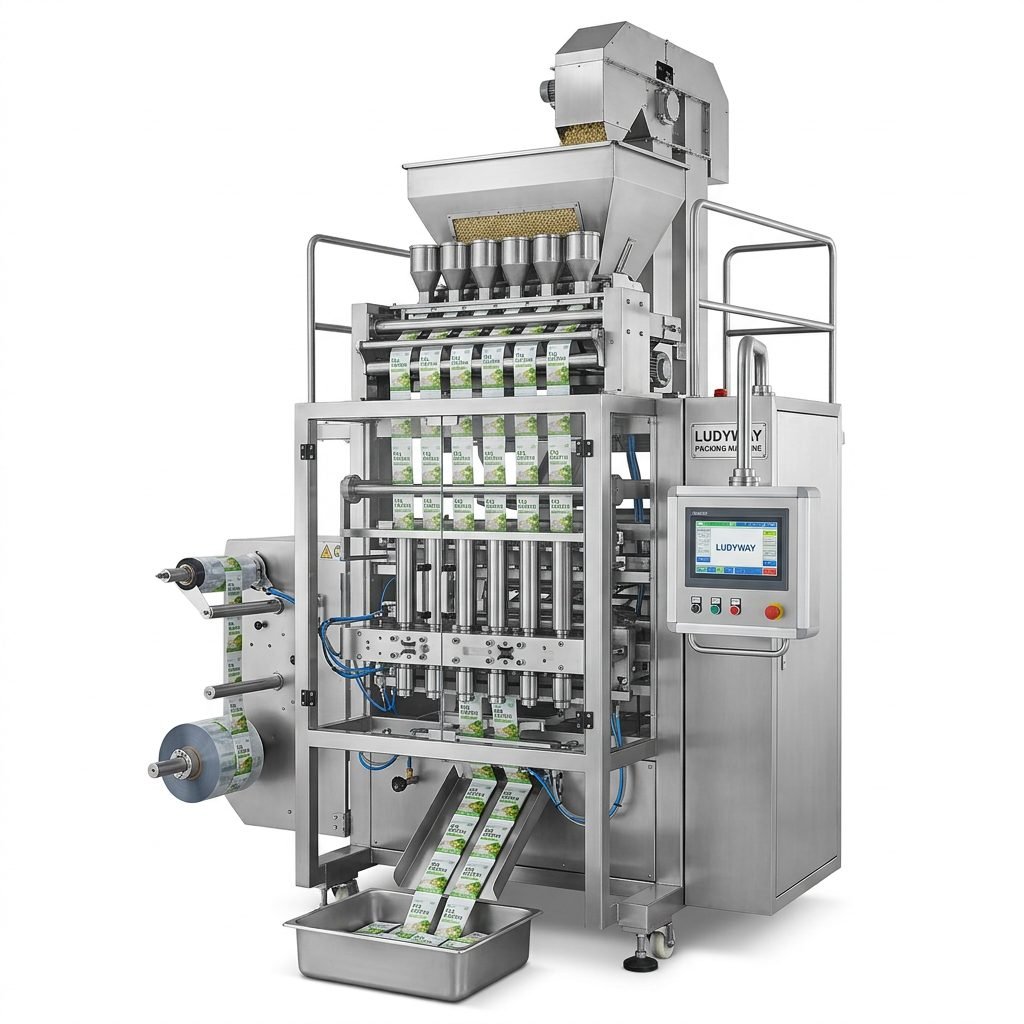
Investing in a cereal packaging machine is a critical decision that impacts production efficiency, product shelf life, and overall profitability. Whether you are packing breakfast cereals, granola, muesli, or oat flakes, the right equipment ensures precise filling, minimal waste, and consistent seal integrity. This guide walks you through the essential factors to evaluate before making a purchase.
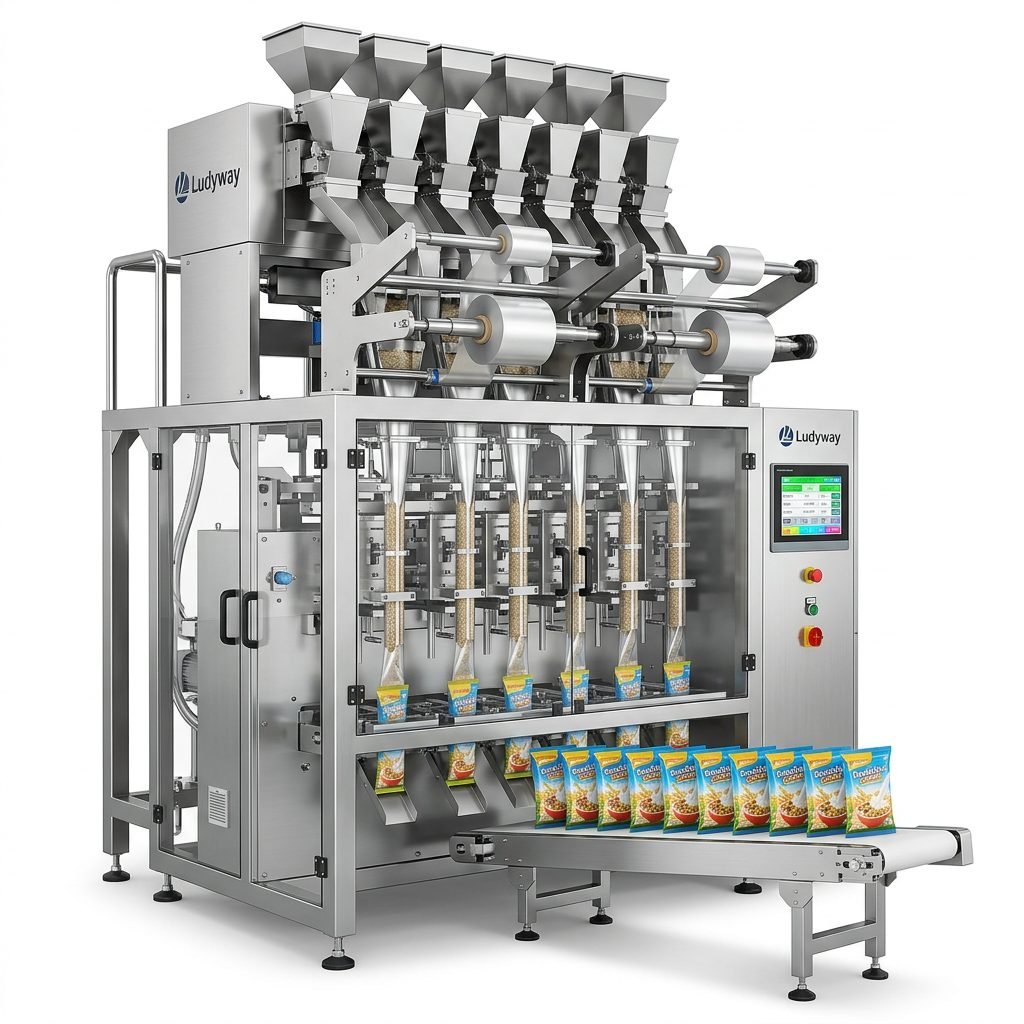
1. Understanding Your Cereal Product Characteristics
Not all cereals behave the same way on a packaging line. The physical properties of your product directly determine the type of dosing and filling system required. Key factors include:
- Bulk density and flowability: Light, airy cereals like puffed rice require different handling than dense granola clusters.
- Particle size and fragility: Delicate flakes and clusters are prone to breakage. Volumetric cup fillers with gentle handling mechanisms or multi-head weighers with reduced drop heights are often preferred.
- Dust and fines content: Excess dust from broken cereal pieces can cause seal contamination. Machines with integrated dust extraction systems help maintain seal integrity.
For manufacturers handling multiple cereal varieties, flexibility in changeover between products becomes a significant operational advantage. According to PMMI packaging industry intelligence, product variability remains one of the top challenges in dry food packaging automation.
2. Choosing the Right Packaging Format and Bag Style
Modern cereal packaging lines support a wide range of formats. Your choice influences both consumer appeal and machinery configuration.
| Packaging Format | Best Suited For | Machine Type |
|---|---|---|
| Pillow Bags | Standard breakfast cereals, economy packs | Vertical Form Fill Seal (VFFS) |
| Gusseted Bags | Family-size packs, bulk cereals | VFFS with gusseting attachment |
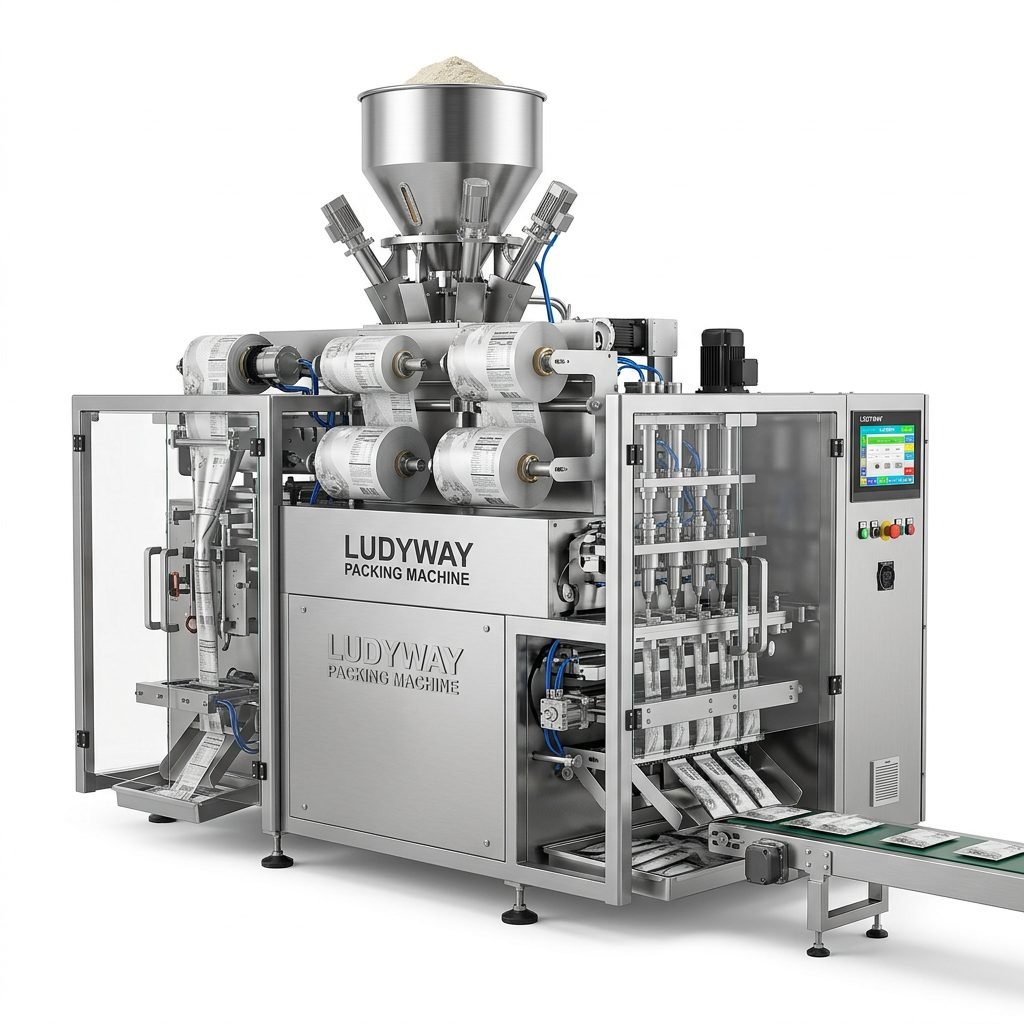
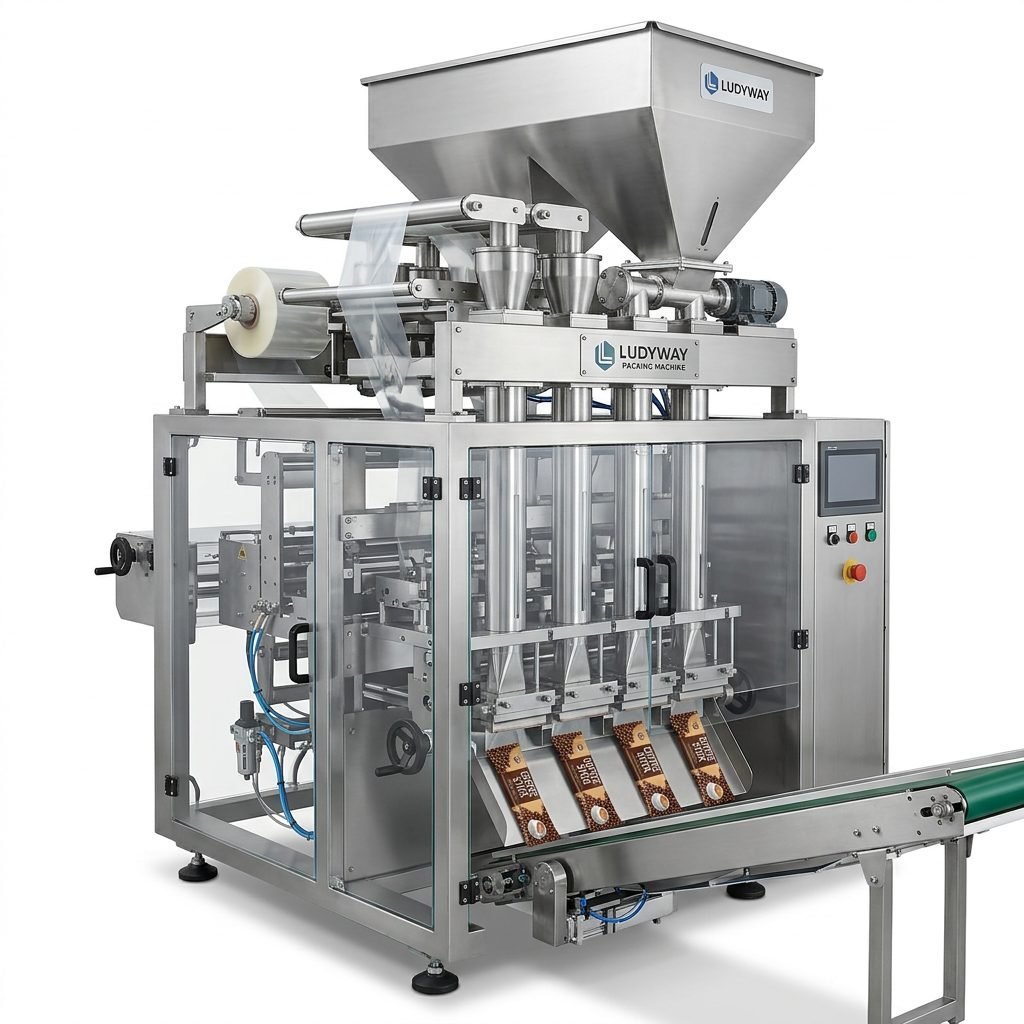
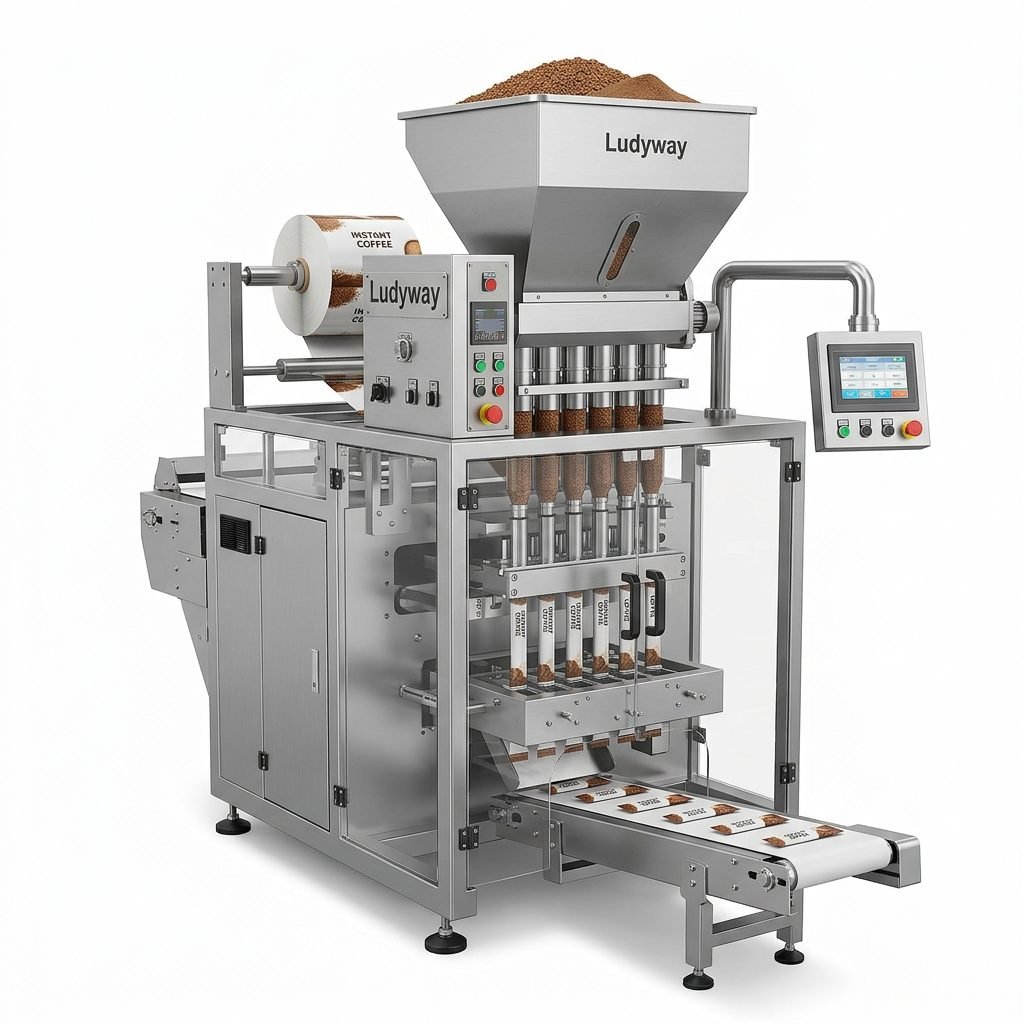
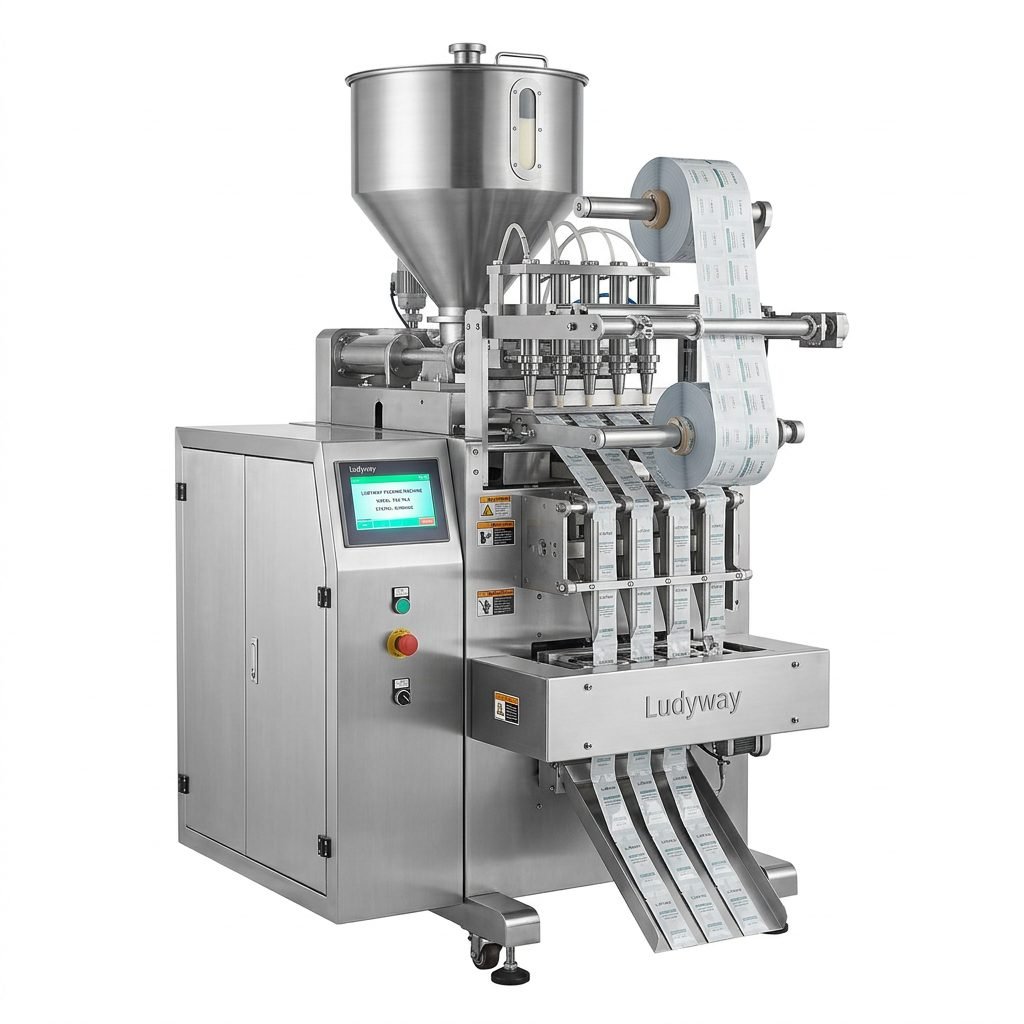
| Stick Packs & Sachets | Single-serve portions, on-the-go packs | Multi-lane stick pack machines |
| Quad Seal Bags | Premium cereals, organic products | VFFS with four-corner sealing |
| Doypack / Stand-up Pouches | Resealable packaging, high-end brands | Rotary pre-made pouch machines |
Bag size flexibility is another consideration. Many packaging machinery manufacturers offer adjustable forming tubes and sealing jaws to accommodate different bag widths and lengths on a single system. The Flexible Packaging Association provides further insights into material and format trends influencing equipment design.
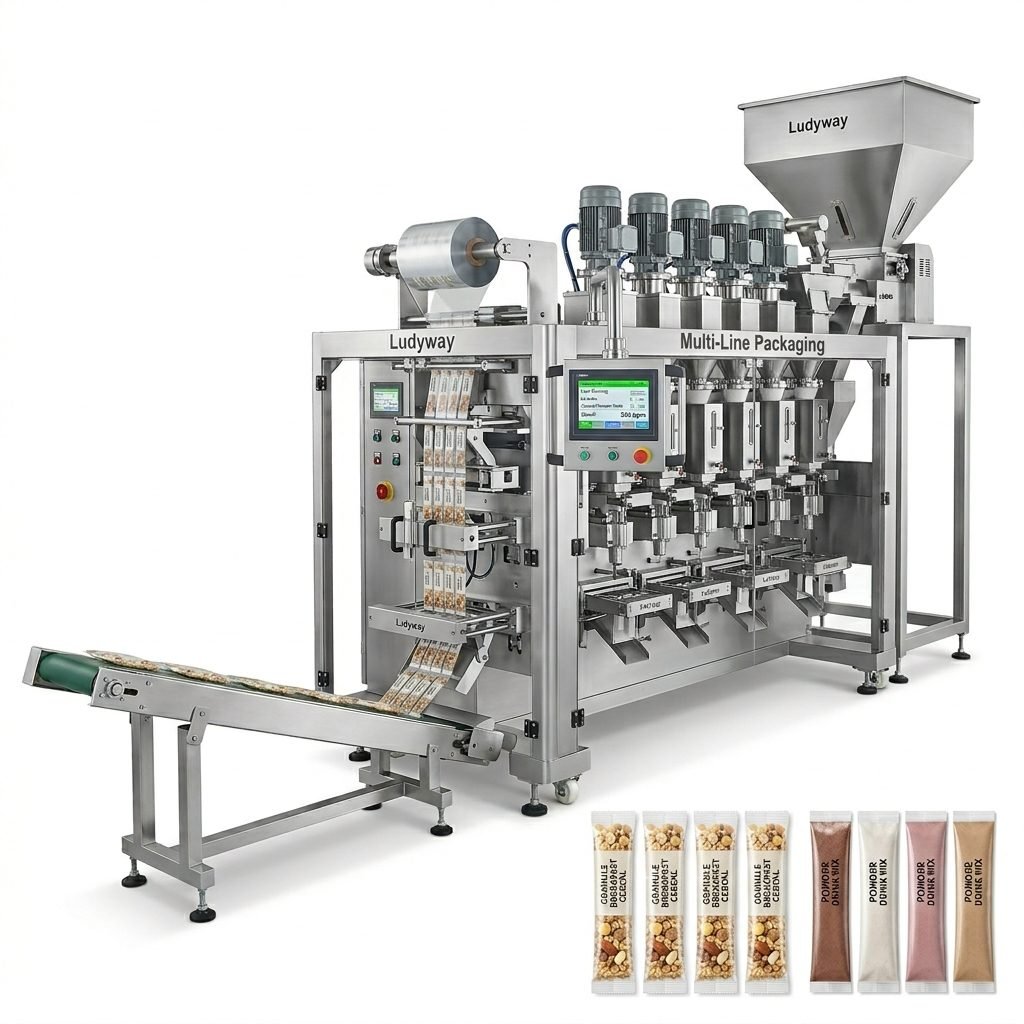
3. Production Speed and Automation Level
Output requirements vary dramatically between a small-scale granola startup and a large cereal manufacturer. Selecting a machine matched to your current and projected capacity prevents costly bottlenecks.
3.1 Defining Your Speed Requirements
Cereal packaging speeds are typically measured in bags per minute (BPM). Consider these general benchmarks:
- Low to medium speed: 30–60 BPM — suitable for small to mid-sized operations, artisanal brands, and contract packers.
- High speed: 60–120+ BPM — designed for large-scale production with continuous operation demands.
- Multi-lane systems: Can achieve 400+ packs per minute by running multiple lanes simultaneously, ideal for single-serve stick packs.
3.2 Manual, Semi-Automatic, or Fully Automatic?
Automation level affects labor requirements, consistency, and overall throughput:
- Manual and semi-automatic machines require operator involvement for product feeding or bag handling. Lower initial investment but higher ongoing labor costs.
- Fully automatic packaging lines integrate product feeding, dosing, bag forming, filling, sealing, coding, and optional checkweighing or cartoning — all with minimal operator intervention.
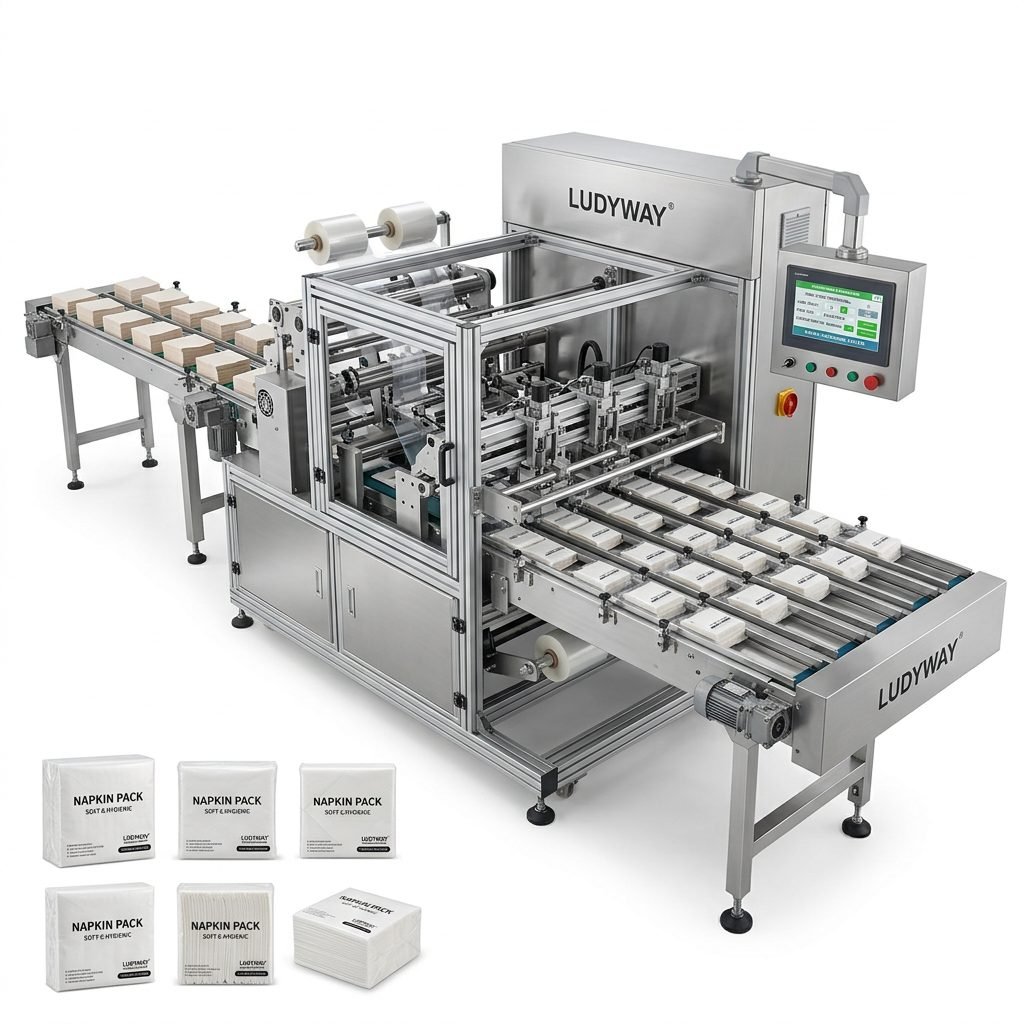
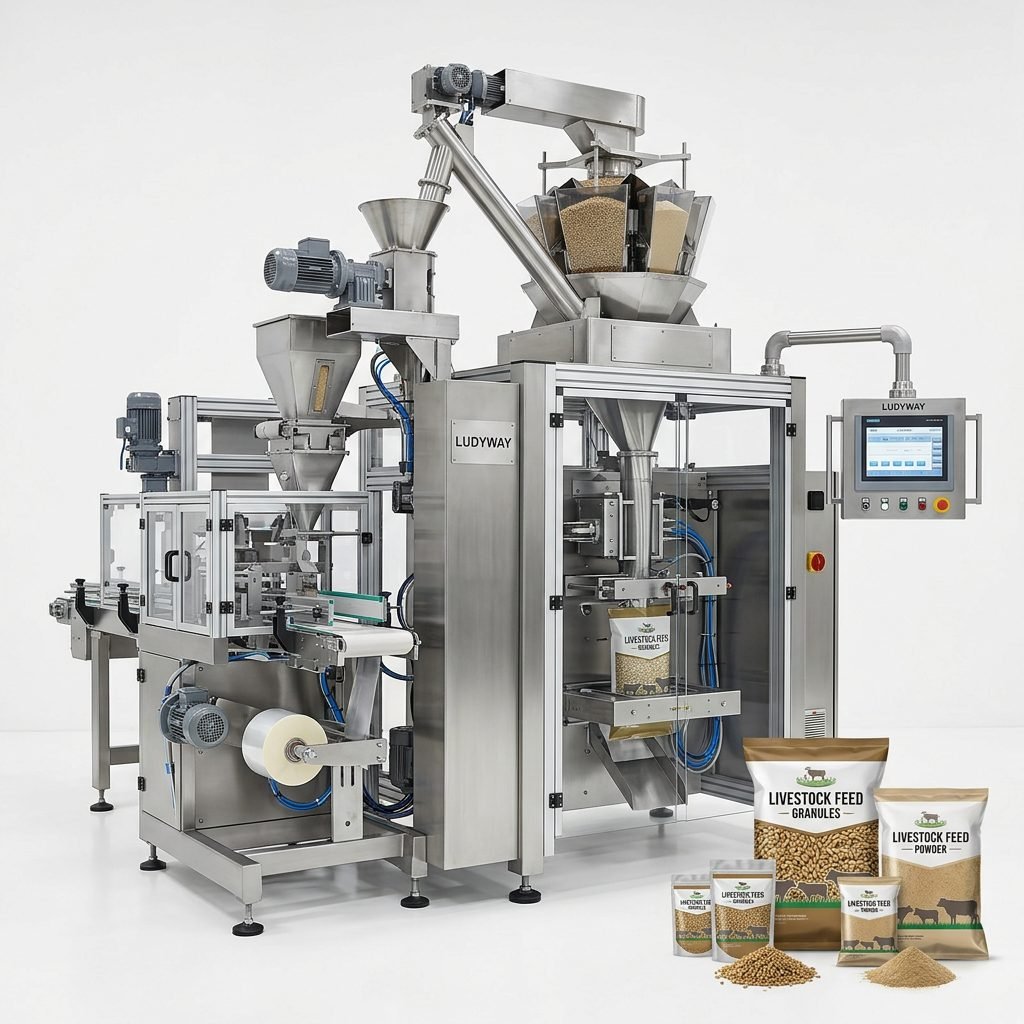
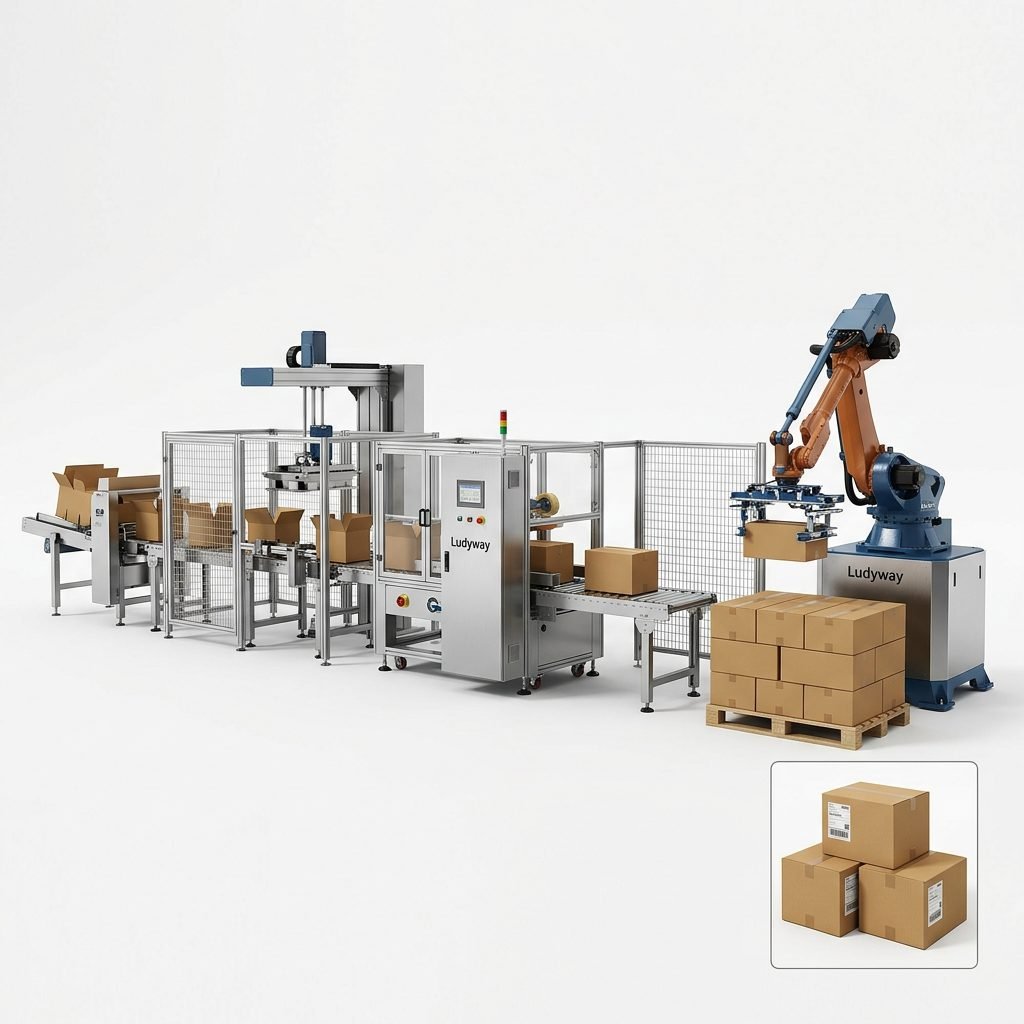
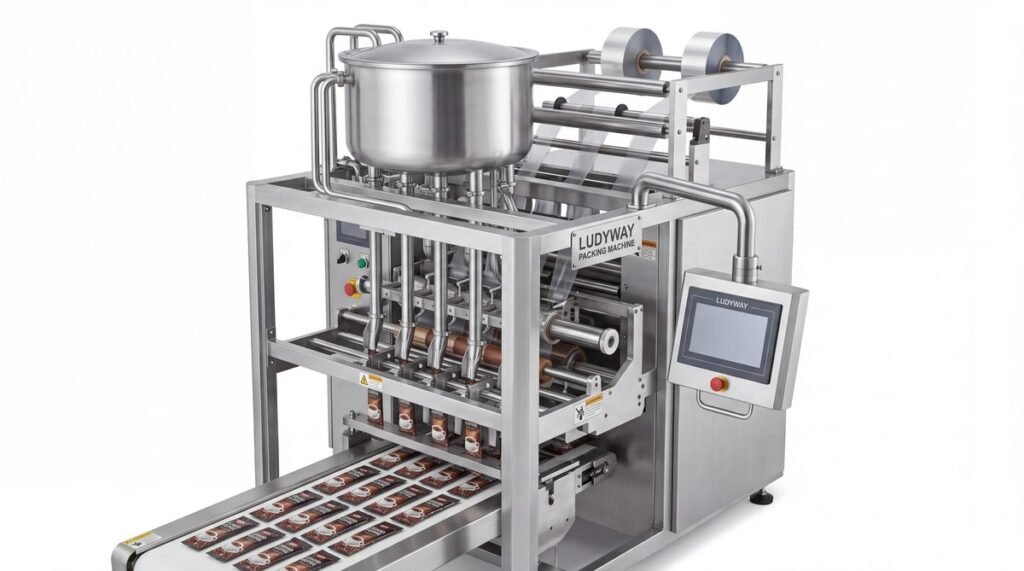
Leading packaging companies, such as Ludyway Machinery, a China-based packaging machinery manufacturer with over 30 years of experience and a 20,000-square-meter manufacturing facility, provide both standalone machines and fully integrated turnkey lines configured for specific production requirements across food, pharmaceutical, and nutraceutical sectors.
4. Weighing and Filling Accuracy
Product giveaway directly impacts your bottom line. For cereal packaging, two main filling technologies dominate:
- Volumetric cup fillers — cost-effective for consistent-density products, faster fill rates, but less accurate with density variations.
- Multi-head weighers — higher accuracy (±0.5–1g per portion), ideal for high-value cereals and mixes with variable piece weights. Higher initial cost but rapid ROI through product savings.
For operations packing mixed cereals with clusters, nuts, and dried fruit inclusions, multi-head combination weighers are usually the preferred choice due to their ability to calculate optimal weight combinations across multiple weigh hoppers. The PMMI 2025 State of the Industry report highlights precision filling as a key driver of packaging machinery upgrades across the food sector.
5. Material Compatibility and Sealing Technology
Cereal packaging demands excellent barrier properties to protect against moisture, oxygen, and physical damage. Your machine must be compatible with the film structures you intend to use.
- Film materials: Common choices include BOPP/PE laminates, PET/PE, and metallized films for extended shelf life.
- Seal type: Heat sealing is standard. Look for machines with precise temperature control and adjustable sealing pressure to prevent wrinkles and leaks.
- Gas flushing capability: For products requiring modified atmosphere packaging (MAP), nitrogen flushing systems help extend freshness and protect fragile cereal structures.
6. Machine Construction and Hygiene Standards
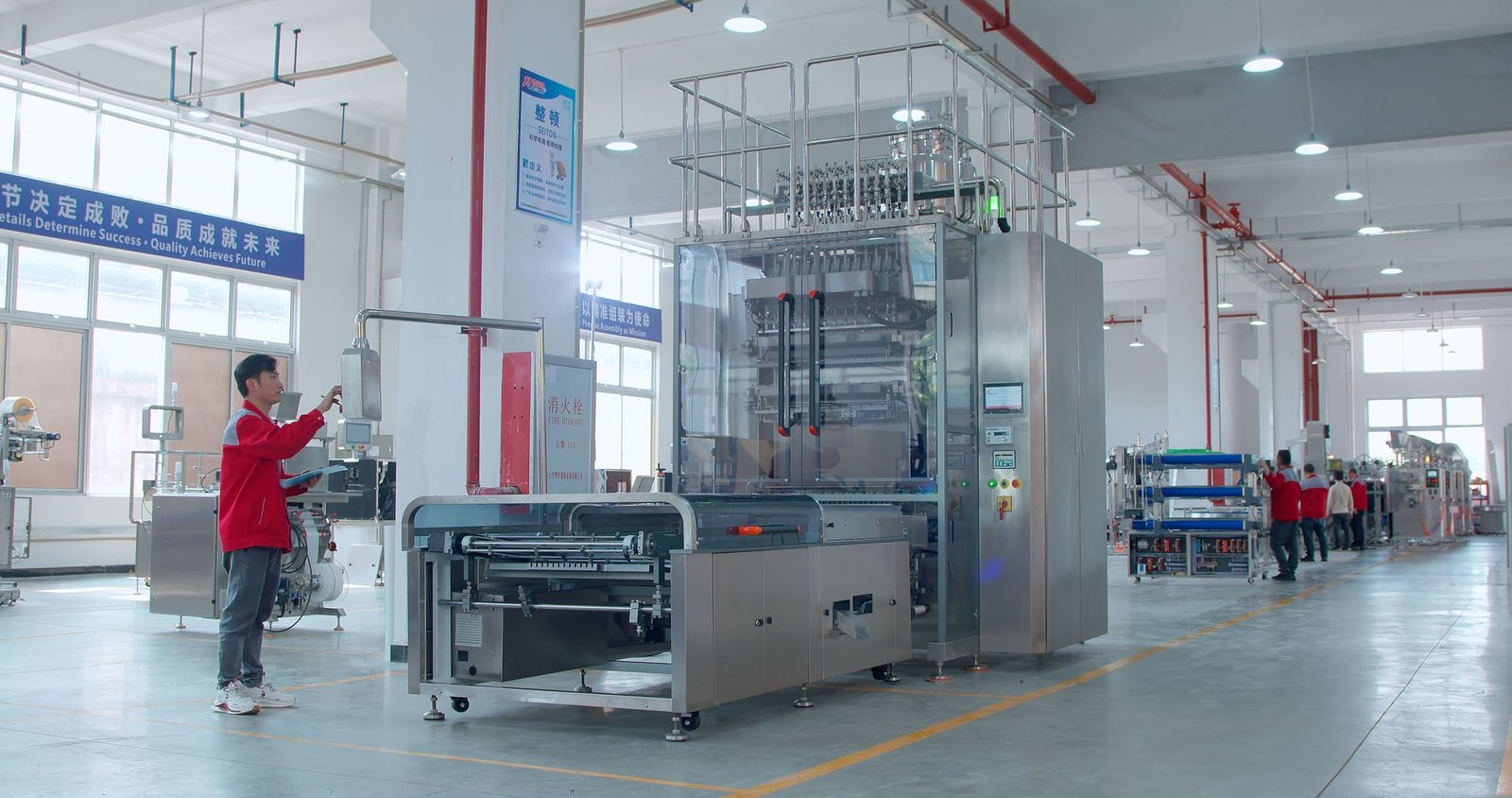
Food-grade construction is non-negotiable for cereal packaging equipment. Evaluate materials and design features that impact cleaning, maintenance, and regulatory compliance:
- Stainless steel construction (typically SS304 or SS316 for product contact parts).
- Tool-free disassembly for quick cleaning and product changeover.
- Sloped surfaces to prevent product accumulation.
- IP-rated electrical enclosures for washdown environments.
Equipment designed to meet FDA food contact substance regulations and relevant ISO packaging standards provides assurance of compliance for manufacturers targeting regulated markets.
7. Integration with Existing and Future Production Lines
A cereal packaging machine rarely operates in isolation. Consider how the equipment connects with upstream and downstream processes:
- Upstream: Conveying systems, bucket elevators, product hoppers, and feeding mechanisms from processing equipment.
- Downstream: Checkweighers, metal detectors, coding and marking printers, case packers, palletizers, and stretch wrappers.
Integrated lines with centralized control systems simplify operation and troubleshooting. When evaluating options, confirm that the machine architecture supports phased automation expansion without requiring a complete equipment replacement. Resources from PACK EXPO International showcase the latest trends in packaging line integration and smart factory connectivity.
8. Total Cost of Ownership (TCO)
Purchase price alone is an incomplete metric. A comprehensive evaluation of total cost of ownership includes:
| Cost Factor | Considerations |
|---|---|
| Initial investment | Machine price, freight, import duties, installation |
| Consumables and spare parts | Sealing jaws, belts, filters, lubricants — availability and cost |
| Energy consumption | Compressed air usage, electrical draw, heating element efficiency |
| Labor requirements | Operators needed per shift, skill level required |
| Maintenance and downtime | Scheduled service intervals, mean time between failures (MTBF), response time for technical support |
| Film waste | Machines with precision film tracking and registration control reduce waste significantly |
9. Supplier Evaluation and After-Sales Support
A packaging machine represents a long-term investment. The manufacturer’s support infrastructure is as important as the equipment itself. Key evaluation criteria include:
- Installation and commissioning: On-site support versus remote guidance.
- Operator training: Comprehensive training programs reduce the learning curve and prevent operational errors.
- Spare parts availability: Regional parts inventory and shipping timeframes.
- Technical support: 24/7 availability, remote diagnostics capability, language support.
- Warranty terms: Coverage period, inclusions, and exclusions.
Check whether the supplier has experience serving manufacturers in your region with similar products and production scales. The global growth of packaging machinery exports indicates increasing cross-border supply capabilities and international service networks that benefit buyers worldwide.
10. Compliance and Certifications
Depending on your target markets, your packaging machinery may need to conform to specific regulatory frameworks. Verify that the equipment can be configured to meet applicable requirements:
- CE marking for European markets
- FDA compliance for U.S. food contact applications
- ISO 9001 quality management systems
- GFSI-recognized equipment design standards
The European Commission’s packaging and packaging waste regulations continue to evolve, and machinery that accommodates sustainable packaging materials positions manufacturers favorably for future compliance requirements.
Making the Right Decision
Selecting the right cereal packaging machine requires balancing technical specifications, budget constraints, and long-term operational goals. A systematic approach — starting with product characteristics and building through capacity, accuracy, material compatibility, and supplier capability — leads to an investment that delivers reliable performance for years to come.
Request detailed proposals from multiple suppliers, arrange for product trials on their equipment, visit reference installations where possible, and evaluate total cost of ownership rather than upfront price alone. The goal is a packaging solution that grows with your business and consistently protects your cereal product quality from production line to consumer table.