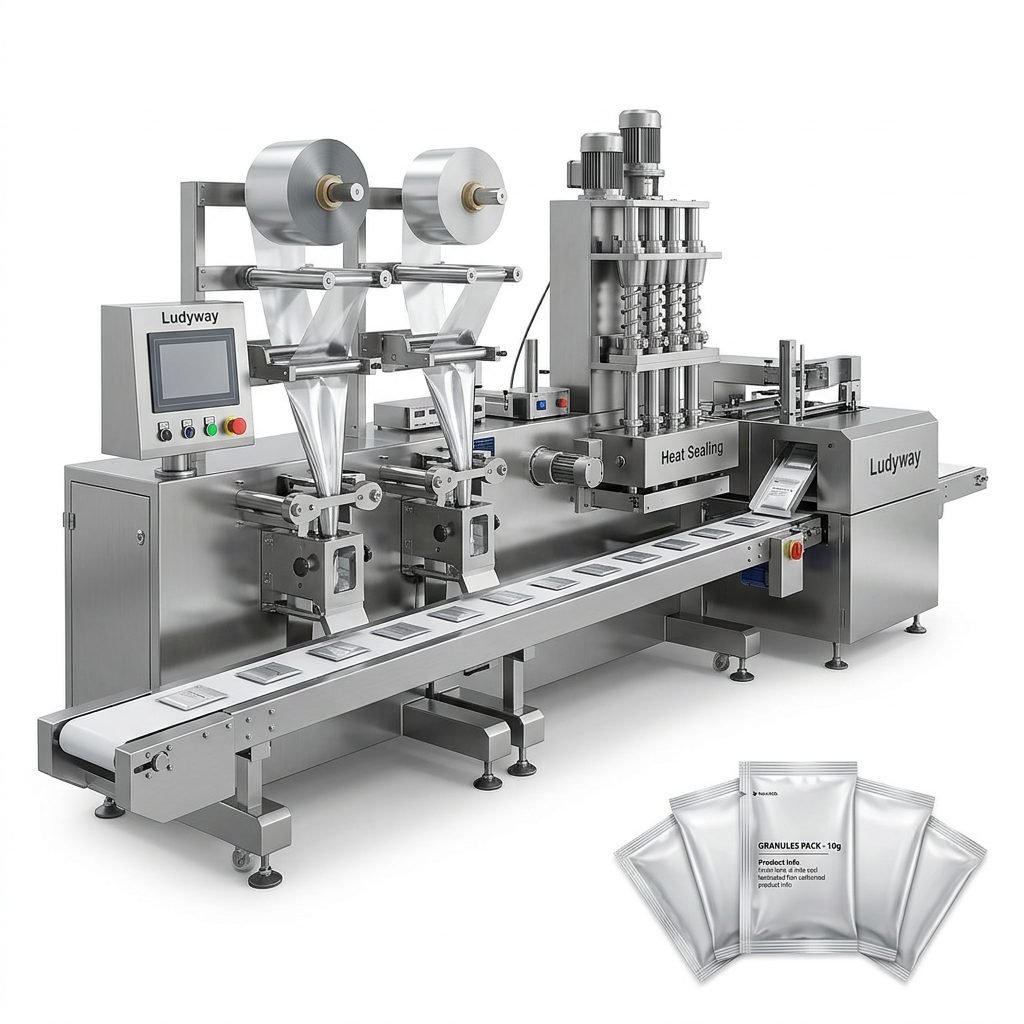
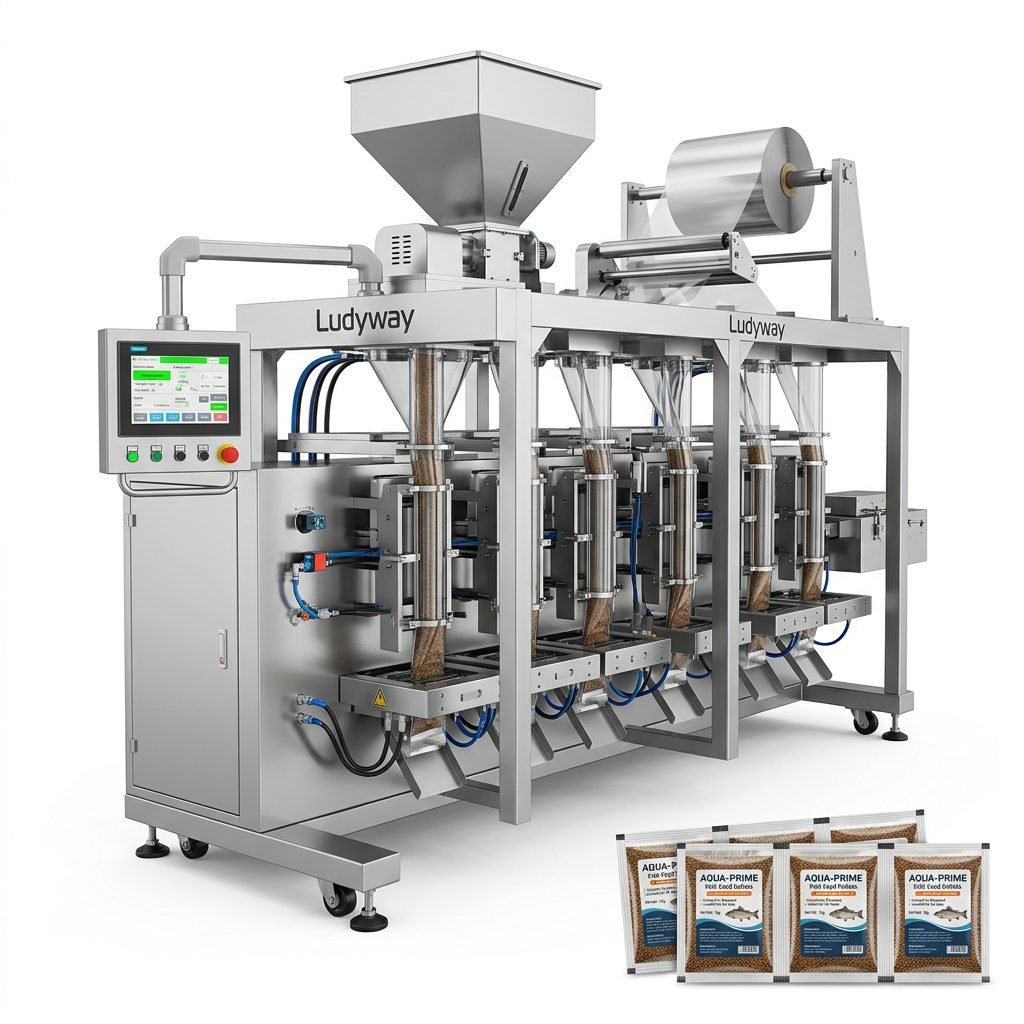
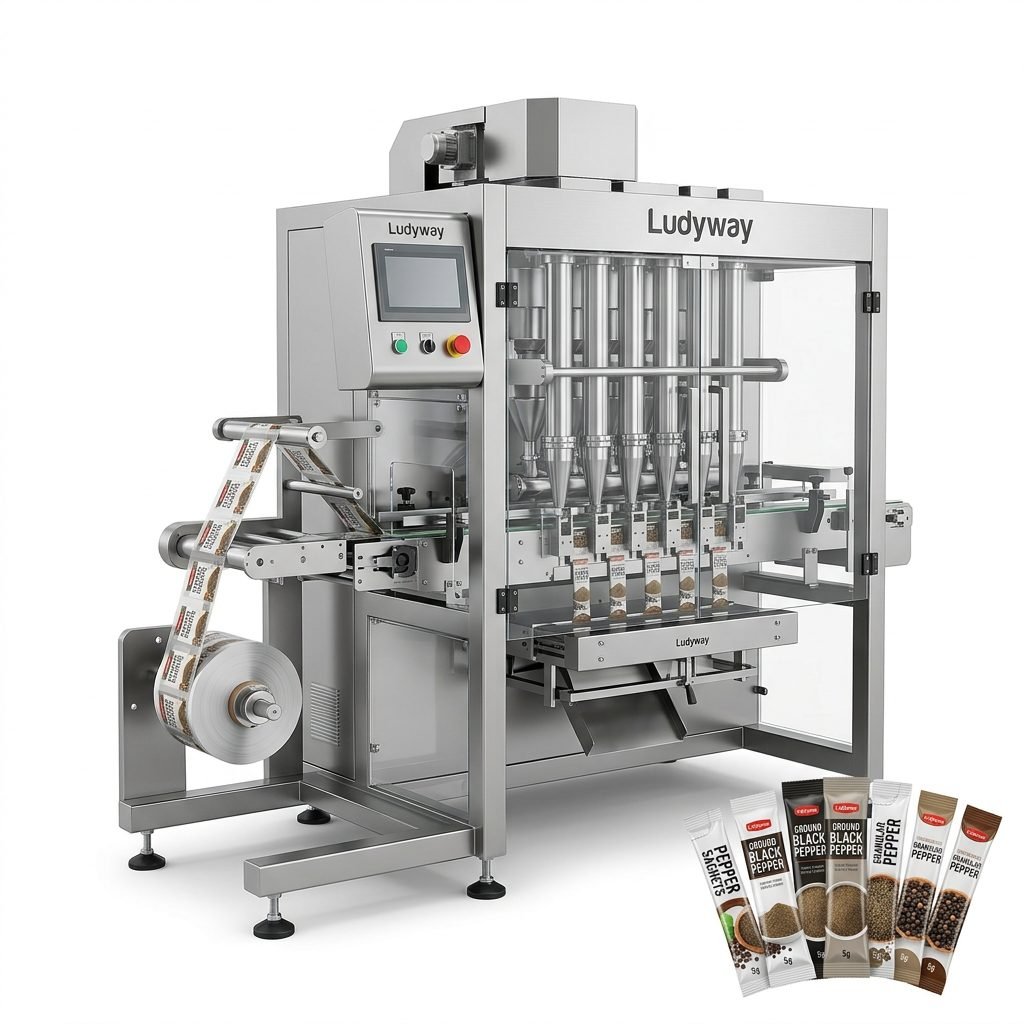
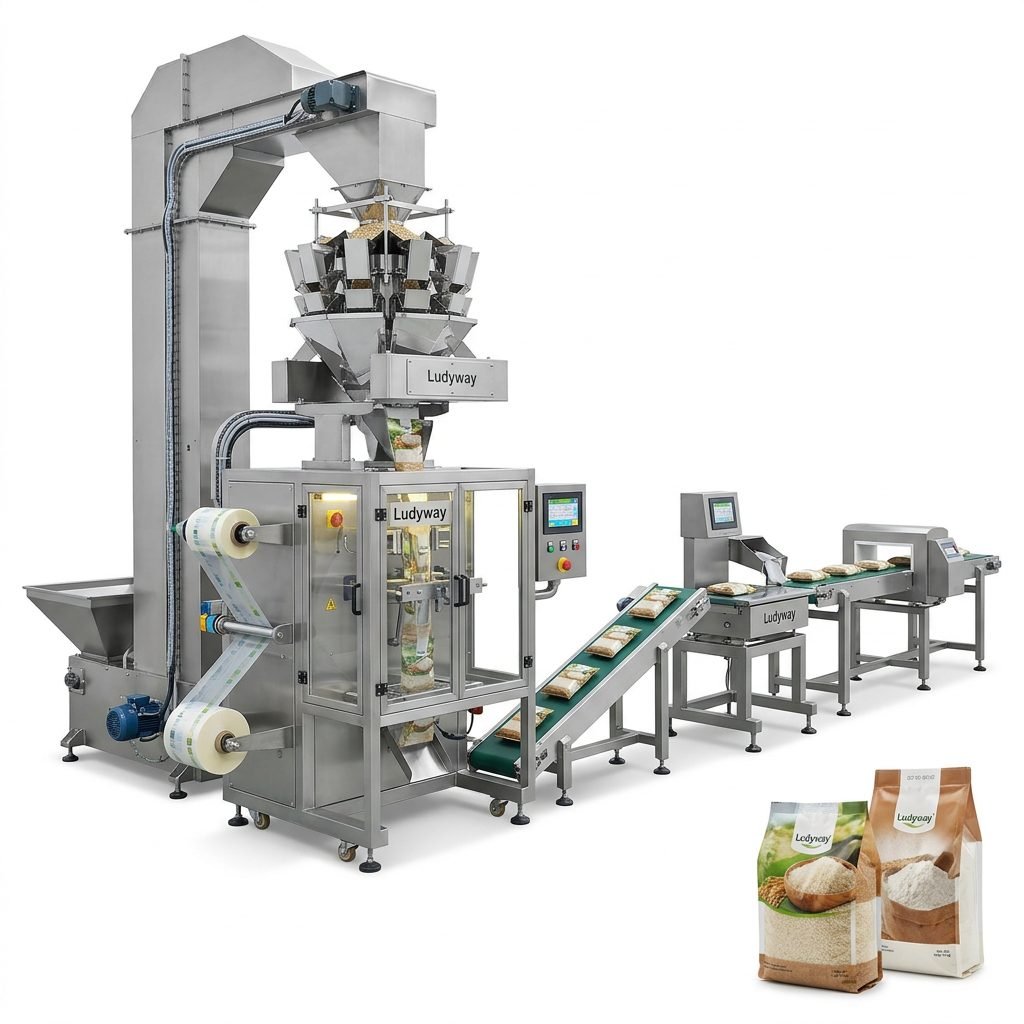
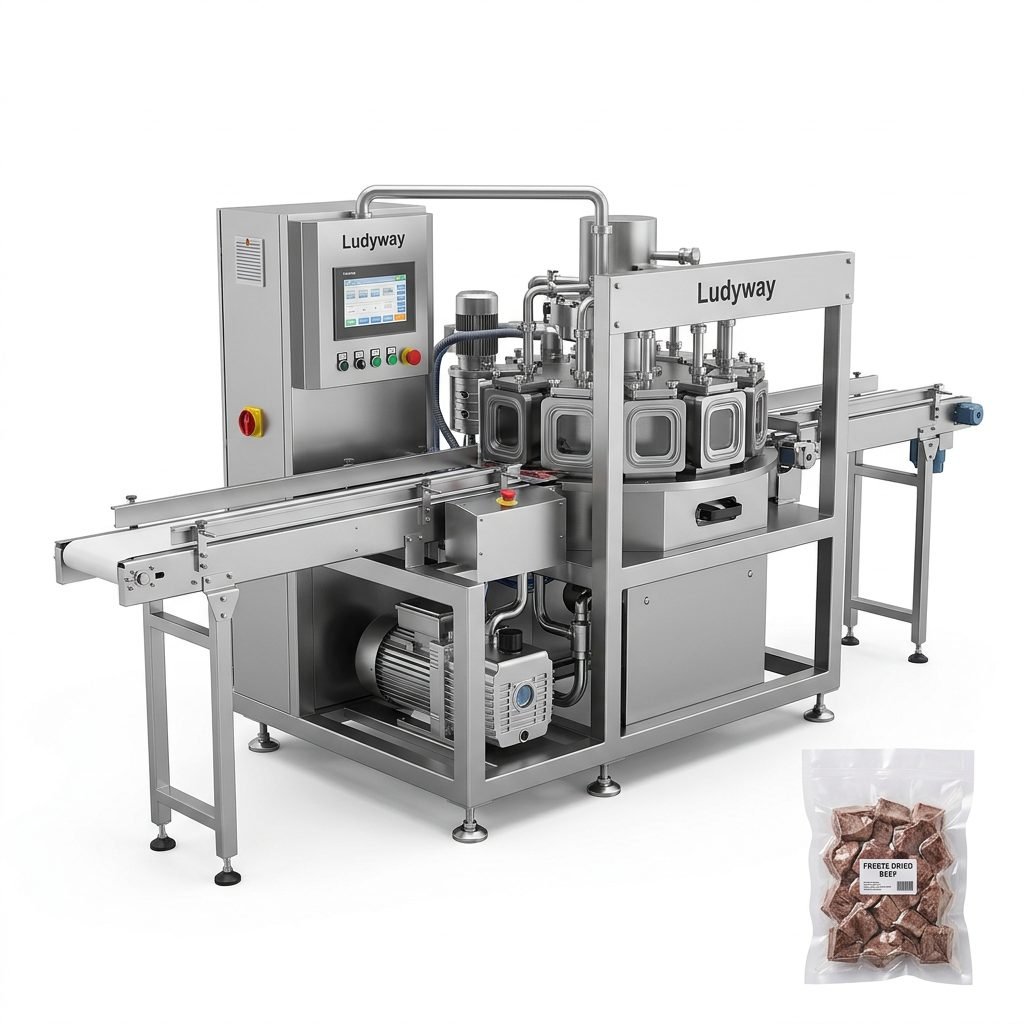
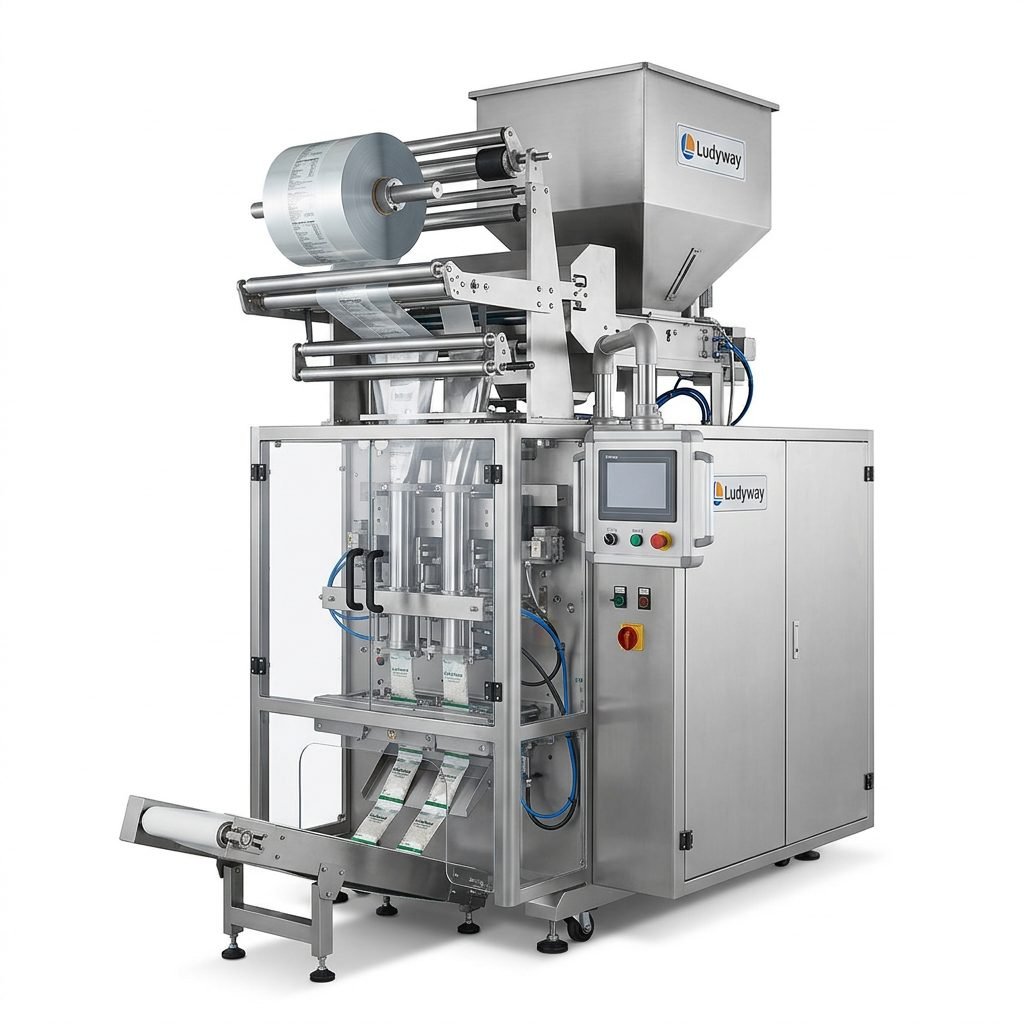
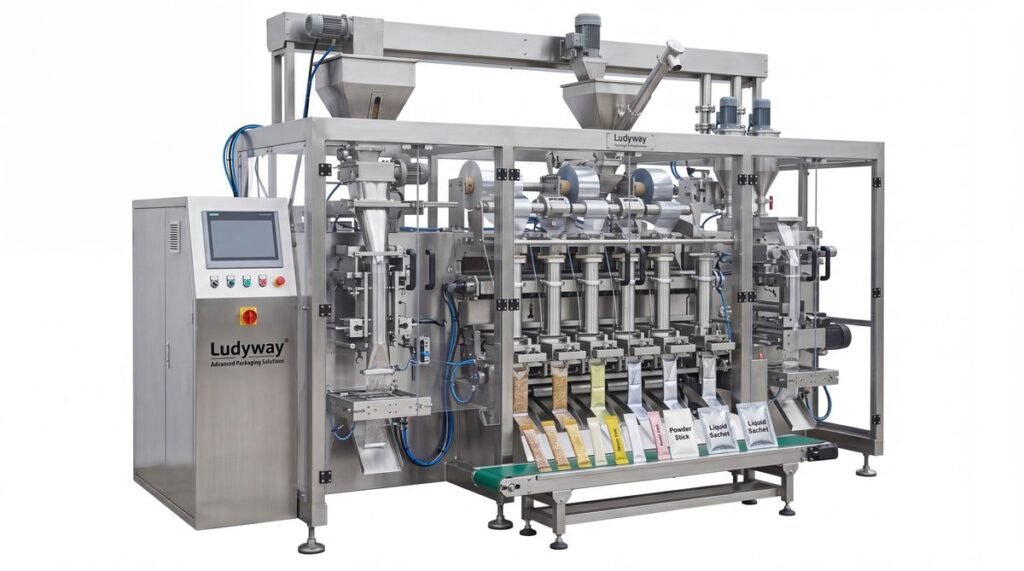
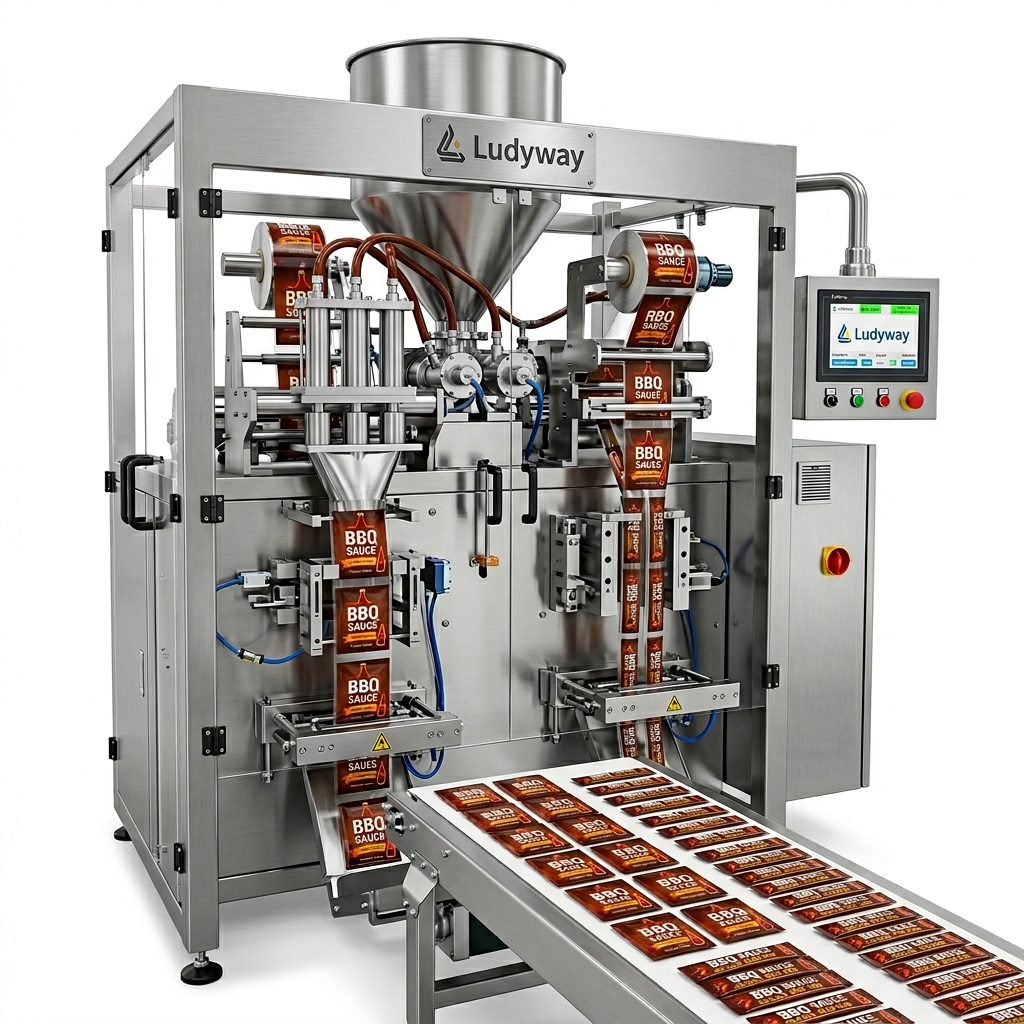
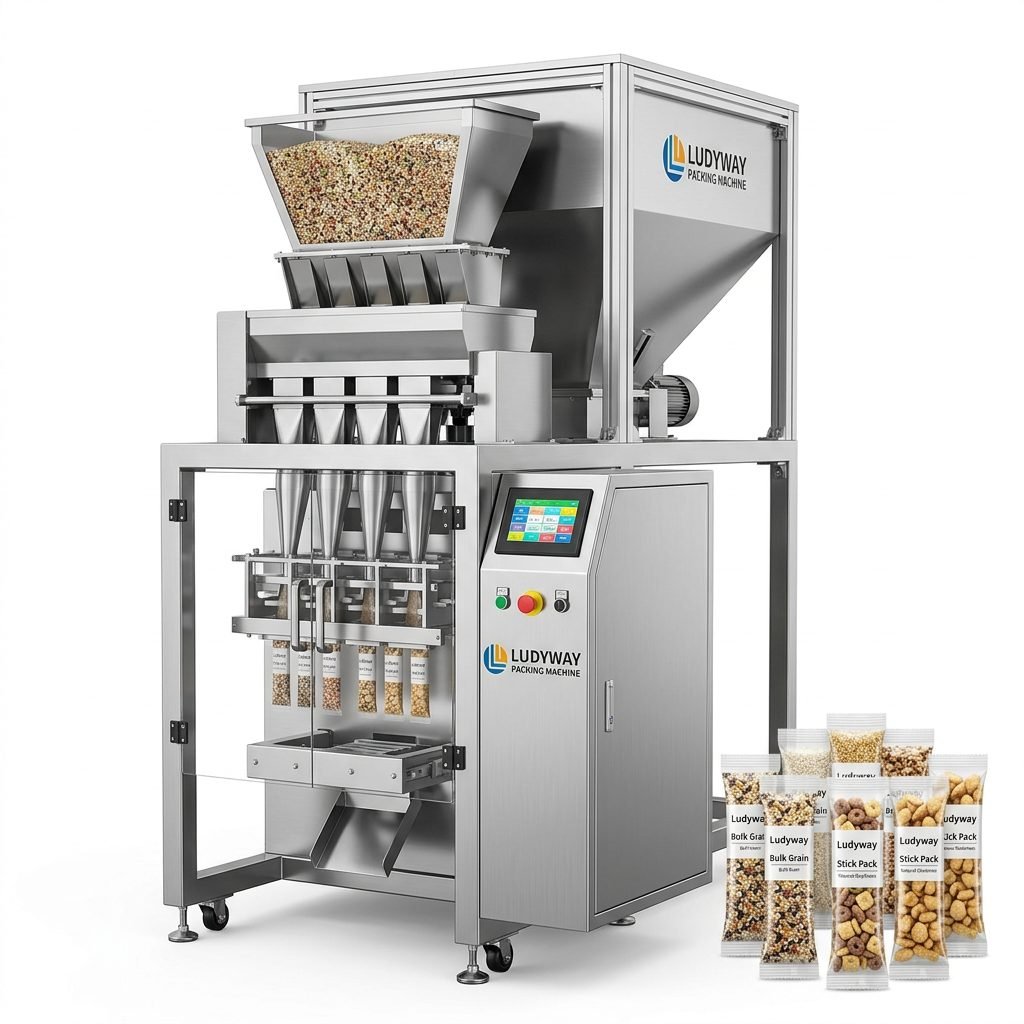
A top seal packaging machine is widely used for sealing trays, cups, tubs, and containers with film in industries such as food, pharmaceuticals, cosmetics, and daily-use products. It is valued for its clean package presentation, reliable seal integrity, and compatibility with high-speed production. For manufacturers looking to improve automation and reduce manual packaging steps, this equipment can be a highly practical investment.
Why it matters: The right machine helps protect product freshness, improve shelf appeal, reduce leakage risk, and support scalable production growth.
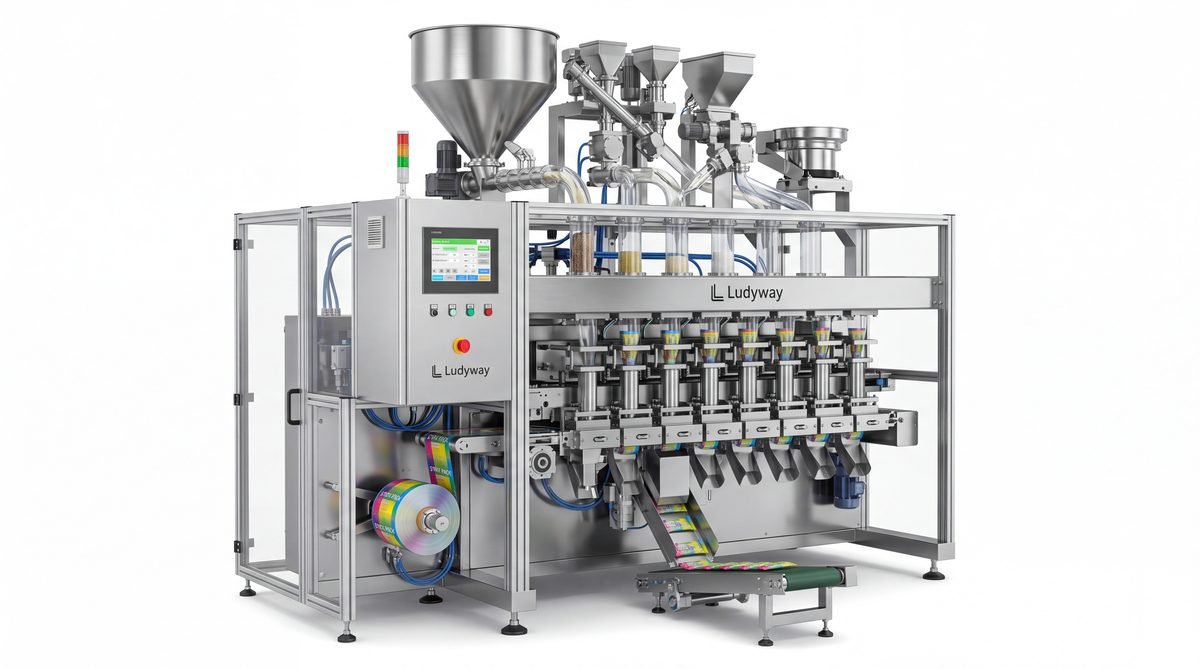
What Is a Top Seal Packaging Machine?
A top seal packaging machine applies a film or lid material to the top of a preformed container and seals it using heat, pressure, or a combination of both. Depending on the application, the machine may also perform filling, gas flushing, vacuum sealing, coding, cutting, and discharge functions in one integrated process.
This type of machine is commonly used for:
- Ready meals and fresh food trays
- Sauces, dips, and condiments
- Dairy products such as yogurt and desserts
- Pharmaceutical and medical packaging applications
- Cosmetic creams, gels, and sample packs
Key Features of a Top Seal Packaging Machine
1. Precise Sealing Control
Modern machines use accurate temperature and pressure control to create consistent seals across different container materials. This improves package integrity and reduces defective output.
2. Flexible Container Compatibility
Many models can handle multiple tray or cup sizes with change parts or quick-adjust tooling. This is especially useful for manufacturers running several SKUs on one line.
3. Automatic Film Feeding
Automated film unwinding and alignment help maintain sealing accuracy while lowering operator workload. Some machines also include print mark tracking for pre-printed film.
4. Optional MAP or Vacuum Functions
For products with short shelf life, optional modified atmosphere packaging (MAP) or vacuum top sealing can extend freshness and improve transport stability.
5. Hygienic Construction
Stainless steel frames, easy-clean surfaces, and food-grade contact parts make the machine suitable for applications with strict sanitation requirements.
6. Integration With Production Lines
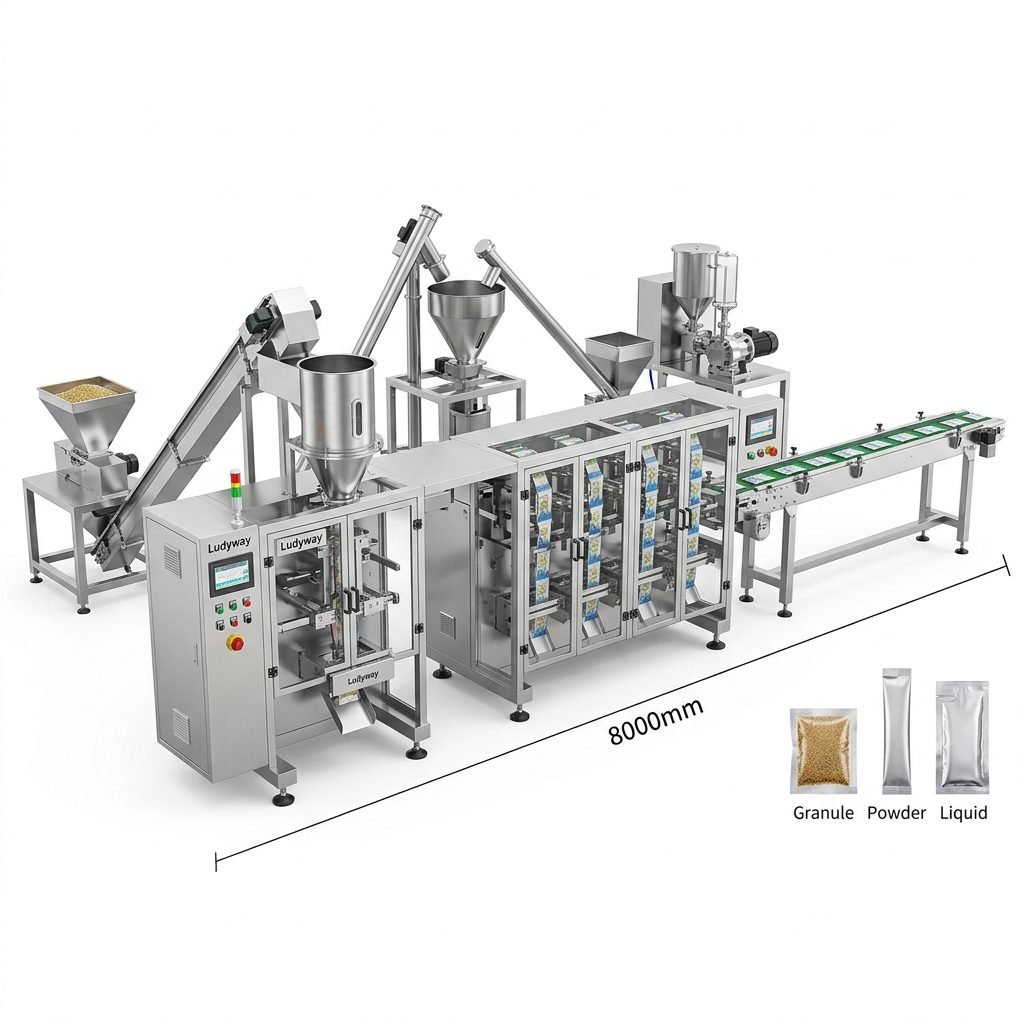
A top seal machine can be connected with fillers, conveyors, labelers, coders, cartoners, and case packers for a more automated packaging line.
Main Benefits for Manufacturers
| Benefit | How It Helps |
|---|---|
| Better product protection | Reduces contamination, leakage, and external exposure. |
| Improved shelf appeal | Creates a neat, professional package that supports retail presentation. |
| Higher production efficiency | Automates repetitive sealing work and increases line throughput. |
| Lower labor dependency | Requires fewer operators compared with manual or semi-manual methods. |
| Consistent packaging quality | Maintains repeatable sealing results across batches. |
| Scalable automation | Supports future expansion into complete packaging lines. |
Common Industries and Applications
Food Industry
Top seal packaging is especially popular in food processing because it supports freshness, hygiene, and attractive retail presentation. It is commonly used for meal trays, sauces, dairy cups, snacks, frozen foods, and prepared foods.
Pharmaceutical and Healthcare
For pharmaceutical or health-related products, sealing quality and contamination control are critical. Machines designed for these sectors usually focus on clean structure, controlled sealing parameters, and reliable batch traceability.
Cosmetics and Personal Care
Cosmetic brands use top seal systems for creams, masks, gels, and sample-size packaging where presentation and leakage prevention matter equally.
Chemical and Industrial Products
Certain powders, liquids, and specialty materials can also be packed in sealed containers when stable closure and transport safety are required.
Types of Top Seal Packaging Machines
- Manual or tabletop models: Suitable for low-volume operations, testing, or startup production.
- Semi-automatic machines: Ideal for medium output with operator-assisted loading.
- Fully automatic inline machines: Best for high-volume production with conveyor integration.
- Rotary top seal systems: Used for higher speeds and continuous packaging flow.
- MAP/vacuum top seal machines: Designed for products needing shelf-life extension.
How to Choose the Right Machine
Know Your Product Type
Start by identifying whether you pack solids, powders, liquids, pastes, or mixed products. This affects filling method, sealing requirements, and machine configuration.
Confirm Container Material and Dimensions
Different trays and cups require different sealing temperatures and tooling. Always verify material type, thickness, dimensions, and flange design before purchasing.
Estimate Your Output Needs
A machine that is too small may create production bottlenecks, while one that is oversized may increase unnecessary capital cost. Match the equipment to your current output and near-term growth plans.
Check Seal Quality Requirements
If your product needs tamper evidence, leak resistance, vacuum, or gas flushing, make sure the machine supports those functions from the beginning.
Evaluate Changeover Time
Businesses with multiple products should choose equipment with quick mold replacement and easy parameter adjustment to reduce downtime.
Review After-Sales Support
Reliable technical support, spare parts availability, installation guidance, and training can make a major difference in long-term machine performance.
Top Questions Buyers Should Ask Before Ordering
- What container sizes and materials can the machine run?
- What is the real production speed under my product conditions?
- Can the system handle vacuum or gas flushing if needed?
- How easy is cleaning and maintenance?
- What spare parts are included with delivery?
- Can the machine integrate with fillers, conveyors, printers, or cartoners?
- What certifications or quality checks are available?
- How long does tooling changeover take?
Buying Guide: What Impacts the Final Cost?
| Cost Factor | Impact on Purchase |
|---|---|
| Automation level | Fully automatic systems cost more but reduce labor and improve throughput. |
| Output speed | Higher-speed models generally require more advanced control and structure. |
| Tooling customization | Custom tray formats and multiple molds increase cost. |
| Optional functions | MAP, vacuum, coding, inspection, and reject systems add value and price. |
| Integration scope | A standalone machine costs less than a complete turnkey line. |
Signs You Need to Upgrade Your Current Packaging Process
- Frequent seal failures or leakage complaints
- Too much manual labor in tray sealing operations
- Inconsistent package appearance
- Slow output affecting order fulfillment
- Difficulty handling multiple SKUs efficiently
- Need for better hygiene or shelf-life control
Why Supplier Experience Matters
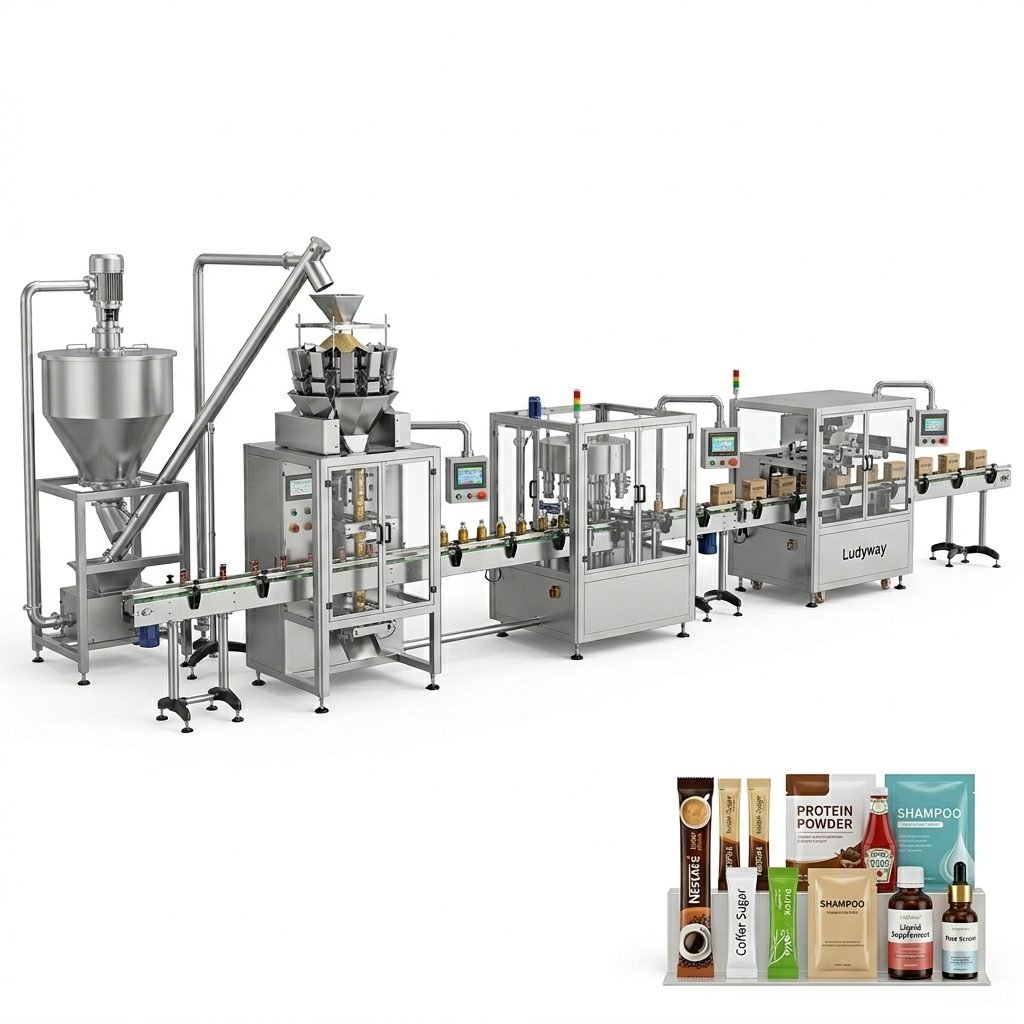
Packaging machinery is not only about hardware. A capable supplier should understand filling behavior, sealing materials, product flow, hygiene design, automation logic, and line integration. This is especially important when your project includes custom containers, multiple product types, or future automation expansion.
Buyers looking for dependable packaging automation can explore top seal packaging machine solutions from Ludyway, a manufacturer with more than 30 years of industry experience, broad export reach, and turnkey line capabilities for food, pharmaceutical, health supplement, and related applications.
Final Selection Checklist
- Define product type and viscosity or flow characteristics
- Confirm tray or cup dimensions and sealing film material
- Set target speed per minute or per hour
- Choose between semi-automatic and fully automatic operation
- Decide if vacuum or MAP is required
- Plan for future integration with upstream and downstream equipment
- Review maintenance access and cleaning convenience
- Compare supplier experience, lead time, and support quality
Conclusion
A top seal packaging machine can significantly improve packaging consistency, product protection, and production efficiency. The best choice depends on your product characteristics, package format, output goals, and automation budget. By focusing on sealing quality, flexibility, hygiene, and supplier support, manufacturers can make a smarter investment that delivers both short-term efficiency and long-term value.