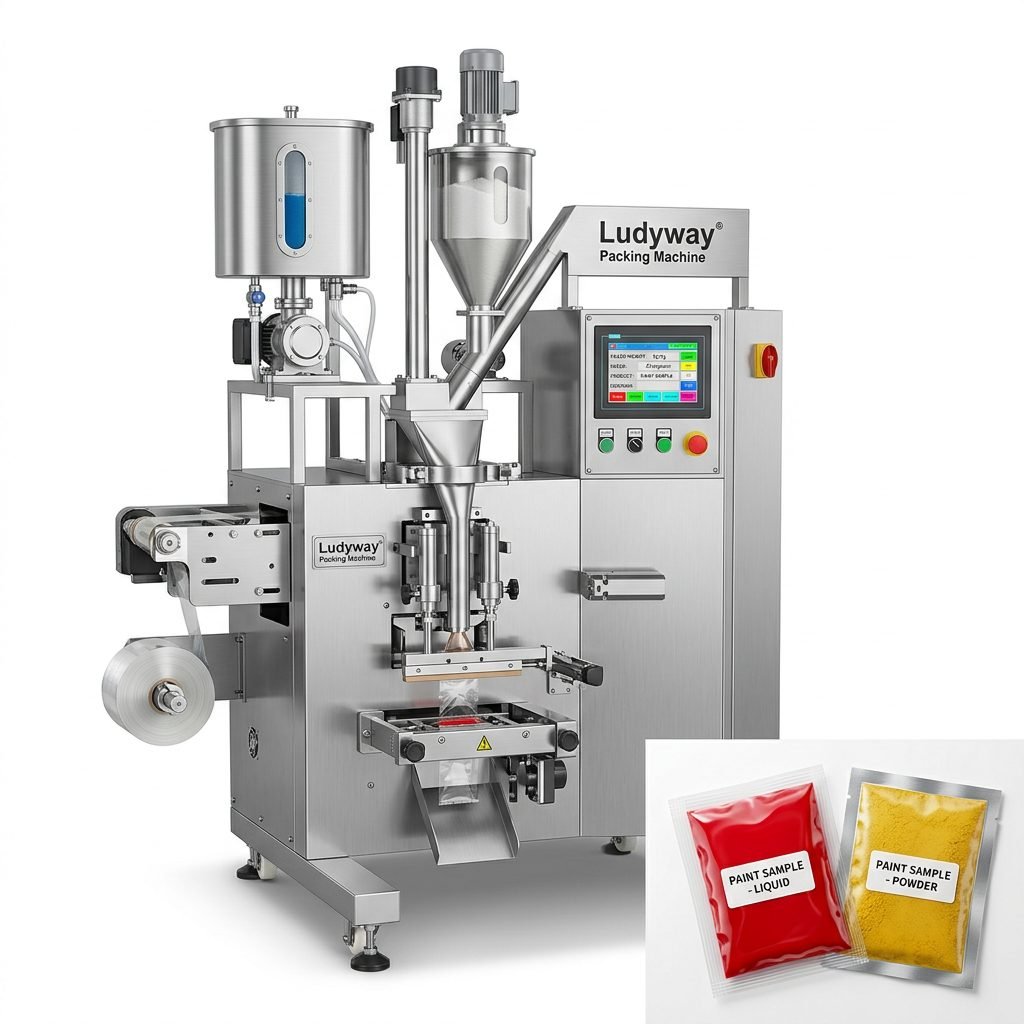
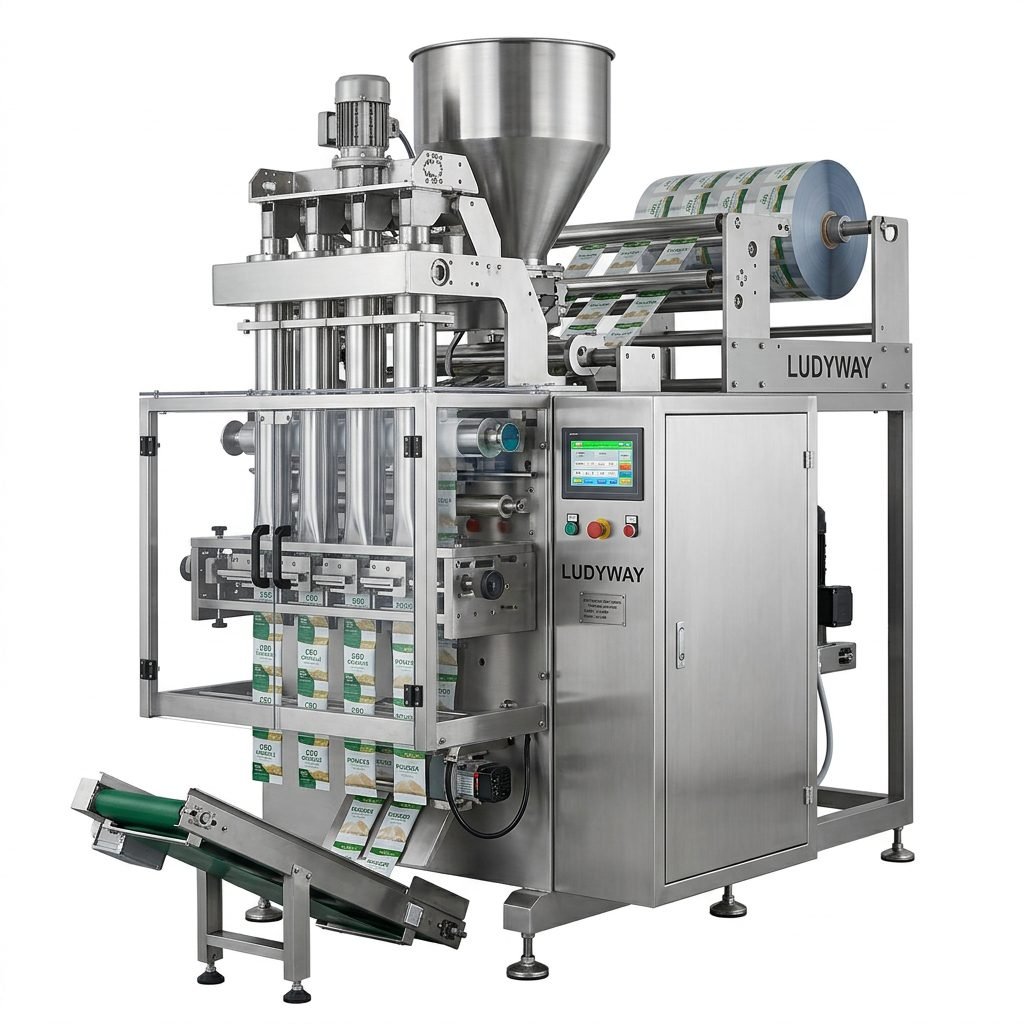
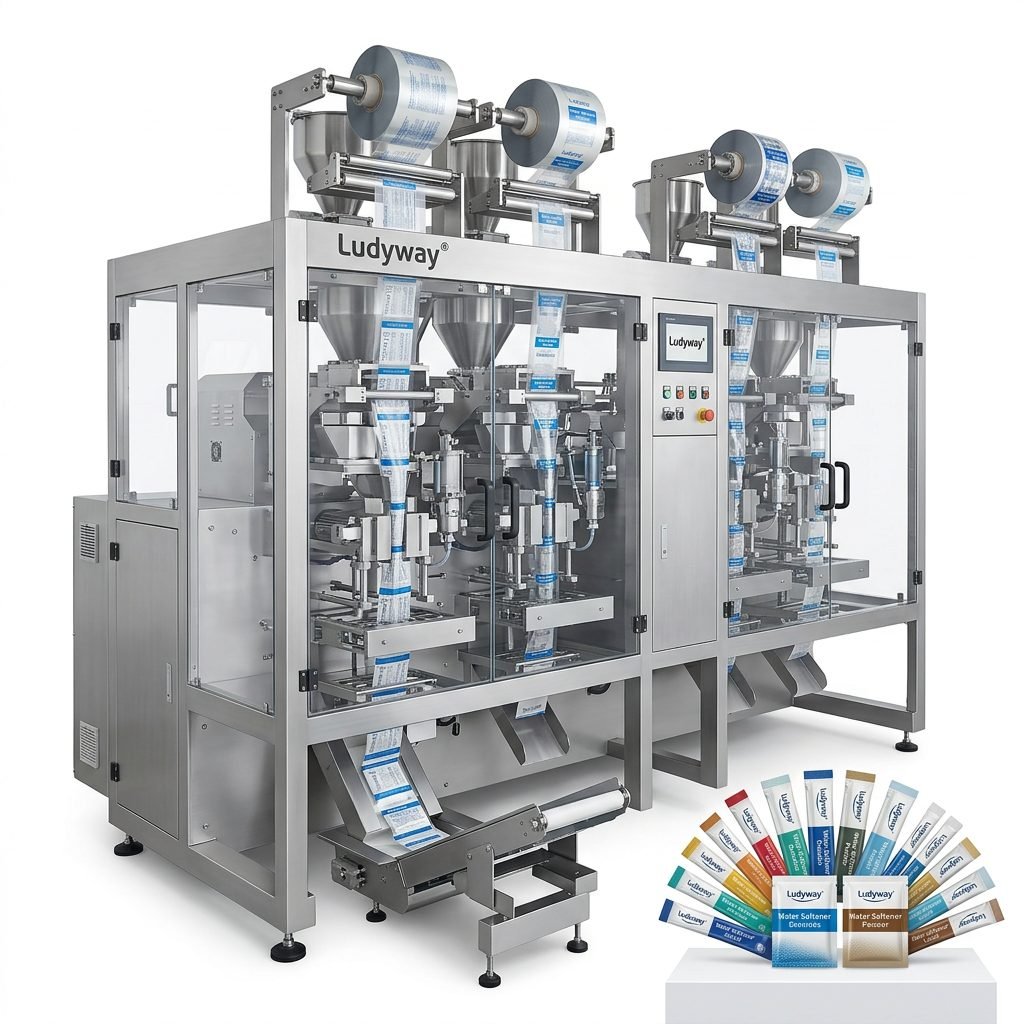
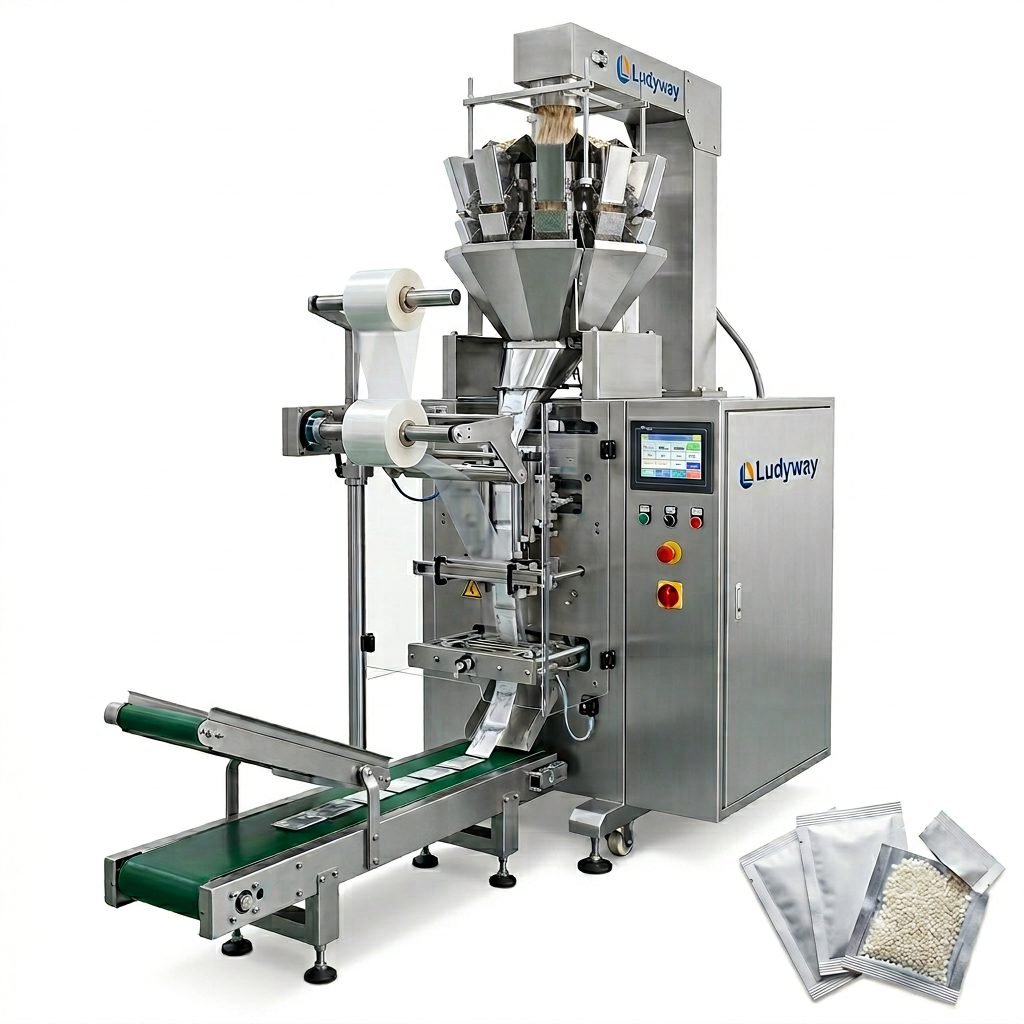
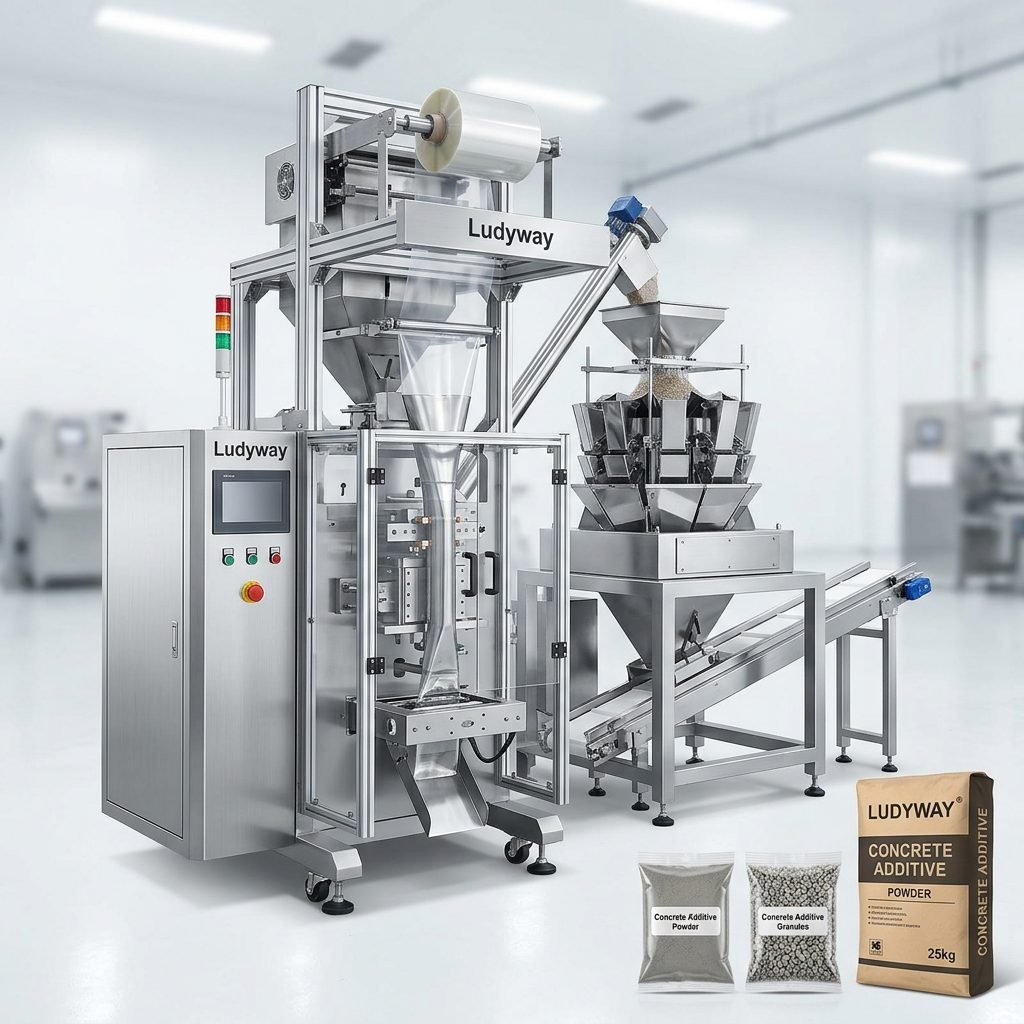
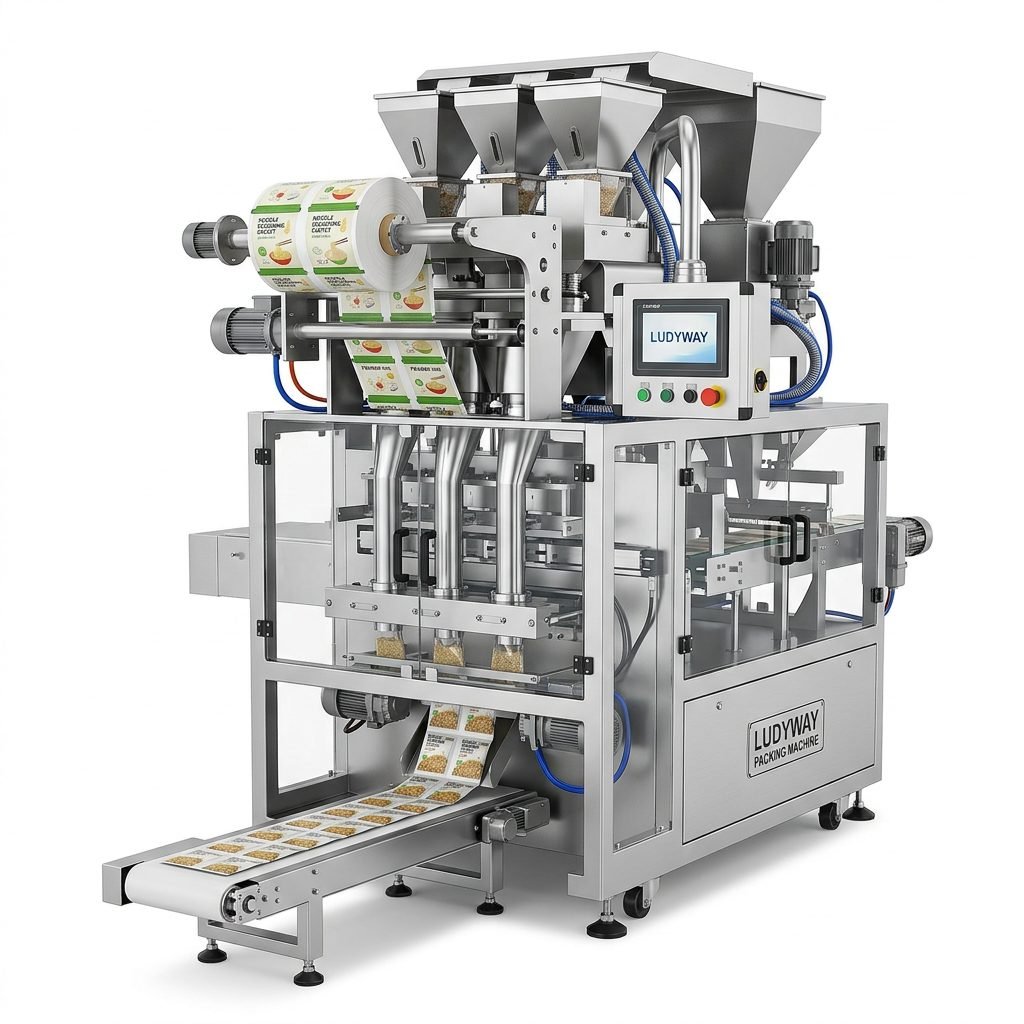
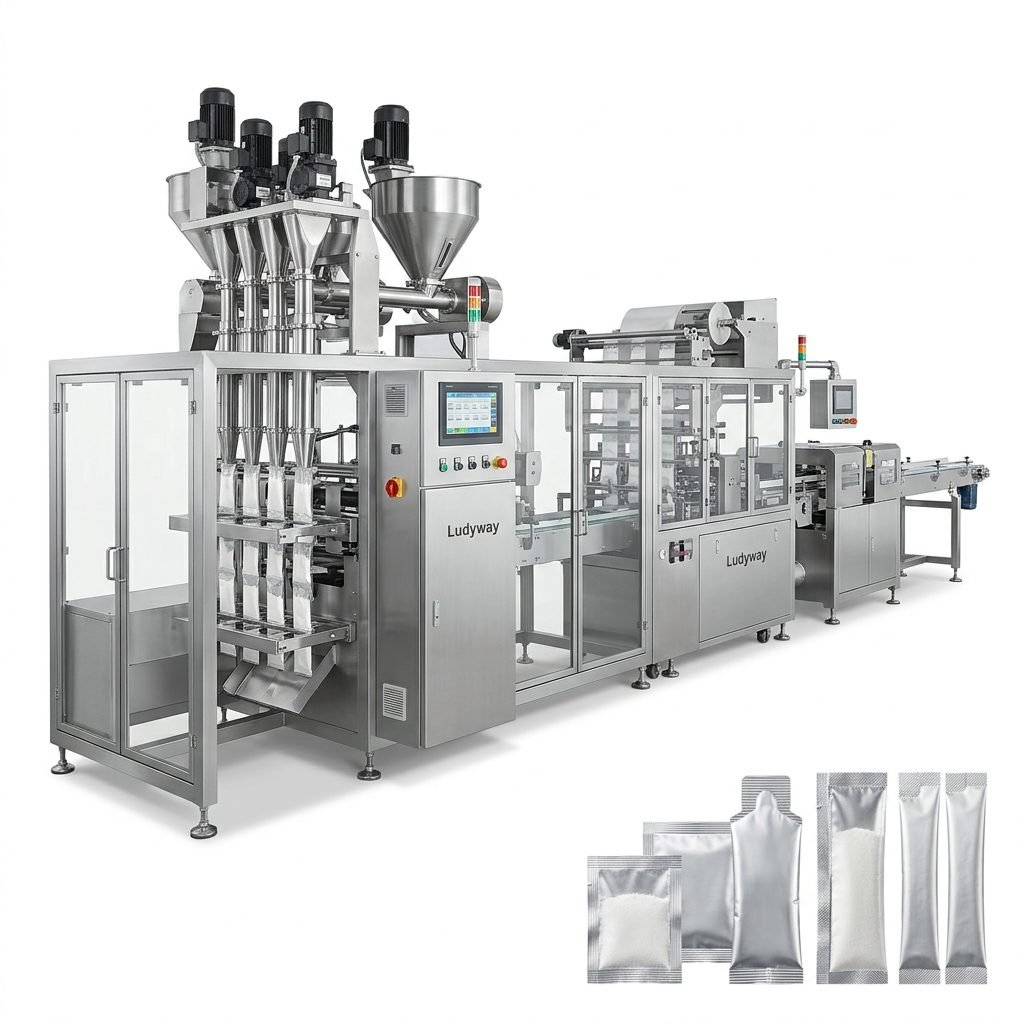
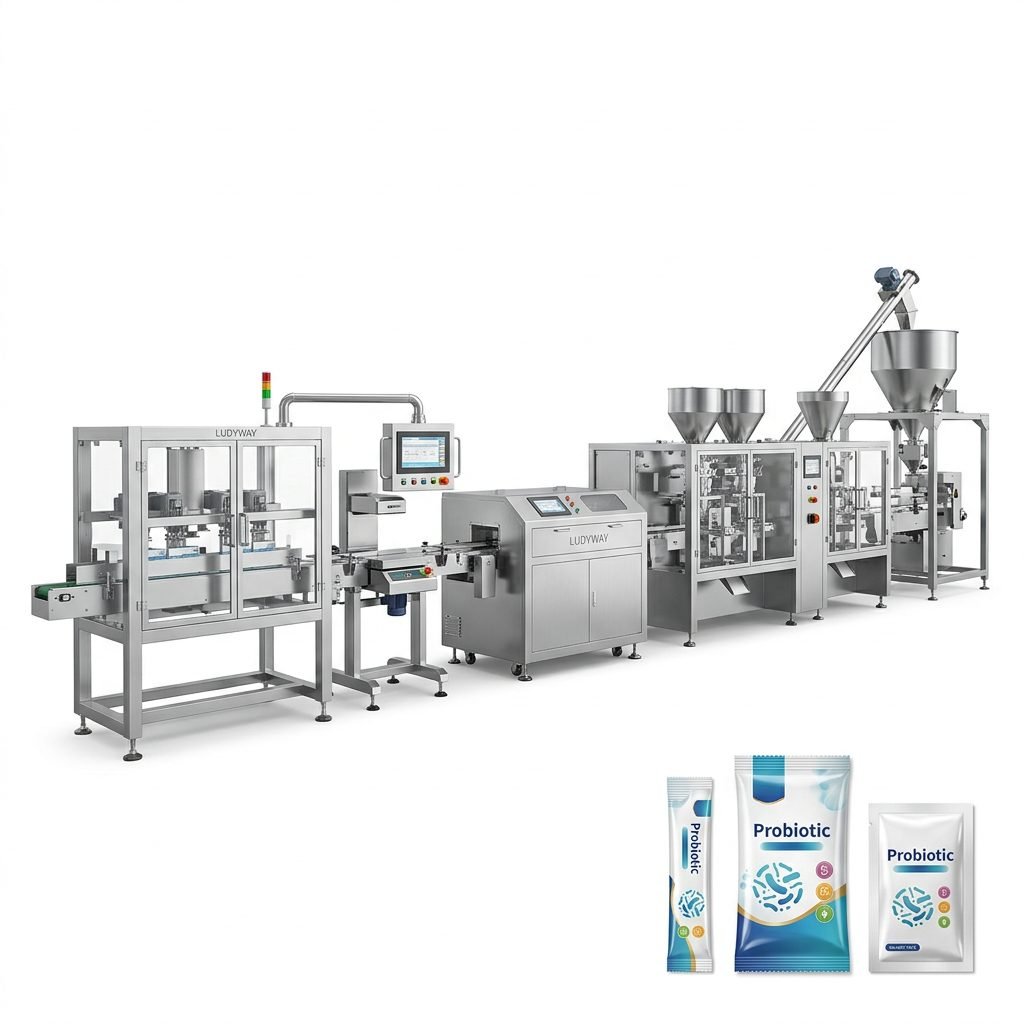
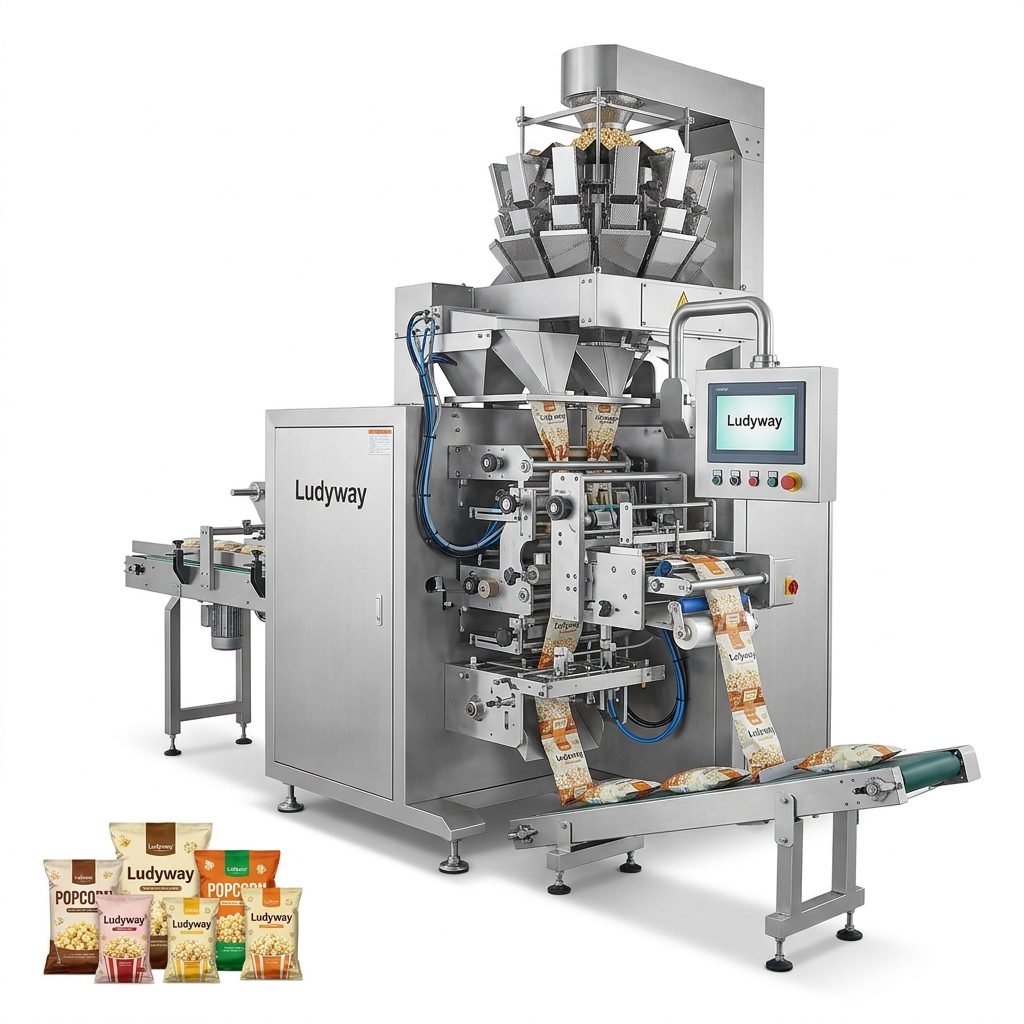
Investing in a chewing gum packaging machine is a strategic decision that directly affects your production efficiency, product presentation, and bottom line. Whether you are manufacturing stick gum, pellet gum, coated tablets, or functional chewing gum, the right equipment ensures consistent quality, minimizes waste, and scales with your business. This guide walks you through every critical factor—from machine types and material considerations to supplier evaluation and total cost of ownership—so you can make a confident, informed purchase.
Understanding Your Chewing Gum Packaging Requirements
Before comparing machine specifications, define your production goals. The ideal chewing gum packaging machine depends on several interrelated factors that shape both performance and cost.
- Product format: Are you packaging stick gum, pellets, dragees, coated tablets, or liquid-filled gum? Each format demands specific feeding, alignment, and sealing mechanisms.
- Packaging style: Common formats include stick packs, sachets, pillow bags, multi-lane pouches, blister packs, and carton-based designs.
- Production volume: Expected output per shift determines whether a single-lane or multi-lane packaging machine is appropriate.
- Material type: Foil laminates, paper-backed films, metallized BOPP, and recyclable mono-materials each behave differently during forming, filling, and sealing.
- Automation level: Decide between semi-automatic units for smaller batches and fully automatic integrated lines for continuous high-speed operation.
Types of Chewing Gum Packaging Machines
Different machine architectures suit different packaging formats. Selecting the wrong type can limit your flexibility and increase operating costs. Below is a comparison of the three most common configurations used in the industry.
| Machine Type | Best For | Key Advantages | Typical Output Range |
|---|---|---|---|
| Vertical Form Fill Seal (VFFS) | Pillow bags, sachets | Versatile, compact footprint, cost-effective for medium volumes | 40–120 packs/min per lane |
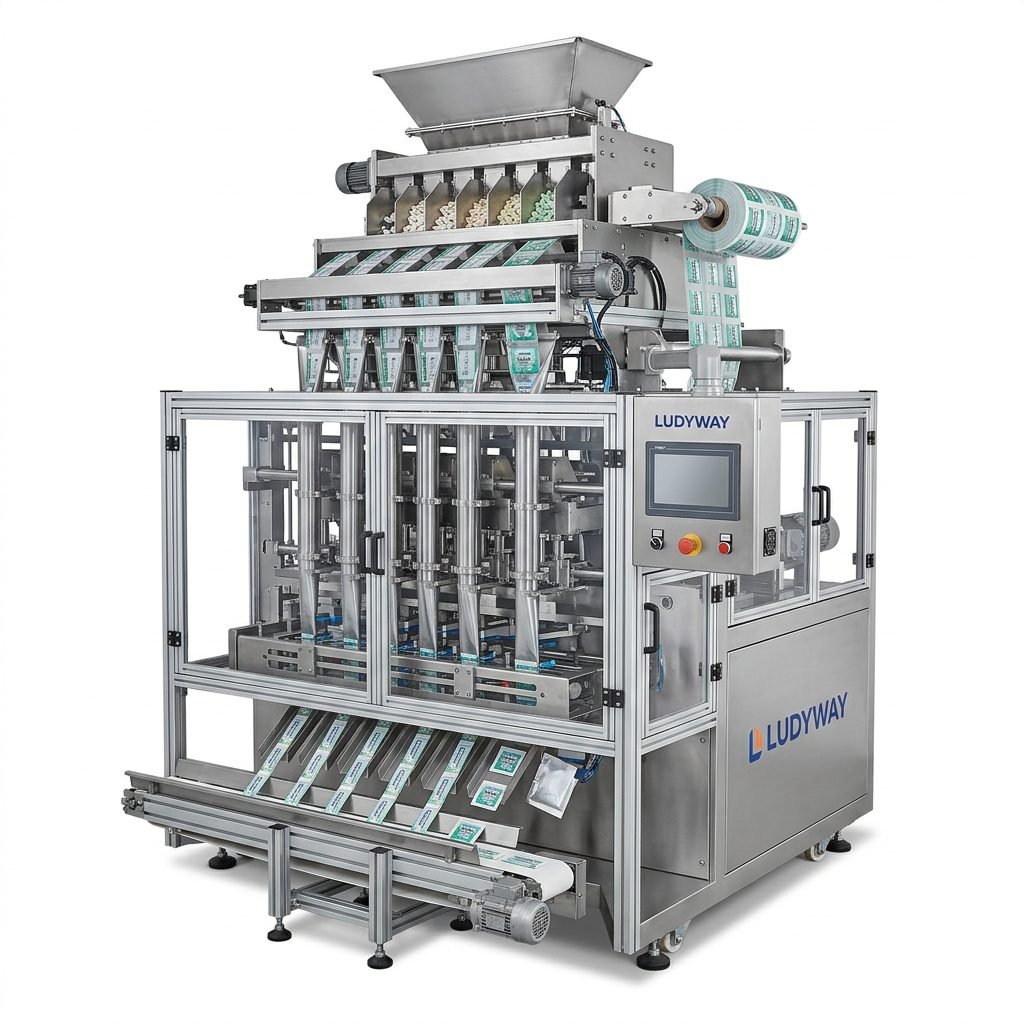
| Multi-Lane Stick Pack Machine | Stick gum, single-piece sachets | Very high output, precise dosing, suitable for thin packaging films | 200–1000+ packs/min |
| Pre-formed Pouch Fill & Seal | Stand-up pouches, zipper bags | Premium shelf appeal, resealable features, flexible format changes | 30–80 packs/min |
For manufacturers producing stick gum at scale, multi-lane stick pack machines are the dominant choice due to their unmatched throughput and material efficiency. If your product range includes premium or functional chewing gum in resealable pouches, a pre-formed pouch system may offer better branding opportunities.
Packaging Material Compatibility and Seal Quality
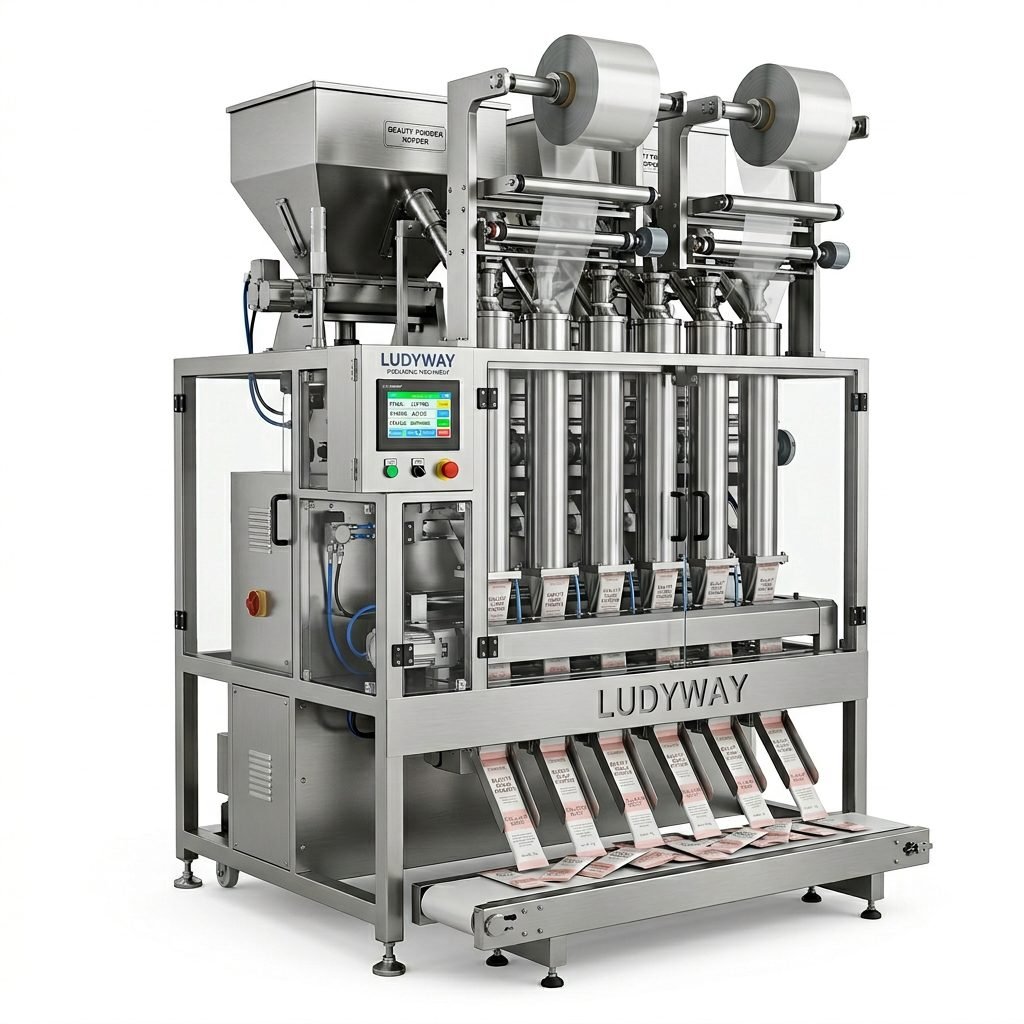
Chewing gum requires packaging that protects against moisture, oxygen, and aroma loss. The machine must handle your chosen substrate reliably, achieving consistent seal integrity without damaging heat-sensitive materials. Evaluate the following aspects with your potential supplier.
- Sealing technology: Heat sealing, ultrasonic sealing, or cold sealing—each interacts differently with foil laminates, paper-backed films, and recyclable structures.
- Temperature control precision: Advanced PID controllers with multi-zone heating help maintain consistent seal quality across lane configurations at high speeds.
- Film tension management: Automatic tension control with servo-driven unwind systems reduces film stretching and registration errors.
- Easy material changeover: Quick-release rollers and tool-less adjustments minimize downtime when switching between material suppliers or substrate types.
Material compatibility directly impacts your packaging sustainability goals. As the Flexible Packaging Association notes, the industry is moving toward recyclable mono-material structures, which often require different sealing parameters than traditional multi-layer laminates. Confirm that your chosen chewing gum packaging machine can accommodate both current and future material strategies.
Machine Speed, Throughput, and Automation Level
Speed ratings on specification sheets require careful interpretation. The actual production output depends on packaging format, film type, product feed consistency, and integration with upstream and downstream equipment. Request documented performance data under conditions similar to your expected production environment.
Automation features that meaningfully improve overall equipment effectiveness include:
- Servo-driven motion control for precise film indexing, registration, and seal timing
- Automatic product feeding systems with vibratory or belt conveyors synchronized with the packaging line
- Inline quality inspection including vision systems for seal verification and automatic rejection of defective packs
- Integrated coding and marking for batch information and traceability, as recommended by PMMI packaging standards
Quality, Compliance, and International Standards
Food packaging equipment must meet relevant safety and hygiene regulations depending on your target markets. Verify that the machine design complies with applicable frameworks, including FDA guidelines for food contact substances, EU packaging material regulations, and ISO standards for packaging machinery.
Key compliance considerations for any chewing gum packaging machine purchase include:
- Stainless steel construction in all product-contact and splash zones
- Tool-free disassembly for cleaning and sanitation
- Documented material certifications and surface finish reports
- Integration-ready design for ISO packaging standards compliance
- CE marking or equivalent certifications for your target markets

Supplier Evaluation: Key Questions to Ask
Choosing the right equipment partner is just as important as choosing the right machine. A thorough supplier evaluation reduces project risk and ensures long-term support. Structure your conversations around the following checklist.
- Industry experience: How many chewing gum or confectionery packaging installations has the supplier completed? Request case studies or references with similar products and packaging formats.
- Factory acceptance testing: Does the supplier conduct FAT protocols with your actual product and packaging materials before shipment? This crucial step validates performance against agreed specifications.
- After-sales support: What are the response times for technical support, spare parts availability, and field service? Ask about remote diagnostic capabilities and local service partner arrangements in your region.
- Customization capability: Can the supplier modify standard configurations to match specific product dimensions, packaging formats, or layout constraints?
- Training and documentation: Comprehensive operator training and multilingual documentation reduce the learning curve and prevent operational errors after installation.
Total Cost of Ownership and Return on Investment
The purchase price is only one component of the total cost of ownership. A thorough financial analysis incorporates ongoing operational expenses, maintenance costs, and productivity gains. When comparing chewing gum packaging machine options, calculate the full lifecycle cost over a 5-to-10-year period.
| Cost Category | What to Include | Impact on Total Cost |
|---|---|---|
| Initial Capital | Machine price, freight, import duties, installation, commissioning | 25–40% of TCO |
| Consumables | Packaging film waste rates, lubricants, cleaning supplies | 15–25% of TCO |
| Maintenance & Spare Parts | Scheduled service, wear component replacement, emergency repairs, spare parts inventory | 10–20% of TCO |
| Energy & Labor | Electricity consumption, compressed air usage, operator staffing, training costs | 20–30% of TCO |
A machine with slightly higher upfront cost but lower film waste, faster changeovers, and reduced maintenance requirements often delivers a better return on investment over its service life. Request detailed consumption data and expected maintenance intervals from each supplier.
Why Choosing the Right Manufacturer Matters
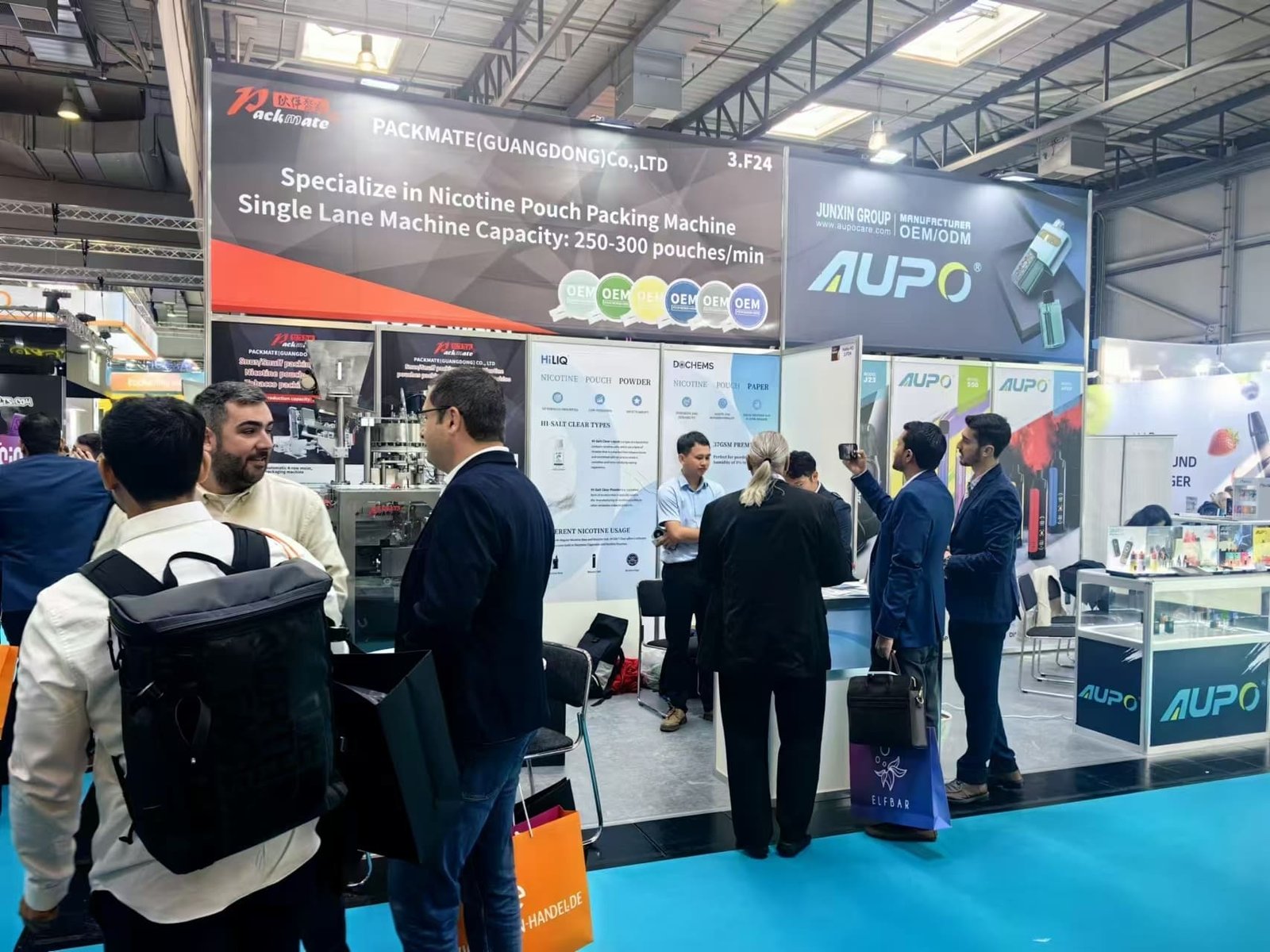
Partnering with an experienced packaging machinery manufacturer significantly influences project success. A supplier with a strong track record in turnkey solutions can handle everything from equipment selection to line integration and after-sales support, reducing the coordination burden on your team. For example, Ludyway Machinery, a China-based packaging equipment manufacturer with over 30 years of industry experience, provides comprehensive solutions across multiple packaging formats, helping manufacturers achieve efficient, automated production with reliable technical support throughout the equipment lifecycle.
Beyond the initial purchase, working with a single packaging partner for system integration, customization, operator training, and spare parts simplifies operations and ensures consistency. When evaluating manufacturers, prioritize those offering end-to-end service capabilities rather than just standalone equipment sales.
How do I determine the right lane count for my production needs?
Calculate your required packs-per-minute based on annual production targets and available operating hours. A single-lane machine producing 80 packs per minute over two 8-hour shifts yields approximately 76,800 packs daily. Upgrading to a 6-lane configuration at similar per-lane speeds multiplies output accordingly. Leave headroom for growth by selecting a platform that supports additional lanes in the future.
What is the typical lead time for a chewing gum packaging machine?
Standard configurations typically ship within 8 to 16 weeks from order confirmation. Customized machines with specialized feeding systems or unique packaging formats can extend to 20 weeks or more. Confirm lead times early in your planning cycle to align with product launch timelines.
Can the same machine package both stick gum and pellet gum?
Some platforms support multiple formats with modular change parts, but this depends on the specific machine design and the similarity between the product formats. Stick gum and pellet gum differ significantly in dimensions, feeding requirements, and packaging film demands. Consult the manufacturer about multi-format capabilities before assuming flexibility that may not exist.
What after-sales support should I expect?
Expect a clear service agreement covering installation supervision, commissioning support, operator training, warranty terms, spare parts availability, and ongoing technical assistance. Leading suppliers also offer remote diagnostic capabilities, regular maintenance check-ins, and documented preventive maintenance schedules tailored to your production intensity.
Selecting the right chewing gum packaging machine rewards manufacturers with higher throughput, lower per-unit costs, and consistent product quality that meets retail and consumer expectations. By carefully evaluating machine types, material compatibility, automation levels, compliance requirements, and supplier capabilities, you position your production line for long-term efficiency and scalability. Take the time to test your product on the actual equipment before committing—it is the most reliable way to validate performance and avoid costly surprises.