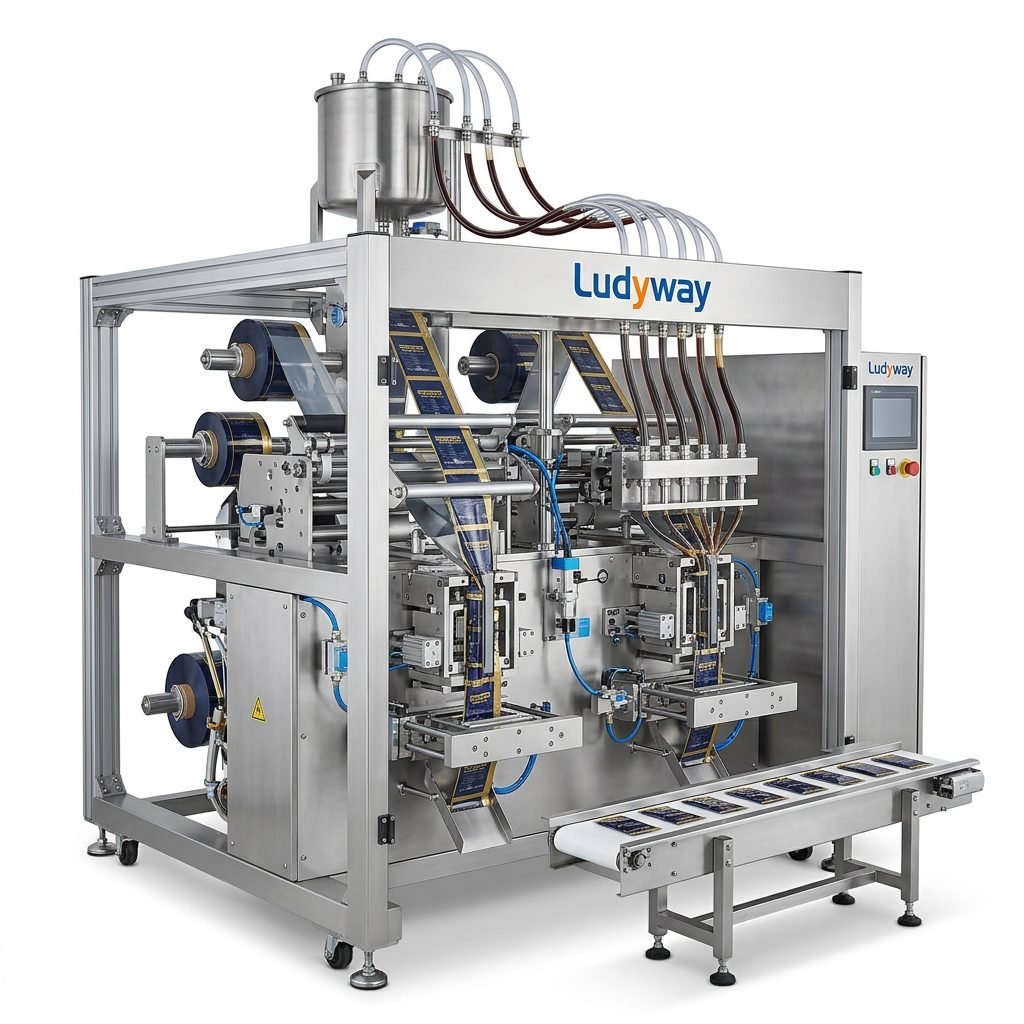
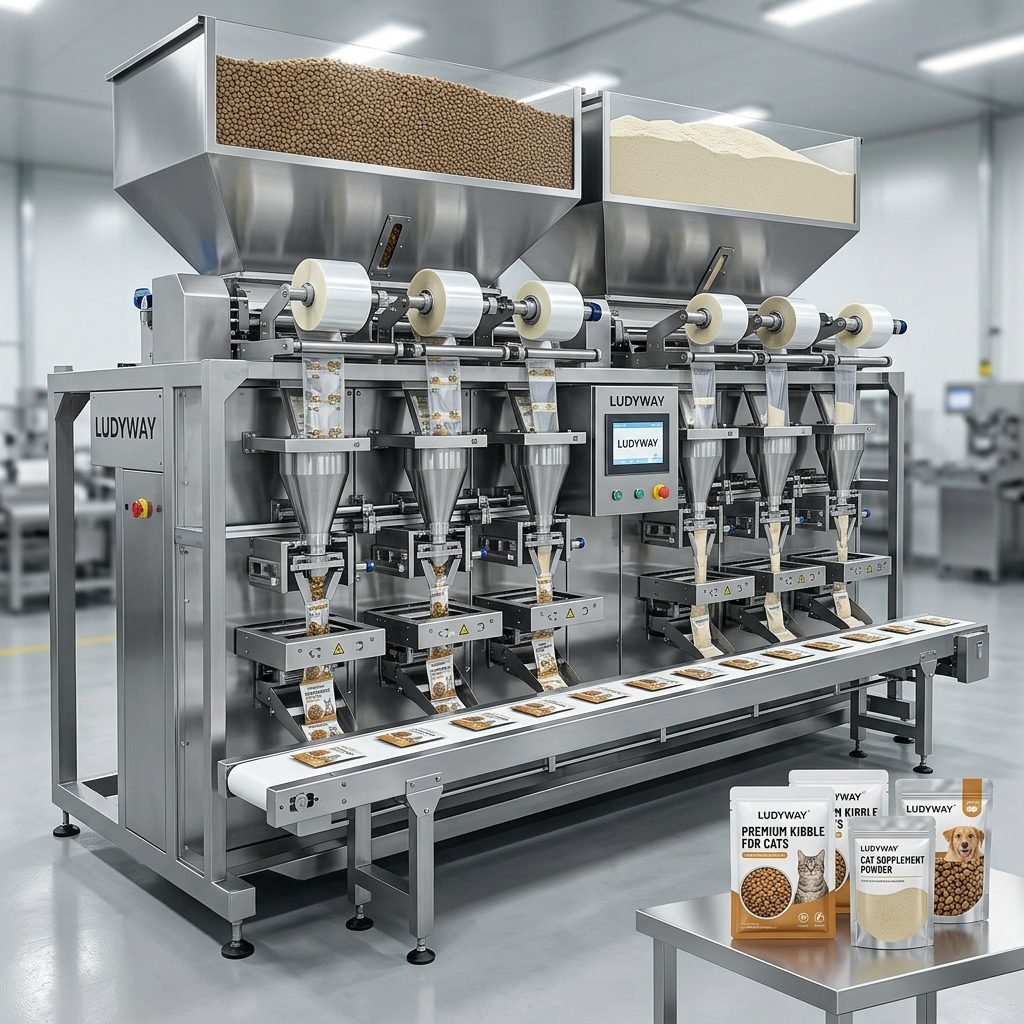
Investing in a protein bar packaging machine is a critical decision for any manufacturer in the sports nutrition, health food, or functional snack sector. The right equipment impacts product freshness, shelf appeal, production throughput, and long-term operational costs. With the global protein bar market expanding rapidly, selecting a machine that balances speed, flexibility, and seal integrity is essential for staying competitive. This guide breaks down the key factors to evaluate, helping you navigate technical specifications, packaging formats, and supplier capabilities with confidence.
1. Understand Your Protein Bar’s Physical Characteristics
Before evaluating machinery, you must precisely define your product. Protein bars vary significantly: some are dense and chewy, others are layered with caramel or coated in chocolate, and many contain sticky ingredients like syrups or nut butters. These physical properties directly influence the required dosing system and sealing technology.
- Product fragility: Soft, pressure-sensitive bars require gentle handling and non-crushing infeed systems.
- Stickiness and residue: High-sugar or high-fiber bars demand easy-clean surfaces and anti-stick sealing jaws.
- Shape irregularity: Bars with uneven surfaces or inclusions may need vision systems for proper film registration.
A machine suitable for a dry, crunchy cereal bar might fail catastrophically with a soft, coated high-protein bar. Be prepared to run trials with your actual product, not just a proxy.
2. Choose the Right Packaging Format and Material
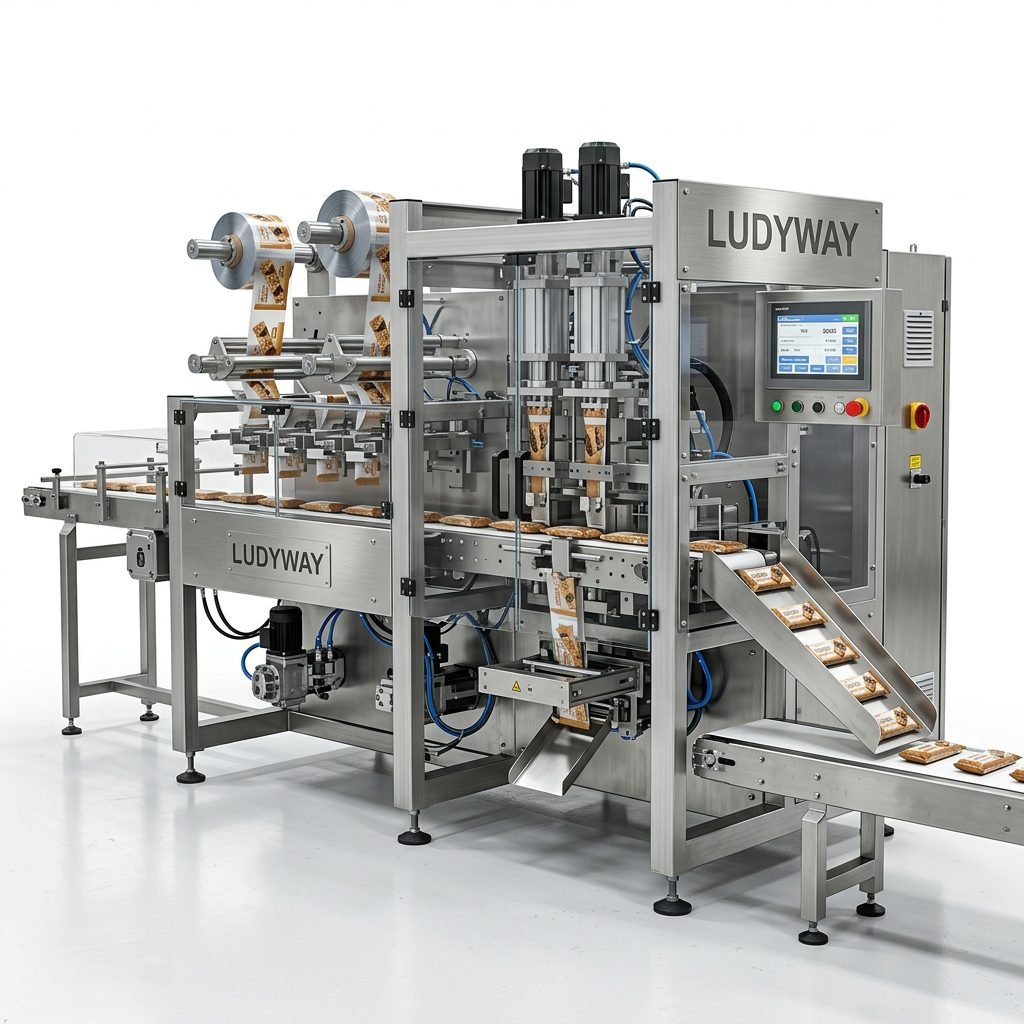
Your packaging format dictates the machine type. The most common configurations for protein bars include flexible packaging solutions like flow wrap (pillow pack), fin seal, and lap seal. Flow wrapping is the industry standard for bars sold individually.
| Seal Type | Best For | Key Benefit |
|---|---|---|
| Cold Seal | Heat-sensitive bars (chocolate-coated) | Prevents melting; requires pressure-sensitive film |
| Heat Seal | Standard dry bars | Cost-effective, high-integrity seal |
| Modified Atmosphere (MAP) | High-moisture, preservative-free bars | Gas flushing extends shelf life significantly |
Verify that the machine’s sealing technology matches your film structure (e.g., metallized PET, PE, BOPP/CPP laminates). FDA-compliant materials are mandatory for food contact applications.
3. Speed, Throughput, and Automation Level
Your target packs-per-minute (PPM) determines the automation tier you need. Entry-level machines might deliver 40–80 PPM, while high-speed multi-lane packaging systems can exceed 600 bars per minute. Align machine speed with your downstream cartoning and case packing capabilities to avoid bottlenecks.
Essential automation features for efficiency:
- Automatic film splicing (zero-speed splicer) for continuous production
- Servo-driven sealing jaws for precise repeatable seal dwell time
- Automatic reject stations integrated with metal detectors or checkweighers
- Recipe-driven changeovers to minimize downtime between bar flavors or sizes
4. Build Quality, Hygiene, and Material Compatibility
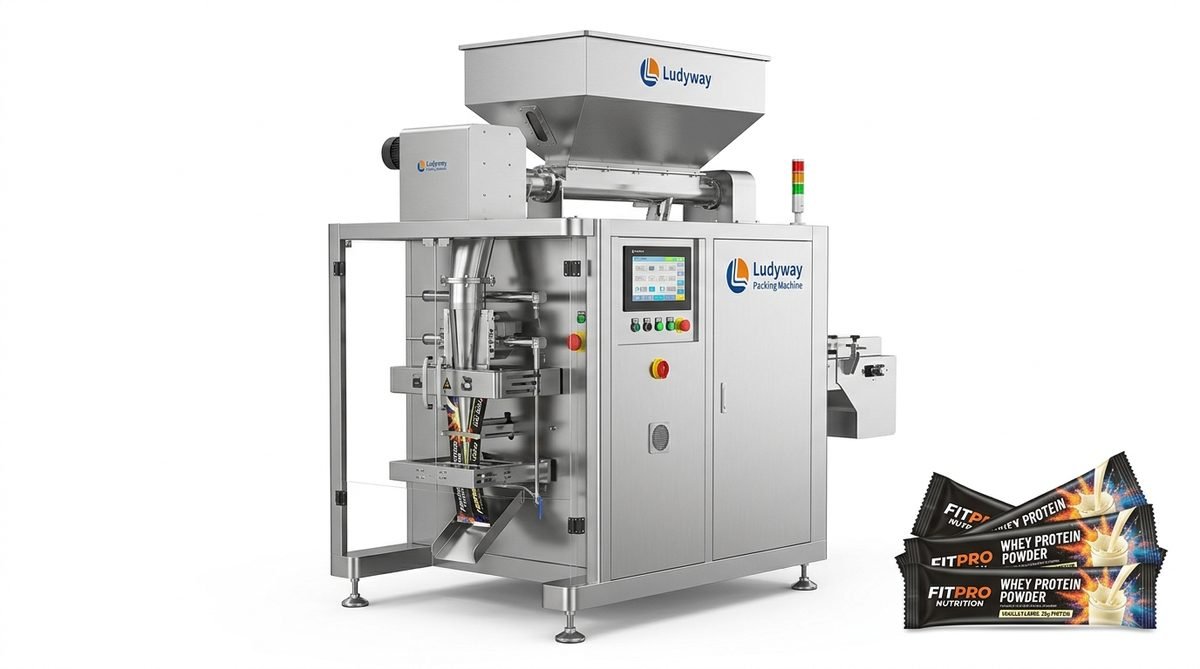
For food manufacturing, the machine frame should be constructed from stainless steel (typically SUS304 or SUS316 for aggressive cleaning regimes). Look for tool-free disassembly of product contact parts, sloped surfaces for washdown drainage, and IP65/IP66-rated electrical enclosures if your production environment involves frequent cleaning. The ISO packaging standards provide a useful reference for hygiene design expectations.
Check the validity of the film unwind and waste winder system. A poorly controlled film tension mechanism will cause film slippage, misaligned graphics, and excessive waste—particularly problematic with registered printed film.
5. Changeover Flexibility and Future-Proofing
In the protein bar market, SKU proliferation is constant. A machine that takes hours to change over kills profitability. Look for:
- No-tool change parts for forming tubes and seal jaws
- Stored recipe management via HMI (Human Machine Interface)
- Modular design allowing future addition of feeding systems or coding units
If you plan to launch bars in different thicknesses or lengths, verify the machine’s dimensional range upfront. PMMI state of the industry reports highlight that agility in packaging is a primary competitive driver for food manufacturers.
6. Integration Capabilities and Ancillary Equipment
A protein bar wrapping machine does not stand alone. It must interface with upstream product feed conveyors and downstream cartoning, case packing, and palletizing systems. Confirm communication protocols (Ethernet/IP, Profinet, Modbus TCP) match your plant’s control architecture. Integrated coding and marking—such as thermal inkjet for batch codes and best-by dates—should be synchronized with the motion controller. In-line printing eliminates the need for a separate labeling station and reduces labeling errors.
| Peripheral Component | Function | Integration Priority |
|---|---|---|
| Infeed belt/smart belt | Aligns bars for correct pitch and orientation | High |
| Vision inspection system | Checks seal integrity, date code presence, label position | Medium-High |
| Automatic cartoner | Collates and loads wrapped bars into display cartons | Medium |
7. Service Support, Spare Parts, and Total Cost of Ownership
Price alone is misleading. Evaluate total cost of ownership (TCO) by factoring in film waste percentage, energy consumption, expected seal jaw lifespan, and availability of critical spares. If a tension roller fails and the part takes six weeks to ship, the lost production dwarfs any initial capital saving.
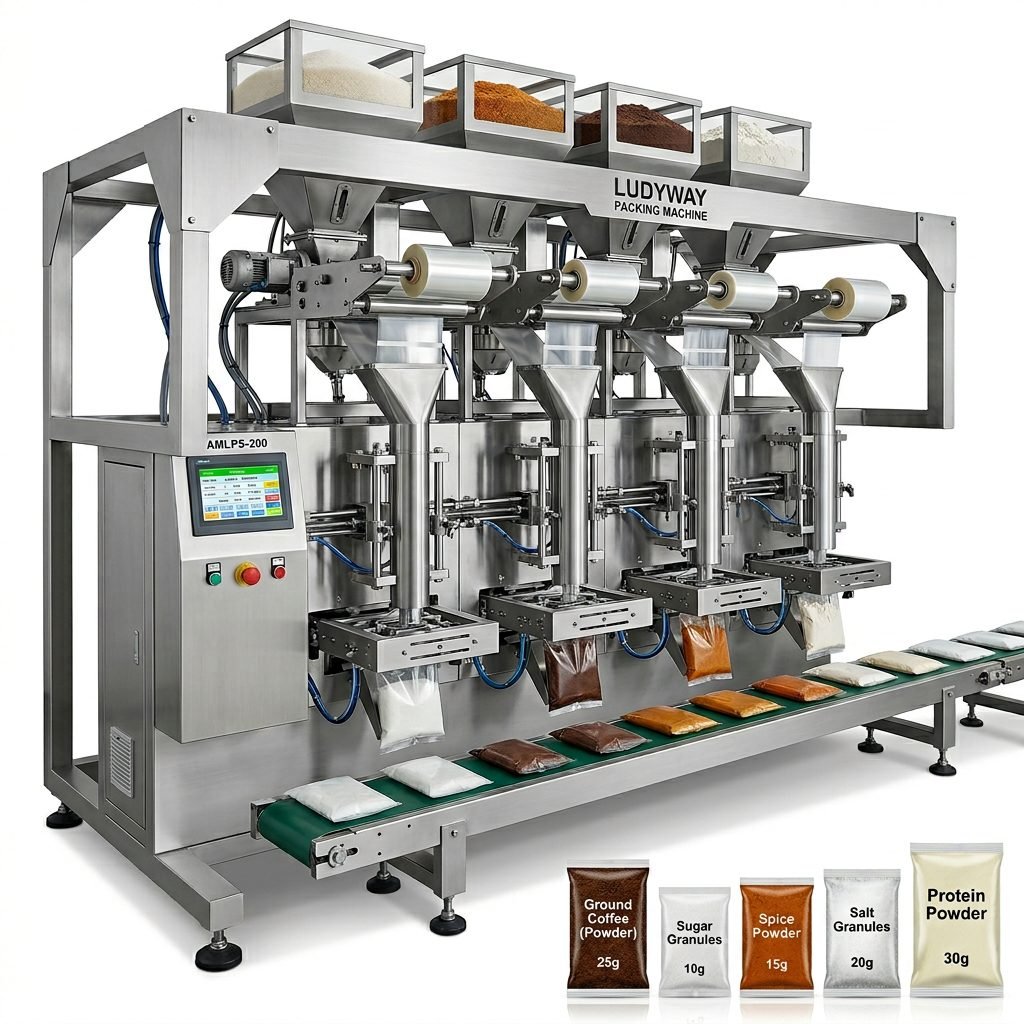
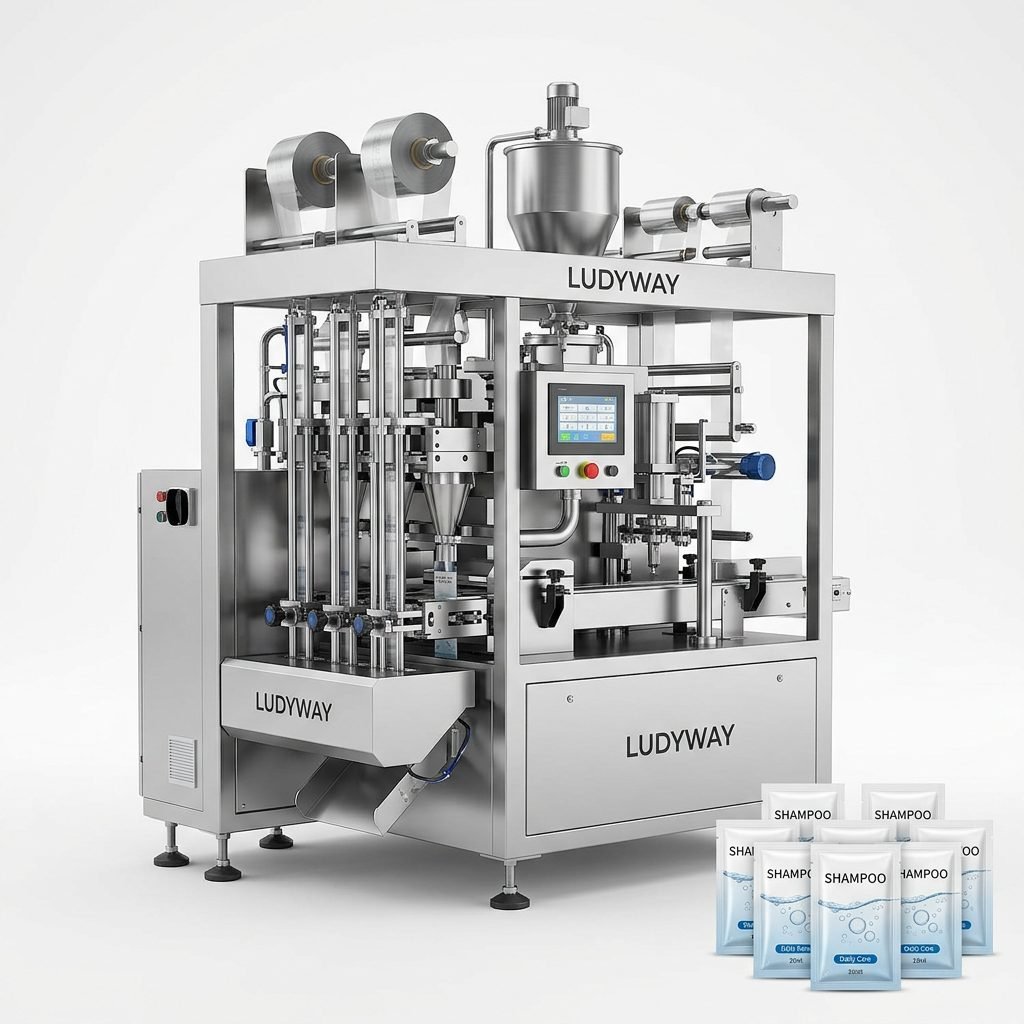
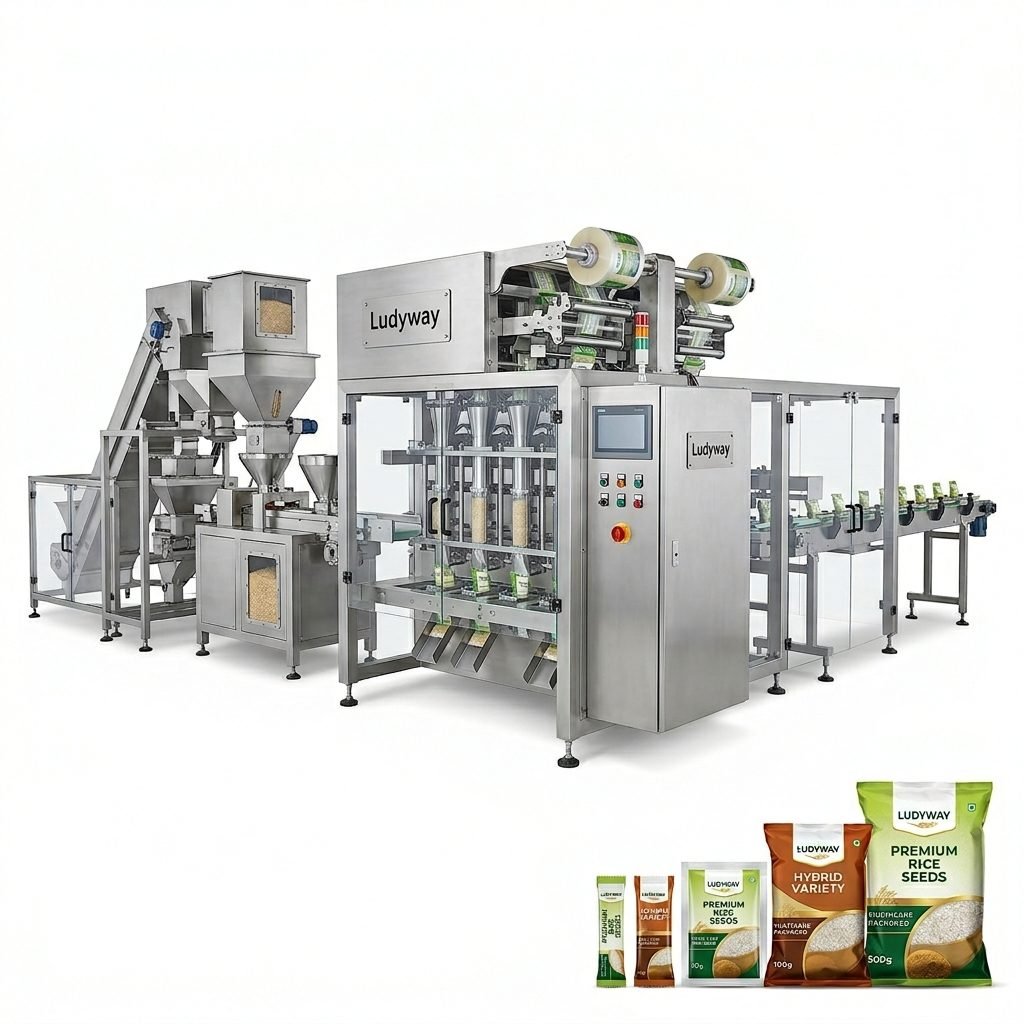
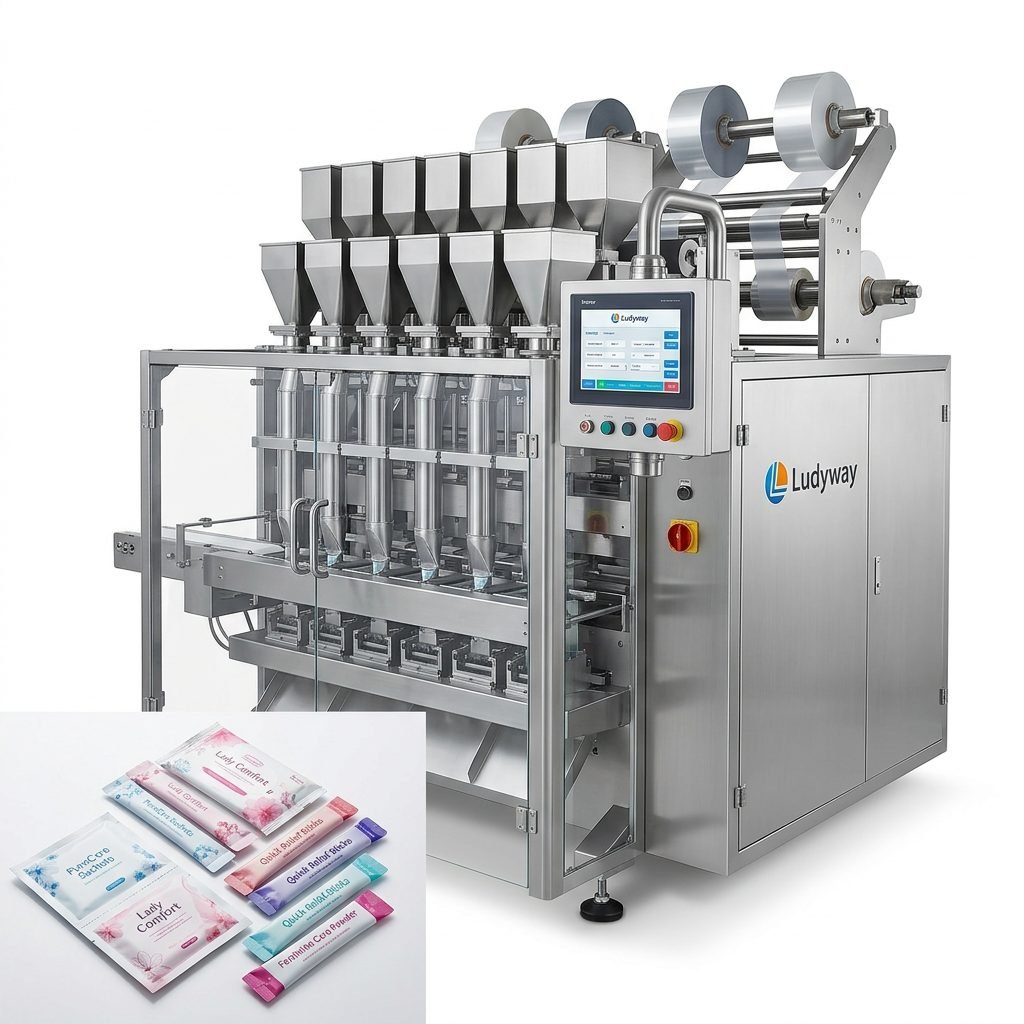
Prioritize suppliers with a global service footprint, remote diagnostic capability, and localized spare parts inventory. Companies like Ludyway Machinery, a China-based packaging machinery manufacturer with over 30 years of experience, provide integrated packaging solutions across more than 100 countries. With a 20,000-square-meter manufacturing facility and a portfolio of over 50 packaging machine models, they offer customized configurations backed by factory acceptance testing, on-site commissioning, operator training, and ongoing technical support. This level of vendor partnership helps maintain consistent output as your product line grows.
8. Testing, Validation, and Acceptance Criteria
Never purchase a machine without running a Factory Acceptance Test (FAT) using your actual film and product samples. Define measurable acceptance criteria: seal strength (measured in Newtons per 15mm width), leak detection pass rate (often via water bath or decay method), maximum film splice waste, and sustained PPM rate over a 4-hour continuous run. Document these in your purchase agreement. Reference the latest packaging machinery market trends indicates that manufacturers who validate equipment rigorously experience faster ramp-up to full production capacity.

9. Regulatory Compliance and Standardization
Confirm the machine meets relevant safety standards (CE marking for Europe, UL for North America, or equivalent local certifications). Electrical components should be from recognized brands with globally available replacements. If your production serves export markets, ensure compatibility with European packaging legislation and similar requirements in target regions.
10. Making the Final Decision: Supplier Evaluation Checklist
- Industry references: Request case studies in protein bar or similar confectionery applications.
- Demo capability: Visit a showroom or request a live video demonstration with your product.
- Engineering depth: Does the supplier design and manufacture critical components in-house?
- Lifecycle support: Ask about technical support response times, spare parts catalog access, and preventive maintenance programs.
- Scalability commitment: The supplier should design systems that can be scaled or reconfigured for future production demands.
Selecting a protein bar packaging machine is an engineering partnership, not a simple transaction. By methodically evaluating your product needs against machine capabilities, hygiene standards, and supplier reliability, you secure a packaging line that protects product quality and scales with your brand growth. For more information on customized turnkey packaging machinery, you can refer to industry resources such as PMMI – Packaging and Processing Technologies Association or Flexible Packaging Association for best practice guidelines and technical standards.