The meal kit industry in North America has experienced remarkable growth, driven by consumer demand for convenience, portion control, and at-home cooking experiences. Establishing an efficient meal kit packaging line requires careful planning around equipment selection, facility layout, food safety compliance, and operational workflow. This guide covers the essential components, estimated costs, and step-by-step process for setting up a successful packaging operation.
Understanding the Meal Kit Packaging Landscape
The North American meal kit market is projected to exceed $20 billion by 2027, according to industry reports from the Flexible Packaging Association. This growth spans multiple categories including fresh ingredient kits, frozen meal solutions, and specialty dietary offerings. A well-designed packaging line must handle diverse components such as proteins, fresh produce, dry goods, sauces, and spice blends — each requiring specific handling and packaging approaches.
Core Equipment for Your Meal Kit Packaging Line
Building a comprehensive packaging line involves integrating several key machinery types. The configuration depends on your product mix, production volume, and automation level. Below are the primary equipment categories to consider.
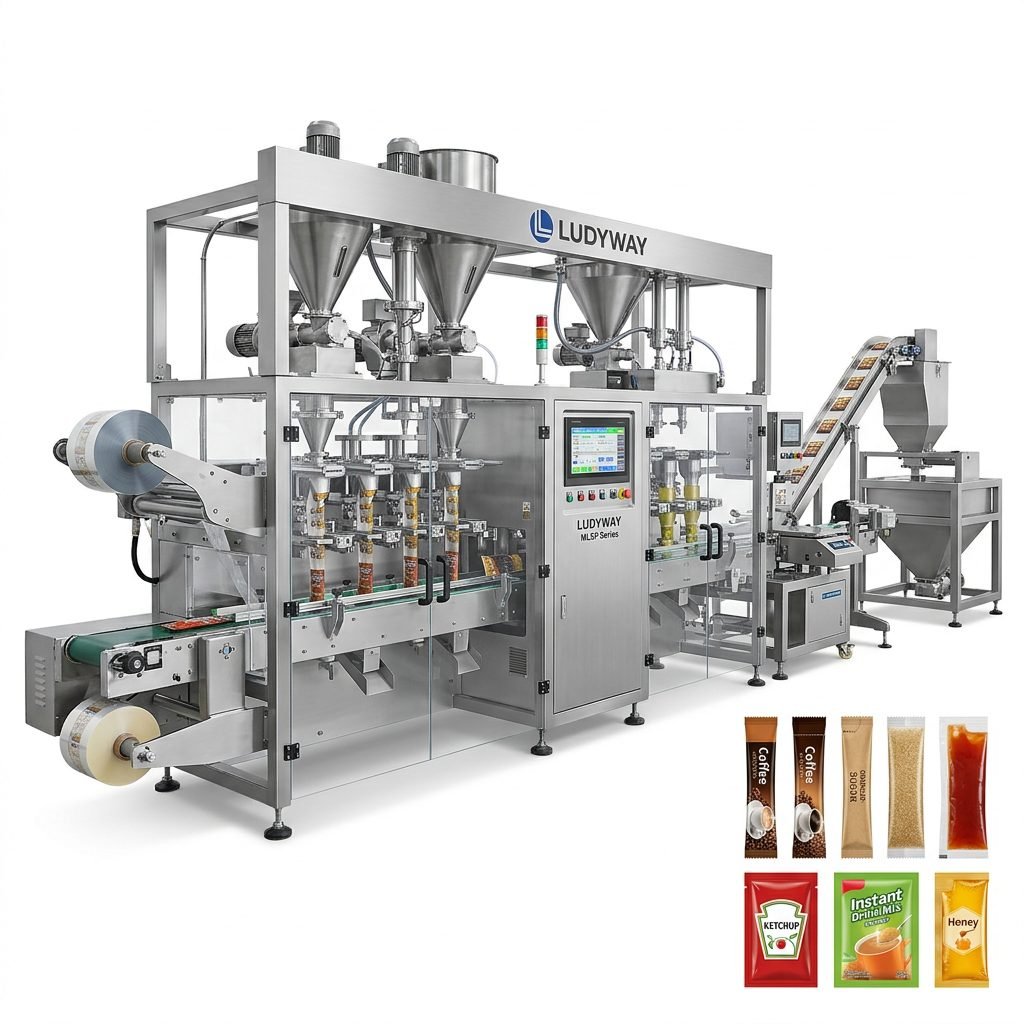
1. Multi-Lane Stick Pack and Sachet Machines
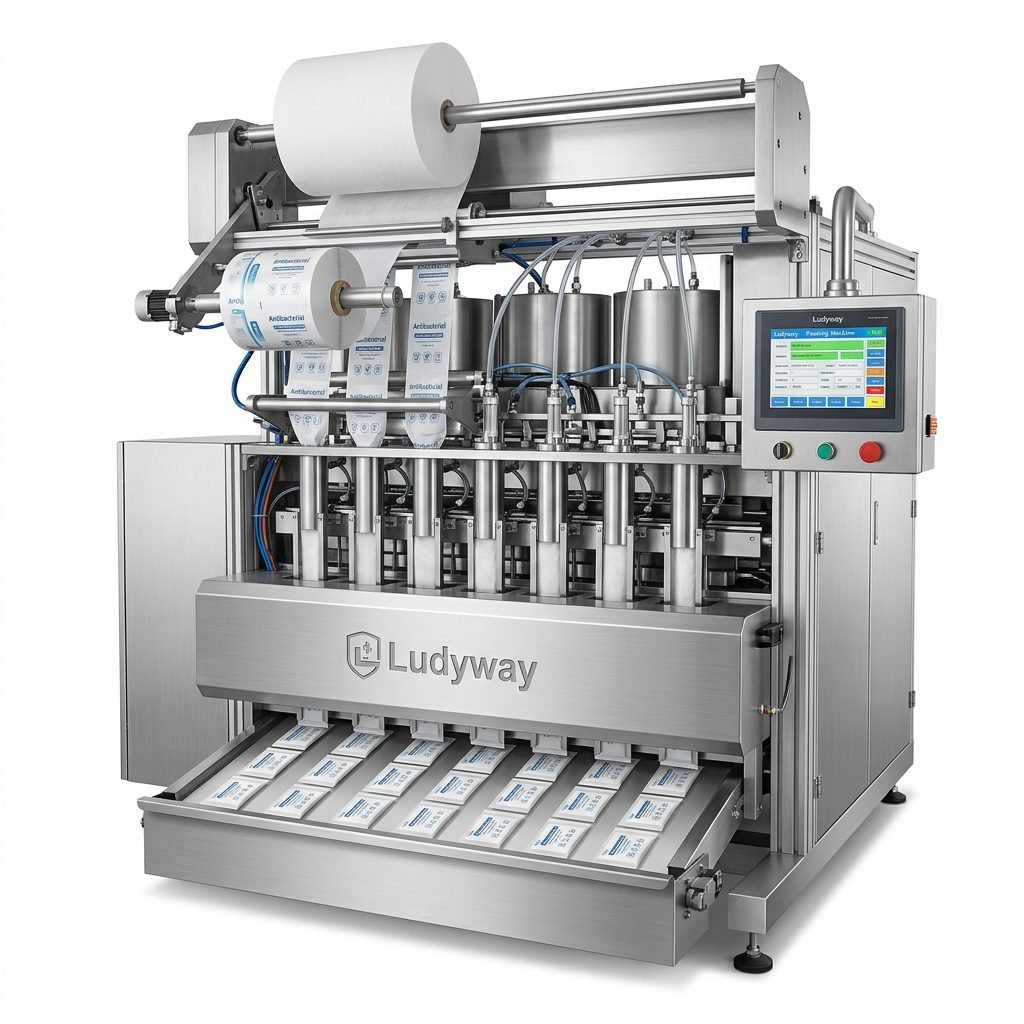
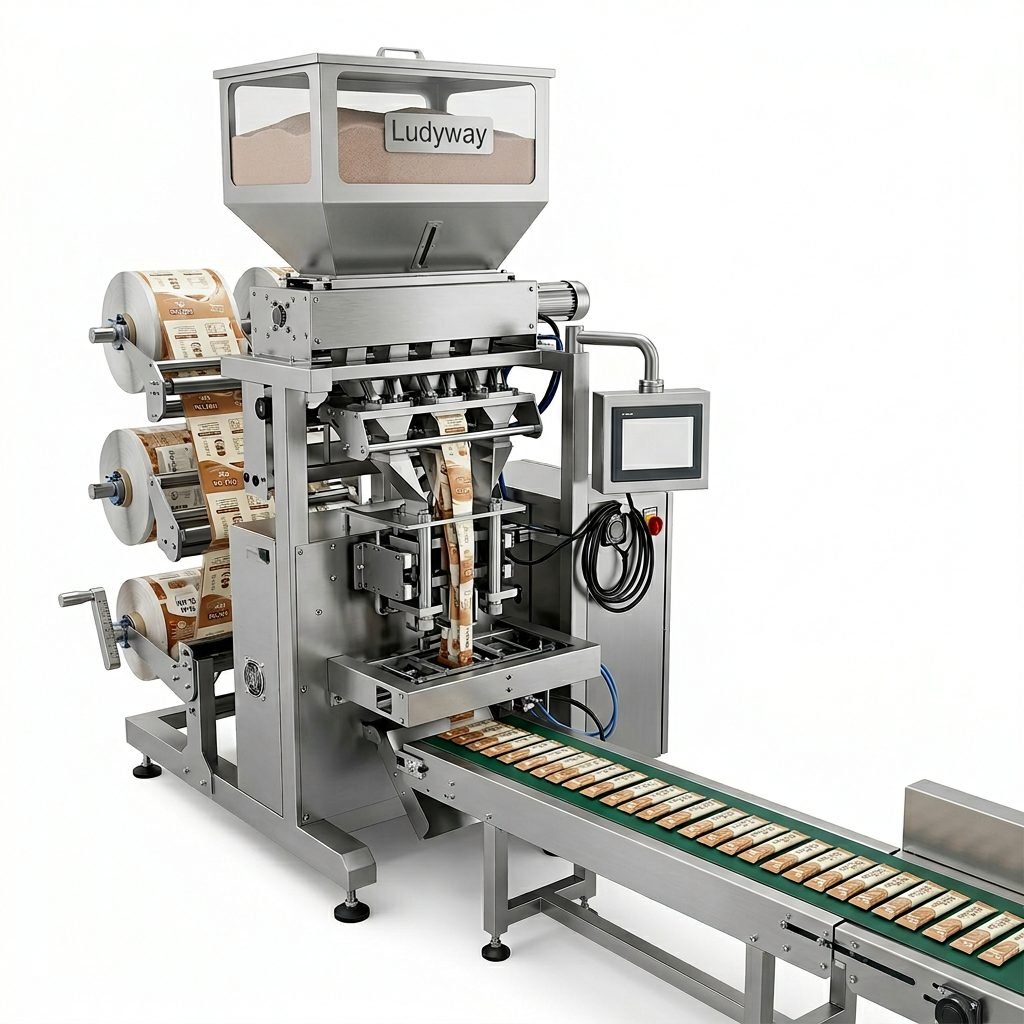
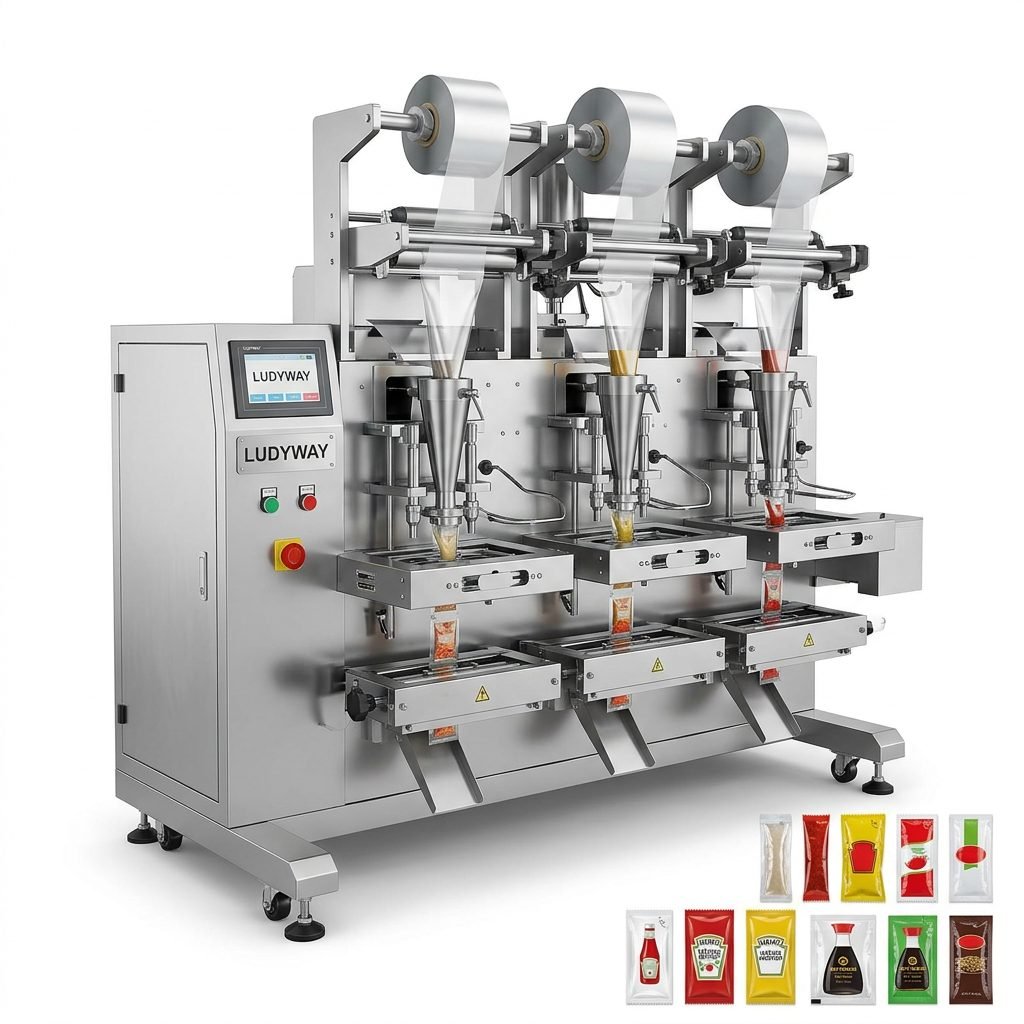
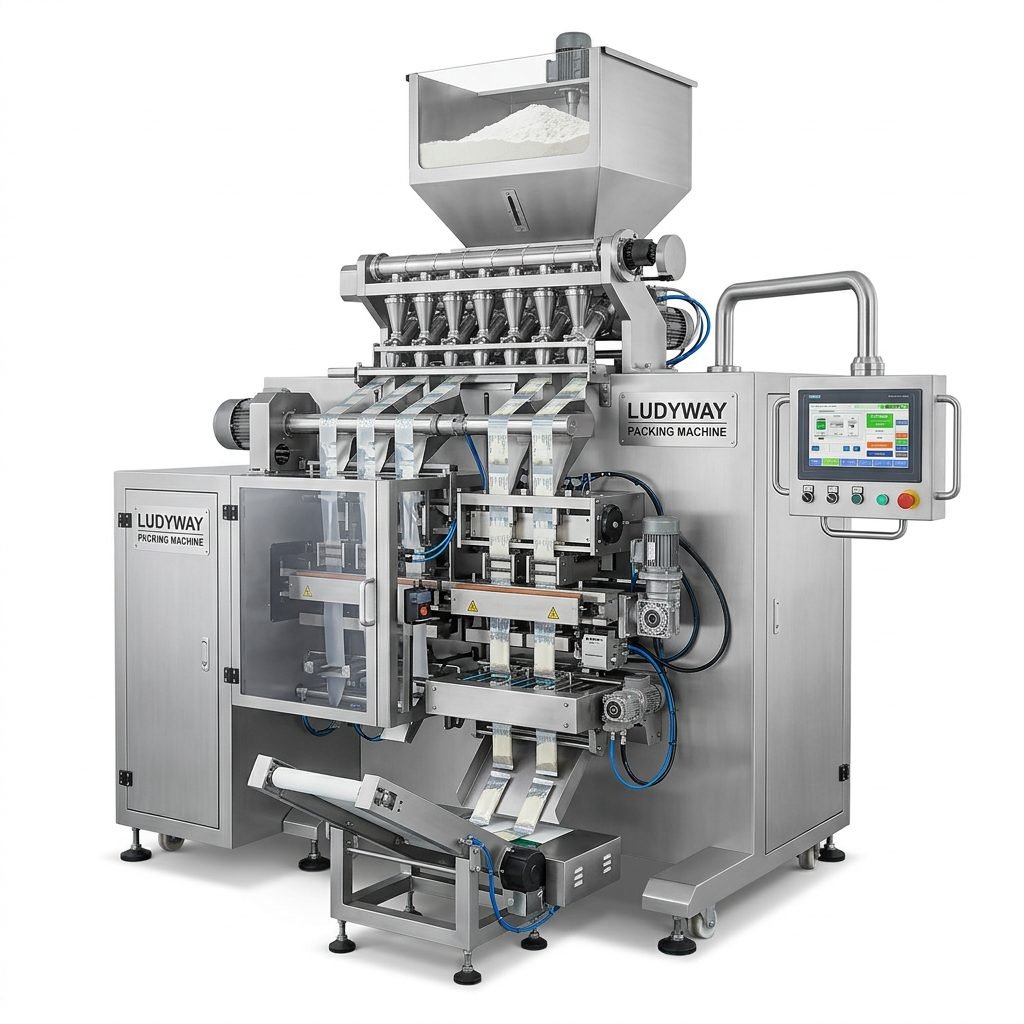
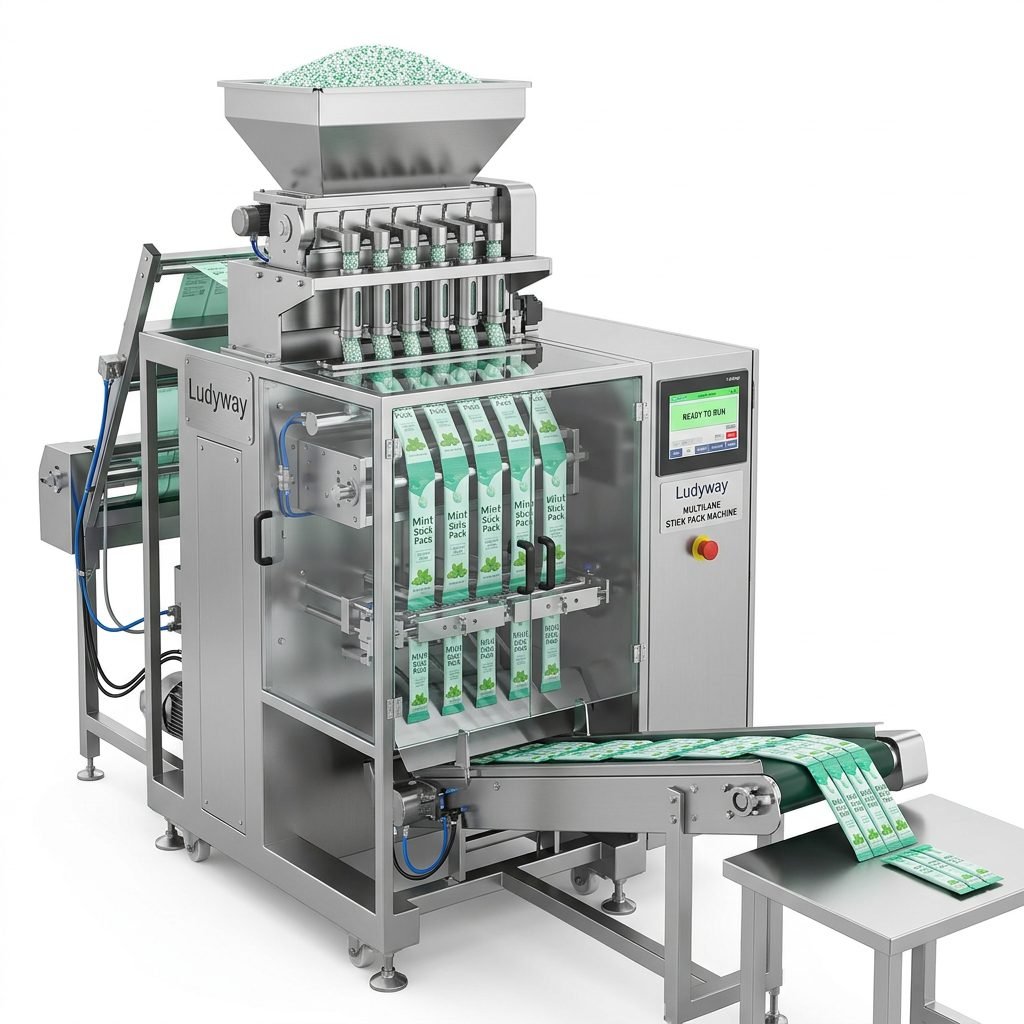
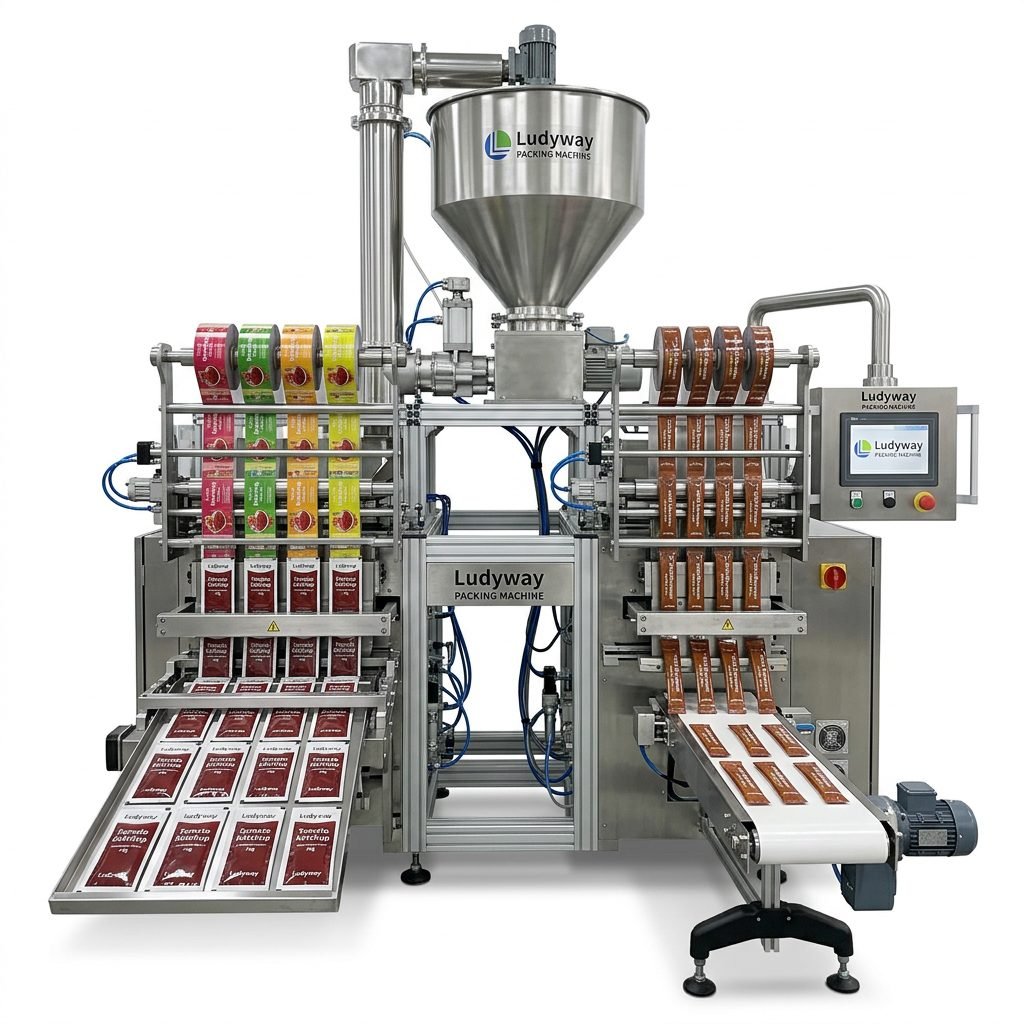
For portioning sauces, dressings, spice blends, and dry seasoning mixes, multi-lane stick pack machines offer high-speed precision filling. These systems can produce 4 to 12 lanes simultaneously, achieving outputs of 400-800 packs per minute depending on film material and fill weight. Liquid sachet packaging machines with volumetric or net weight filling systems handle oil-based dressings and marinades with drip-free accuracy.
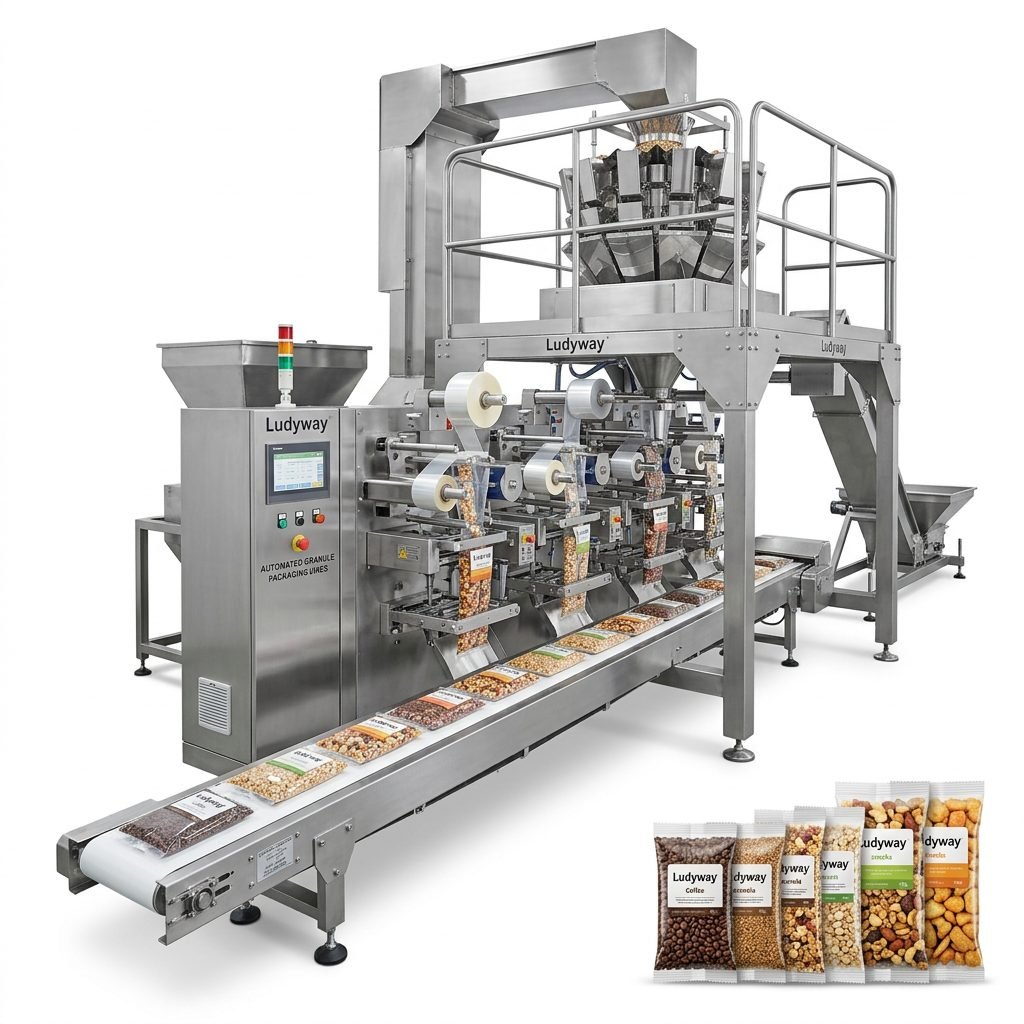
2. Automatic Weighing and Filling Systems
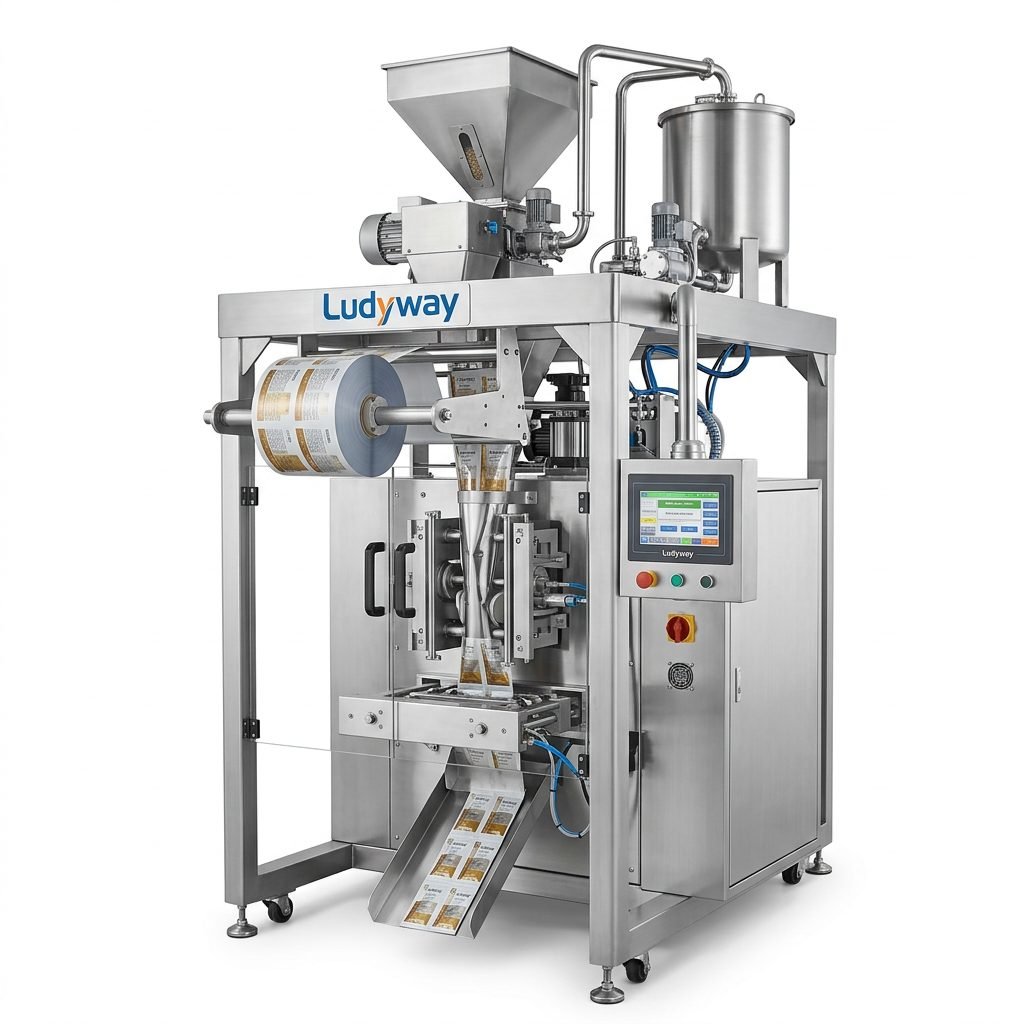
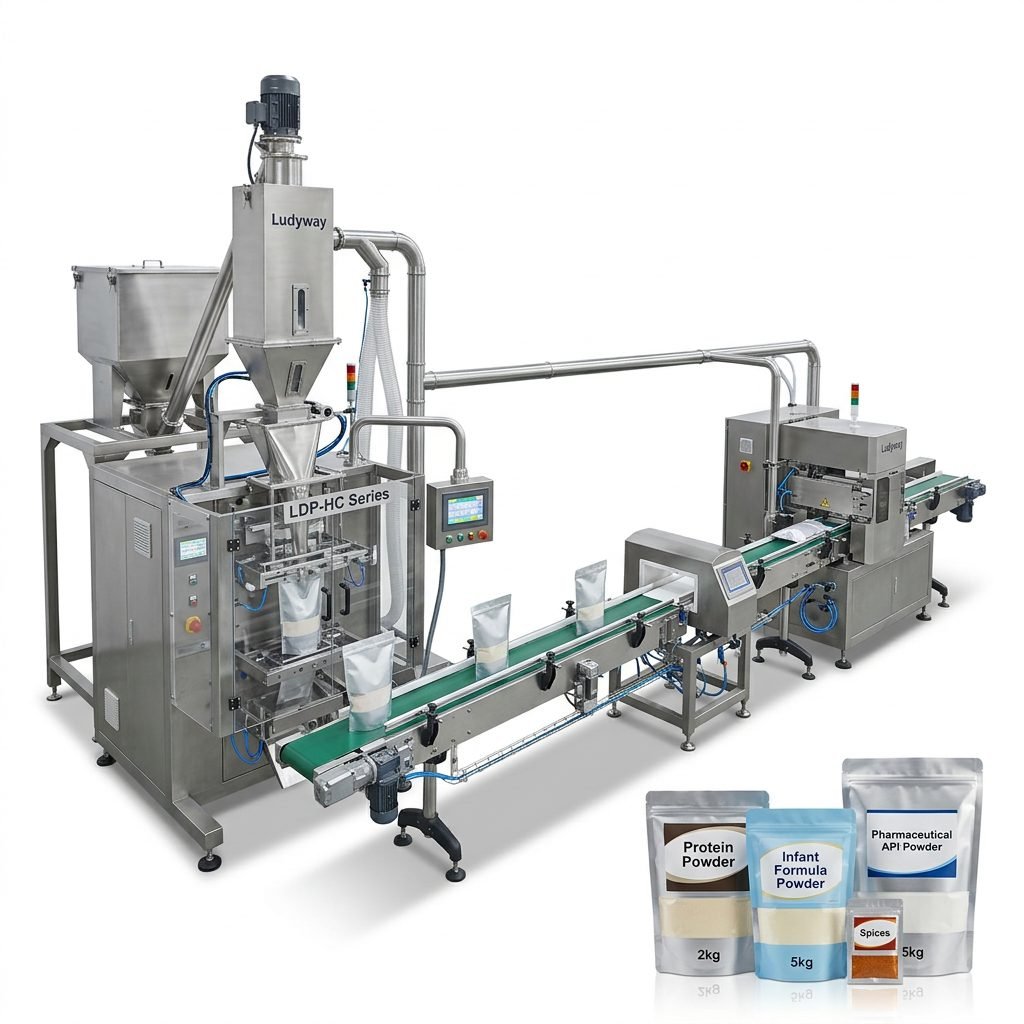
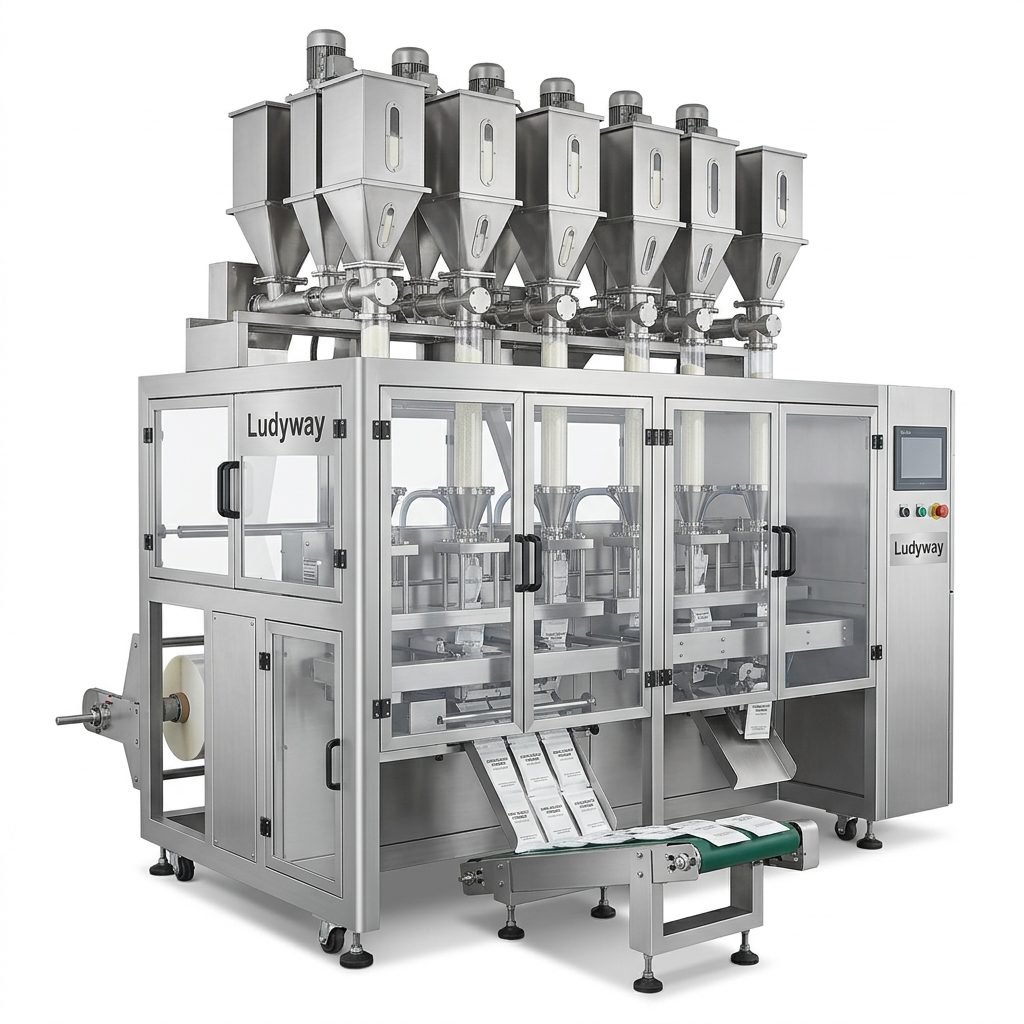
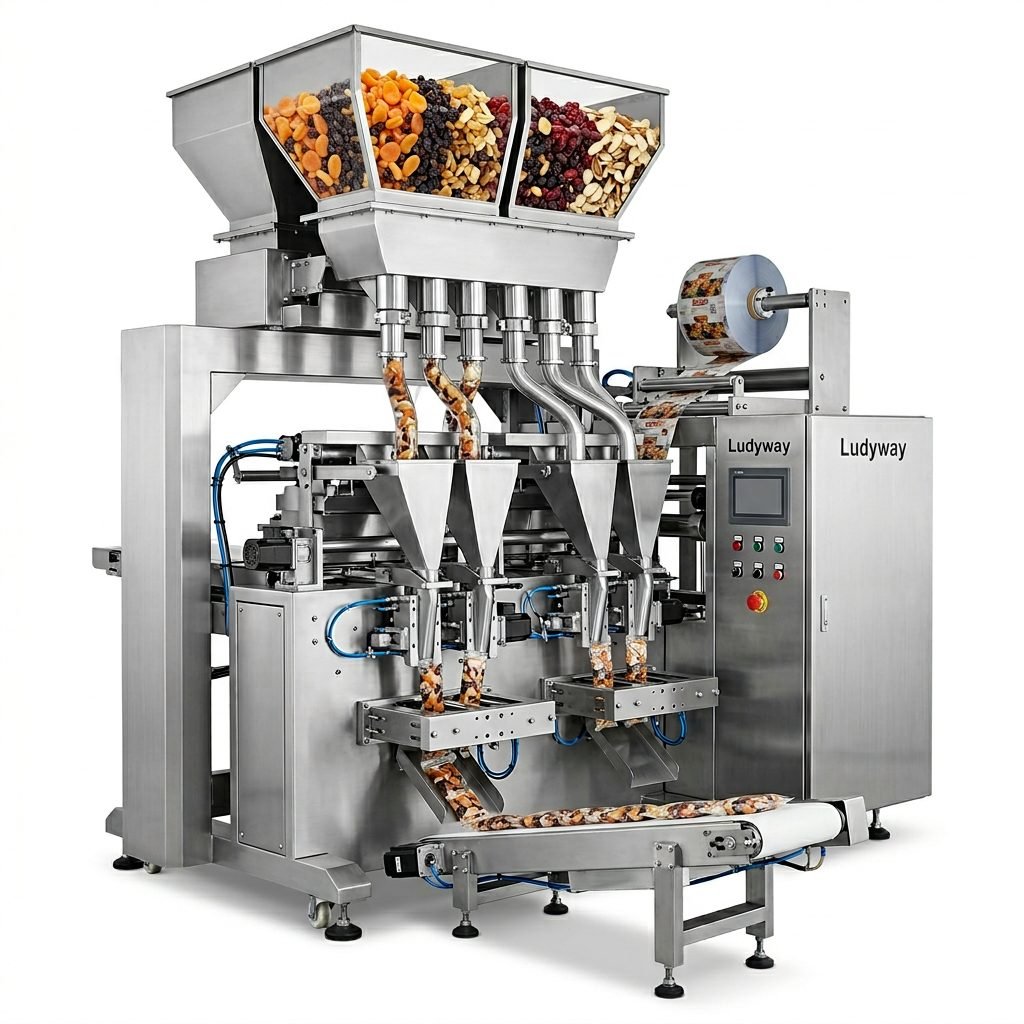
Accurate portion control is critical for ingredient consistency and cost management. Multi-head weighers paired with vertical form-fill-seal (VFFS) machines handle free-flowing granule products such as rice, quinoa, pasta, and dried beans. For sticky or clumping powders like cheese powder or soup bases, auger filling systems provide precise dosing. Combination weighers with ±0.5g accuracy reduce product giveaway while maintaining speed.
3. Liquid Filling and Sealing Machines
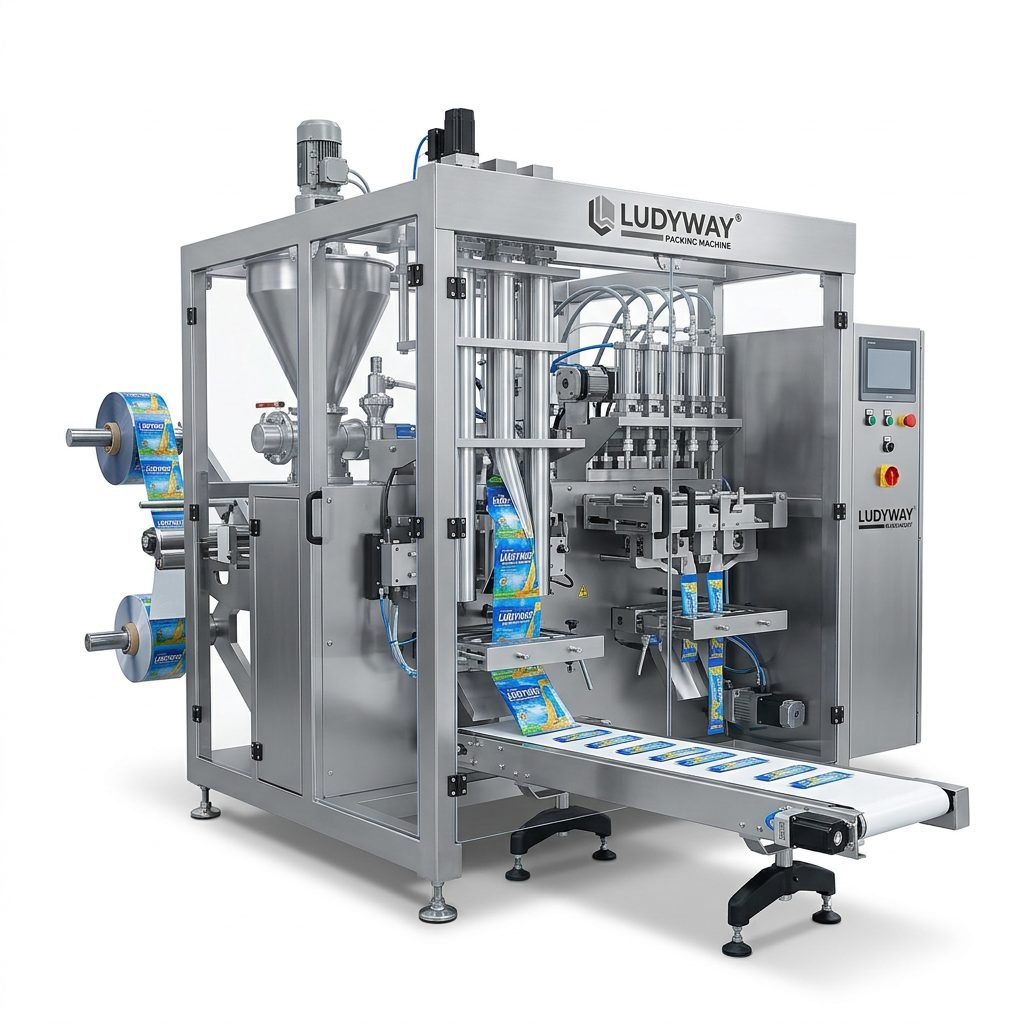
Sauces, oils, and liquid seasonings require specialized filling equipment to prevent contamination and ensure shelf stability. Automatic liquid filling machines equipped with FDA-compliant food-grade contact parts support hot-fill, cold-fill, and extended shelf-life applications. Integrated nitrogen flushing systems can extend product shelf life by reducing oxygen levels in headspace.
4. Pouch Packaging and Bagging Machines
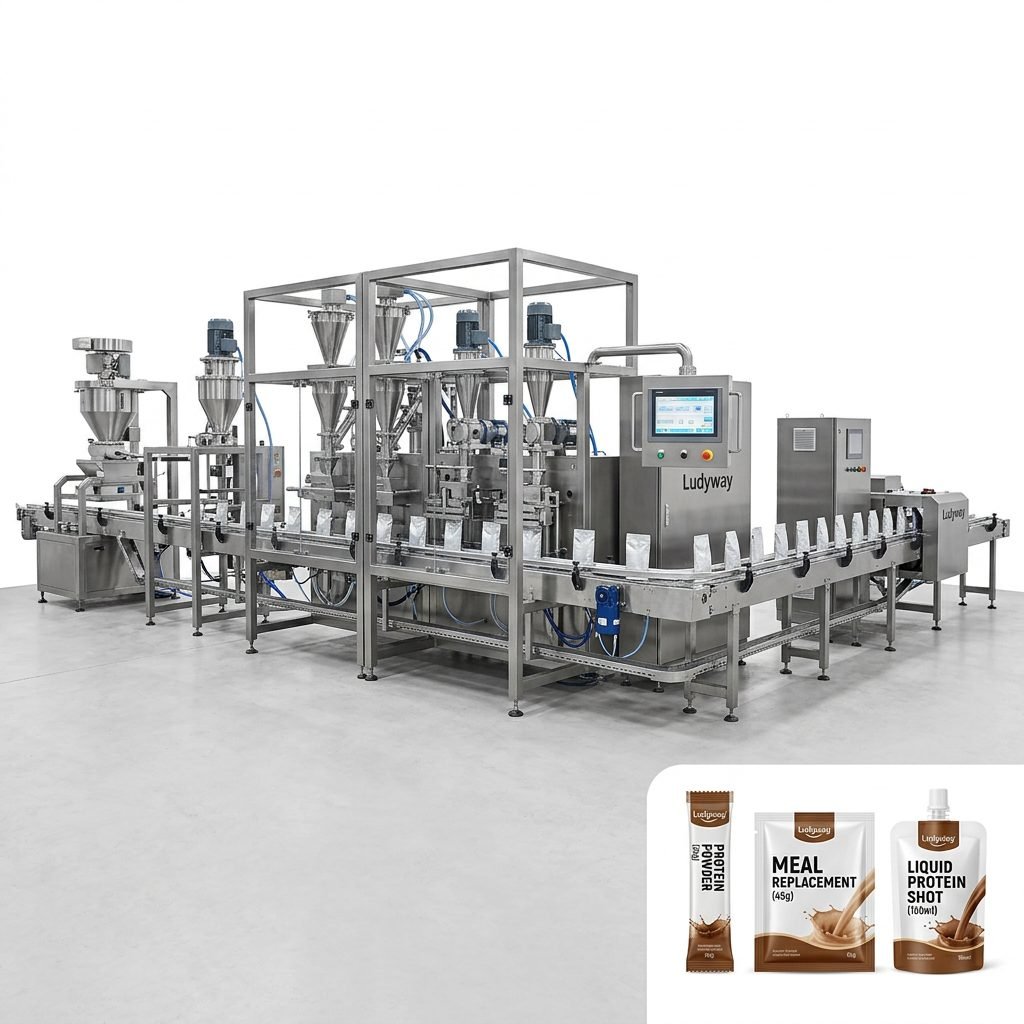
Ready-to-cook meal components often utilize pre-made pouches or form-fill-seal bags. Rotary pouch fillers and sealers accommodate stand-up pouches, flat pouches, and zipper closure formats. For bulk ingredients like potatoes or bulk vegetables, premade pouch packaging systems with multi-lane configuration offer throughput of 60-120 pouches per minute.
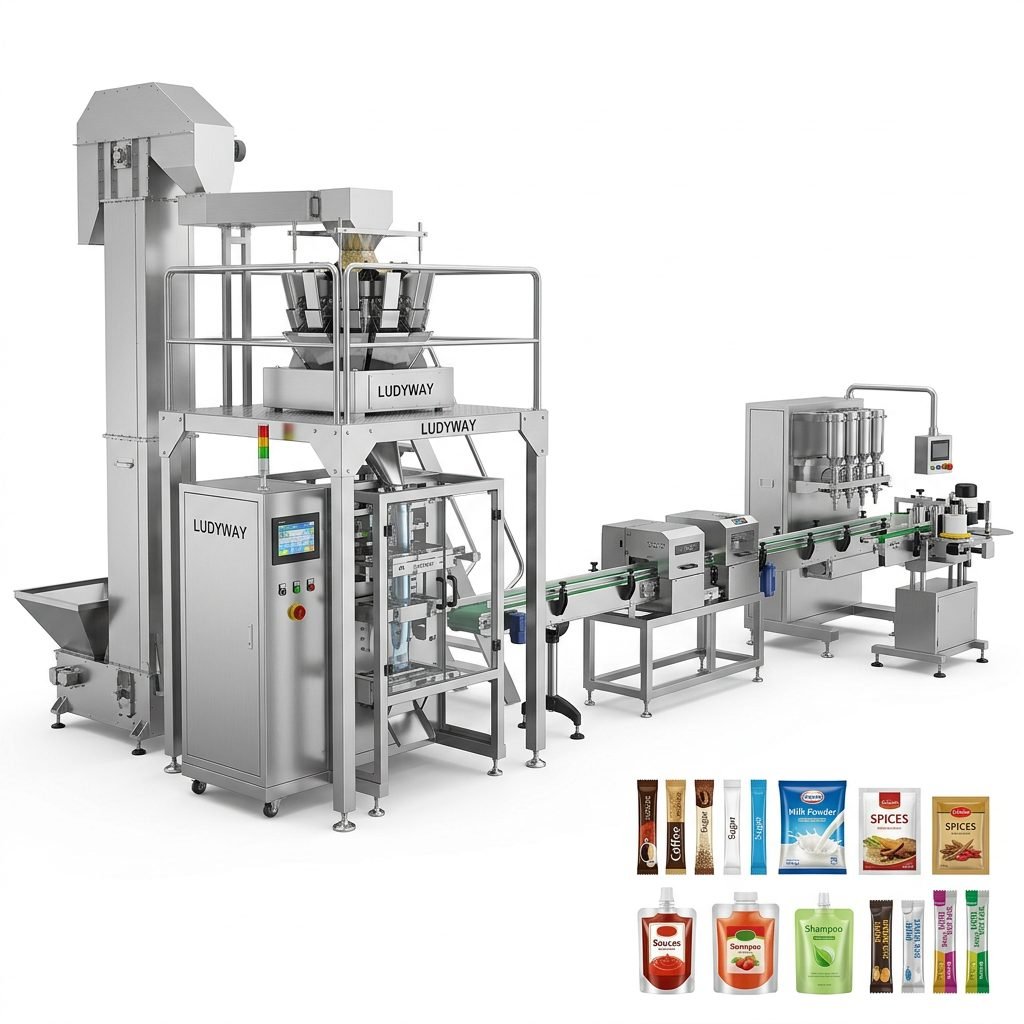
5. Conveying and Integration Systems
Material handling between processing stations requires sanitary conveyor systems designed for food environments. Inclined belt conveyors, bucket elevators, and vibratory feeding systems move raw ingredients to weighing stations, while finished pack conveyors route products to cartoning or case packing. Smart integration with central PLC control enables real-time production monitoring and quick changeover between meal kit variants.
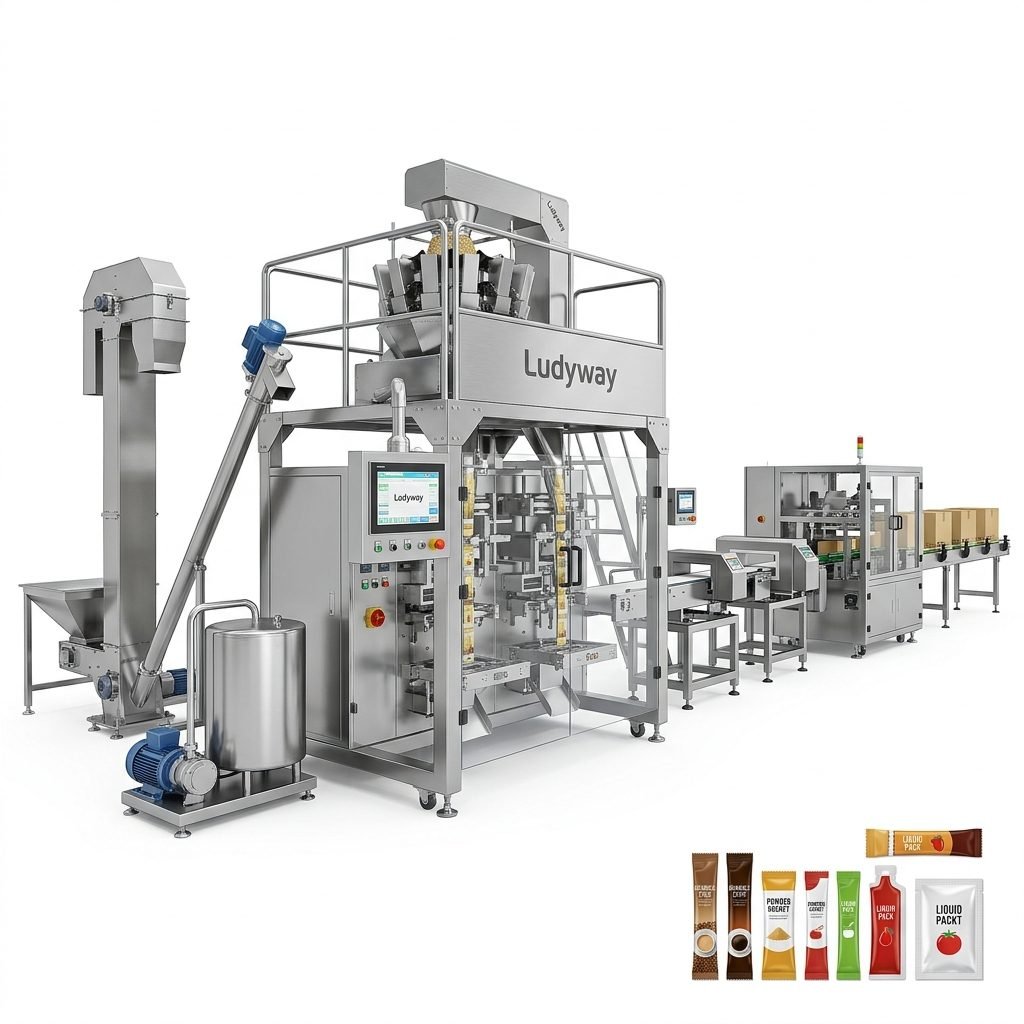
6. Secondary Packaging: Cartoning and Palletizing
After primary packaging, individual components must be assembled into meal kit boxes or cartons. Automatic carton erectors, case packers, and robotic palletizing systems streamline this process. For direct-to-consumer meal kit operations, print-and-apply labeling systems with barcode verification ensure accurate order fulfillment and inventory tracking.
Estimated Equipment Costs Breakdown
Capital investment varies significantly based on automation level, production capacity, and specific machinery selection. The following table provides benchmark pricing for North American installations, including equipment, installation support, and initial training. These figures represent mid-range configurations suitable for medium to high-volume production.
| Equipment Category | Specification | Estimated Cost Range (USD) |
|---|---|---|
| Multi-Lane Stick Pack Machine | 4-8 lane, powder/liquid, PLC control | $45,000 – $120,000 |
| Multi-Head Weigher + VFFS | 14-head weigher, 60-80 bags/min | $65,000 – $150,000 |
| Liquid Sachet Filling Line | Multi-lane, 8-12 lanes, servo-driven | $55,000 – $130,000 |
| Pre-made Pouch System | Rotary filler, zipper capable | $80,000 – $200,000 |
| Conveyor & Integration | Custom layout, stainless steel | $30,000 – $80,000 |
| Cartoning & Palletizing | Semi-automatic to robotic | $70,000 – $250,000 |
| Inspection & Coding Systems | Checkweigher, metal detector, inkjet | $25,000 – $75,000 |
A complete turnkey meal kit packaging line with medium automation typically ranges from $350,000 to $1,000,000+, depending on configuration and throughput requirements. Partnering with an experienced packaging equipment manufacturer can reduce integration risks and ensure USDA/FDA compliance from day one.
Step-by-Step Setup Process
Launching a meal kit packaging operation involves methodical planning across multiple phases. Each step builds upon the previous one to create a compliant, efficient production environment. Here is a structured approach to guide your setup.
Step 1: Define Product Specifications and Production Goals
- Determine product formats — stick packs, sachets, pouches, or bulk bags for each component.
- Calculate target output per shift based on order volume forecasts and peak season demands.
- Identify packaging film requirements including barrier properties, seal strength, and print registration needs.
- Document shelf life targets and any modified atmosphere packaging (MAP) or nitrogen flush requirements.
Step 2: Facility Assessment and Layout Design
- Ensure floor space accommodates equipment footprint plus required clearance for sanitation and maintenance access.
- Verify utility capacities — electrical supply (typically 208V or 480V three-phase), compressed air, and water connections.
- Design material flow from receiving through production to finished goods storage, following GMP principles to prevent cross-contamination.
- Include washdown zones, personnel hygiene stations, and environmental monitoring points per FDA guidelines.
Step 3: Equipment Selection and Procurement
- Evaluate suppliers based on food industry experience, North American service support, and parts availability.
- Request validation documentation including IQ/OQ protocols for regulatory compliance.
- Confirm compatibility with existing ERP and MES systems for production tracking.
- Negotiate terms covering installation supervision, operator training, and warranty coverage — typically 12-24 months on major components.
Step 4: Installation and Commissioning
- Schedule equipment delivery to align with facility readiness — utilities, flooring, and climate control must be complete before arrival.
- Conduct Installation Qualification (IQ) to verify equipment placement, connections, and environmental conditions meet specifications.
- Perform Operational Qualification (OQ) with test products to confirm all machine parameters operate within acceptable ranges.
- Complete Performance Qualification (PQ) using actual production materials to demonstrate consistent output quality at target speeds.
Step 5: Regulatory Compliance and Certification
- Register facility with FDA and comply with 21 CFR Part 117 for Current Good Manufacturing Practice (cGMP).
- Implement HACCP plan identifying critical control points for biological, chemical, and physical hazards.
- Obtain third-party certifications such as SQF or BRC if required by retail partners — these audits verify food safety management systems.
- Establish traceability systems capable of forward and backward lot tracking within 24 hours as per FSMA requirements.
Step 6: Workforce Training and SOP Development
- Develop standard operating procedures covering equipment operation, cleaning, changeover, and emergency shutdown.
- Train operators on mechanical adjustments, recipe management, and basic troubleshooting to minimize downtime.
- Create maintenance schedules with daily, weekly, and monthly checkpoints for belts, seals, bearings, and sensors.
- Document all training records and maintain current competency assessments for audit readiness.
Key Regulatory Considerations for North America
Meal kit packaging in the United States and Canada operates under strict regulatory frameworks. FDA’s Food Contact Substance regulations govern packaging materials, while USDA FSIS oversees any kits containing meat or poultry products. Key compliance areas include:
- Allergen control — separate production runs or validated sanitation between products containing major allergens.
- Labeling accuracy — net weight declarations, ingredient lists, nutritional panels, and country of origin labeling.
- Traceability records — maintain lot code links from incoming ingredients through finished kits for at least 2 years.
- Environmental monitoring — pathogen testing programs for Listeria, Salmonella, and indicator organisms in production zones.
Facility Design for Food Safety
Packaging room design must incorporate positive air pressure to prevent contaminant ingress, seamless flooring with cove bases for drainage, and adequate lighting for visual inspection. Temperature-controlled zones may be required for fresh ingredient staging and finished kit storage, typically maintained at 34-38°F (1-3°C) for refrigerated products.
Selecting the Right Equipment Partner
Choosing a reliable packaging machinery supplier with North American support capabilities significantly impacts project success. Look for manufacturers who can provide turnkey solutions covering multiple product formats — granules, powders, liquids, and pouch packaging — from a single source. This reduces integration complexity and simplifies service relationships.
Companies like Ludyway, with over 30 years of experience and a modern 20,000㎡ manufacturing facility, offer more than 50 intelligent packaging machine models serving customers in over 100 countries. Their engineering team provides complete line design, equipment customization, and technical support that aligns with FDA and GMP standards for food packaging applications.
Production Efficiency and Maintenance Best Practices
Achieving target OEE (Overall Equipment Effectiveness) requires systematic maintenance and continuous improvement processes. Implement these practices to maximize uptime and product quality:
- Establish preventive maintenance calendars synchronized with production schedules — plan major overhauls during seasonal low-demand periods.
- Stock critical spare parts including sealing jaws, heating elements, forming tubes, and sensor assemblies to minimize mean time to repair (MTTR).
- Conduct weekly sanitation deep cleans following 7-step wet sanitation protocols with validated ATP swab testing to verify cleanliness.
- Monitor packaging material waste rates — target less than 3% film waste through proper tension control and splice settings.
Scaling Your Operation
As order volumes grow, your packaging line should accommodate modular expansion. Multi-lane stick pack machines can often be upgraded with additional lanes, and secondary automation — such as automatic cartoning and palletizing — can be phased in to reduce manual labor. Scalable design preserves initial investment while enabling capacity growth to match market demand without complete line replacement.
For further guidance on packaging industry standards and market data, consult resources from the PMMI State of the Industry reports and European Commission packaging regulations for international compliance insights. Visit PACK EXPO International to see the latest packaging machinery innovations firsthand.