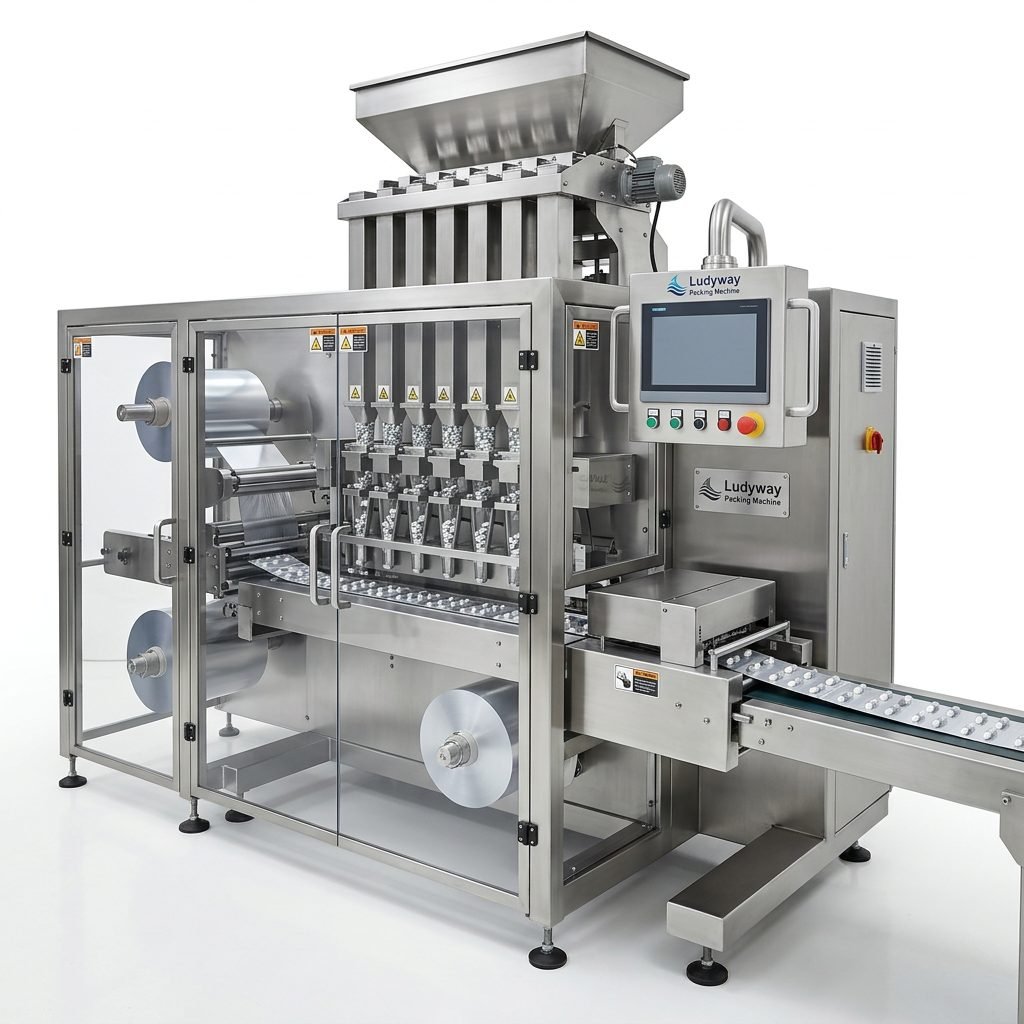
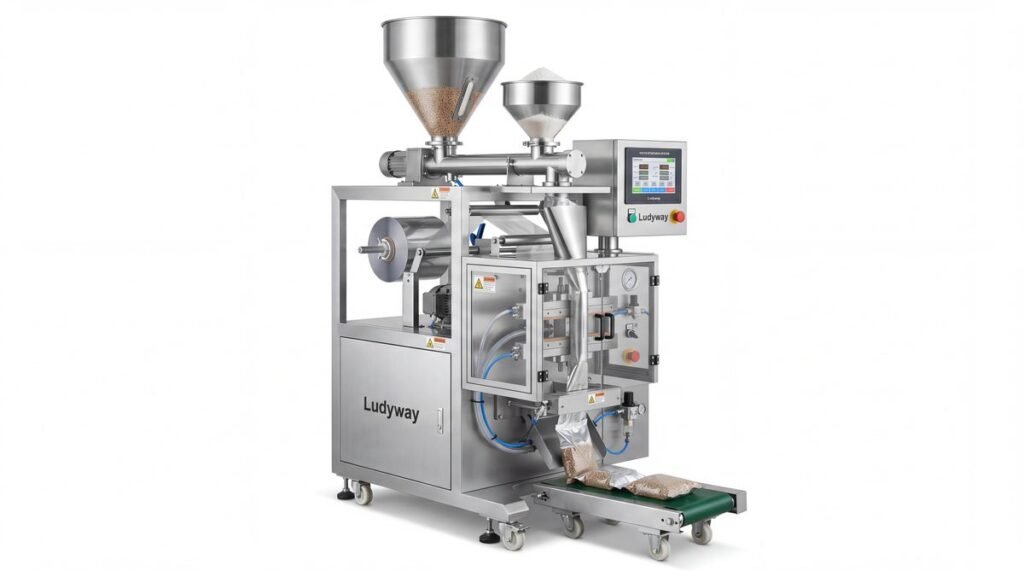
Selecting the right cream packaging machine is one of the most important investment decisions a cosmetics, pharmaceutical, or personal care manufacturer can make. With a wide variety of technologies, filling principles, and automation levels available, a structured evaluation process helps avoid costly mistakes and ensures your equipment supports both current production needs and future growth.
This guide walks through the key factors to consider when purchasing a cream packaging machine, from product characteristics and packaging formats to machine configuration, regulatory requirements, and long-term service. Whether you are filling thick face creams, lotions, serums, or pharmaceutical ointments, understanding these variables will help you choose a reliable, efficient, and scalable packaging solution.
1. Understand Your Product Characteristics
Before evaluating machine specifications, start with a thorough analysis of the cream product itself. Cream viscosity varies significantly — from light, flowable lotions to heavy, tacky butters and pastes. This single factor directly determines the type of filling system required. Piston fillers, gear pumps, and progressive cavity pumps each handle different viscosity ranges with varying degrees of accuracy. A machine that works well for a thin moisturizing lotion may struggle with a thick barrier cream containing waxes or butters.
Beyond viscosity, evaluate whether the product contains particulates, abrasives, or heat-sensitive ingredients. Exfoliating creams with beads require filling nozzles that won’t clog or damage delicate particles. Temperature-sensitive actives may require temperature-controlled hoppers and minimal shear during the filling process. Density and foaming tendencies also affect filling accuracy and speed, especially in high-speed multi-lane configurations.
- Low viscosity (lotions, milks): Overflow or gravity fillers typically work well
- Medium viscosity (standard creams): Piston fillers provide consistent volumetric dosing
- High viscosity (butters, balms): Positive displacement pumps with hopper agitation are often required
- Products with particulates: Special nozzles and gentle pumping mechanisms protect ingredient integrity
2. Define Your Packaging Format and Bag Style
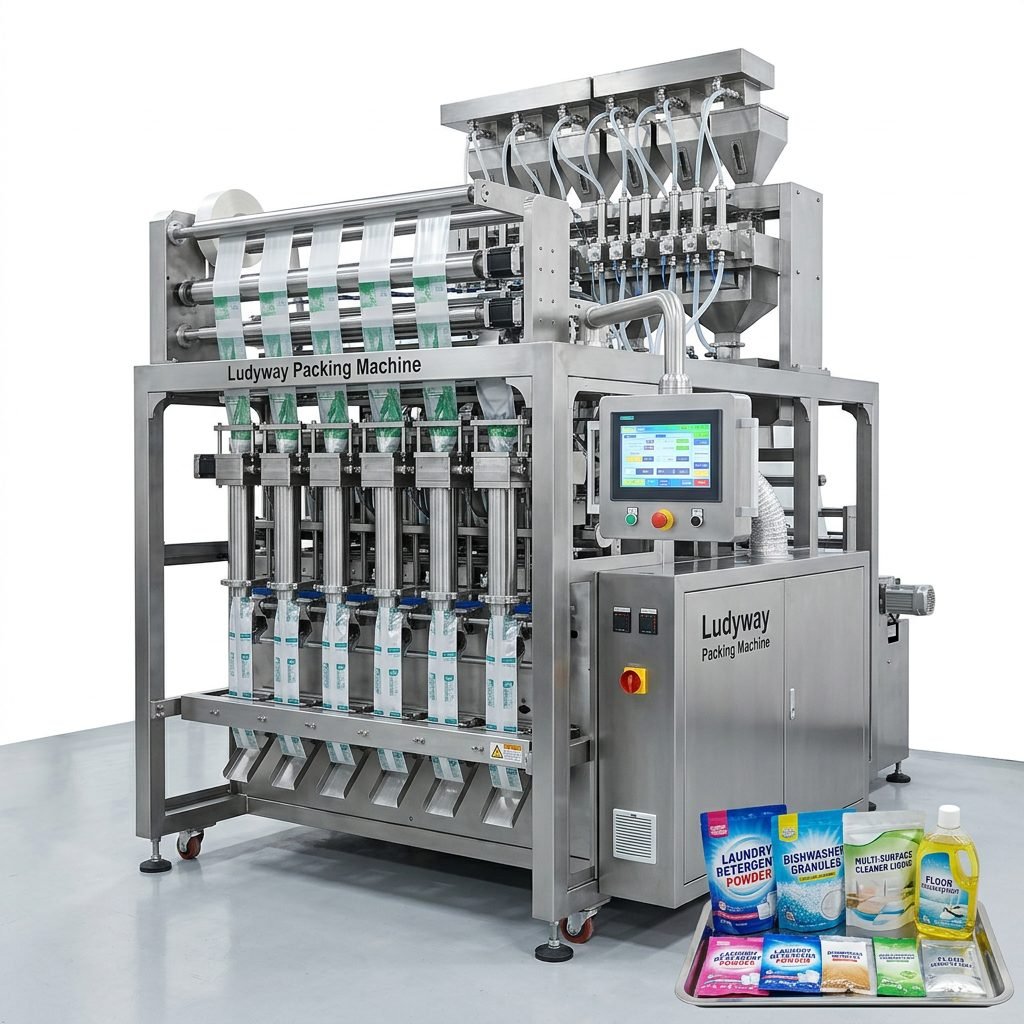
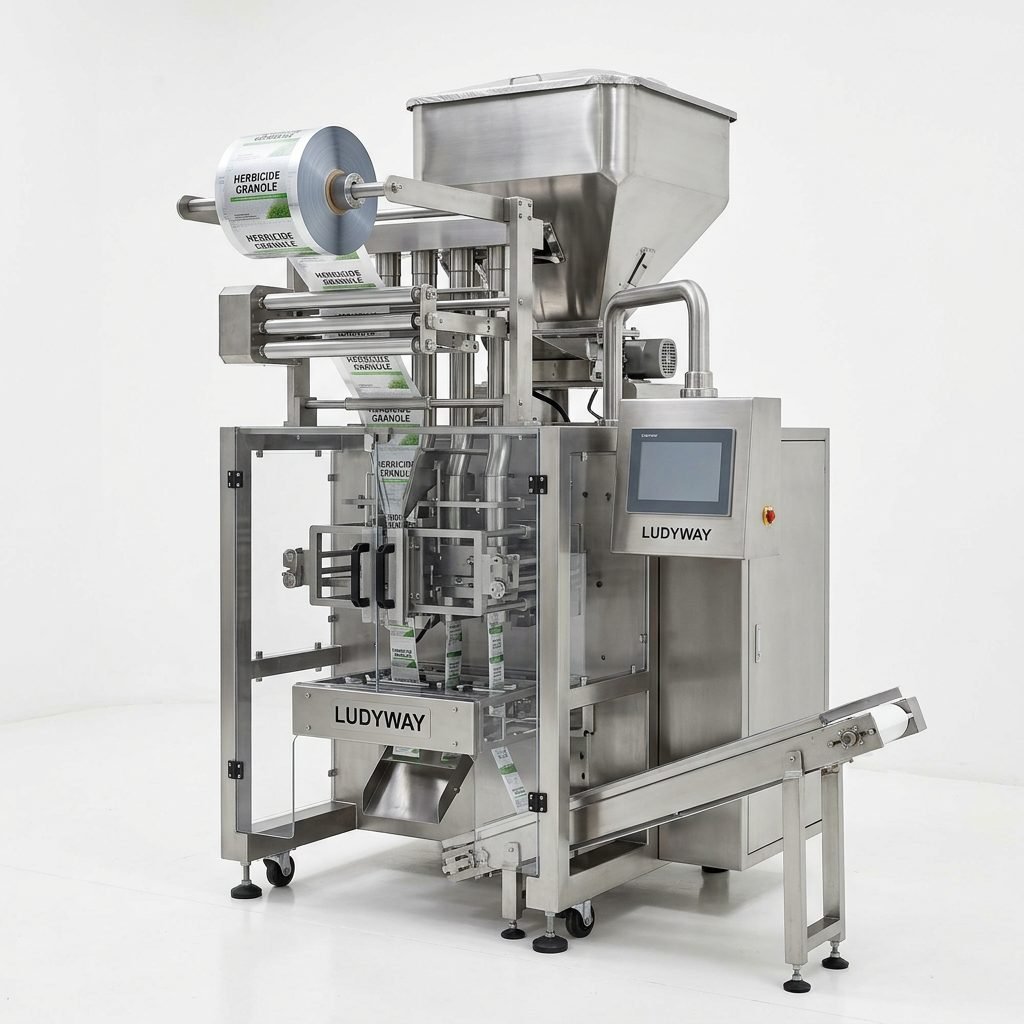
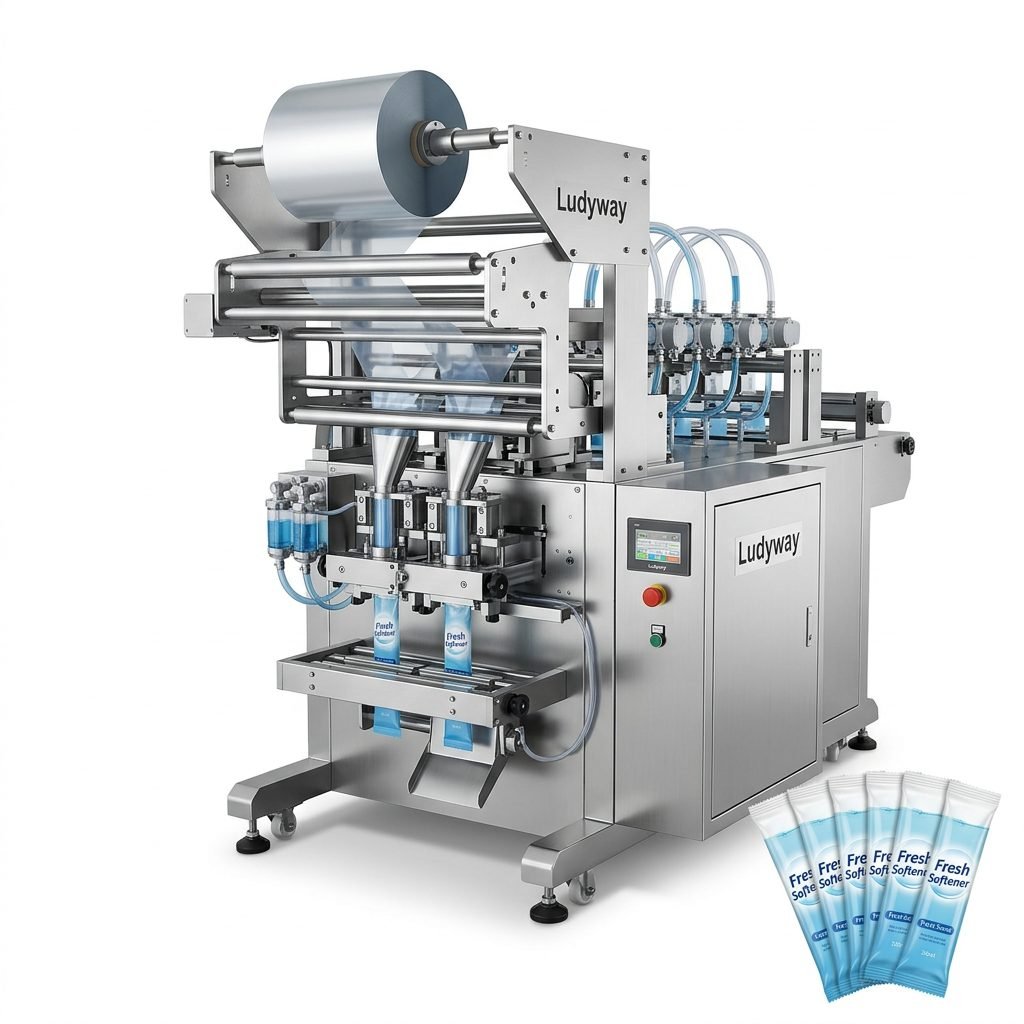
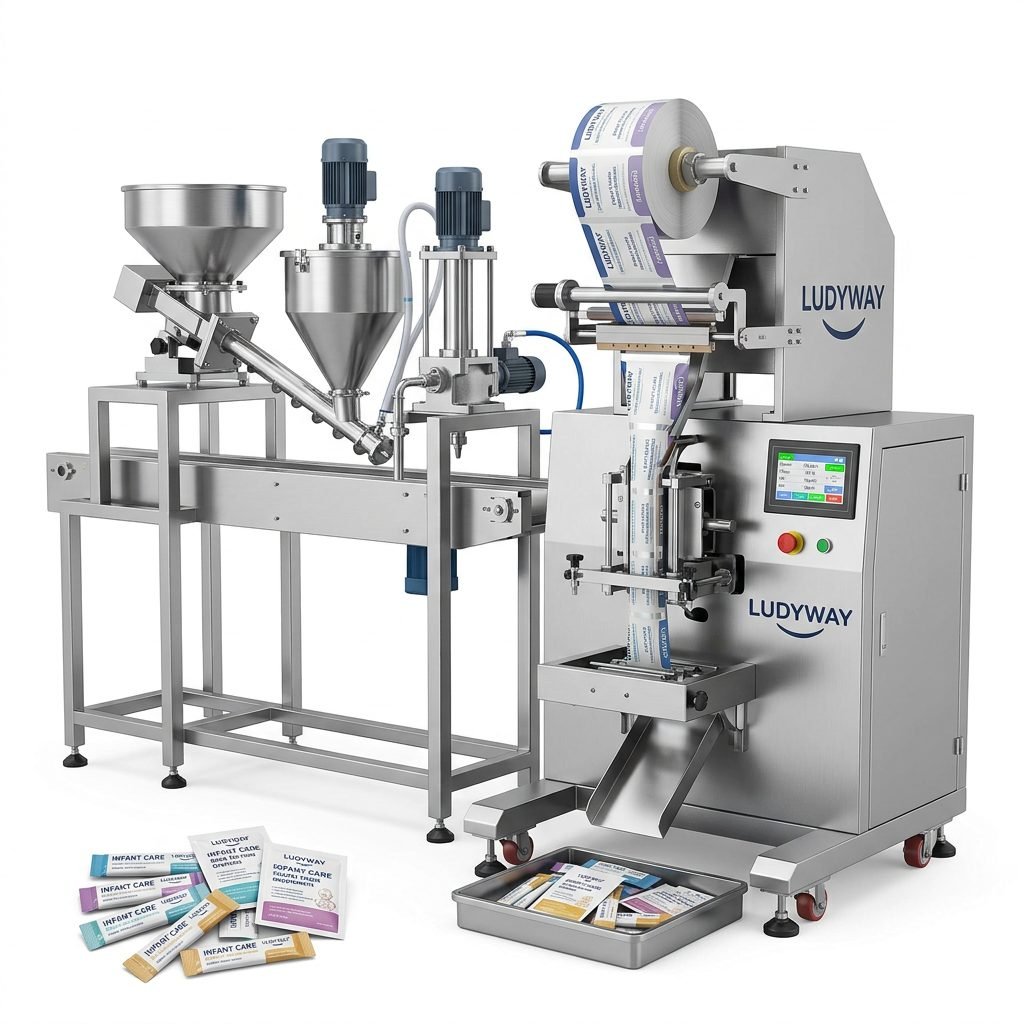
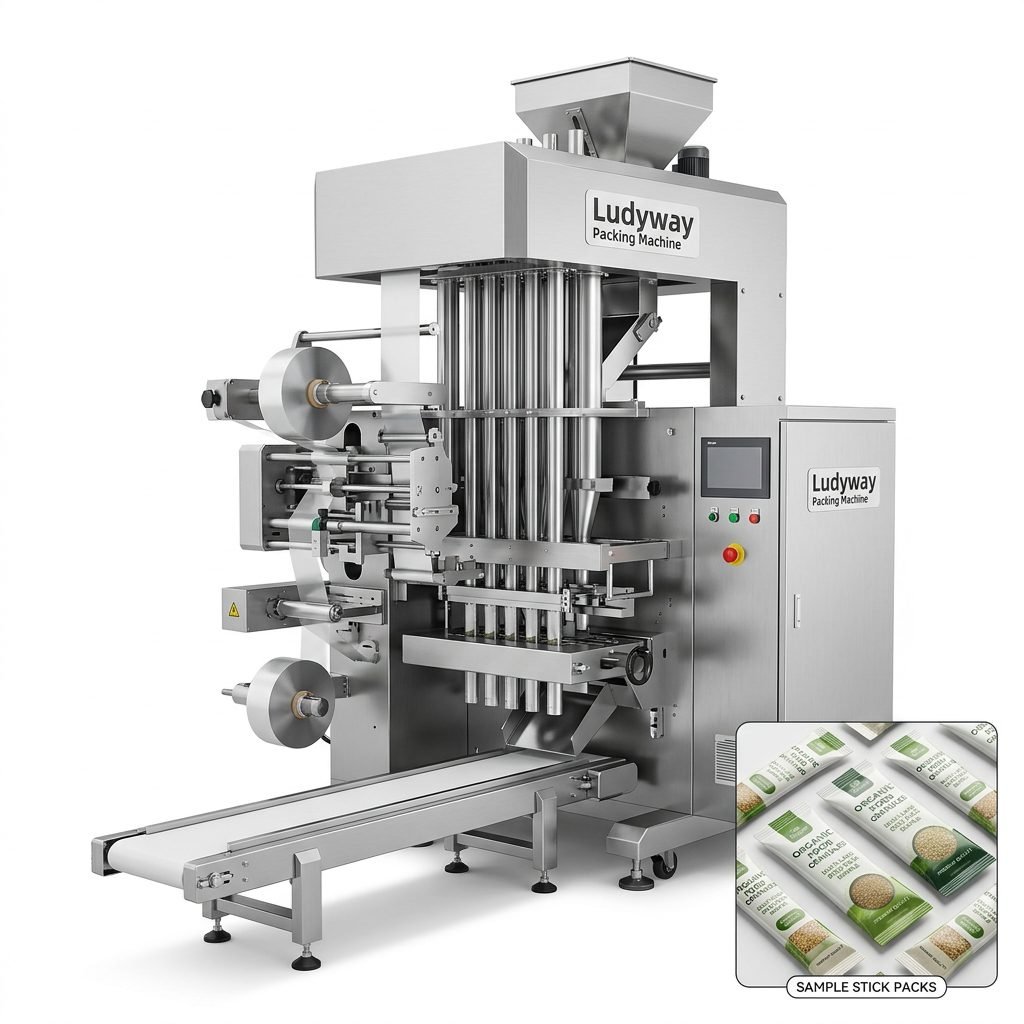
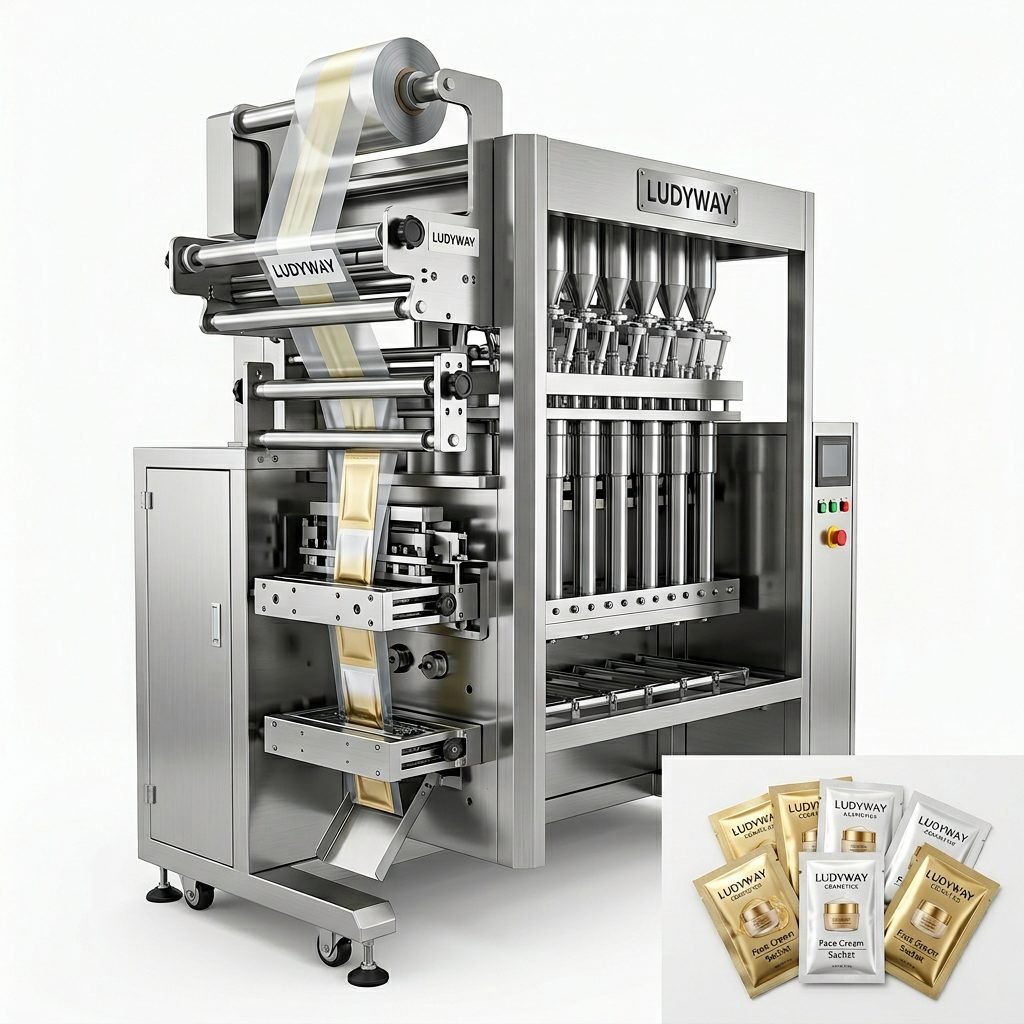
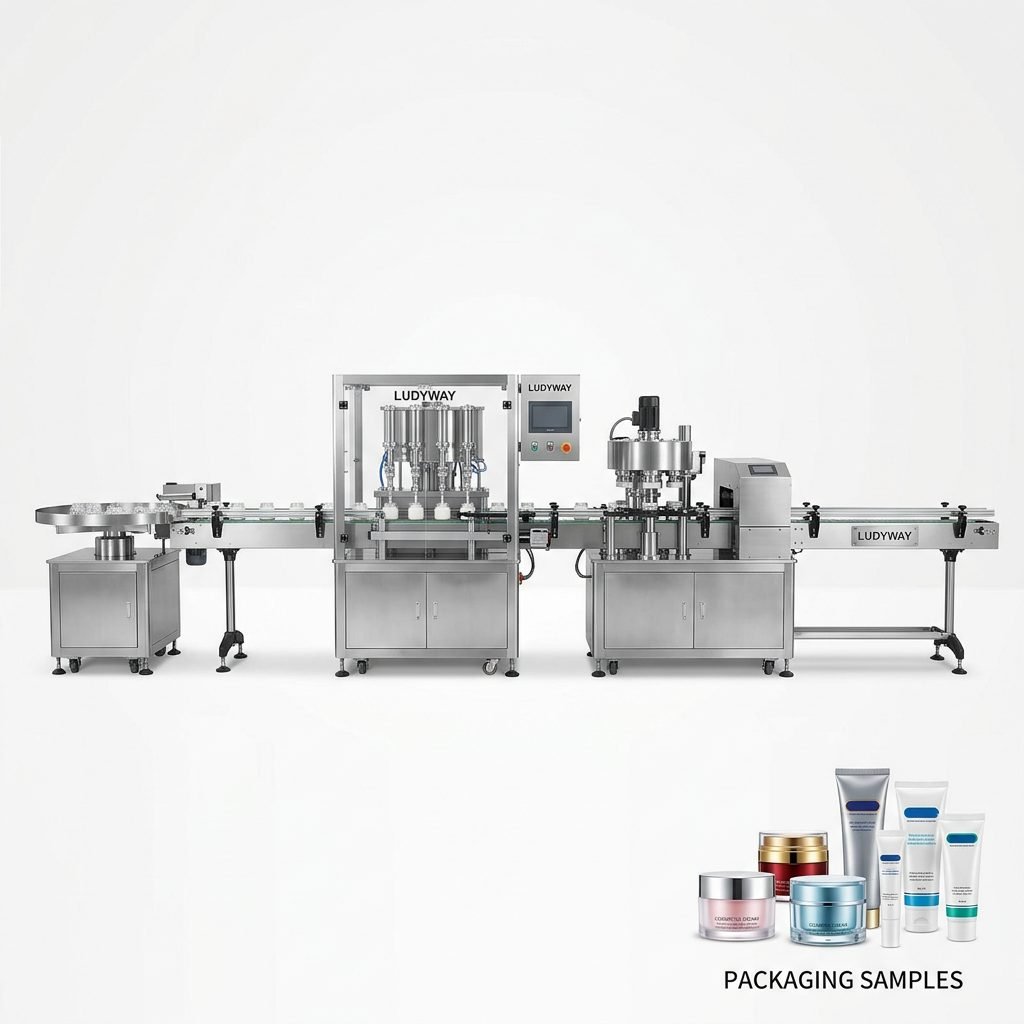
Cream products are packaged in a wide range of formats, and your choice of packaging format dictates the machine configuration. Sachet packaging machines are popular for single-use samples, travel sizes, and promotional packs. Multi-lane stick pack machines offer high-speed production for unit-dose applications. Tube filling and sealing machines handle aluminum, plastic, and laminate tubes for retail products. Bottle and jar filling lines accommodate larger volumes for daily-use products.
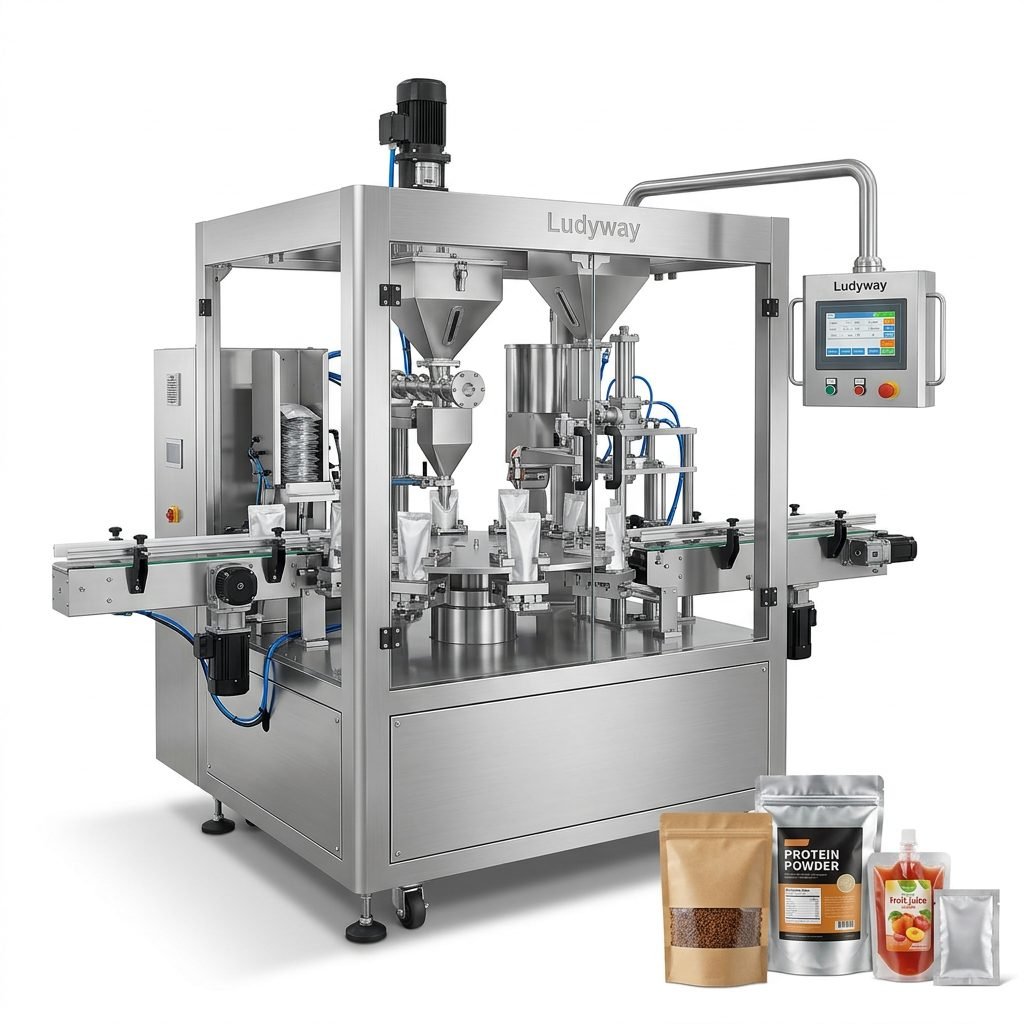
Many manufacturers today invest in flexible packaging machinery that can handle multiple bag formats and sizes. If your product line includes various cream formulations sold in different packaging styles, consider whether a single machine or integrated line can accommodate your full range. This reduces capital expenditure and simplifies operator training.
| Packaging Format | Common Applications | Typical Volume Range | Machine Type |
|---|---|---|---|
| Sachet (3-side or 4-side seal) | Samples, single-use creams, travel kits | 1ml – 30ml | Multi-lane sachet machine |
| Stick pack | Unit-dose, portable applications | 1ml – 15ml | Multi-lane stick pack machine |
| Tube (plastic, laminate, aluminum) | Retail creams, ointments, gels | 10ml – 200ml | Tube filling and sealing machine |
| Bottle / jar | Daily-use creams, lotions | 30ml – 500ml+ | Liquid filling and capping line |
| Pouch | Refill packs, value sizes | 50ml – 500ml | Premade pouch filling and sealing |
3. Determine Production Speed Requirements
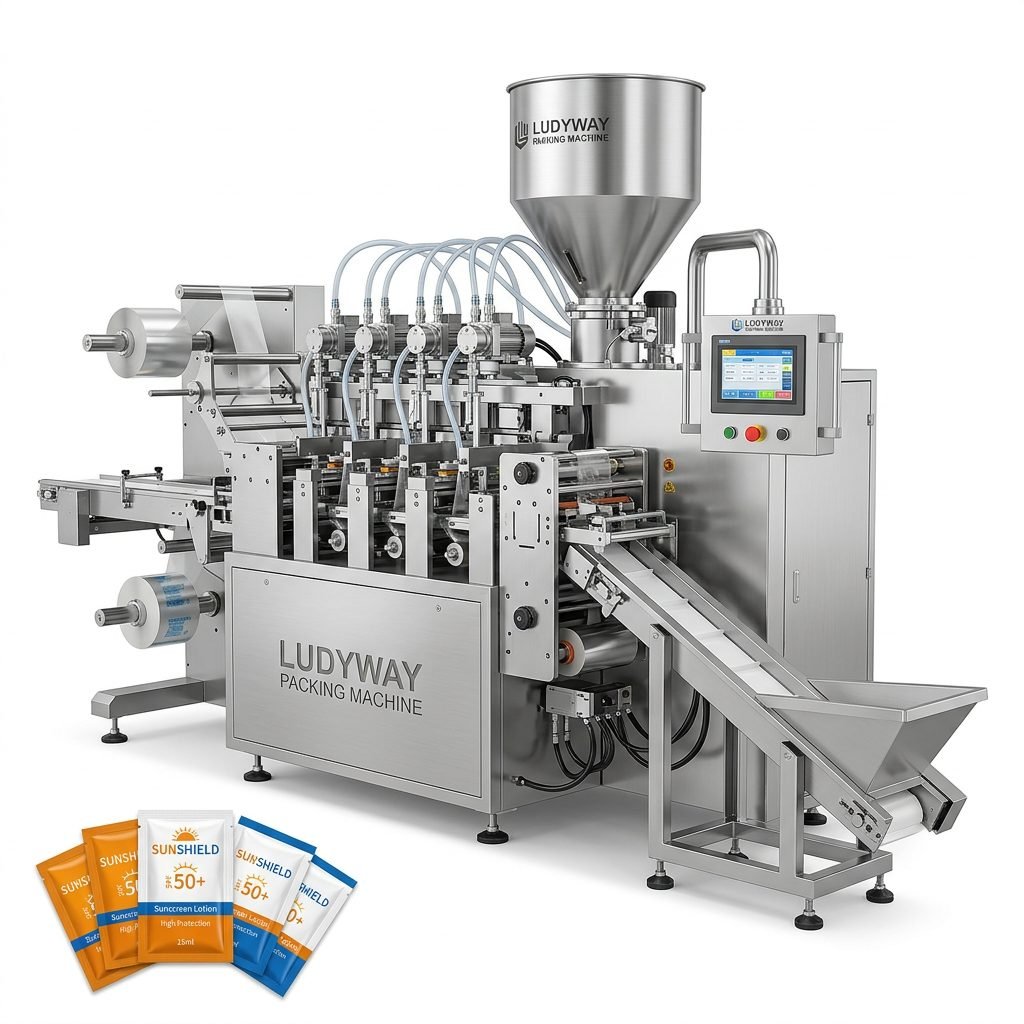
Production speed requirements significantly influence machine selection and configuration. A small contract manufacturer producing 5,000 cream sachets per day has very different needs from a global brand filling 200,000 stick packs per shift. Over-specifying speed increases capital cost unnecessarily, while under-specifying creates bottlenecks that limit business growth.
Multi-lane machines dramatically increase output for sachet and stick pack formats. A single-lane machine might produce 40–60 packs per minute, while an 8-lane or 12-lane configuration can achieve 400–600 packs per minute or more. When evaluating speed, also consider changeover time between products or formats. Fast changeover features preserve overall equipment effectiveness (OEE) in facilities running multiple SKUs.
Related resource: PMMI business intelligence provides packaging machinery market data and productivity benchmarks to help contextualize your speed requirements against industry standards.
4. Evaluate Filling Accuracy and Dosing Technology
Cream products are often high-value formulations where fill accuracy directly impacts profitability. Overfilling by even 1–2% on a high-volume line results in significant product giveaway over weeks and months. Underfilling risks regulatory non-compliance and customer dissatisfaction. Modern cream packaging machines use servo-driven piston fillers, mass flow meters, or combination weighing systems to achieve accuracy levels of ±0.5% or better depending on the product.
The filling system must also handle product-specific challenges. Products that are shear-sensitive or aerate easily require gentle pumping and minimal product recirculation. Creams with suspended ingredients need agitation in the hopper to maintain homogeneity throughout the filling run. Temperature control may be necessary to maintain consistent viscosity and flow characteristics during filling.
5. Consider Automation Level and Line Integration
Packaging machinery ranges from semi-automatic units requiring significant operator involvement to fully automatic lines with automated feeding, filling, sealing, coding, inspection, and cartoning. Your choice depends on labor costs, production consistency requirements, and the complexity of your packaging process. Higher automation reduces labor dependency and improves repeatability, but requires more sophisticated technical support.
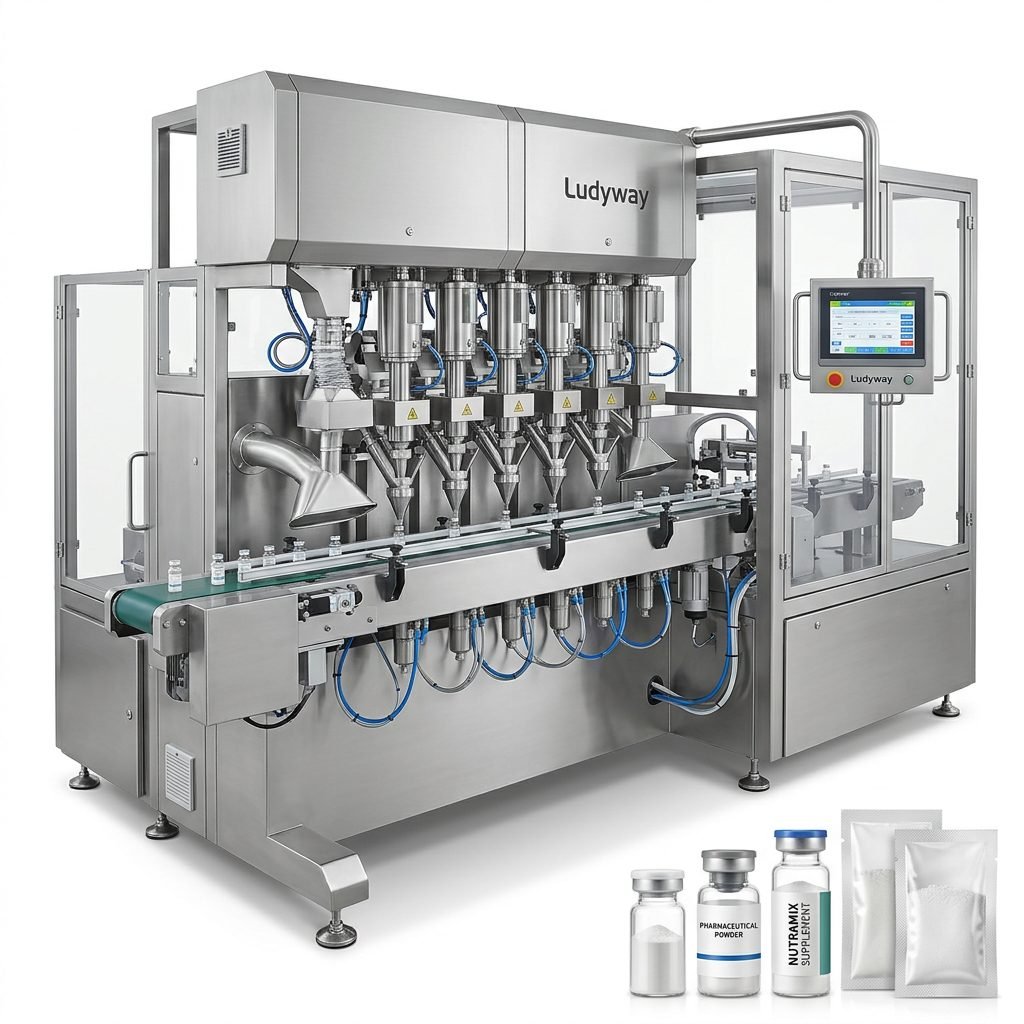
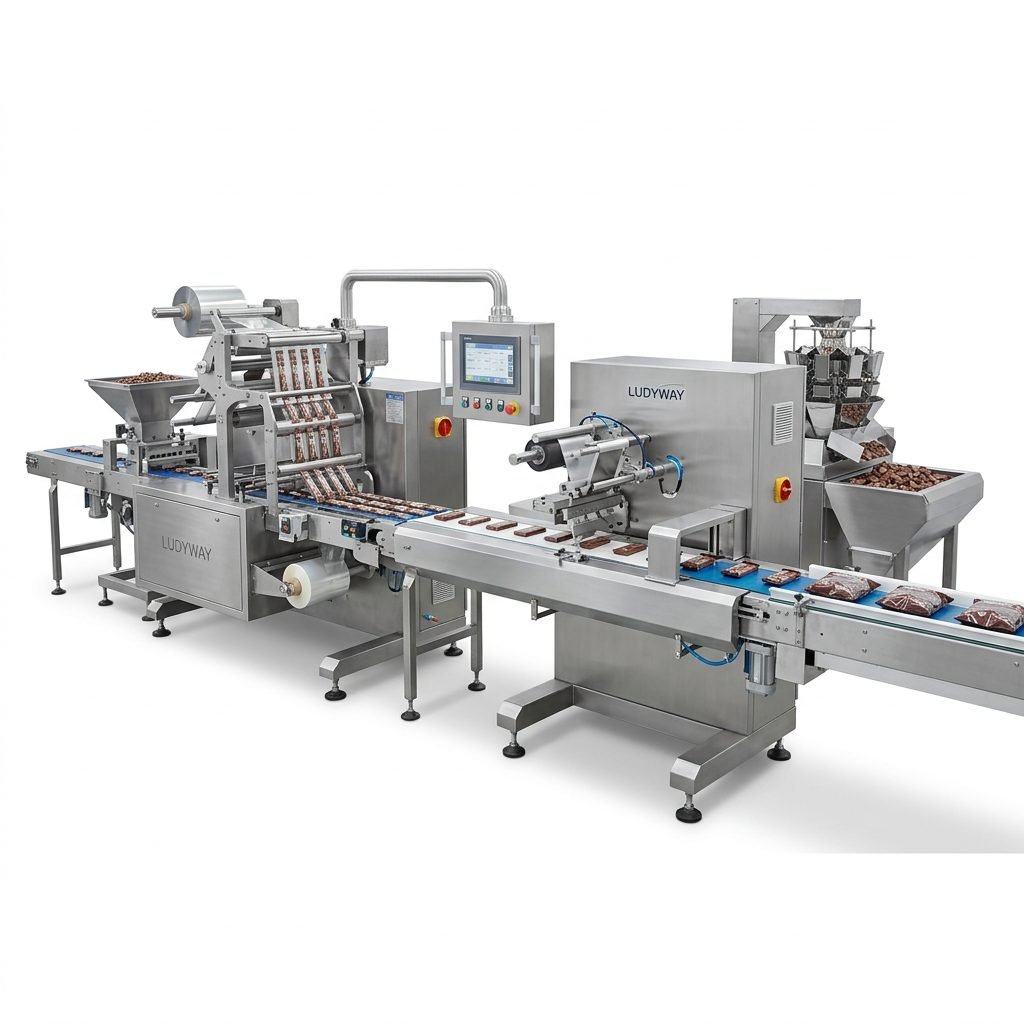
For manufacturers looking to integrate multiple packaging stages, turnkey packaging solutions offer significant advantages. A single-source provider takes responsibility for machine selection, system integration, installation, commissioning, and after-sales support. This approach simplifies project management and ensures all line components work together reliably. Companies like Ludyway Machinery provide integrated packaging systems that cover filling, sealing, coding, inspection, and downstream cartoning — helping manufacturers increase efficiency while working with a single equipment partner.

6. Check Material Compatibility and Seal Integrity
Packaging material compatibility is critical for cream products, particularly those with high oil content, active ingredients, or aggressive preservative systems. Laminate structures must provide adequate barrier properties against moisture, oxygen, and light while resisting chemical interaction with the product formula. The sealing system must create strong, consistent seals that prevent leakage during distribution and throughout the product shelf life.
Testing seal integrity under various conditions — including temperature cycling, pressure differentials, and mechanical stress — should be part of equipment commissioning. Machines equipped with seal temperature monitoring, pressure control, and automated rejection of defective packs add layers of quality assurance that protect brand reputation. For pharmaceutical creams or sterile products, seal integrity validation becomes mandatory under GMP requirements.
7. Verify Regulatory Compliance and Industry Standards
Different markets impose different regulatory requirements on cream packaging machinery. Pharmaceutical creams fall under FDA regulations for drug products, including equipment design, material traceability, and validation protocols. Cosmetic creams face different but equally important standards around product safety and labeling. Machines intended for international markets may need to comply with multiple regulatory frameworks simultaneously.
Key standards to consider include GMP (Good Manufacturing Practice) requirements, ISO certifications, CE marking for European markets, and UL compliance for electrical systems. Machine documentation — including material certificates, weld documentation, and surface finish specifications — supports qualification and validation activities. Manufacturers with experience in regulated industries can provide the documentation package needed for successful audits.
- Food-grade contact surfaces: 316L stainless steel, FDA-approved elastomers
- Pharmaceutical requirements: cGMP design, full material traceability, IQ/OQ/PQ support
- Electrical safety: CE, UL, or equivalent certifications depending on destination market
- Cleanliness: CIP (clean-in-place) capable designs for frequent product changeovers
8. Assess Machine Construction and Hygiene Design
For cream products, hygiene design directly affects product safety, cleaning efficiency, and cross-contamination risk. Machines should feature stainless steel construction in all product-contact areas, sloped surfaces to prevent liquid pooling, and minimal crevices or dead spaces where product can accumulate. Tool-free disassembly for cleaning and changeover reduces downtime and ensures consistent sanitation practices.
Machines with fully enclosed filling zones and HEPA-filtered air supply add an extra layer of protection for sensitive formulations. Welded frame construction rather than bolted assemblies improves cleanability and prevents product ingress into structural components. These design features separate industrial-grade equipment from machinery designed specifically for hygienic cream production.

9. Plan for Installation, Training, and After-Sales Support
Equipment commissioning and operator training are often underestimated in packaging machinery projects. A well-supported installation process includes factory acceptance testing (FAT), site preparation guidance, mechanical and electrical installation, and thorough operator and maintenance training. Machines that arrive without adequate support documentation or training resources may take weeks longer to reach full production capacity.
After-sales support — including spare parts availability, remote technical assistance, and field service capabilities — determines long-term equipment uptime. Before purchasing, verify the manufacturer’s spare parts inventory, typical response times, and service coverage for your region. Machines built with widely available industrial components (rather than proprietary parts) simplify maintenance and reduce long-term ownership costs. For more information on packaging machinery standards, refer to ISO packaging standards.
10. Compare Total Cost of Ownership — Not Just Purchase Price
Initial purchase price is only one component of the total cost of ownership (TCO) for a cream packaging machine. Operating costs including energy consumption, consumable parts (sealing jaws, filling nozzles, gaskets), and maintenance labor accumulate over the machine’s service life. A lower-priced machine with high consumable costs and frequent downtime may prove more expensive over 5–10 years than a higher-quality machine with lower operating costs.
| TCO Component | Considerations |
|---|---|
| Purchase price | Includes base machine, options, tooling, and shipping |
| Installation and commissioning | Site preparation, rigging, mechanical and electrical setup, training |
| Energy consumption | Motor efficiency, heating elements, compressed air usage |
| Consumable parts | Sealing jaws, gaskets, filters, lubrication, filling nozzles |
| Preventive and corrective maintenance | Labor hours, spare parts inventory, service contracts, downtime cost |
| Product giveaway (overfill) | Accuracy losses at 1% overfill on a high-volume line accumulate rapidly |
To stay current with packaging industry trends and equipment technologies, resources such as the PMMI 2026 State of the Industry report and the Flexible Packaging Association’s knowledge hub offer valuable data and market outlooks that can inform your purchasing timeline and specification decisions.
Key Questions to Ask Machine Suppliers
During supplier evaluation, a structured questionnaire helps compare options objectively and uncover differences in capability, experience, and support. Below are essential questions to include in your RFQ or supplier discussions.
- Can you provide references from manufacturers producing similar cream products in the same packaging format?
- What filling accuracy can you guarantee for our specific product viscosity range?
- Does the machine design support quick changeover between different packaging formats or sizes?
- What is the standard lead time for machine delivery, installation, and commissioning?
- What spare parts inventory do you recommend we maintain on site?
- Do you offer remote diagnostic capabilities or remote technical support?
- What regulatory documentation do you provide to support our validation and audit processes?
- Can the machine be upgraded or expanded later for higher speed or additional formats?
Making Your Final Decision
Choosing the right cream packaging machine is a strategic decision that affects production efficiency, product quality, and brand reputation for years to come. By carefully evaluating product characteristics, packaging formats, speed requirements, filling accuracy, automation level, material compatibility, regulatory compliance, hygiene design, and total cost of ownership, you can select equipment that meets today’s needs while retaining flexibility for future growth.
Working with an experienced packaging machinery partner that understands both the technology and your industry’s specific requirements significantly reduces project risk. From machine selection and configuration to installation, training, and ongoing technical support, the right partnership turns packaging equipment from a capital expense into a long-term production asset. For additional guidance, industry growth trends and packaging machinery export data highlight the increasing global demand for automated, high-speed packaging solutions across cosmetics, pharmaceutical, and personal care sectors.