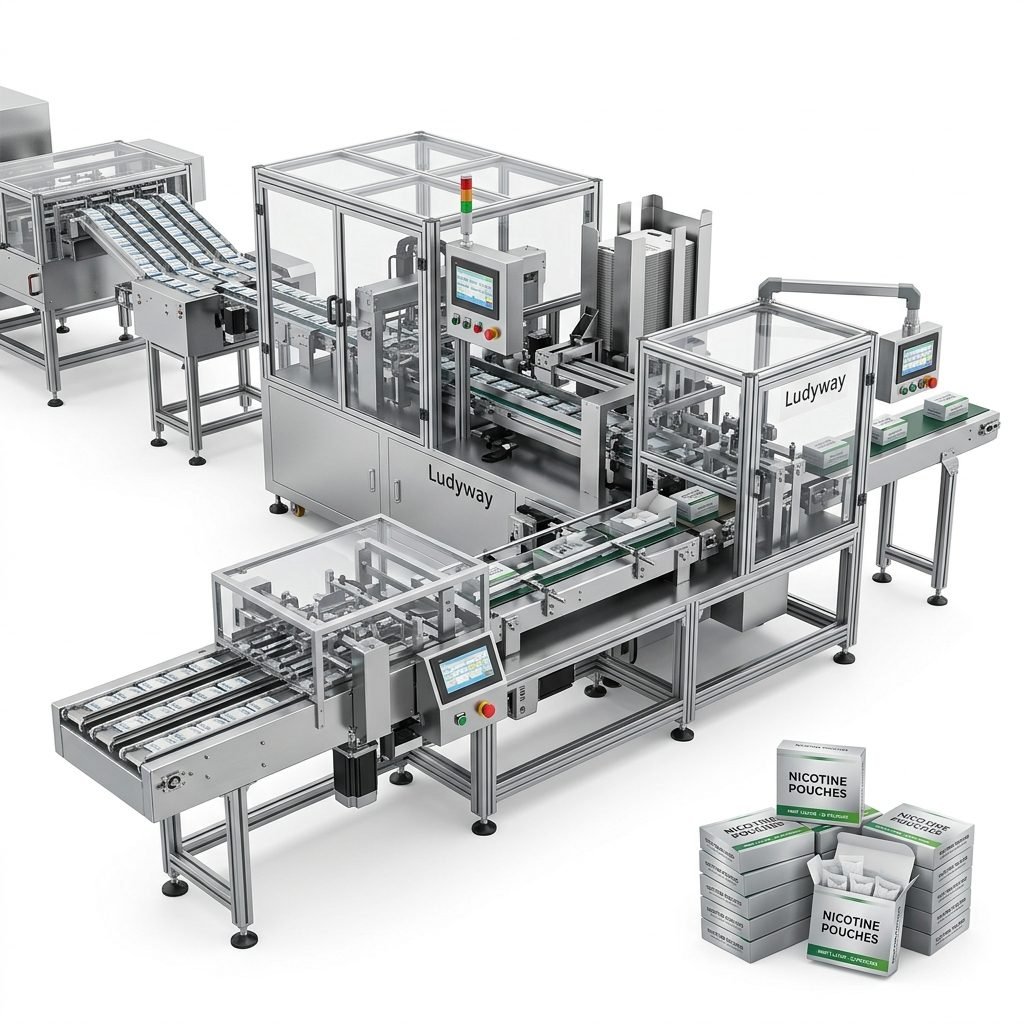
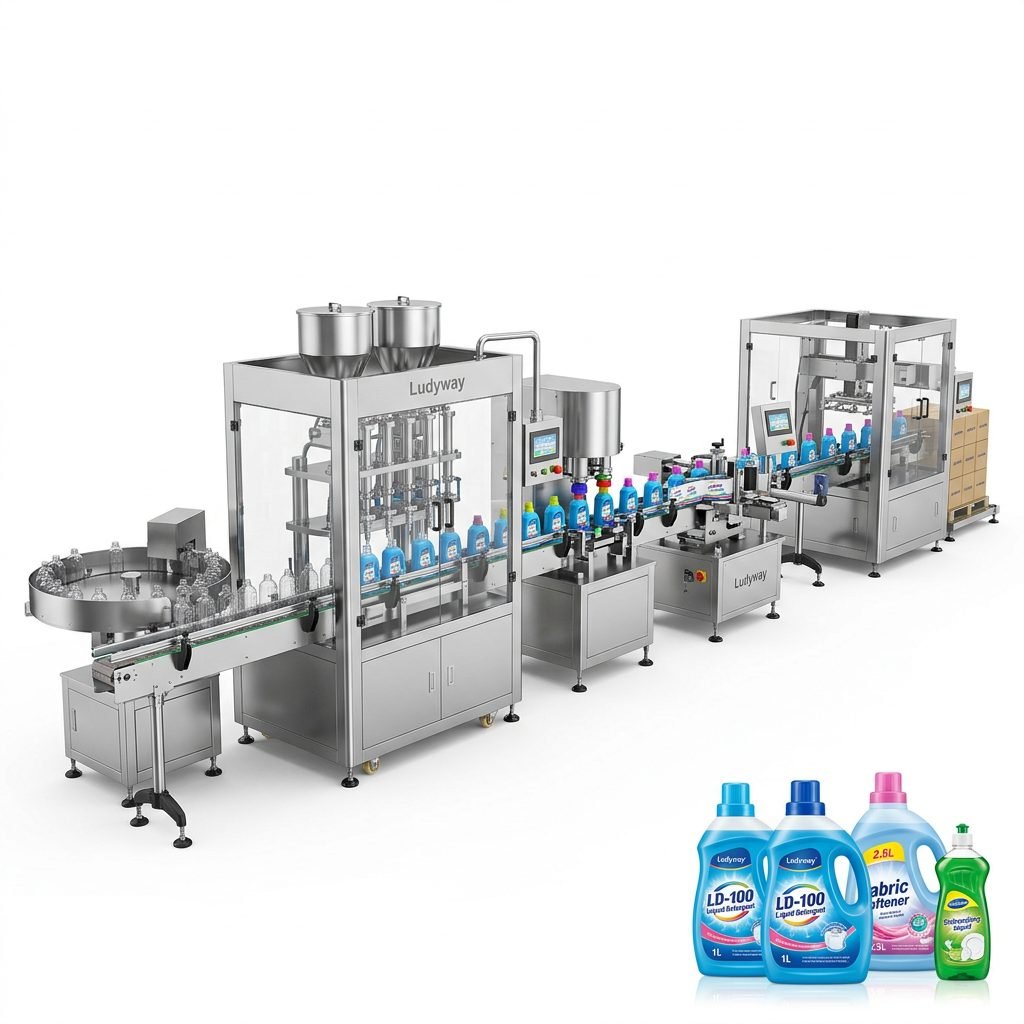
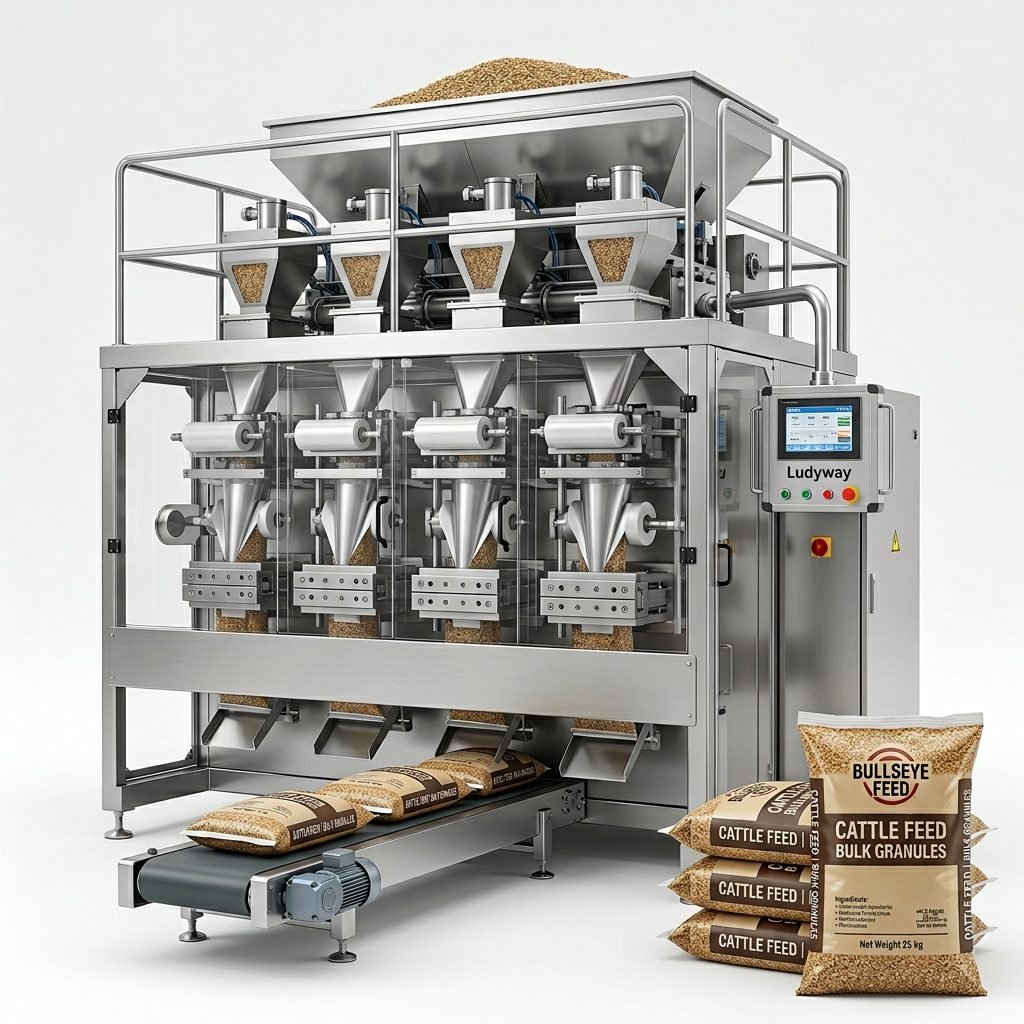
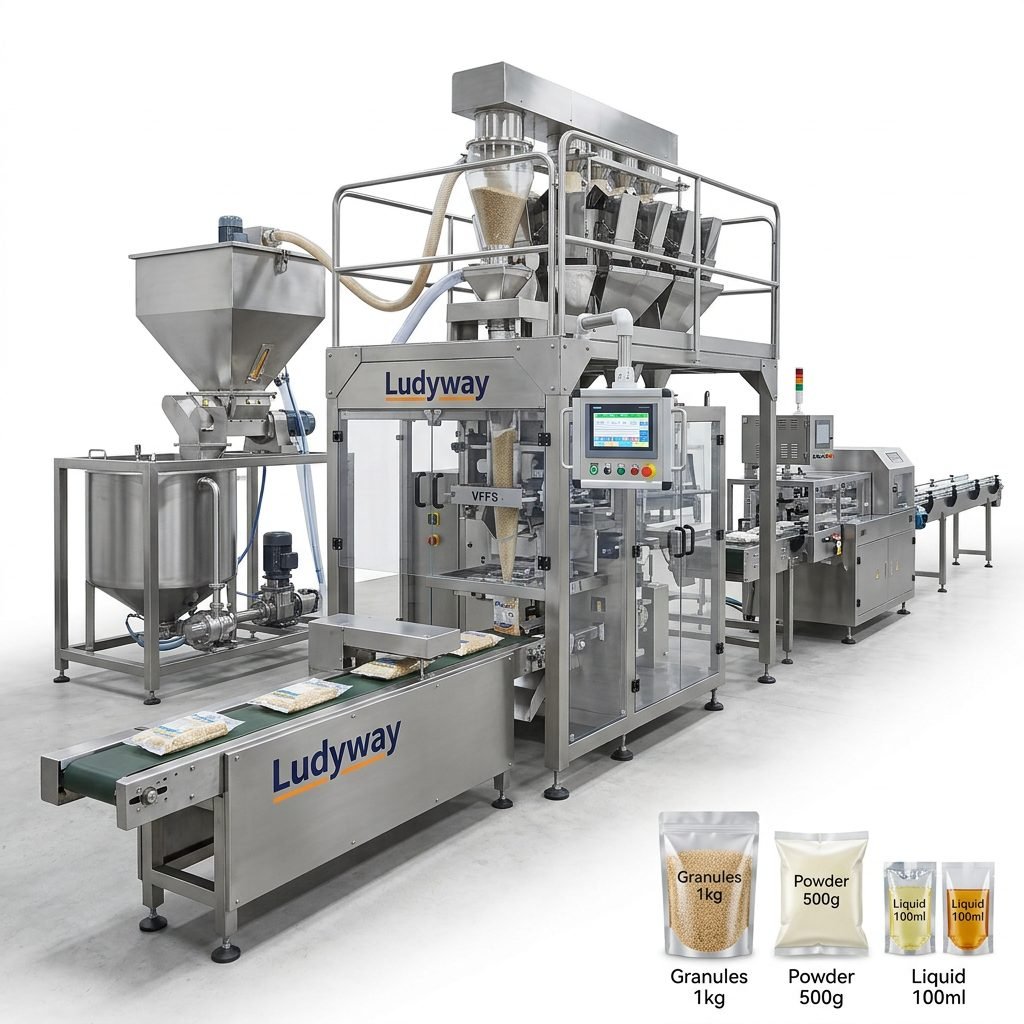
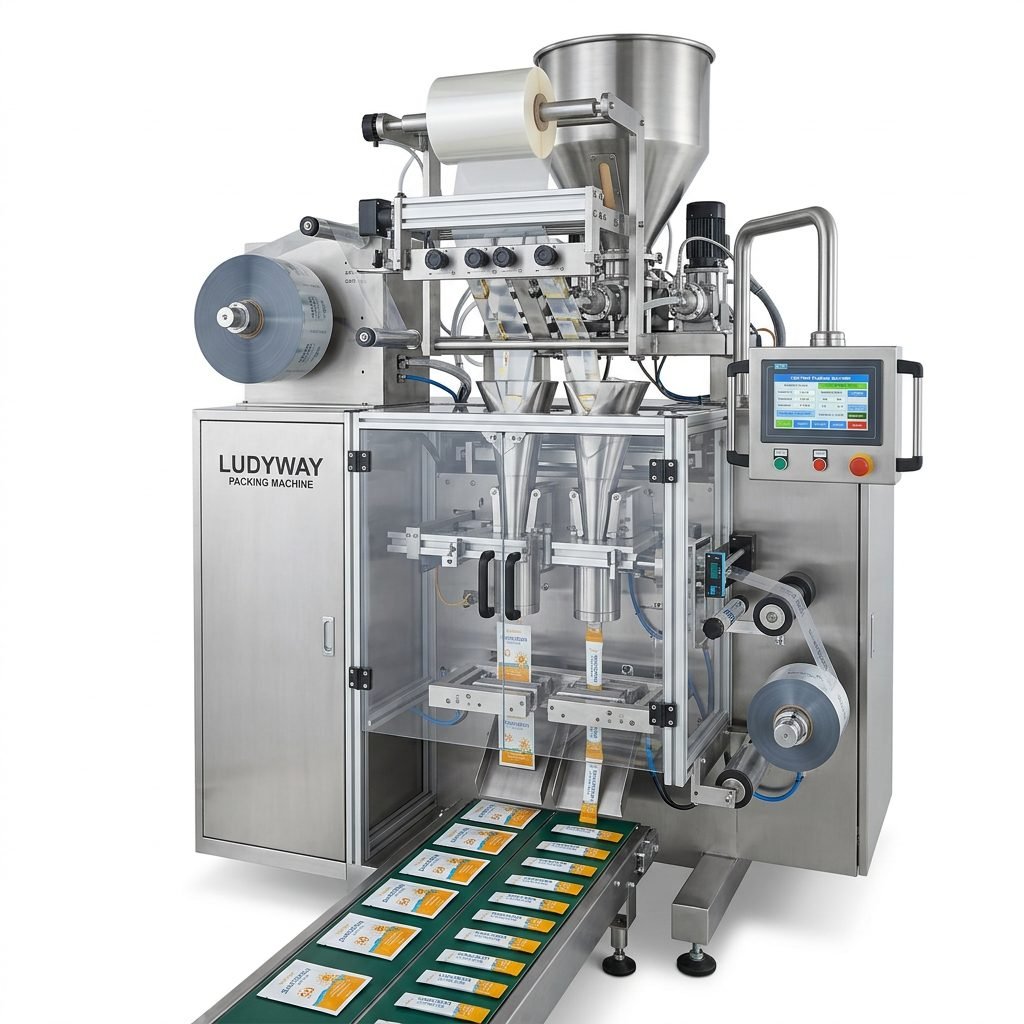
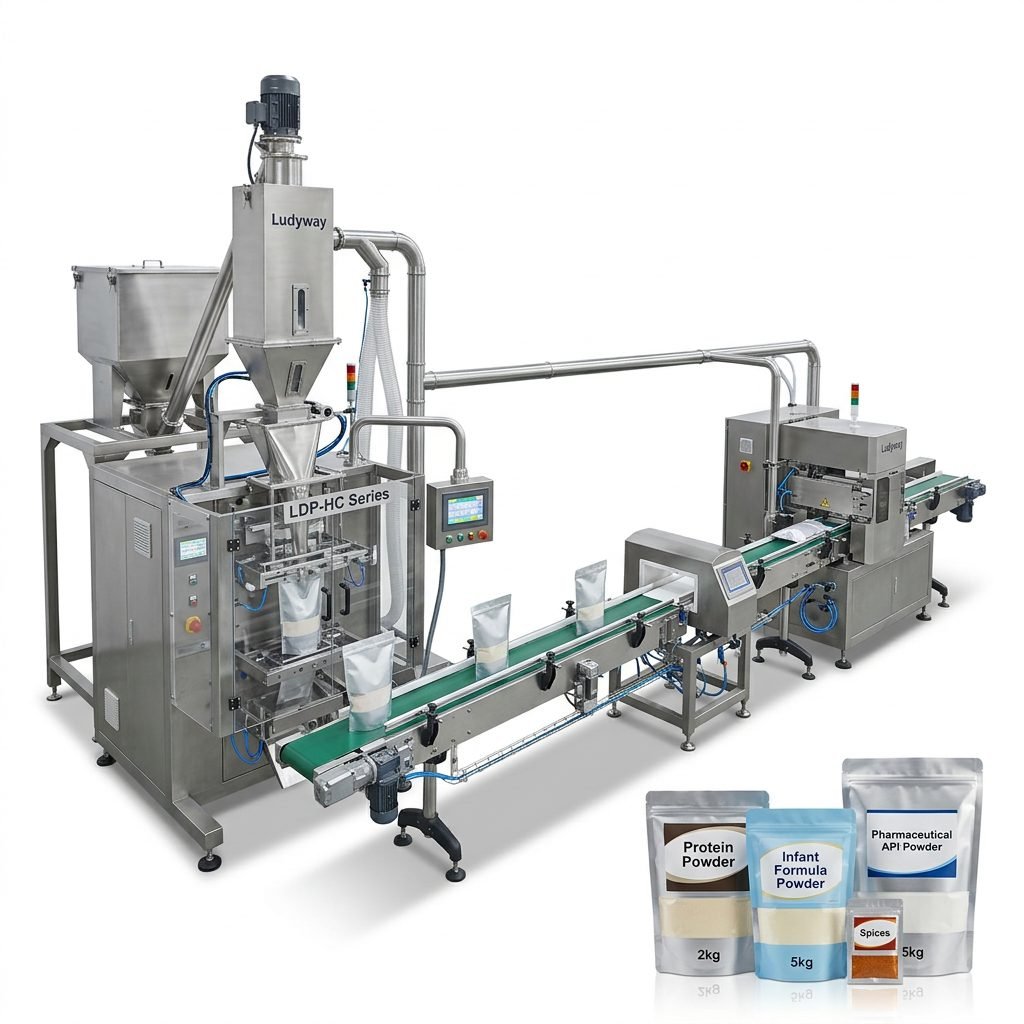
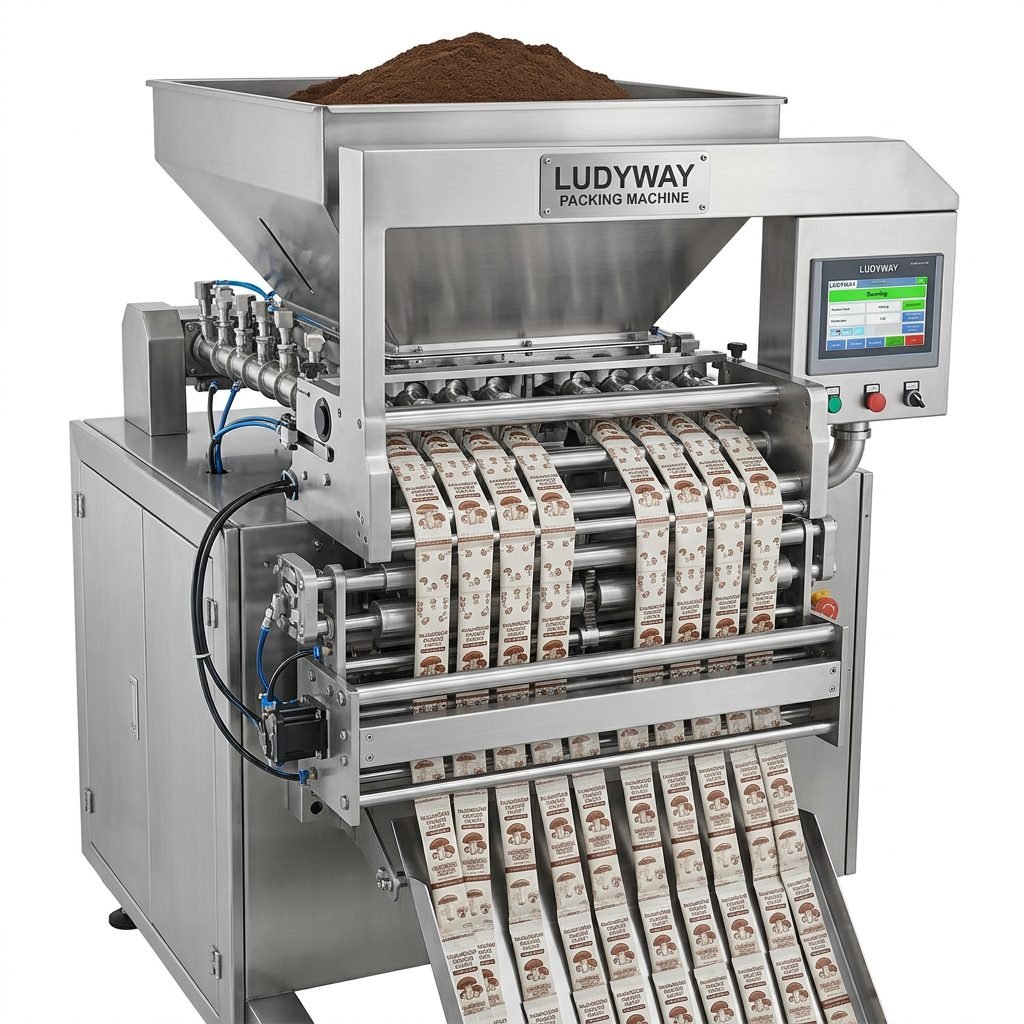
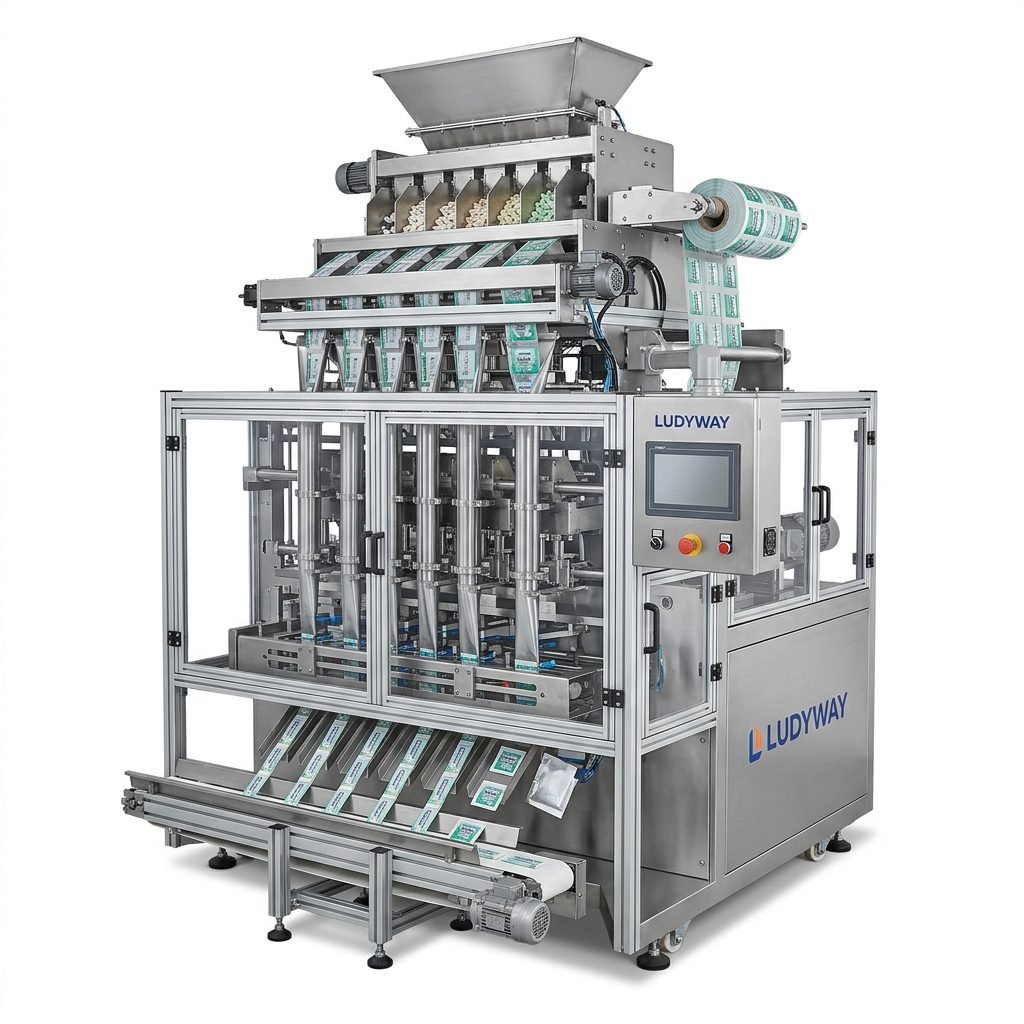
Investing in a vertical pouch packing machine is a significant decision for manufacturers across food, pharmaceutical, cosmetic, and chemical industries. The right equipment can dramatically improve production efficiency, reduce labor costs, and ensure consistent packaging quality. However, with so many configurations, features, and technologies available, selecting the ideal machine requires a structured evaluation of your product characteristics, production goals, and operational requirements.
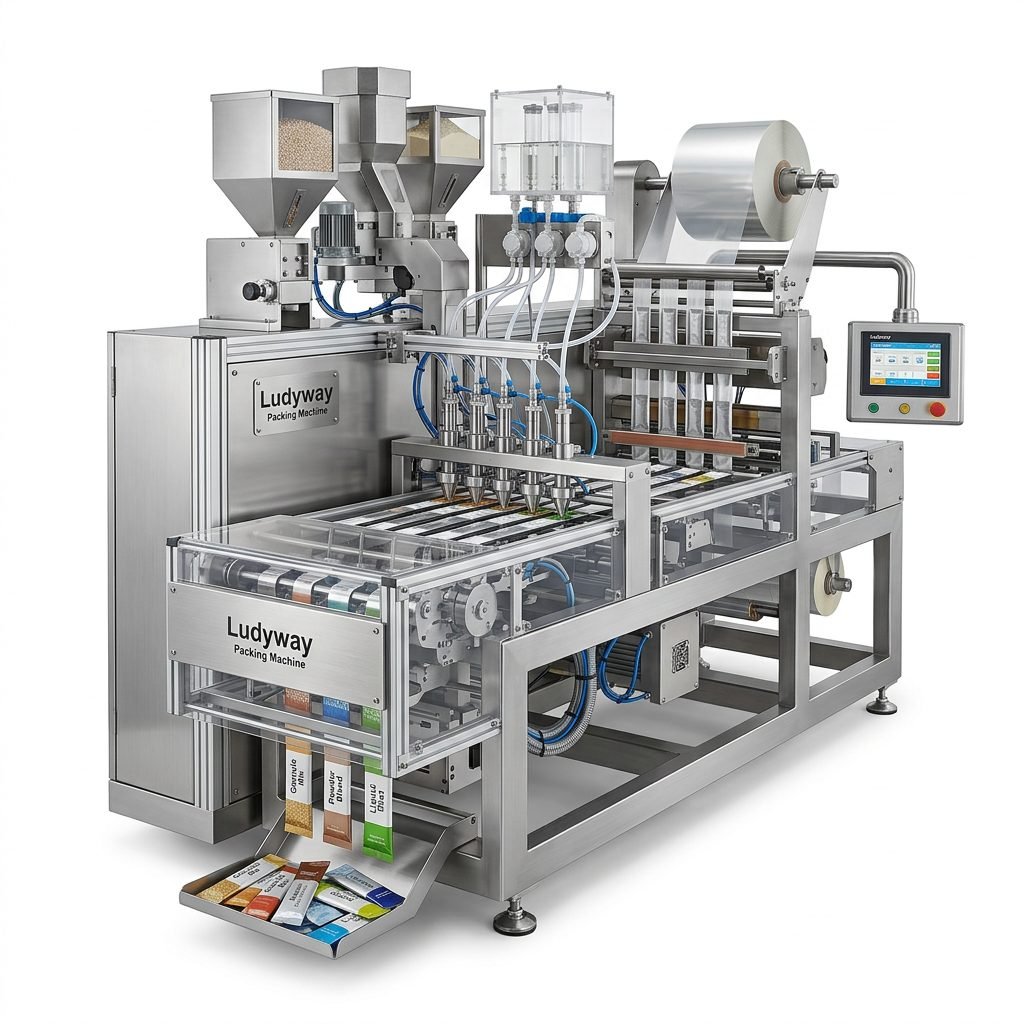
Understanding Vertical Pouch Packing Machine Technology
A vertical form fill seal (VFFS) machine forms packaging material into a pouch, fills it with product, and seals it — all in a continuous vertical motion. These machines are widely used for flexible packaging applications including sachets, stick packs, three-side-seal pouches, and gusseted bags. Modern vertical pouch packing machines can handle a diverse range of products from free-flowing granules and fine powders to liquids, pastes, and even solid items.
According to industry data from the PMMI State of the Industry Reports, the flexible packaging sector continues to grow, driven by consumer demand for convenience and portion-controlled packaging formats. This makes selecting the right vertical pouch packing machine more critical than ever for staying competitive.
Key Factors to Evaluate Before Purchasing
1. Product Characteristics and Flow Properties
The physical properties of your product are the most fundamental consideration. Granules like coffee beans or pet food behave differently than fine powders such as flour, collagen, or pharmaceutical compounds. Liquid products — including oils, sauces, and detergents — require entirely different filling systems. Key product attributes to assess include:
- Bulk density and flowability — determines feeder type (auger, volumetric cup, or multi-head weigher)
- Particle size distribution — affects sealing integrity and filling accuracy
- Moisture content and hygroscopicity — influences material handling and packaging material selection
- Dust generation potential — may require dust collection systems for powders
- Product temperature at filling — hot filling may need specialized sealing and film materials
2. Packaging Format and Pouch Specifications
Vertical pouch packing machines can produce various pouch formats. Your choice depends on market requirements, portion sizes, and branding strategy. Common formats include:
| Pouch Type | Best For | Typical Fill Range | Key Advantage |
|---|---|---|---|
| Stick Pack | Single-serve powders, liquids, gels | 1–20 grams | Compact, portable, low material cost |
| Three-Side-Seal Sachet | Sample packs, condiments, personal care | 3–100 milliliters | Versatile, high-speed production |
| Gusseted Pouch | Coffee, pet food, bulk products | 50–2,000 grams | Stands on shelf, larger volume |
| Pillow Pouch | Snacks, granular products | 10–500 grams | Simple design, cost-effective film usage |
3. Production Speed and Capacity Requirements
Production speed is measured in pouches per minute (ppm) and varies significantly based on machine configuration. A single-lane machine might produce 30–80 ppm, while multi-lane vertical pouch packing machines can achieve outputs of 200–600 ppm or more by running multiple lanes simultaneously. When evaluating speed requirements, consider:
- Current production volume and projected growth over the next 3–5 years
- Shift patterns — a machine operating 24/7 has different durability needs than one running 8 hours daily
- Changeover frequency — frequent product or pouch changes may favor flexibility over raw speed
- Downstream equipment capacity — ensure cartoning, case packing, and palletizing can keep pace
4. Filling and Dosing Technology
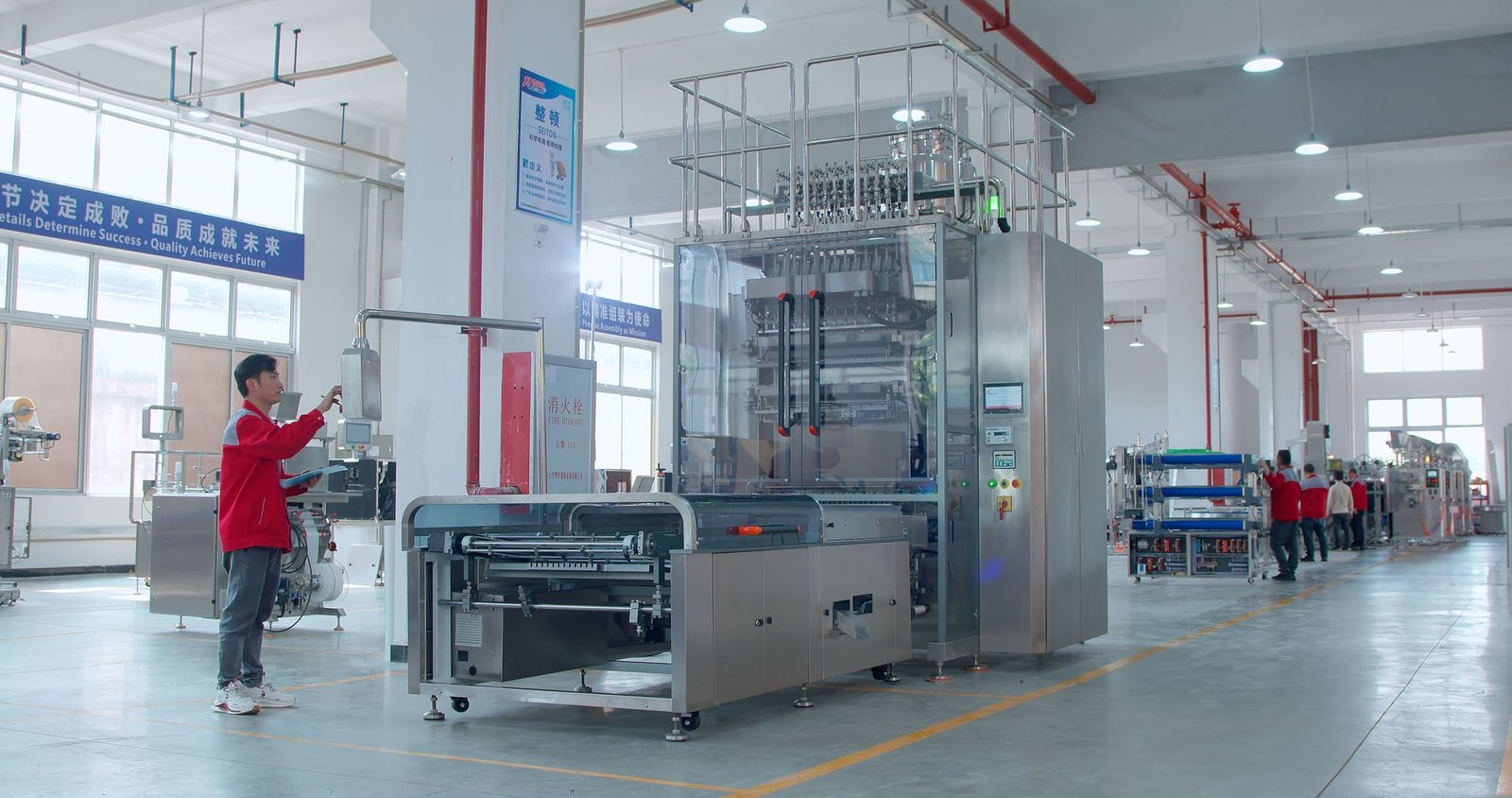
The dosing system directly impacts fill accuracy, product waste, and packaging consistency. Different products demand different metering technologies. Selecting the wrong system can lead to costly give-away, product recalls, or poor consumer experience.
| Dosing System | Product Type | Accuracy Level | Speed Capability |
|---|---|---|---|
| Auger Filler | Fine powders, flour, supplements | ±0.5–1% | Medium to high |
| Multi-Head Weigher | Granules, snacks, hardware | ±0.1–0.5% | Very high |
| Volumetric Cup Filler | Free-flowing granules | ±1–3% | High |
| Piston Filler | Liquids, pastes, creams | ±0.5–1% | Medium to high |
| Servo Pump | Viscous liquids, gels, sauces | ±0.3–0.8% | Medium |
5. Packaging Material Compatibility
Not all vertical pouch packing machines handle every film type equally well. Film compatibility affects seal quality, machine speed, and operational reliability. Common packaging materials include laminated films, aluminum foil composites, polyethylene, and biodegradable materials. Verify that the machine’s sealing system — whether heat seal, ultrasonic seal, or impulse seal — is appropriate for your chosen packaging material.
The Flexible Packaging Association provides valuable resources on film properties and industry standards. Additionally, for food contact applications, ensure materials and machine components comply with FDA packaging regulations.
6. Automation Level and Integration Capabilities
Modern manufacturing facilities increasingly demand integrated packaging lines rather than standalone machines. Consider how the vertical pouch packing machine connects with upstream and downstream equipment:
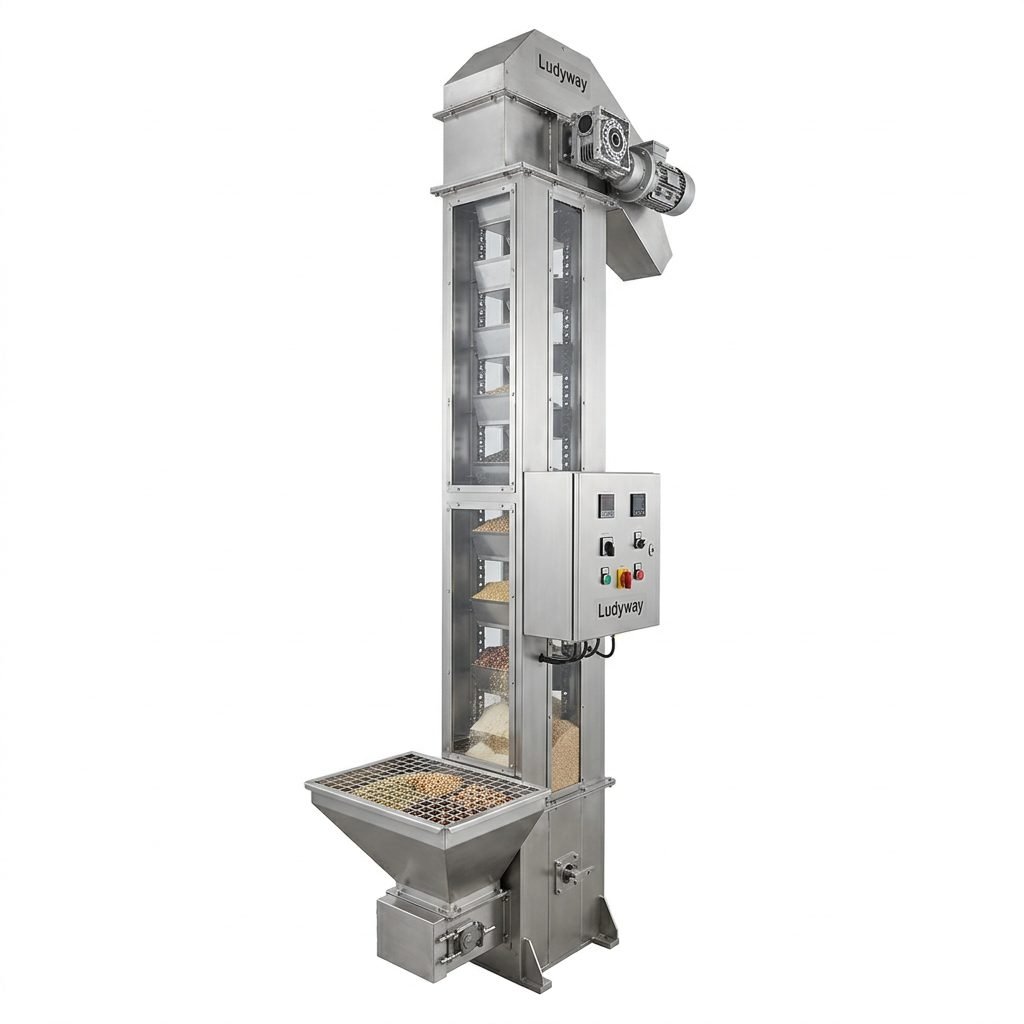
- Automatic feeding systems — bucket elevators, vacuum feeders, or conveyor systems for bulk product supply
- In-line quality control — checkweighers, metal detectors, vision inspection systems
- Coding and marking — thermal transfer printers, inkjet coders, or laser marking for batch codes and dates
- Cartoning and case packing — automated systems for secondary packaging
- Palletizing solutions — robotic or conventional palletizers for end-of-line automation
Multi-Lane vs. Single-Lane: Making the Right Choice
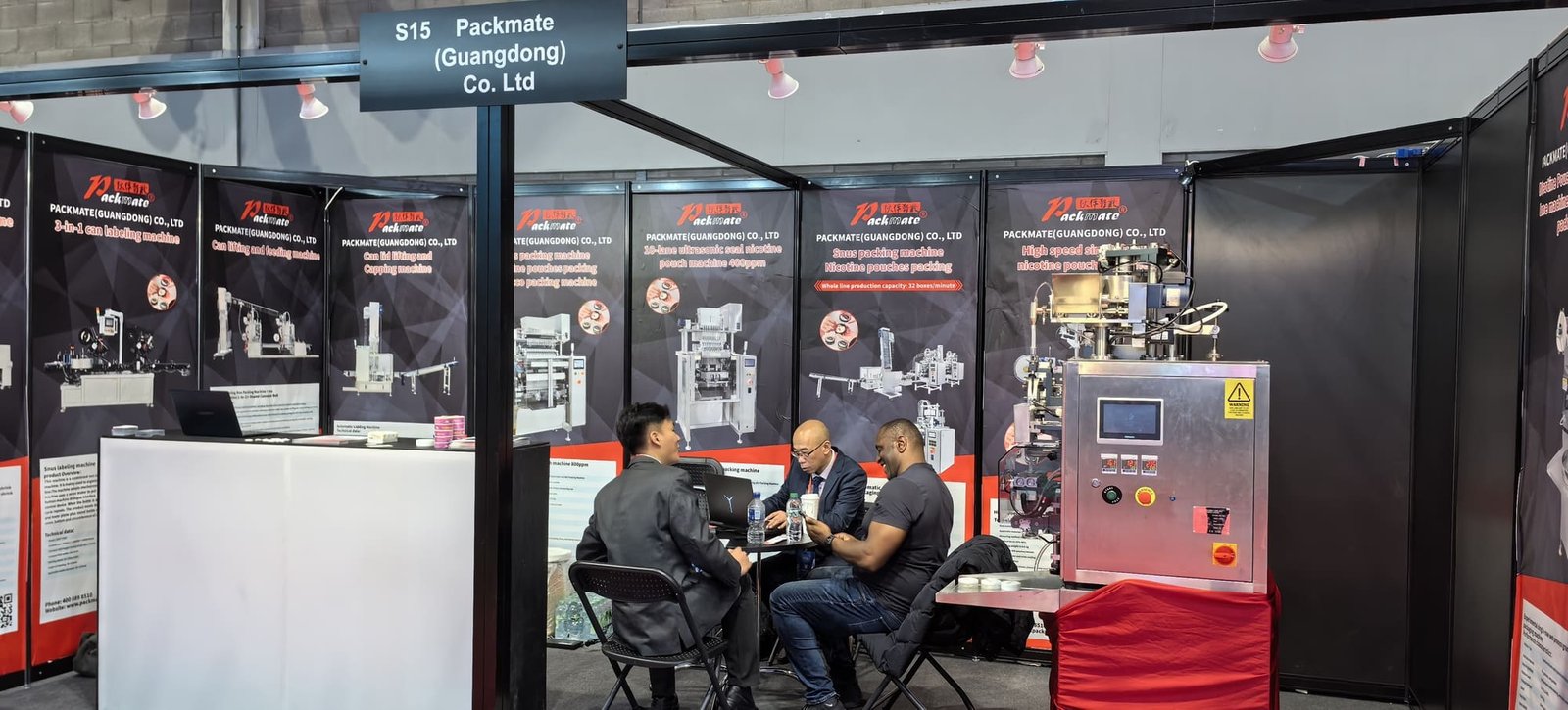
One of the most significant configuration decisions is choosing between single-lane and multi-lane systems. Multi-lane machines run several lanes in parallel, multiplying output without proportionally increasing floor space. They are ideal for high-volume stick pack and sachet production in industries like pharmaceuticals, nutraceuticals, and single-serve food products.
However, single-lane machines offer advantages in flexibility, changeover speed, and initial investment. They are typically better suited for manufacturers with diverse product ranges or lower production volumes. Evaluate your product mix, batch sizes, and future growth plans when making this decision.
Evaluating Machine Quality and Manufacturer Capabilities
Manufacturing Standards and Certifications
When sourcing a vertical pouch packing machine, assess the manufacturer’s quality management systems, manufacturing capabilities, and compliance with international standards. Look for manufacturers that design equipment to meet applicable ISO packaging standards and can provide relevant certifications and documentation for your target markets.
For pharmaceutical and medical device applications, compliance with ISO 11607 packaging standards for terminally sterilized medical devices may be mandatory. Similarly, food manufacturers should ensure equipment meets applicable food safety and hygiene requirements.
Customization and Engineering Support
Packaging requirements vary significantly between manufacturers. Product characteristics, packaging materials, bag sizes, filling volumes, production speeds, and factory layouts all affect the appropriate equipment configuration. Ludyway Machinery, a China-based packaging machinery manufacturer with over 30 years of experience, provides customized packaging machinery and engineering solutions rather than relying only on standardized machines. This customized approach is particularly valuable for manufacturers looking to increase production capacity, automate manual packaging processes, or introduce new packaging formats.
Total Cost of Ownership Considerations
The purchase price of a vertical pouch packing machine is only one component of the total cost of ownership (TCO). A comprehensive evaluation should include:
| Cost Category | Considerations | Impact on TCO |
|---|---|---|
| Capital Investment | Machine cost, installation, facility modifications | Upfront, one-time |
| Packaging Material Costs | Film waste rates, material compatibility, roll change efficiency | Ongoing, significant |
| Labor Requirements | Operator count, skill level, training needs | Ongoing, moderate |
| Maintenance and Spare Parts | Preventive maintenance, wear parts, emergency repairs | Ongoing, variable |
| Energy Consumption | Electricity, compressed air, cooling water | Ongoing, moderate |
| Downtime and Productivity Loss | Reliability, changeover speed, troubleshooting support | Hidden, potentially significant |
After-Sales Support and Service Infrastructure
A vertical pouch packing machine is a long-term investment that requires ongoing technical support, spare parts availability, and service access. Before purchasing, evaluate the manufacturer’s:
- Installation and commissioning services — on-site or remote support for initial setup
- Operator training programs — comprehensive training reduces startup time and operational errors
- Spare parts inventory and delivery — local or regional parts availability minimizes downtime
- Technical support responsiveness — remote assistance, troubleshooting guides, and service engineer availability
- Warranty terms and coverage — understand what is included and for how long
Manufacturers serving international markets should demonstrate experience with global logistics, export documentation, and multi-language support. The PMMI packaging industry resources provide additional guidance on evaluating packaging machinery suppliers and understanding industry best practices.
Regulatory Compliance and Industry Requirements
Different industries have distinct regulatory frameworks that affect packaging equipment design and operation. Pharmaceutical manufacturers must comply with GMP requirements and validation protocols. Food processors need equipment compatible with food safety standards and cleanability requirements. Chemical producers may require explosion-proof designs or corrosion-resistant materials. Verify that your chosen vertical pouch packing machine can be configured to meet the applicable standards for your industry and target markets.
For manufacturers exporting to the European market, awareness of the European Commission packaging and packaging waste regulations is increasingly important as sustainability requirements evolve.
Making the Final Decision
Selecting the right vertical pouch packing machine requires balancing technical specifications, production requirements, budget constraints, and long-term business objectives. Key steps in the decision process include:
- Define your product and packaging specifications — document all physical properties, target fill weights, and acceptable tolerances
- Determine required production capacity — calculate current needs and projected growth
- Evaluate machine configurations — compare single-lane vs. multi-lane, filling technologies, and automation levels
- Assess manufacturer capabilities — review experience, certifications, engineering support, and customer references
- Calculate total cost of ownership — include capital, operating, maintenance, and downtime costs
- Verify after-sales support infrastructure — ensure service, parts, and technical assistance are accessible
- Request machine demonstrations or sample testing — validate performance with your actual products and materials
Taking a structured approach to equipment selection helps ensure that your investment in a vertical pouch packing machine delivers reliable performance, operational efficiency, and long-term value for your packaging operation.