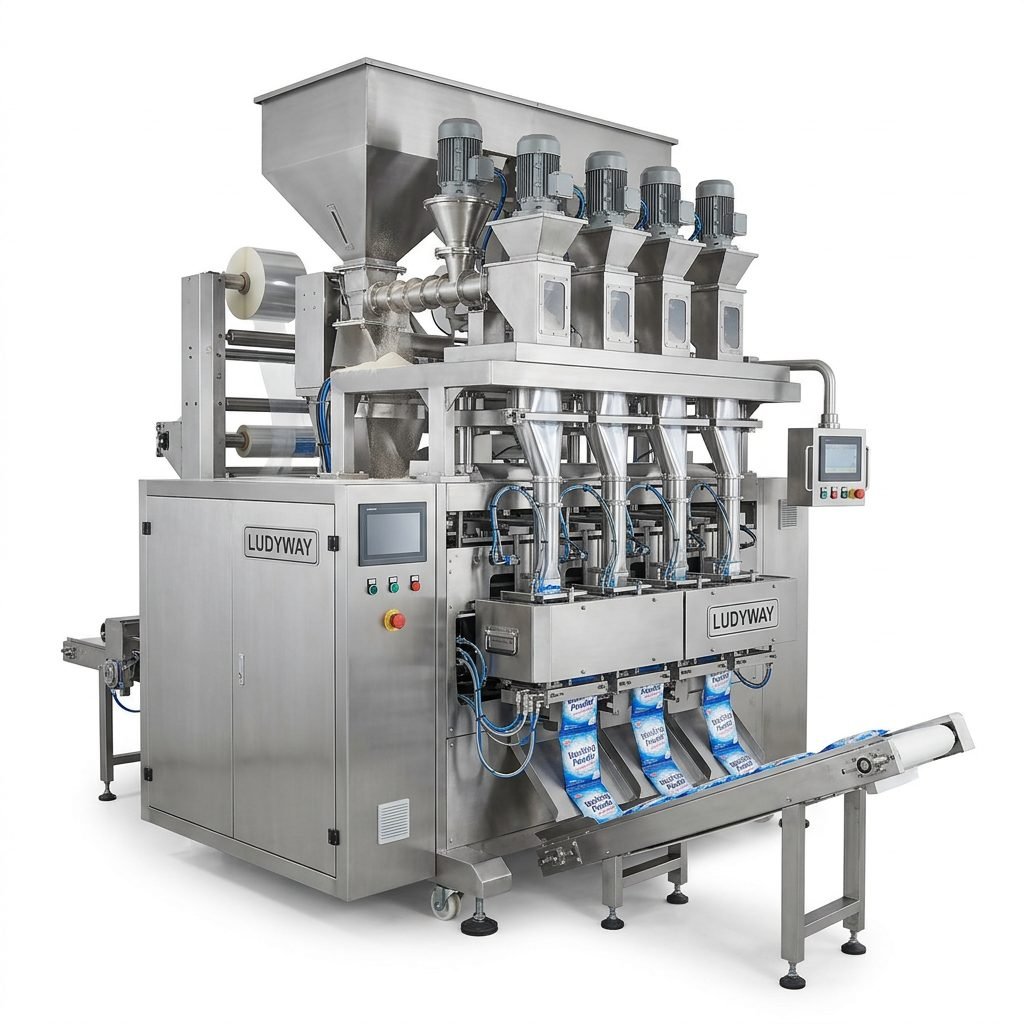
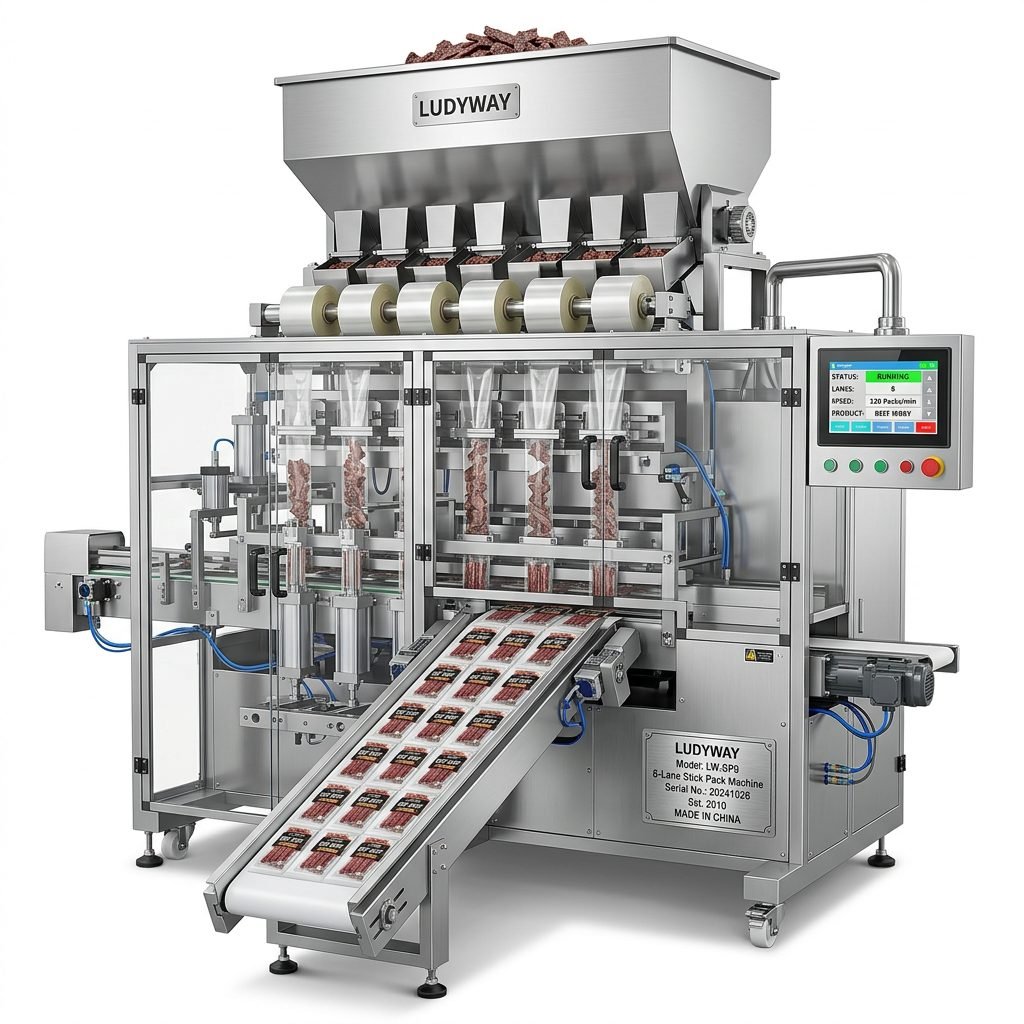
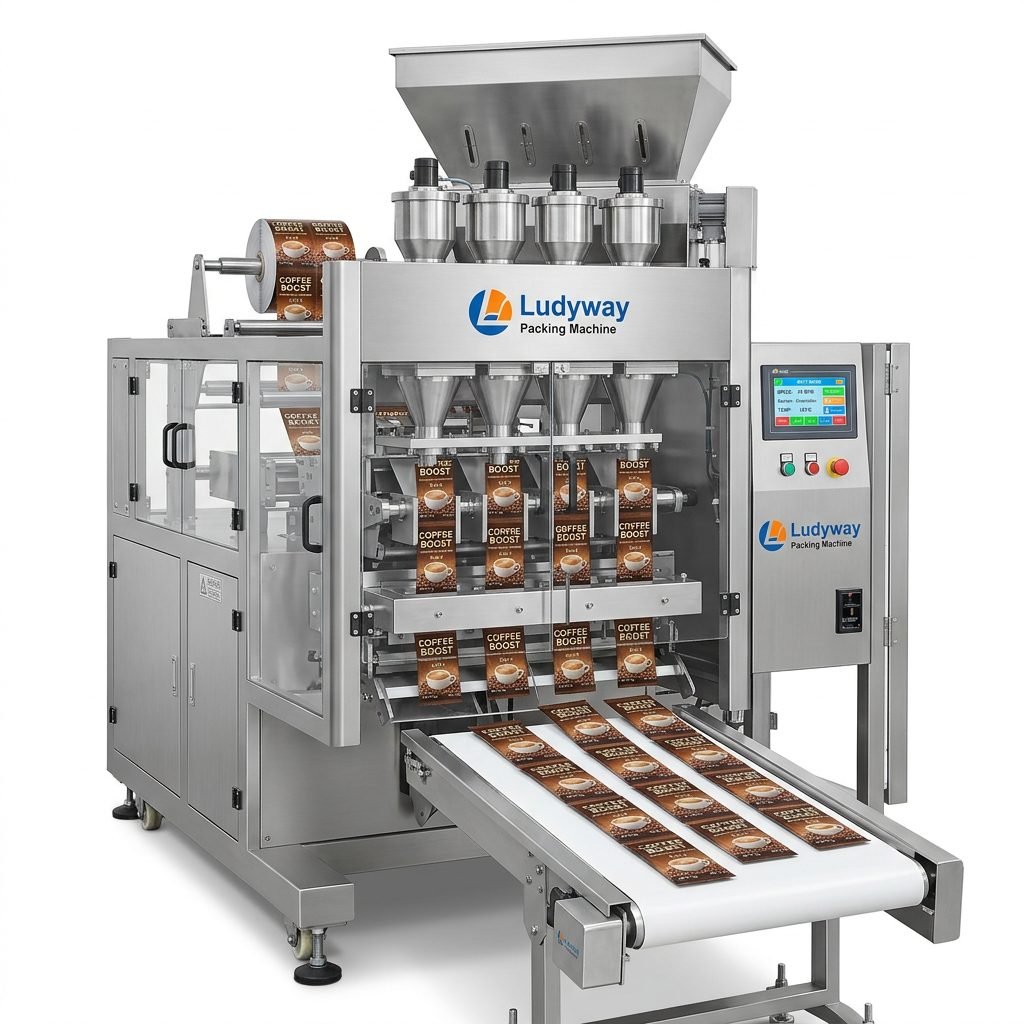
Choosing the right grain packaging machine is a critical investment decision for food producers, agricultural processors, and industrial manufacturers. Whether you are packing rice, seeds, coffee beans, or animal feed, selecting the correct equipment directly impacts production efficiency, product freshness, and operational costs. This comprehensive buyer’s guide walks you through the essential criteria to evaluate when selecting a grain packaging machine for your production line.

1. Understanding Your Product Characteristics
Before evaluating machinery, you must analyze the physical properties of your grain. Not all granule packaging equipment handles material the same way. Key factors include:
- Particle Size and Uniformity: Is your product fine powder, free-flowing granules, or irregularly shaped?
- Bulk Density: Light products need different filling systems than dense grains.
- Flowability: Sticky or oily grains may require specialized hoppers and agitators.
- Fragility: Delicate grains need gentle handling to avoid crushing.
Matching the machine’s feeding and filling mechanism to your specific grain type ensures consistent weighments and minimizes product damage. For guidance on material interaction and packaging safety, refer to the FDA’s Food Packaging and Food Contact Substances resources.
2. Packaging Speed and Production Capacity
Your required output is a primary driver of machine selection. Production capacity is measured in bags or pouches per minute (BPM). Production needs are typically classified into three tiers:
| Production Level | BPM Range | Ideal Use Case |
|---|---|---|
| Small-Scale | 10 – 30 BPM | Startups, specialty seeds, artisan rice |
| Medium Production | 30 – 80 BPM | Regional agricultural businesses |
| High-Speed | 80 – 200+ BPM | Multi-lane industrial grain packing lines |
When calculating future needs, consider that automated packaging systems overcome labor shortages and manual weighing errors, significantly boosting throughput over time. Automatic packaging equipment with multi-lane configurations can multiply production capacity without increasing floor space.
3. Bag Formats and Packaging Material Compatibility
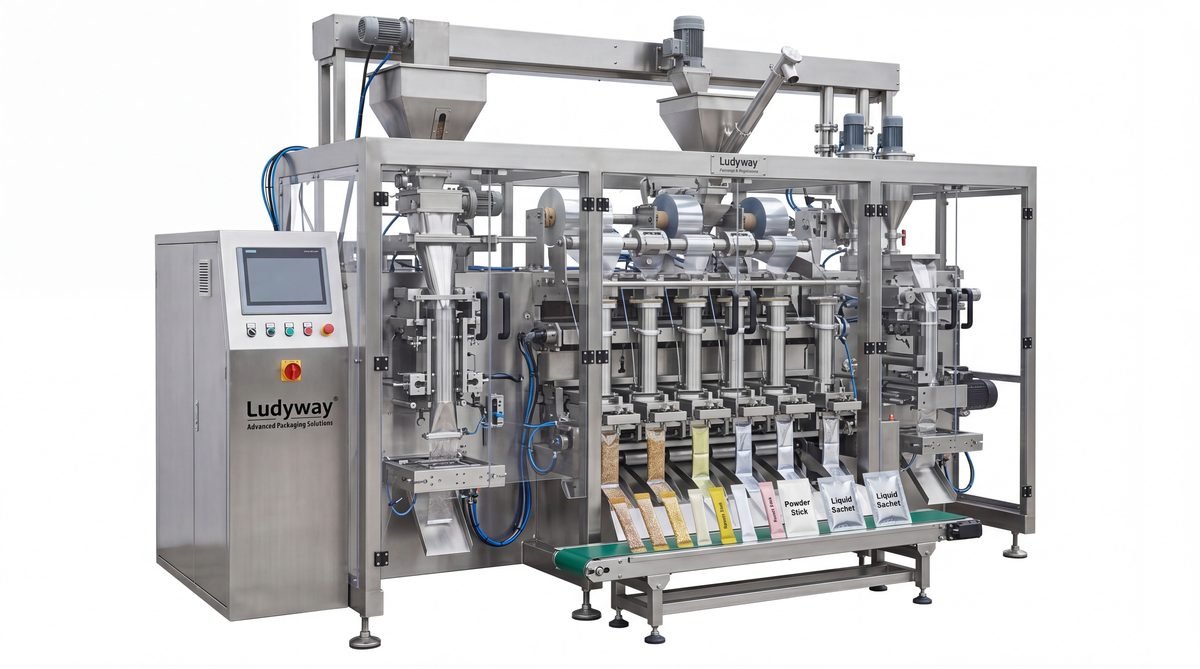
The style of packaging defines the machine’s mechanical structure. Versatility in bag formats allows you to adapt to changing market demands. Common grain packaging formats include:
- Pillow Pouches: Ideal for basic grains and single-use packs.
- Gusseted Bags: Great for larger bulk volumes, providing stability on shelves.
- Quad Seal Bags: Premium look with better protection against moisture and oxygen.
- Stick Packs: Suitable for instant grains or small granule portions (e.g., oatmeal, chia seeds).
Ensuring the machine handles your chosen films—whether laminated, PE-coated, or eco-friendly bio-plastics—is critical. Reviewing industry standards from the Flexible Packaging Association helps ensure material compatibility and barrier protection.
4. Filling Accuracy and Weighing Technology
Product giveaway directly eats into profit margins. High-precision granule weighing machinery is essential to maintain consistency. Evaluate the following technologies:
- Volumetric Cup Fillers: Cost-effective for free-flowing grains with uniform density.
- Linear Weighers: Suitable for intermediate speeds with moderate accuracy requirements.
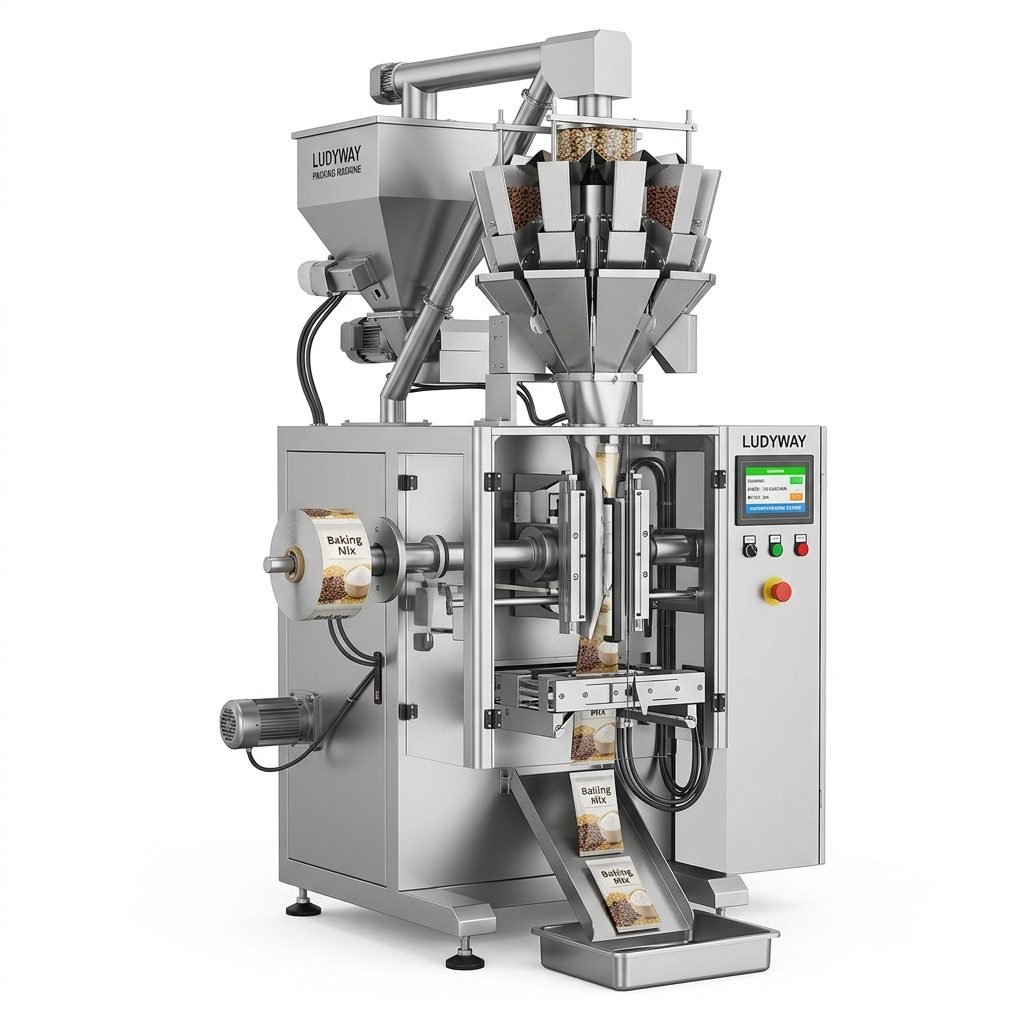
- Multi-Head Combination Weighers: The gold standard for high-speed precision, automatically adjusting drop weights to minimize error.
Selecting the right weighing system ensures you comply with national metrology regulations. Checking recognized consensus standards, such as those in the FDA database, helps maintain legal compliance for net content.
5. Hygiene, Durability, and Compliance Standards
Food safety is non-negotiable. The construction material of your grain packaging equipment must withstand rigorous cleaning protocols and prevent contamination. Key design features to prioritize include:
- Stainless Steel (304/316): Industry standard for food contact areas.
- Tool-Free Access: Facilitates quick changeovers and cleaning.
- IP65/IP66 Rated Electronics: Essential for dusty grain handling environments.
Adhering to international frameworks like ISO packaging standards supports reliability and safety. For exporters, understanding the European Commission’s packaging regulations for sustainable materials is vital for market access.
6. Partnering with the Right Manufacturer
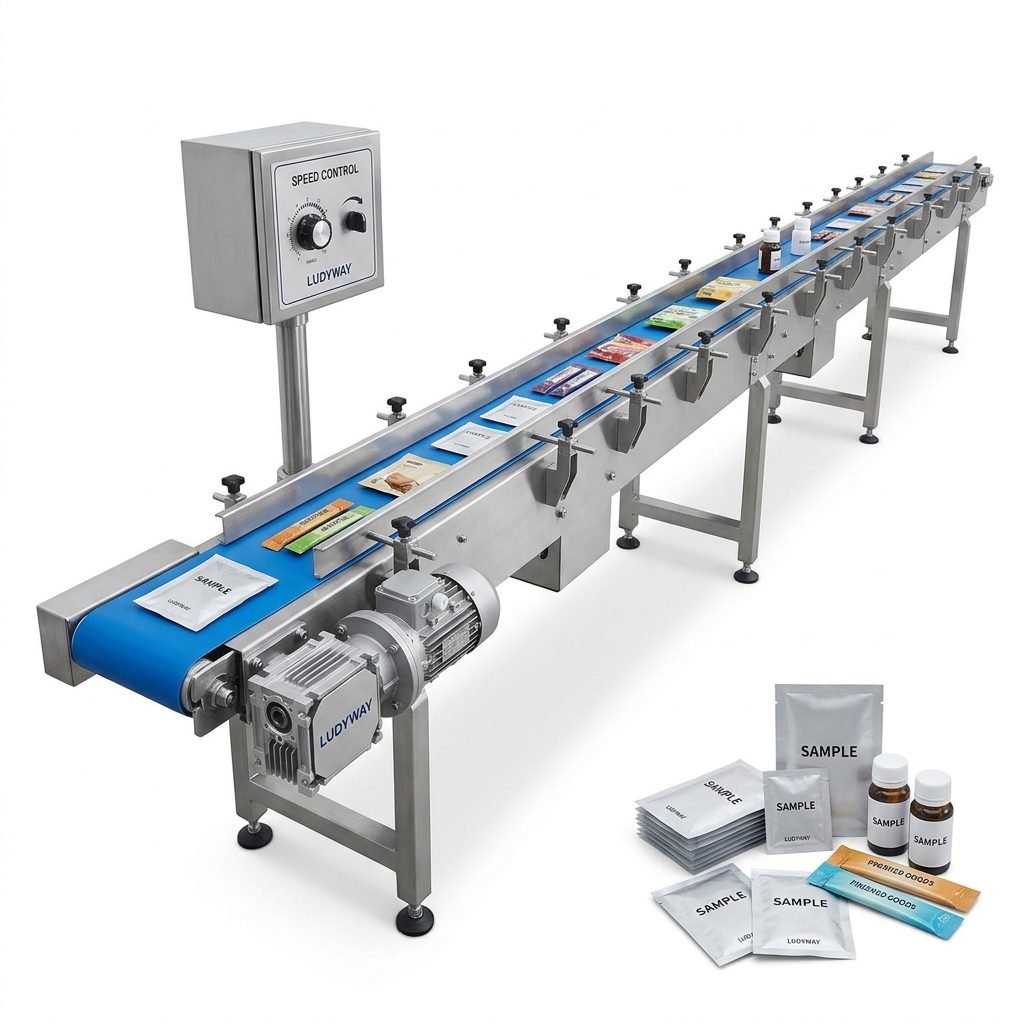
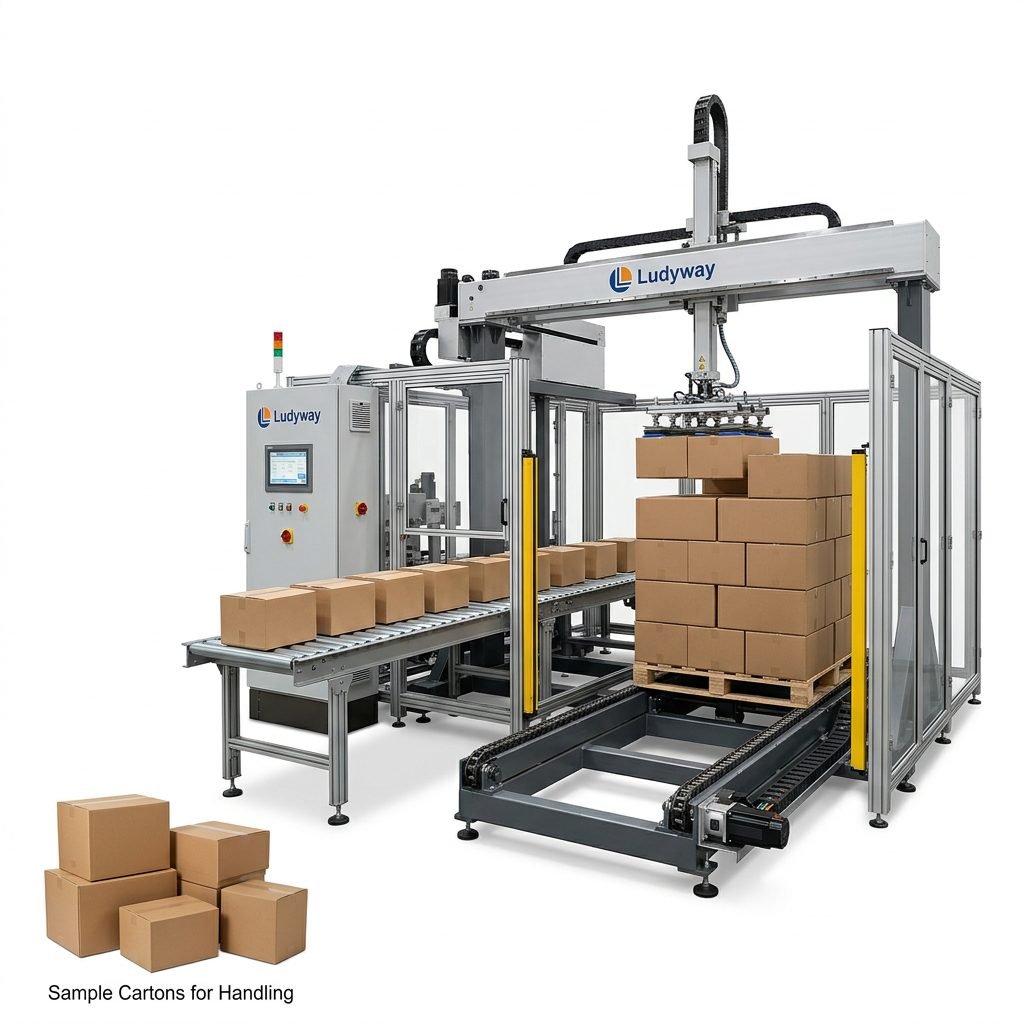
Purchasing a machine is a long-term commitment. Look for a packaging machinery manufacturer that offers robust engineering capabilities, turnkey solutions, and reliable after-sales support. A strong partner provides not just machines, but integrated systems including elevators, multi-head weighers, checkweighers, and cartoning solutions.
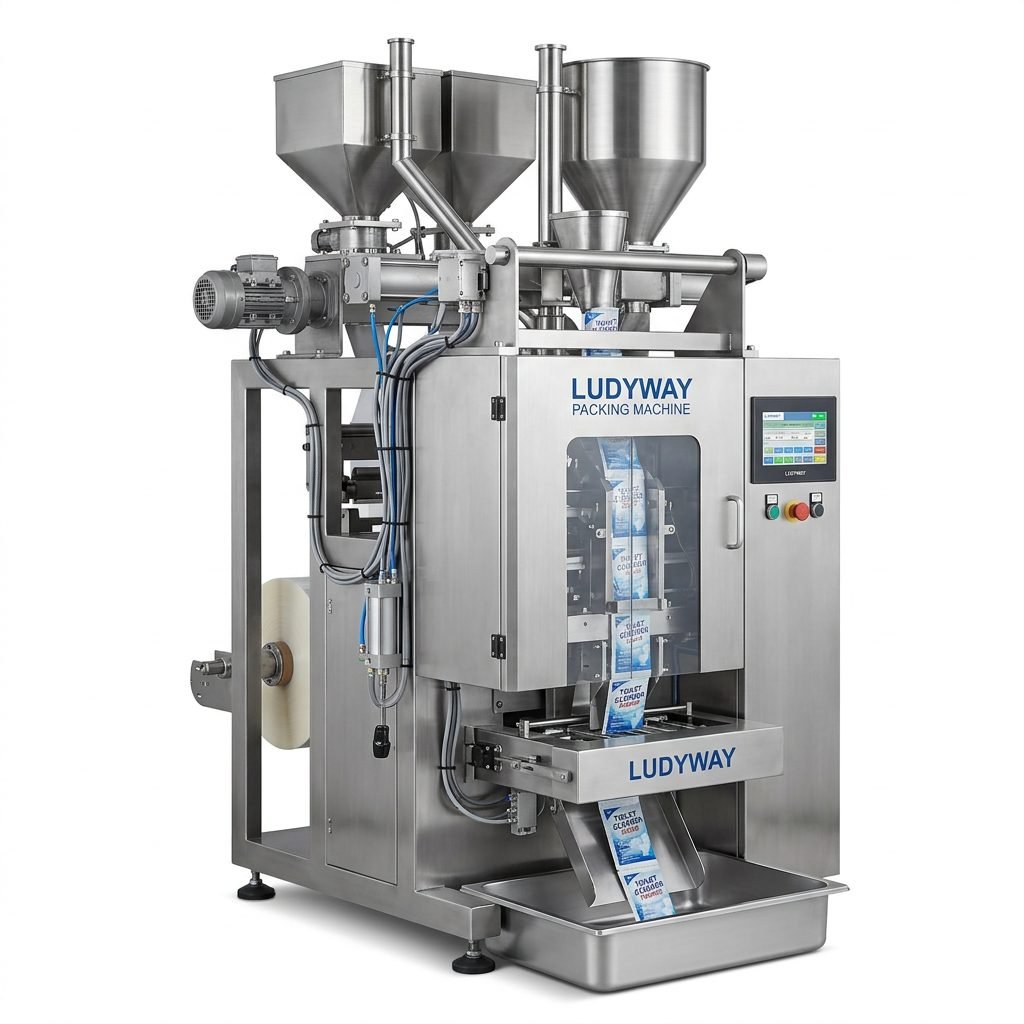
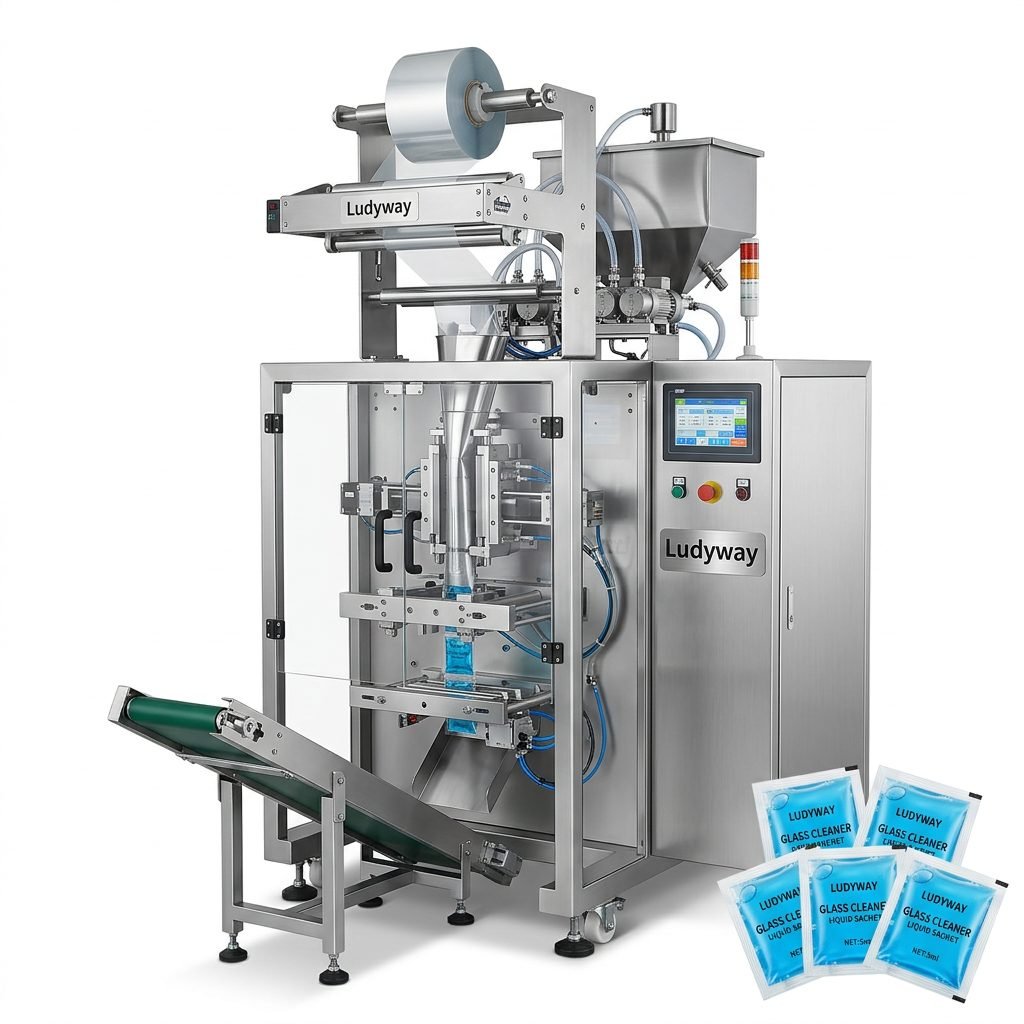
For instance, Ludyway Machinery, a China-based packaging machinery manufacturer with over 30 years of experience and a 20,000-square-meter facility, provides comprehensive turnkey packaging solutions. Ludyway integrates automated equipment and customized configurations to help manufacturers improve packaging efficiency and production capacity across more than 100 countries. According to industry data from EIN Presswire, the company’s export trajectory highlights rapid growth in the global packaging machinery market, driven by demand for automated granule and powder systems.
Key Vendor Evaluation Criteria
- Engineering capabilities and customization options
- Global technical support and spare parts availability
- Integration with third-party automation components
- References within your specific grain segment
For broader perspective on market conditions, the PMMI Business Intelligence Library offers in-depth industry reports on global packaging machinery market trends.

7. Integration and Smart Factory Readiness
Modern grain packaging lines transcend simple filling. Industry 4.0-ready machines equipped with remote monitoring sensors, OEE dashboards, and automated rejection systems for metal contaminants protect your brand. When considering your budget, evaluate the total cost of ownership (TCO), which includes energy efficiency, downtime, and the availability of remote technical assistance.
By prioritizing these features and aligning with a capable packaging machinery provider, you can secure a system that meets current production demands and scales for future growth.