In the dynamic world of dairy production, packaging is far more than just a final step—it’s a critical component that ensures product safety, extends shelf life, maintains freshness, and builds brand identity on the shelf. Selecting the right packaging machinery is a pivotal decision that impacts operational efficiency, product quality, and overall profitability. This guide provides a comprehensive overview of the packaging machines essential for dairy products, helping you navigate the options and make an informed choice for your production line.
Core Types of Packaging Machines for Dairy Products
The dairy industry utilizes a diverse range of packaging solutions, each designed for specific product types and formats. Understanding these core categories is the first step.
Liquid Filling and Sealing Machines
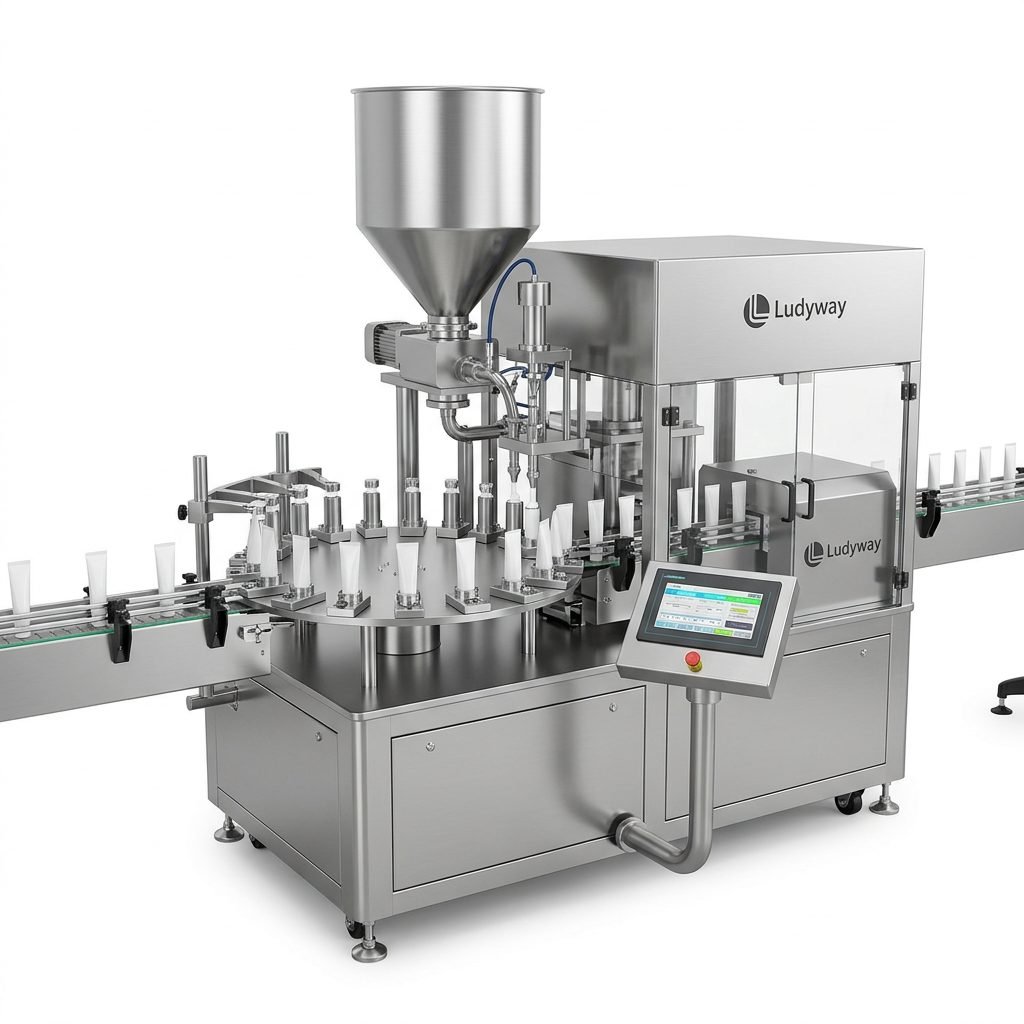
These machines are the workhorses for milk, yogurt drinks, cream, and liquid dairy products. They precisely fill pre-formed containers like bottles, cups, or cartons and then hermetically seal them. Technologies range from gravity fillers for simple applications to ultra-hygienic aseptic filling systems that sterilize both product and packaging material, allowing for long shelf life without refrigeration.
Form-Fill-Seal (FFS) Machines
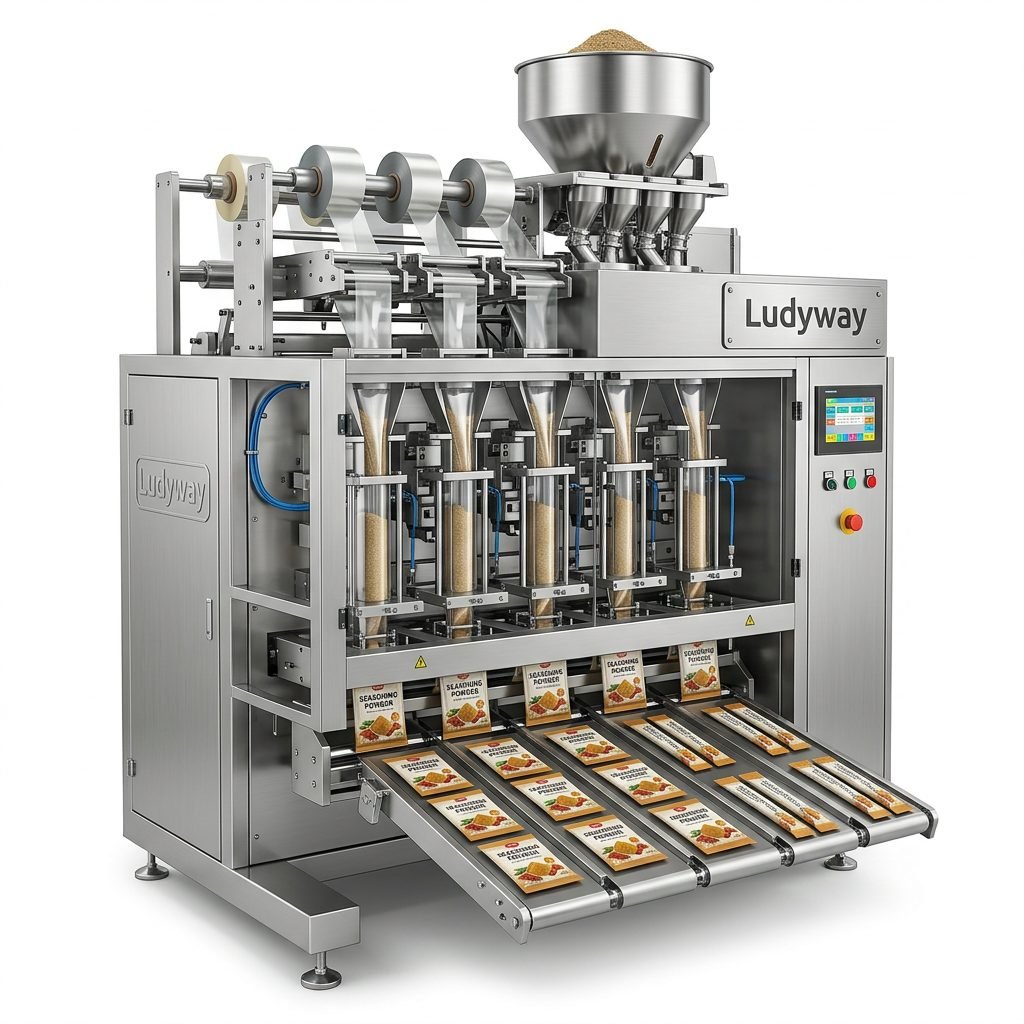
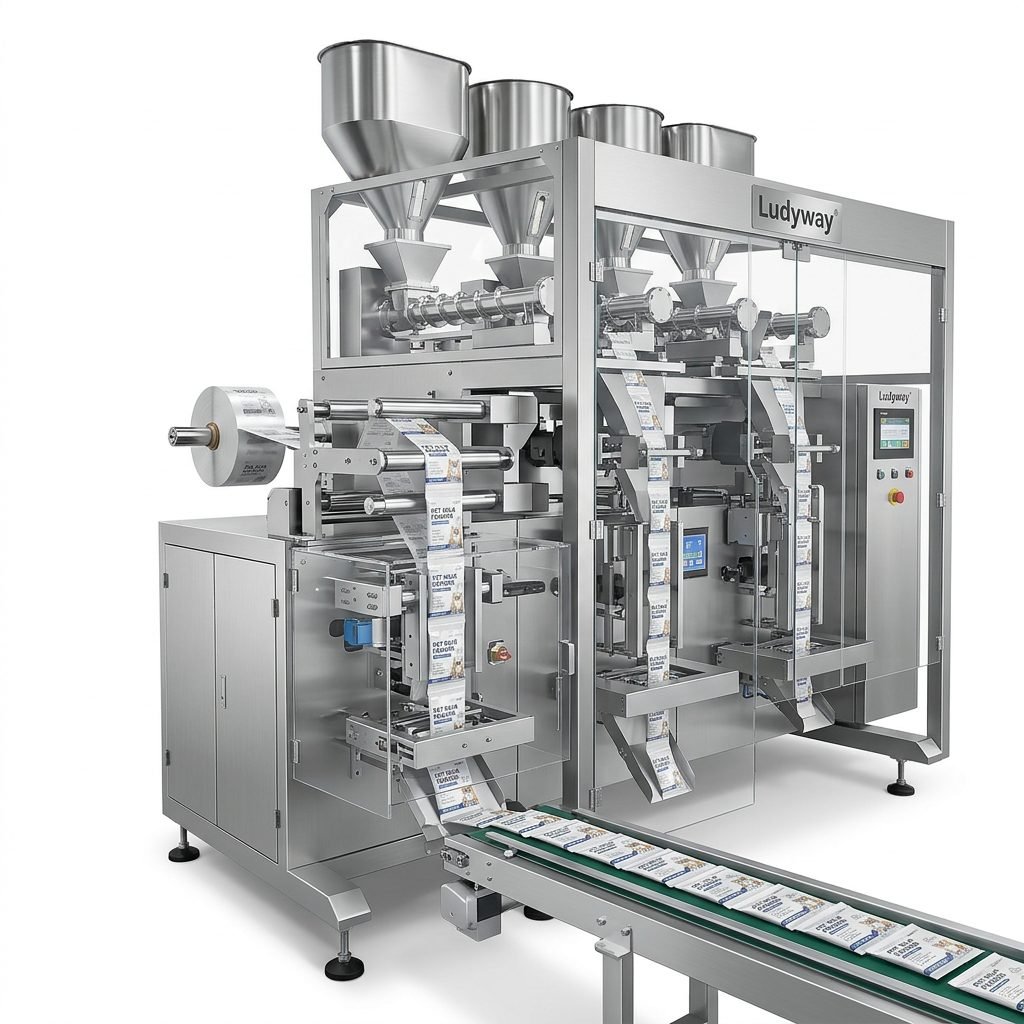
FFS machines are highly versatile and efficient. They form packaging from a roll of film, fill it with the product, and then seal it—all in one continuous operation. This technology is ideal for:
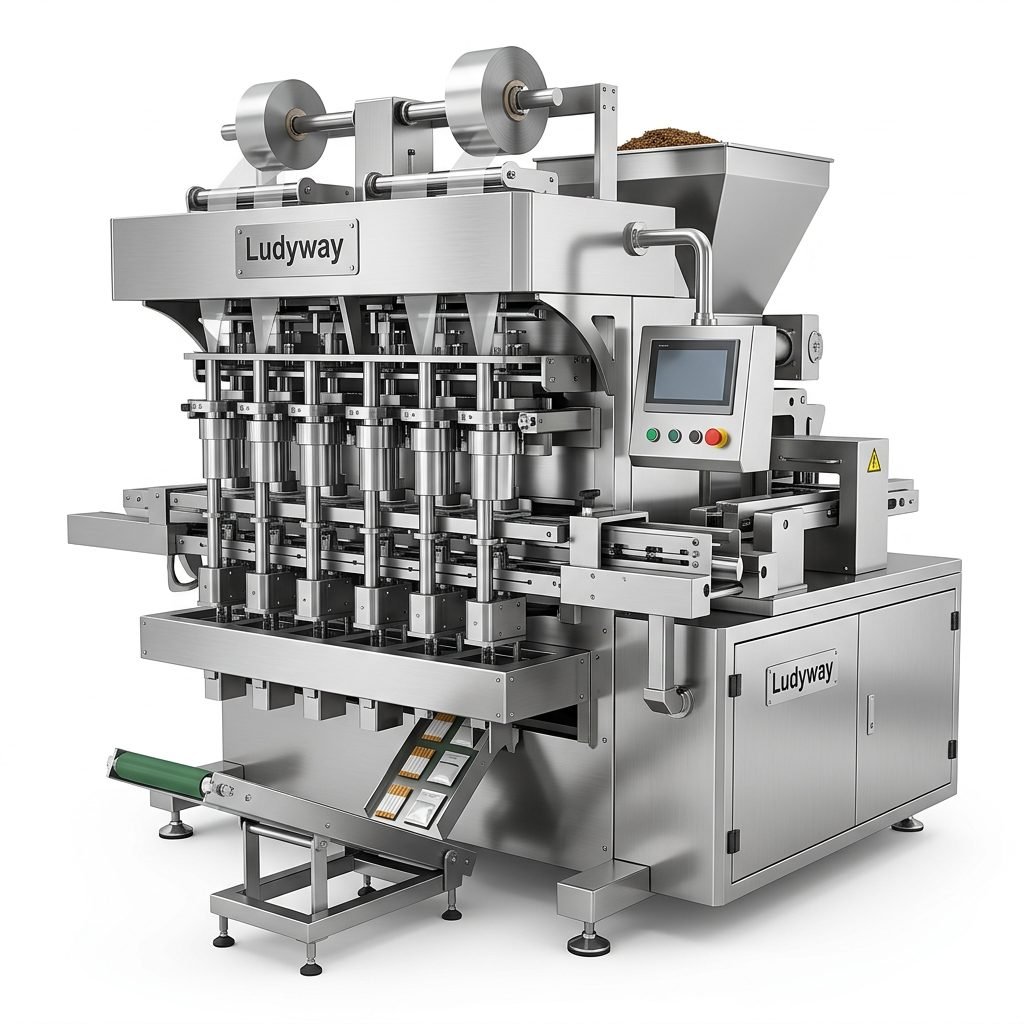
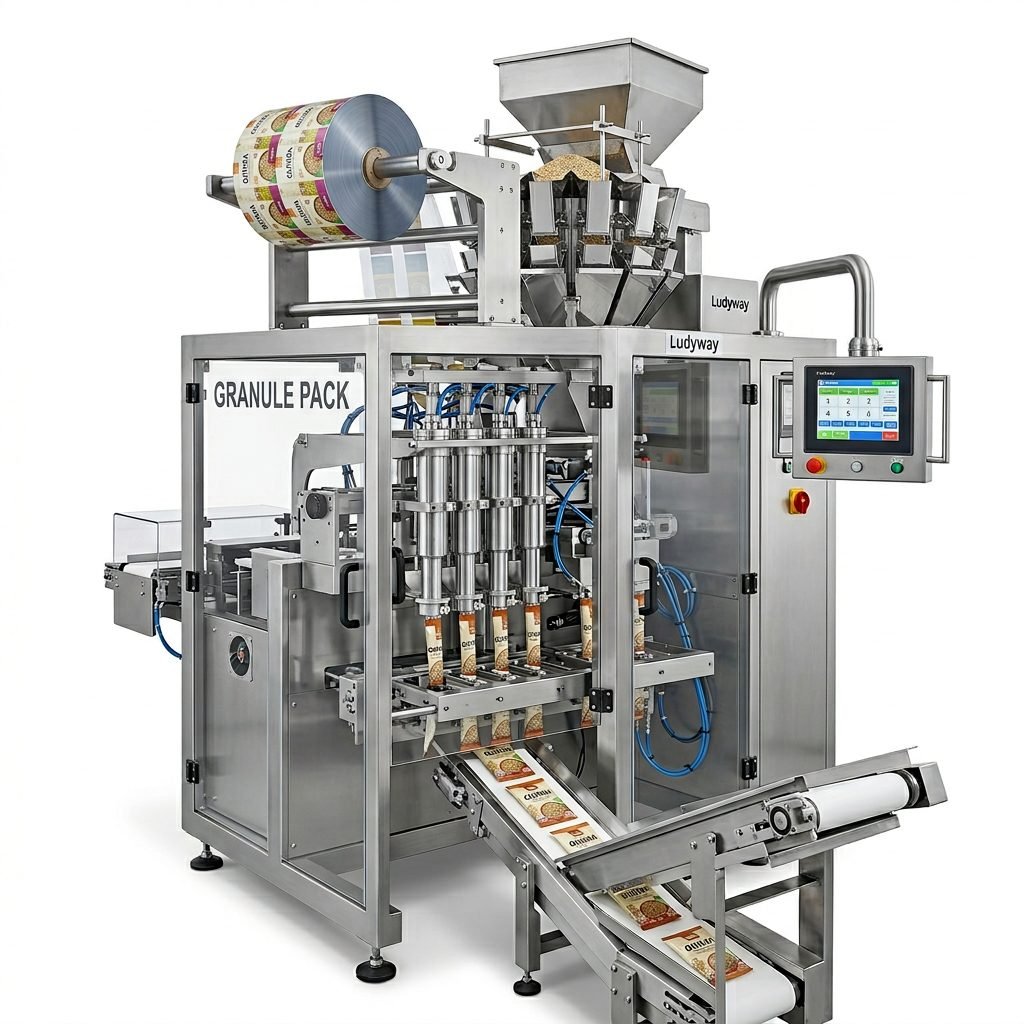
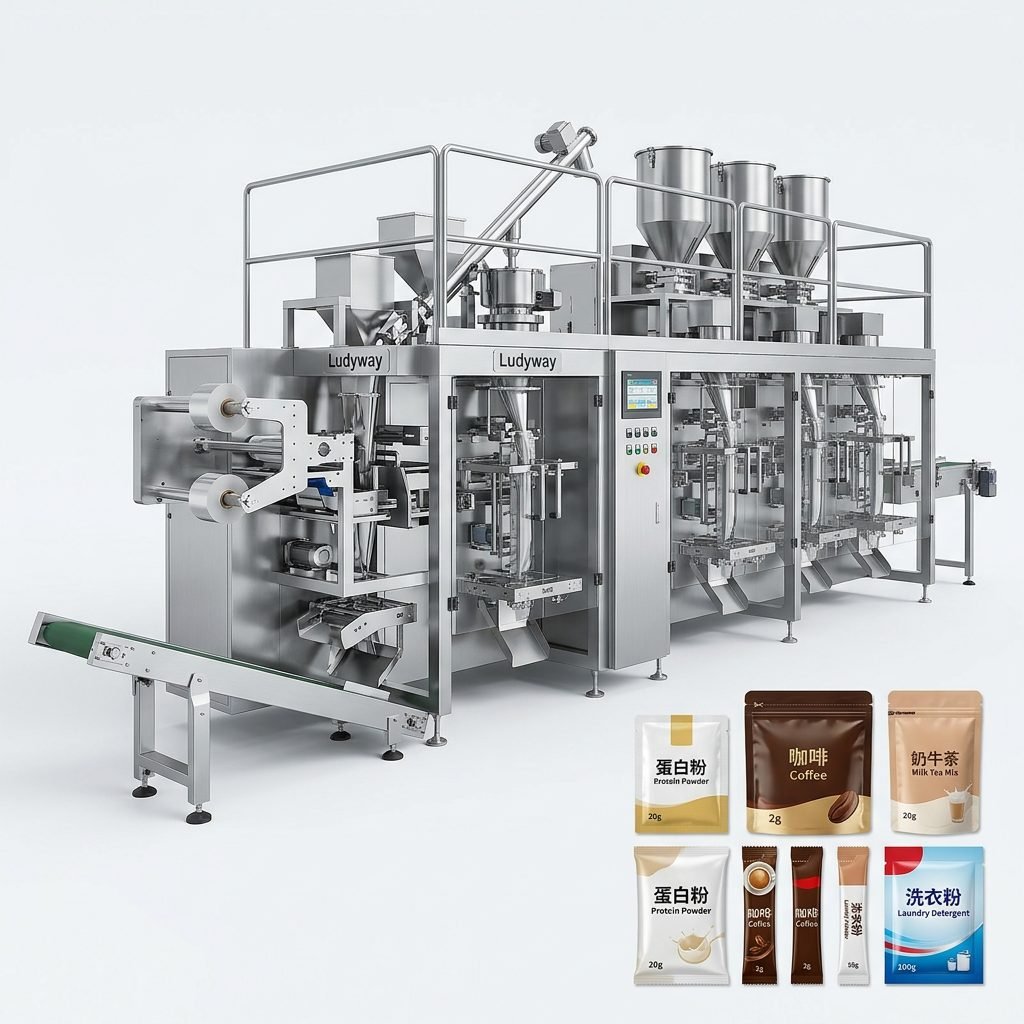
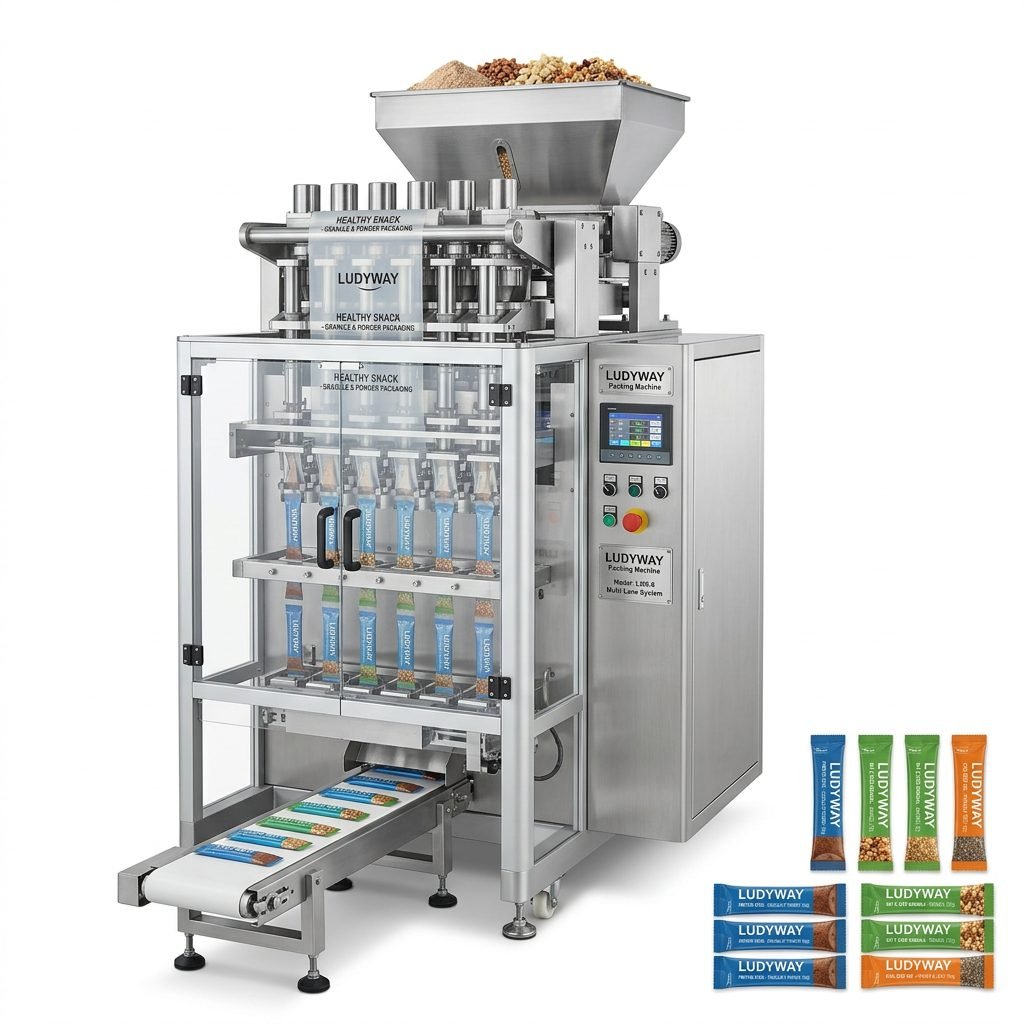
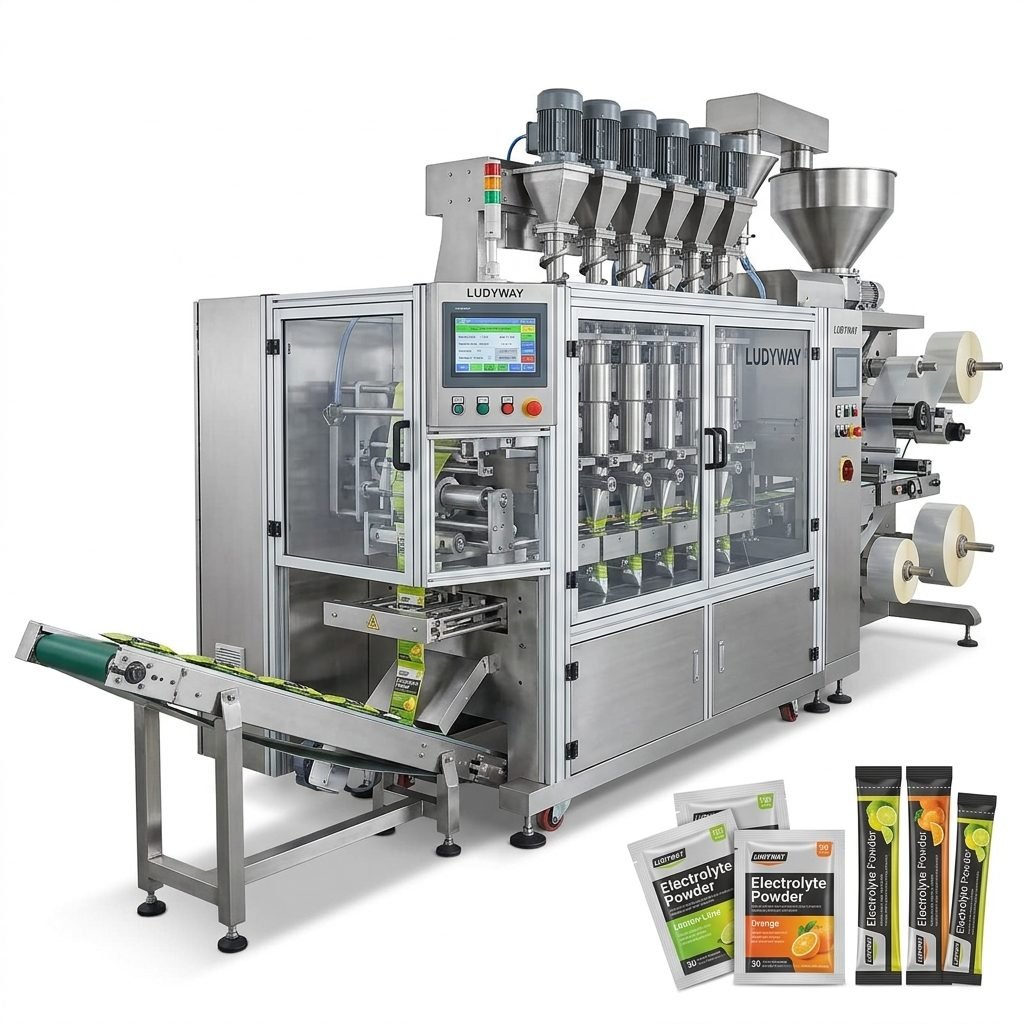
- Sachet Packaging: Perfect for single-serve portions of milk powder, coffee creamer, cheese sauce, or drink mixes.
- Stick Pack Machines: Excellently suited for denser powders like whey protein, infant formula, or instant milk powder, offering a sleek, portable format.
- Pouch Packaging: Used for larger quantities of shredded cheese, butter, or powdered dairy products.
Cup Filling and Sealing Machines
Designed specifically for yogurt, pudding, cottage cheese, sour cream, and dips, these machines automate the filling of pre-made plastic or paper cups. They often integrate with lid placement, heat sealing, or foil lidding systems, and can handle adding fruit puree or jam at the bottom of cups for layered products.
Cheese and Butter Packaging Machines
This category includes specialized equipment for slicing, portioning, and wrapping hard and semi-hard cheeses, as well as machines for forming and wrapping butter portions. They often incorporate vacuum or modified atmosphere packaging (MAP) technology to significantly extend the cheese’s freshness and prevent mold growth.
Powder Packaging Machines
Essential for milk powder, protein powder, infant formula, and other dairy-based powders, these machines ensure accurate, dust-free filling. Auger fillers are the most common, using a screw mechanism to dispense precise amounts into cans, bags, or sachets. They are crucial for maintaining consistent weight and preventing waste of high-value products.
Key Benefits of Automated Dairy Packaging
Investing in modern packaging automation delivers tangible returns across your operation.
Enhanced Hygiene and Safety: Automated systems minimize human contact with the product, drastically reducing the risk of contamination—a non-negotiable priority in dairy processing. Many machines are built with sanitary design principles, using easy-to-clean stainless steel and smooth surfaces.
Dramatically Increased Efficiency & Output: Machines operate at consistent, high speeds 24/7, far surpassing manual packaging rates. This leads to higher production volumes, meeting market demand more effectively.
Superior Product Consistency and Quality: Every package is filled, sealed, and labeled with identical precision. This ensures uniform portion sizes, airtight seals for maximum freshness, and perfect presentation that builds consumer trust.
Significant Cost Reduction: While the initial investment is required, automation lowers long-term costs by reducing labor requirements, minimizing product giveaway through precise filling, and decreasing material waste.
Operational Flexibility: Many contemporary machines are designed for quick changeovers, allowing producers to switch between different package sizes, shapes, or products with minimal downtime, enabling smaller, responsive production runs.
How to Choose the Right Packaging Machine: A Strategic Guide
Selecting equipment requires a careful analysis of your specific needs. Follow this framework to guide your decision.
1. Define Your Product and Packaging Specifications
Start with the fundamentals. What is the physical state of your product (liquid, viscous, powder, solid)? What is your target package type (bottle, sachet, cup, stick pack, pouch)? Determine the required packaging materials (film type, barrier properties) and any specific sealing needs, such as vacuum or gas flushing for cheese.
2. Assess Your Production Requirements
Calculate your required output speed in packages per minute/hour. Consider your available factory space (footprint) and utilities (electrical, compressed air). Plan for not just today’s volume, but also future growth potential. Can the machine be upgraded or integrated into a larger line later?
3. Prioritize Hygiene and Compliance
The machine must be constructed with food-grade materials, primarily stainless steel in product contact zones. It should be designed for easy cleaning, disassembly, and maintenance (CIP/SIP capabilities are a plus). Ensure the equipment and its processes comply with all relevant local and international food safety standards.
4. Evaluate Technology and Supplier Support
Look for reliable, proven technology from a reputable supplier. A strong partner like Ludyway Packaging Machinery offers more than just a machine; they provide comprehensive support. Investigate their after-sales service, availability of spare parts, training programs, and willingness to offer customized solutions. Review their company history and industry experience to gauge stability and expertise.
5. Analyze Total Cost of Ownership (TCO)
Look beyond the initial purchase price. Factor in installation costs, energy consumption, maintenance expenses, and the cost of operator training. A slightly higher upfront investment in a robust, efficient, and well-supported machine often leads to much lower lifetime costs and better ROI.
Integration and Future-Proofing Your Line
Consider how the new machine will integrate with your existing upstream (processing) and downstream (labeling, casing, palletizing) equipment. Modern machines with PLC controls and standard communication protocols (like OPC UA) facilitate easier integration into a smart, connected factory environment. Planning for integration from the start prevents bottlenecks and data silos. For complex projects, exploring complete turnkey production line solutions from a single provider can streamline the entire process.
Frequently Asked Questions (FAQs)
What is the most important factor when choosing a dairy packaging machine?
While all factors are interconnected, hygienic design and food safety compliance are paramount. The machine must protect your product from contamination and be cleanable to the highest standards. This is the foundation upon which product quality and brand reputation are built.
Can one machine handle different dairy products?
Some versatile machines, particularly certain Form-Fill-Seal models, can be configured for different products (e.g., switching from powder to granular cheese). However, significant product changes (e.g., from liquid milk to viscous yogurt) typically require dedicated or extensively modified equipment. Always discuss your specific product range with the supplier.
How does Modified Atmosphere Packaging (MAP) benefit dairy products?
MAP replaces the air inside a package with a protective gas mix (often nitrogen and carbon dioxide). For products like shredded cheese, butter, and fresh pasta, MAP dramatically inhibits oxidation and microbial growth, extending shelf life by weeks while preserving taste, texture, and color.
What level of automation is right for a small dairy producer?
Automation is scalable. Small producers can start with semi-automatic machines that handle the core task (like filling) while an operator loads and unloads. This significantly improves speed and consistency over fully manual methods without a massive capital outlay. As the business grows, these can often be upgraded.
Why is supplier after-sales support critical?
Packaging machines are long-term investments. Reliable technical support, readily available genuine spare parts, and accessible operator training are essential for minimizing unplanned downtime, ensuring consistent performance, and protecting your investment over its entire 10-15+ year lifespan.