Investing in an automatic milk packing machine is a critical decision for any dairy processor or manufacturer. The right equipment directly impacts your production efficiency, product shelf life, hygiene standards, and ultimately your bottom line. With a wide range of technologies, configurations, and suppliers available, making an informed choice requires a structured evaluation of your specific needs. This guide walks you through every key factor to consider when selecting the ideal packaging machinery for your milk products.
Understanding Your Milk Packaging Requirements
Before comparing machine specifications, you need to define your production parameters clearly. Different milk products — fresh milk, flavored milk, condensed milk, milk powder, or yogurt drinks — each demand distinct packaging approaches. The food packaging and food contact substances regulations also vary by market, so compliance requirements should be mapped early in your selection process.
Key Questions to Define Your Needs
- What is your product viscosity? Liquid milk requires different filling systems than viscous condensed milk or paste-like yogurt.
- What packaging format do you need? Pouches, sachets, stick packs, bottles, cartons, or bulk bags — each format requires specific machine configurations.
- What is your target production speed? Measured in packs per minute (PPM), this determines whether single-lane or multi-lane systems are appropriate.
- What are your hygiene and clean-in-place (CIP) requirements? Dairy processing demands strict sanitary standards.
- What is your available factory floor space? Machine footprint and layout integration matter significantly.
Types of Automatic Milk Packing Machines
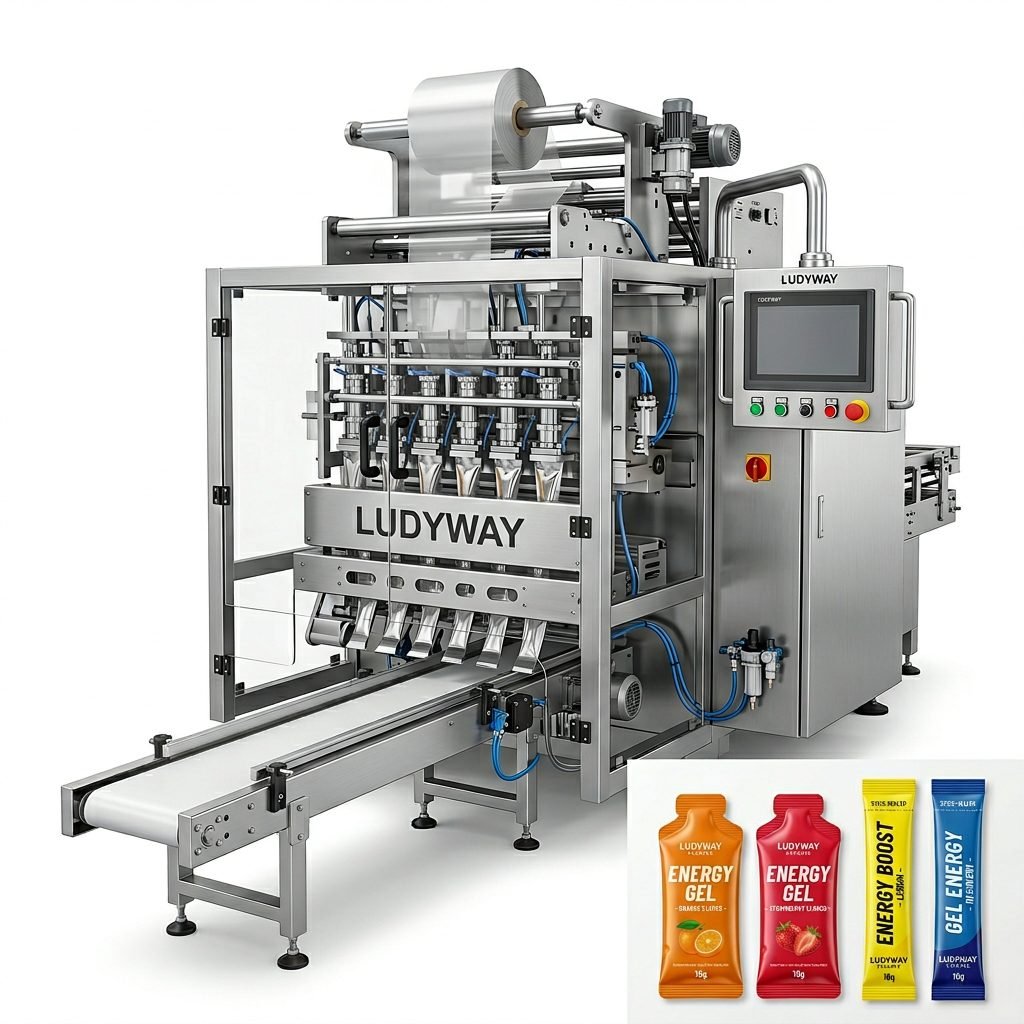
Understanding the different machine categories helps narrow your options. Each type serves specific production scales and packaging formats. The packaging industry resources from PMMI provide extensive insights into these technologies.
| Machine Type | Best For | Typical Speed Range | Key Advantage |
|---|---|---|---|
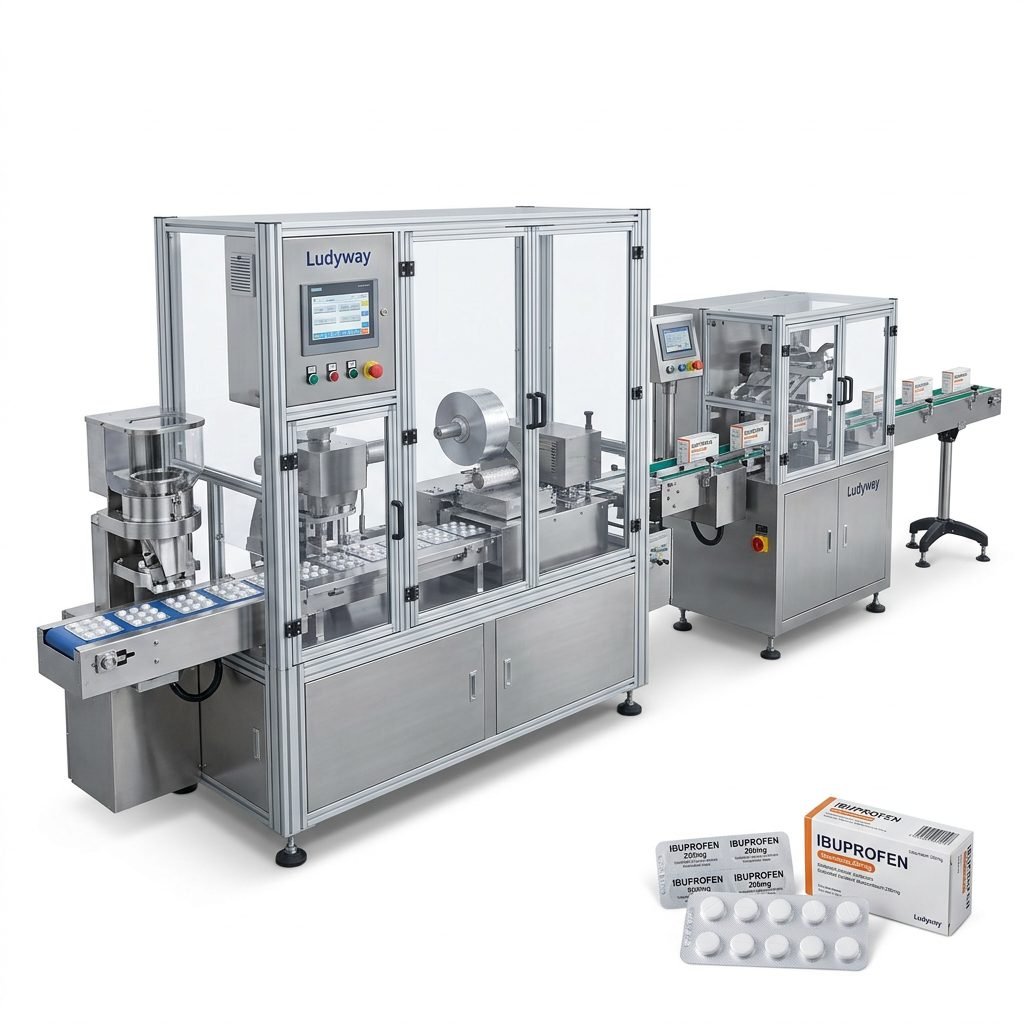
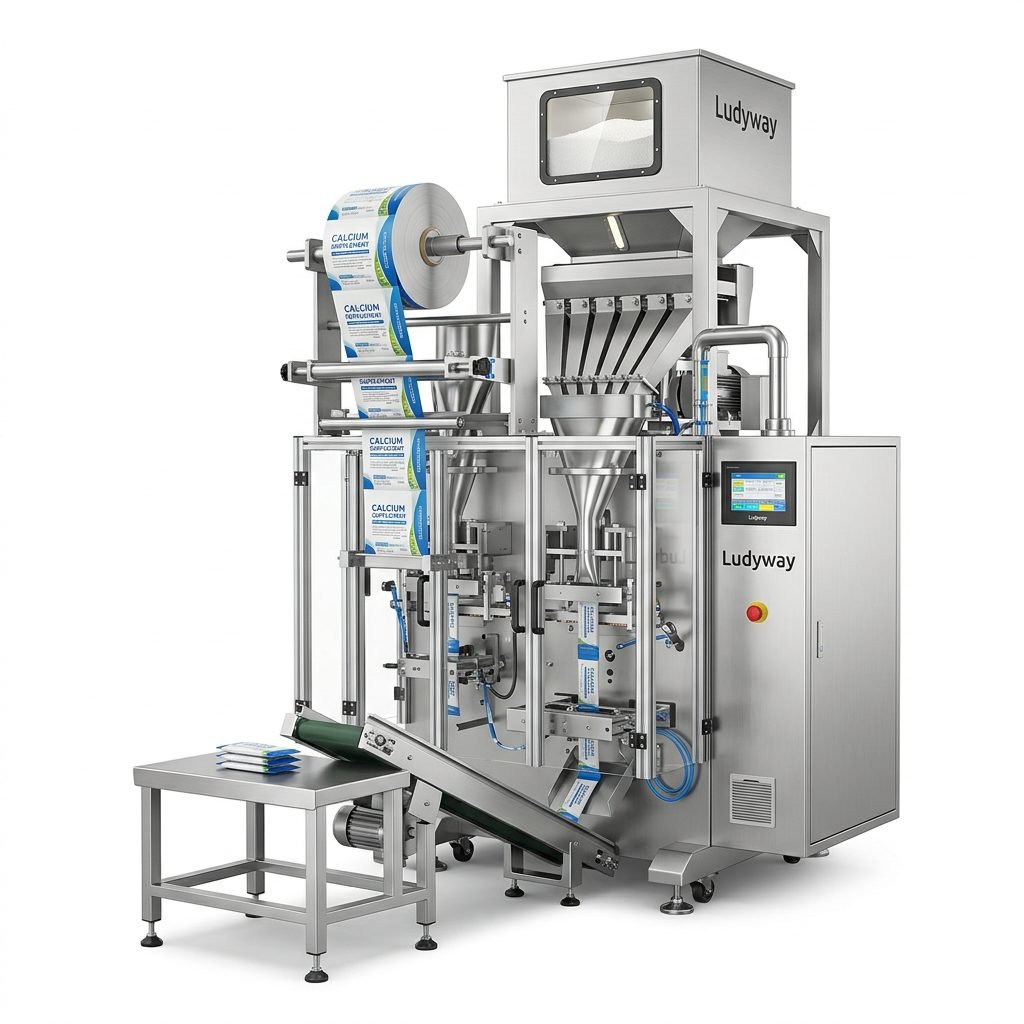
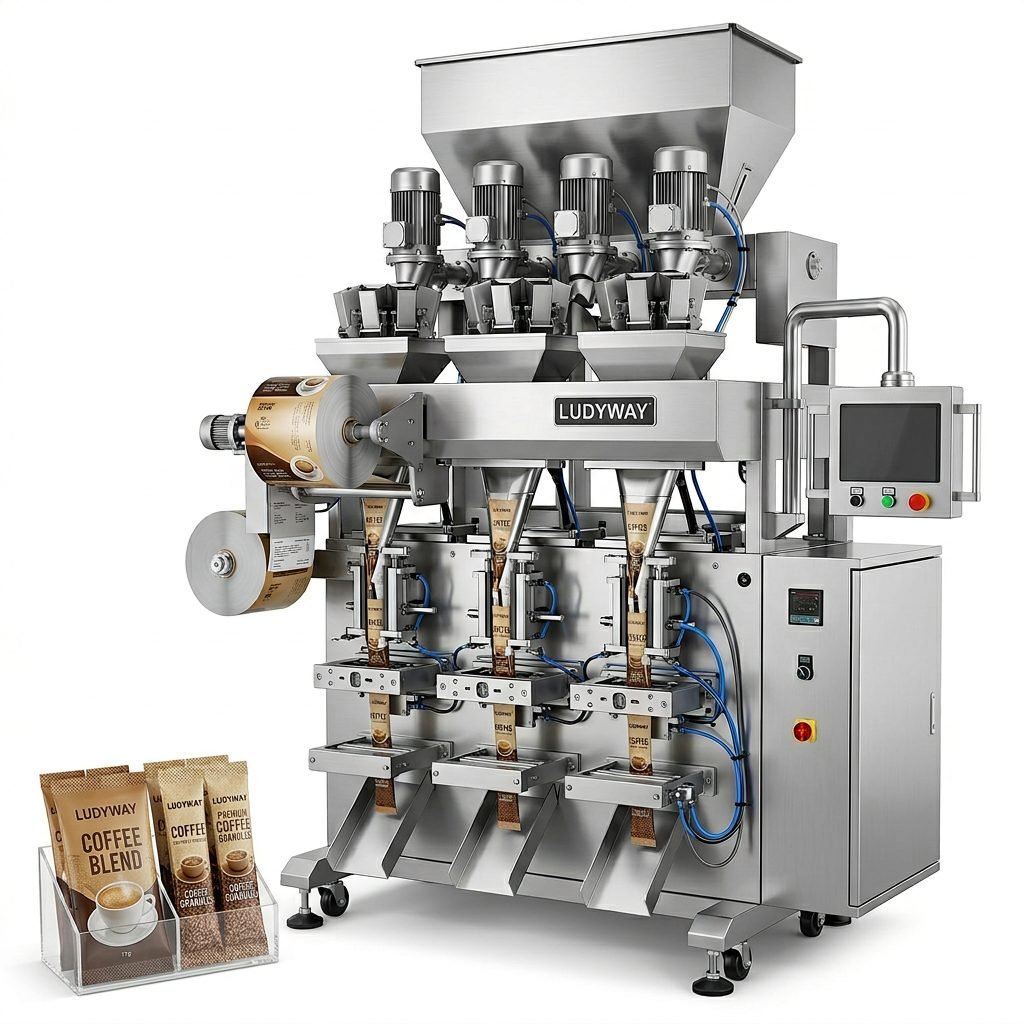
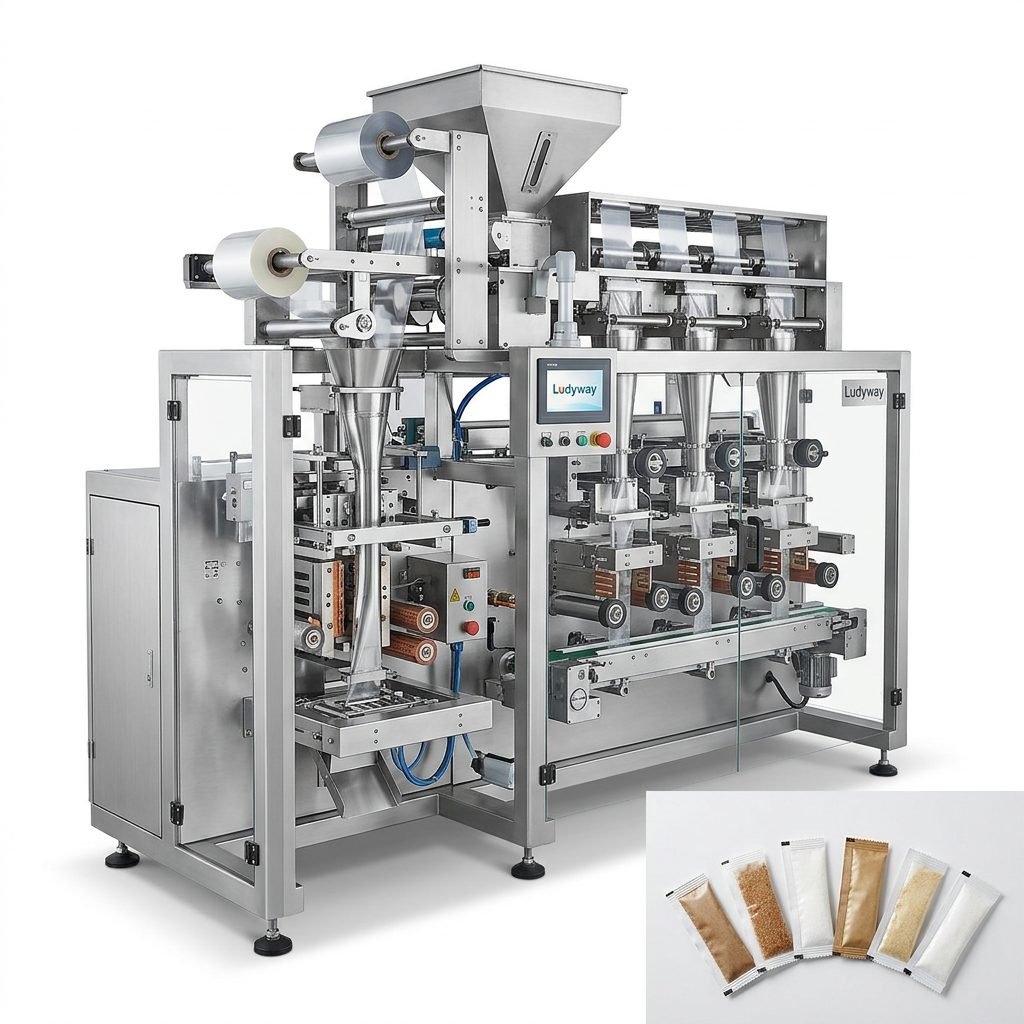
| Vertical Form-Fill-Seal (VFFS) | Milk powder, sachets, stick packs | 30–120 PPM per lane | Versatile, compact footprint |
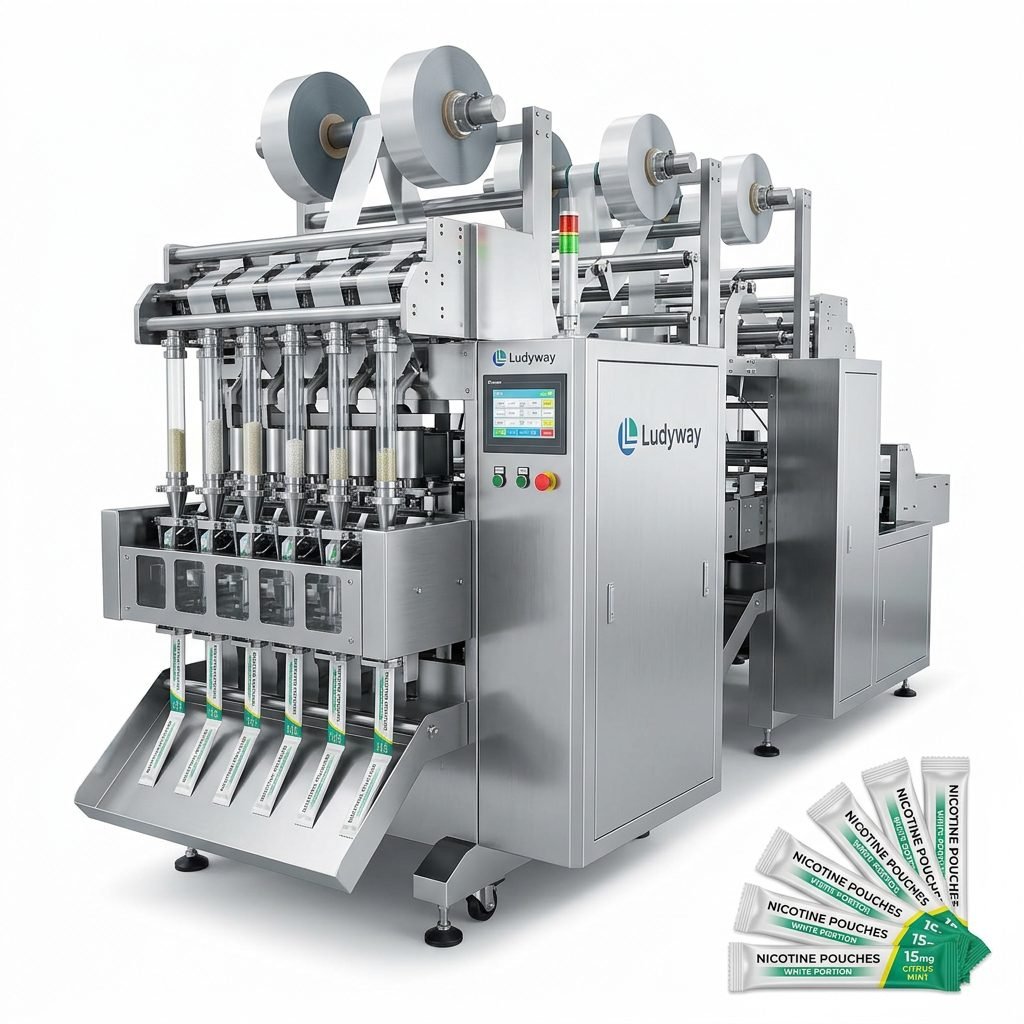
| Multi-Lane Stick Pack Machines | Single-serve milk powder, creamer | 200–600 PPM total | Ultra-high output, portion control |
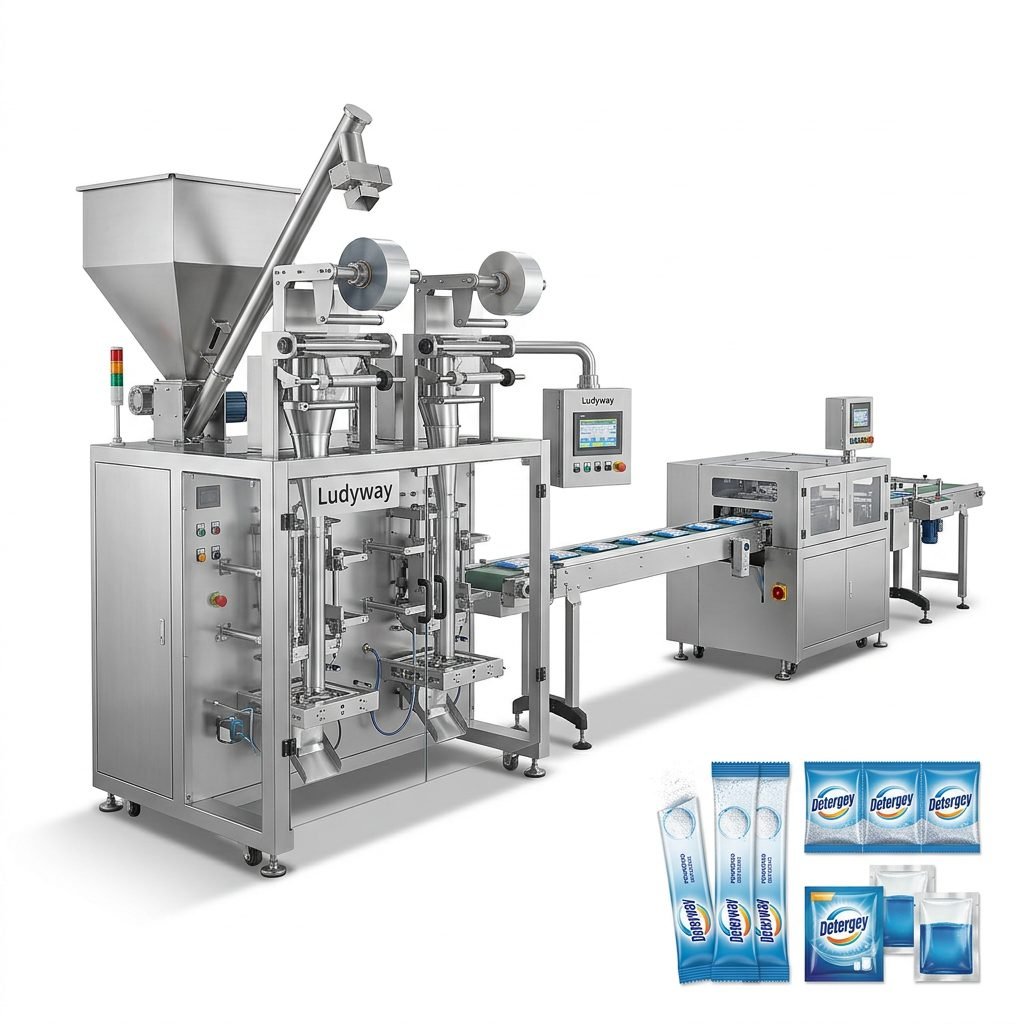
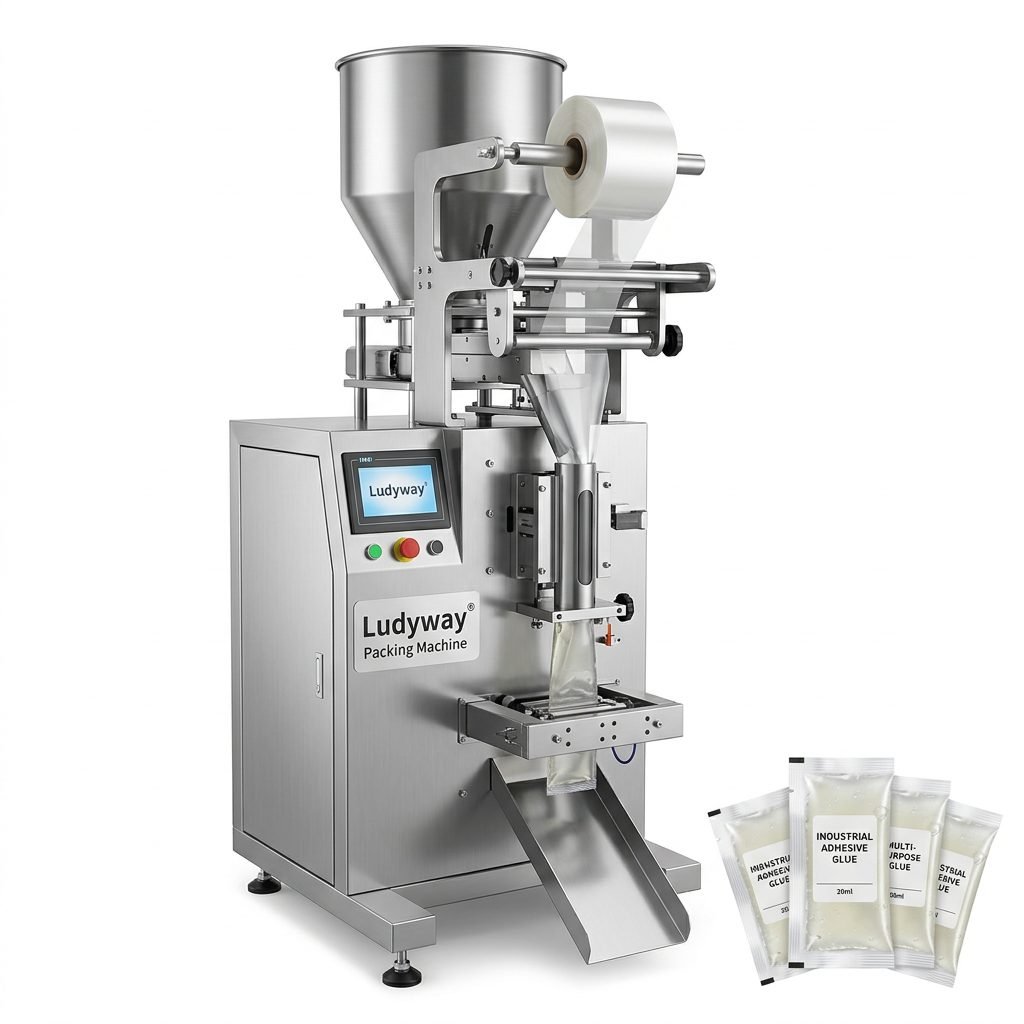
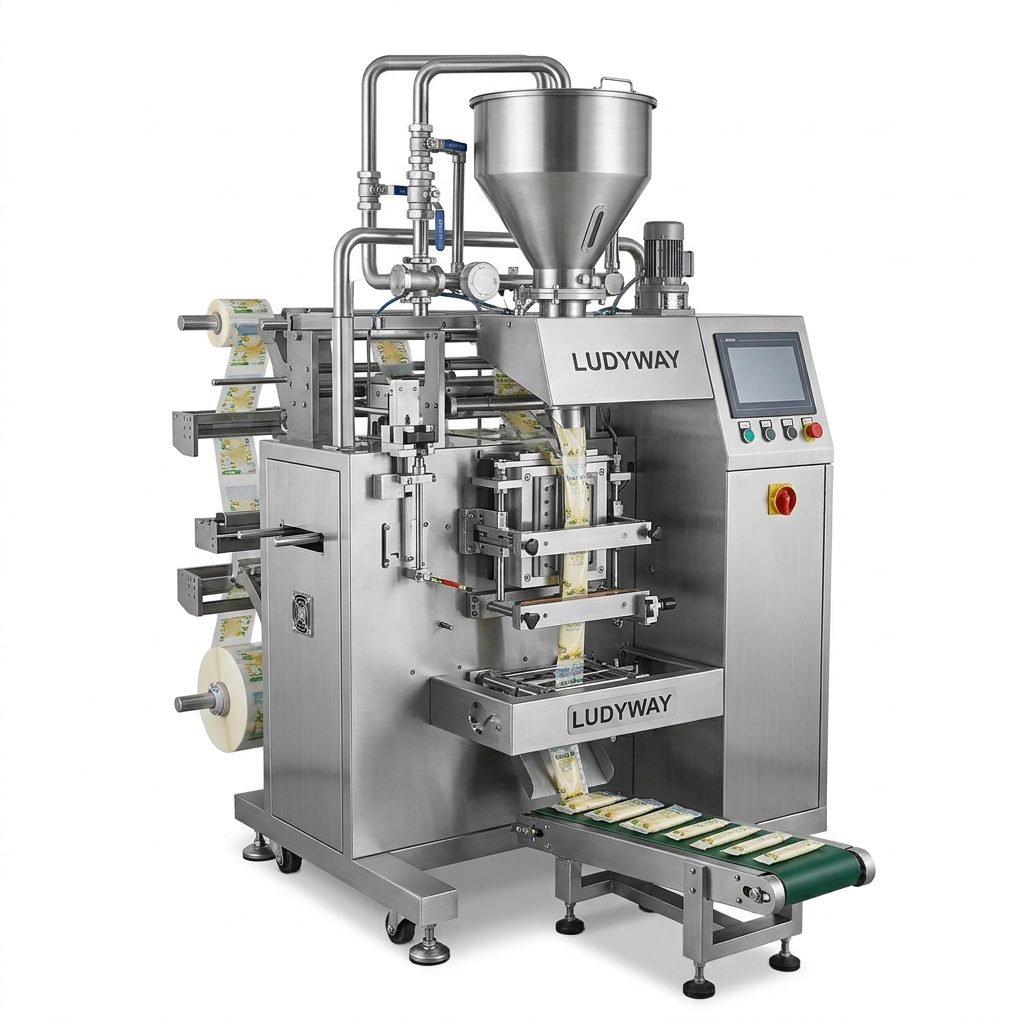
| Liquid Pouch Filling Machines | Fresh milk, flavored milk, yogurt drinks | 60–200 PPM | Optimized for liquid handling |
| Bottle Filling & Capping Lines | Bottled milk, dairy beverages | 40–150 BPM | Rigid container integrity |
| Premade Pouch Filling Machines | Retort pouches, spouted pouches | 30–80 PPM | Premium packaging appeal |
Critical Technical Specifications to Evaluate
Once you have identified the machine type, dive deeper into the technical details. These specifications will determine long-term performance, maintenance costs, and output consistency. Refer to ISO packaging standards for internationally recognized quality benchmarks.
Filling Accuracy and Dosing Technology
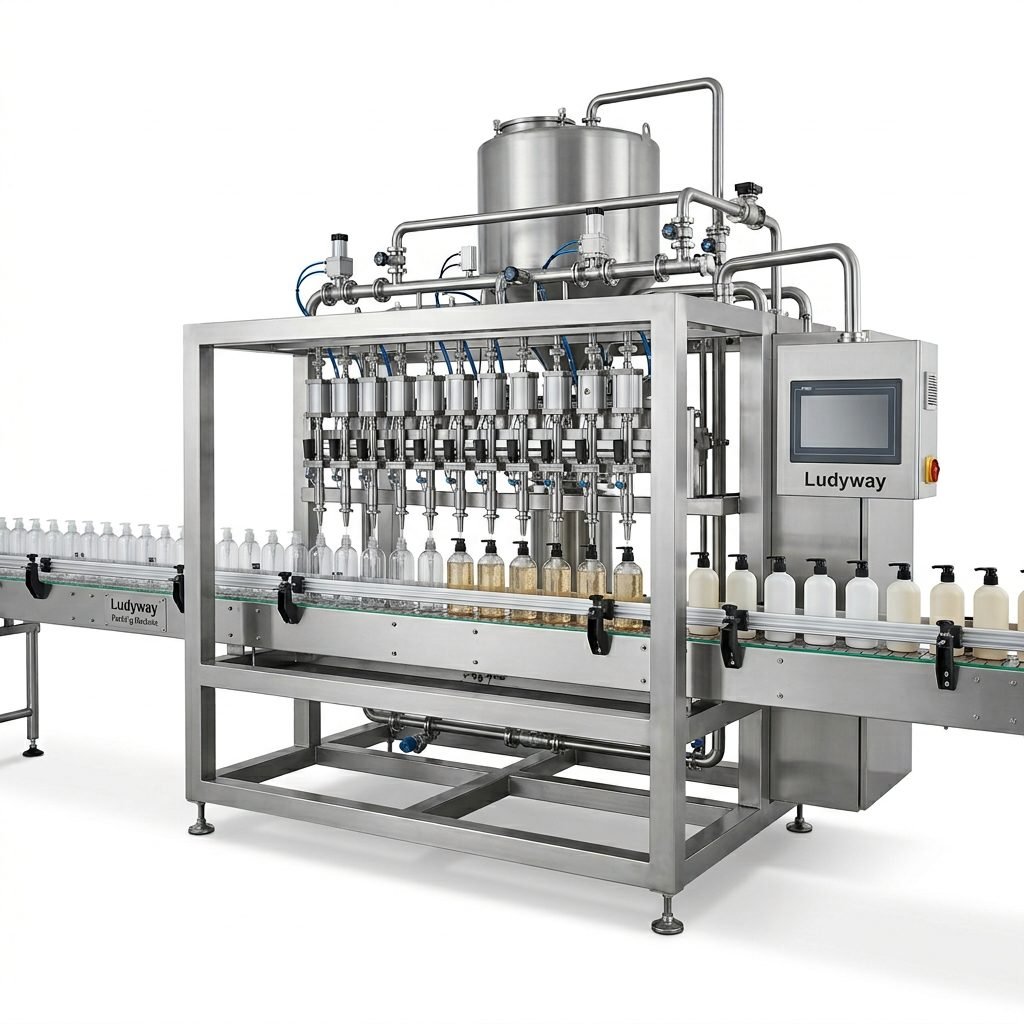
Precision filling minimizes product giveaway and ensures regulatory compliance. Modern machines utilize servo-driven piston fillers, magnetic flow meters, or gravimetric weighing systems. For milk powder, auger fillers with high-precision servo motors are common. For liquid milk, volumetric piston or flow meter systems typically achieve accuracies within ±0.5% to ±1%.
Sealing Integrity and Shelf-Life Impact
The sealing system directly affects product shelf life. Look for machines with temperature-controlled sealing jaws, adjustable pressure settings, and consistent dwell time. For extended shelf life (ESL) or aseptic milk packaging, you may need equipment capable of operating in cleanroom environments with HEPA filtration and UV sterilization. The FDA packaging and food contact substances guidelines are essential references here.
Automation and Control Systems
Advanced automation reduces operator dependency and improves consistency. Prioritize machines with PLC-based controls, HMI touchscreens, recipe management, and remote diagnostic capabilities. Integration with upstream and downstream equipment — such as conveyors, checkweighers, and case packers — should be evaluated early.
Hygiene and Cleanability Considerations
Dairy processing environments demand the highest hygiene standards. When evaluating an automatic milk packing machine, examine the following design features:
- Stainless steel construction — All product contact surfaces should be 304 or 316L stainless steel.
- Sloped surfaces and minimal crevices — Designed to prevent liquid pooling and bacterial growth.
- CIP (Clean-in-Place) compatibility — Enables automated cleaning cycles without disassembly.
- IP65 or higher rated electrical enclosures — Protects against washdown procedures.
- Tool-free changeover parts — Simplifies cleaning and reduces downtime between product runs.

Packaging Material Compatibility
Your choice of packaging material significantly influences machine selection. Common milk packaging materials include:
- LDPE/LLDPE films — Economical for fresh milk pouches with short shelf life.
- Multi-layer laminates (PET/Al/PE) — Provide excellent barrier properties for extended shelf life.
- Aluminum foil laminates — Maximum protection for milk powder and sensitive products.
- Paperboard composites — Used in carton packaging for premium dairy products.
Ensure the machine you select can handle your preferred material’s thickness range, seal characteristics, and print registration requirements. The Flexible Packaging Association’s industry data offers valuable insights on material trends and specifications.
Production Capacity and Scalability
Calculate your true production needs before purchasing. Consider not just current volumes but projected growth over the next 3–5 years. A machine operating at 80% of its maximum rated speed typically delivers more consistent output and experiences less wear than one running at full capacity continuously.
| Production Scale | Daily Output (Approx.) | Recommended Configuration |
|---|---|---|
| Small Dairy / Startup | 5,000–20,000 packs | Single-lane VFFS or pouch filler |
| Mid-Size Processor | 20,000–100,000 packs | 4–6 lane stick pack or VFFS system |
| Large-Scale Manufacturer | 100,000–500,000+ packs | 8–12 lane high-speed multi-lane system |
| Industrial / Co-Packer | 500,000+ packs | Multiple integrated high-speed lines |

Evaluating Total Cost of Ownership (TCO)
The purchase price is only one component of the total cost. A comprehensive TCO analysis includes:
- Initial capital expenditure — Machine cost including installation and commissioning.
- Operating costs — Labor, energy consumption, and consumables.
- Maintenance and spare parts — Availability and cost of replacement components.
- Packaging material waste — Machines with better film registration and sealing accuracy waste less material.
- Downtime costs — Reliability and mean time between failures (MTBF) directly impact profitability.
- Expected service life — Quality machines typically operate effectively for 10–15 years with proper maintenance.
Vendor Selection and After-Sales Support
Choosing the right equipment partner is as important as choosing the right machine. Evaluate potential suppliers based on industry experience, technical expertise, customization capabilities, and global service reach. Ask for references from customers in the dairy industry, review their manufacturing facilities, and understand their spare parts availability in your region. A manufacturer with a comprehensive portfolio of packaging machinery market experience can provide integrated solutions rather than standalone equipment. Companies like Ludyway Machinery, with over 30 years in the packaging industry and a 20,000-square-meter manufacturing facility, offer turnkey solutions that span from individual machines to complete automated packaging lines.
Regulatory Compliance and Certifications
Different markets impose different regulatory requirements on dairy packaging equipment. Ensure your chosen machine can meet applicable standards, including CE marking for European markets, FDA compliance for the United States, and relevant ISO certifications. Documentation for validation, including Installation Qualification (IQ), Operational Qualification (OQ), and Performance Qualification (PQ), is often required in regulated environments. The ISO 11607 packaging standards provide guidance for terminally sterilized products, while the European packaging and packaging waste regulation increasingly influences material choices globally.
Integration with Existing Production Lines
A new automatic milk packing machine rarely operates in isolation. Consider how the equipment will integrate with:
- Upstream systems — Product holding tanks, homogenizers, pasteurizers, and transfer pumps.
- Downstream systems — Checkweighers, metal detectors, x-ray inspection, date coders, cartoners, case packers, and palletizers.
- Factory management systems — SCADA, MES, or ERP integration for production tracking and reporting.
Common Mistakes to Avoid When Buying
Even experienced buyers can make costly errors during the procurement process. Watch out for these common pitfalls:
- Underestimating future capacity needs — A machine that barely meets today’s demand will become a bottleneck as your business grows.
- Overlooking material compatibility testing — Always run trials with your actual product and packaging materials before finalizing a purchase.
- Ignoring local service and spare parts availability — A machine without accessible technical support can lead to extended downtime.
- Focusing solely on purchase price — A cheaper machine with higher operating costs often proves more expensive over its lifetime.
- Skipping factory acceptance testing (FAT) — Witness the machine running with your product at the manufacturer’s facility before shipment.
Making the Final Decision
After evaluating all factors, create a weighted decision matrix that scores each shortlisted machine against your prioritized criteria. Key categories should include production performance, hygiene design, TCO, vendor capability, and compliance. The right automatic milk packing machine is not necessarily the most expensive or the fastest — it is the one that best aligns with your product characteristics, production environment, business goals, and long-term growth strategy. By following this structured evaluation process and referencing resources such as the 2026 state of the industry report, you can make a confident investment that delivers reliable performance for years to come.
Key Takeaway: Take a holistic approach to machine selection. Define your requirements thoroughly, test with real products, evaluate total ownership costs, and choose a supplier with proven dairy industry expertise and responsive after-sales support. A well-chosen machine becomes a long-term competitive advantage for your dairy processing operation.