Investing in a sachet packing machine is a strategic decision that directly affects your production efficiency, product consistency, and long-term operational costs. Whether you are packaging powders, granules, liquids, or pastes, choosing the wrong equipment can lead to downtime, material waste, and missed market opportunities. This comprehensive buyer’s guide walks you through the essential factors to evaluate before making a purchase, helping you select a machine that matches your product characteristics, production goals, and budget.
Understanding Sachet Packing Machine Types
Before diving into specifications, it is important to understand the primary categories of sachet packaging machines available on the market. Each type serves different production environments and product formats.
Single-Lane vs. Multi-Lane Machines
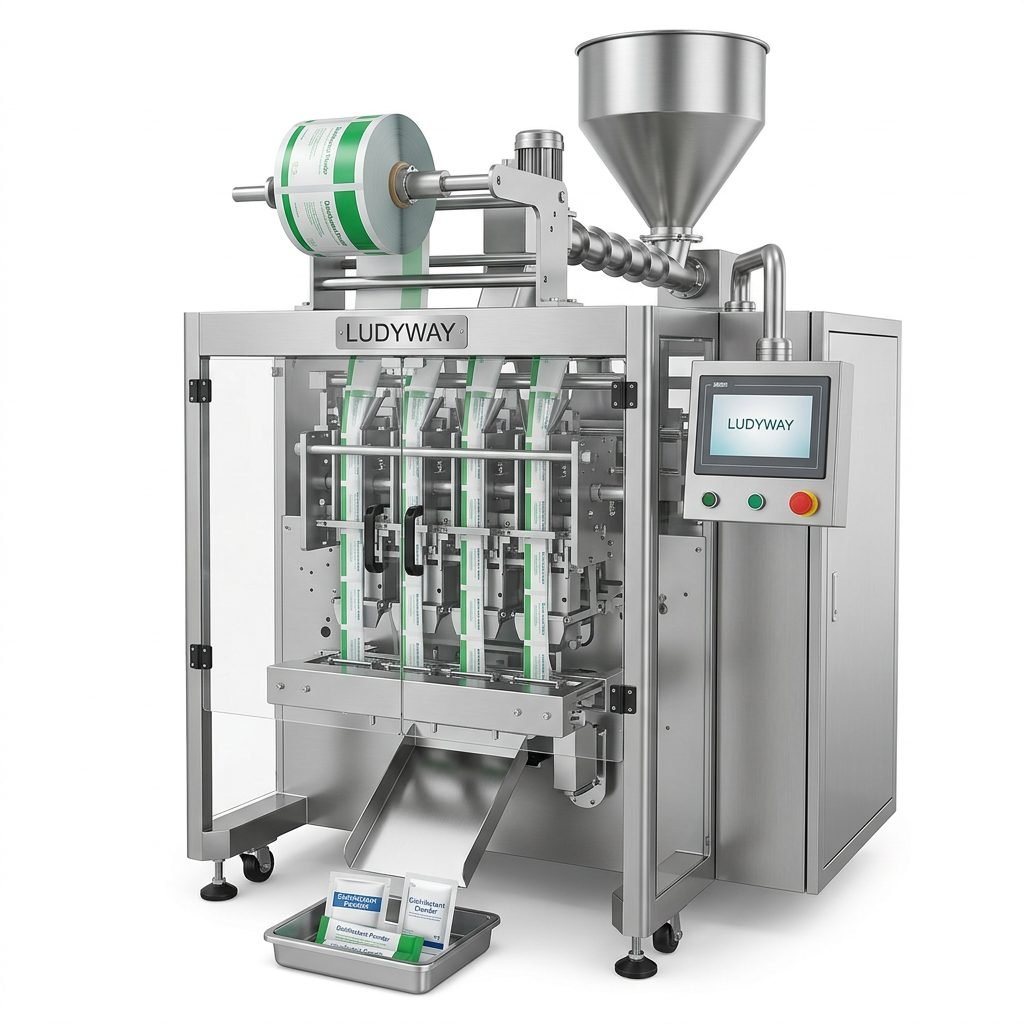
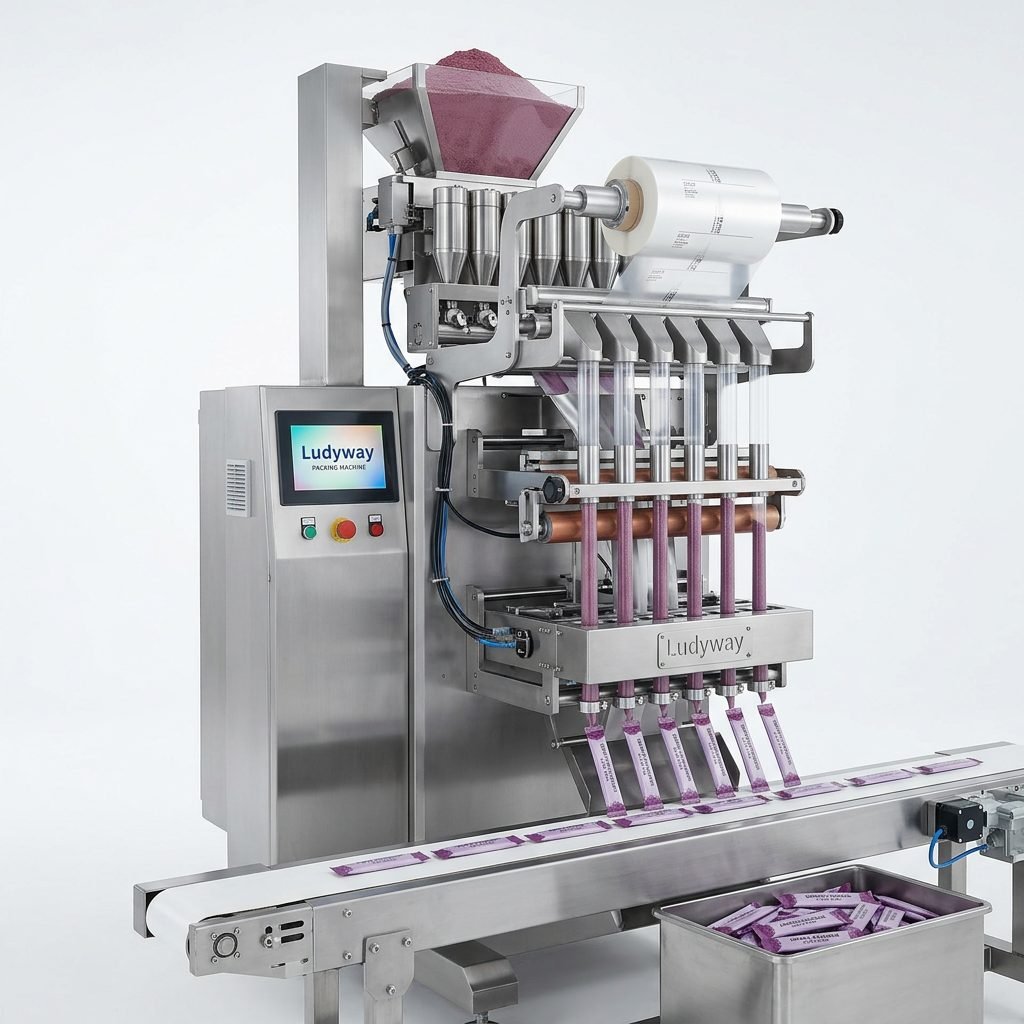
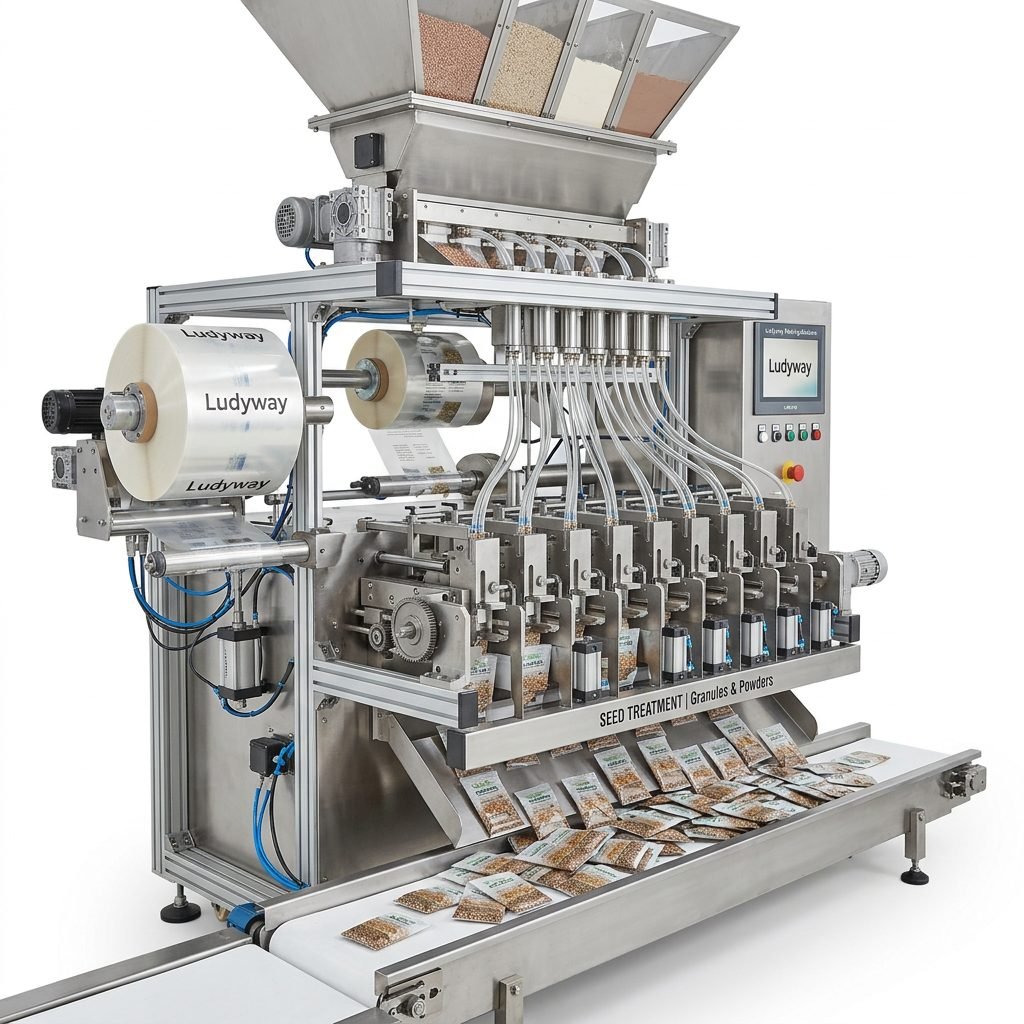
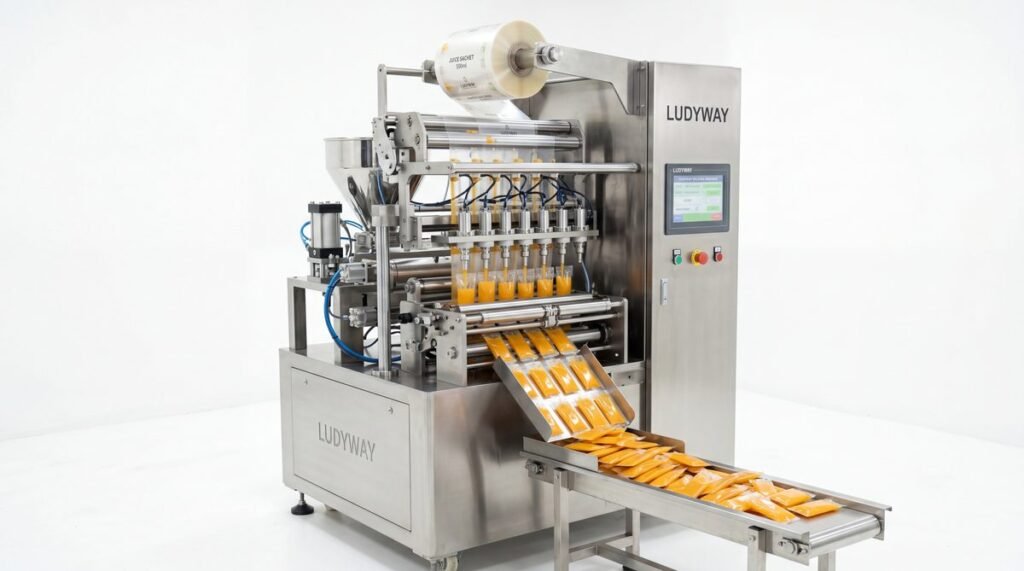
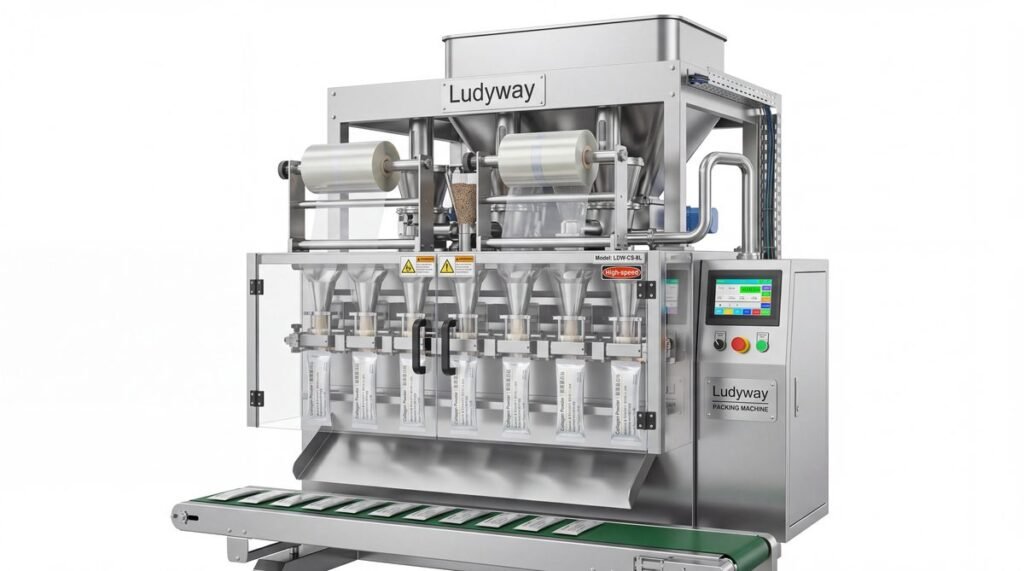
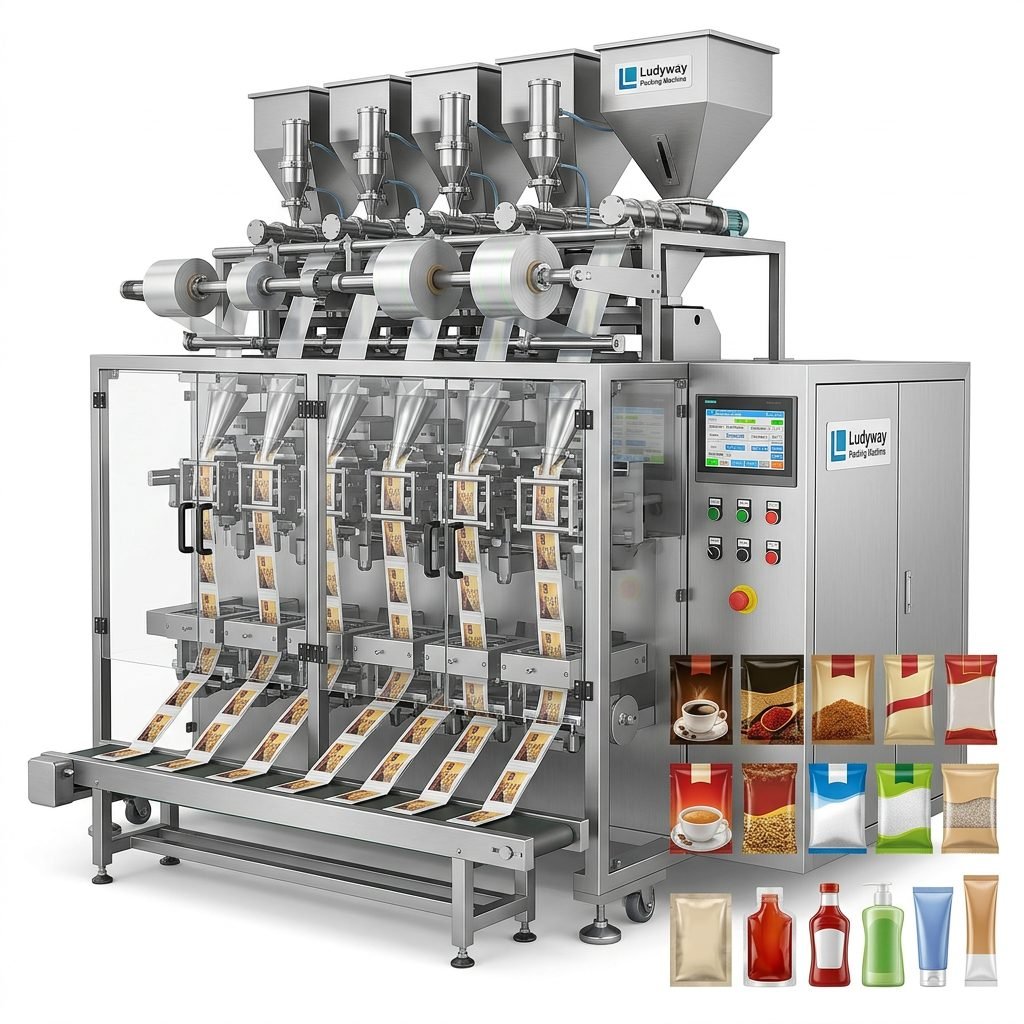
Single-lane machines produce one sachet per cycle and are ideal for small to medium production volumes or when frequent product changeovers are required. They offer flexibility and a lower initial investment. In contrast, multi-lane sachet machines can produce 4, 6, 8, or even 12 sachets simultaneously, dramatically increasing output. According to industry data from the Packaging Machinery Manufacturers Institute (PMMI), multi-lane configurations are becoming the preferred choice for high-volume manufacturers seeking to optimize per-unit packaging costs.
Vertical Form Fill Seal (VFFS) vs. Horizontal Systems
Vertical form fill seal machines are the most common choice for sachet packaging, particularly for free-flowing products like powders and granules. The packaging material is fed vertically, formed into a tube, filled, and sealed. Horizontal systems, on the other hand, are better suited for products that require precise placement or have irregular shapes. The Flexible Packaging Association provides extensive resources on material compatibility and packaging formats that can guide your decision.
Key Factors to Evaluate Before Buying
Selecting the right sachet packing machine requires a systematic evaluation of your production requirements. The following table summarizes the critical factors you should assess.
| Evaluation Factor | Key Questions to Ask | Impact on Machine Selection |
|---|---|---|
| Product Characteristics | Is your product a powder, granule, liquid, paste, or combination? | Determines the dosing and filling system type |
| Production Speed | How many sachets per minute do you need to produce? | Single-lane vs. multi-lane configuration |
| Sachet Size Range | What are the minimum and maximum sachet dimensions? | Machine forming tube and sealing jaw specifications |
| Packaging Material | Are you using laminate, aluminum foil, paper, or biodegradable films? | Sealing temperature and pressure requirements |
| Filling Accuracy | What is the acceptable weight or volume tolerance? | Dosing mechanism precision level |
| Regulatory Compliance | Do you need FDA, GMP, CE, or ISO certification? | Machine materials, design, and documentation |
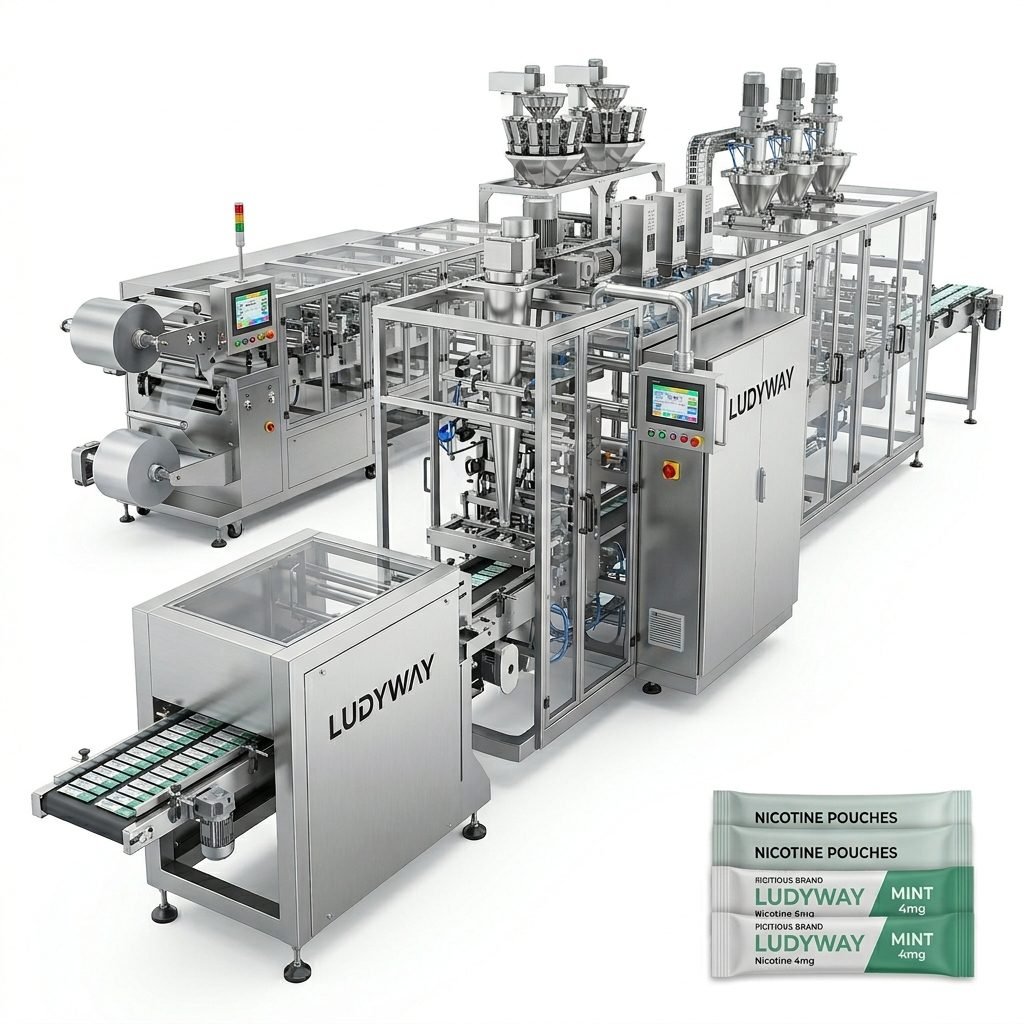
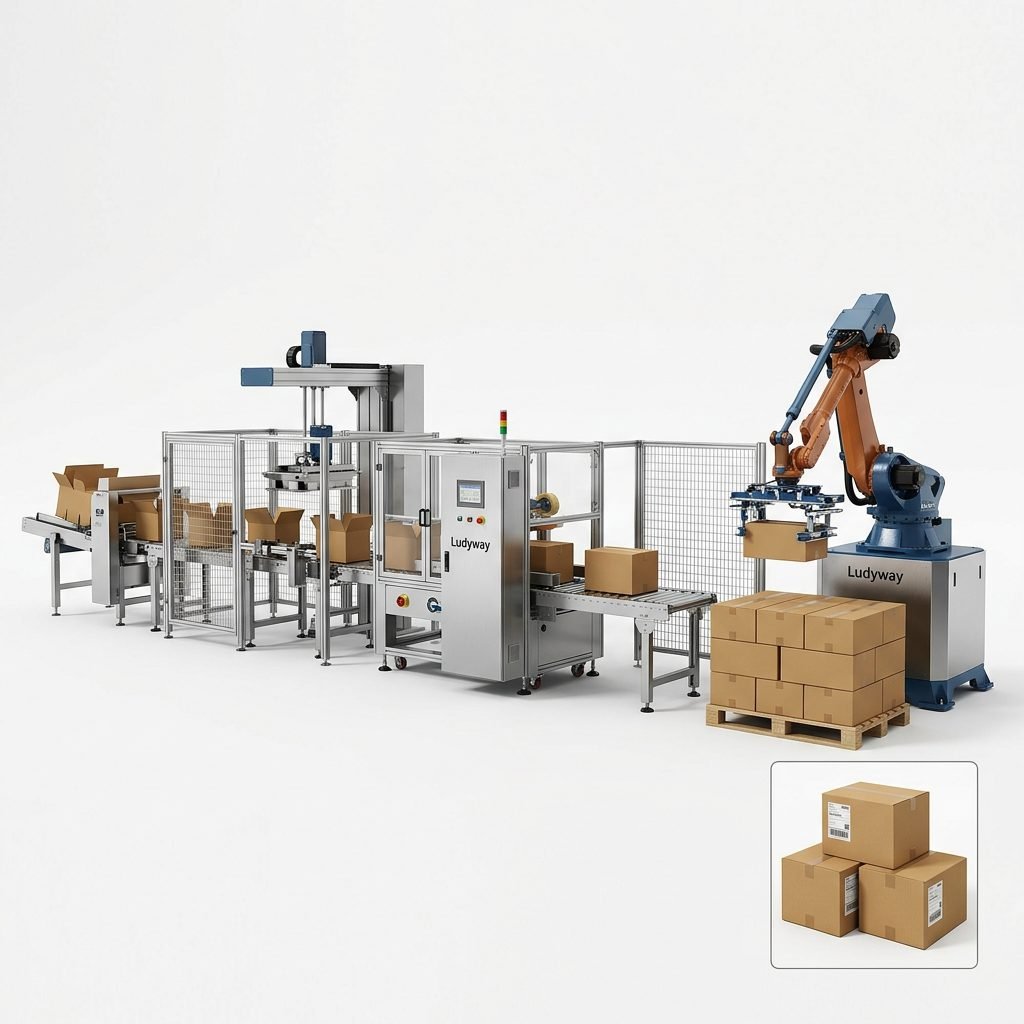
| Automation Level | Do you need manual, semi-automatic, or fully automatic operation? | Integration with upstream and downstream equipment |
Product Compatibility and Dosing Technology
The nature of your product is the single most influential factor in choosing the right sachet packaging equipment. Different dosing technologies are engineered for specific product behaviors.
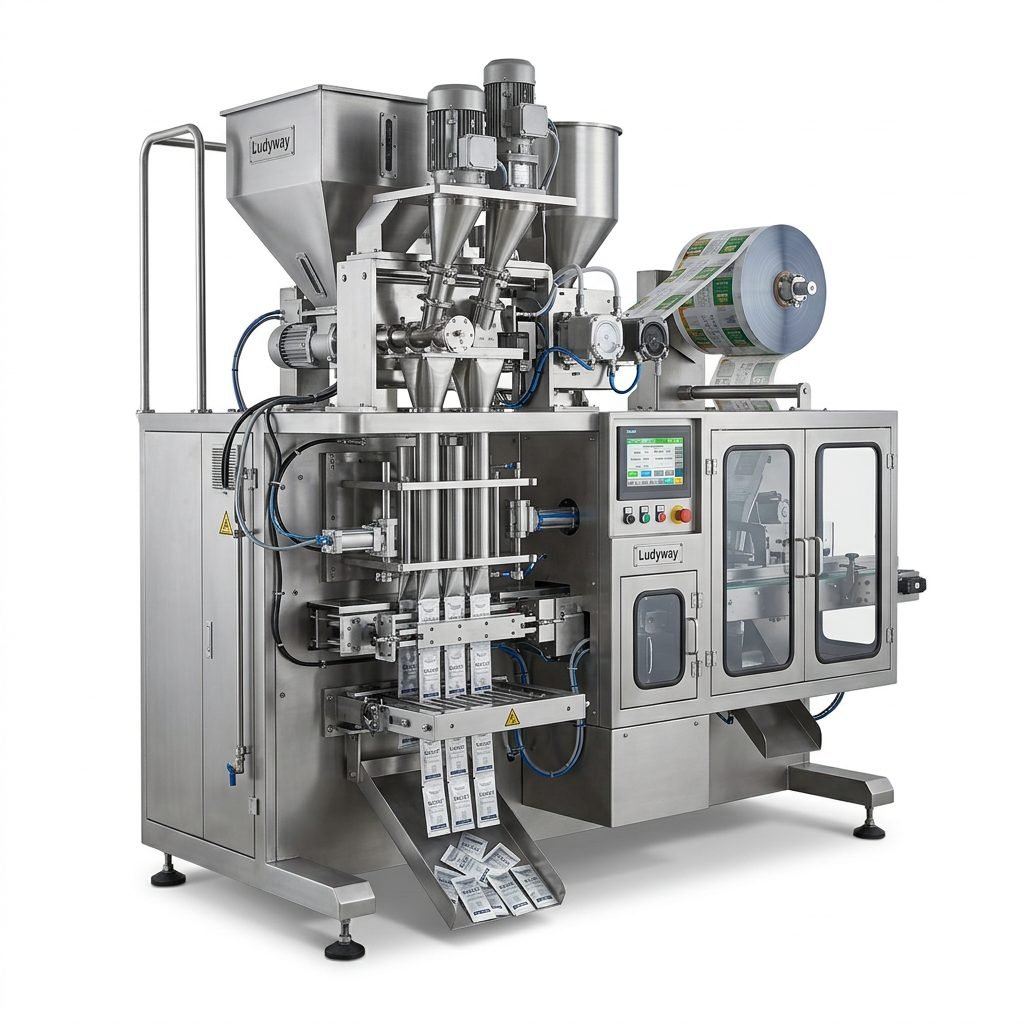
- Auger fillers — Best for fine powders, including milk powder, flour, protein supplements, and pharmaceutical powders. They provide high accuracy for non-free-flowing materials.
- Volumetric cup fillers — Suitable for free-flowing granules such as sugar, salt, coffee beans, and detergent granules. They offer consistent volume-based filling at high speeds.
- Piston fillers — Designed for liquids, creams, gels, and pastes. They handle a wide viscosity range, from water-thin liquids like energy shots to thick products like mayonnaise and cosmetic creams.
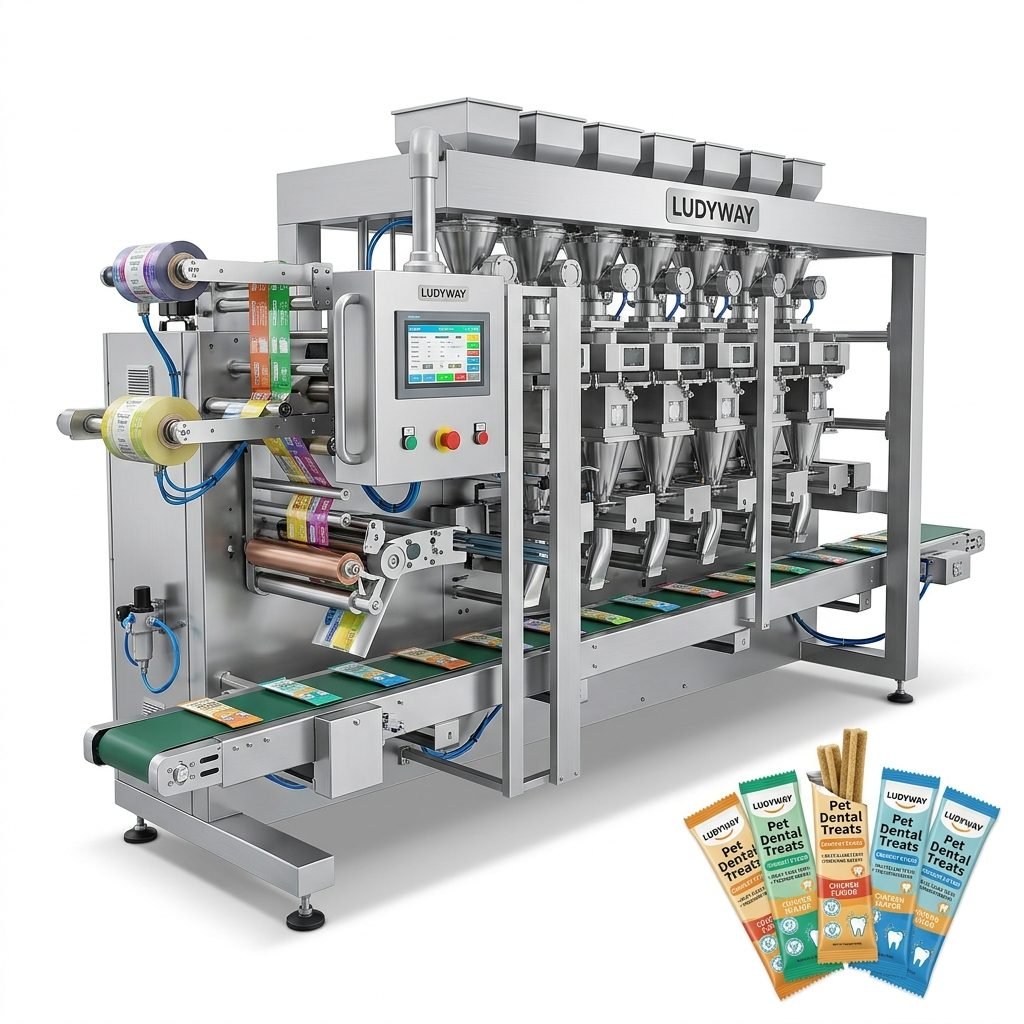
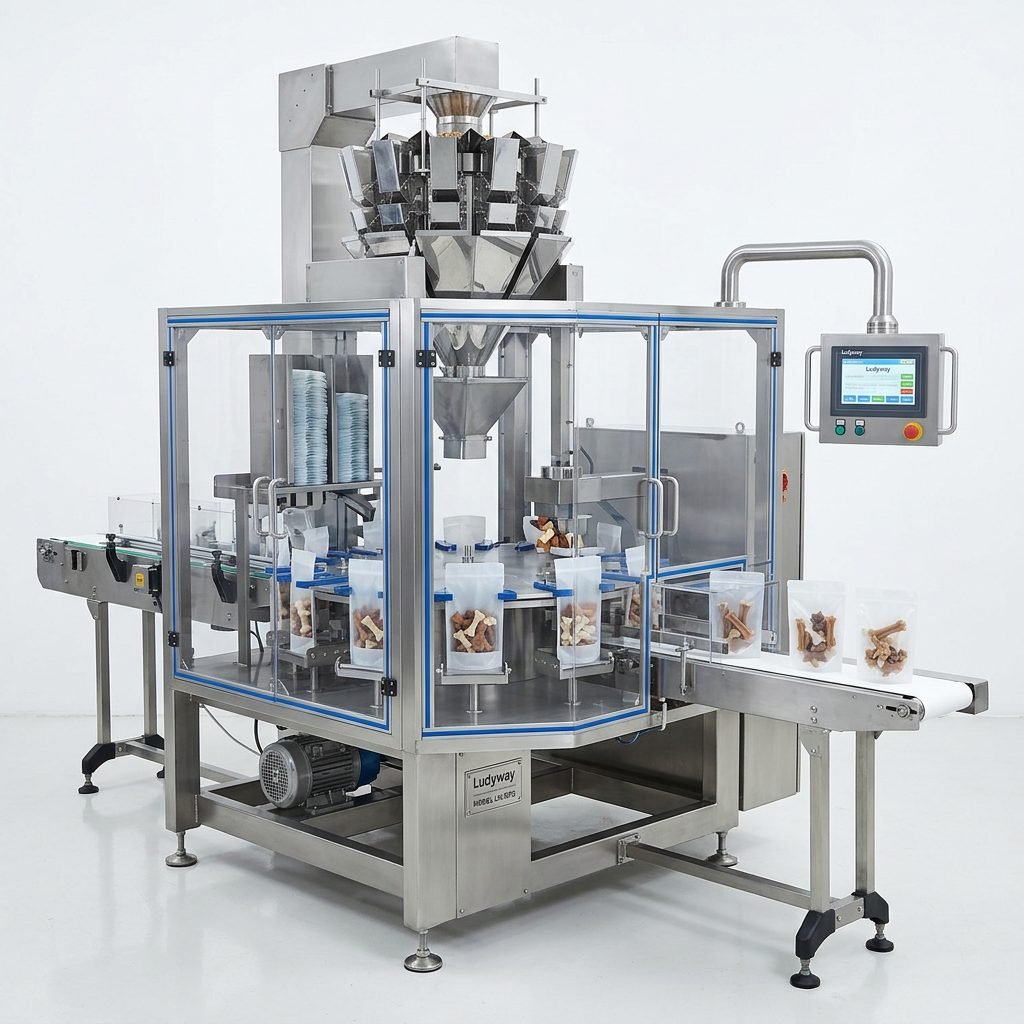
- Multi-head weighers — Provide the highest accuracy for granular products and are commonly used for snacks, nuts, candies, and pet food.
- Peristaltic pumps — Ideal for sterile or sensitive liquid products, commonly used in pharmaceutical and biotechnology applications.
Packaging Material Considerations
The choice of packaging film has a direct impact on machine configuration, sealing parameters, and long-term operational costs. Common materials include aluminum foil laminates, metallized PET, polyethylene, and paper-based composites. Each material has different heat-sealing characteristics, barrier properties, and cost profiles. The ISO packaging standards provide internationally recognized guidelines for material testing and compatibility that can help ensure your sachets meet quality and safety requirements.
Production Speed and Capacity Planning
When evaluating production speed, it is essential to look beyond the manufacturer’s maximum rated speed. Real-world output depends on product flow characteristics, operator skill, film quality, and changeover frequency. A machine rated at 400 sachets per minute may realistically deliver 280-320 sachets per minute under normal operating conditions. For growing businesses, selecting a machine with modular upgrade capability can future-proof your investment and accommodate increasing demand without requiring a complete equipment replacement.
Sealing Technology and Sachet Integrity
Sachet integrity is non-negotiable, especially for food, pharmaceutical, and chemical products. Three-side seal and four-side seal configurations are the most common sachet formats. Advanced machines offer servo-driven sealing with precise temperature control, ensuring consistent seal strength even at high production speeds. Features such as gas flushing for modified atmosphere packaging can extend product shelf life, while easy-tear notches and laser scoring improve consumer convenience.
Machine Construction and Hygiene Standards
For food and pharmaceutical applications, machine construction materials must comply with strict hygiene regulations. Stainless steel frames (typically SUS304 or SUS316), food-grade contact parts, and tool-free disassembly for cleaning are essential features. Machines designed to meet GMP standards should have sloped surfaces to prevent product accumulation, sealed electrical enclosures, and validated cleaning protocols. Industries handling corrosive chemicals or abrasive powders may require additional material treatments or specialized component specifications.
Automation Features and Smart Integration
Modern automatic sachet packing machines go beyond basic filling and sealing. Key automation features that enhance productivity and reduce labor dependency include:
- Automatic film splicing — Eliminates downtime during roll changes, maintaining continuous production.
- Vision inspection systems — Detect seal defects, missing prints, and foreign objects in real time.
- Checkweigher integration — Automatically rejects underweight or overweight sachets without stopping production.
- Remote monitoring — Enables operators and managers to track machine performance, production statistics, and maintenance alerts from anywhere.
- Recipe management — Stores multiple product configurations for quick changeover between different sachet sizes and filling weights.
Evaluating Total Cost of Ownership
The purchase price is only one component of the total cost of ownership. A comprehensive financial analysis should include energy consumption, spare parts availability, maintenance labor, film waste rates, and downtime costs. Machines with higher initial prices often deliver lower operating costs over their lifecycle due to better energy efficiency, reduced material waste, and higher reliability. Requesting detailed lifecycle cost projections from potential suppliers can help you make a more informed financial decision.
Supplier Evaluation and After-Sales Support
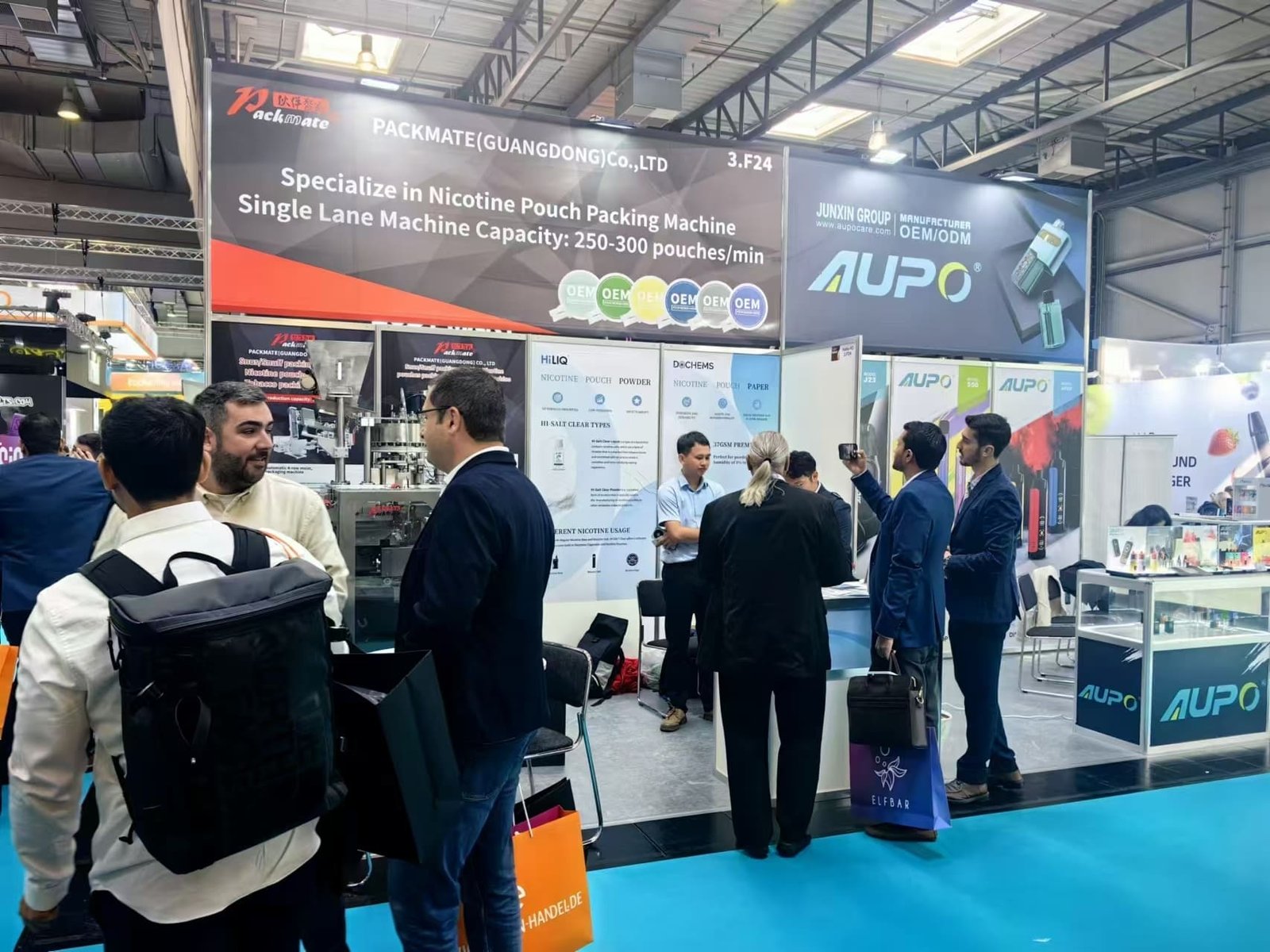
Choosing the right equipment supplier is as important as choosing the right machine. Evaluate potential suppliers based on their industry experience, manufacturing capabilities, technical support infrastructure, and global service network. A reliable supplier should provide installation and commissioning services, comprehensive operator training, readily available spare parts, and responsive remote technical support. The PMMI State of the Industry report highlights that manufacturers increasingly prioritize long-term supplier partnerships over transactional equipment purchases, recognizing the value of ongoing technical collaboration.
When reviewing potential partners, look for manufacturers with a proven track record of serving multiple industries and international markets. For instance, Ludyway Machinery, a China-based packaging machinery manufacturer with over 30 years of experience, provides automated packaging equipment and turnkey solutions across food, pharmaceutical, cosmetic, and chemical sectors. The company operates a 20,000-square-meter manufacturing facility and serves customers in more than 100 countries, offering machine selection guidance, system integration, installation, commissioning, and comprehensive after-sales support.
Regulatory Compliance and Certifications
Depending on your target market and industry, your sachet packaging machine may need to comply with specific regulatory frameworks. Pharmaceutical applications often require adherence to FDA 21 CFR Part 11 for electronic records, EU GMP Annex 11, and ISO 11607 for sterile packaging validation. Food packaging equipment must meet applicable food contact material regulations. Confirming that your supplier can provide machines configured for these requirements, along with the necessary compliance documentation, is a critical step in the procurement process.
Making the Final Decision
After evaluating all factors—product compatibility, production capacity, machine construction, automation features, total cost of ownership, and supplier reliability—you will be well-positioned to make an informed purchasing decision. Prioritize suppliers who take a consultative approach, evaluating your specific product and production requirements before recommending a machine configuration. A customized solution, backed by strong engineering expertise and responsive technical support, will deliver the best long-term return on your packaging equipment investment.