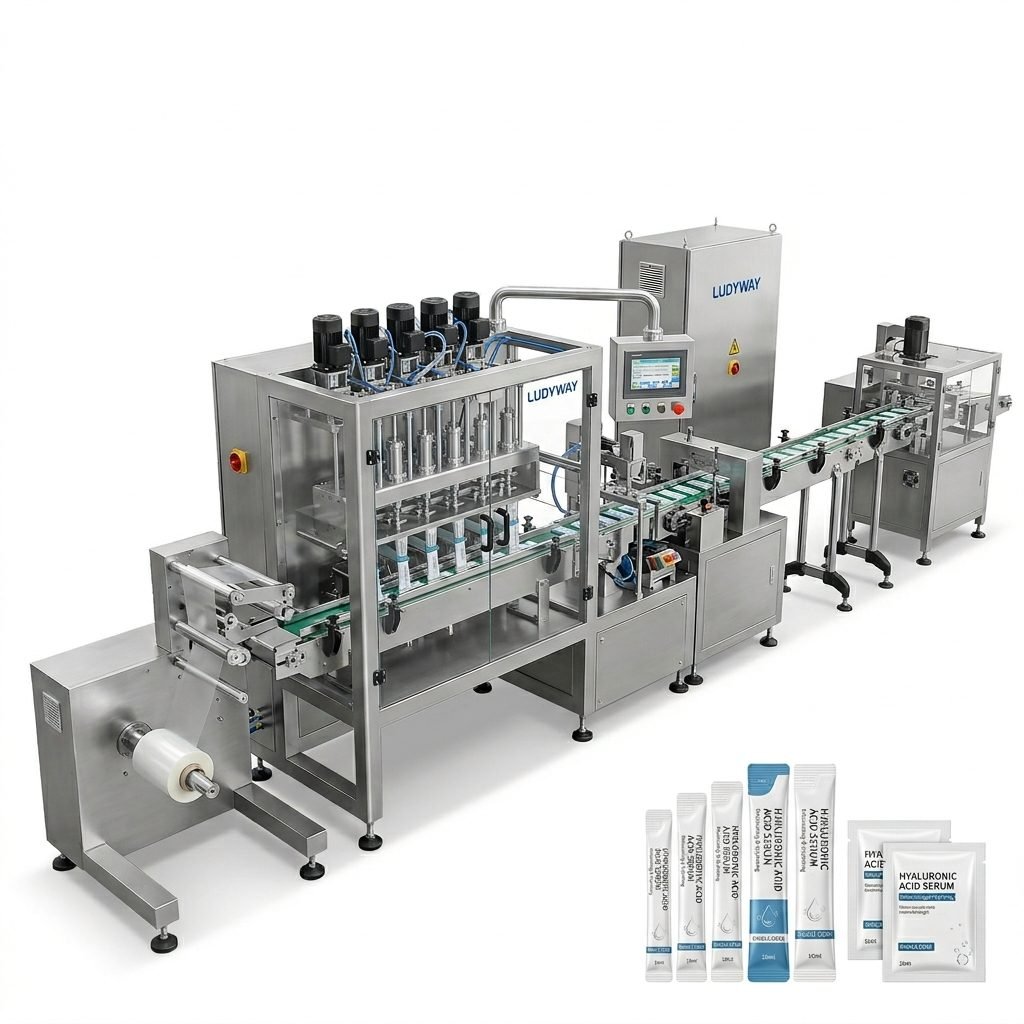
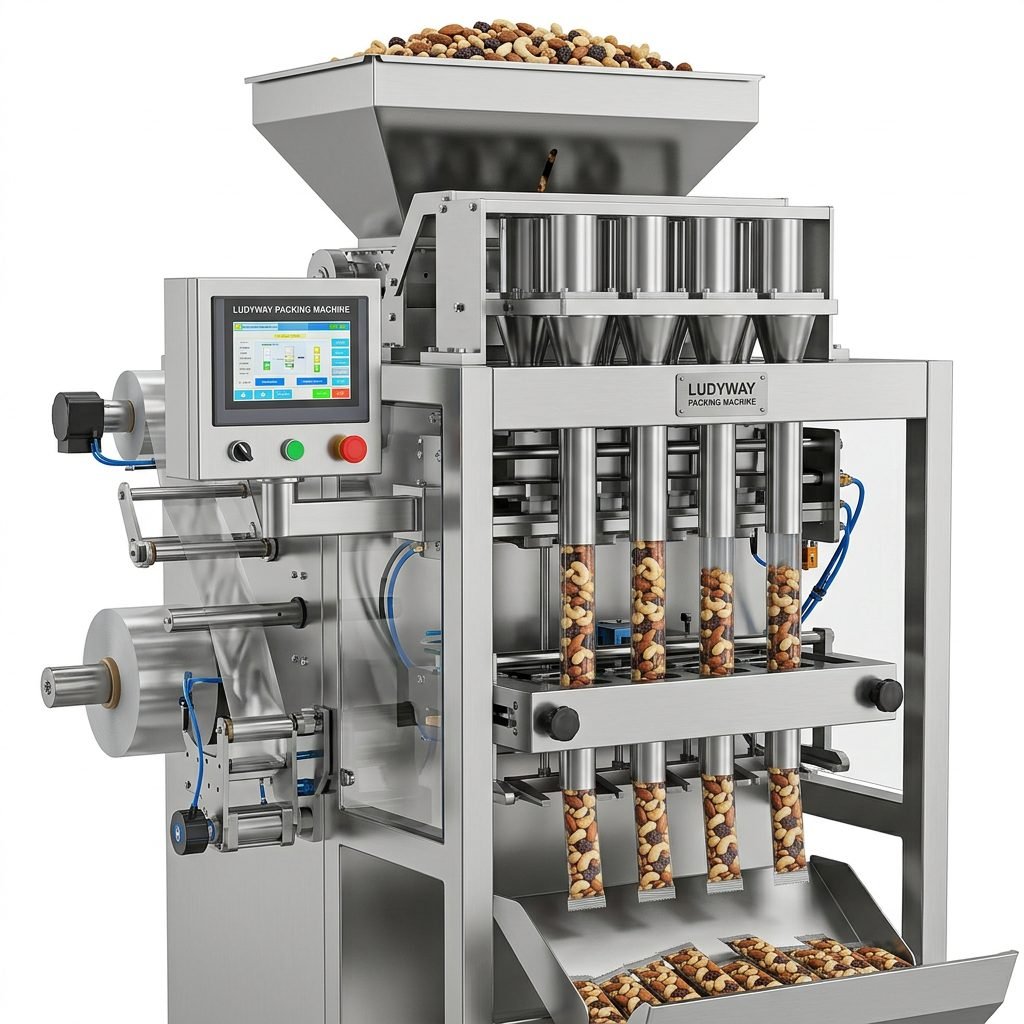
The demand for packaged ice in Africa is growing rapidly, driven by expanding food and beverage industries, rising tourism, and increasing urbanization. Setting up an ice packaging machine production line requires careful planning across equipment selection, facility design, supply chain management, and regulatory compliance. This guide walks you through every step of establishing a successful ice packaging operation on the African continent.
Understanding the African Ice Market Opportunity
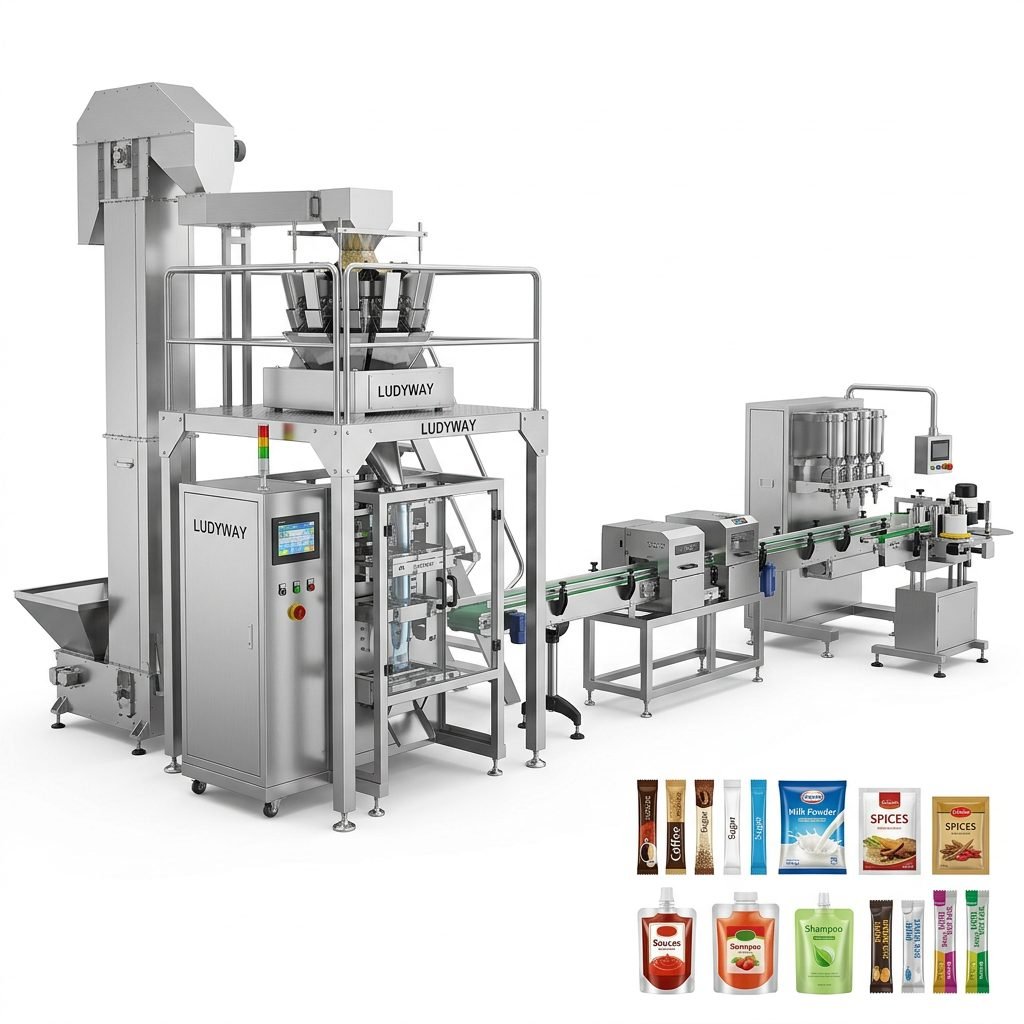
Africa’s packaged ice market is experiencing unprecedented growth. Countries such as Nigeria, Kenya, South Africa, Ghana, and Tanzania are seeing surging demand from hotels, restaurants, catering services, and retail consumers. The continent’s hot climate, frequent power outages, and growing middle class make packaged ice an essential commodity rather than a luxury.
According to industry data from the PMMI packaging industry resources, the global packaged ice market continues to expand steadily, with Africa representing one of the fastest-growing regional markets. Key growth drivers include:
- Food safety awareness — Consumers increasingly prefer hygienically packaged ice over homemade alternatives
- Tourism expansion — Hotels and resorts require consistent, high-quality ice supplies
- Cold chain development — Improving logistics infrastructure supports wider distribution
- Retail modernization — Supermarkets and convenience stores are adding packaged ice to their product mix
- Event and catering sector growth — Weddings, conferences, and outdoor events drive bulk demand
Step 1: Market Research and Site Selection
Before purchasing any equipment, conduct thorough market research to validate demand in your target region. Identify potential customers including hotels, bars, restaurants, fish markets, hospitals, and retail outlets. Understanding your customer base will determine the production scale and packaging format you need.
Key Site Selection Factors
- Proximity to target markets — Reduces transportation costs and delivery time
- Reliable water supply — Essential for consistent ice production quality
- Stable electricity access — Consider backup generator capacity for areas with grid instability
- Drainage and waste management — Proper facility design prevents contamination risks
- Regulatory zone classification — Ensure your site meets local food manufacturing zoning requirements
Step 2: Essential Equipment for an Ice Packaging Production Line
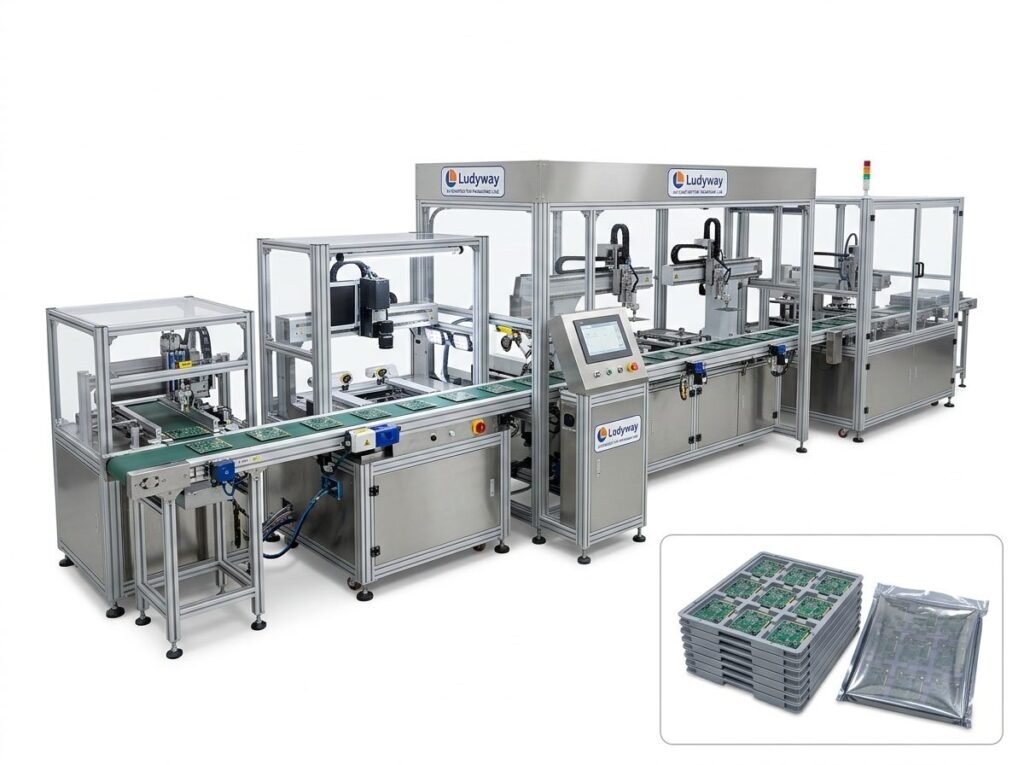
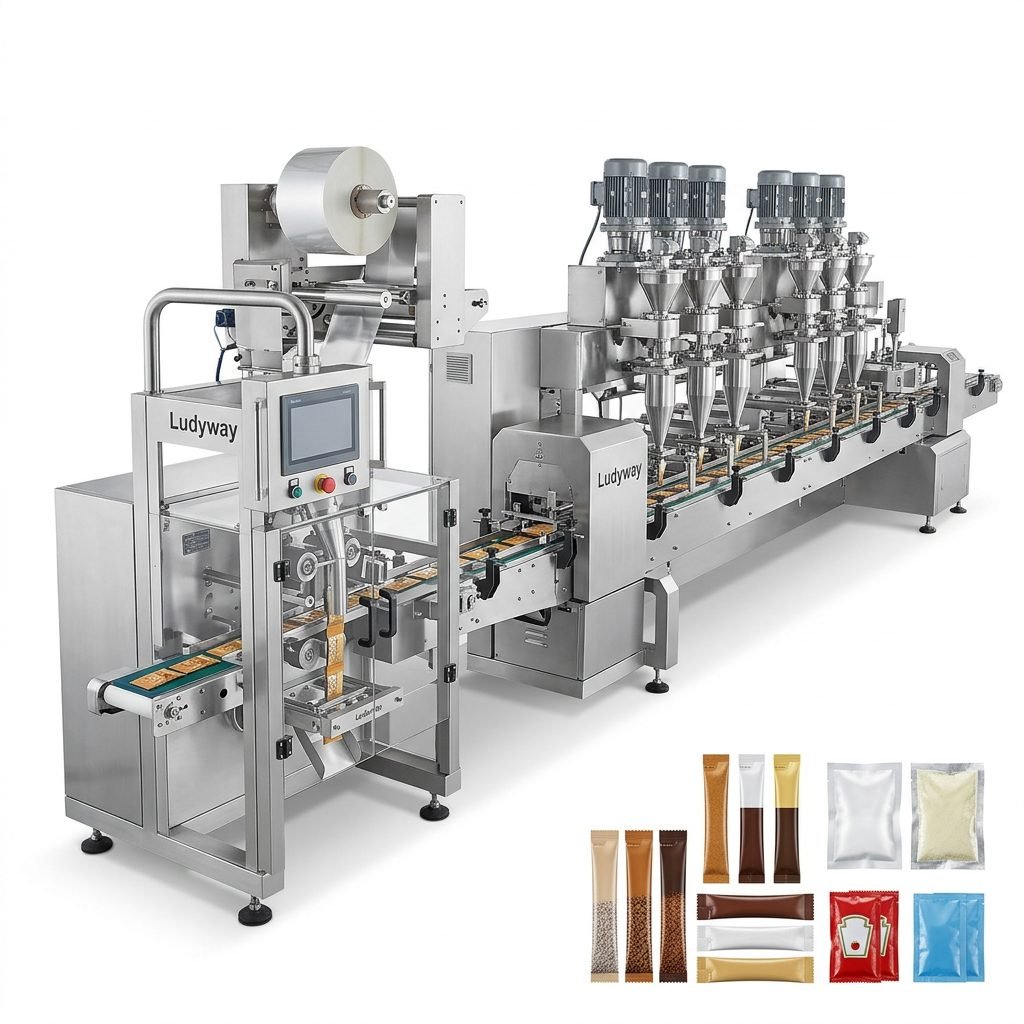
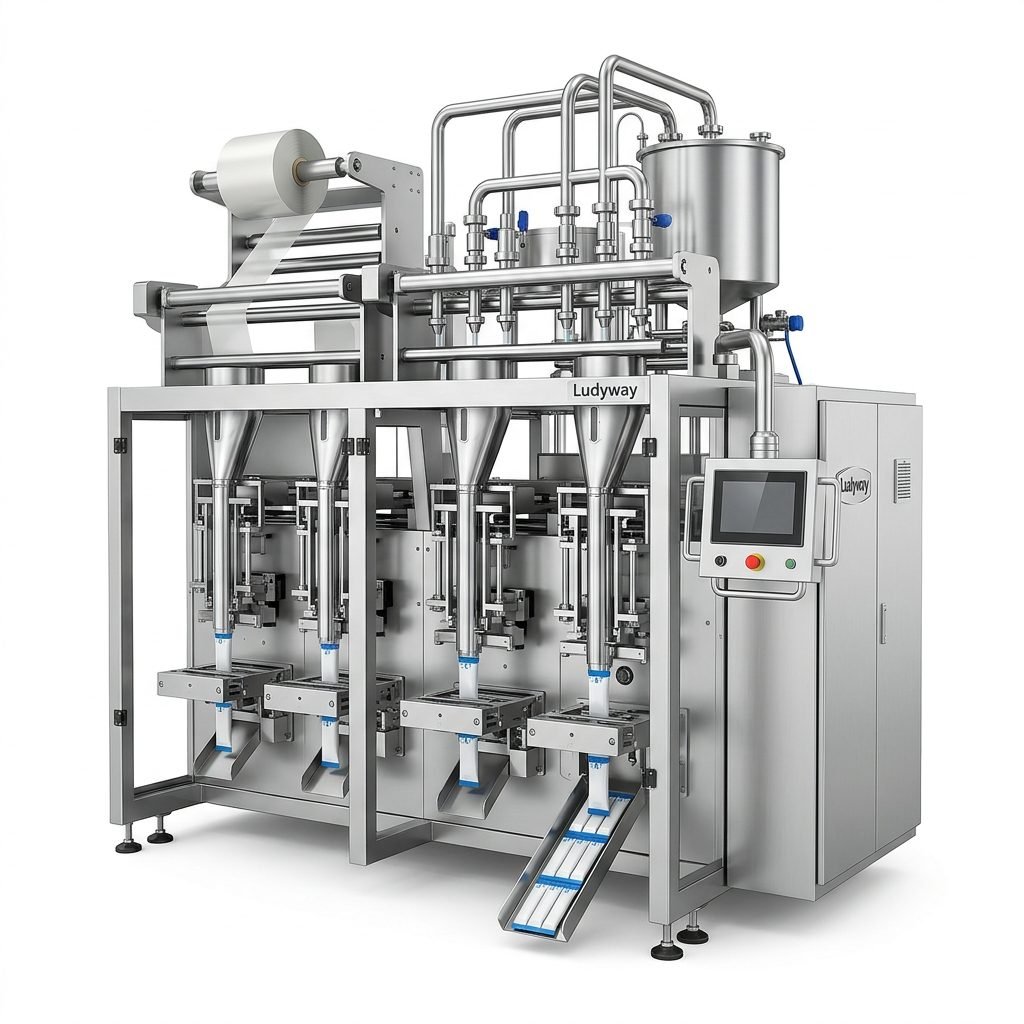
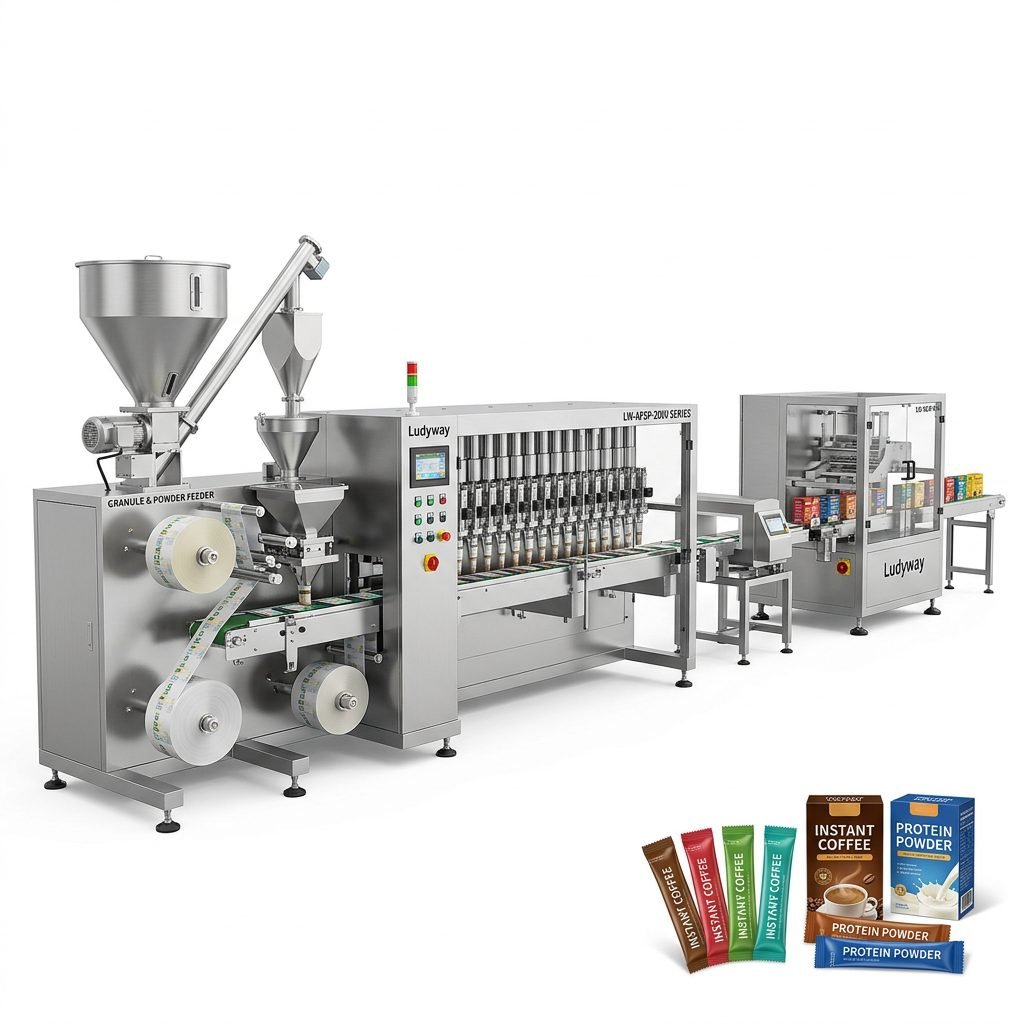
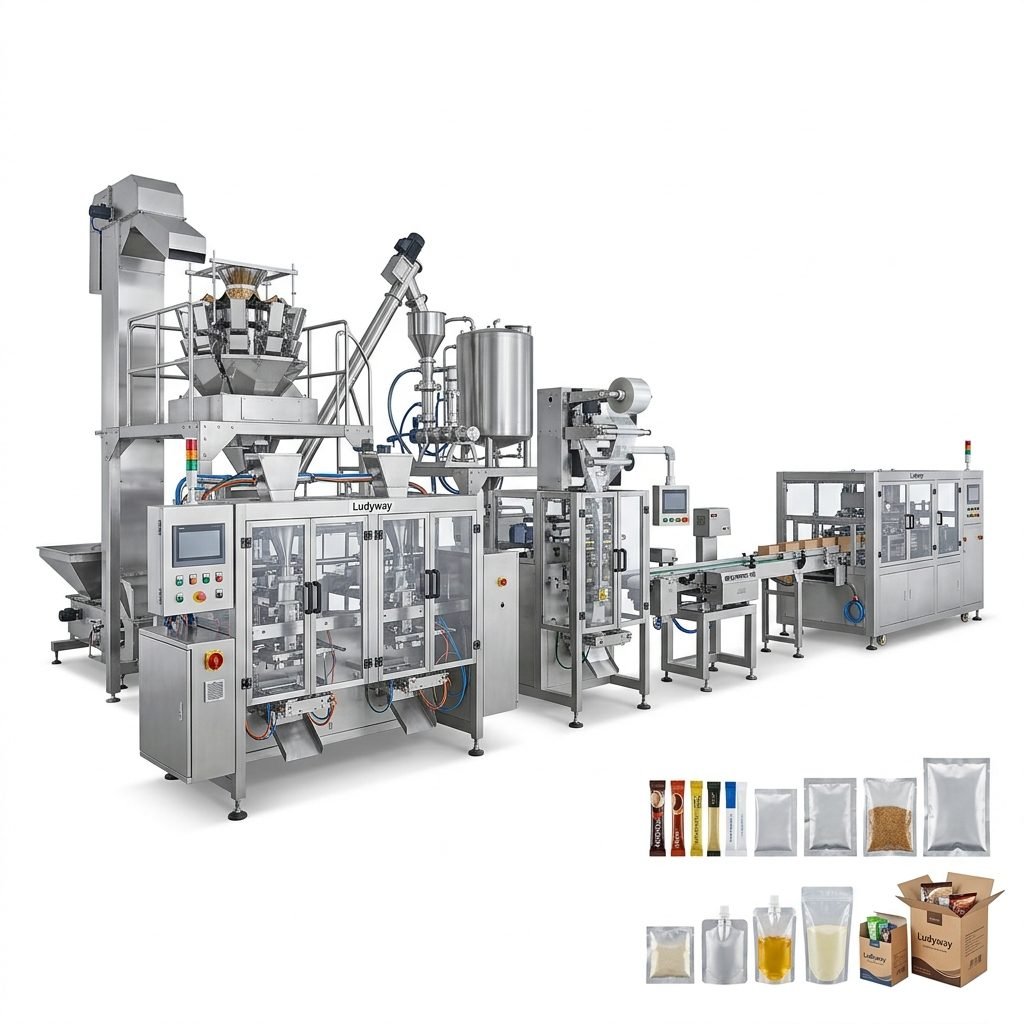
A complete ice packaging production line consists of several interconnected machines. The specific configuration depends on your target output capacity, packaging format, and budget. Below is a breakdown of the core equipment categories:
| Equipment Category | Function | Key Specifications to Consider |
|---|---|---|
| Ice Making Machine | Produces ice in desired shapes (cubes, tubes, flakes, blocks) | Daily output capacity, ice thickness, energy efficiency rating |
| Ice Storage and Handling System | Stores produced ice at optimal temperature before packaging | Storage capacity (tons), insulation quality, automated discharge mechanism |
| Weighing and Dosing System | Accurately measures ice portions for each package | Weighing precision (±g), speed (bags/min), compatibility with wet products |
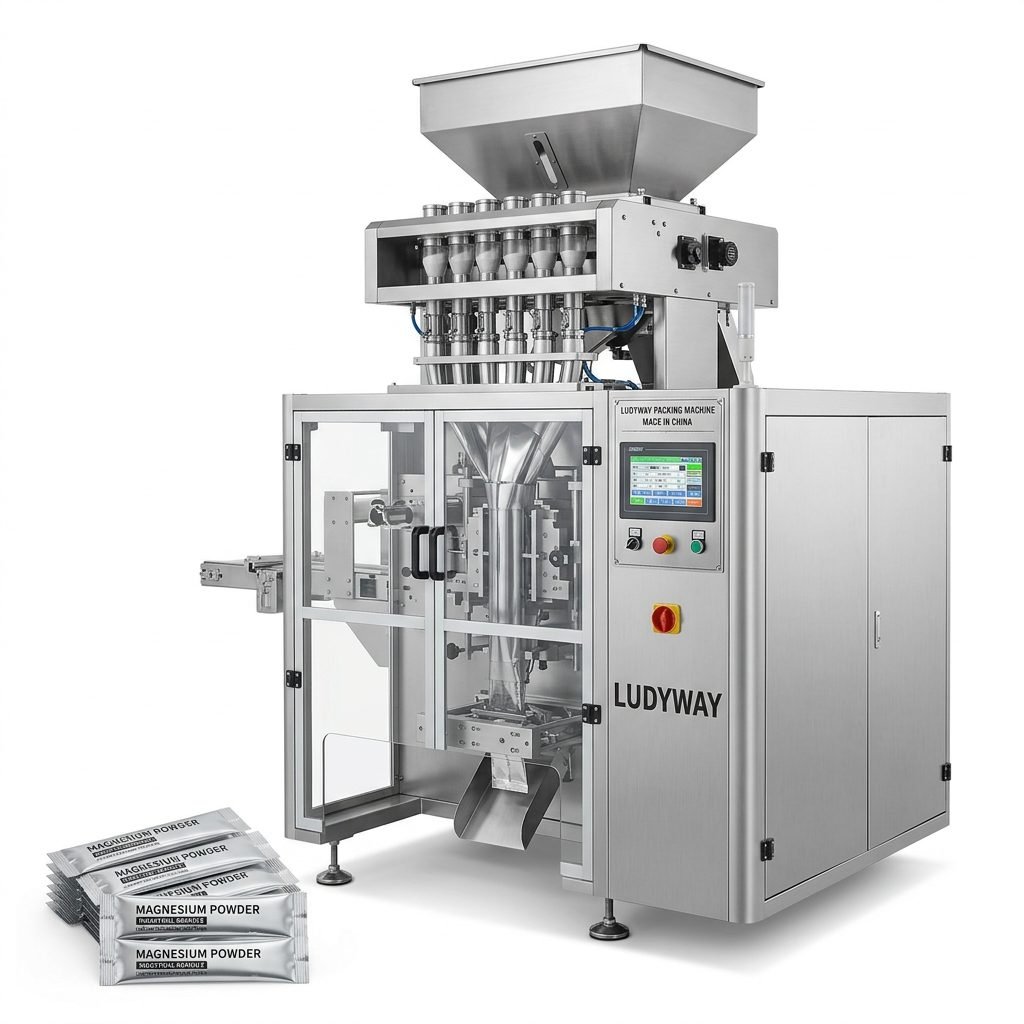
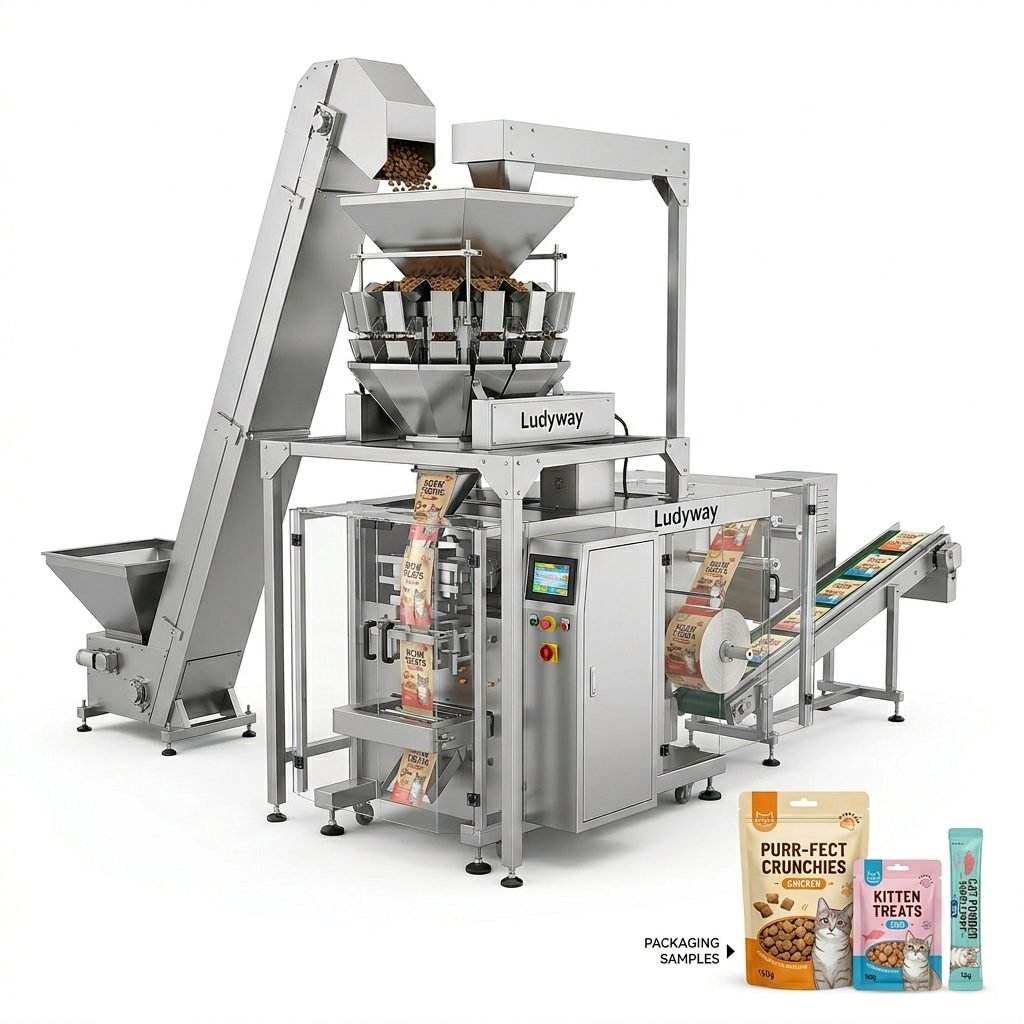
| Bagging/Packaging Machine | Fills and seals ice into bags or pouches | Packaging speed, bag size range, sealing temperature control |
| Conveyor System | Transports ice between production stages | Belt material (food-grade), speed adjustability, corrosion resistance |
| Date Coding/Printing Machine | Prints production dates, batch numbers, and expiry information | Print resolution, curing speed on wet surfaces, ink food-safety compliance |
| Cold Storage and Freezer Units | Maintains finished product quality before distribution | Temperature range, capacity, energy consumption, door configuration |
Step 3: Choosing the Right Packaging Format
Your packaging format significantly influences machine selection, material costs, and market acceptance. In Africa, the most common ice packaging formats include:
Popular Ice Packaging Formats
- Pre-formed plastic bags (1kg–5kg) — Most common for retail, cost-effective, widely available
- Tube ice bags (500g–2kg) — Popular in West African markets, preferred for beverages
- Sachet/stick pack formats (100g–500g) — Growing in popularity for single-use applications
- Bulk sacks (10kg–25kg) — Used for industrial and commercial fishing applications
- Block ice wrapping — Traditional format still used in many regions for transportation cooling

Packaging Material Considerations
Select packaging materials that withstand freezing temperatures without becoming brittle. Low-density polyethylene (LDPE) and linear low-density polyethylene (LLDPE) are excellent choices for ice packaging due to their cold resistance and durability. Ensure all materials meet food contact safety standards required by your target market regulations.
Step 4: Facility Layout and Production Workflow Design
An efficient facility layout minimizes cross-contamination risks and maximizes throughput. Design your production floor with distinct zones that follow a logical flow from raw material intake to finished product storage.
Recommended Facility Zones
- Water treatment area — Filtration, purification, and quality testing equipment
- Ice production zone — Ice making machines with adequate ventilation and drainage
- Temperature-controlled packaging room — Maintained at 2–4°C for optimal packaging conditions
- Finished product cold storage — Sufficient capacity for peak demand periods
- Loading and dispatch area — Refrigerated loading dock for distribution vehicles
Step 5: Regulatory Compliance and Quality Standards
Each African country has its own food safety regulations and standards for packaged ice production. However, most align with international frameworks. Key compliance areas include:
- Water quality testing — Regular microbiological and chemical analysis per WHO guidelines
- HACCP implementation — Hazard Analysis Critical Control Points for food safety management
- Equipment sanitation protocols — Documented cleaning and maintenance schedules
- Labeling requirements — Production date, expiry date, net weight, manufacturer details
- Staff hygiene training — Regular certification and health checks for production personnel
Refer to ISO packaging standards for internationally recognized best practices that can strengthen your quality management system and facilitate export opportunities.
Step 6: Cost Estimation and Budget Planning
Setting up an ice packaging production line in Africa requires a realistic budget that accounts for both capital expenditure and ongoing operational costs. Below is a typical cost structure for a medium-scale operation:
| Cost Category | Estimated Range (USD) | Notes |
|---|---|---|
| Equipment purchase | $50,000 – $250,000 | Varies by capacity and automation level |
| Shipping and import duties | $10,000 – $45,000 | Depends on country of origin and destination port |
| Facility construction/renovation | $30,000 – $120,000 | Including cold room construction |
| Installation and commissioning | $5,000 – $15,000 | Technical support and training |
| Initial raw materials | $5,000 – $20,000 | Packaging films, labels, cleaning supplies |
Step 7: Logistics and Supply Chain Management
Efficient distribution is critical for packaged ice profitability given the product’s perishable nature and low unit value. Key logistics considerations for African operations include:
- Cold chain vehicles — Invest in or contract refrigerated trucks for distribution
- Route optimization — Plan delivery routes to minimize transit time and fuel costs
- Depot and distributor networks — Establish regional storage points for wider market coverage
- Inventory management systems — Track production, stock levels, and expiry dates digitally
- Return logistics — Plan for packaging material recycling and waste management
Step 8: Staffing and Training Requirements
Operating an ice packaging line requires a mix of technical and operational personnel. Key roles include production operators, quality control technicians, maintenance engineers, warehouse staff, and distribution drivers. Comprehensive training on equipment operation, hygiene protocols, and safety procedures is essential for smooth production and regulatory compliance.
Recommended Training Areas
- Machine operation and troubleshooting
- Food safety and HACCP principles
- Cold chain management best practices
- Preventive maintenance schedules
- Emergency response and power outage procedures
Step 9: Maintenance and After-Sales Support
Regular maintenance is vital for extending equipment lifespan and preventing costly downtime. When selecting equipment suppliers, prioritize those offering reliable after-sales support, spare parts availability, and technical assistance. The Flexible Packaging Association notes that packaging line efficiency directly correlates with proactive maintenance programs.
Step 10: Scaling Your Ice Packaging Business
Once your initial production line is operational and profitable, consider these growth strategies:
- Add product variants — Flavored ice, crushed ice, and dry ice for specialized markets
- Expand geographic coverage — Open satellite production facilities in underserved regions
- Vertical integration — Invest in water treatment or packaging material production
- Export to neighboring countries — Leverage regional trade agreements for cross-border sales
- Automation upgrades — Increase line speed and reduce labor costs with advanced equipment
Selecting a Reliable Equipment Partner
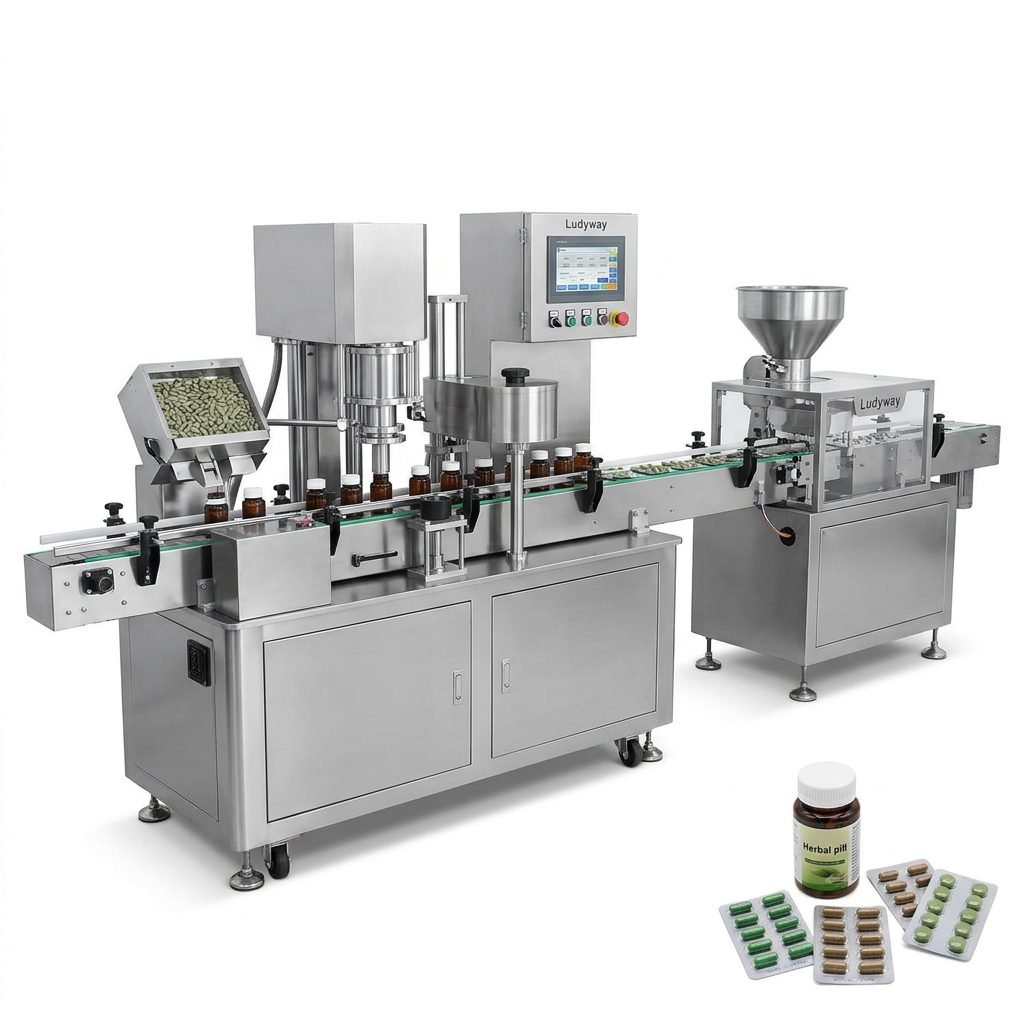
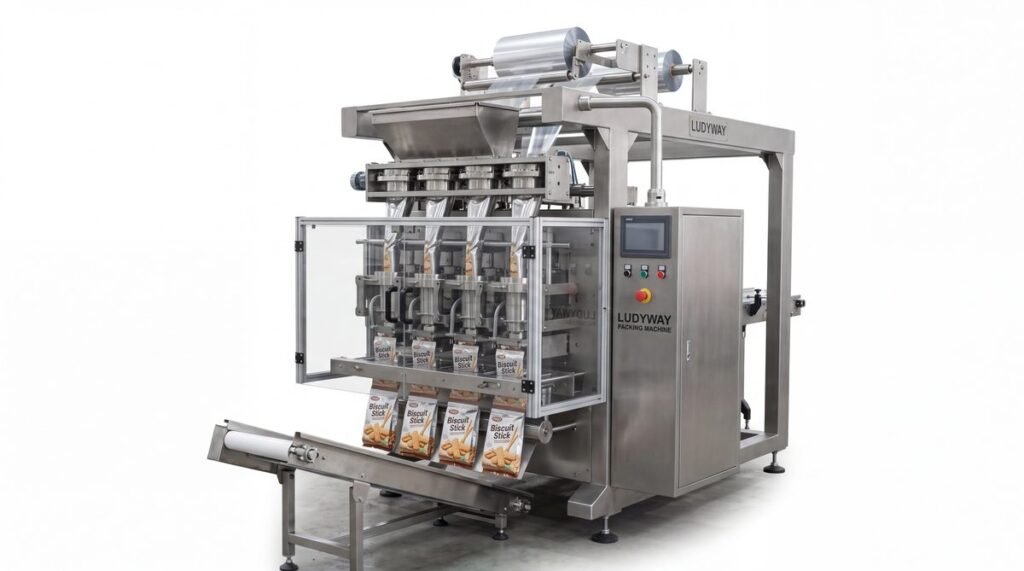
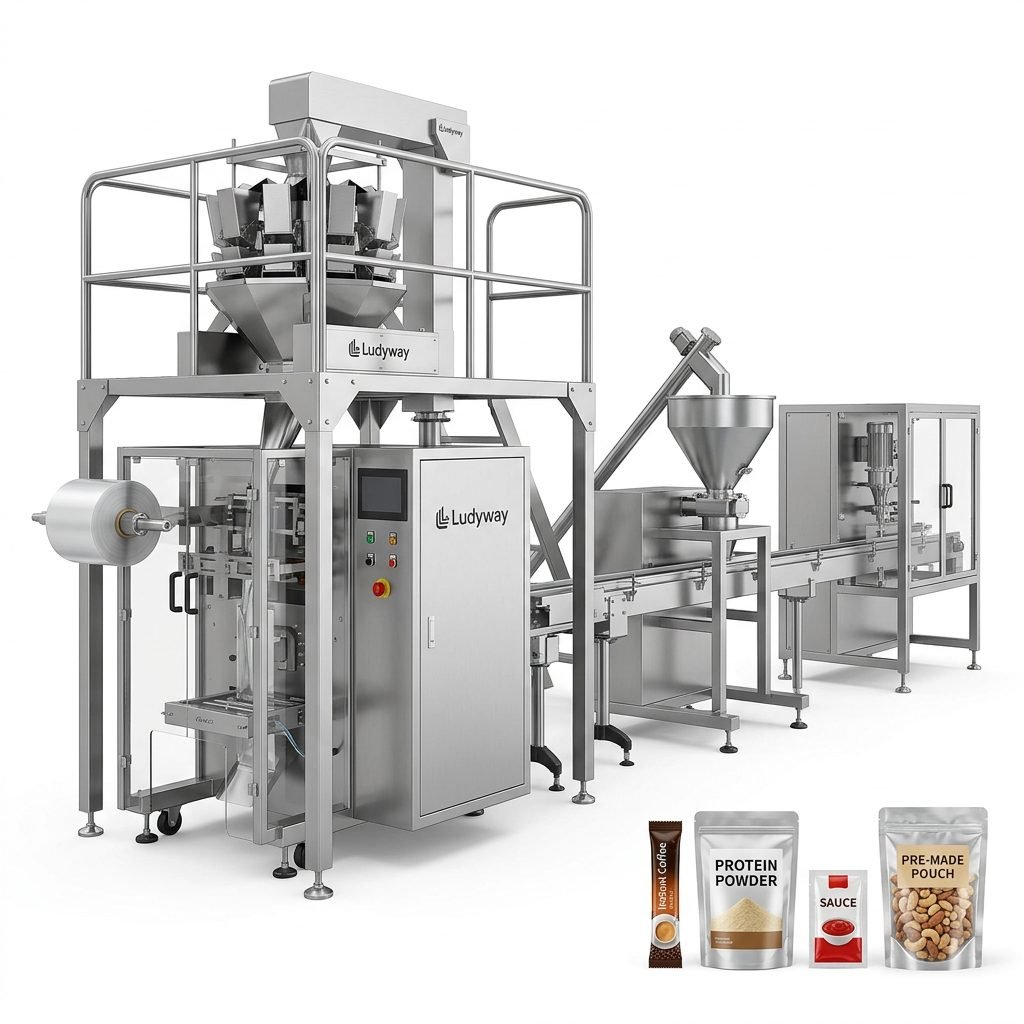
Choosing the right machinery supplier is one of the most consequential decisions in setting up your ice packaging line. Look for manufacturers with proven experience, international certifications, and responsive after-sales service. The supplier should provide installation support, operator training, and readily available spare parts. Ludyway, a leading packaging machine manufacturer with over 30 years of industry experience and a modern 20,000㎡ production facility, offers comprehensive turnkey solutions suitable for African market conditions, serving customers in more than 100 countries worldwide.
Frequently Asked Questions About Ice Packaging Lines in Africa
What is the minimum investment for a small ice packaging business?
A small-scale operation with manual bagging can start from approximately $30,000–$50,000, while a semi-automated line typically requires $80,000–$150,000 depending on equipment specifications and facility requirements.
How do I manage power supply challenges?
Invest in a properly sized diesel or solar-hybrid backup generator system. For ice production, power interruption can result in significant product loss, so redundant power systems are strongly recommended. Solar-powered cold storage is increasingly viable in many African regions.
What certifications do I need for export-quality packaged ice?
Export-quality ice typically requires HACCP certification, ISO 22000 food safety management, and compliance with destination country standards. Third-party laboratory testing for water quality and microbiological safety is also essential.
How long does it take to set up a complete production line?
From equipment ordering to full commercial production, expect a timeline of 4–8 months, including equipment manufacturing (6–10 weeks), shipping (4–8 weeks depending on origin and destination), customs clearance, installation, and commissioning.
Setting up an ice packaging machine production line in Africa represents a compelling business opportunity with strong market fundamentals. By following this comprehensive guide — from market research and equipment selection to regulatory compliance and distribution planning — you can establish a profitable operation that serves growing demand across the continent. Invest time in selecting quality equipment, training your team thoroughly, and building reliable supply chains to ensure long-term success in the African packaged ice market.