The Indian frozen confectionery market is experiencing unprecedented growth, with the popsicle segment projected to expand at a CAGR of 12.4% through 2030. Establishing a popsicle packaging machine production line in India requires strategic planning, knowledge of local regulations, and the right equipment partners. This comprehensive guide walks you through every critical phase of setting up your production line.
Understanding the Indian Popsicle Market Landscape
India’s frozen dessert market is currently valued at over $2.3 billion, with popsicles and ice candies representing a substantial share of volume-driven sales. The rising middle class, expanding cold chain infrastructure, and increasing demand for affordable frozen treats make this an opportune time for manufacturers. Key growth drivers include:
- Rapid urbanization and rising disposable incomes across tier-2 and tier-3 cities
- Expansion of organized retail and convenience store networks
- Growing consumer preference for hygienically packaged frozen products
- Government initiatives supporting food processing and packaging industries
Essential Pre-Installation Planning for Your Popsicle Packaging Line
Before investing in machinery, manufacturers must conduct thorough groundwork. Proper planning reduces installation delays by up to 40% and ensures smooth commissioning. Consider these foundational steps:
Site Assessment and Infrastructure Requirements
Your production facility must meet specific criteria to support a high-speed popsicle packaging line. Evaluate floor load capacity, electrical supply stability (three-phase power is essential), compressed air availability, and packaging facility standards compliance. Adequate space for raw material storage, finished goods staging, and equipment maintenance access is critical. Ensure the facility maintains consistent ambient temperature control to prevent product thawing during the packaging process.
Defining Production Capacity and Packaging Formats
Determine your target output per shift before selecting equipment. A small-scale operation may start at 30-50 packs per minute, while medium to large manufacturers often require 100-300 packs per minute. Consider the popsicle formats you intend to produce:
- Single stick popsicles in flow-wrap packaging
- Twin-pack or multi-pack configurations for value offerings
- Tube-style frozen pops (popular in the Indian market)
- Bulk family packs for supermarket distribution
Step-by-Step Production Line Setup Guide
Follow this structured approach to establish your popsicle packaging operation efficiently. Each phase builds upon the previous one, and skipping steps often results in costly rework and extended downtime.
Step 1: Equipment Selection and Supplier Evaluation
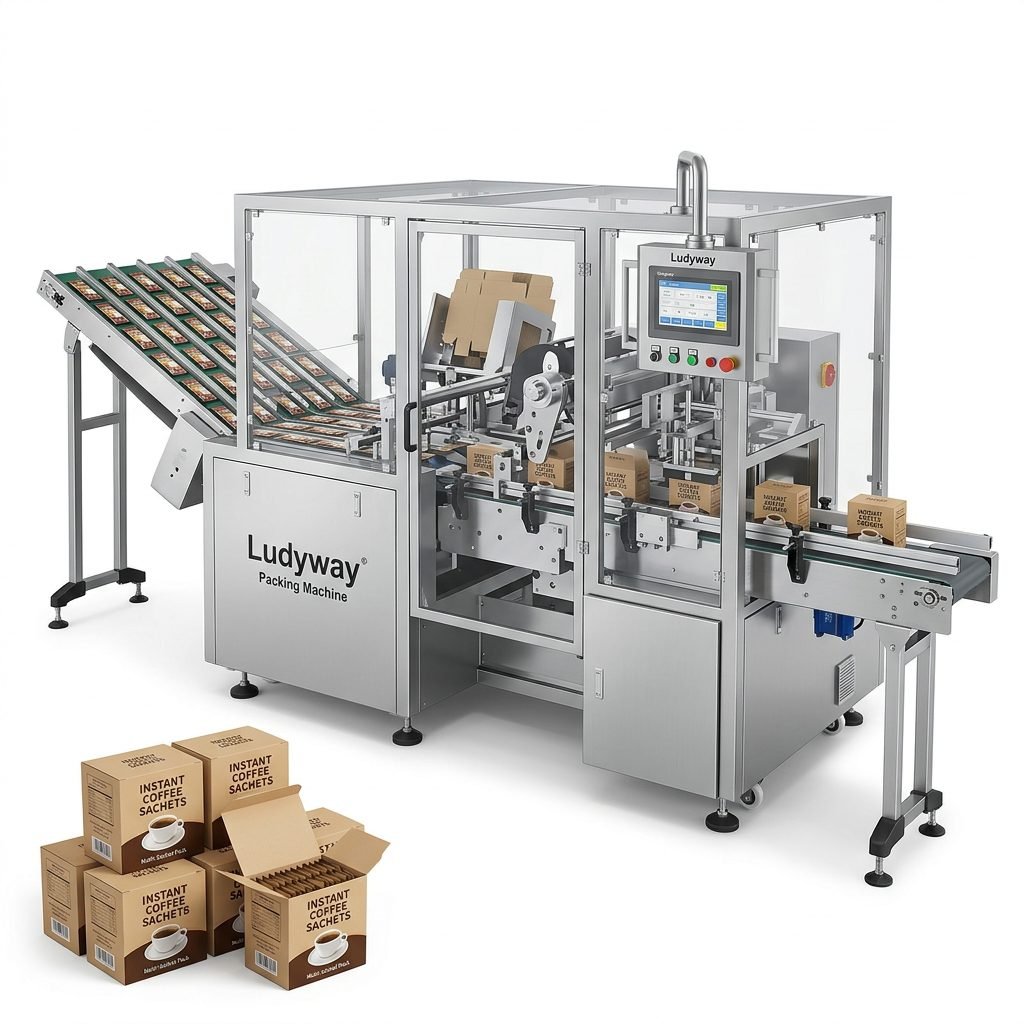
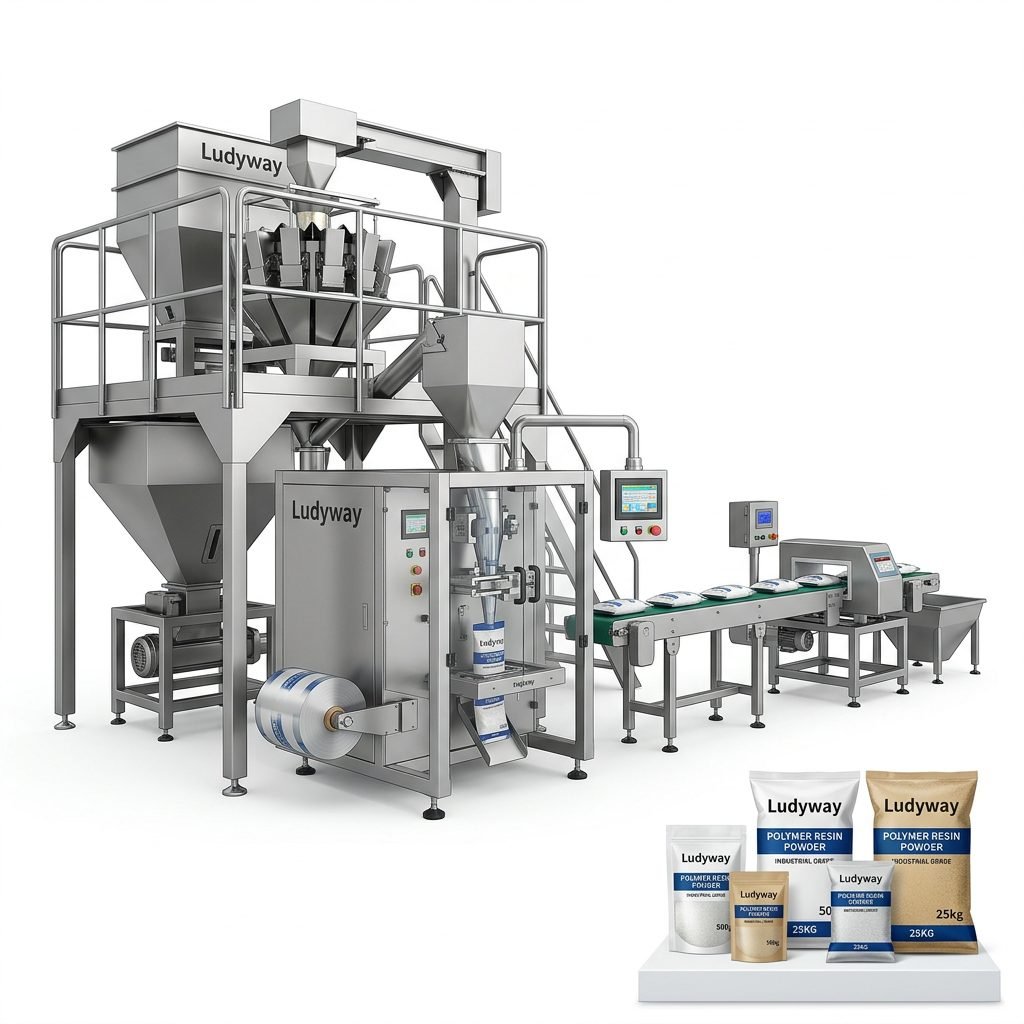
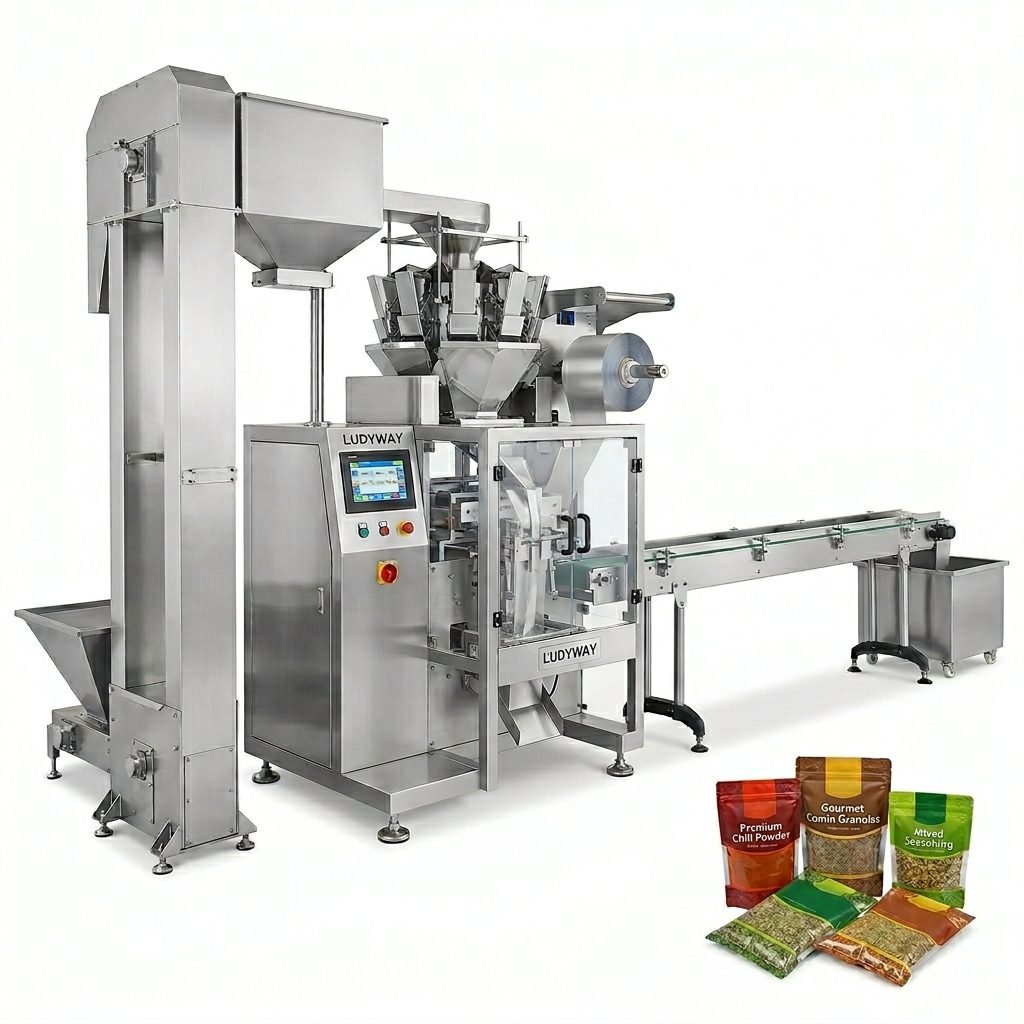
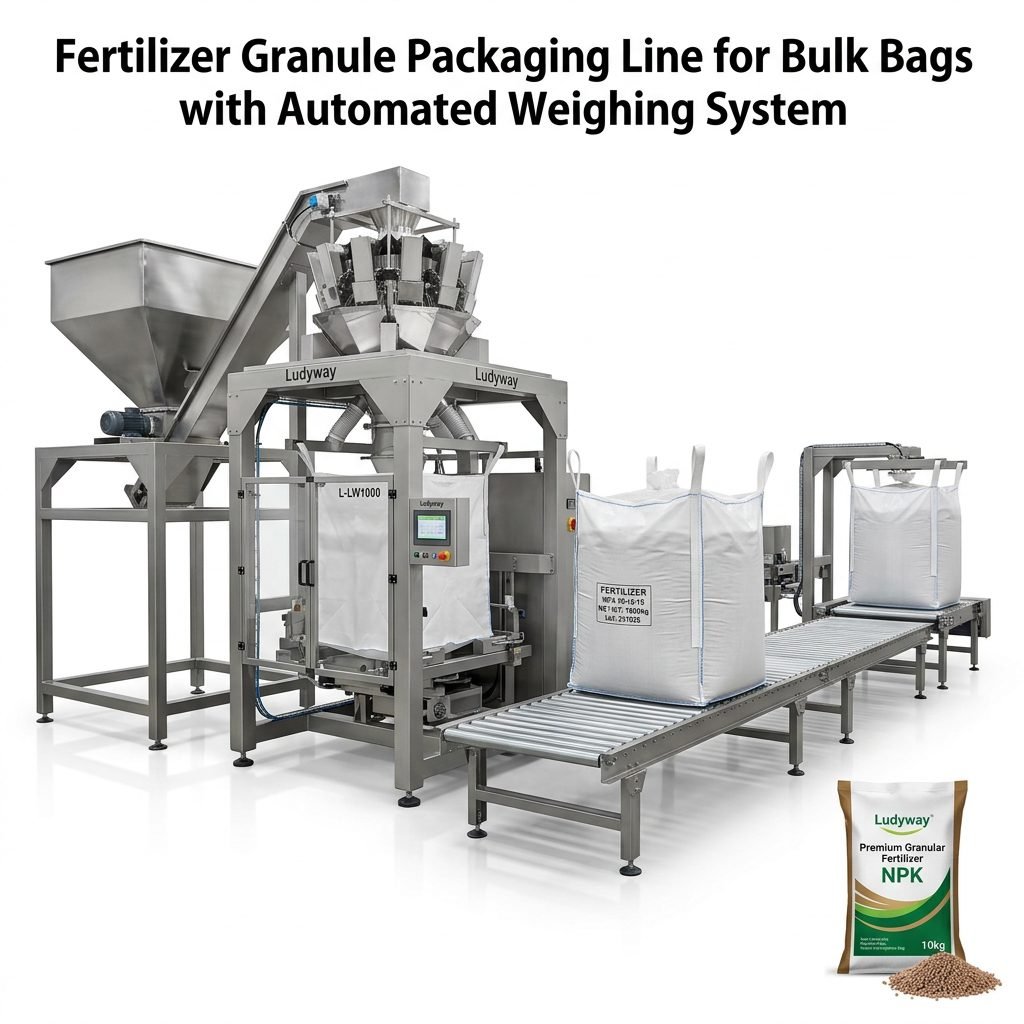
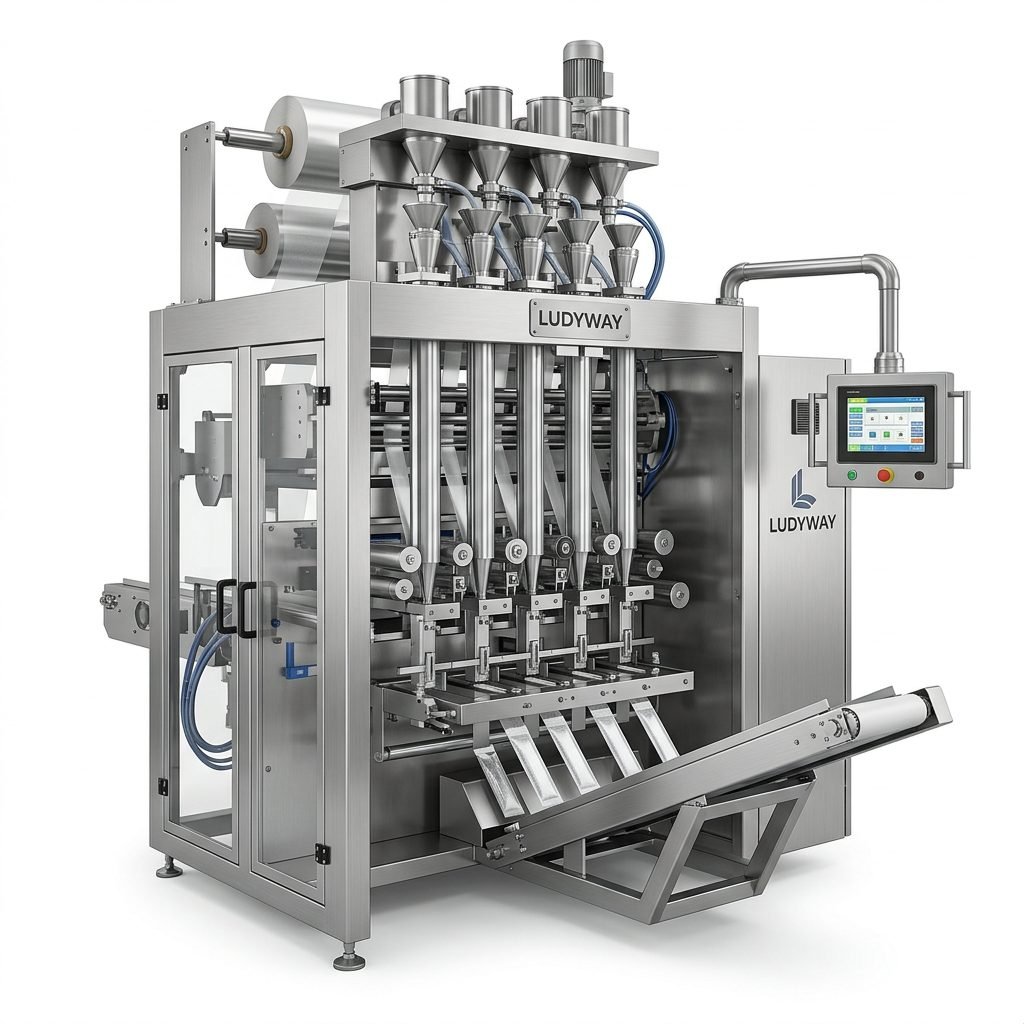
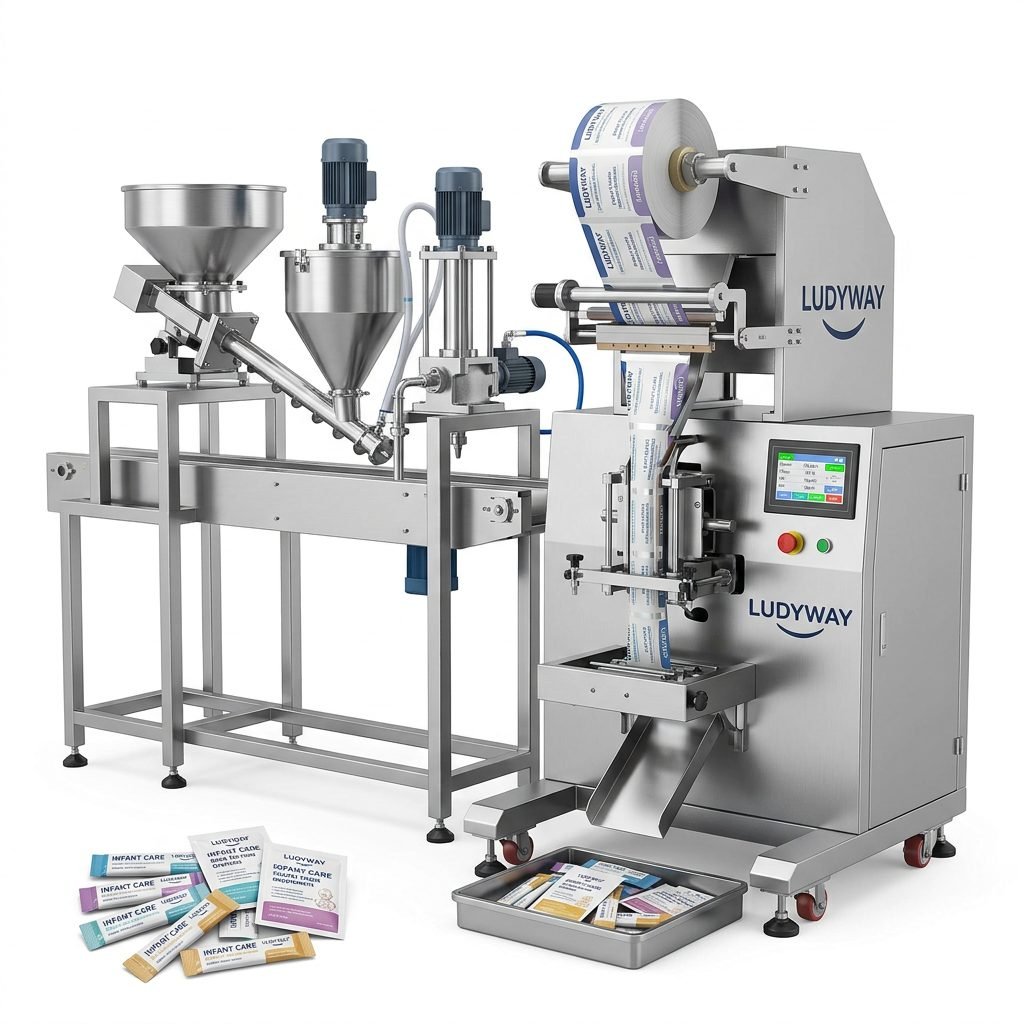
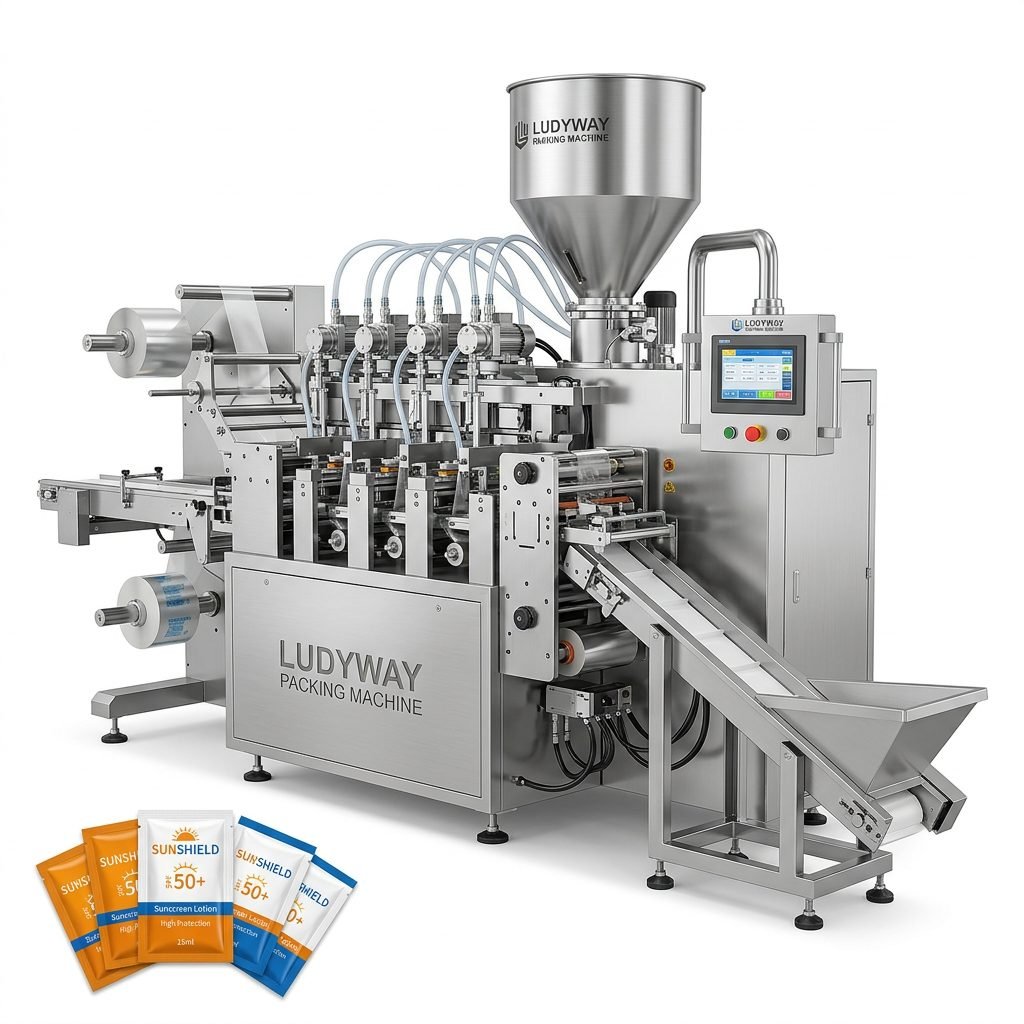
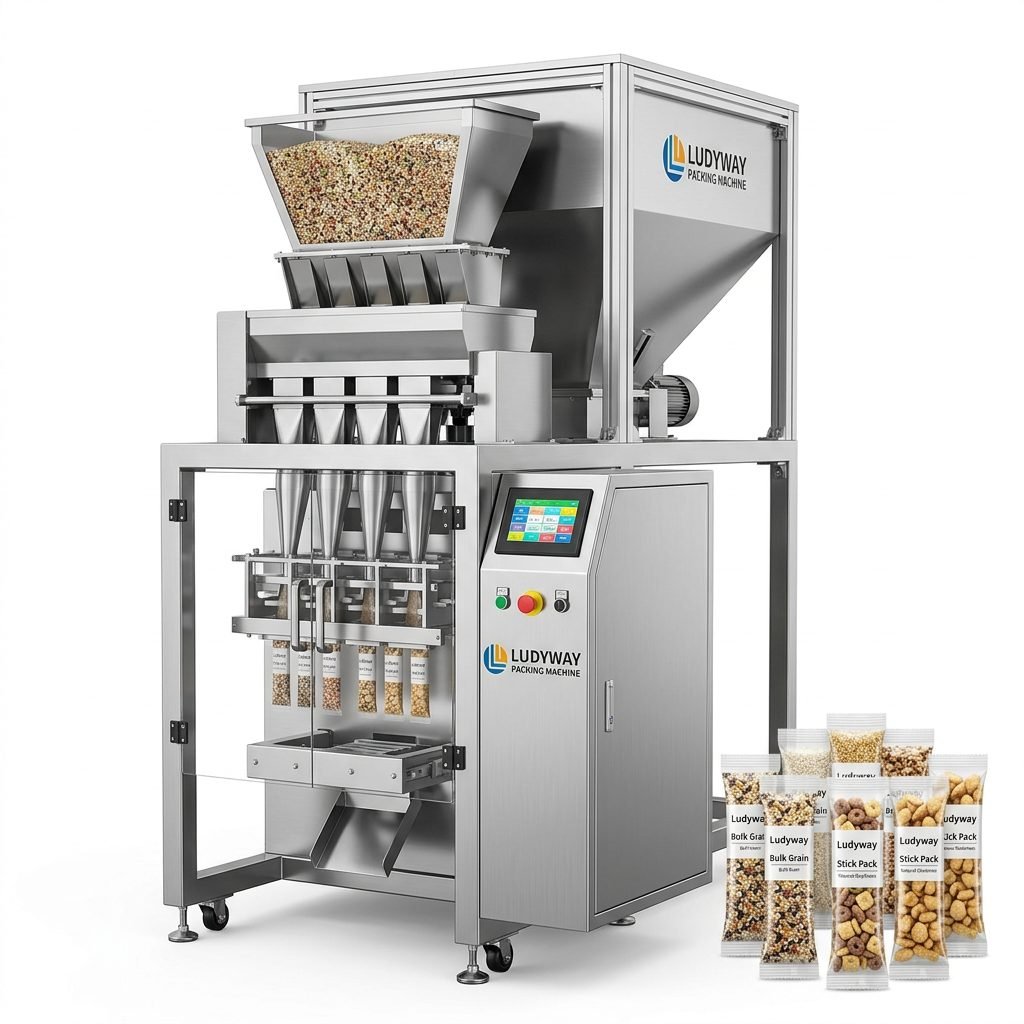
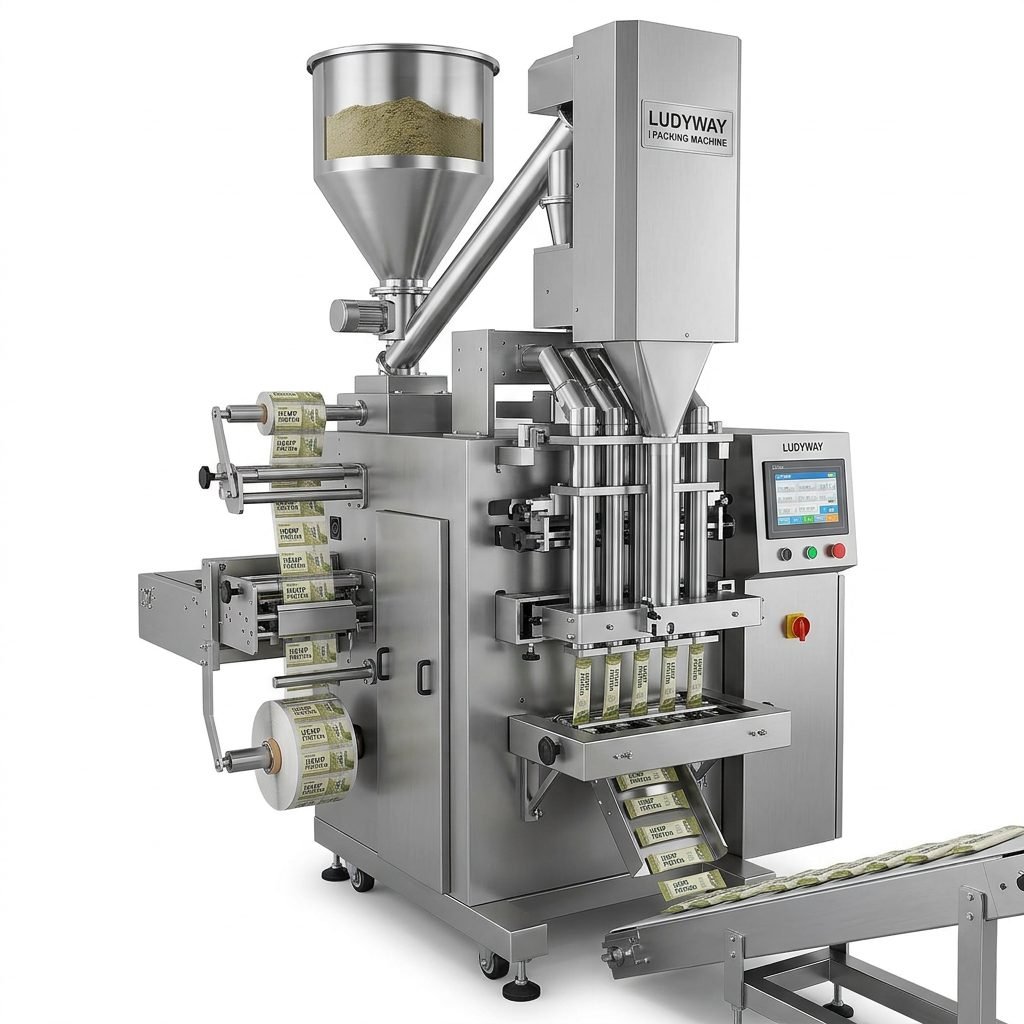
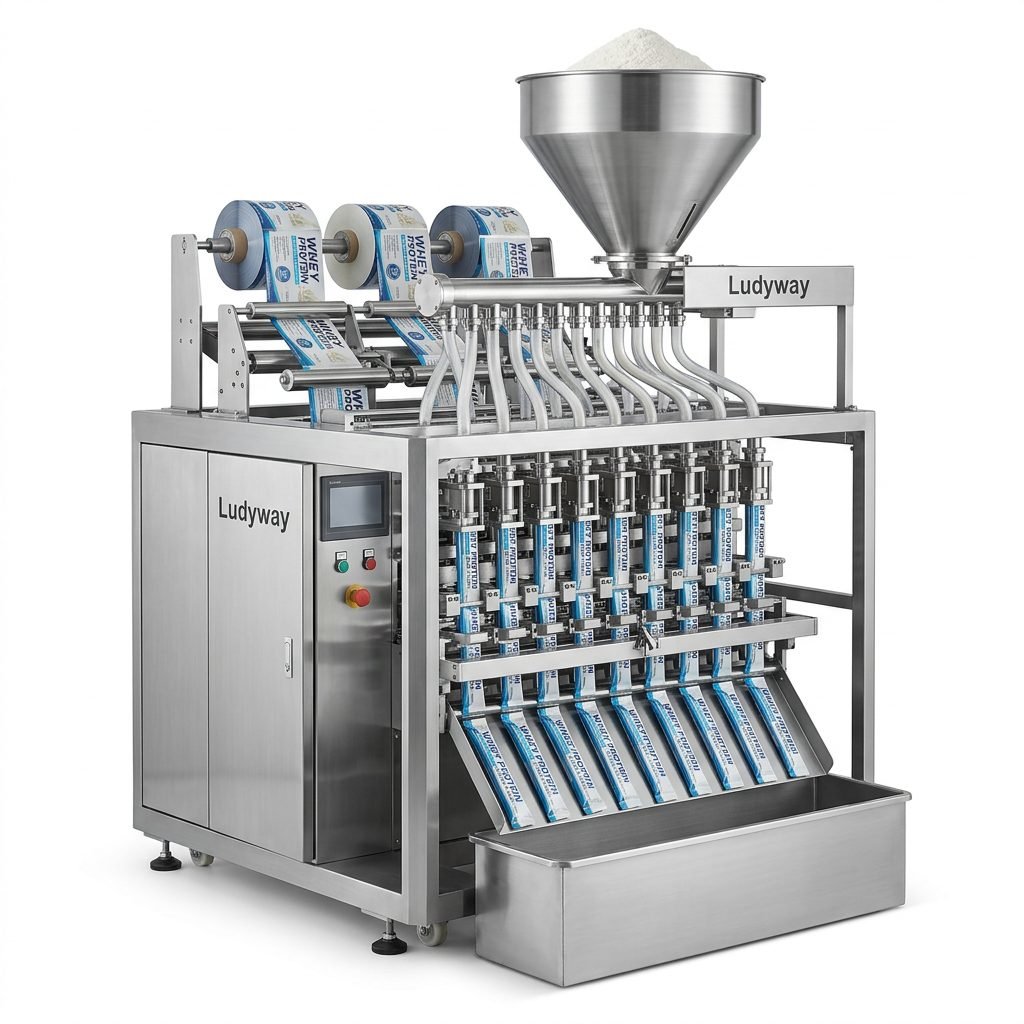
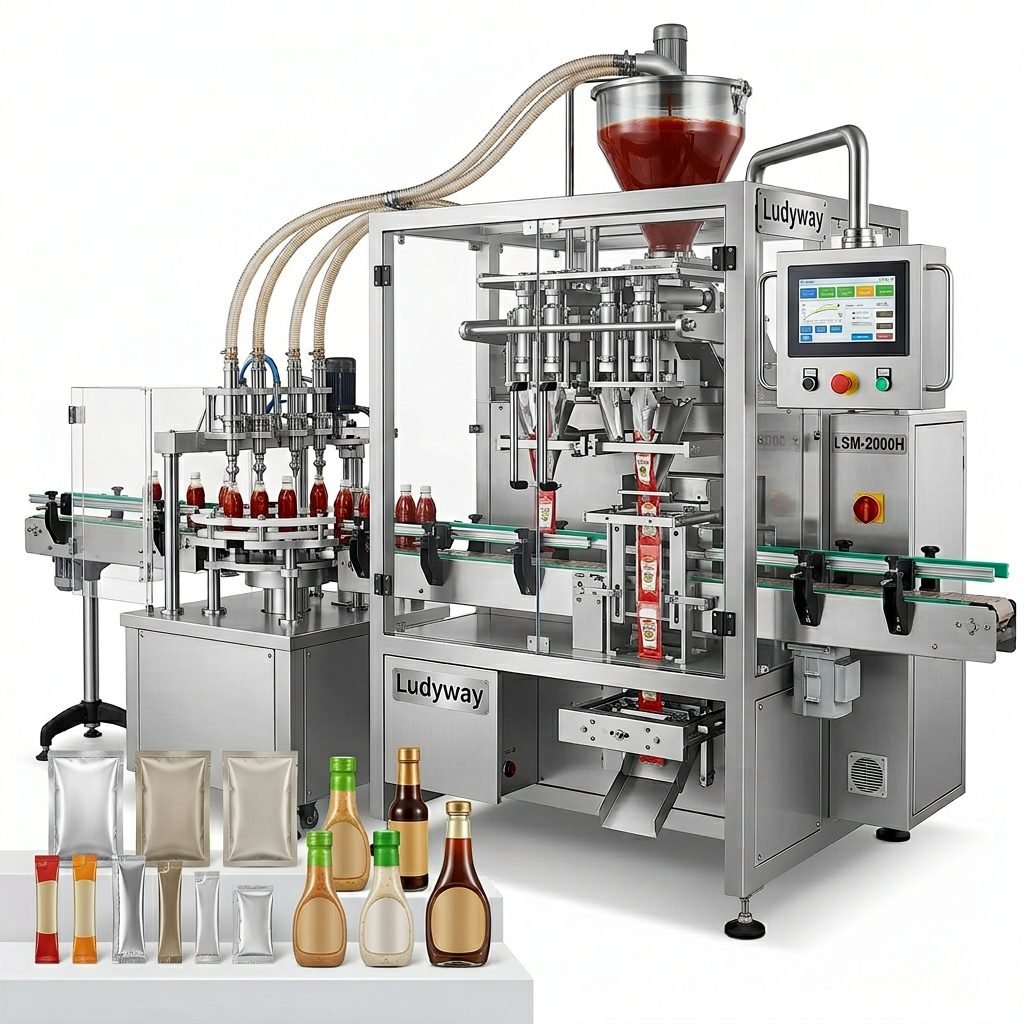
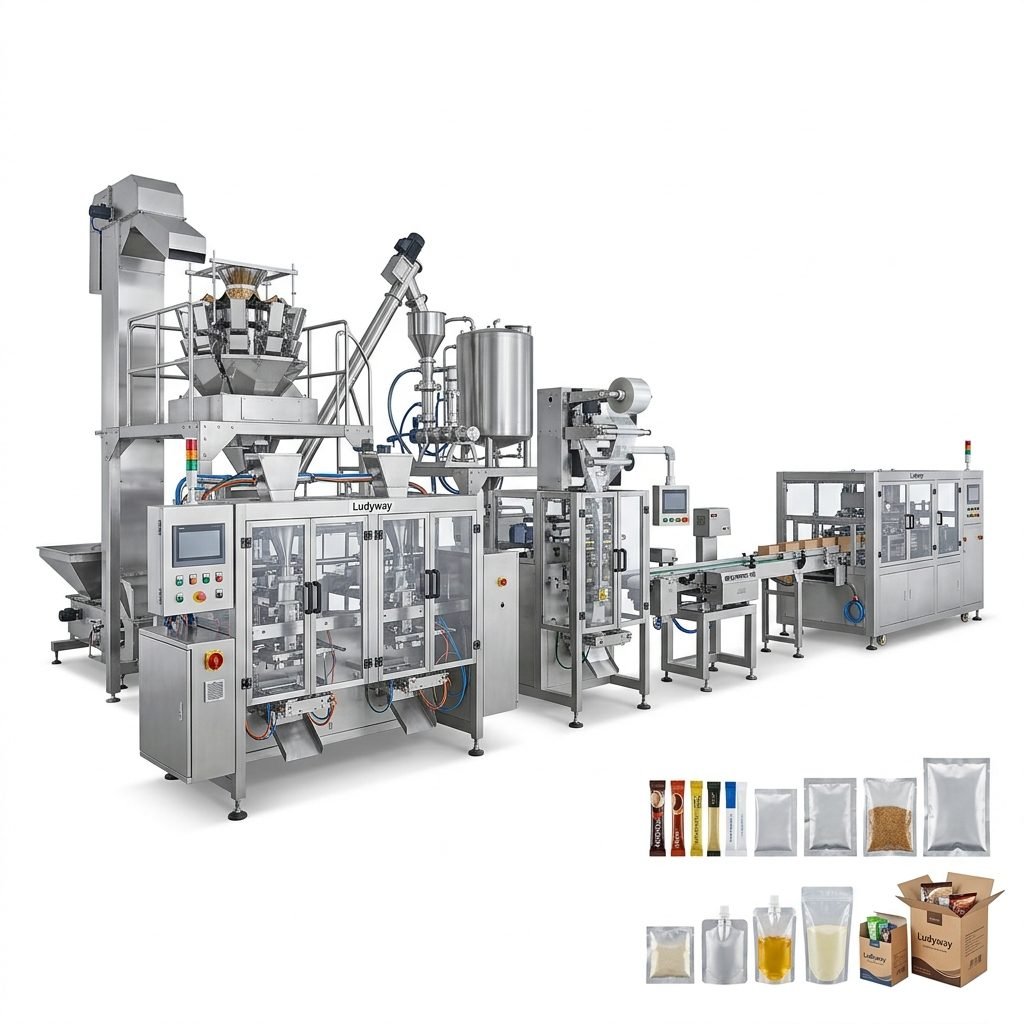
Selecting the right packaging machinery is the single most important decision in your production line setup. The popsicle packaging process typically involves automated feeding, film unwinding, forming, filling, sealing, cutting, and date coding. Evaluate suppliers based on their experience with frozen product packaging, after-sales support availability in India, and compliance with food packaging safety standards. For manufacturers seeking reliable turnkey solutions, Ludyway packaging machinery offers integrated production lines with export revenue projected to exceed RMB 500 million in 2025, serving customers across more than 100 countries with advanced popsicle and frozen product packaging systems.
Step 2: Installation and Mechanical Setup
Once equipment arrives at your facility, systematic installation begins. Assign a dedicated project manager to coordinate with the supplier’s technical team. Key installation tasks include positioning and leveling of machinery, connecting utilities (electrical, pneumatic, water cooling if required), and integrating conveyor systems between upstream freezing tunnels and downstream cartoning equipment. Allow 7-14 days for complete mechanical installation depending on line complexity.
Step 3: Electrical Integration and Control System Configuration
Modern popsicle packaging machines utilize PLC-based controls with HMI touchscreen interfaces. Proper electrical integration involves connecting power supplies, configuring servo drives for synchronized motion, calibrating sensors for film registration, and setting up temperature controllers for sealing jaws. Incorrect electrical setup is a leading cause of startup failures, so involve qualified automation engineers throughout this phase.
Step 4: Trial Runs and Process Validation
Conduct controlled trial runs using actual product and packaging materials. Start at reduced speeds (30-50% of rated capacity) and gradually increase while monitoring key quality parameters. Validate seal integrity through leak testing, verify correct date code printing, and measure film usage efficiency. Document all settings and establish a baseline operating procedure before transitioning to full production.

Step 5: Staff Training and Standard Operating Procedures
Comprehensive training is essential for sustainable operation. Train machine operators on startup/shutdown sequences, film splicing techniques, basic troubleshooting, and cleaning protocols. Maintenance staff should receive deeper technical training covering preventive maintenance schedules, common wear part replacement, and safety systems. Develop SOPs in both English and local languages for consistent execution across shifts.
Key Equipment Components in a Popsicle Packaging Line
Understanding each machine’s role helps in making informed procurement decisions. A complete popsicle packaging line typically includes the following integrated equipment:
| Equipment Component | Primary Function | Key Selection Criteria |
|---|---|---|
| Infeed Conveyor System | Transfers frozen popsicles from freezing tunnel to packaging station | Speed synchronization, product orientation control |
| Flow Wrapper / Horizontal Form-Fill-Seal Machine | Wraps individual or multi-pack popsicles in flexible film | Sealing temperature range, film compatibility, speed rating |
| Multi-Head Weigher (for multi-pack) | Accurate portioning for bulk family packs | Weighing accuracy, product handling gentleness |
| Date Coding / Marking System | Prints production date, batch number, and expiry information | Print clarity at low temperatures, ink adhesion on cold surfaces |
| Cartoning Machine | Packs wrapped popsicles into retail-ready cartons | Carton size flexibility, changeover time |
| Checkweigher and Metal Detector | Quality assurance for weight compliance and contaminant detection | Sensitivity levels, rejection mechanism reliability |
Regulatory Compliance and Food Safety Certifications
Operating a popsicle packaging line in India requires adherence to multiple regulatory frameworks. The Food Safety and Standards Authority of India (FSSAI) governs all food manufacturing and packaging operations. Additionally, your packaging materials must comply with food contact substance regulations for consumer safety. Key compliance areas include:
- FSSAI License – Mandatory for all food manufacturing businesses in India
- BIS Standards – Applicable for certain packaging materials and machinery components
- Legal Metrology – Weight and measurement declarations on packaged products
- Environmental Clearance – Required for facilities above specified production capacities
- GMP Certification – Good Manufacturing Practices for food safety management
Cost Breakdown and ROI Analysis
Understanding the financial commitment is critical for business planning. The following table provides an estimated cost structure for establishing a popsicle packaging production line in India, though actual figures vary based on scale and automation level:
| Cost Category | Estimated Range (INR) | Percentage of Total Investment |
|---|---|---|
| Packaging Machinery (Primary Equipment) | ₹25 Lakh – ₹1.5 Crore | 40-55% |
| Ancillary Equipment (Conveyors, Coders, Metal Detectors) | ₹8 Lakh – ₹30 Lakh | 12-18% |
| Installation and Commissioning | ₹5 Lakh – ₹20 Lakh | 8-12% |
| Facility Modifications (Electrical, Pneumatic, Cold Room) | ₹10 Lakh – ₹50 Lakh | 15-25% |
| Training and Documentation | ₹2 Lakh – ₹8 Lakh | 3-5% |
| Initial Packaging Material Inventory | ₹5 Lakh – ₹15 Lakh | 5-8% |
Most well-planned popsicle packaging operations achieve full ROI within 18-30 months, driven by India’s growing demand for packaged frozen confections and the operational efficiencies of modern automated lines.
Maintenance Best Practices for Long-Term Reliability
Proactive maintenance directly impacts production uptime and product quality. Implement a structured maintenance program from day one:
- Daily: Clean sealing jaws, inspect film path for debris, verify date code print quality, check sensor alignment
- Weekly: Lubricate moving parts per manufacturer specifications, inspect belts and chains for wear, verify temperature controller calibration
- Monthly: Comprehensive inspection of electrical connections, pneumatic system leak testing, conveyor tension adjustment, safety system testing
- Quarterly: Replace worn sealing elements, calibrate temperature sensors, update PLC backup files, review maintenance logs for pattern analysis
- Annually: Complete machine overhaul, replace critical wear components, conduct operator refresher training, evaluate performance against original specifications
Common Pitfalls to Avoid When Setting Up Your Popsicle Packaging Line
Learning from industry experience helps manufacturers avoid expensive mistakes. The most frequently encountered challenges include:
- Underestimating cold chain requirements – Popsicles must remain at consistent sub-zero temperatures throughout the packaging process; inadequate cold storage causes product deformation and sealing failures
- Selecting incompatible packaging films – Not all flexible films perform well at low temperatures; test materials under actual production conditions before committing to bulk purchases
- Neglecting operator training depth – Skimping on training leads to excessive downtime from preventable errors; invest in thorough, hands-on training programs
- Overlooking flexible packaging industry standards – Packaging material specifications must align with both machinery capabilities and regulatory requirements
- Insufficient spare parts inventory – Critical wear components should be stocked locally to minimize downtime waiting for replacements

Selecting the Right Packaging Partner for Your Indian Operation
Your machinery supplier relationship extends far beyond the initial purchase. Look for partners who offer comprehensive after-sales support within India, including local service engineers, readily available spare parts, and responsive technical assistance. Evaluate potential suppliers on their track record with frozen food packaging specifically, as the low-temperature operating environment presents unique challenges that general-purpose packaging equipment may not handle effectively. Request references from existing customers in India or similar tropical markets to verify performance claims. Additionally, consider whether the supplier can support future line expansions as your production volumes grow.
The Future of Popsicle Packaging in India
The Indian popsicle packaging sector is poised for continued expansion, driven by increasing cold chain penetration in rural areas and growing consumer preference for branded, hygienically packaged frozen products. Manufacturers who establish efficient, compliant production lines now will be well-positioned to capture market share as the industry evolves. Emerging trends include sustainable packaging materials, smart packaging with QR code traceability, and advanced packaging automation technologies that further reduce labor dependency and improve consistency. By following the structured approach outlined in this guide and partnering with experienced equipment suppliers, your popsicle packaging operation can achieve operational excellence from day one.
Key Takeaways for Your Popsicle Packaging Line Project
- Conduct thorough market research and capacity planning before equipment selection
- Ensure your facility meets infrastructure requirements for frozen food production
- Partner with packaging machinery suppliers who offer proven expertise and local support
- Invest adequately in operator training and preventive maintenance programs
- Maintain regulatory compliance with FSSAI and international food safety standards
- Plan for scalability as your market presence grows across Indian regions
Setting up a popsicle packaging machine production line in India is a significant undertaking, but with proper planning, the right equipment partners, and disciplined execution, manufacturers can build a profitable and sustainable operation serving one of the world’s fastest-growing frozen confectionery markets.