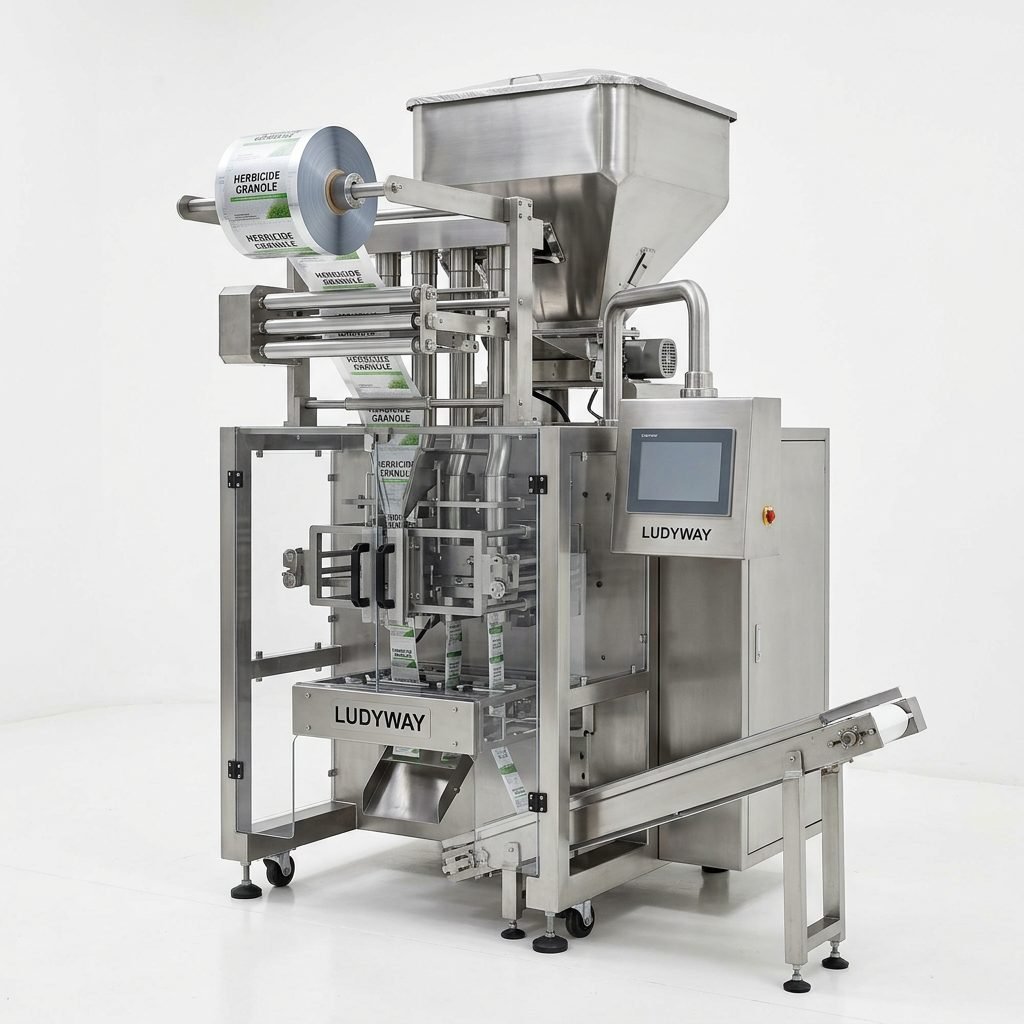
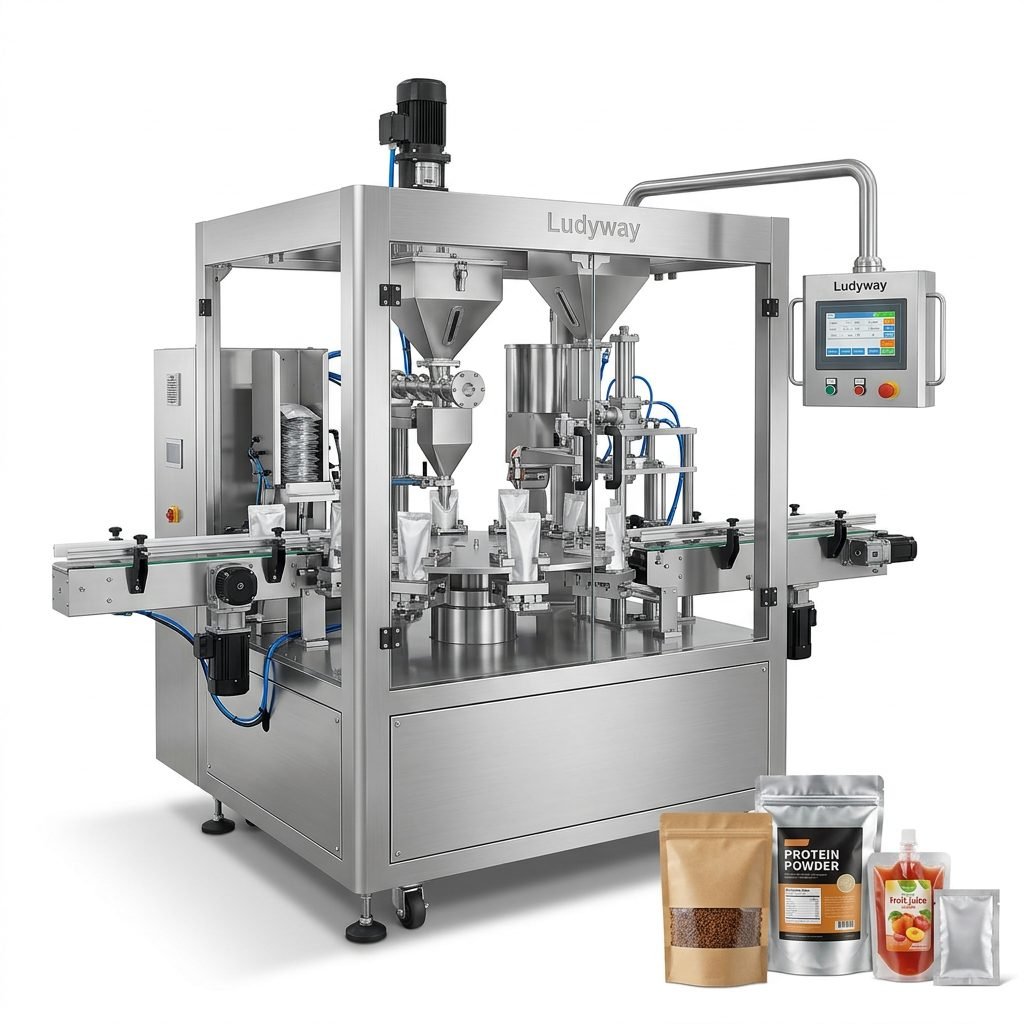
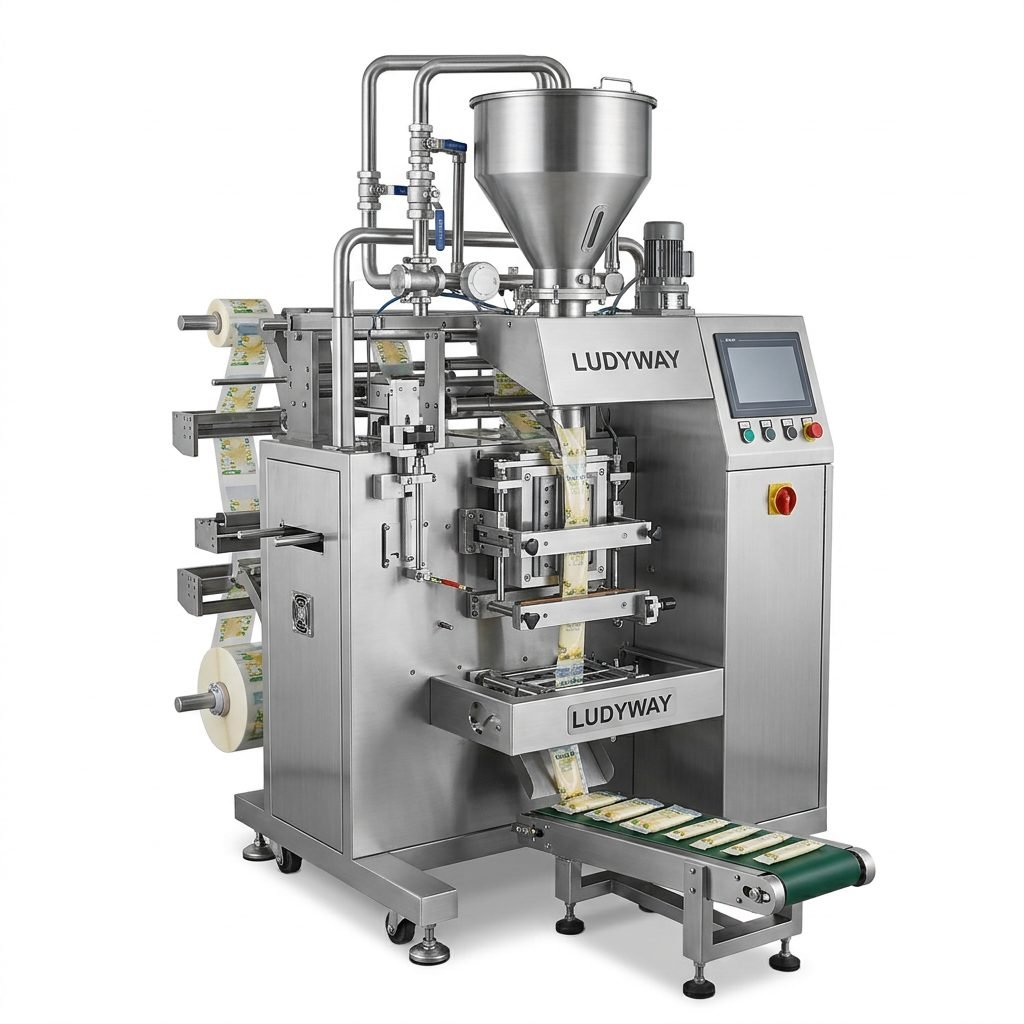
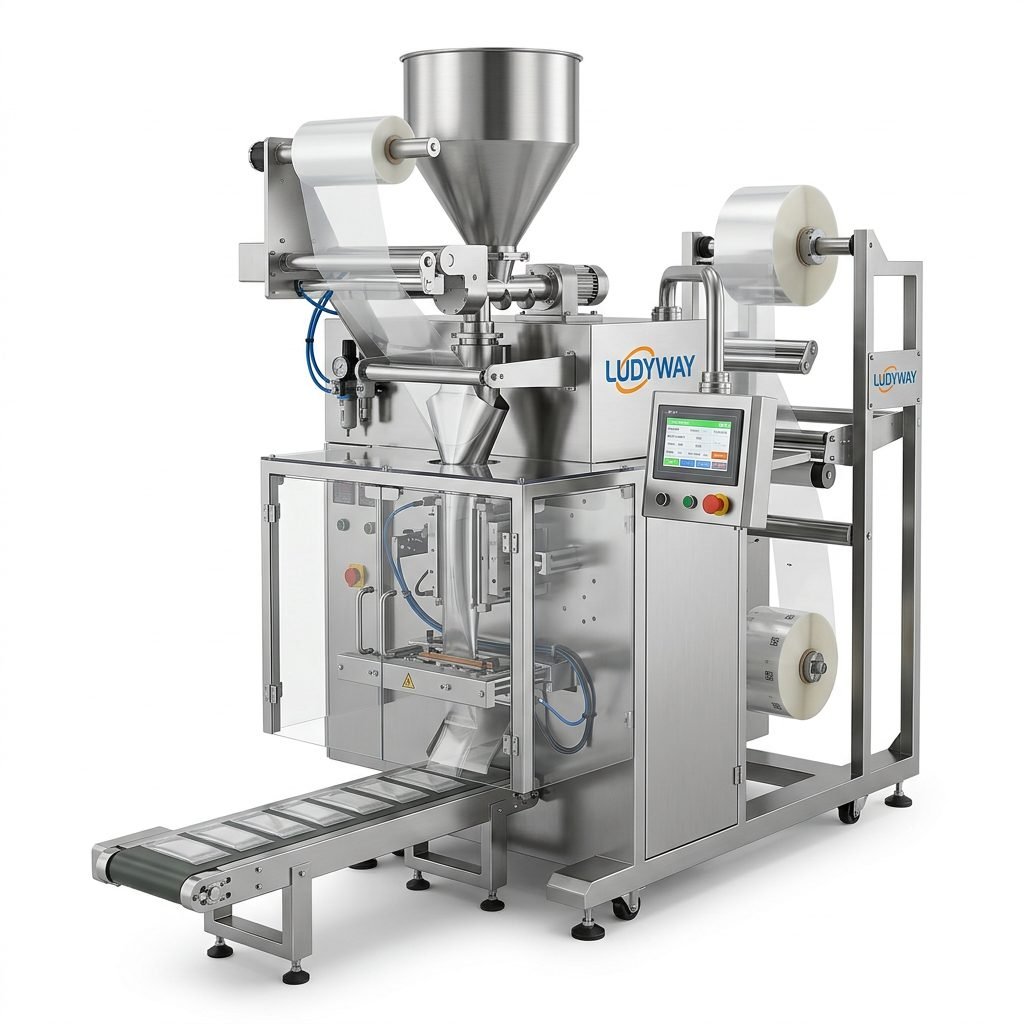
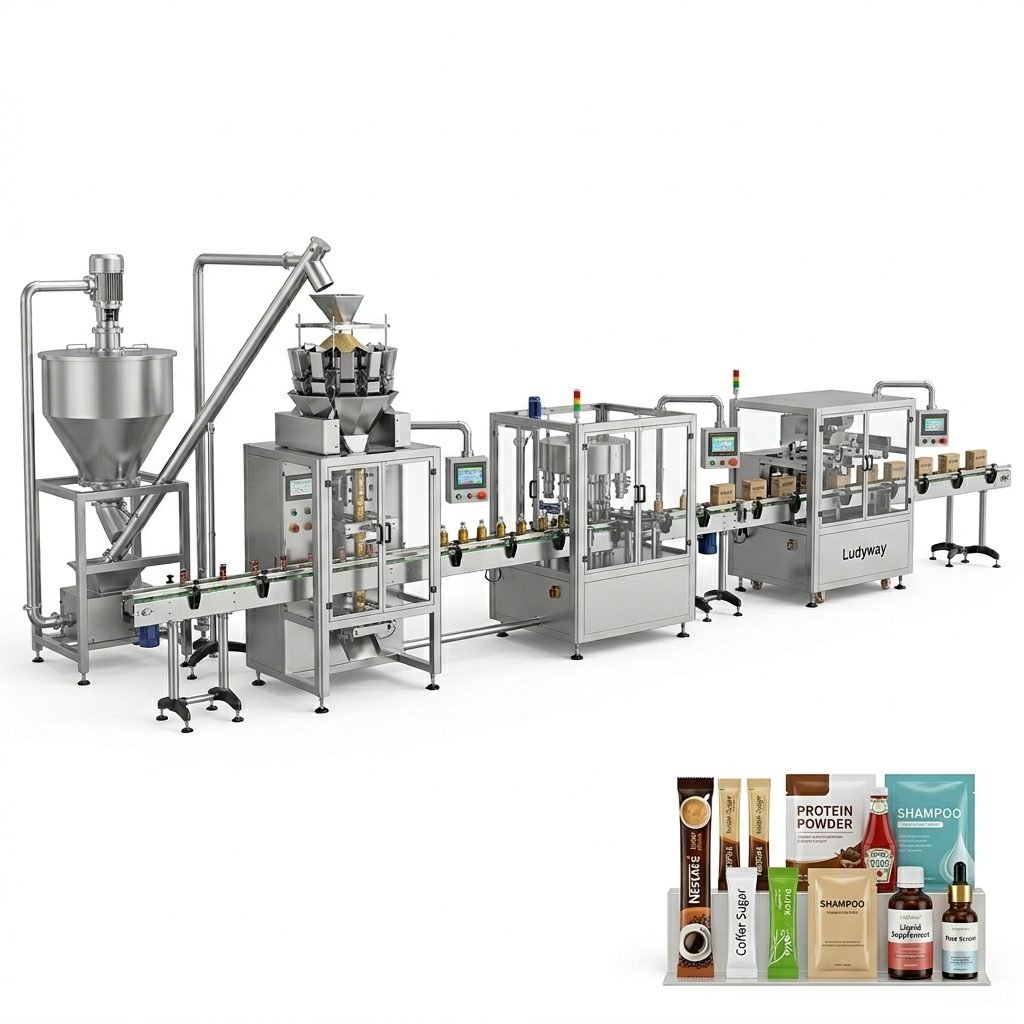
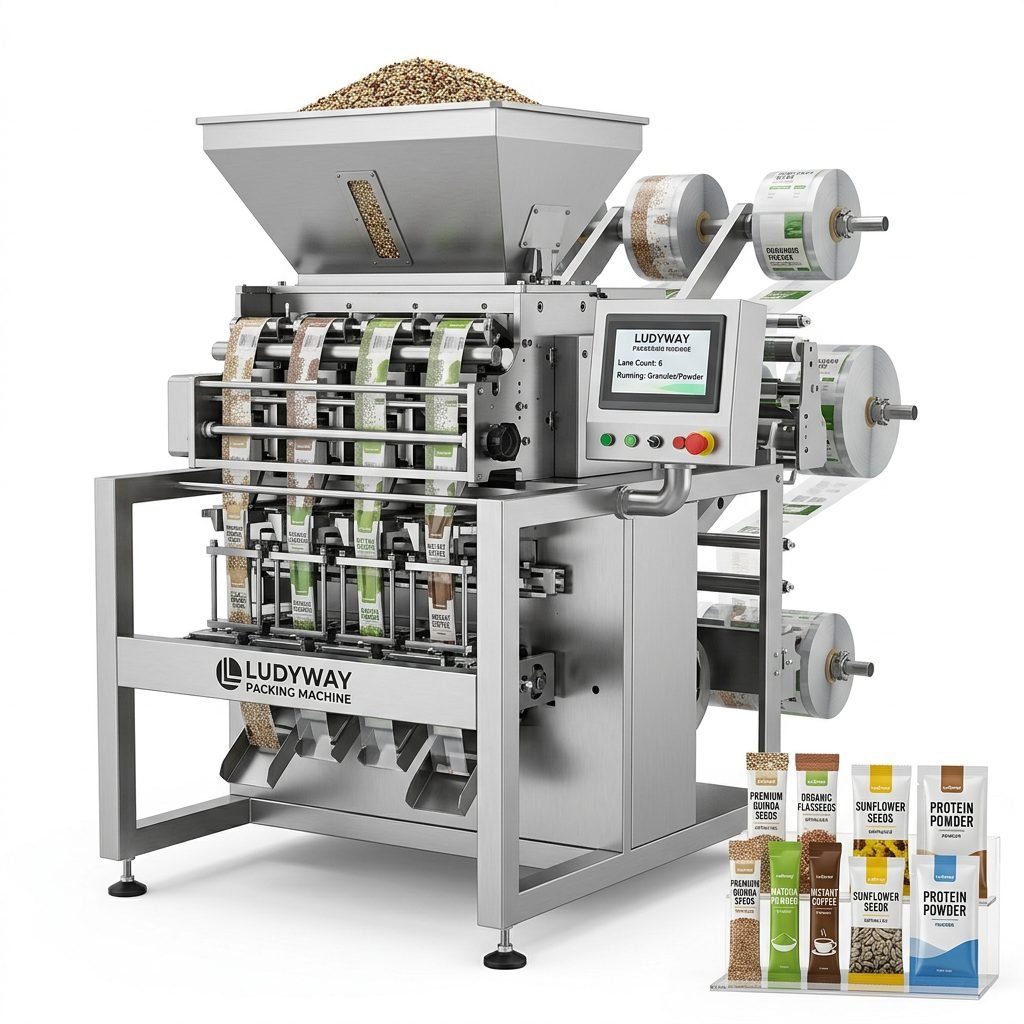
Investing in a spouted pouch filling machine is a significant decision for any manufacturer operating in the food, beverage, pharmaceutical, or personal care industries. Spouted pouches have become a preferred packaging format due to their convenience, extended shelf life, and reduced material usage compared to rigid containers. However, selecting the right filling equipment requires a thorough understanding of your product characteristics, production goals, and the technical capabilities of available machinery. This comprehensive buyer’s guide walks you through the essential factors to evaluate before making a purchase.
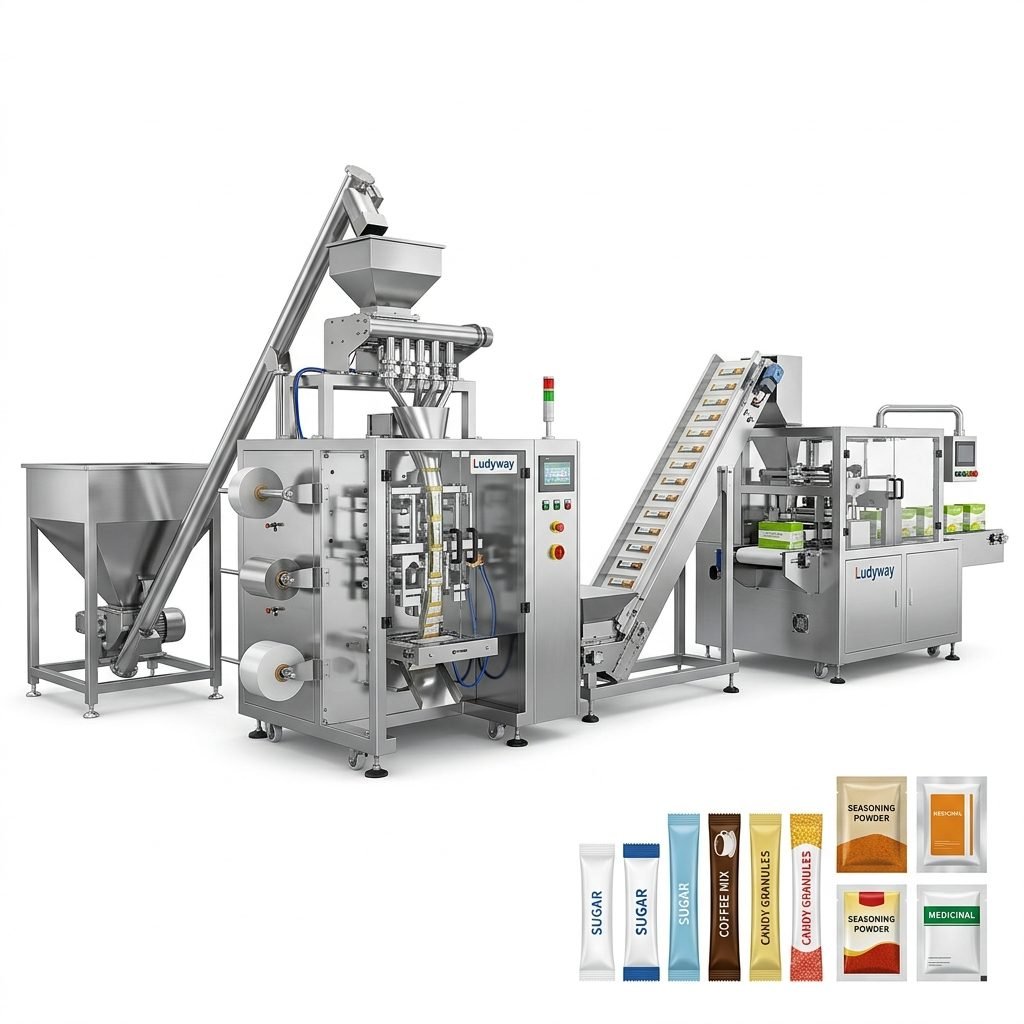
Understanding Spouted Pouch Filling Technology
Spouted pouches are flexible packaging solutions featuring a plastic spout or fitment that allows for easy pouring, resealing, and controlled dispensing. The filling process involves several critical stages: pouch loading, spout insertion or pre-attached spout handling, product dosing, sealing, and optional capping. Modern spouted pouch filling machines can be configured as rotary systems, inline systems, or multi-lane setups depending on your throughput requirements.
The Flexible Packaging Association highlights that spouted pouch formats continue to gain market share globally due to consumer demand for portable and sustainable packaging options. Understanding the nuances of spout technology is the first step toward making an informed equipment investment.
Key Factors to Evaluate Before Purchasing
1. Product Characteristics and Compatibility
The physical and chemical properties of your product directly influence which spouted pouch filling machine configuration will work best for your operation. Consider the following aspects:
- Viscosity: Free-flowing liquids require different filling systems than thick pastes or gels. Low-viscosity products like juices and water use volumetric or gravity-based fillers, while high-viscosity products such as sauces, creams, and detergents need piston fillers or positive displacement pumps.
- Particulate content: Products containing fruit pieces, seeds, or granular materials require filling nozzles designed to handle solids without clogging. Look for machines with large-diameter filling paths and gentle product handling capabilities.
- Foaming tendencies: Products that foam during filling, such as certain dairy beverages or cleaning solutions, benefit from bottom-up filling mechanisms or vacuum-assisted filling to minimize air incorporation.
- Temperature requirements: Hot-fill applications for shelf-stable products demand machinery built with heat-resistant components and appropriate sealing systems capable of maintaining seal integrity at elevated temperatures.
- Chemical reactivity: Acidic or corrosive products require food-grade stainless steel construction (typically 316L) and chemically resistant seals and gaskets to ensure machine longevity and product safety.
2. Production Speed and Automation Level
Your required output capacity is a primary driver of machine selection. Entry-level semi-automatic spouted pouch filling machines may produce 15-30 pouches per minute, while fully automated high-speed rotary systems can exceed 200 pouches per minute. Evaluate your current and projected production volumes to determine the appropriate automation tier:
| Automation Level | Typical Speed Range | Best Suited For | Key Features |
|---|---|---|---|
| Semi-Automatic | 15-30 ppm | Startups, small batches, R&D | Manual pouch loading, lower capital cost |
| Inline Automatic | 40-80 ppm | Medium-scale production | Automated feeding, consistent output |
| Rotary Automatic | 80-200+ ppm | High-volume manufacturing | Multi-station rotary design, continuous motion |
| Multi-Lane Systems | 150-600+ ppm | Very large-scale operations | Parallel filling lanes, maximum throughput |
3. Pouch and Spout Specifications
Your machine must be compatible with the specific pouch dimensions, spout types, and materials you plan to use. Standard spout diameters range from 8mm to 33mm, and pouch capacities typically span from 50ml to 5 liters. Key considerations include:
- Pre-attached vs. insertable spouts: Pre-attached spouts are welded into the pouch before filling, while insertable spouts are placed and sealed during the filling process. Your machine choice must align with your pouch supply format.
- Stand-up vs. lay-flat pouch configurations: Machine handling systems differ for gusseted stand-up pouches versus flat-bottom or side-gusset designs.
- Multi-layer film compatibility: Ensure the machine’s sealing system can accommodate your specific film structure, whether it is polyethylene, polypropylene, aluminum foil laminate, or bio-based materials.
4. Filling Accuracy and Precision
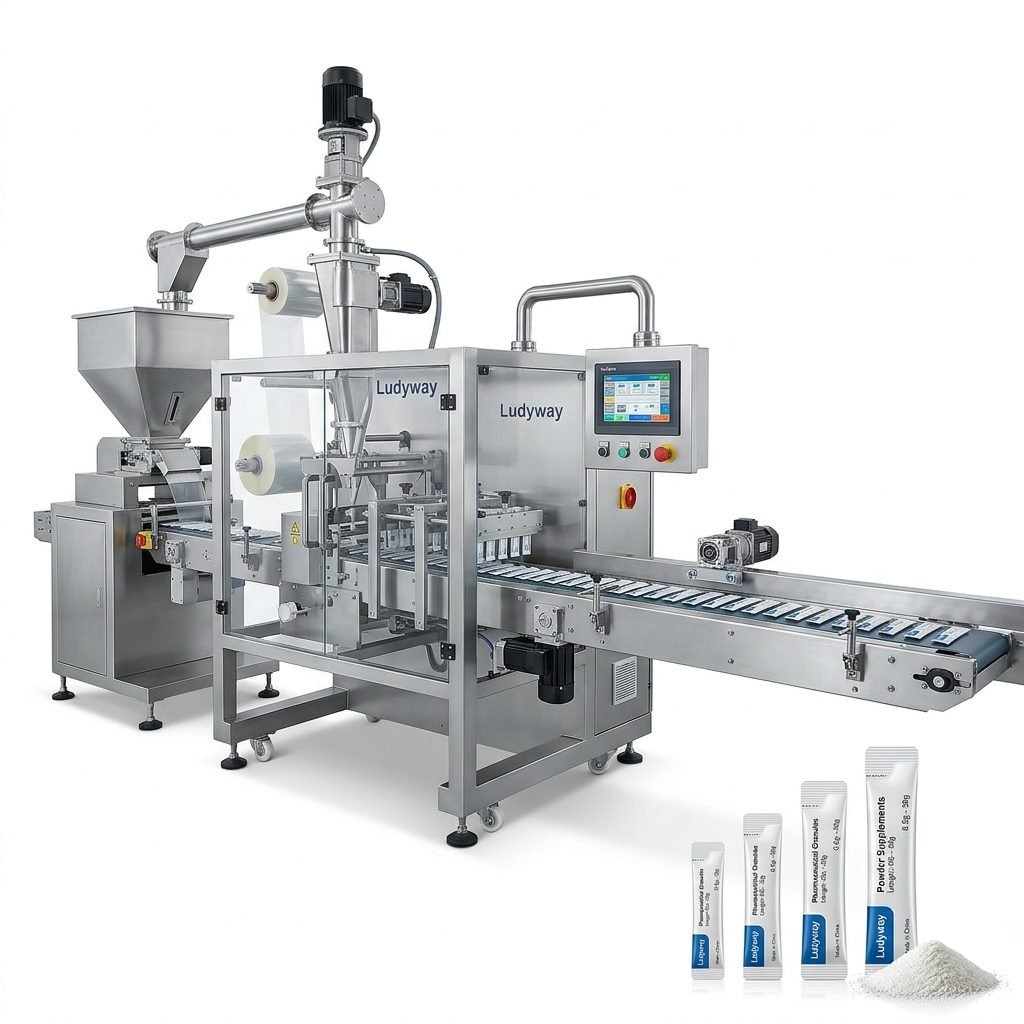
Filling accuracy directly impacts product giveaway, regulatory compliance, and profitability. Different dosing technologies offer varying levels of precision:
- Volumetric fillers: Cost-effective and suitable for consistent-viscosity liquids. Accuracy typically within ±1-2%.
- Net-weight fillers: Use load cells to achieve high accuracy of ±0.1-0.5%, ideal for high-value products or those with variable density.
- Piston fillers: Excellent for viscous products with accuracy around ±0.5-1% depending on product consistency.
- Magnetic flow meters: Highly accurate for conductive liquids, offering precision within ±0.2-0.5%.
Consult resources from PMMI – The Association for Packaging and Processing Technologies for industry benchmarks on filling accuracy standards across different product categories.
Sealing Technology and Integrity
The seal between the pouch film and the spout is the most critical quality point in the entire package. A compromised seal leads to leaks, contamination, and product waste. Leading spouted pouch filling machines employ multiple sealing technologies:
- Heat sealing: The most common method, using heated bars or impulse sealing to bond the spout to the pouch material. Temperature, pressure, and dwell time must be precisely controlled for consistent results.
- Ultrasonic sealing: Uses high-frequency vibrations to create molecular bonding without excessive heat. Particularly effective for thin films and temperature-sensitive products.
- Hot-air sealing: Applies precisely heated air to the seal area, offering uniform heat distribution for challenging film structures.
Machines equipped with seal integrity inspection systems provide additional quality assurance by detecting defective seals before products leave the production line. For medical and pharmaceutical applications, adherence to ISO 11607 packaging standards is essential for terminally sterilized products.
Machine Construction and Hygiene Standards
Build quality determines both machine longevity and your ability to meet regulatory requirements. For food and pharmaceutical applications, look for:
- Stainless steel construction: 304 stainless steel for general food contact; 316L for corrosive or high-acid products.
- Washdown capability: IP65 or IP66 rated electrical enclosures and sanitary design with sloped surfaces and minimal crevices for easy cleaning.
- CIP (Clean-in-Place) integration: Automated cleaning systems that reduce downtime between product changeovers.
- Compliance certifications: CE, UL, or equivalent certifications depending on your target market. FDA-compliant materials for food contact surfaces are mandatory for the U.S. market.
Changeover Flexibility and Future-Proofing
If your production facility runs multiple product lines or plans to introduce new formats, changeover speed becomes a critical operational consideration. Evaluate machines based on:
- Tool-free changeover: Quick-release components and digital recipe management can reduce changeover times from hours to minutes.
- Modular design: Machines that accept different filling technologies, spout sizes, and pouch formats through interchangeable modules provide long-term flexibility.
- Recipe memory: PLC-controlled systems with stored parameters for multiple products eliminate manual recalibration and reduce operator error.
Integration with Upstream and Downstream Equipment
A spouted pouch filling machine rarely operates in isolation. Consider how the equipment will integrate with your existing or planned production line:
- Upstream connections: Product supply tanks, mixing vessels, pasteurizers, or sterilization systems must interface smoothly with the filler’s infeed.
- Downstream automation: Capping machines, labeling systems, checkweighers, x-ray inspection units, case packers, and palletizers should be compatible with the filler’s output format and speed.
- Line control architecture: Machines that support standard industrial communication protocols (Ethernet/IP, Profinet, Modbus) simplify integration into broader factory automation systems.
The PMMI Business Intelligence Library offers valuable insights into packaging line integration strategies and emerging automation trends that can inform your equipment selection process.
Supplier Evaluation and After-Sales Support
Choosing the right equipment supplier is as important as selecting the right machine specifications. A qualified manufacturer should offer:
- Application testing: The willingness to run your actual product and packaging materials on their equipment before purchase, providing documented performance data.
- Technical documentation: Comprehensive manuals, electrical schematics, and maintenance schedules in your preferred language.
- Installation and commissioning: On-site support for equipment setup, calibration, and production ramp-up.
- Operator training: Structured training programs that ensure your team can operate and maintain the equipment effectively.
- Spare parts availability: A well-established supply chain for critical wear components with reasonable lead times.
- Remote diagnostics: Modern machines with VPN-enabled remote support capabilities allow for faster troubleshooting and reduced downtime.
For manufacturers seeking a comprehensive packaging machinery partner with over 30 years of industry experience, Ludyway Machinery provides customized spouted pouch filling solutions, integrated packaging lines, and global technical support across more than 100 countries. With a 20,000-square-meter manufacturing facility and expertise spanning powder, granule, liquid, and pouch packaging applications, Ludyway offers equipment configurations tailored to diverse production requirements.
Total Cost of Ownership Analysis
Beyond the initial purchase price, a thorough spouted pouch filling machine evaluation must account for total cost of ownership over the equipment’s expected service life. Key cost elements include:
| Cost Category | Considerations | Impact on TCO |
|---|---|---|
| Capital expenditure | Base machine price plus options, tooling, and accessories | High initial impact |
| Installation and facility modifications | Utilities, space requirements, structural considerations | Medium initial impact |
| Consumables and spare parts | Sealing elements, filters, lubricants, wear components | Ongoing operational cost |
| Labor requirements | Operator count, skill level, training needs | Recurring annual cost |
| Energy consumption | Electricity, compressed air, cooling water usage | Continuous operational cost |
| Maintenance and service contracts | Preventive maintenance, emergency repairs, remote support | Predictable annual cost |
Regulatory Compliance and Documentation
Depending on your industry and target markets, your spouted pouch filling machine must comply with various regulatory frameworks:
- Food safety: FDA 21 CFR Part 110 and 117 for U.S. markets; EU Regulations 1935/2004 and 2023/2006 for European markets. Equipment should support HACCP or FSMA compliance programs.
- Pharmaceutical: 21 CFR Part 210/211 for drug products, with emphasis on validation documentation, audit trails, and data integrity per 21 CFR Part 11.
- Chemical products: Compliance with local regulations for handling hazardous substances, including explosion-proof designs where required.
The Flexible Packaging Association’s Regulatory Affairs resources provide up-to-date information on packaging regulations affecting spouted pouch formats across different regions.
Making the Final Decision
Selecting the right spouted pouch filling machine is a strategic investment that impacts production efficiency, product quality, and your ability to scale operations. A methodical approach to selection—grounded in a clear understanding of your product requirements, production targets, quality standards, and budget parameters—will lead to the best long-term outcome. Engage potential suppliers early, request detailed proposals with documented performance specifications, and whenever possible, visit operating installations to see equipment running under real production conditions. The right machine partner will contribute to your manufacturing success for years to come.