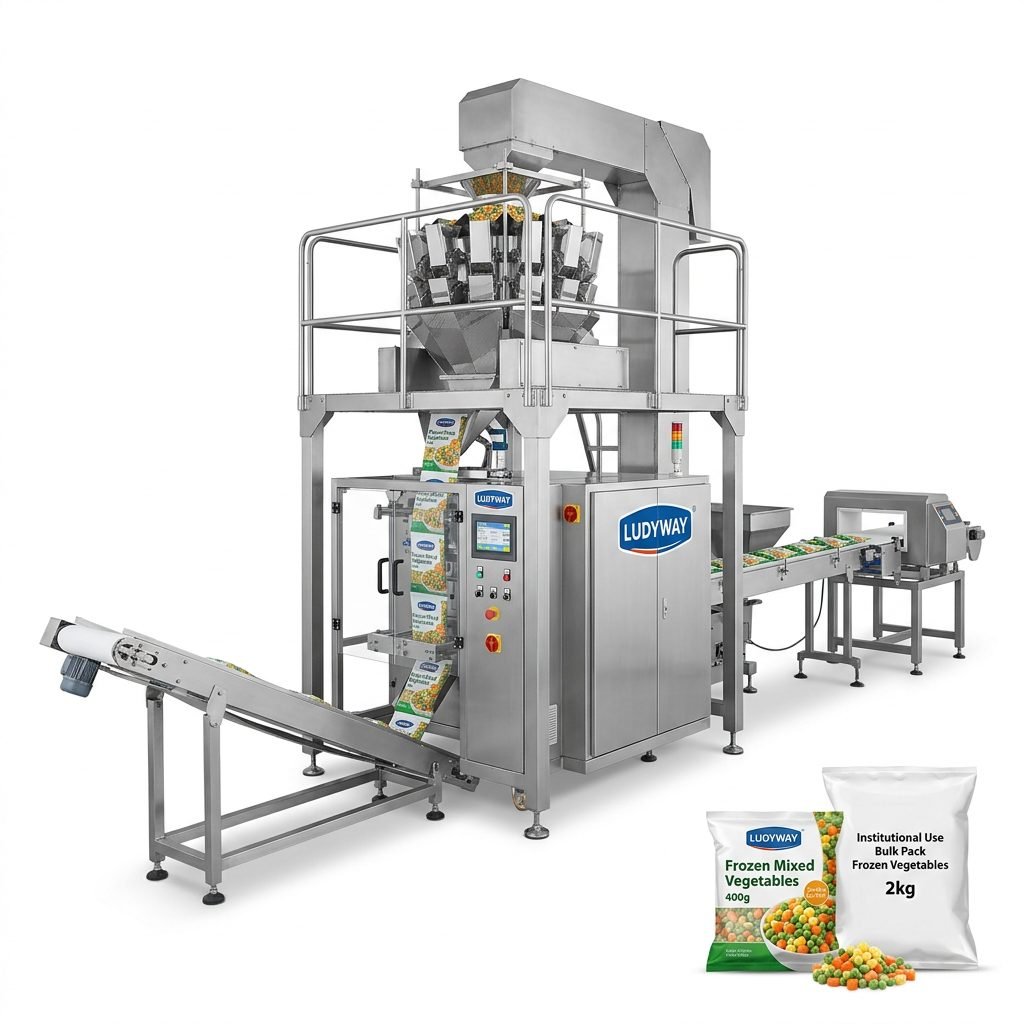
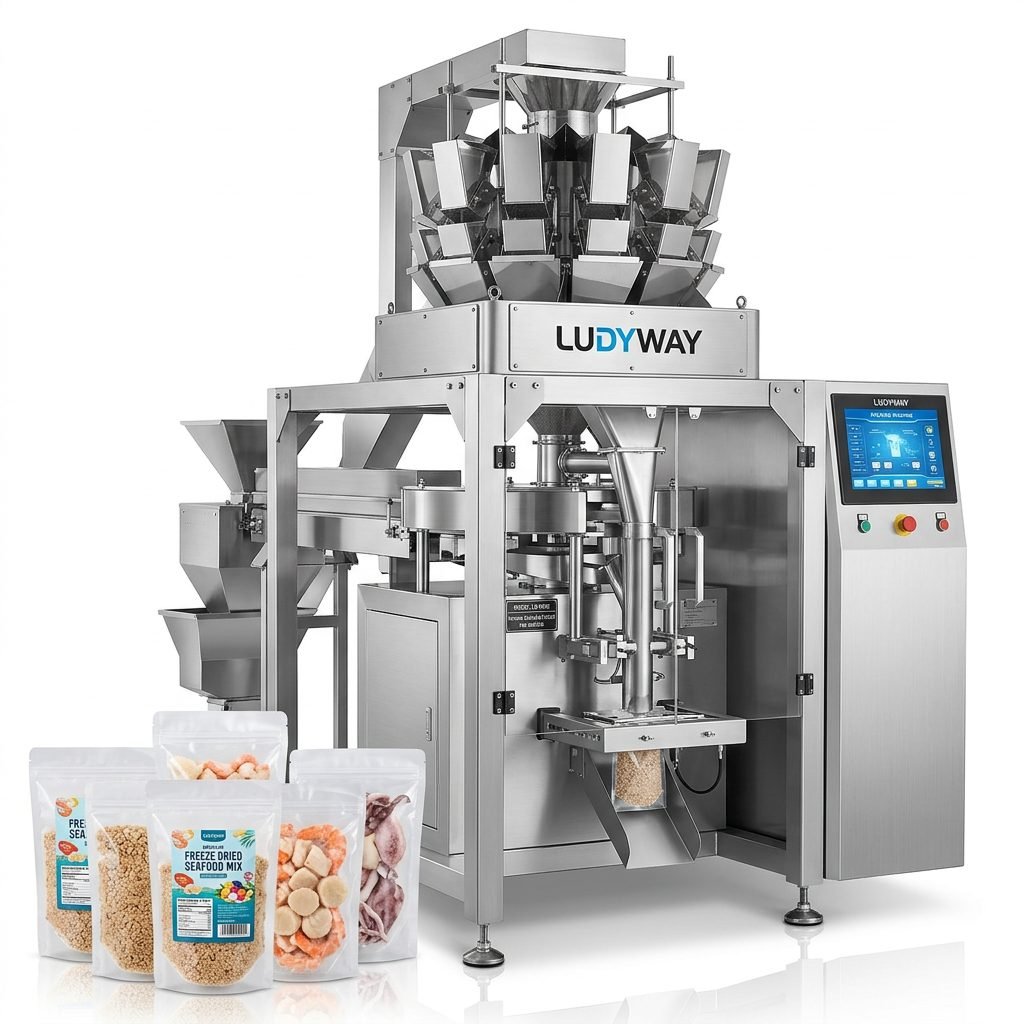
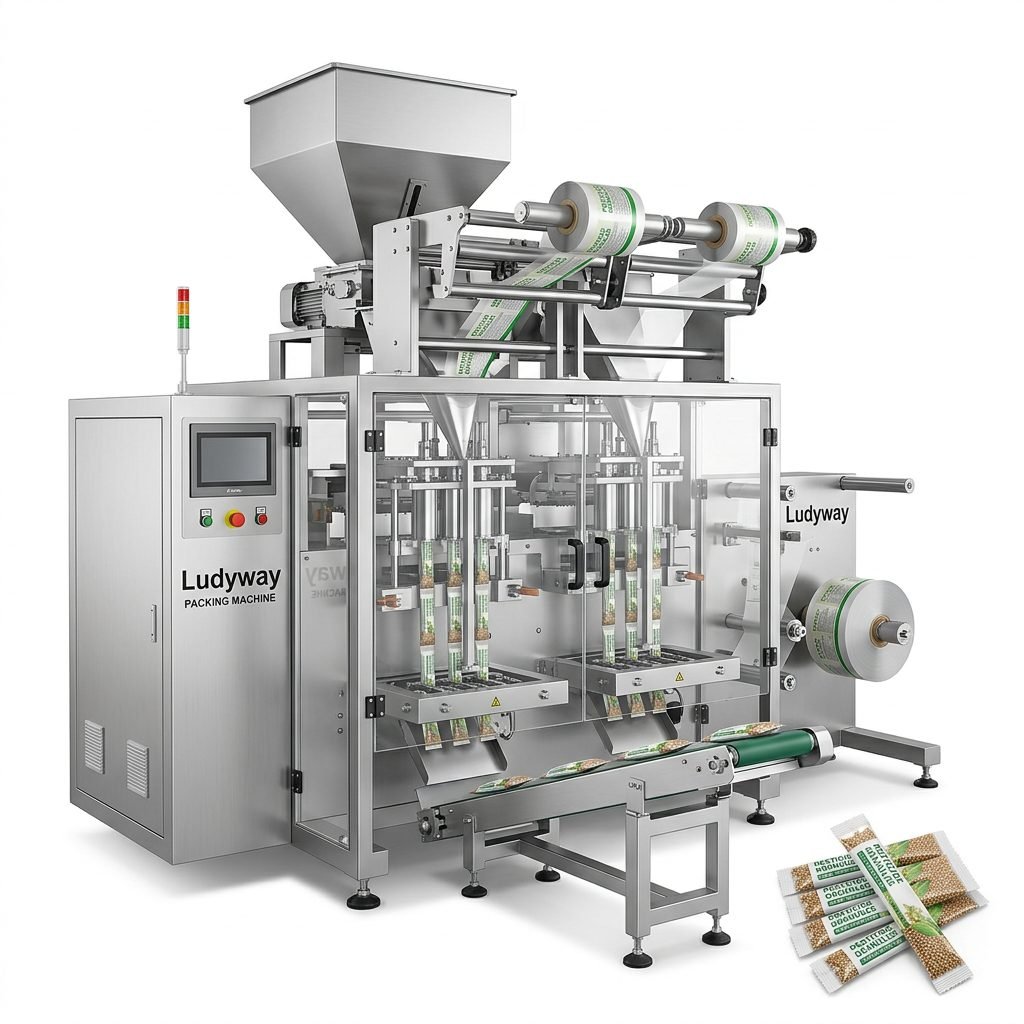
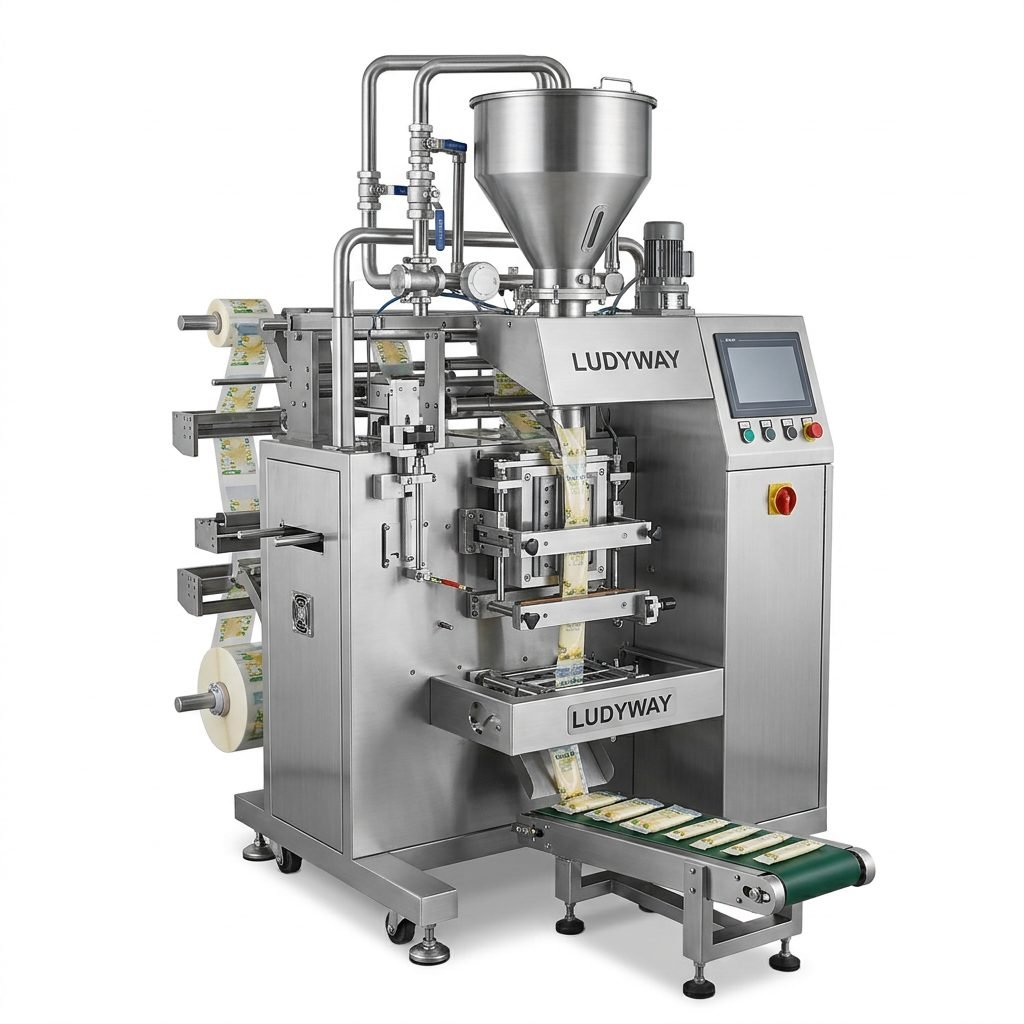
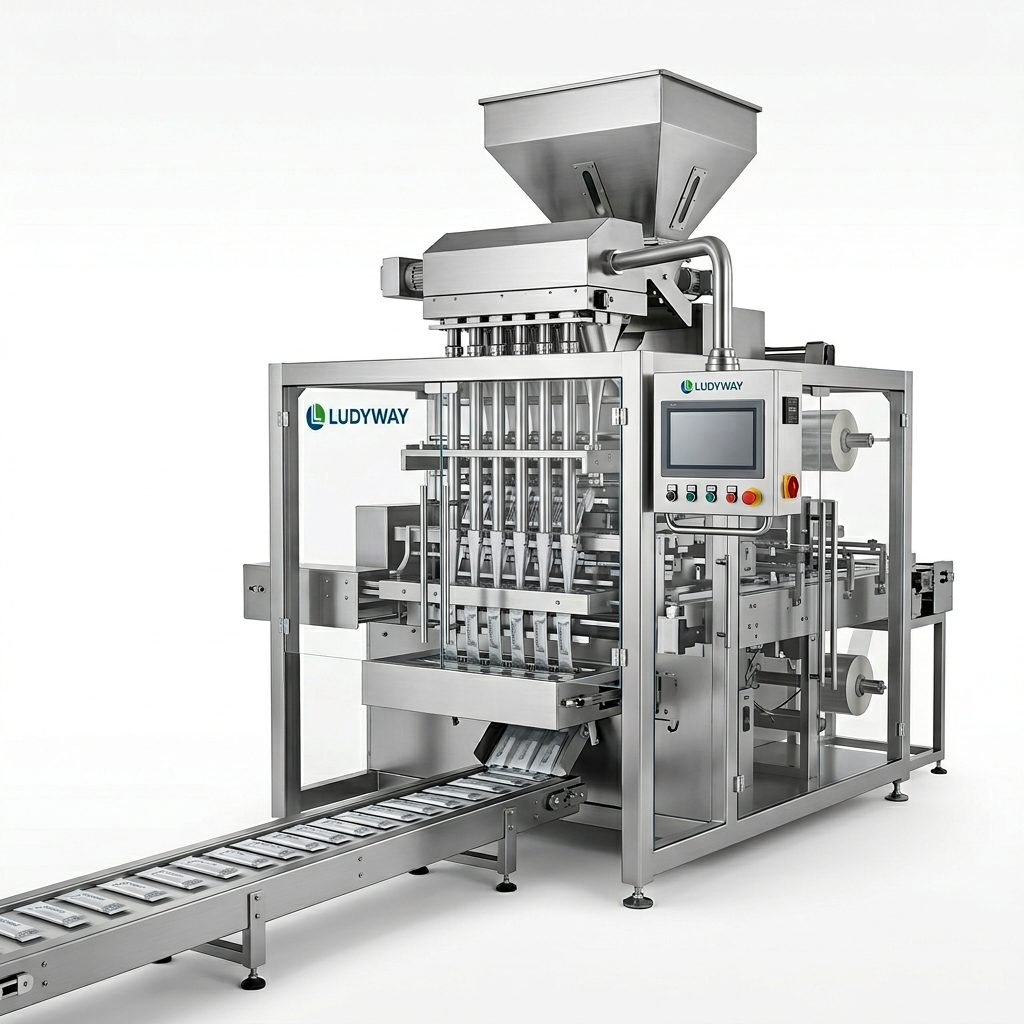
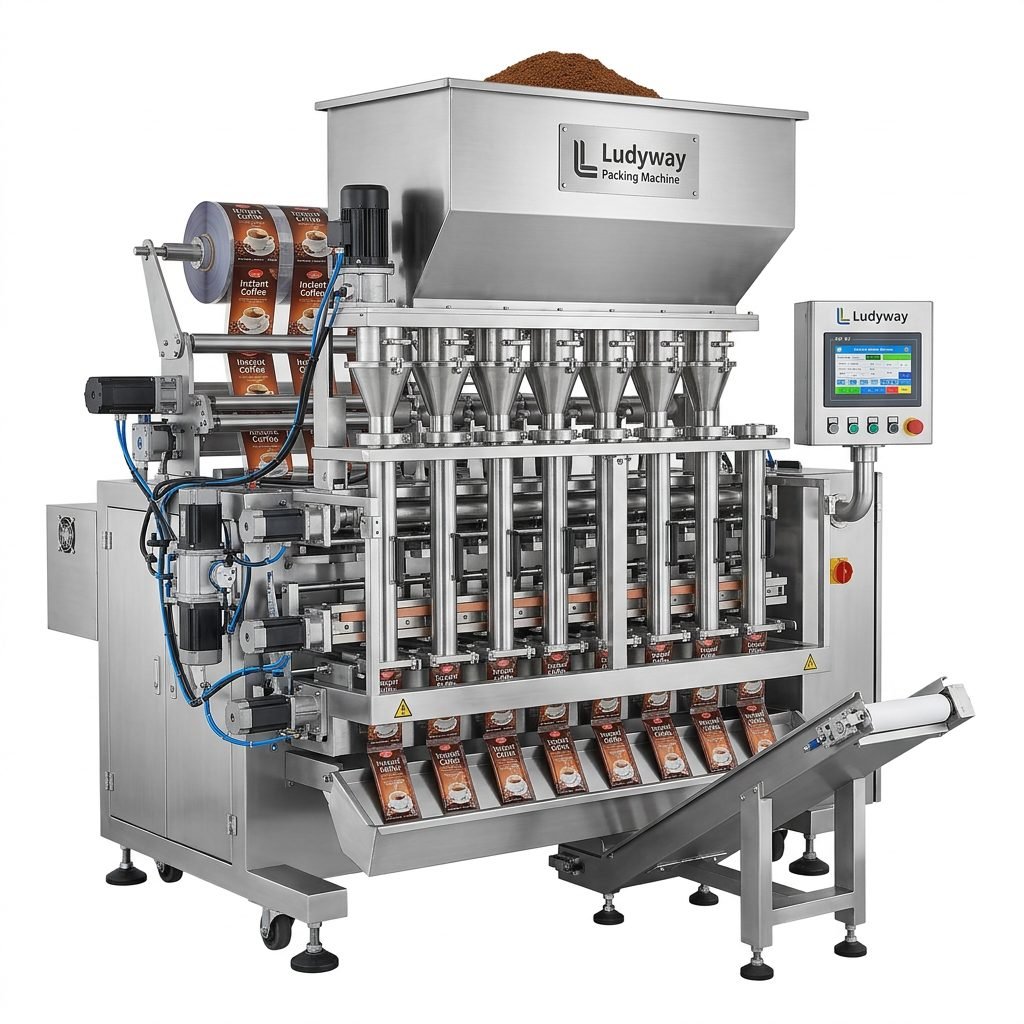
Selecting the right incense packaging machine is one of the most important equipment decisions you will make for your production line. Whether you are packaging incense sticks, cones, powders, or resin granules, the machine you choose directly affects packaging quality, production efficiency, labor costs, and long-term scalability. With dozens of machine types, configurations, and automation levels available, it is easy to feel overwhelmed. This guide walks you through every critical factor so you can invest with confidence.
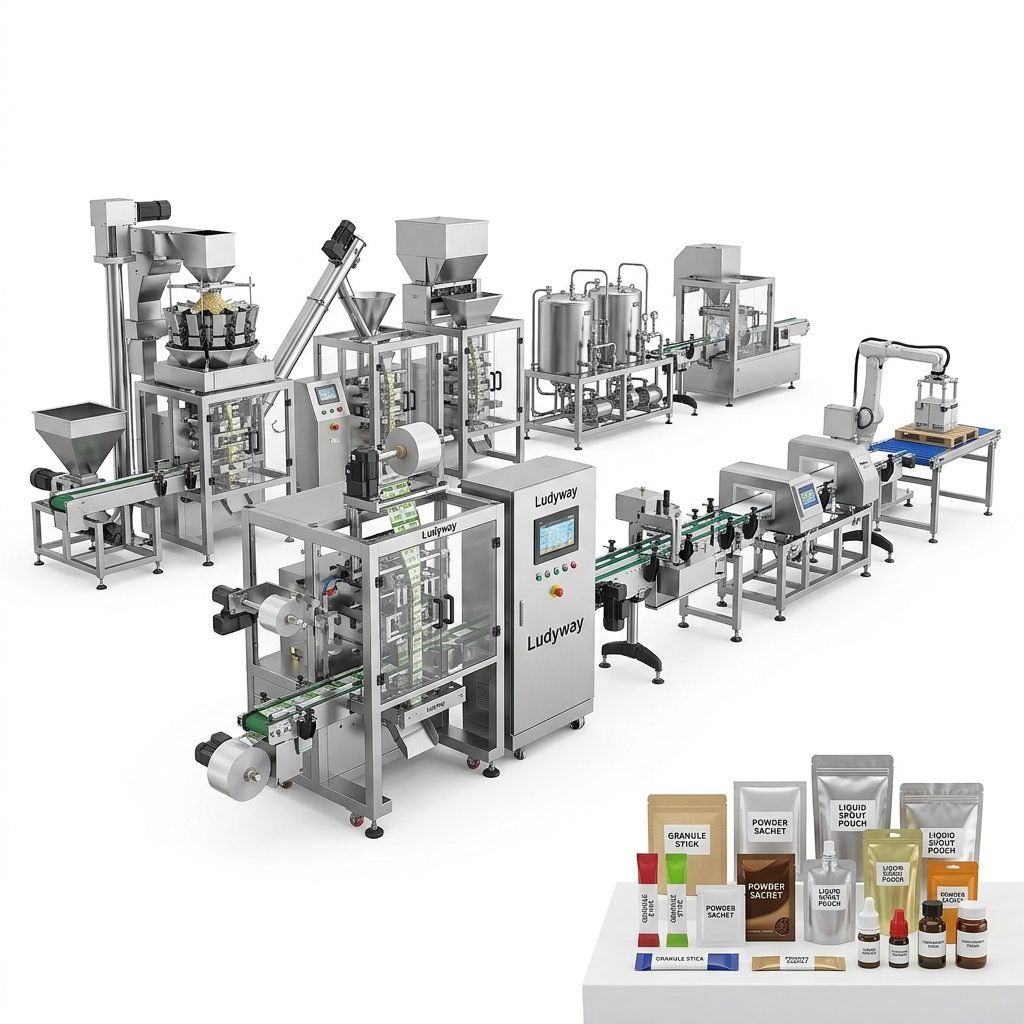
1. Understand Your Product Characteristics First
Incense products vary widely in physical form. Each form dictates a completely different feeding, dosing, and sealing approach. Before evaluating any machine, define your product precisely:
- Incense sticks (agarbatti): Fragile, require gentle handling and precise counting or grouping before wrapping. Look for machines with dedicated stick collation and flow-wrapping modules.
- Incense cones: Often packed in small quantities in boxes or pouches. Volumetric or multi-head weigher-based counting systems are common.
- Incense powders and granules: Free-flowing or semi-free-flowing characteristics determine whether you need auger fillers, vibratory feeders, or multi-head combination weighers. Powder density and dust generation must be considered.
- Resin-based incense: Sticky or hygroscopic products may require specialized hoppers, agitators, and temperature-controlled filling environments to prevent clogging.
- Mixed or blended incense: Products containing both granules and powders, or products with variable particle sizes, need dosing systems that handle inconsistency without segregation.
A mismatch between product characteristics and machine design leads to inaccurate fills, product damage, excessive waste, and frequent downtime. According to PMMI industry data, product variability remains one of the top reasons packaging machinery projects fail to meet performance targets.
2. Choose the Right Packaging Format and Bag Style
Your packaging format determines which machine category you need. Incense products are commonly packaged in the following styles:
| Packaging Format | Machine Type | Best Suited For |
|---|---|---|
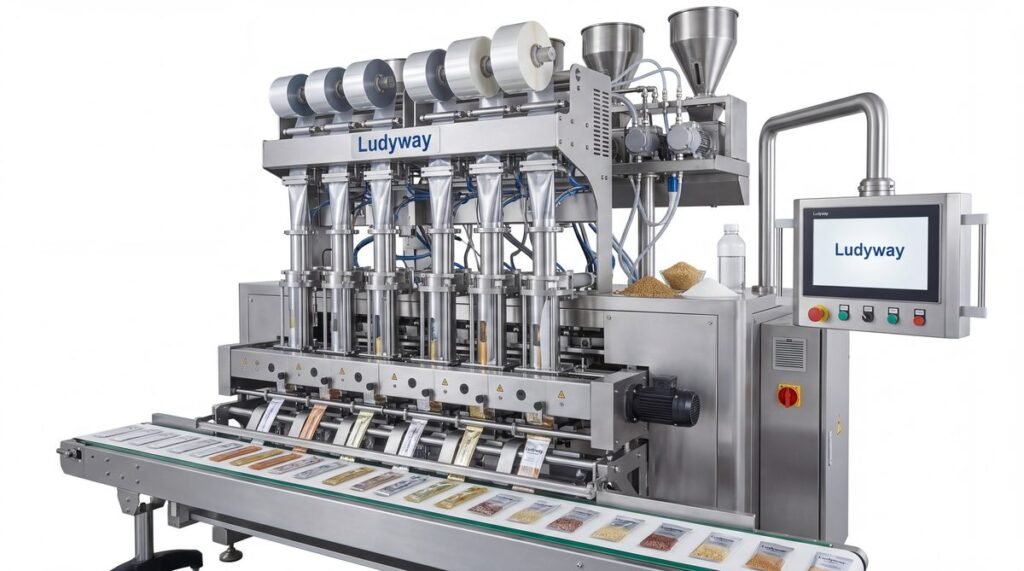
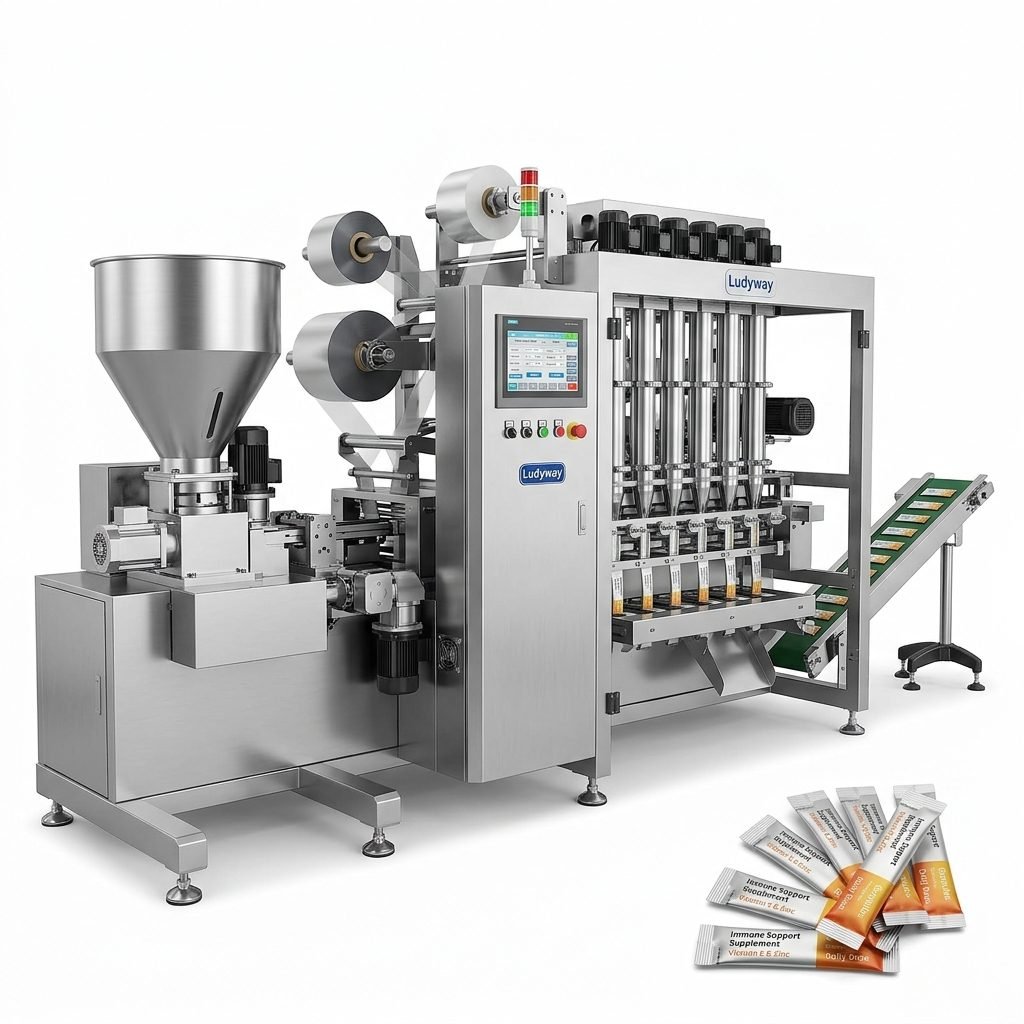
| Stick packs / sachets | Multi-lane stick pack or sachet machine | Single-use incense powder portions, travel-size packs |
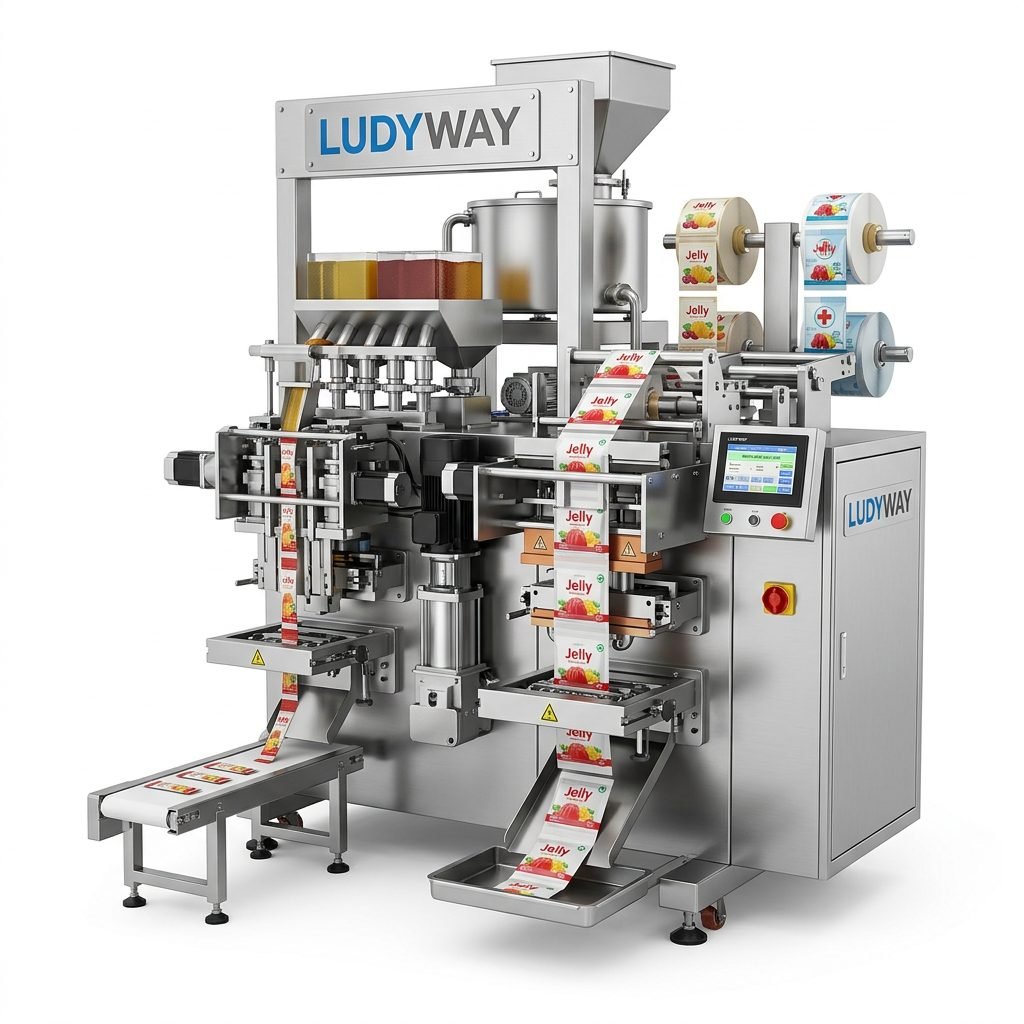
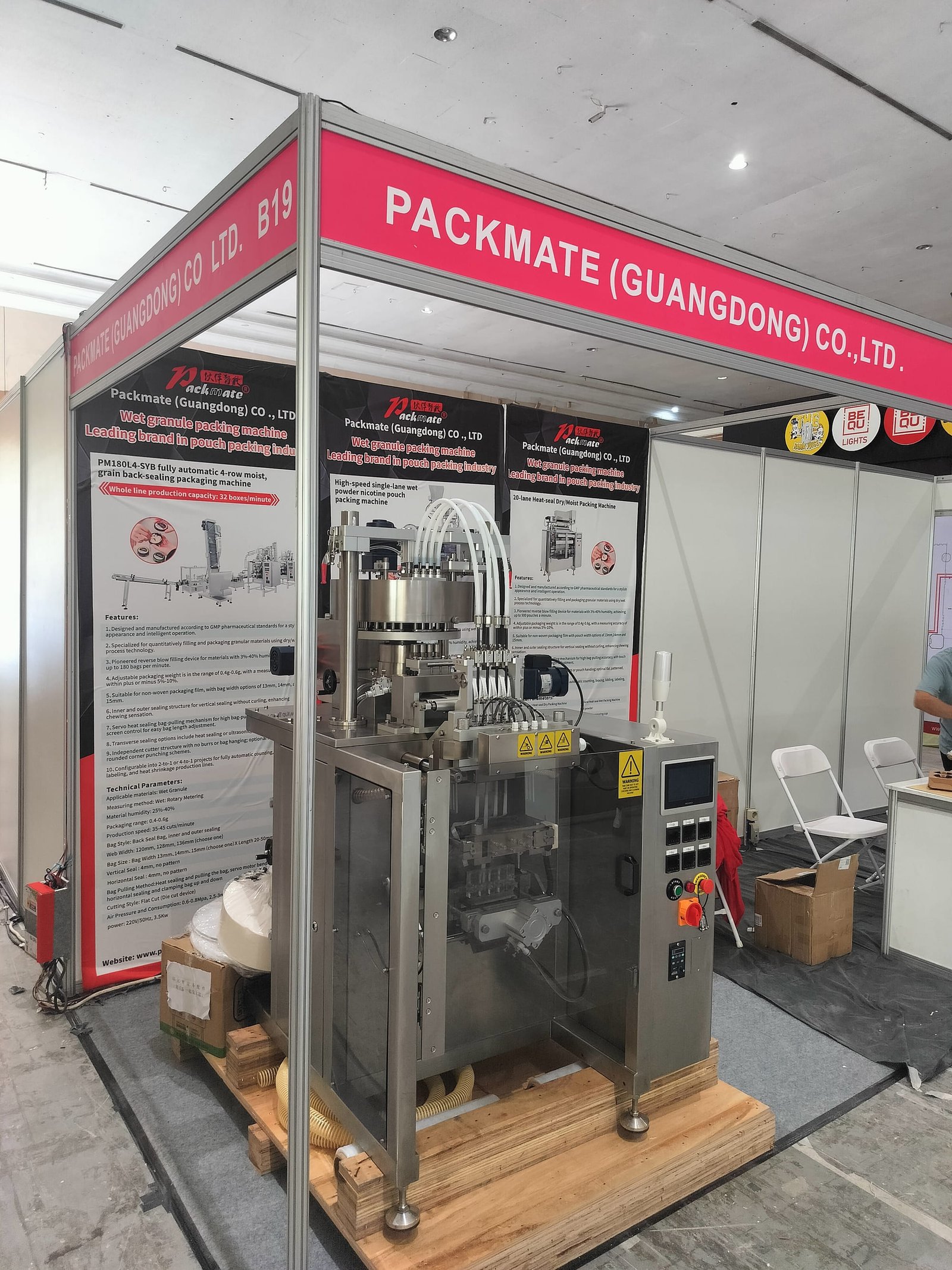
| Flat pouches / pillow bags | Vertical form-fill-seal (VFFS) machine | Bulk incense granules, resin packs, cone multipacks |
| Stand-up pouches / zipper bags | Premade pouch rotary or inline filling machine | Premium retail incense, resealable consumer packs |
| Boxed incense sticks | Flow-wrapper or cartoning system | Traditional agarbatti boxes, gift sets |
| Bulk bags (1kg–25kg) | Open-mouth bagging or valve bag machine | Wholesale incense powder, industrial supply |
Multi-format flexibility is increasingly important. Many manufacturers now produce incense in multiple formats — stick packs for convenience, pouches for retail, and bulk bags for industrial distribution. Selecting a machine platform that can be reconfigured across formats with minimal changeover time provides significant operational flexibility.
3. Evaluate Production Speed and Capacity Requirements
Speed specifications on a datasheet do not always reflect real-world output. When assessing production speed, consider the following:
- Rated speed vs. sustained speed: A machine rated at 80 packs per minute may realistically sustain only 55–65 packs per minute depending on product characteristics, film quality, and operator skill.
- Multi-lane configuration: For high-volume incense powder or granule packaging, multi-lane machines running 4, 6, 8, or even 12 lanes simultaneously multiply output without proportionally increasing floor space or operator headcount.
- Changeover time: If you run multiple incense varieties or packaging sizes on the same line, fast changeover is critical. Look for tool-less adjustments, recipe-based PLC settings, and quick-release filling modules.
- Upstream and downstream integration: The packaging machine is only one link in the chain. Feeding systems, checkweighers, metal detectors, coding units, and cartoners must all match the line speed to avoid bottlenecks.
4. Automation Level: From Semi-Automatic to Fully Integrated Lines
The level of automation you choose has profound implications for labor requirements, consistency, and return on investment:
- Semi-automatic machines: Suitable for startups and low-volume artisanal incense producers. Operators manually feed products, initiate cycles, and remove finished packs. Lower upfront cost but higher per-unit labor cost.
- Fully automatic standalone machines: Automated feeding, filling, sealing, and discharge. One operator can typically oversee multiple machines. Suitable for medium-scale production.
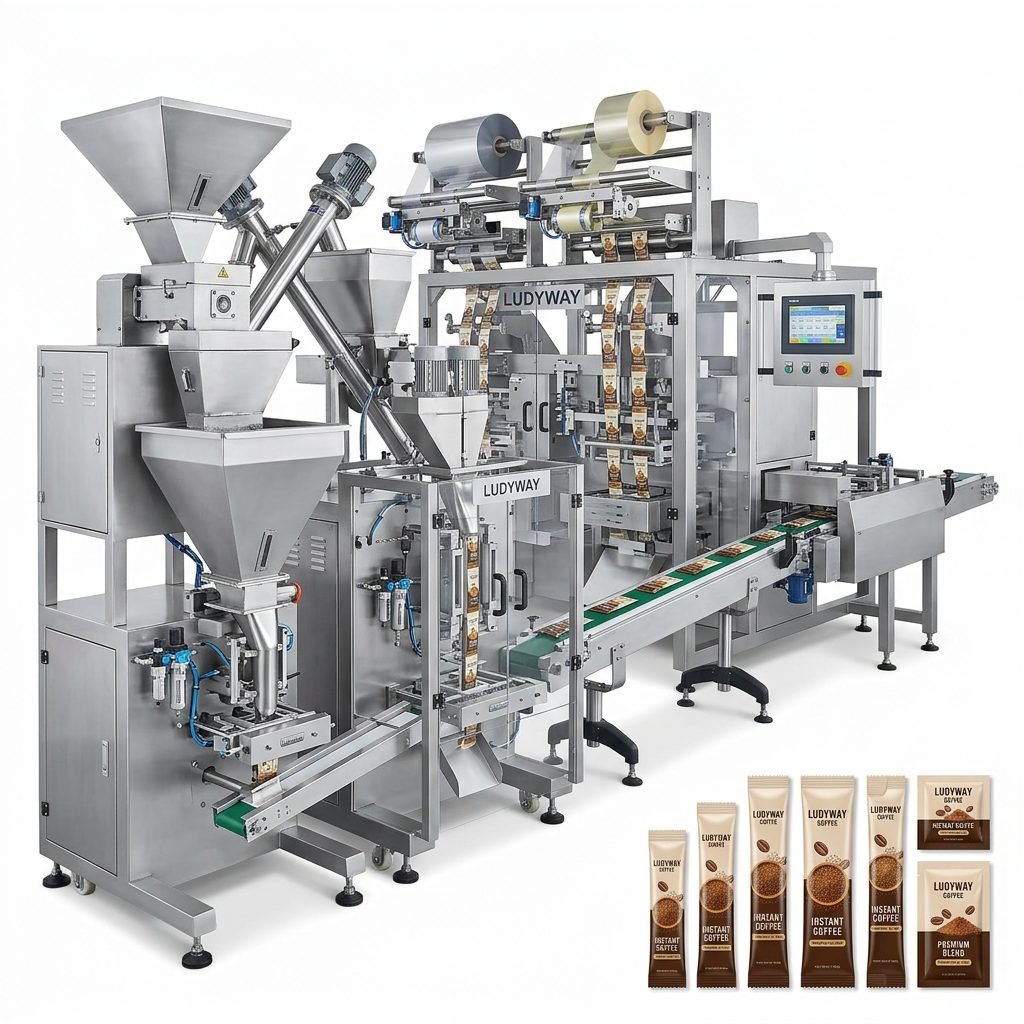
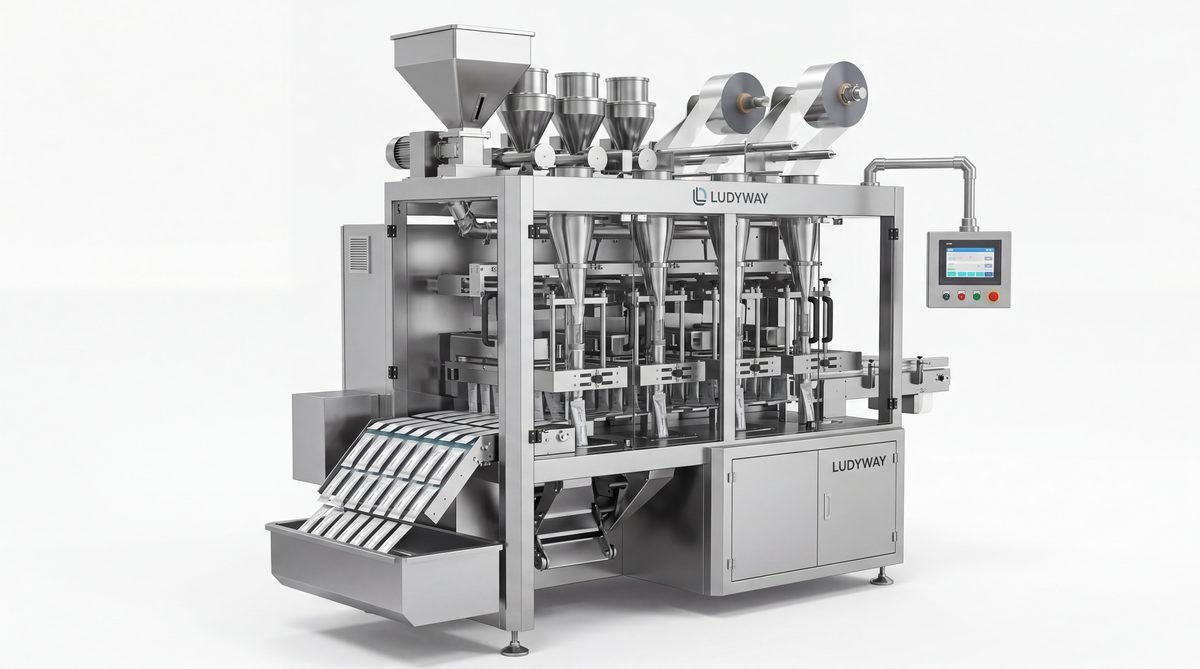
- Integrated turnkey packaging lines: Combine automatic feeding, multi-lane filling, checkweighing, metal detection, coding, cartoning, and palletizing into a single synchronized system. These lines minimize manual handling, reduce contamination risk, and deliver the highest throughput for large-scale incense manufacturers.
5. Packaging Material Compatibility and Seal Integrity
Incense products — particularly those with essential oils or resins — can interact with packaging materials and affect flexible packaging performance. Seal integrity is paramount for preserving fragrance, preventing leakage, and ensuring shelf appeal. Key considerations include:
- Film compatibility: The machine must handle your chosen laminate structures — PET/PE, BOPP/CPP, aluminum foil laminates, or paper-based materials — without wrinkling, stretching, or misalignment.
- Sealing temperature and pressure control: Precise digital temperature controllers and adjustable sealing jaw pressure ensure consistent, leak-proof seals across different film thicknesses and materials.
- Gas flushing capability: For premium incense products, nitrogen flushing or vacuum-sealing extends shelf life by preventing oxidation of volatile fragrance compounds.
- Resealable features: Zipper applicators and tear notches are increasingly demanded for consumer convenience and can be integrated into compatible machine platforms.
6. Machine Quality, Hygiene, and Regulatory Compliance
If your incense products include ingredients that are applied to skin, used in wellness settings, or exported to regulated markets, machine construction quality matters directly. Look for:
- Stainless steel product-contact parts (SUS304 or SUS316L): Essential for product safety, corrosion resistance, and cleanability.
- GMP-compliant design: Sloped surfaces, minimal crevices, easy disassembly, and sealed electrical enclosures support hygienic production.
- International certifications: CE marking for European markets, FDA-compliant materials for U.S. markets, and adherence to ISO packaging standards demonstrate a manufacturer’s commitment to quality and global market readiness.
- Trusted component brands: Machines built with Siemens PLCs, Schneider electrical components, SMC pneumatics, and Omron sensors tend to offer greater reliability, global spare parts availability, and longer service life.
7. Customization and Engineering Support
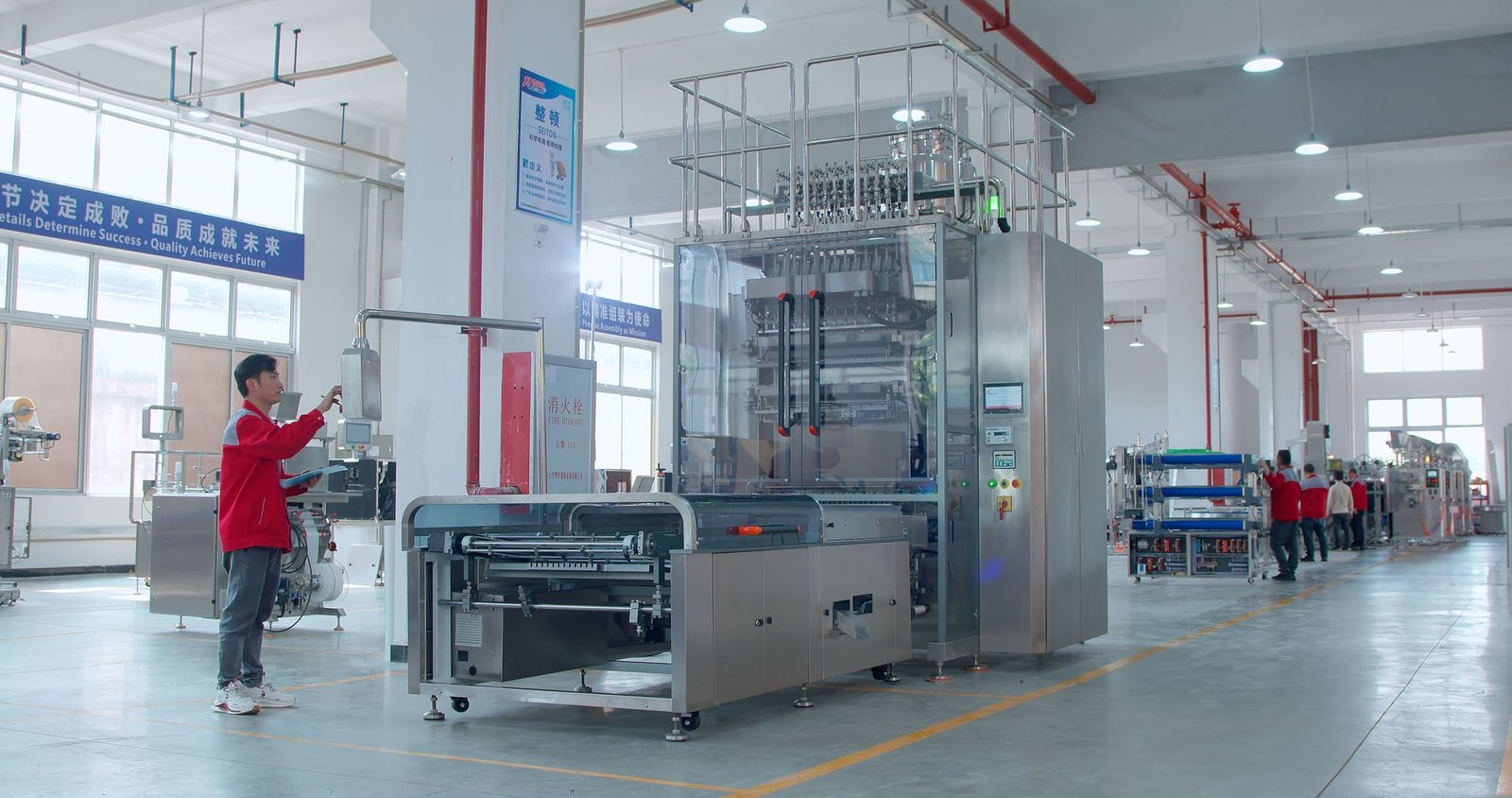
No two incense manufacturers have identical requirements. Product characteristics, packaging formats, bag dimensions, fill weights, production speeds, and factory layouts all influence the optimal machine configuration. When evaluating machinery from established providers such as Ludyway Machinery — a China-based packaging machinery manufacturer with more than 30 years of experience — the ability to customize equipment rather than settle for off-the-shelf solutions is a significant advantage. A capable engineering team can evaluate your product samples, recommend appropriate dosing technologies, design custom forming tubes for your bag dimensions, and integrate feeding, coding, inspection, and secondary packaging modules into a seamless line.
8. Total Cost of Ownership and Return on Investment
Purchase price alone is a misleading metric. A lower-cost machine that suffers frequent downtime, produces inconsistent seals, or requires excessive manual intervention can cost far more over its lifetime than a well-engineered system with a higher initial investment. Evaluate:
| Cost Factor | What to Assess |
|---|---|
| Initial equipment cost | Machine price, tooling, installation, and commissioning |
| Spare parts availability | Global parts network, common component brands, lead times |
| Consumables and film waste | Film utilization rate, startup waste, splice loss |
| Energy consumption | Installed power, heating element efficiency, idle power draw |
| Labor savings | Operator headcount reduction vs. manual or semi-auto processes |
| Maintenance and service | Planned maintenance intervals, remote support capabilities, local service partners |
9. After-Sales Support and Spare Parts Availability
Even the best packaging machine requires service, maintenance, and occasional spare parts. Before purchasing, verify:
- Remote technical support: Can the manufacturer diagnose issues via video call or remote PLC access? Rapid remote troubleshooting reduces downtime dramatically.
- Spare parts inventory: Does the supplier maintain a comprehensive spare parts stock and offer express shipping to your region?
- Operator training: Proper training during installation and commissioning ensures your team can operate, clean, and perform routine maintenance independently.
- Documentation quality: Comprehensive manuals, electrical schematics, and maintenance guides in your language are essential for ongoing operation.
- Global service network: Manufacturers serving more than 100 countries typically have established logistics, documentation practices, and support processes for international customers.
10. Future-Proofing Your Investment
A packaging machine is a long-term asset. Consider how your needs may evolve:
- Modular design: Can the machine be upgraded with additional lanes, new filling systems, or secondary packaging modules as your business grows?
- New product introductions: If you plan to launch new incense formats (e.g., moving from powder sachets to cone packs), can the machine handle the new format with minimal modification?
- Industry 4.0 readiness: Machines with PLC-based controls, data logging, and network connectivity enable production monitoring, predictive maintenance, and integration with enterprise resource planning systems.
- Sustainability considerations: Machines optimized for mono-material films, reduced film thickness, and minimal scrap support your environmental goals and align with evolving packaging regulations.
The PMMI business intelligence library provides valuable market data and trend analysis that can help you align your equipment investment with broader industry direction.
Frequently Asked Questions About Incense Packaging Machines
What is the best packaging machine for incense sticks?
For traditional incense stick packaging in boxes or bundles, a flow-wrapping machine with stick collation and automatic feeding is typically the best choice. These machines wrap grouped sticks in film, providing a tight, protective seal that preserves fragrance and prevents breakage during transport.
Can one machine handle both incense powder and granules?
Yes, many modern multi-lane packaging machines can handle both powders and granules by changing the dosing system configuration. Auger fillers work well for fine powders, while volumetric cup fillers or multi-head weighers are better suited for free-flowing granules. Discuss your full product range with the manufacturer during the evaluation stage.
How much does an incense packaging machine cost?
Prices range widely based on automation level, speed, and configuration. A basic semi-automatic machine may start at a few thousand dollars, while a fully integrated multi-lane turnkey line can represent a six-figure investment. Requesting a customized quotation based on your specific product, format, and capacity requirements will give you the most accurate pricing.
How long does it take to install and commission a packaging machine?
Installation timelines vary from a few days for a standalone machine to several weeks for a fully integrated turnkey line. Factors include machine complexity, factory readiness, operator training requirements, and whether remote or on-site support is provided.
What certifications should I look for in a packaging machine supplier?
For international markets, look for CE certification (Europe), FDA-compliant materials (United States), and adherence to applicable ISO standards for machinery safety and packaging. Reputable manufacturers provide compliance documentation and can configure equipment to meet specific regional requirements.
Choosing the right incense packaging machine is a strategic decision that impacts your product quality, production efficiency, and long-term competitiveness. By thoroughly evaluating your product characteristics, packaging format, speed requirements, automation level, material compatibility, and the manufacturer’s engineering and support capabilities, you can select a machine that serves as a reliable foundation for your business growth — not just a short-term fix.