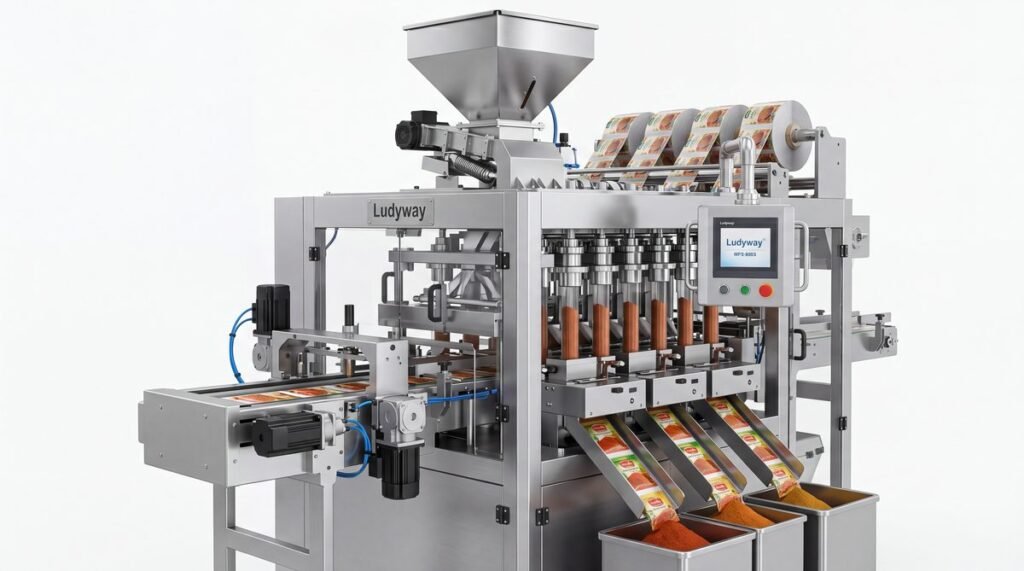
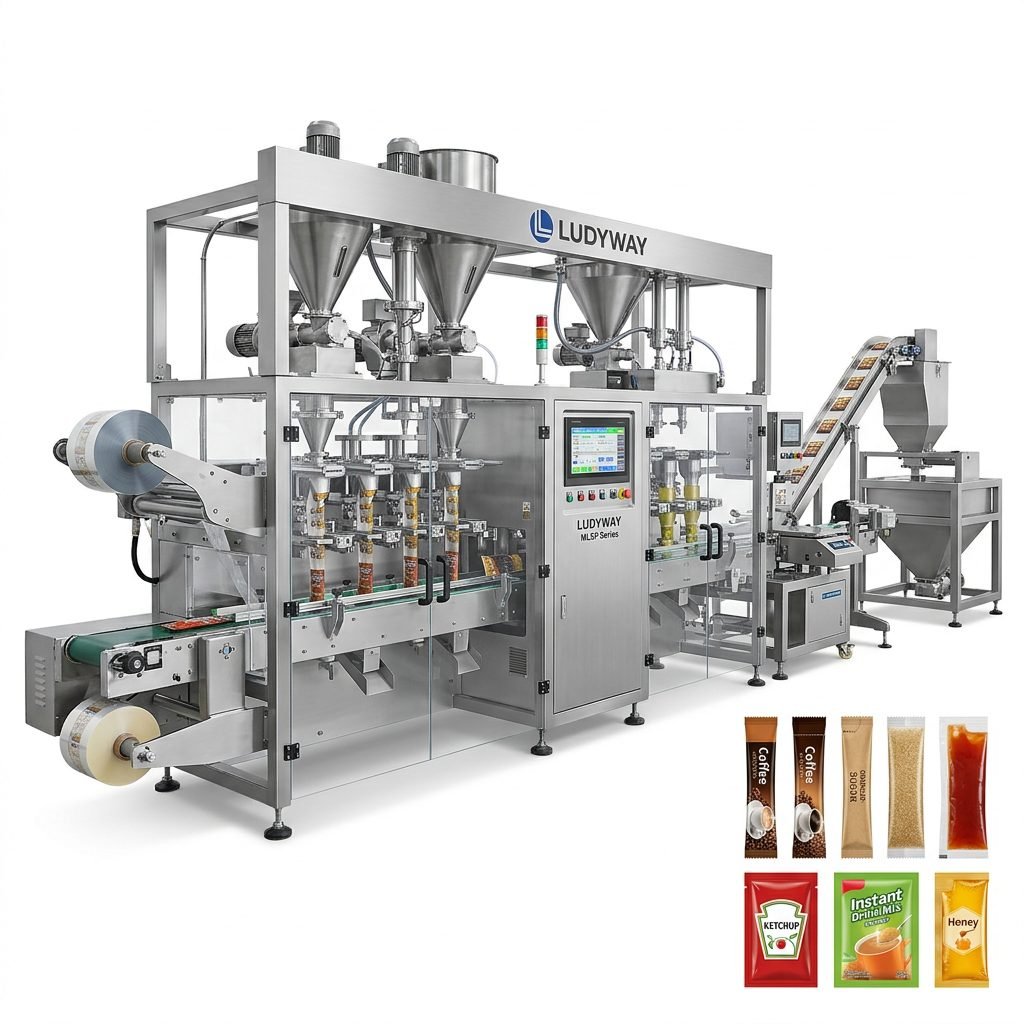
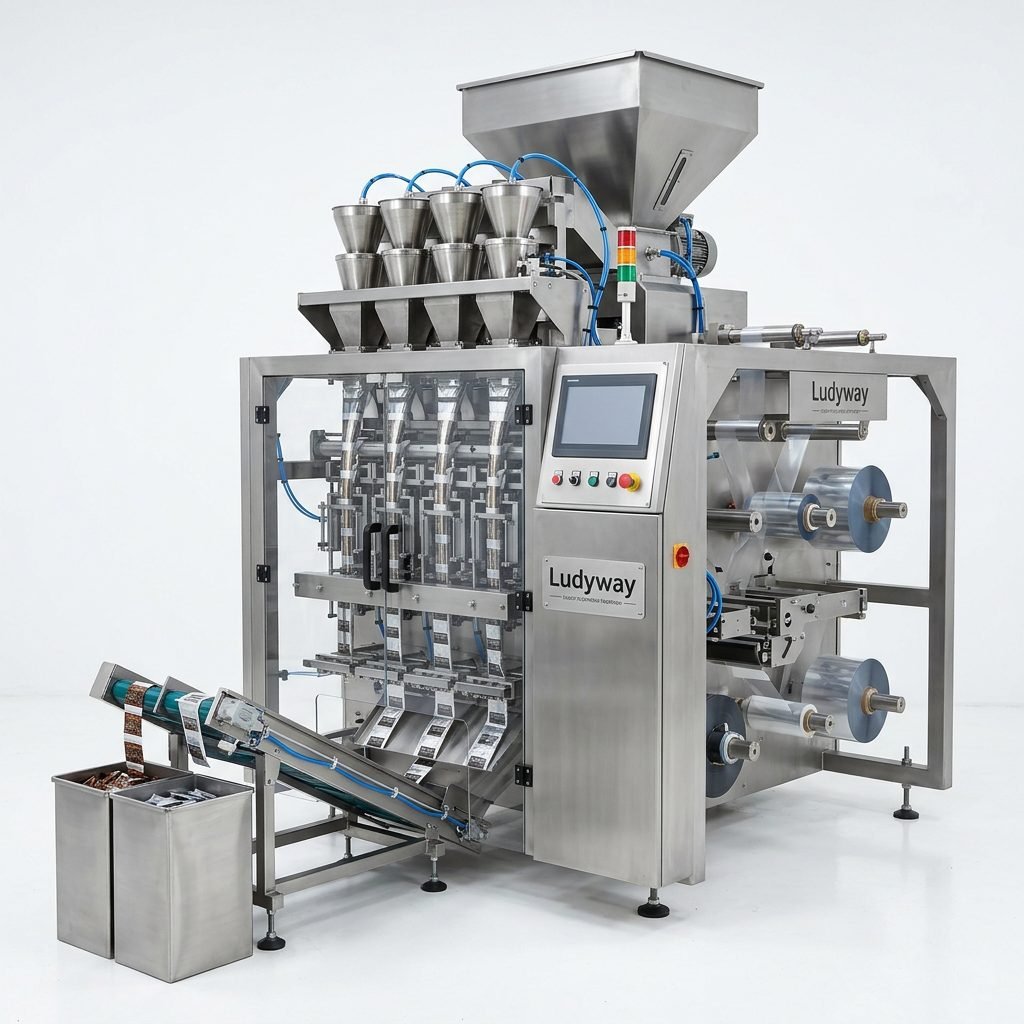
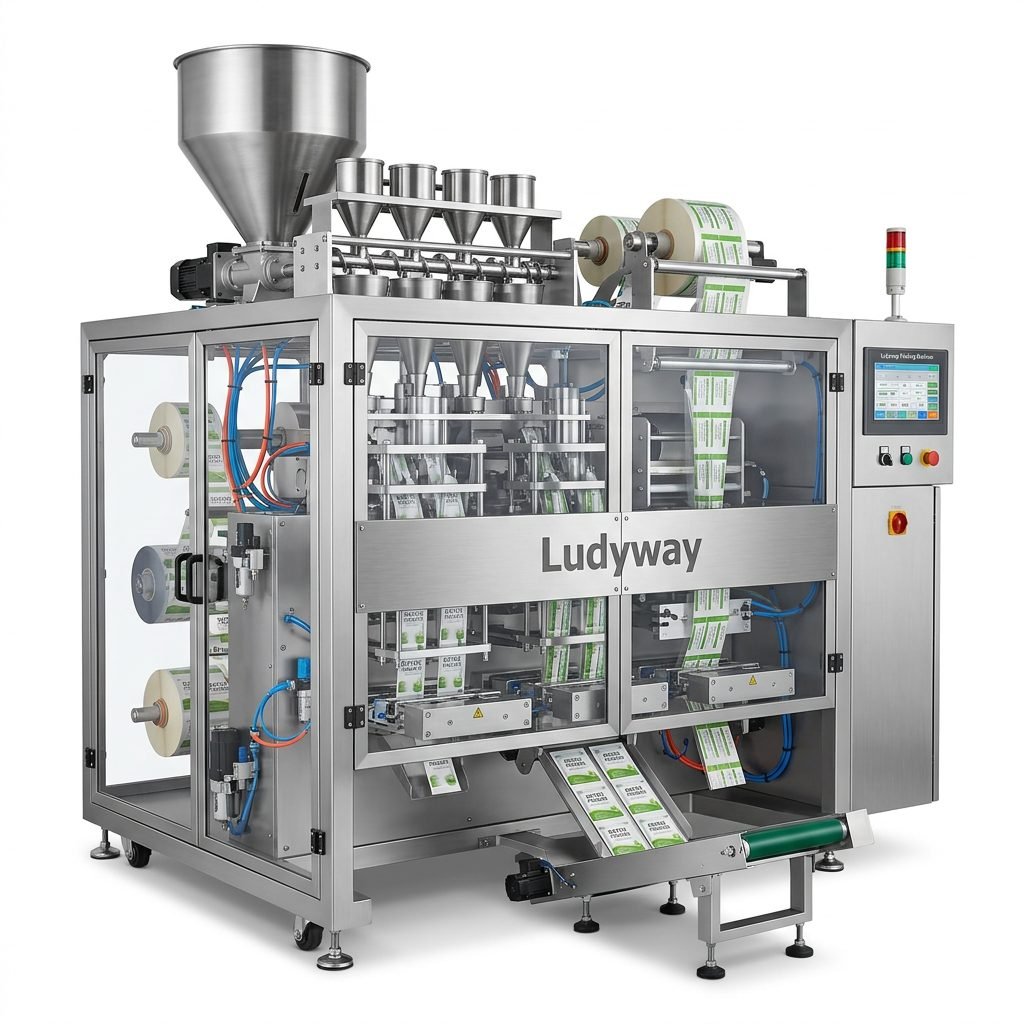
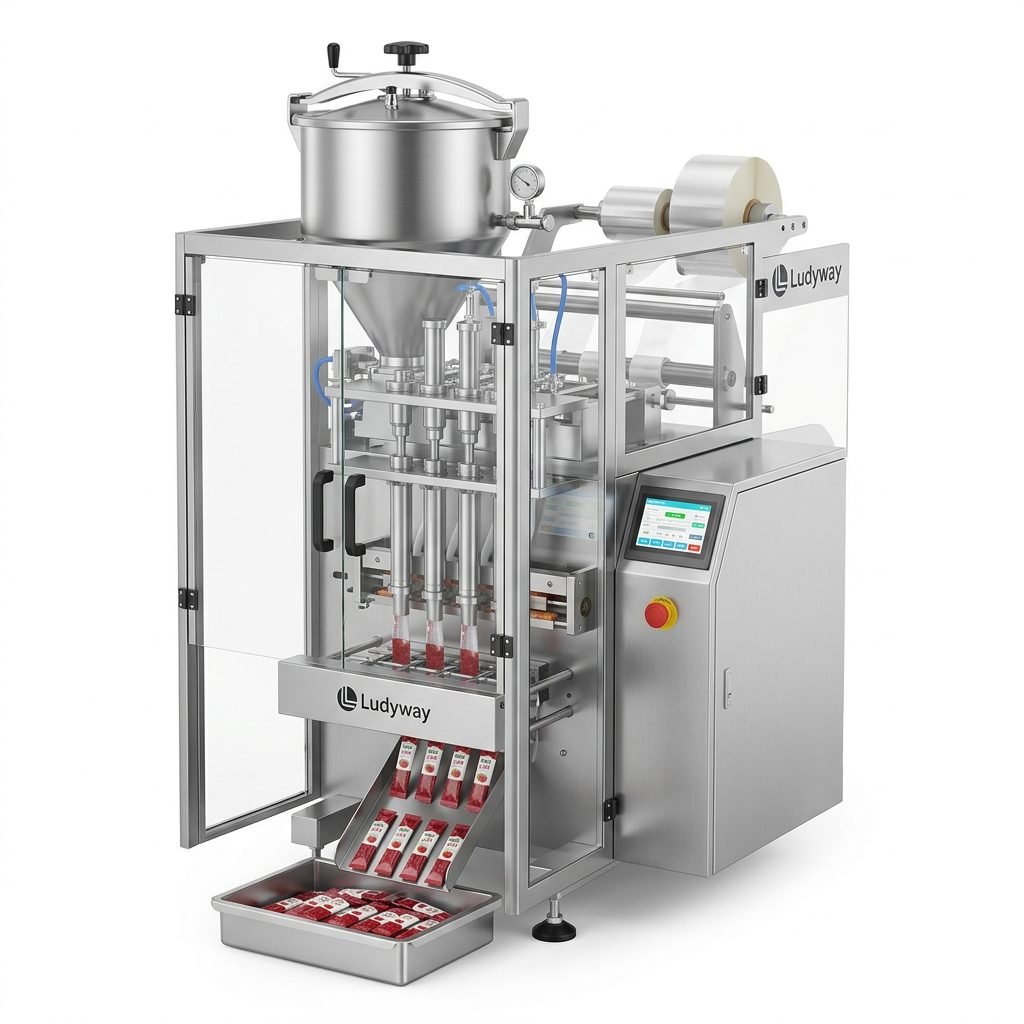
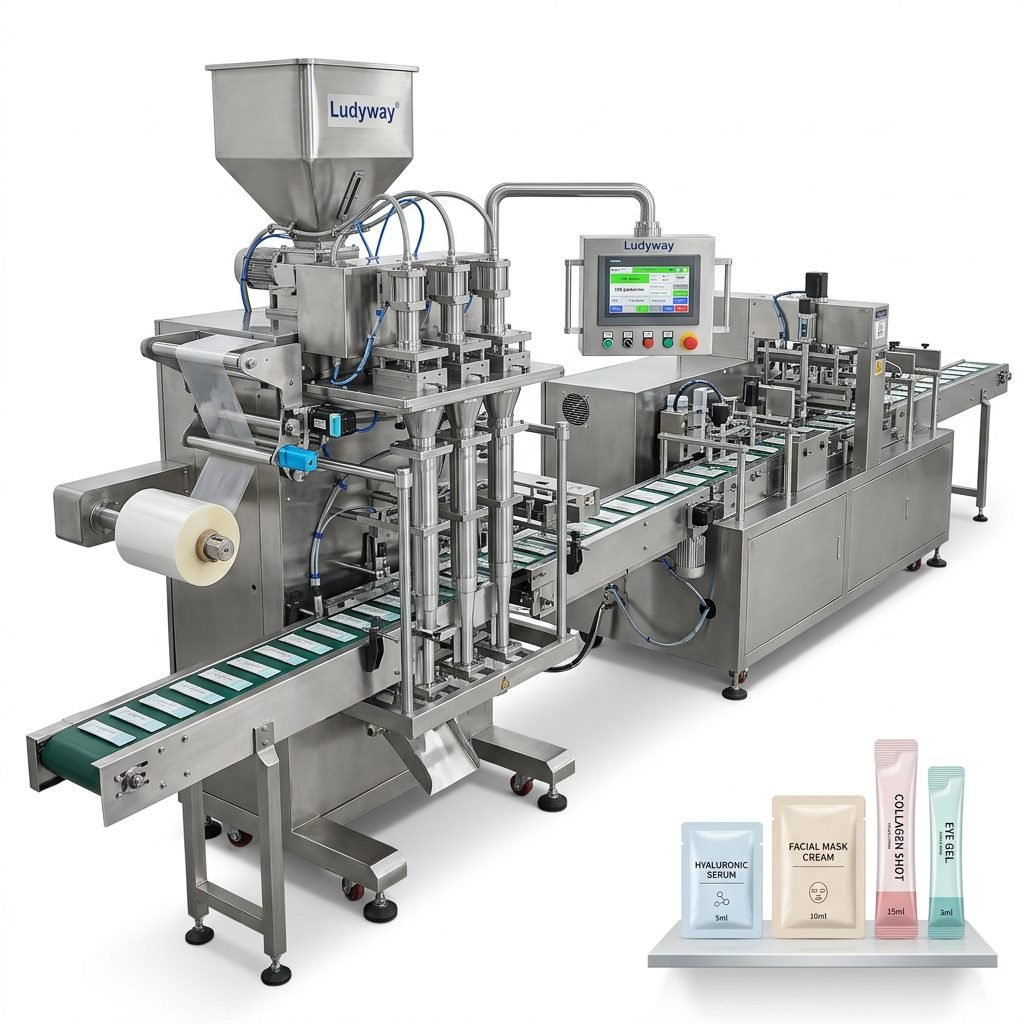
Investing in a sachet filling and sealing machine is a significant decision for manufacturers in the food, pharmaceutical, and chemical industries. The right equipment can boost production efficiency, ensure packaging consistency, and reduce operational costs. However, with so many configurations, technologies, and suppliers on the market, choosing the optimal machine requires a structured approach. This guide walks you through the key factors to evaluate before making a purchase.
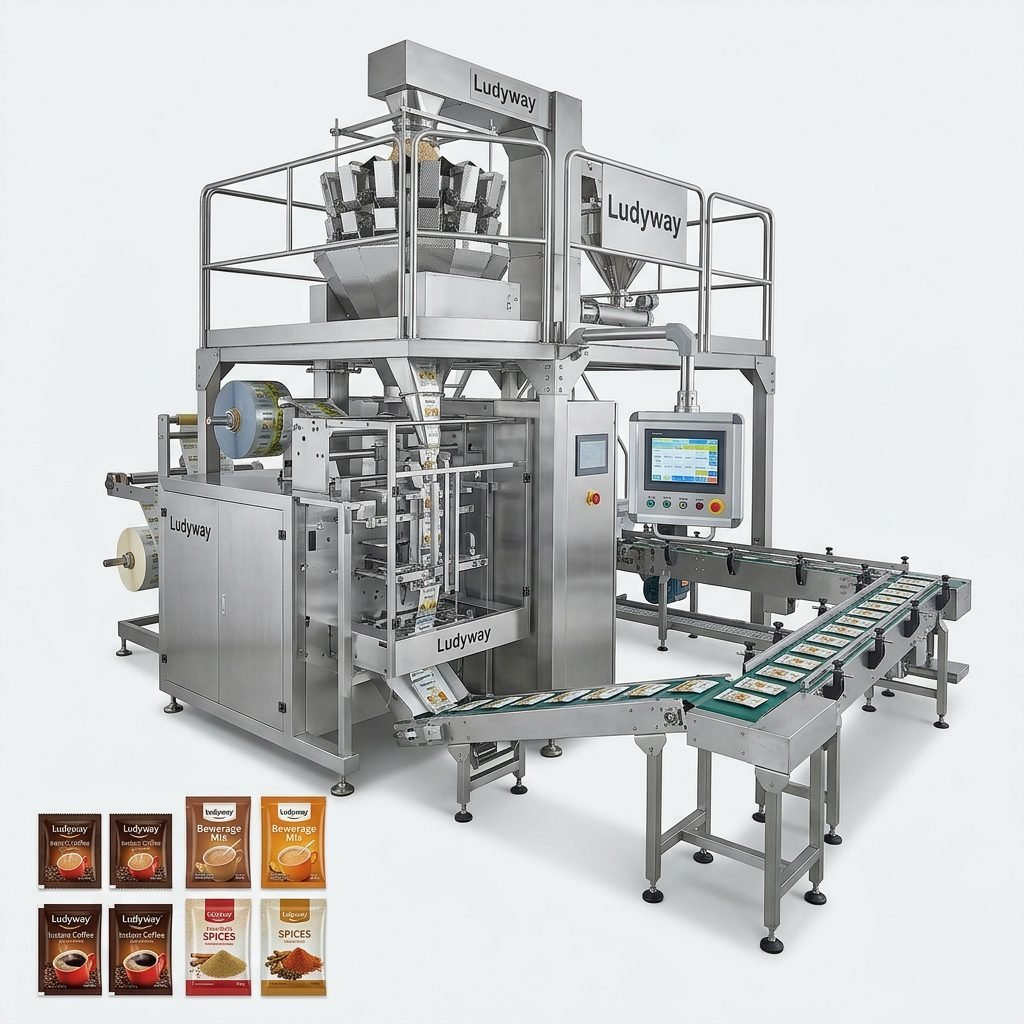
1. Define Your Product Characteristics First
Everything starts with your product. The physical and chemical properties of the material you plan to package will directly determine the dosing system, sealing mechanism, and material compatibility of the machine.
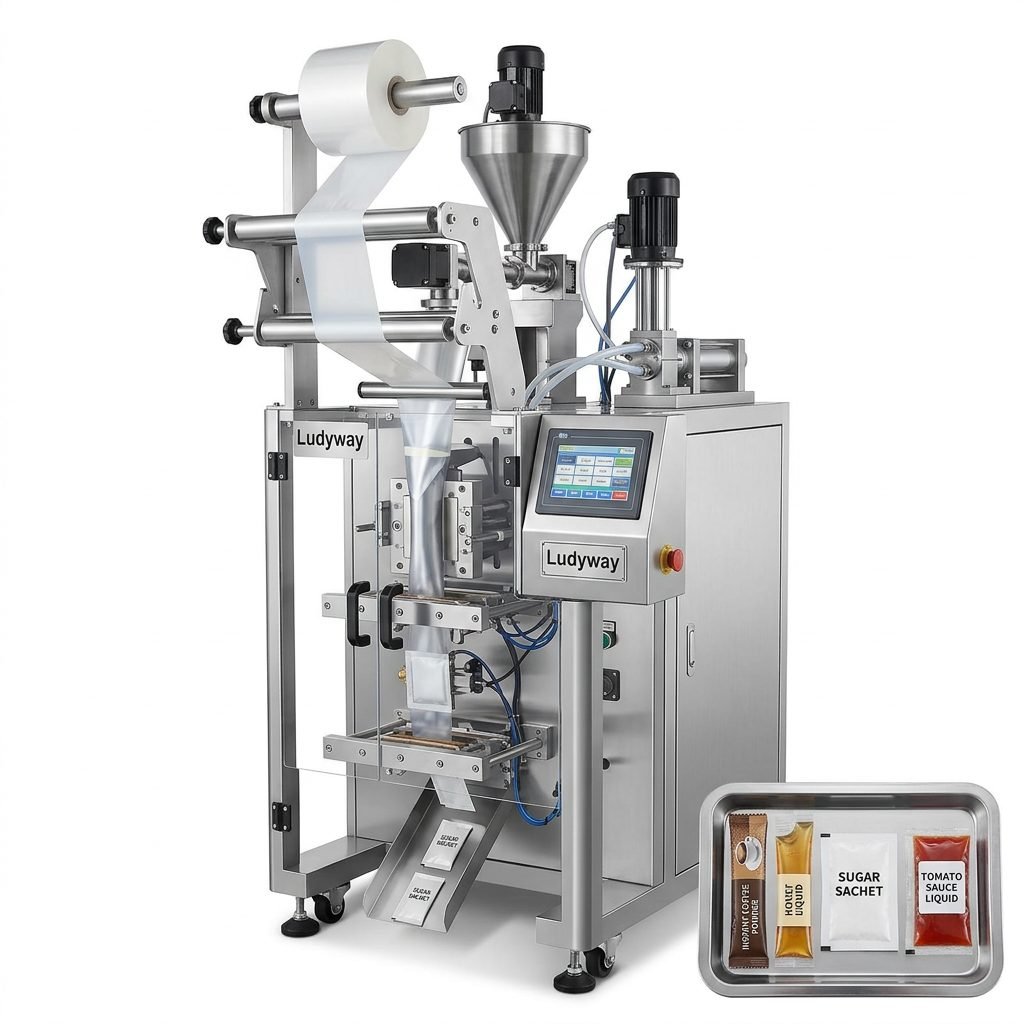
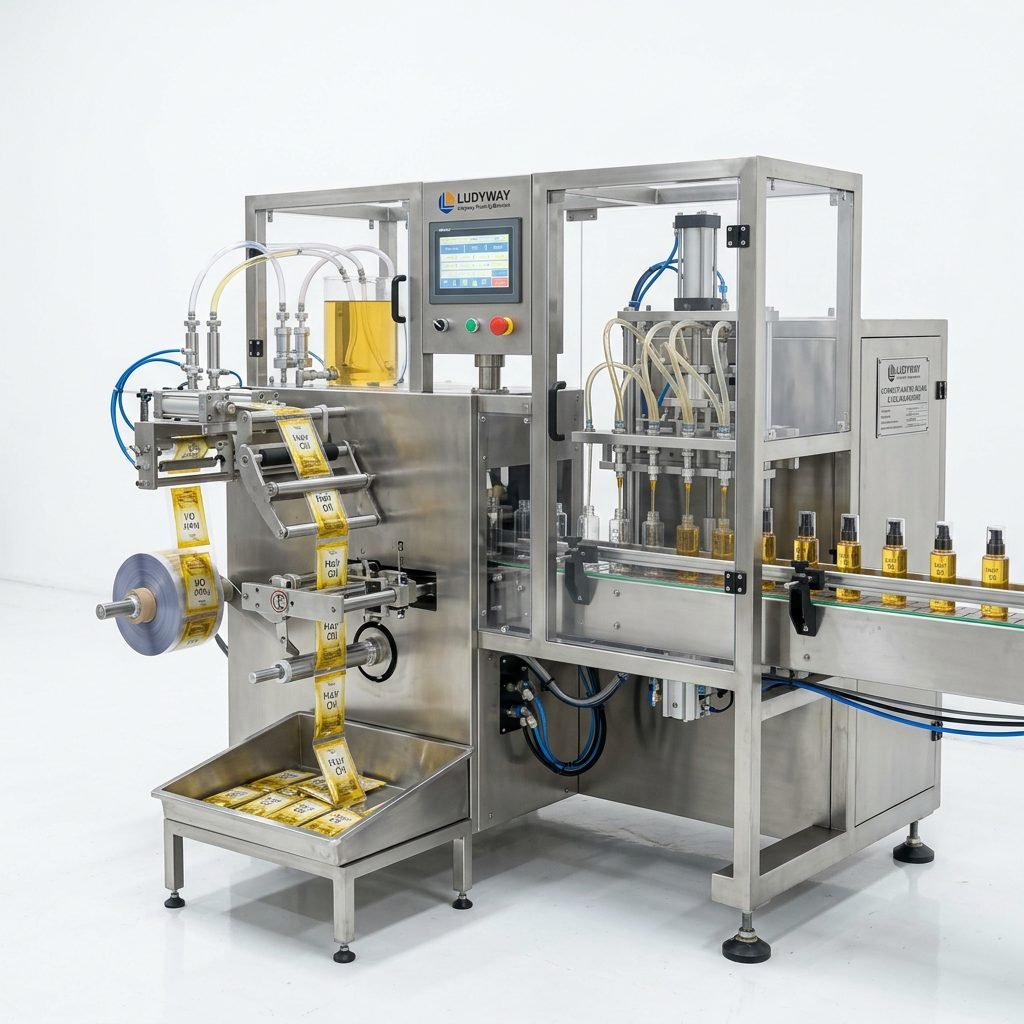
- Product form: Is it a free-flowing powder, a sticky granule, a paste, or a liquid? Each form requires a specific filling system — auger fillers for powders, piston fillers for liquids and pastes, and volumetric or multi-head weighers for granules.
- Flow behavior: Some powders clump, bridge, or generate dust. These characteristics affect hopper design, agitation requirements, and dust extraction needs.
- Sensitivity: Hygroscopic, oxygen-sensitive, or light-sensitive products may require nitrogen flushing, barrier films, or special sealing conditions.
Before contacting suppliers, document your product’s bulk density, particle size distribution, moisture content, and any specific handling requirements. This information will help packaging professionals recommend the most appropriate dosing and sealing configuration.
2. Understand Your Packaging Material and Bag Specifications
The sachet material and bag dimensions are equally critical in machine selection. Not all machines can handle every film type or produce every bag format.
| Packaging Material | Typical Sealing Method | Key Consideration |
|---|---|---|
| Laminated films (PET/AL/PE) | Heat sealing (constant or impulse) | Most common for sachets; good barrier properties |
| Paper-based laminates | Heat sealing with coating | Often used in food and pharmaceutical industries |
| Aluminum foil laminates | Heat sealing with precise temperature control | Excellent for moisture and oxygen barrier |
| Mono-materials (recyclable films) | Heat sealing with tighter temperature window | Growing demand for sustainable packaging |
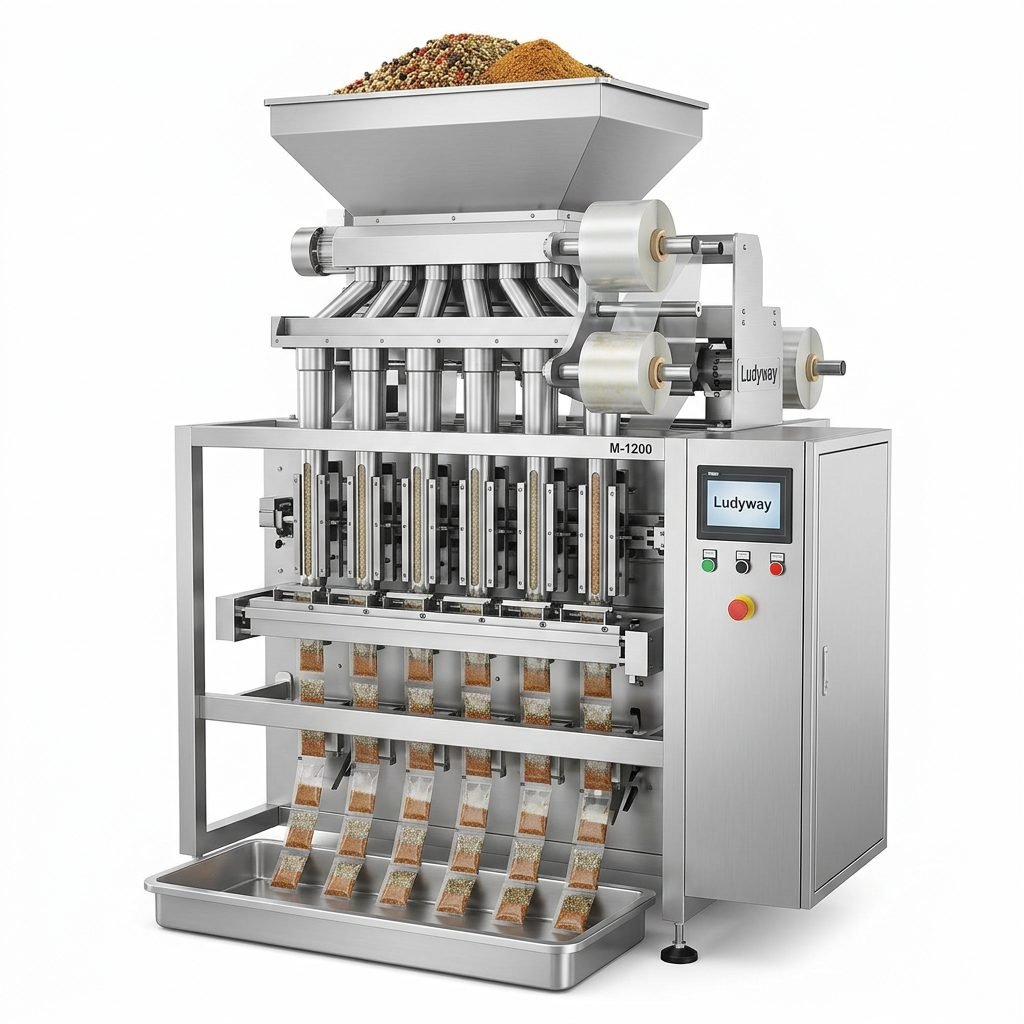
Specify your required bag width, length, and seal type — whether it’s a three-side seal, four-side seal, or stick pack format. Multi-lane machines can be configured for different lane counts depending on your target output per minute and bag dimensions.
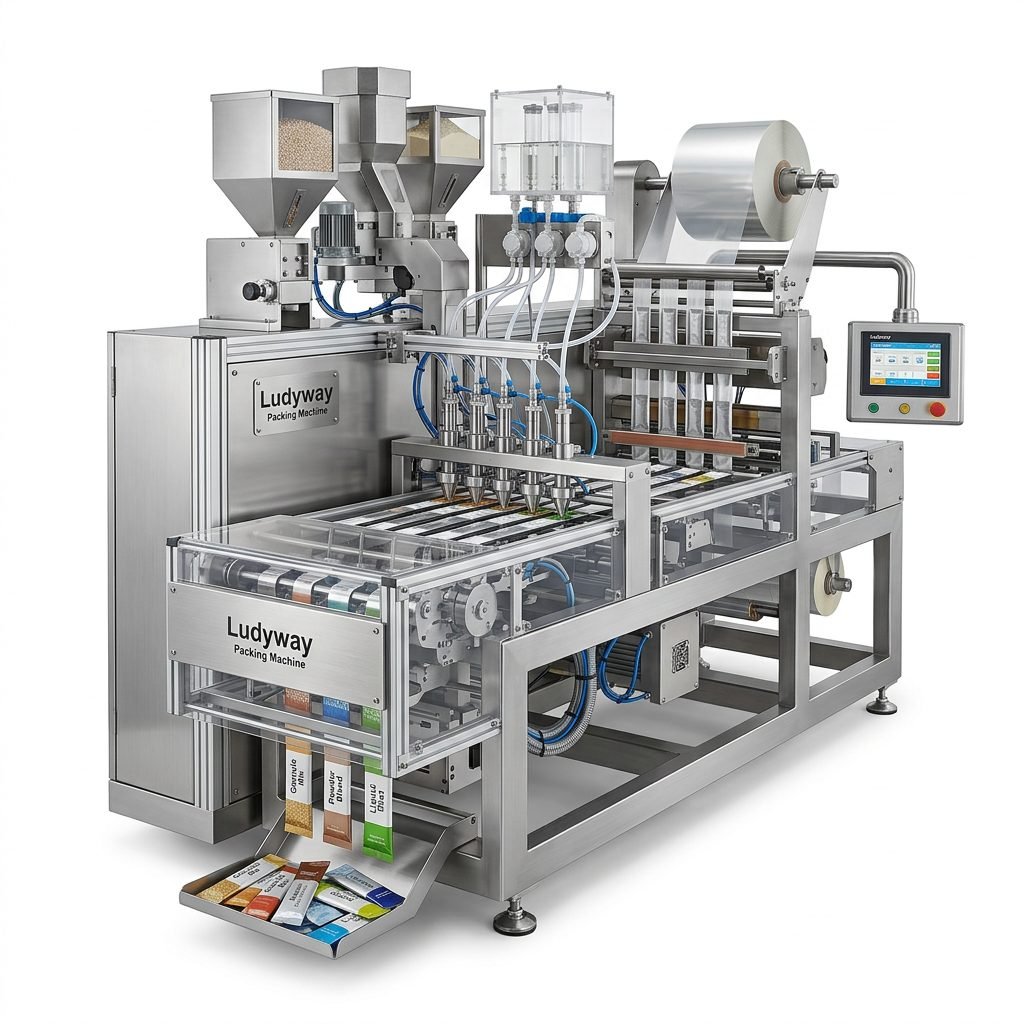
3. Assess Production Speed and Automation Level
Your current and projected production volume directly influences the machine category. Understanding the difference between intermittent and continuous motion machines is essential.
- Intermittent motion: The film stops for filling and sealing. Suitable for lower to medium speeds (typically up to 60-80 packs per minute per lane). Generally more affordable and simpler to maintain.
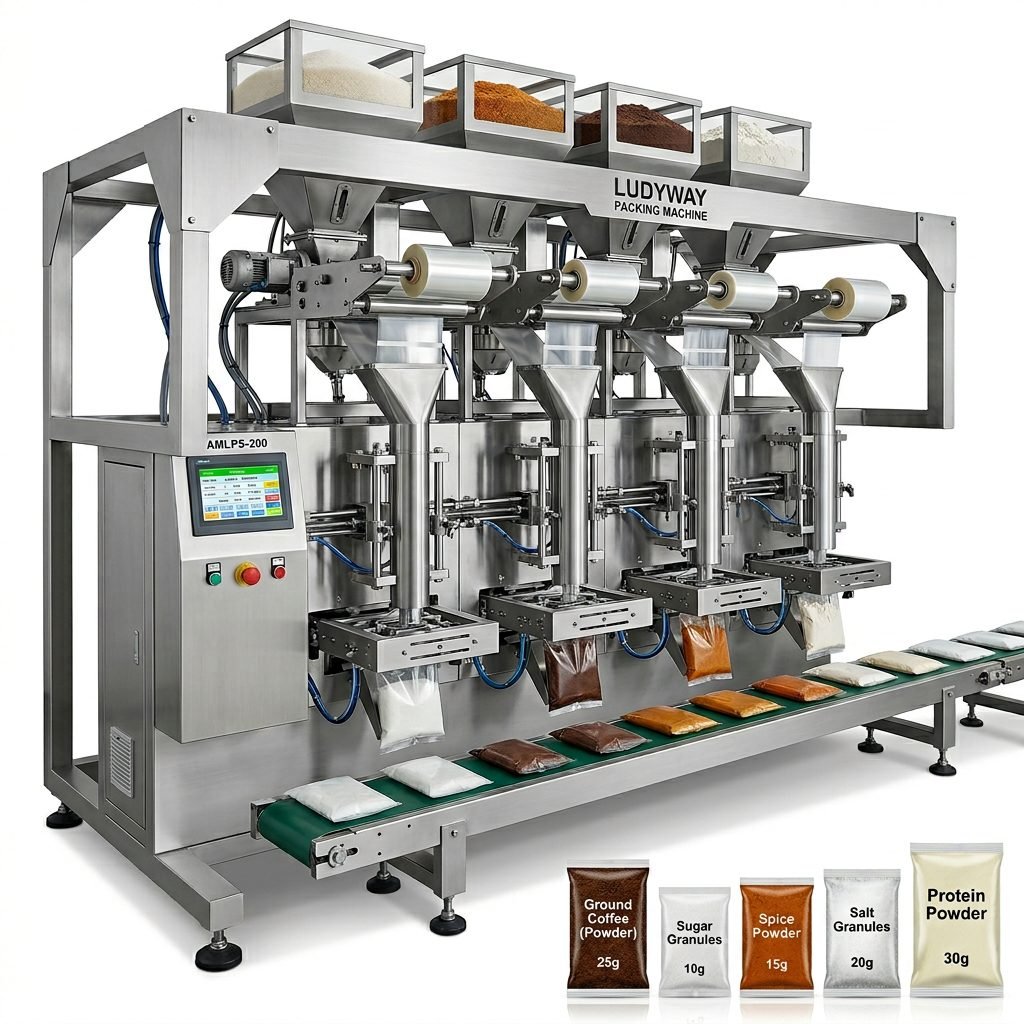
- Continuous motion: The film moves continuously while filling and sealing occur via synchronized rotating stations. Ideal for high-speed production (100+ packs per minute per lane) and large-scale operations.
Also evaluate the level of automation you need: manual pouch loading, semi-automatic, or fully automatic lines that integrate feeding, filling, sealing, coding, and cartoning. The packaging machinery market data shows a clear trend toward integrated, automated solutions to reduce labor dependency and improve overall equipment effectiveness.
4. Evaluate Machine Construction and Regulatory Compliance
For industries like pharmaceuticals, nutraceuticals, and food, the machine’s build quality and compliance with regulatory standards are non-negotiable. Look for the following:
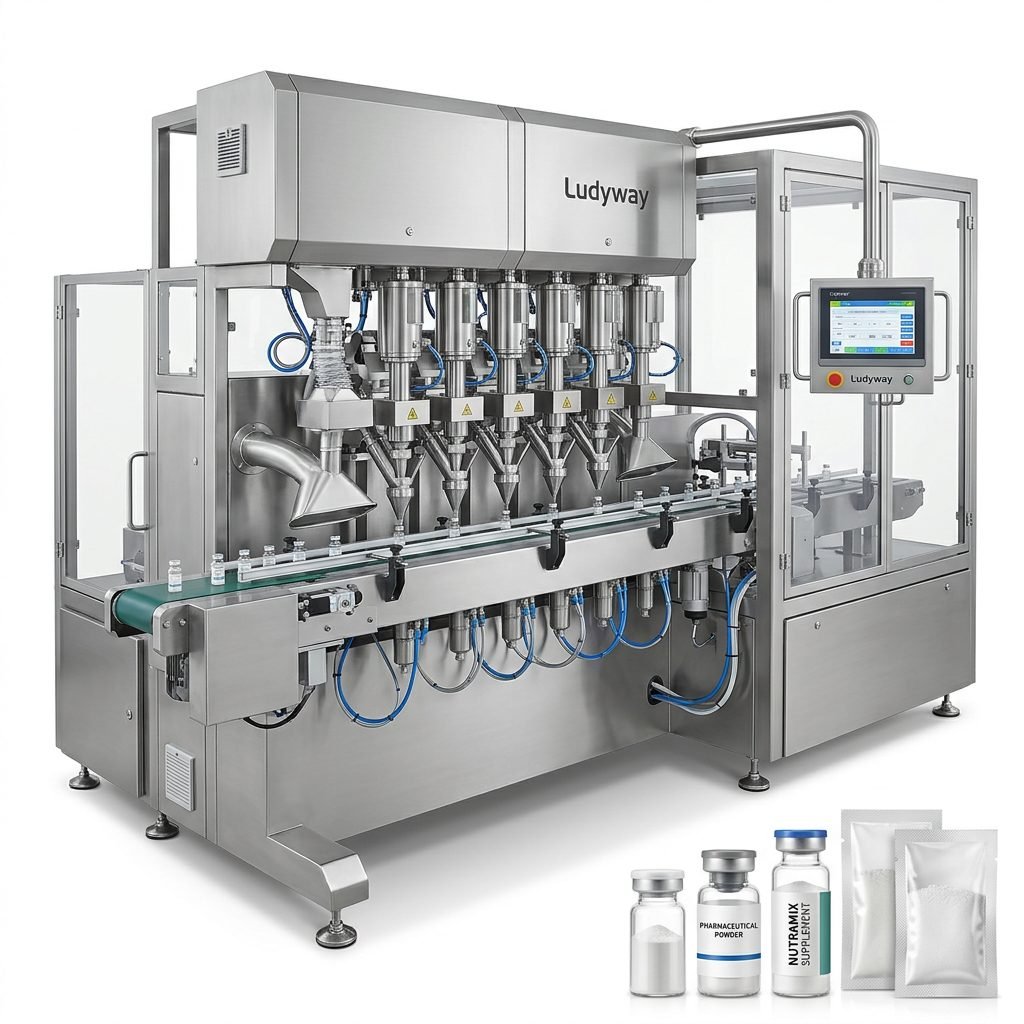
- Material of construction: Stainless steel (304 or 316L) for product-contact parts. Frame should be robust and corrosion-resistant.
- GMP and hygiene design: Sloped surfaces, quick-release components for cleaning, minimal crevices, and accessible areas validated for cleanroom operation if required.
- Certifications: CE marking for machinery safety. Depending on the market, machines may need to comply with FDA packaging standards or pharmaceutical validation requirements.
- Automation components: PLC control systems, servo drives, and pneumatic elements from recognized international brands contribute to reliability and serviceability.
5. Consider After-Sales Support and Technical Service
A packaging machine is a long-term investment, and the level of technical support, spare parts availability, and service response from the manufacturer significantly affects your operational uptime. When evaluating suppliers, ask about:
- Installation and commissioning support, including on-site or remote guidance.
- Operator training programs and documentation availability.
- Spare parts inventory — locally available or shipped from the manufacturer.
- Warranty terms and post-warranty service agreements.
- Remote diagnostic capabilities and technical assistance response times.
Suppliers serving more than 100 countries with dedicated technical support teams throughout the project lifecycle can offer significant advantages, especially if you operate across multiple locations.
6. Budget and Total Cost of Ownership
Price is important, but focusing solely on the upfront machine cost can lead to higher expenses over time. Calculate the total cost of ownership, which includes:
| Cost Factor | Details |
|---|---|
| Machine price | Initial purchase cost with chosen options |
| Installation and setup | Shipping, customs, on-site commissioning |
| Consumables | Packaging film, sealing parts wear over time |
| Spare parts | Recommended initial stock of critical components |
| Operator training | Initial and ongoing training needs |
| Energy consumption | Electrical and compressed air usage |
7. Find a Manufacturer with Proven Expertise
Partnering with an experienced manufacturer that offers comprehensive engineering and customization capabilities is crucial. A supplier with more than 30 years in the packaging industry, a broad portfolio of over 50 packaging machine models, and the ability to deliver turnkey packaging solutions from individual machines to complete integrated packaging lines can serve as a long-term partner rather than just an equipment vendor.
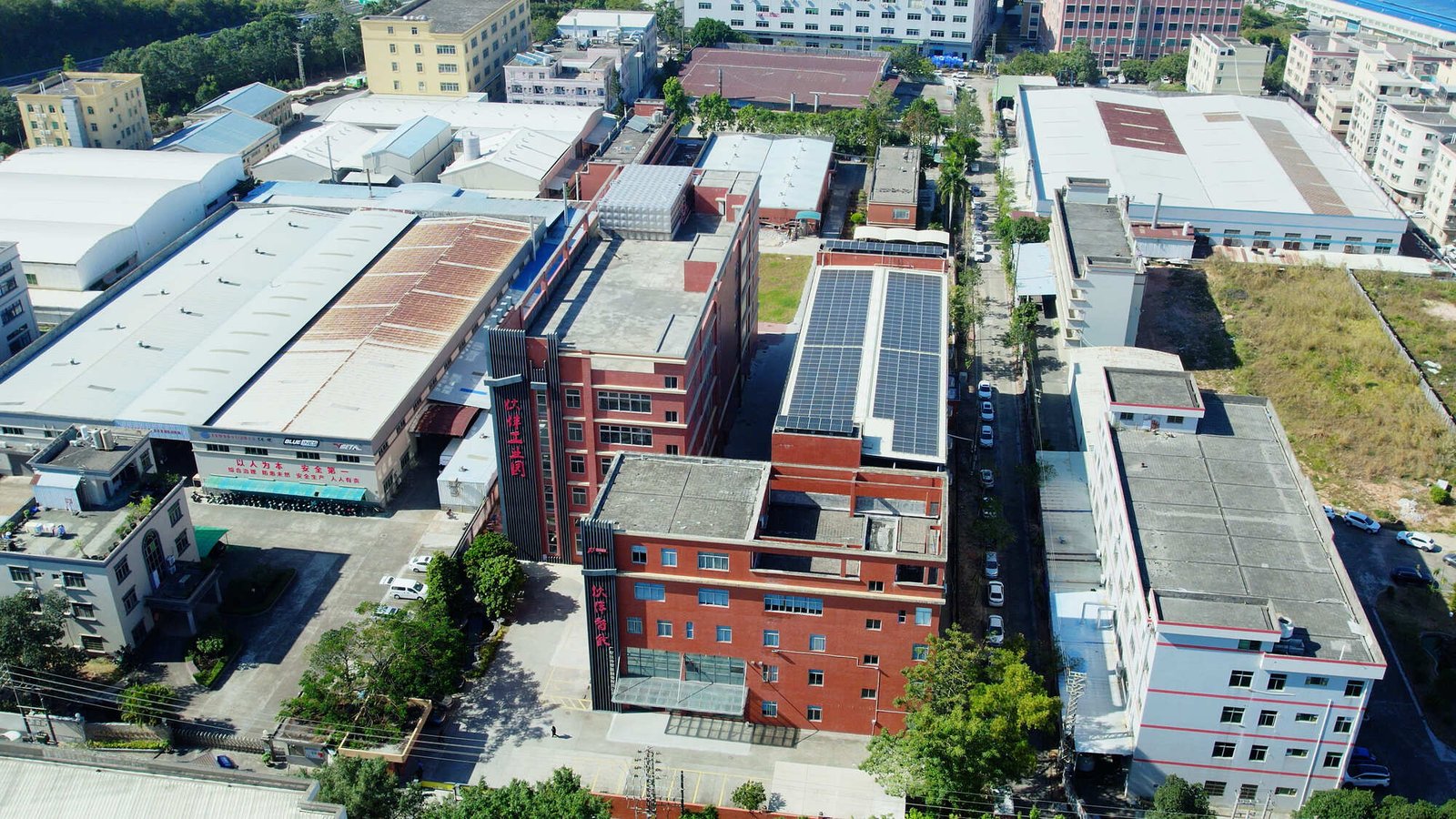
Look for a packaging machinery manufacturer that combines in-house manufacturing, engineering expertise, and a global service network. Ludyway Machinery, for instance, operates a 20,000-square-meter manufacturing facility with more than 130 professionals, serving customers in over 100 countries. The company provides customized packaging machinery and integrated packaging systems for powder, granule, liquid, stick pack, sachet, and pouch applications across food, pharmaceutical, cosmetic, and chemical industries.
8. Plan for Future Scalability
Your packaging needs today may not be the same three years from now. When choosing a sachet filling and sealing machine, consider whether the platform can be upgraded or reconfigured for higher speeds, different bag formats, or additional automation modules. Modular machine designs and suppliers offering customizable engineering solutions allow you to scale production capacity without replacing the entire line. This is a key consideration confirmed by trends in the flexible packaging industry.
Conclusion
Selecting the right sachet filling and sealing machine involves a detailed assessment of your product characteristics, packaging requirements, production targets, regulatory environment, and long-term business goals. By systematically evaluating these factors and choosing an experienced machinery partner with strong engineering and service capabilities, you can secure a packaging solution that delivers consistent performance, efficiency, and growth potential.
Start by documenting your product specifications and desired output, then engage with manufacturers who can demonstrate relevant application experience and provide detailed technical proposals tailored to your operations.