Selecting the right detergent powder packing machine is one of the most critical decisions for manufacturers in the laundry care industry. With the global detergent market projected to grow steadily through 2030, investing in efficient, reliable packaging equipment can significantly impact your operational efficiency, product quality, and bottom line. This comprehensive buyer’s guide walks you through every factor you need to consider before making a purchase.
Understanding Detergent Powder Characteristics and Their Impact on Packaging
Before evaluating machinery options, it is essential to understand how detergent powder properties influence packaging requirements. Unlike free-flowing granules, many detergent formulations exhibit unique behaviors that demand specific machine configurations.
Key powder characteristics to assess include:
- Flowability – Some detergent powders are cohesive and prone to bridging or clumping in hoppers. Auger fillers or specialized agitation systems may be necessary to ensure consistent dosing.
- Dust generation – Fine powder particles can create dust during filling, affecting seal integrity and workplace safety. Machines equipped with dust extraction systems are highly recommended for high-speed operations.
- Bulk density – Variations in bulk density affect filling volume calculations. Volumetric fillers must be calibrated to the specific density range of your product, while gravimetric systems offer greater flexibility.
- Hygroscopicity – Many detergent powders absorb moisture from the air, which can cause clumping. Sealed filling environments and moisture-barrier packaging materials help preserve product quality.
- Abrasiveness – Some detergent formulations contain abrasive particles that can wear down machine components over time. Contact parts made from stainless steel or hardened materials extend equipment life.
According to PMMI packaging industry research, understanding product characteristics is the foundational step in selecting appropriate packaging machinery for any application.
Types of Detergent Powder Packing Machines
The market offers several machine configurations, each suited to different production scales, packaging formats, and automation requirements. The table below summarizes the most common types used in detergent powder packaging.
| Machine Type | Best For | Key Advantages | Typical Output Range |
|---|---|---|---|
| Single-Lane Sachet Machine | Small to medium production volumes; sample packs | Lower initial investment; easy to operate and maintain; compact footprint | 30–80 packs/min |
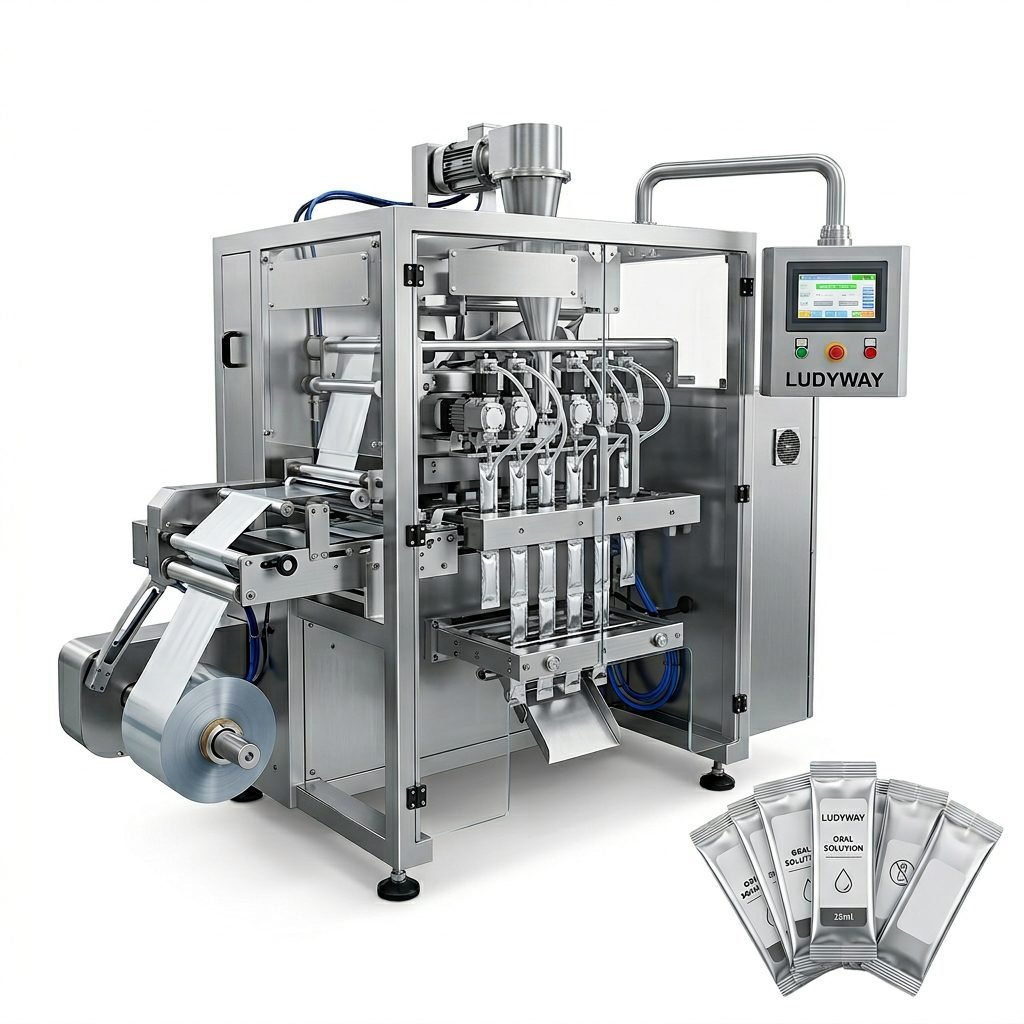
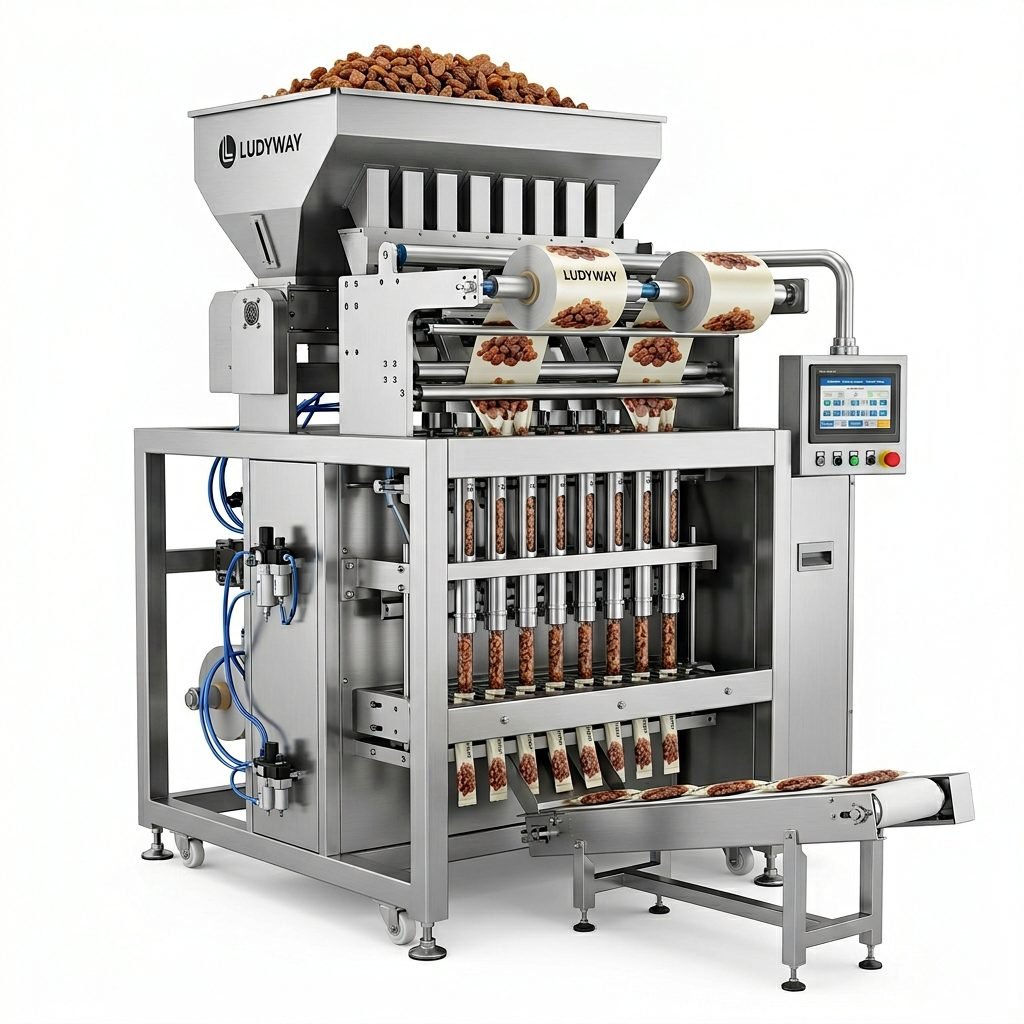
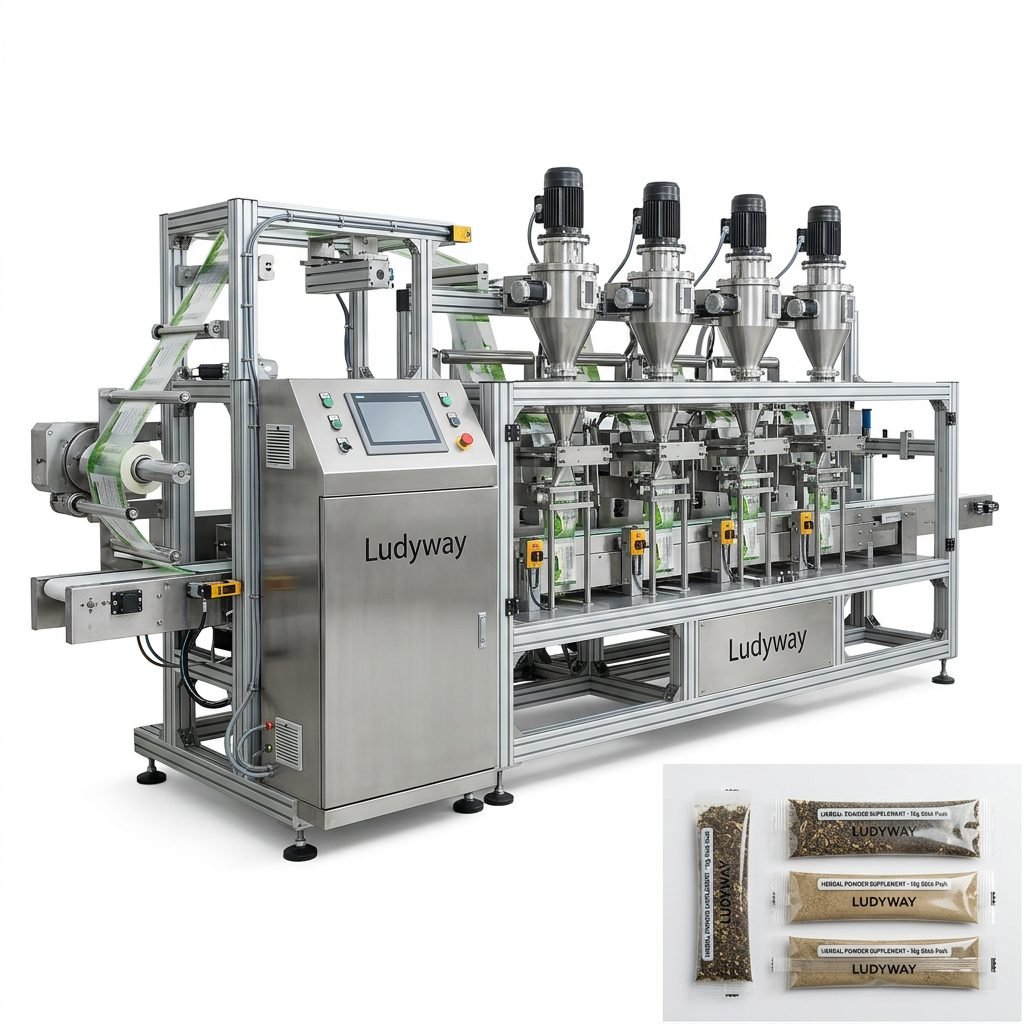
| Multi-Lane Stick Pack Machine | High-volume production; single-use detergent sticks | High throughput with 4–12 lanes; efficient material usage; compact stick format | 200–600 packs/min |
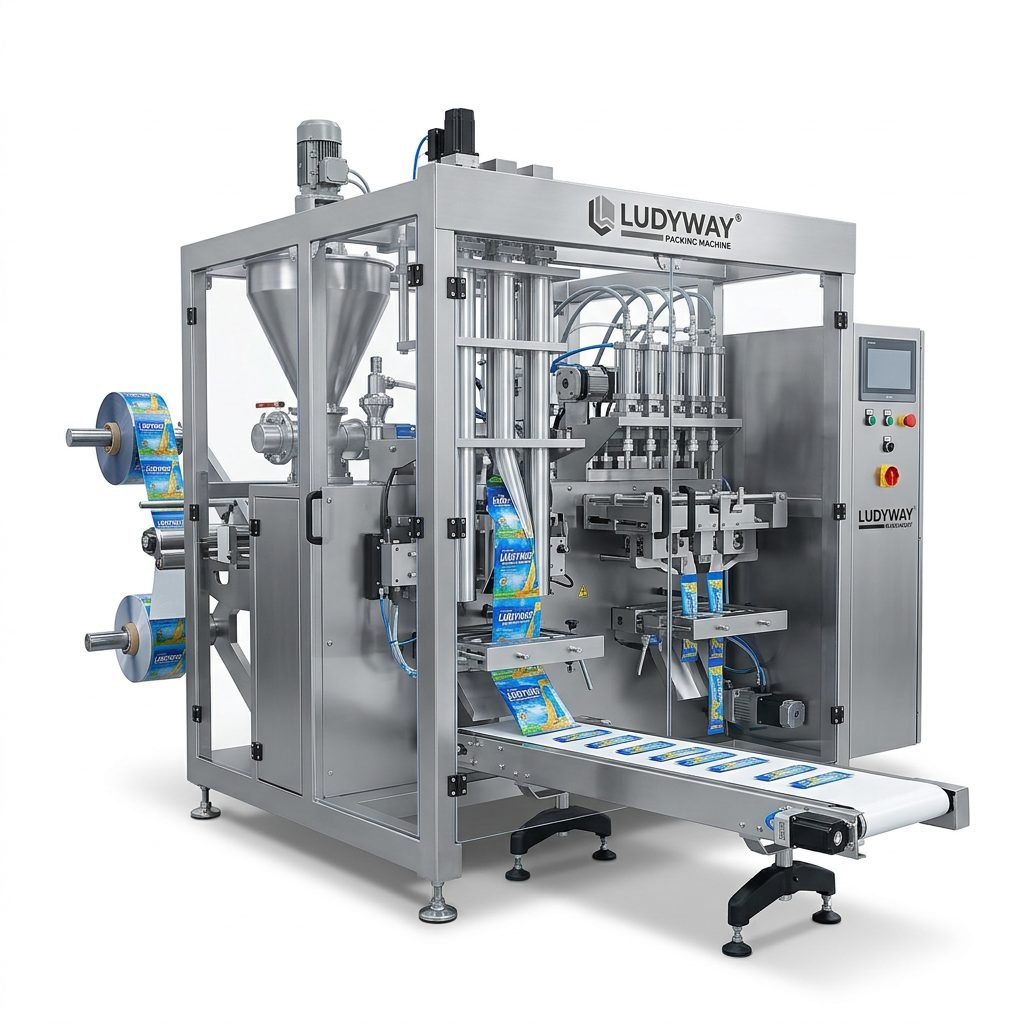
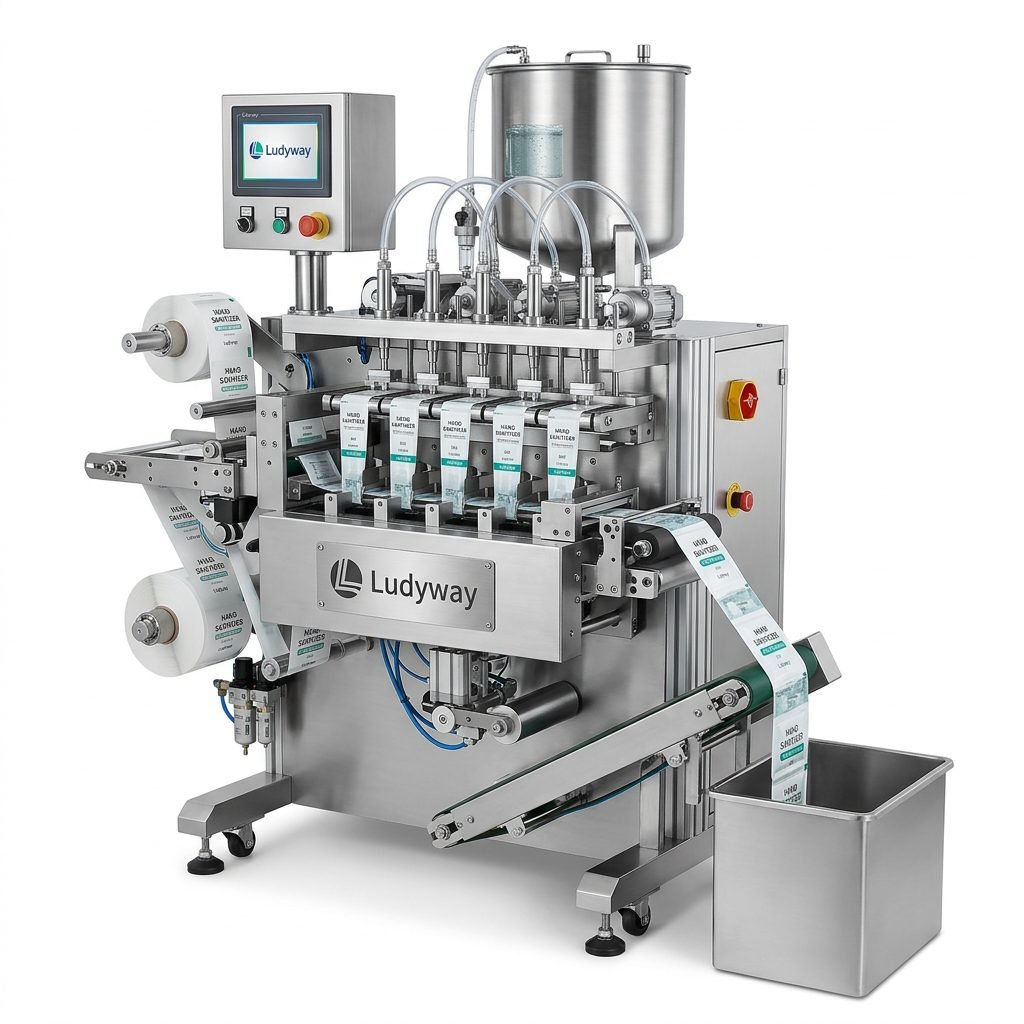
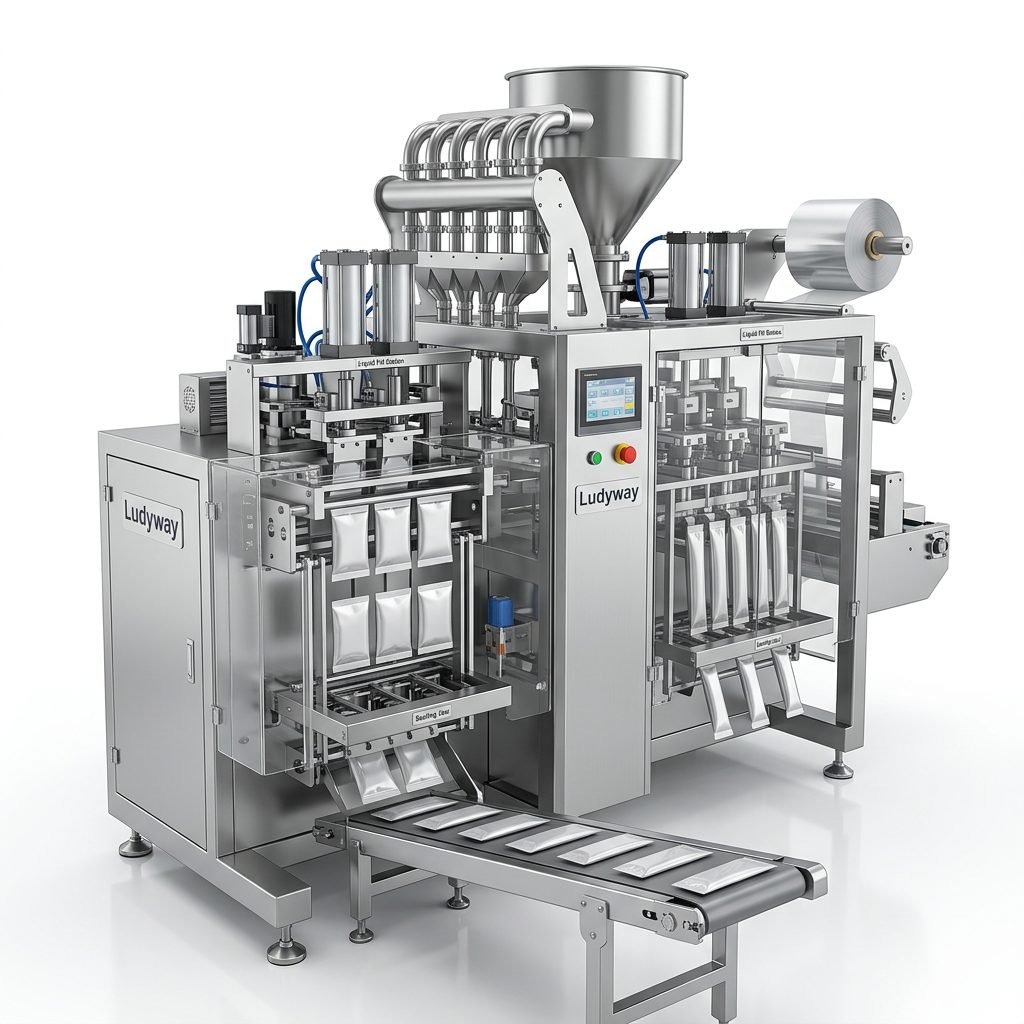
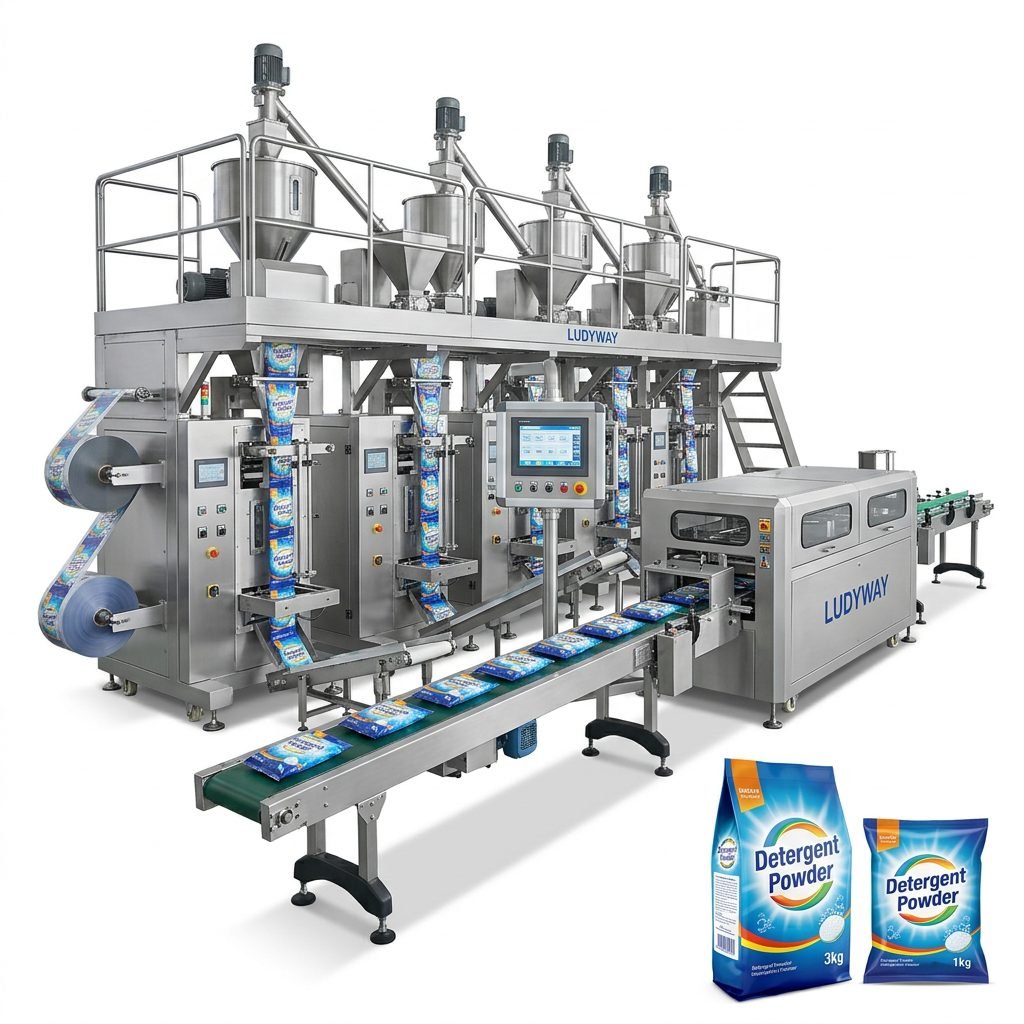
| Multi-Lane Sachet Packaging System | Large-scale production of flat sachets | High output; consistent fill accuracy; versatile packaging formats | 300–800 packs/min |
| Pre-Made Pouch Filling Machine | Larger pouch formats; zipper and resealable options | Flexibility in pouch styles; ideal for premium product presentation | 30–120 pouches/min |
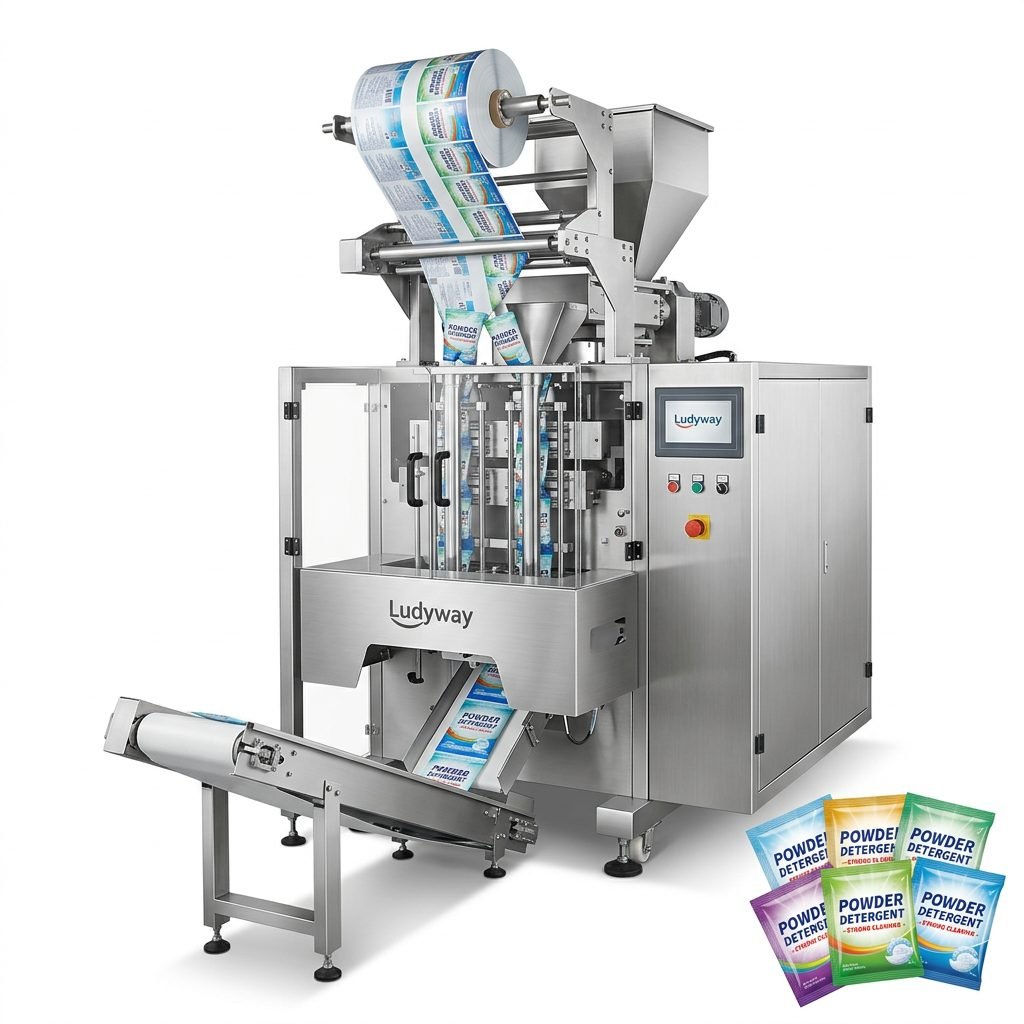
| Bulk Bag / Open-Mouth Bag Filling Line | Large-format bags (5kg–25kg); wholesale and B2B packaging | High weight capacity; automated weighing and sealing; robust construction | 5–20 bags/min |
Critical Factors to Evaluate When Choosing Equipment
Making an informed investment requires evaluating multiple technical and operational criteria. The following checklist covers essential selection parameters that directly affect long-term performance and return on investment.
1. Production Capacity and Speed Requirements
Assess your current and projected production volumes carefully. A machine that meets today’s demand but cannot scale with future growth may require premature replacement. Consider the following capacity-related questions:
- What is your daily target output in units or kilograms?
- Do you operate single-shift or multi-shift production schedules?
- What peak season demands must the equipment accommodate?
- How does the machine’s rated speed compare to its sustainable running speed (typically 70–85% of maximum)?
Multi-lane systems offer significant throughput advantages for high-volume detergent manufacturers. As detailed in PMMI’s 2025 State of the Industry report, automation adoption in the packaging sector continues to accelerate, driven by labor availability challenges and efficiency demands.
2. Packaging Format and Bag Style
Different markets and retail channels demand different packaging formats. Determine which formats are essential for your product lines:
- Stick packs – Popular for single-use detergent portions, travel sizes, and sample packs
- Flat sachets – Cost-effective for economy segments and promotional packs
- Gusseted pouches – Provide better shelf presence and larger fill volumes
- Stand-up pouches with zipper – Ideal for premium laundry powder brands requiring resealability
- Pillow bags – Common for medium-to-large format retail detergent packaging
3. Filling Technology and Accuracy
Precision in fill weight directly impacts profitability through product give-away reduction and regulatory compliance. The primary filling technologies for detergent powders include:
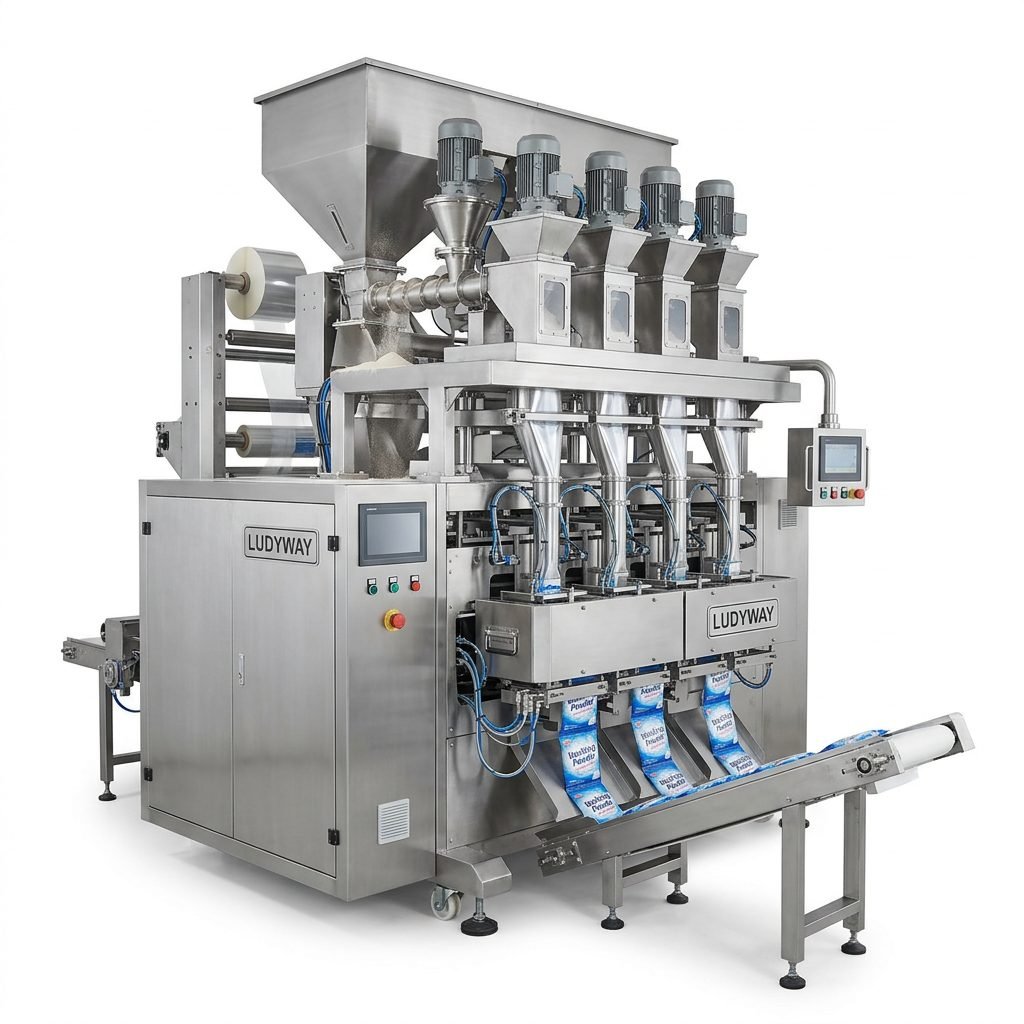
- Auger fillers – Excellent for cohesive powders; provide good accuracy at moderate speeds; widely used in detergent packaging applications
- Volumetric cup fillers – Suitable for free-flowing granular detergents; simpler mechanical design but less adaptable to density variations
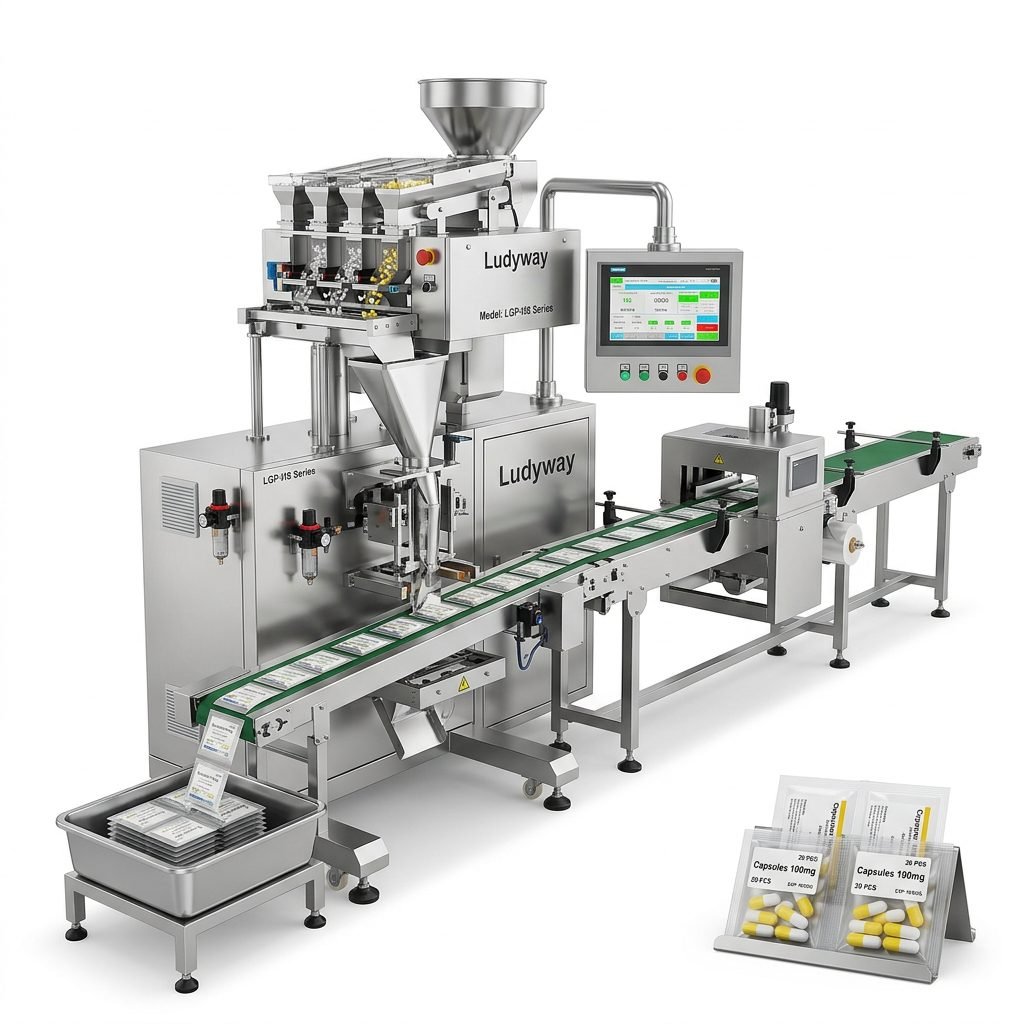
- Multi-head weighers – Offer the highest accuracy for granular products; ideal for larger pouch formats requiring precise weight control
- Gravimetric systems – Weigh each fill for maximum accuracy; recommended for high-value detergent formulations
For most detergent powder applications, auger filling systems with servo-driven controls provide an optimal balance of speed, accuracy, and cost-effectiveness. The Flexible Packaging Association provides additional guidance on packaging material and filling system compatibility.
4. Packaging Material Compatibility
Your choice of packaging film significantly influences machine configuration. Verify that the equipment can process your intended materials:
- Standard laminates – PET/PE, PET/AL/PE structures for moisture barrier protection
- Eco-friendly films – Recyclable mono-material structures requiring optimized sealing parameters
- Paper-based materials – Growing in popularity for sustainability-focused detergent brands
- Metallized films – Enhanced barrier properties for premium and long-shelf-life products
Sealing temperature range, dwell time adjustability, and jaw pressure control are critical parameters that must align with your selected packaging material specifications.
Automation Level and Integration Capabilities
Modern detergent packaging lines offer varying degrees of automation. Understanding where your operation falls on the automation spectrum helps narrow down suitable equipment options.
| Automation Level | Description | Ideal Application | Typical Investment Range |
|---|---|---|---|
| Semi-Automatic | Manual product feeding; automated filling and sealing; operator-dependent throughput | Startups; low-volume production; product sampling | Lower capital outlay |
| Fully Automatic | Automated feeding, filling, sealing, cutting, and discharge; integrated control system | Medium to high-volume manufacturers | Moderate to substantial |
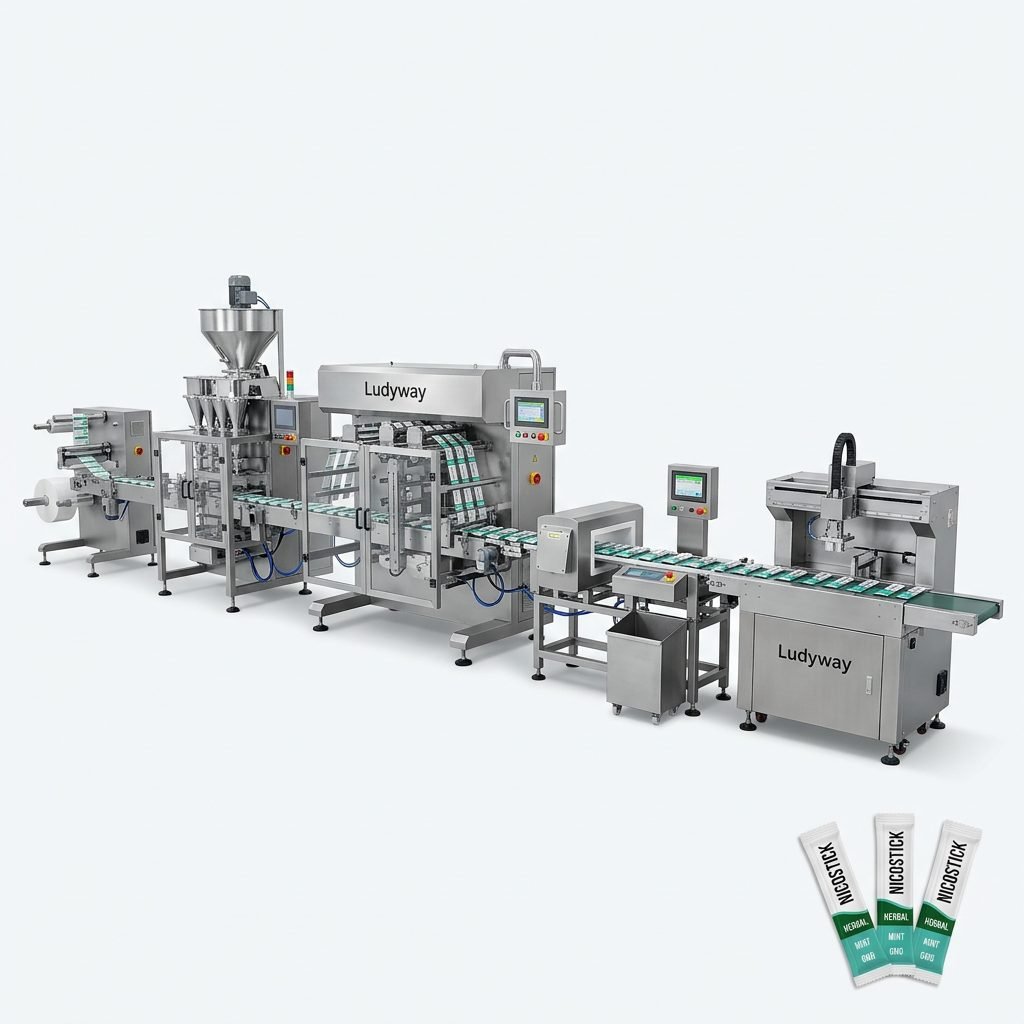
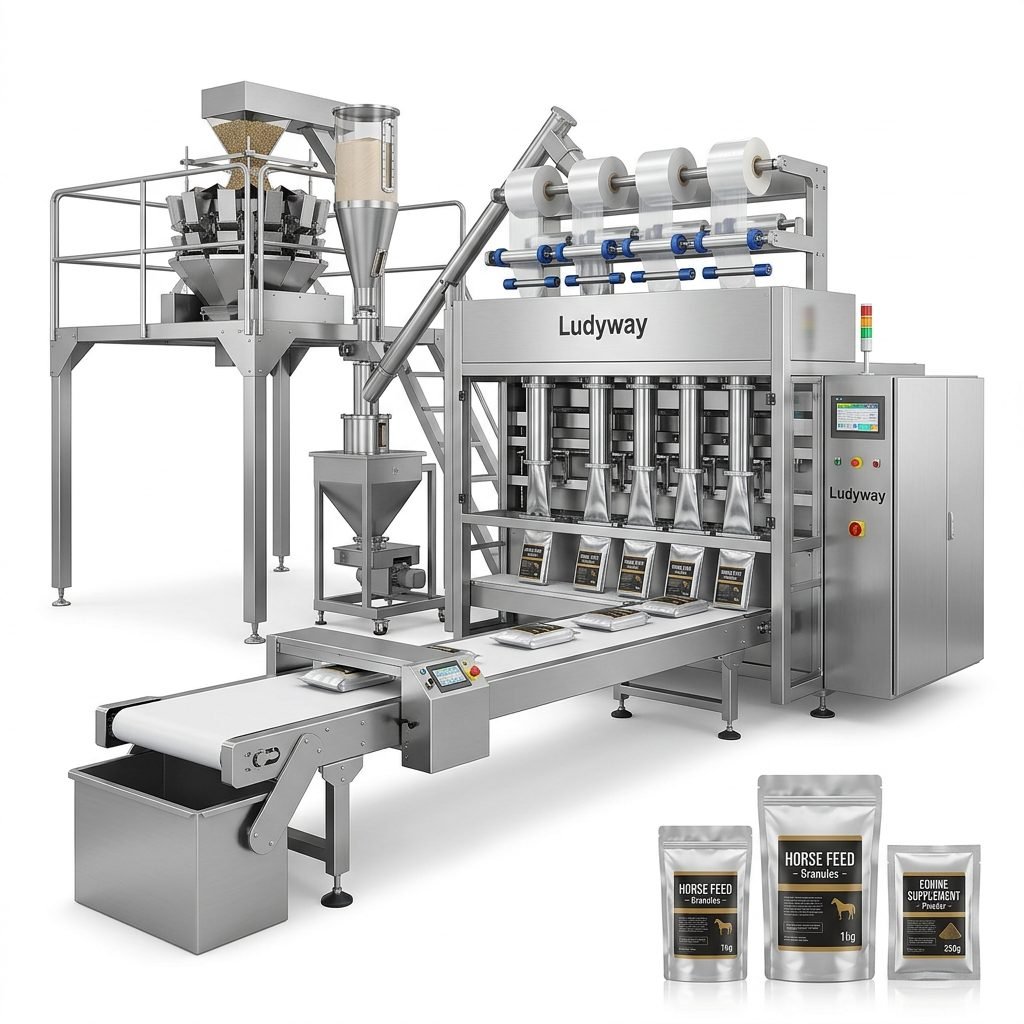
| Turnkey Packaging Line | Complete integrated system: feeding → filling → sealing → coding → cartoning → palletizing | High-volume operations; manufacturers seeking single-vendor responsibility | Higher initial investment with greater long-term ROI |
For operations considering complete turnkey solutions, integrated lines offer benefits including streamlined project management, single-source accountability, and optimized system compatibility. These systems can incorporate upstream powder handling equipment, primary packaging machines, secondary cartoning, and end-of-line palletizing in a cohesive production flow.
Machine Construction, Hygiene, and Compliance
Detergent powder packaging equipment must be built to withstand the specific demands of the product while meeting applicable regulatory requirements. Key construction and compliance considerations include:
- Material of construction – Stainless steel (304 or 316 grade) for product contact parts; corrosion-resistant treatments for frames and non-contact surfaces
- Dust management – Enclosed filling zones; dust extraction ports; sealed electrical cabinets to prevent powder ingress
- Cleanability – Tool-free disassembly of filling components; smooth surfaces without crevices; accessible design for sanitation
- Certifications – CE marking for European markets; UL compliance for North America; GMP-compatible designs for certain applications
- Safety features – Emergency stop systems; safety interlocks on guarding; overload protection on drives
Reference standards from organizations such as ISO packaging standards and FDA food packaging regulations provide frameworks for evaluating equipment design and material suitability, particularly when detergent products may have incidental food contact considerations in certain markets.
Supplier Evaluation and After-Sales Support
Choosing the right equipment supplier is as important as selecting the right machine specifications. A thorough vendor assessment should examine:
- Industry experience – How long has the manufacturer specialized in powder packaging equipment? Do they have specific experience with detergent products?
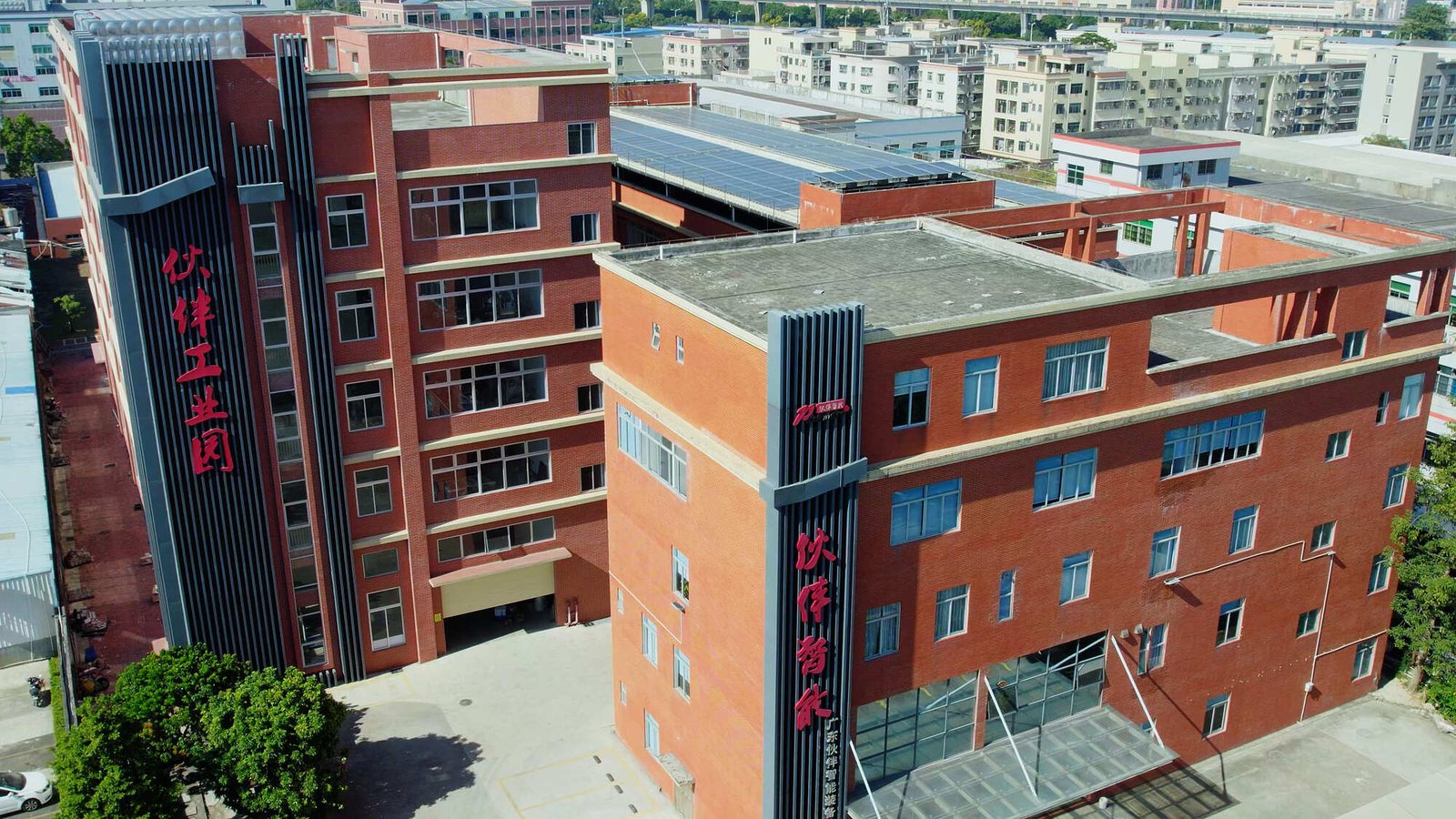
- Manufacturing capabilities – Does the supplier have in-house engineering, fabrication, assembly, and testing facilities?
- Customization expertise – Can the supplier adapt machine configurations to your specific product properties and packaging requirements?
- Installation and commissioning – What level of on-site support is provided during setup and startup?
- Training programs – Are comprehensive operator and maintenance training programs available?
- Spare parts availability – Does the supplier maintain an inventory of critical spare parts? What are typical lead times for replacement components?
- Technical support – Is remote diagnostic support available? What is the response time for service inquiries?
- Global presence – For international operations, does the supplier have established service networks in your target markets?
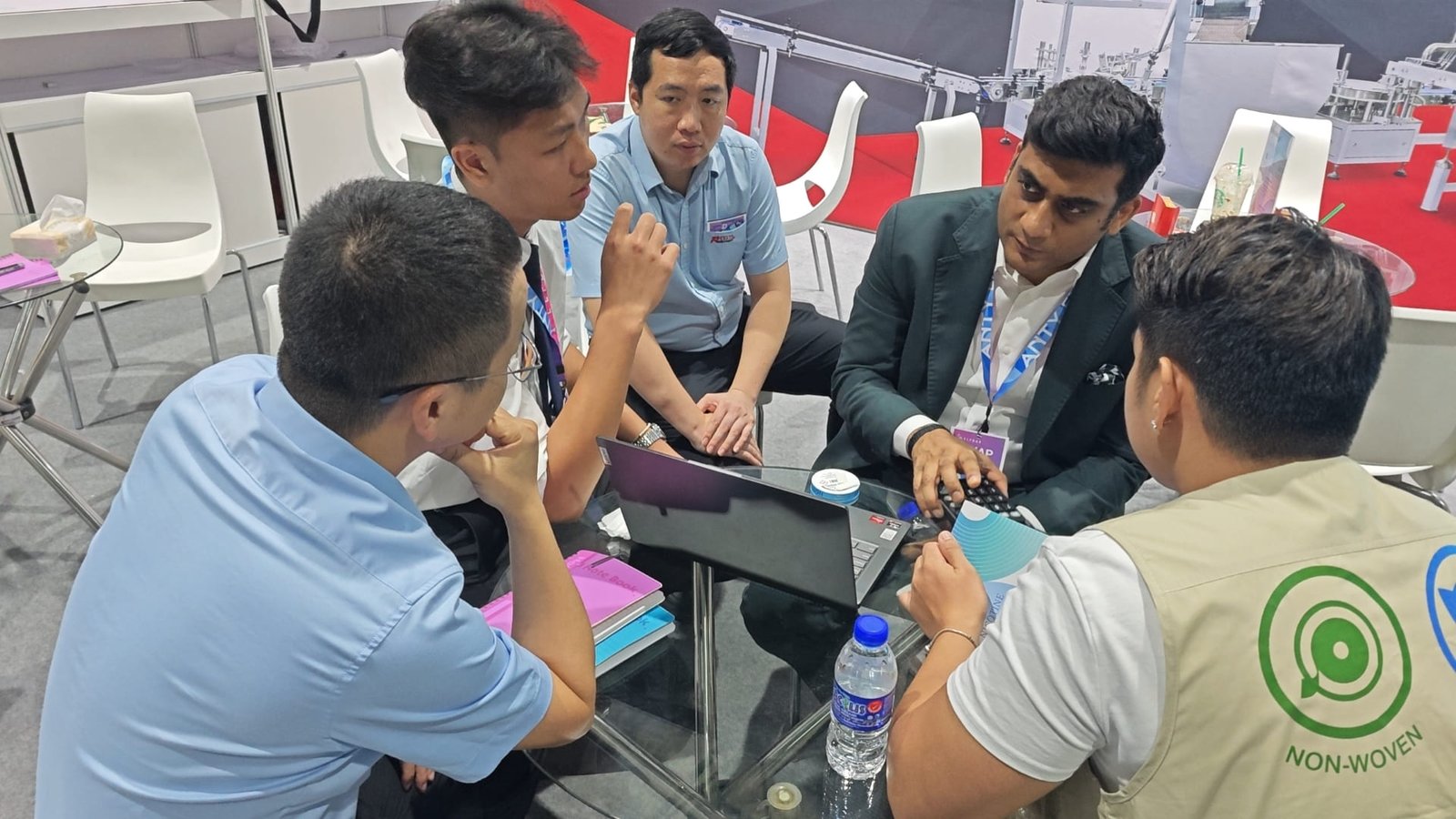
Some manufacturers, such as Ludyway Machinery, combine decades of packaging machinery manufacturing experience with integrated engineering, automation, and after-sales support capabilities — offering a single point of contact for equipment selection through to ongoing technical service across more than 100 countries.
Total Cost of Ownership Considerations
Purchase price alone does not reflect the true cost of a packaging machine over its service life. Evaluate total cost of ownership including:
| Cost Category | Short-Term Impact | Long-Term Impact |
|---|---|---|
| Capital expenditure | Initial machine purchase price | Depreciation; financing costs |
| Consumables | Packaging film; lubricants; cleaning supplies | Material waste rates; film yield efficiency |
| Maintenance | Routine parts replacement; scheduled servicing | Downtime costs; spare parts inventory; major overhauls |
| Labor | Operator staffing; training investment | Automation-driven labor savings; skill level requirements |
| Energy and utilities | Electrical installation; compressed air setup | Ongoing energy consumption; compressed air usage efficiency |
Frequently Asked Questions About Detergent Powder Packing Machines
What is the typical lifespan of a detergent powder packing machine?
A well-maintained, industrial-grade detergent packing machine typically operates reliably for 10 to 15 years or more. Machines manufactured with stainless steel contact parts, quality drive components, and robust frame construction deliver the longest service life. Regular preventive maintenance and timely replacement of wear components are essential to achieving maximum equipment longevity.
Can one machine handle both powder and liquid detergent products?
While some flexible packaging machines are designed for multiple product types, dedicated powder packaging machines are generally not suitable for liquid detergent filling without significant modification. The filling systems, sealing parameters, and material handling components differ substantially between powder and liquid applications. Manufacturers producing both formats typically invest in separate, optimized lines for each product category.
How important is dust extraction in detergent powder packaging?
Extremely important. Dust generated during powder filling can compromise seal integrity, contaminate the production environment, and create potential respiratory hazards for operators. Quality detergent packaging machines incorporate integrated dust extraction hoods, enclosed filling zones, and sealed control cabinets as standard features. These systems improve packaging quality and contribute to a safer, cleaner production environment.
What are the most common packaging defects to watch for?
Common defects in detergent powder packaging include incomplete seals (caused by powder contamination in the seal area), inconsistent fill weights (due to powder bridging or density variations), wrinkled seals (from incorrect temperature or pressure settings), and leaking packs (resulting from film punctures or weak seals). Regular quality checks and properly calibrated equipment minimize these issues.
Making the Final Decision: A Step-by-Step Approach
To systematically evaluate and select the ideal detergent powder packing machine for your operation, follow this structured approach:
- Document your requirements – Compile detailed specifications including target output, packaging formats, film materials, available floor space, utility connections, and budget parameters.
- Research potential suppliers – Identify manufacturers with demonstrated experience in powder packaging, particularly those with detergent industry references. Review their packaging machinery standards compliance and technical capabilities.
- Request detailed proposals – Provide your product samples and specifications to shortlisted suppliers for machine configuration recommendations and detailed quotations.
- Conduct factory acceptance testing – Whenever possible, visit the manufacturer’s facility to witness machine operation with your actual product and packaging materials.
- Evaluate total cost of ownership – Compare proposals not just on purchase price but on projected operating costs, maintenance requirements, and expected service life.
- Verify after-sales support – Confirm installation, training, spare parts availability, and technical support provisions before finalizing your decision.
Investing in the right detergent powder packaging machinery is a strategic decision that affects your production efficiency, product quality, and competitive positioning for years to come. By thoroughly evaluating your requirements against the factors outlined in this guide, you can confidently select equipment that supports your current operations and future growth objectives.
For additional industry data and packaging machinery insights, resources from the Association for Packaging and Processing Technologies (PMMI) and the Flexible Packaging Association offer valuable guidance for manufacturers evaluating packaging equipment investments.