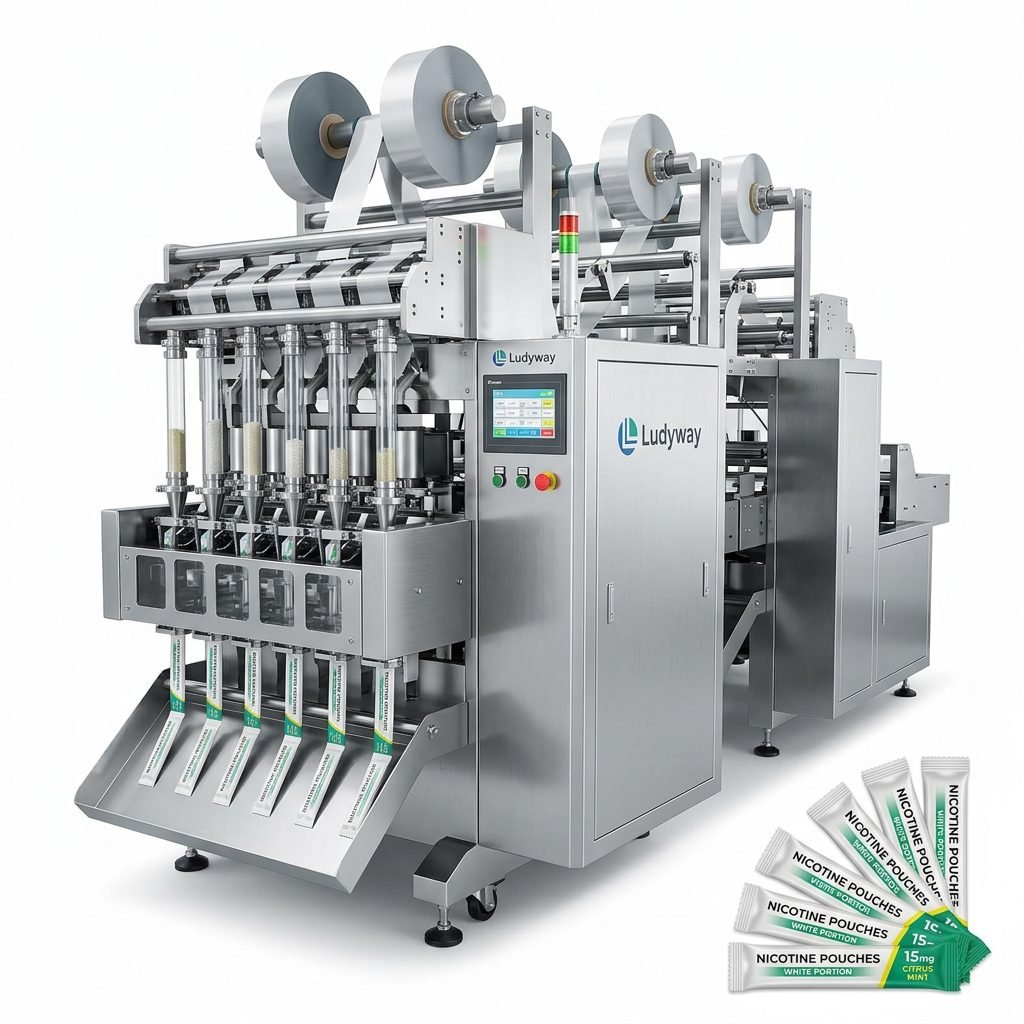
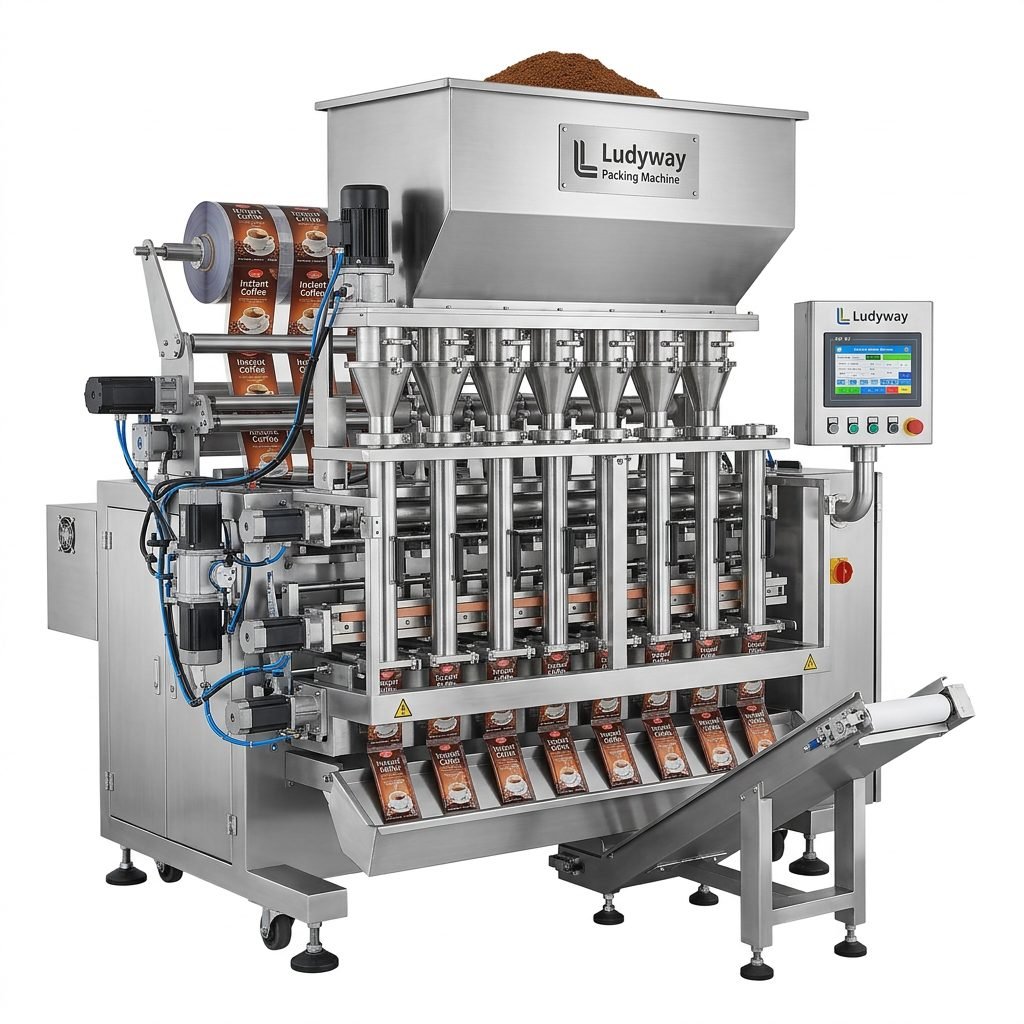
Installing packaging equipment correctly is crucial for operational efficiency, product quality, and workplace safety. A proper setup ensures your machinery runs smoothly, minimizes downtime, and extends the equipment’s lifespan. This comprehensive guide walks you through the essential steps, critical safety protocols, and industry best practices for an efficient installation process.
Pre-Installation Planning and Site Assessment
Before any physical work begins, thorough planning is the cornerstone of a successful installation. This phase sets the stage for everything that follows.
Key Pre-Installation Considerations:
- Review Manufacturer Documentation: Carefully study the equipment manual, layout drawings, and technical specifications provided by your supplier, such as Ludyway Machinery. This includes understanding power requirements, compressed air needs, dimensions, and weight.
- Conduct a Site Survey: Evaluate the intended location. Ensure the floor is level, clean, and has the load-bearing capacity for the machinery. Verify there is adequate space for operation, maintenance access, and material flow.
- Utility Verification: Confirm that all necessary utilities—electrical (voltage, phase, amperage), water, drain, and compressed air—are available at the required specifications and points of connection.
- Prepare the Team: Assign a qualified project lead and ensure all involved personnel, from technicians to operators, are briefed on the plan and schedule.
Step-by-Step Installation Procedure
Following a structured sequence is vital to avoid errors and rework. Adhere to the manufacturer’s guidelines at every stage.
Step 1: Receiving and Unloading
Inspect all crates and packaging for visible damage upon delivery. Use appropriate material handling equipment (forklifts, cranes) with trained operators to unload. Handle with care to prevent shock or impact damage to precision components.
Step 2: Positioning and Leveling
Move the equipment to its predetermined location using skates or rollers. This is a critical step. Use precision spirit levels and the machine’s adjustable feet to level the equipment in both directions. A perfectly level base is non-negotiable for proper mechanical alignment and preventing premature wear.
Step 3: Mechanical Assembly and Connection
Assemble any sub-components, such as hoppers, conveyors, or feed systems, according to the manual. Connect all mechanical linkages, drive belts, and chains, ensuring proper tension and alignment. Lubricate bearings and moving parts as specified.
Step 4: Utility Hookup
⚠️ Critical Safety Step: Before making any connections, ensure all power sources are LOCKED OUT and TAGGED OUT (LOTO).
- Electrical: Have a licensed electrician connect the machine to the power supply, following local codes. Ensure proper grounding.
- Pneumatics: Connect the compressed air line using the correct fittings. Install a filter-regulator-lubricator (FRL) unit if required to provide clean, dry, and lubricated air.
- Other Utilities: Connect water, vacuum, or inert gas lines as needed, checking for leaks immediately.
Step 5: Control System Setup
Power on the control system. Configure the Human-Machine Interface (HMI) or control panel settings, such as language, units, and basic operational parameters. Input product-specific data like bag length, sealing temperature, and fill weight.
Step 6: Test Run and Calibration
Begin with a dry cycle (without product) to check mechanical movement, sensor operation, and safety interlocks. Then, proceed to a material test run using the actual packaging material and a dummy product (e.g., sand, salt). Calibrate the weighing system, adjust sealing temperatures and pressures, and fine-tune timing for a perfect package. Document all calibration settings.
Essential Safety Tips for Installation and Operation
Safety must be integrated into every phase of the installation process. Neglecting safety can lead to severe injury or equipment damage.
Personal Protective Equipment (PPE):
All personnel must wear required PPE: safety glasses, steel-toe boots, gloves, and hearing protection where necessary.
Hazard-Specific Protocols:
- Lockout/Tagout (LOTO): Strictly enforce LOTO procedures during any electrical work, internal adjustments, or troubleshooting.
- Mechanical Hazards: Be aware of pinch points, rotating shafts, and moving parts. Never attempt to clean, adjust, or lubricate machinery while it is running.
- Thermal & Electrical Hazards: Heated sealing jaws and electrical panels pose burn and shock risks. Allow sufficient cool-down time and respect electrical enclosures.
Best Practices for Efficient Setup and Long-Term Performance
Going beyond the basic steps can optimize your installation for peak performance and reliability.
1. Implement a Preventive Maintenance (PM) Program from Day One
Base your initial PM schedule on the manufacturer’s recommendations. Schedule daily, weekly, and monthly checks for lubrication, cleaning, and inspection of critical wear parts. Keeping a maintenance log helps track performance and predict failures.
2. Invest in Comprehensive Operator Training
Effective training is one of the best investments for efficiency. Ensure operators understand not just how to run the machine, but also how to perform basic adjustments, clear common jams, and identify early signs of trouble. Suppliers like Ludyway Machinery often provide detailed training as part of their service.
3. Optimize the Material Handling Environment
The equipment is only as good as its support system. Ensure packaging film, spouts, or pouches are stored in a clean, dry environment and fed into the machine without tension issues or contamination. Proper upstream feeding and downstream handling prevent 80% of common operational stoppages.
4. Leverage Data and Connectivity
Modern packaging machines offer data collection capabilities. Utilize these features to monitor production counts, downtime reasons, and efficiency (OEE). This data is invaluable for continuous improvement and justifying future automation investments.
5. Establish a Strong Supplier Partnership
Choose a supplier with a proven track record of support. A partner with deep industry experience and technical expertise can provide invaluable guidance during installation, troubleshooting, and future upgrades, ensuring you get the most from your equipment over its entire lifecycle.
Frequently Asked Questions (FAQs)
Q1: How long does a typical packaging machine installation take?
A: The timeline varies significantly based on machine complexity, from a few hours for a simple vertical form-fill-seal machine to several days or weeks for a fully integrated multi-lane turnkey line. Detailed planning and having all utilities ready can drastically reduce installation time.
Q2: What is the single most common mistake during installation?
A: Failure to properly level the machine is a frequent and costly error. An unlevel machine will cause misalignment, uneven wear on seals and bearings, poor package quality, and chronic mechanical issues that are difficult to diagnose later.
Q3: Can we install the equipment ourselves, or do we need the supplier?
A: While technically skilled in-house teams can handle basic installations, it is highly recommended to have the supplier’s technician supervise or perform the critical stages. Their expertise ensures correct setup, calibration, and operator training, which protects your warranty and guarantees optimal performance from the start.
Q4: What spare parts should we have on hand after installation?
A: Consult your supplier for a recommended critical spare parts list. This typically includes heating elements, sealing jaws or bands, thermocouples, common fuses, filters for the air system, and a set of belts specific to your machine model.
Q5: How do we validate the installation was successful?
A: Success is validated through a formal Factory Acceptance Test (FAT) or Site Acceptance Test (SAT). This involves running the machine at its rated speed for a sustained period, producing packages that meet all quality specifications (seal integrity, fill accuracy, etc.), and verifying all safety functions and alarms operate correctly.