In today’s fast-paced manufacturing world, the demand for packaging that is not only efficient but also precise, hygienic, and adaptable has never been greater. Industries such as food, pharmaceuticals, and general industrial production face unique challenges that require specialized machinery solutions. High-efficiency packaging machinery stands at the core of meeting these demands, enabling businesses to enhance productivity, ensure product integrity, and maintain stringent compliance standards.
The Critical Role of Specialized Packaging Machinery
Packaging is far more than just putting a product into a container. It is a critical process that affects shelf life, safety, brand perception, and operational costs. For the food industry, packaging must preserve freshness and prevent contamination. In the pharmaceutical sector, it demands absolute precision and sterility to protect patient health. Industrial applications require robust, reliable equipment that can handle diverse materials and high-volume outputs. Investing in high-efficiency, application-specific machinery is therefore not an option but a necessity for competitive and sustainable operations.
Key Benefits of Modern Packaging Systems:
- ➤ Maximized Production Speed & Output: Automated systems dramatically increase packaging lines per minute (LPM), reducing bottlenecks.
- ➤ Uncompromising Accuracy & Consistency: Precise dosing and sealing eliminate product giveaways and ensure every unit meets weight/volume specifications.
- ➤ Enhanced Product Safety & Compliance: Built-in features for hygiene, traceability, and validation are crucial for FDA, GMP, and other regulatory standards.
- ➤ Significant Material & Labor Cost Savings: Reduced waste and lower reliance on manual labor directly improve the bottom line.
- ➤ Superior Flexibility & Scalability: Modern machines can quickly switch between package formats, sizes, and materials, adapting to market changes.
Tailored Solutions for the Food Industry
The food sector presents a dynamic landscape where consumer trends shift rapidly, and the need for freshness, convenience, and sustainability is paramount. High-efficiency packaging machinery for food must address these multifaceted requirements.
Addressing Key Food Packaging Challenges
From snacks and spices to dairy and ready-to-eat meals, packaging solutions must extend shelf life through modified atmosphere packaging (MAP), provide easy-open and resealable features, and utilize materials that are both protective and sustainable. Machinery that offers gentle product handling is essential to prevent damage to delicate items like chips or pastries.
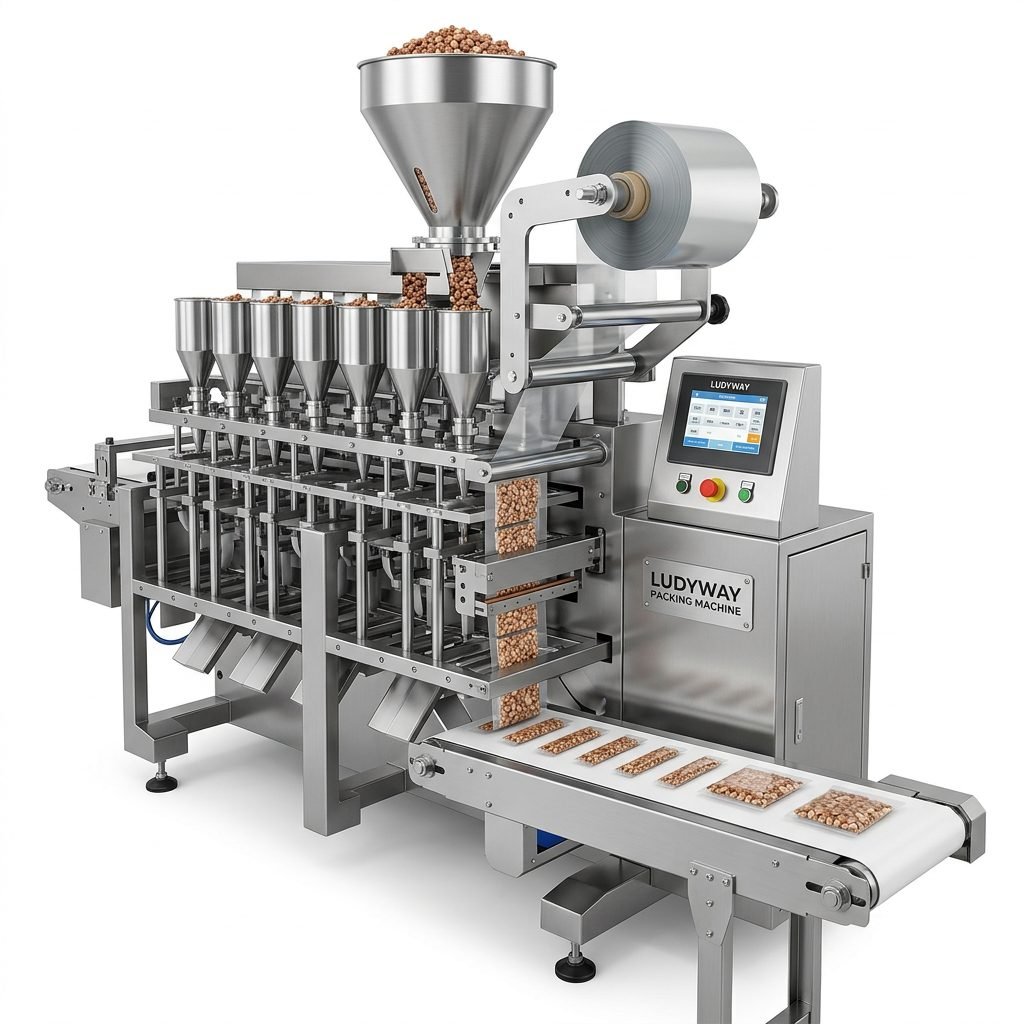
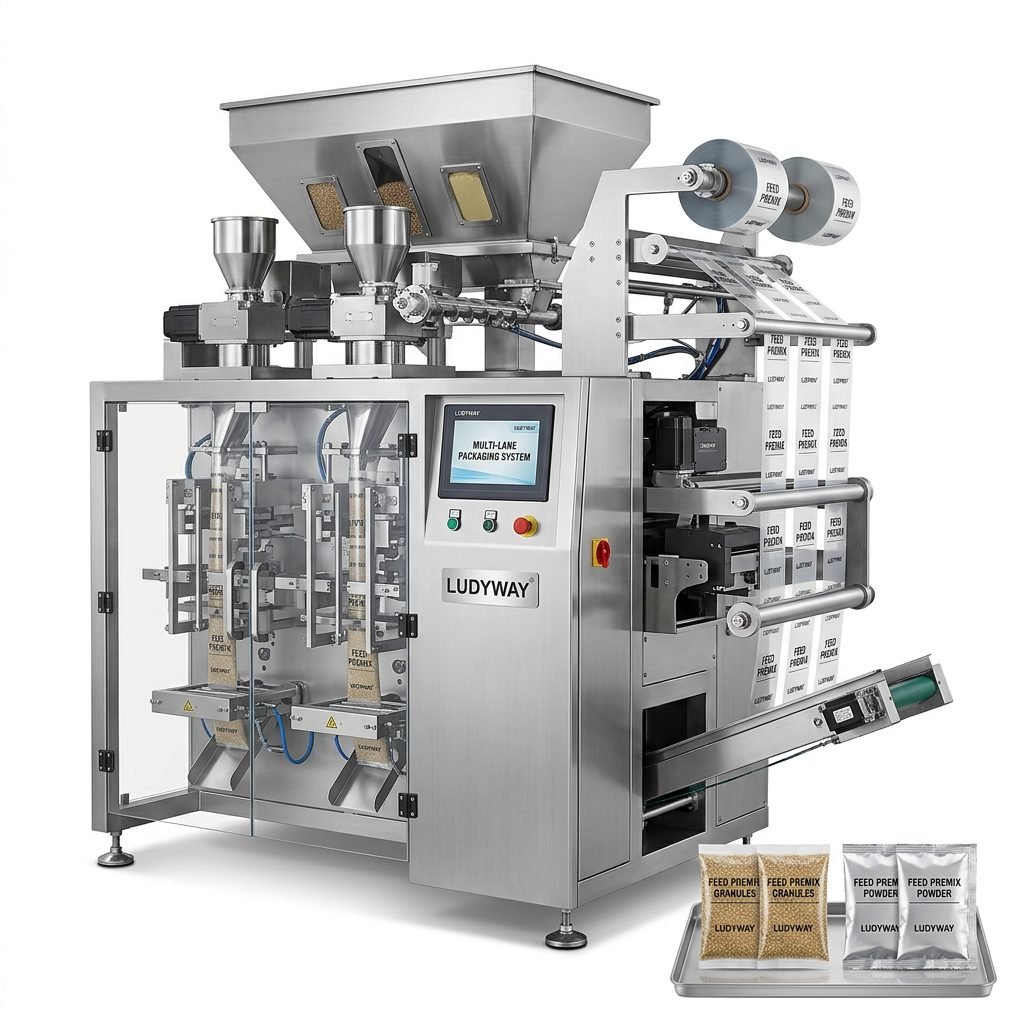
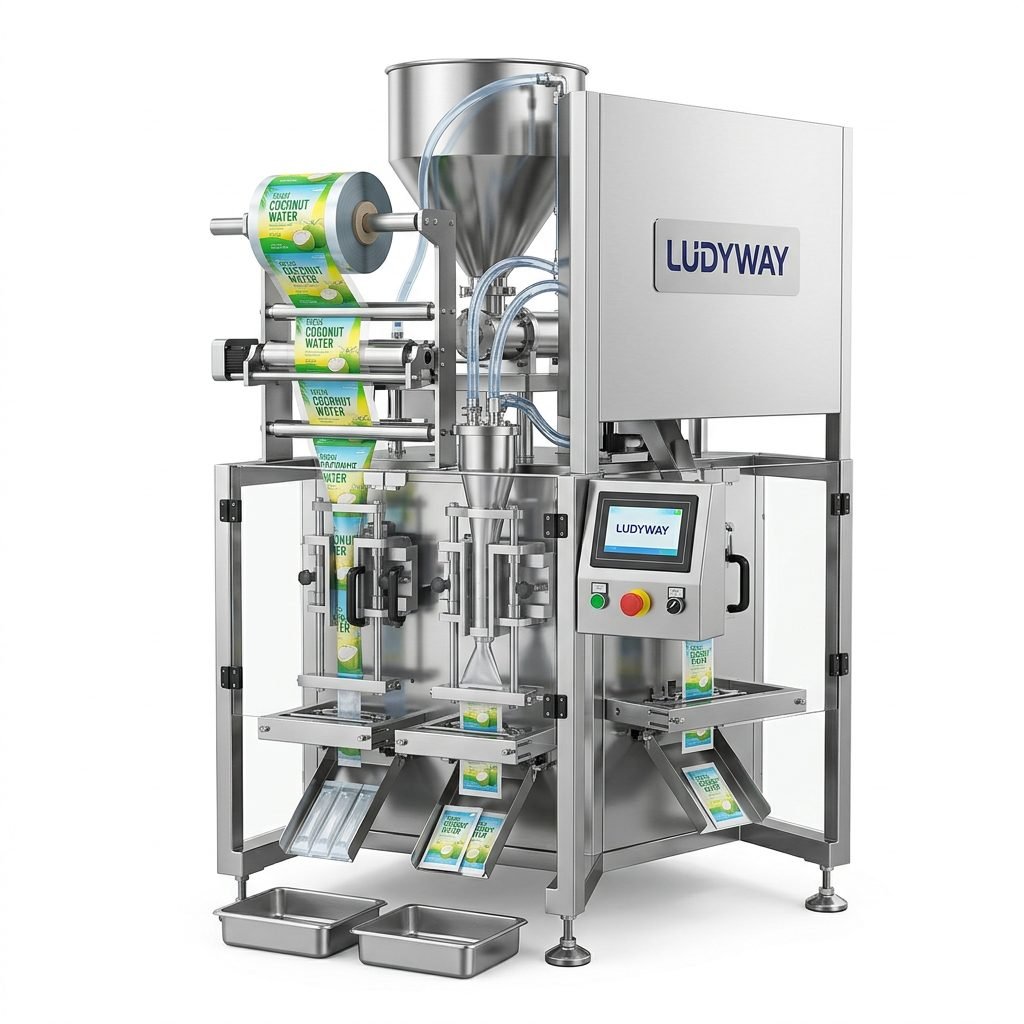
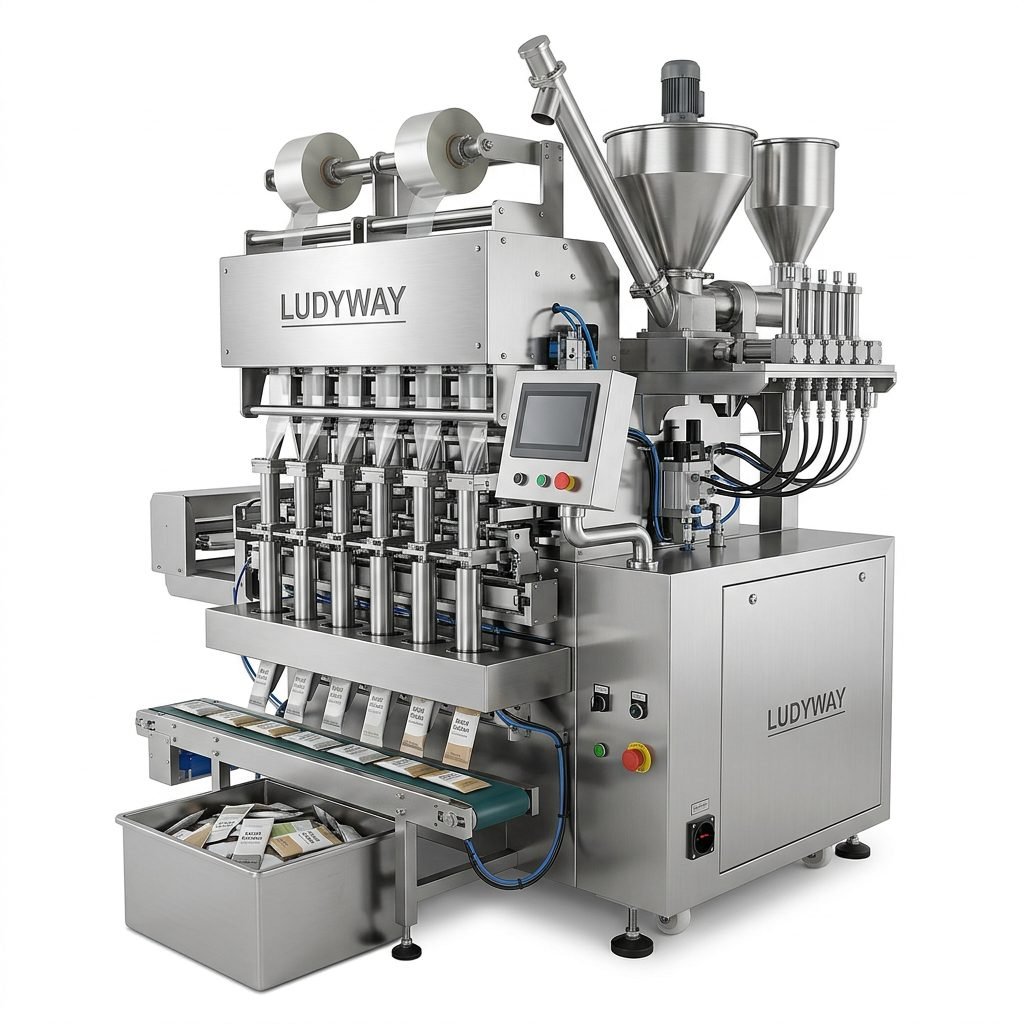
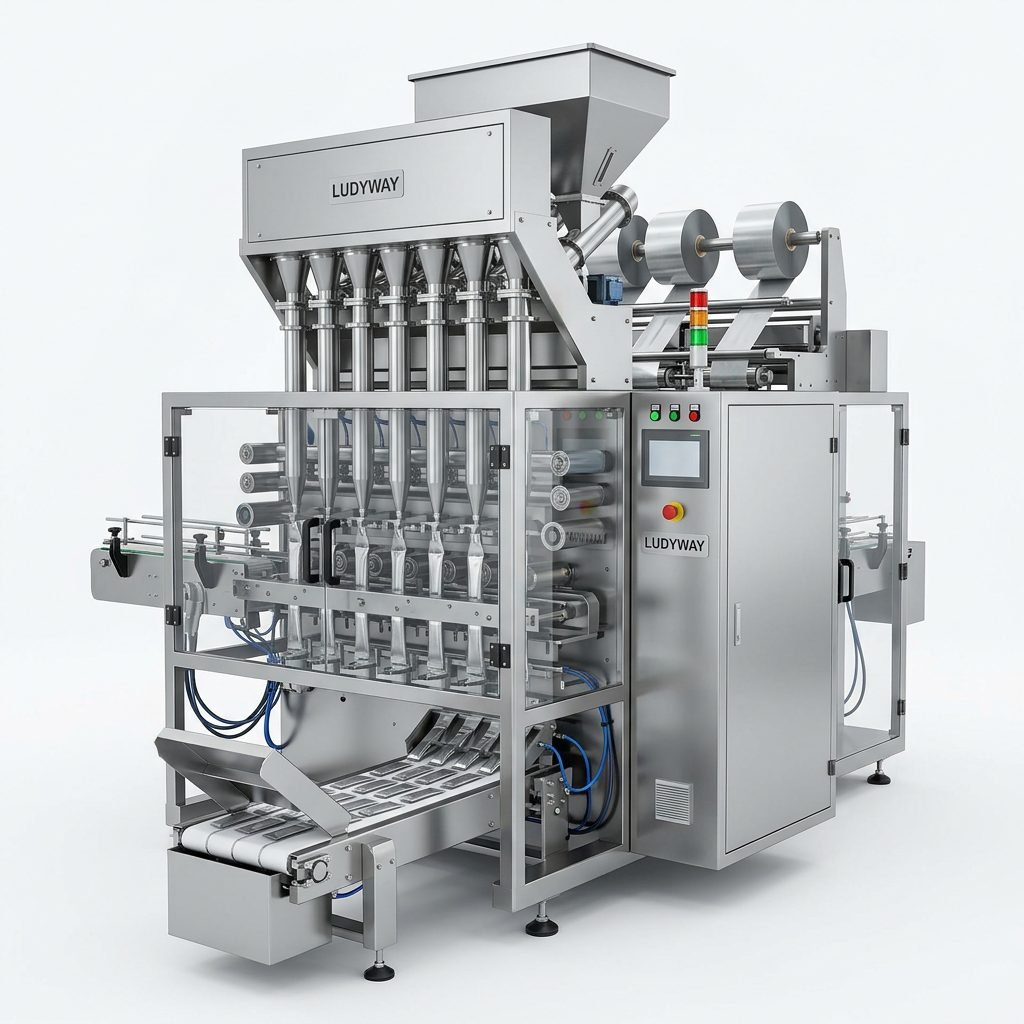
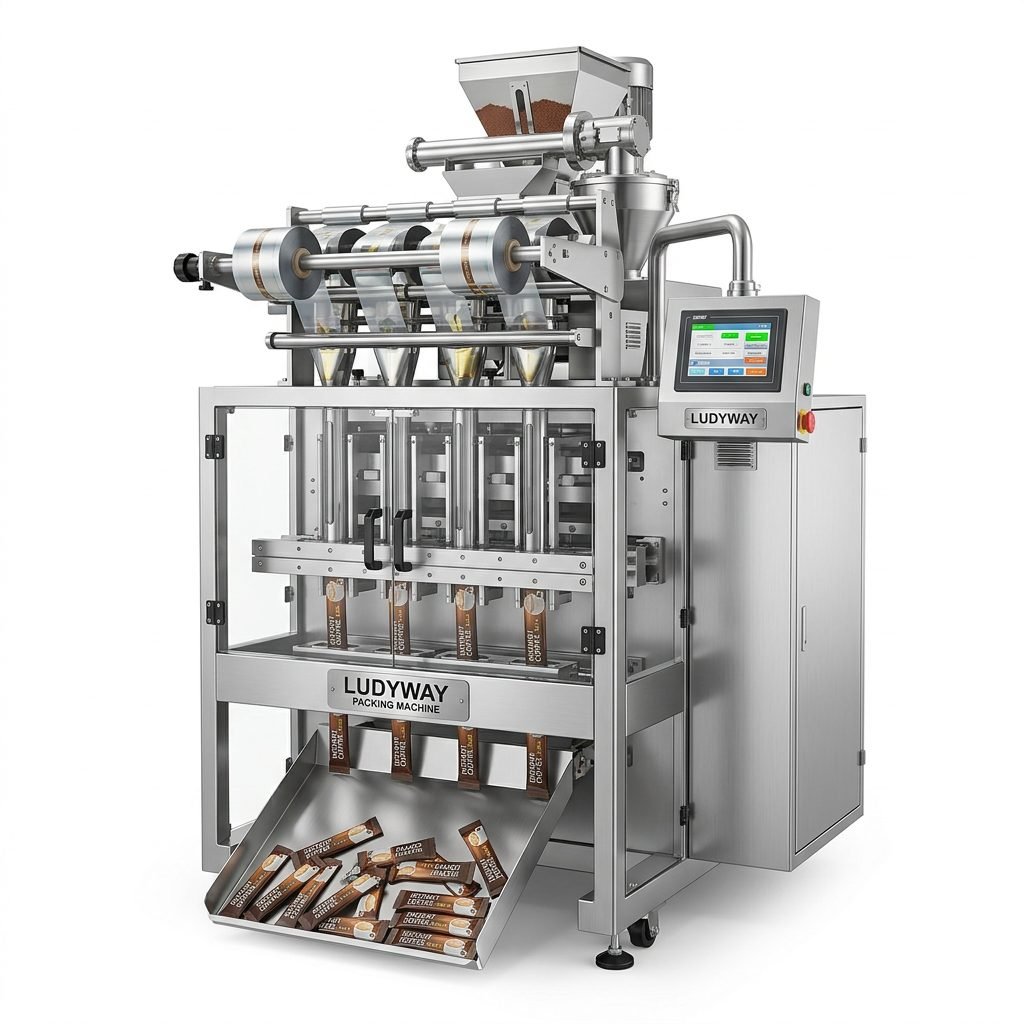
For instance, multi-lane stick pack and sachet packaging machines are ideal for single-serve portions of sauces, coffee, sugar, or instant soups. These systems offer incredible speed and precision, catering to the growing demand for on-the-go consumption. Furthermore, integrating checkweighers and vision inspection systems ensures every packet meets quality standards, safeguarding brand reputation.
Precision Engineering for Pharmaceutical & Healthcare
In pharmaceutical and healthcare packaging, there is zero tolerance for error. The machinery must operate in environments that demand the highest levels of cleanliness (often cleanroom compatible) and provide flawless accuracy in dosing powdered medications, tablets, or liquids.
Ensuring Safety and Compliance
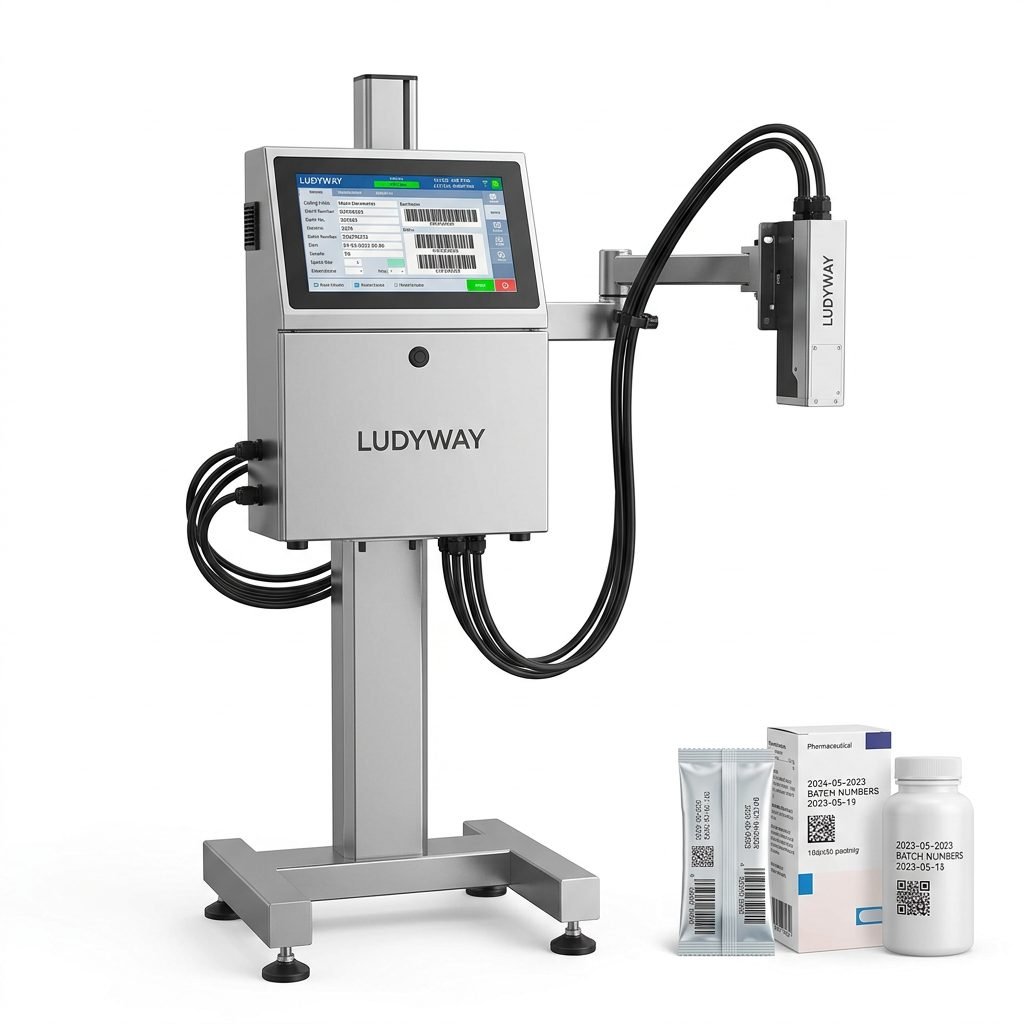
Pharma-grade packaging equipment is designed with compliance as a core principle. Features include easy-clean designs with minimal crevices, constructed from 316L or other high-grade stainless steel. Advanced control systems provide complete data logging for batch traceability, a non-negotiable requirement in the industry.
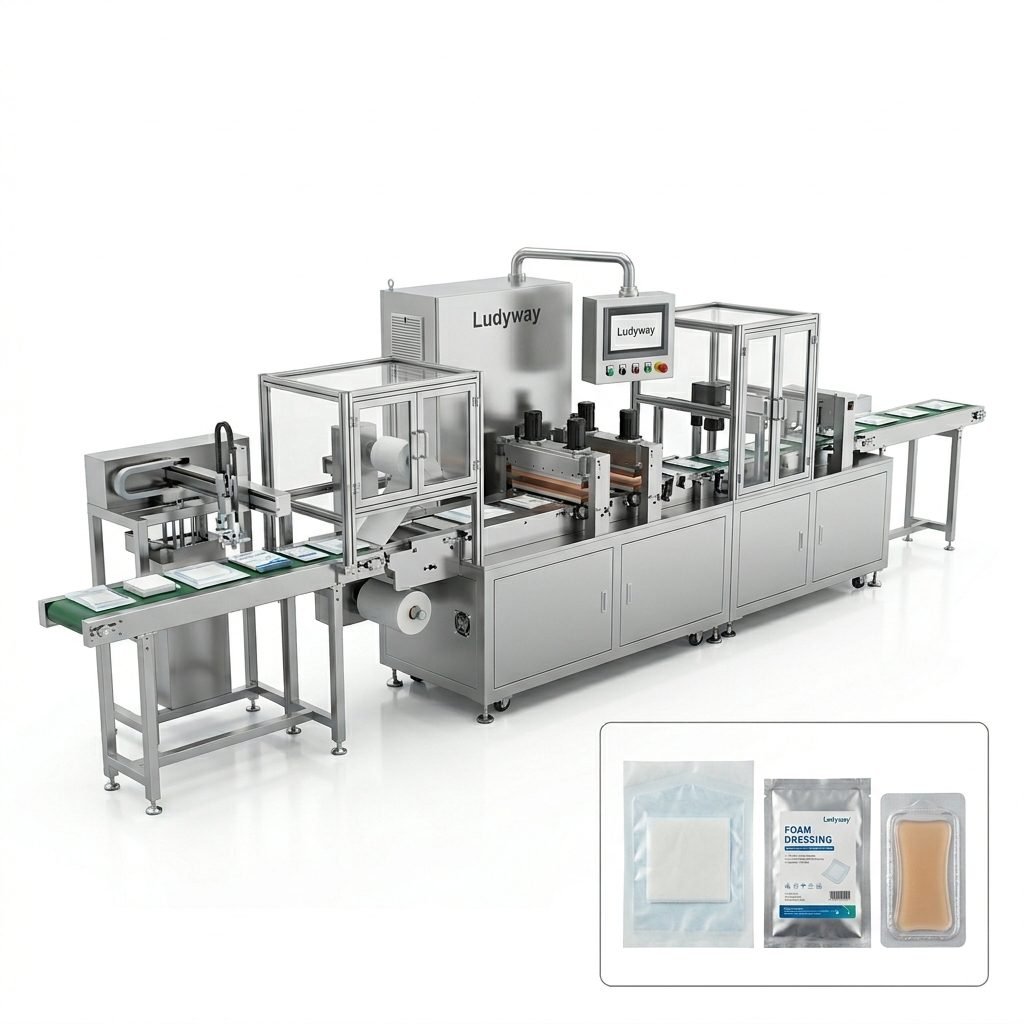
Machines for blister packing, powder filling into vials, or forming-filling-sealing (FFS) of medical device kits must be validated to meet Good Manufacturing Practice (GMP) guidelines. The integration of serialization and aggregation technologies is also becoming standard to combat counterfeiting and meet global track-and-trace regulations.
Choosing the Right Machinery Partner: Beyond the Machine
Selecting high-efficiency packaging machinery involves more than comparing technical specifications. It requires a partnership with a provider who understands your industry’s nuances. A reliable partner offers:
- Comprehensive Needs Analysis: Evaluating your current process, future goals, and specific product characteristics.
- Customization & Integration: Ability to tailor the machine (e.g., special feeding systems, unique sealing jaws) and integrate it seamlessly into existing lines.
- Robust Training & Support: Extensive operator and maintenance training, along with readily available spare parts and technical service.
- Proven Track Record: Experience and references within your specific sector (food, pharma, industrial) are invaluable.
Robust Solutions for Diverse Industrial Applications
Beyond food and pharma, a vast array of industrial products—from chemicals and fertilizers to hardware and automotive parts—require dependable packaging. Industrial packaging machinery is built for durability, often handling abrasive, dusty, or corrosive materials.
Durability and Versatility in Focus
These systems prioritize robustness and uptime. They might include heavy-duty baggers for bulk materials, automated cartoning machines for hardware, or specialized filling systems for lubricants and adhesives. Flexibility is key, as a single line may need to package multiple SKUs with different weights and bag sizes. The focus is on creating a reliable, low-maintenance workhorse that maximizes throughput in demanding environments.
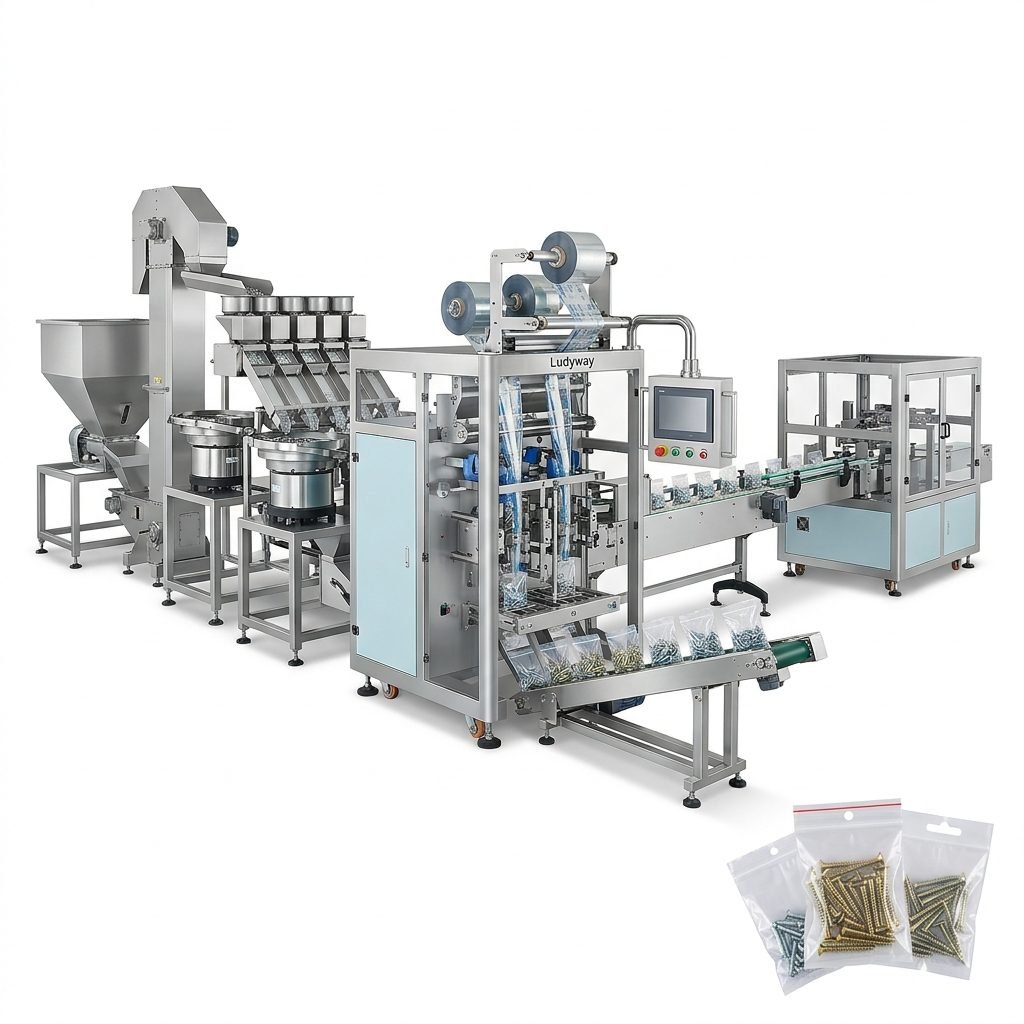
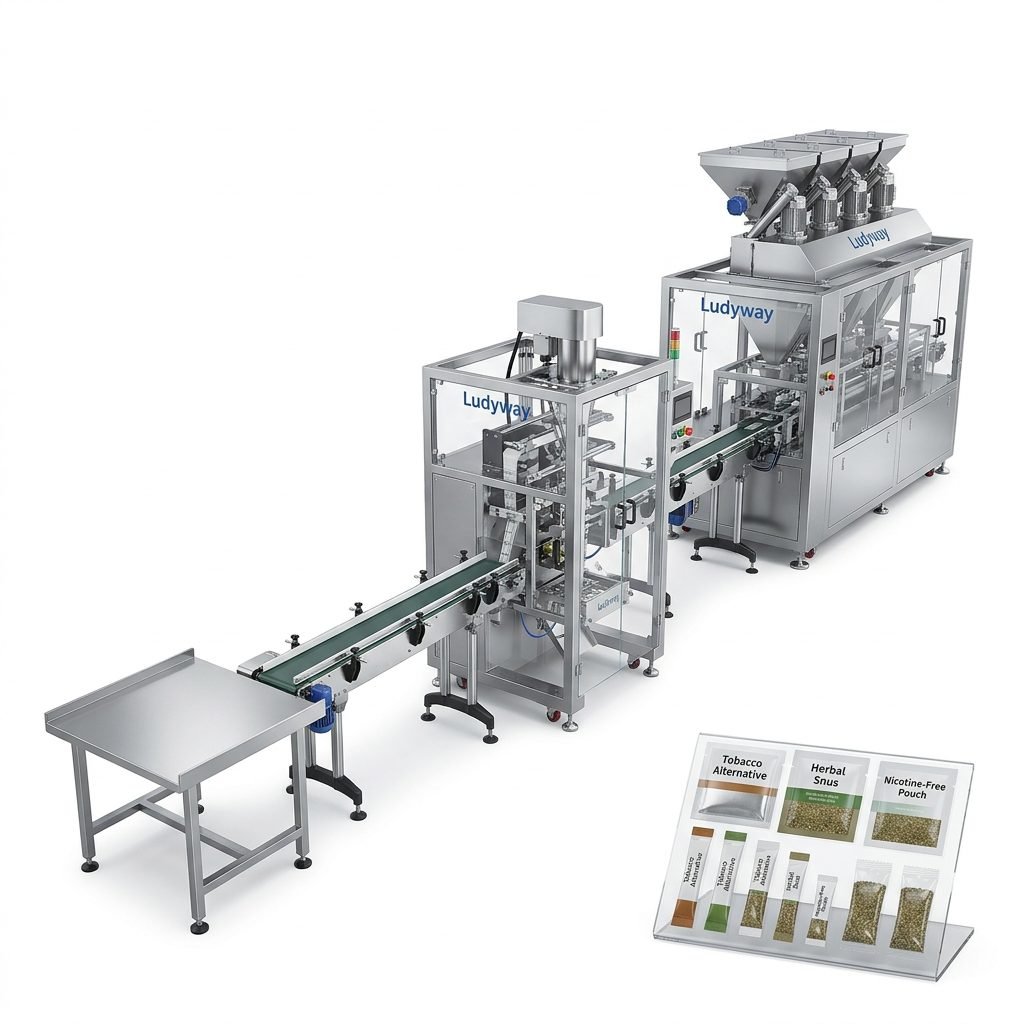
Exploring turnkey production line solutions can be particularly beneficial for industrial applications, where coordinating multiple machines (filling, sealing, labeling, casing) into one synchronized system eliminates inefficiencies.
The Future: Smart, Sustainable, and Connected Packaging
The evolution of packaging machinery is being driven by Industry 4.0 and sustainability imperatives. The future lies in smart, connected systems that offer predictive maintenance, real-time production analytics, and seamless communication with factory ERP/MES systems.
Simultaneously, the push for sustainability is shaping machine design. Equipment that can handle mono-material, recyclable films, or reduce overall material consumption through more precise sealing is in high demand. The goal is to achieve high efficiency not just in speed, but in resource utilization and environmental impact.
Conclusion
Investing in high-efficiency packaging machinery tailored for food, pharmaceutical, and industrial applications is a strategic decision that drives quality, safety, and profitability. By understanding the distinct requirements of each sector and partnering with an experienced provider who offers robust, flexible, and compliant solutions, manufacturers can future-proof their operations and gain a significant competitive edge in the global marketplace.
Frequently Asked Questions (FAQs)
1. What are the primary factors to consider when choosing packaging machinery for a new product line?
The key factors include your product’s physical form (granule, powder, liquid), required production speed (packets per minute), packaging material type, the necessary level of hygiene (e.g., food-grade vs. pharmaceutical-grade), compliance requirements, available factory space, and your total budget—considering not just the machine cost but also installation, training, and long-term maintenance.
2. How can packaging machinery improve sustainability in my operations?
Modern machinery promotes sustainability through precise dosing that reduces product waste, advanced sealing technology that allows the use of thinner or recyclable films, and energy-efficient drives and motors. Some systems are also designed for easy material changeovers to facilitate the use of sustainable packaging options.
3. What is the typical lead time for a custom-configured packaging machine?
Lead times vary significantly based on complexity, customization level, and manufacturer capacity. For standard models with minor adjustments, it could be 8-12 weeks. For fully customized or turnkey lines, the process from design to delivery can take 4-6 months or longer. A detailed project timeline should be established with your supplier during the quotation phase.
4. Can existing, older packaging lines be upgraded or retrofitted for higher efficiency?
Yes, in many cases. Upgrades such as adding new servo drives for better accuracy, integrating modern touch-screen PLC controls, installing automatic vision inspection systems, or retrofitting quick-changeover parts can significantly boost the speed, accuracy, and flexibility of an existing line without the cost of a complete replacement. A professional audit by your machinery partner can identify the most valuable upgrade opportunities.
5. What kind of after-sales support should I expect from a reliable packaging machinery supplier?
Comprehensive support includes detailed installation supervision and commissioning, thorough training for your operators and maintenance staff, readily available spare parts with a clear parts manual, remote technical support via phone or video, and options for on-site service visits. A good supplier will also offer preventive maintenance plans to ensure your machine’s longevity and optimal performance.