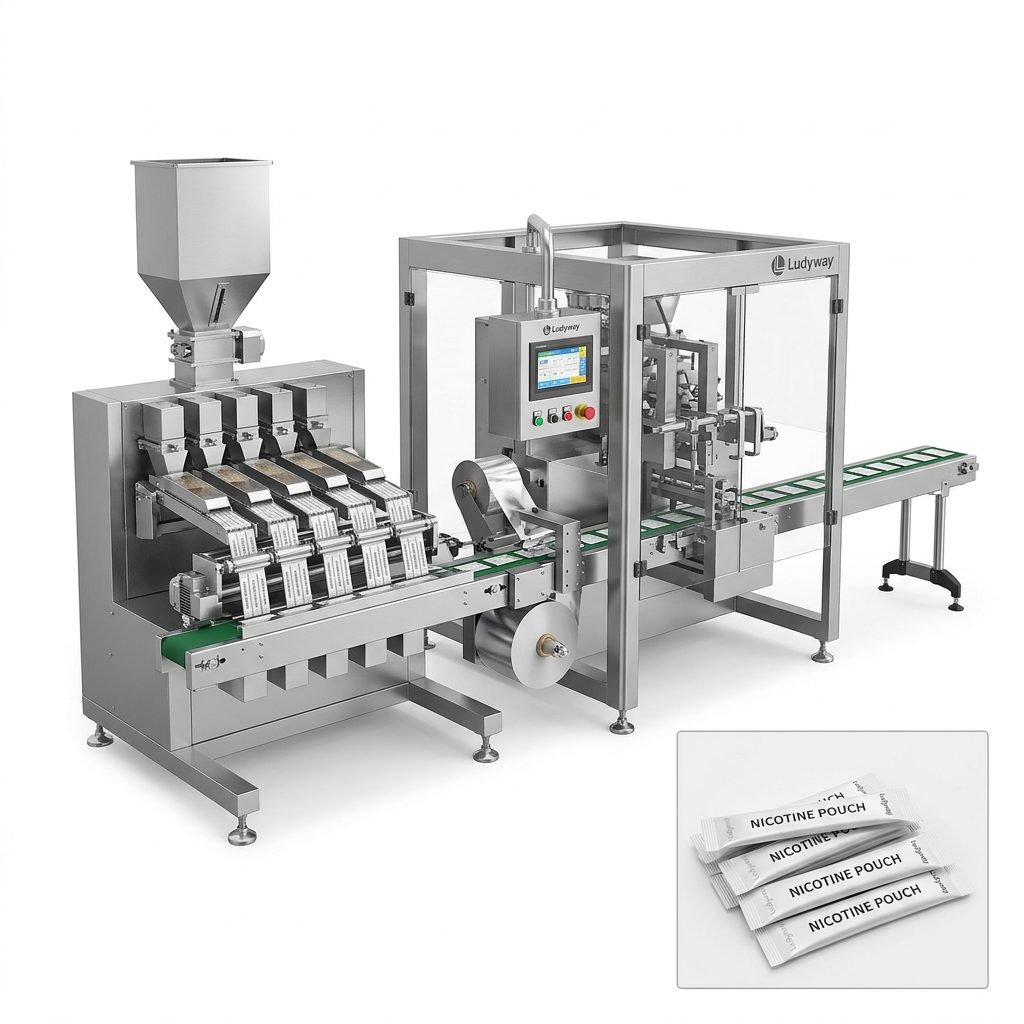
Investing in the right seasoning powder packing machine is one of the most important decisions a food manufacturer can make. Whether you are packaging chili powder, garlic salt, mixed spices, bouillon, or custom seasoning blends, the equipment you choose directly affects product consistency, production efficiency, packaging quality, and long-term profitability. With a wide range of machine types, configurations, and automation levels available, selecting the right solution requires a systematic evaluation of your product, production goals, and operational requirements.
This guide walks you through the key factors to consider when choosing a seasoning powder packing machine, helping you make an informed purchasing decision that supports your business growth.
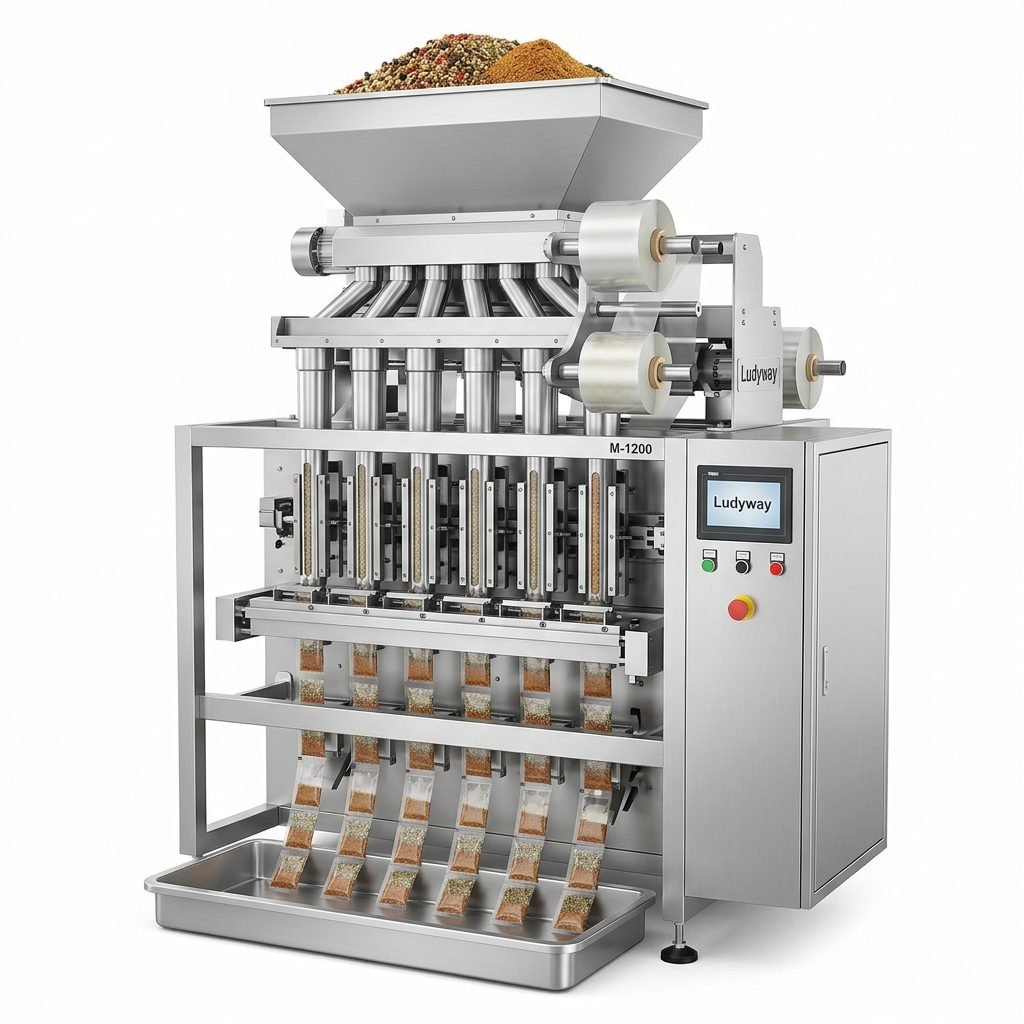
Understanding Your Seasoning Powder Characteristics
Before evaluating different machine options, you need to understand the physical properties of your seasoning powder. These characteristics significantly influence which filling technology and machine configuration will work best for your product.
Flowability and Particle Size
Seasoning powders vary widely in flowability. Free-flowing powders like salt and granulated sugar behave very differently from cohesive powders like garlic powder, onion powder, or spice blends that tend to clump. The particle size distribution of your seasoning directly affects how the product moves through the feeding and dosing system. Fine powders require specialized filling mechanisms to prevent dusting and ensure accurate dosing, while granular seasonings may need different handling approaches.
Moisture Sensitivity and Hygroscopicity
Many seasoning powders are hygroscopic, meaning they absorb moisture from the air. This can cause clumping, bridging in hoppers, and inconsistent filling. If your product is moisture-sensitive, look for machines with sealed feeding systems, humidity-controlled environments, or nitrogen flushing capabilities to maintain product quality throughout the packaging process.
Density and Compressibility
Seasoning powder density affects how much product fits into each package and how the filling mechanism must be calibrated. Products with variable density may require volumetric filling systems with regular recalibration, while consistent-density products can work well with either volumetric or gravimetric systems.
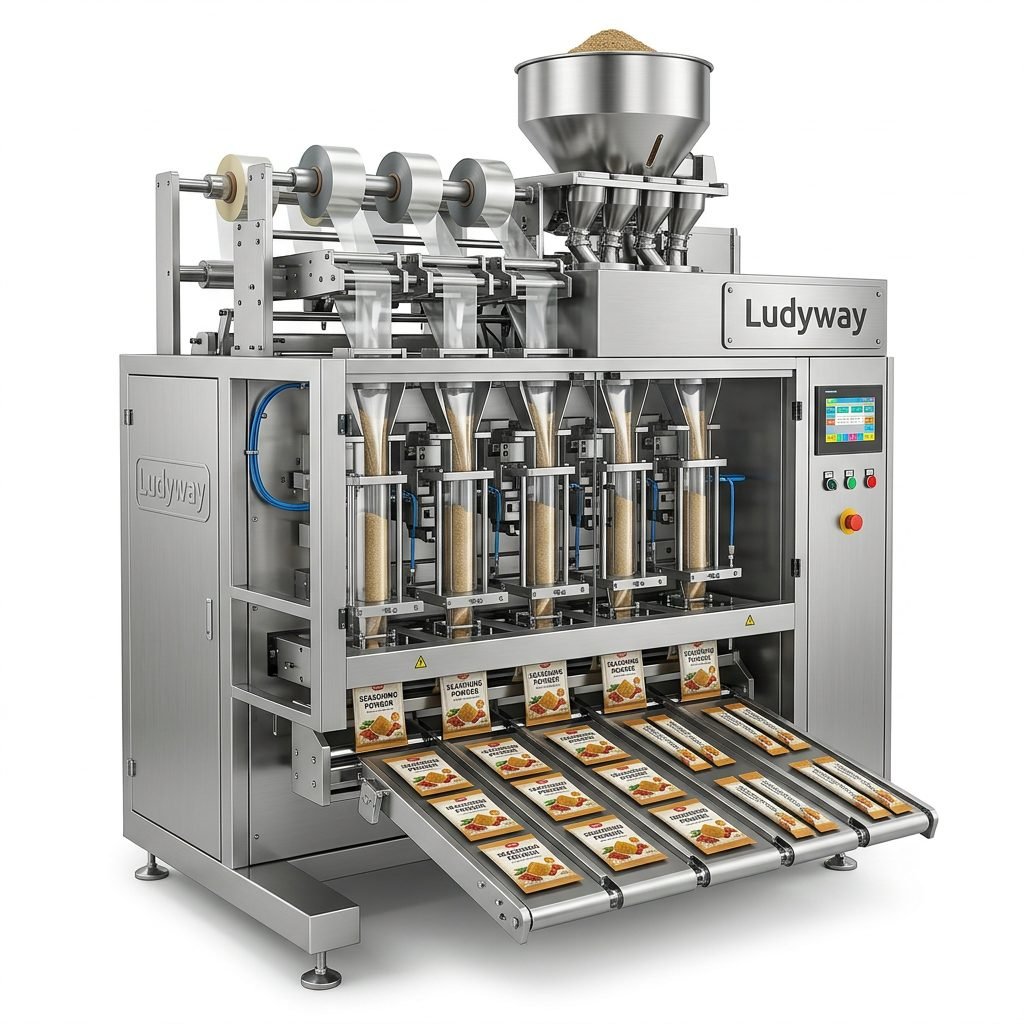
Packaging Format and Bag Style Selection
The type of package you want to produce is a primary driver of machine selection. Seasoning powders are commonly packaged in several formats, and each requires specific machine configurations.
Stick Packs
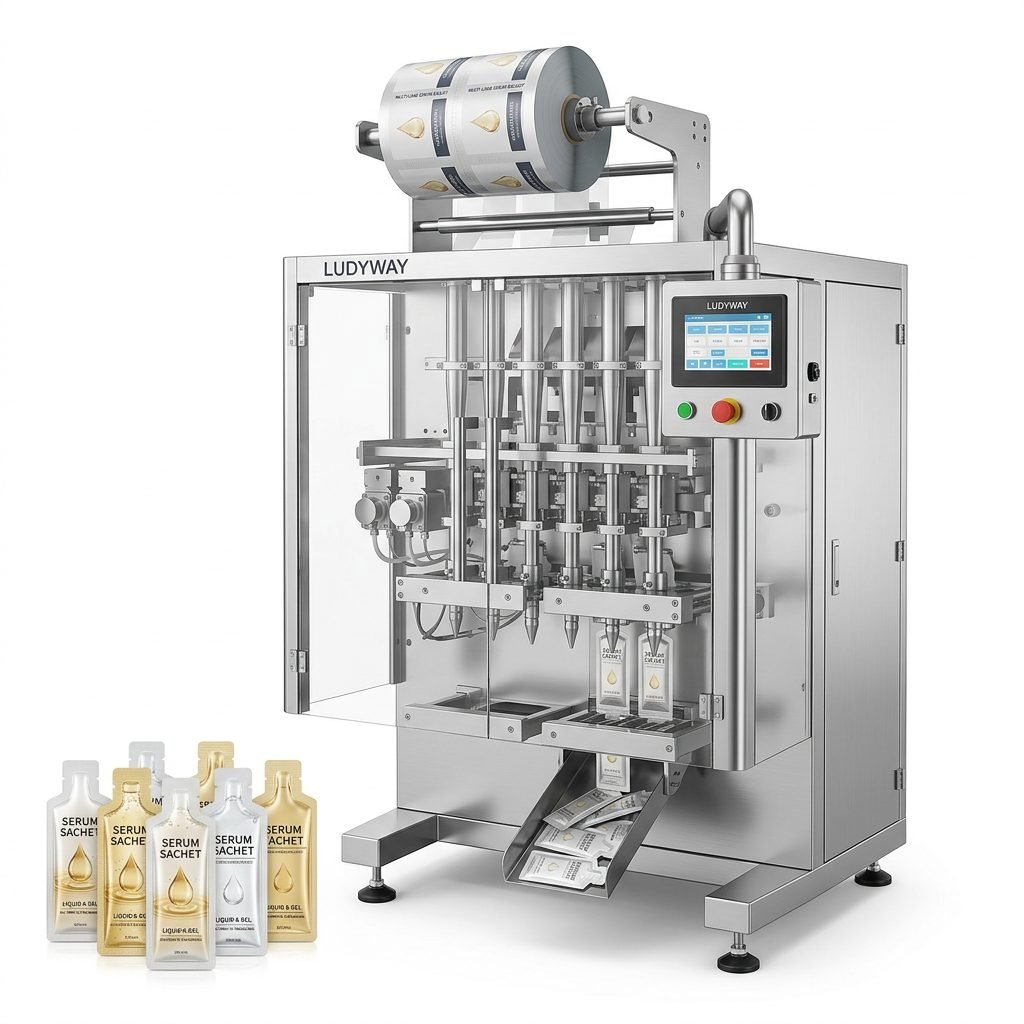
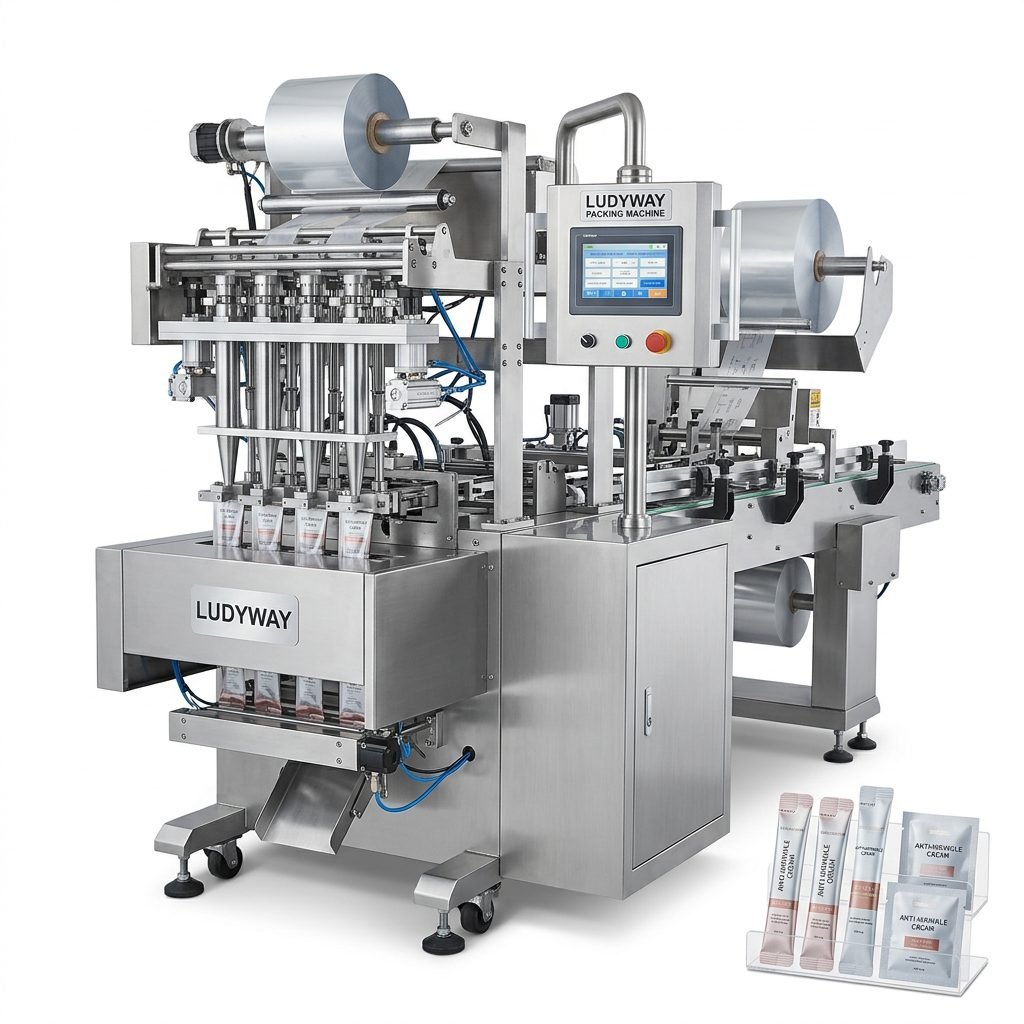
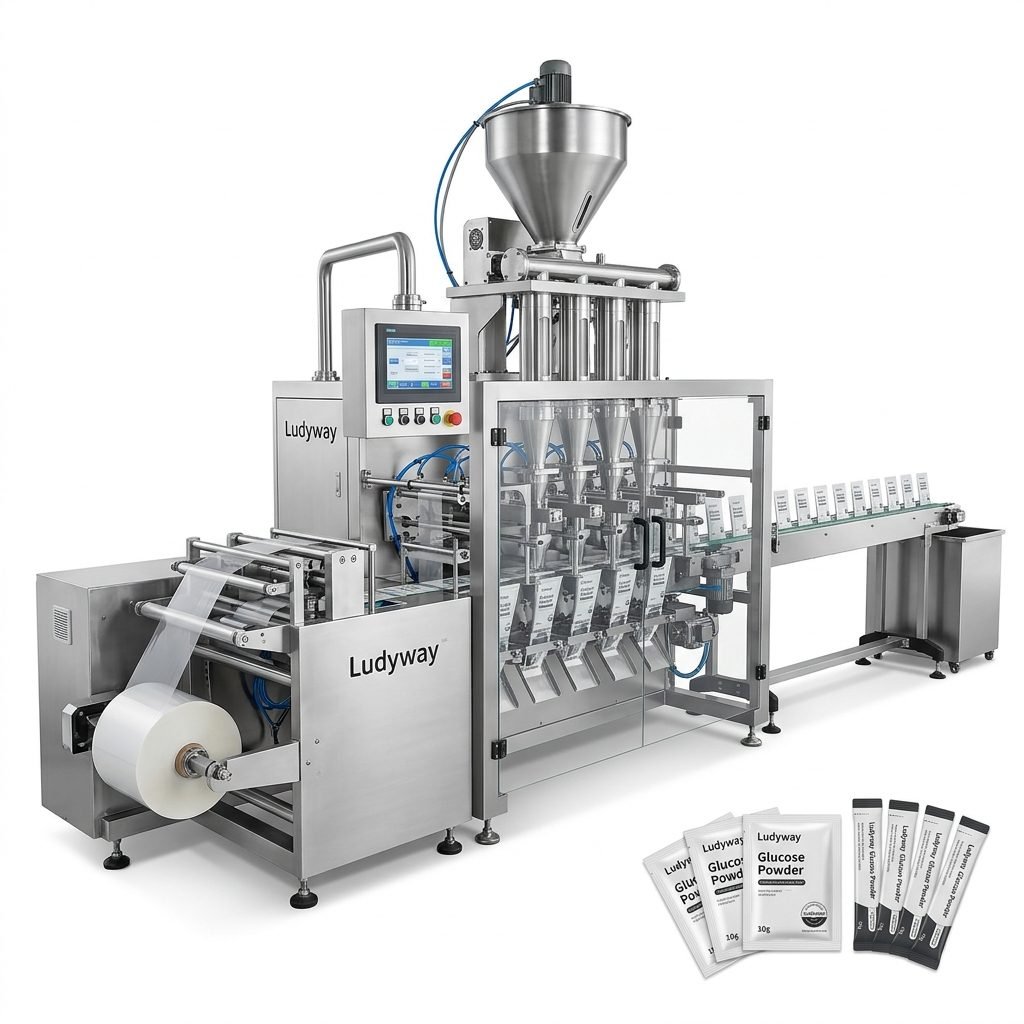
Stick packs are narrow, elongated sachets ideal for single-serve seasoning portions. They are popular in food service, convenience stores, and retail. Multi-lane stick pack machines can produce dozens of lanes simultaneously, achieving very high output rates while maintaining precise portion control.
Flat Sachets and Pillow Bags
These are the most common formats for retail seasoning packaging, available in various sizes from a few grams to larger family-size portions. Three-side-seal and four-side-seal sachets provide excellent product protection and attractive shelf presentation. Look for machines that support easy changeover between different sachet sizes if you plan to package multiple SKUs.
Stand-Up Pouches and Gusseted Bags
For premium seasoning products or larger volumes, stand-up pouches with resealable zippers offer superior shelf appeal and consumer convenience. These formats typically require premade pouch filling machines or specialized form-fill-seal systems with gusseting capabilities.
| Packaging Format | Typical Fill Weight | Best For | Machine Type |
|---|---|---|---|
| Stick Pack | 1g – 15g | Single-serve, food service | Multi-lane VFFS |
| Sachet / Pillow Bag | 5g – 500g | Retail, wholesale | Single-lane or multi-lane VFFS |
| Stand-Up Pouch | 50g – 2kg+ | Premium retail, bulk | Premade pouch filler or HFFS |
| Jumbo / Bulk Bag | 1kg – 25kg+ | Industrial, B2B | Bulk bagging systems |
Filling Technology: Choosing the Right Dosing System
The filling mechanism is the heart of any seasoning powder packing machine. The right choice depends on your product characteristics, required accuracy, and throughput needs. Here are the main filling technologies used in seasoning packaging:
Auger Filling Systems
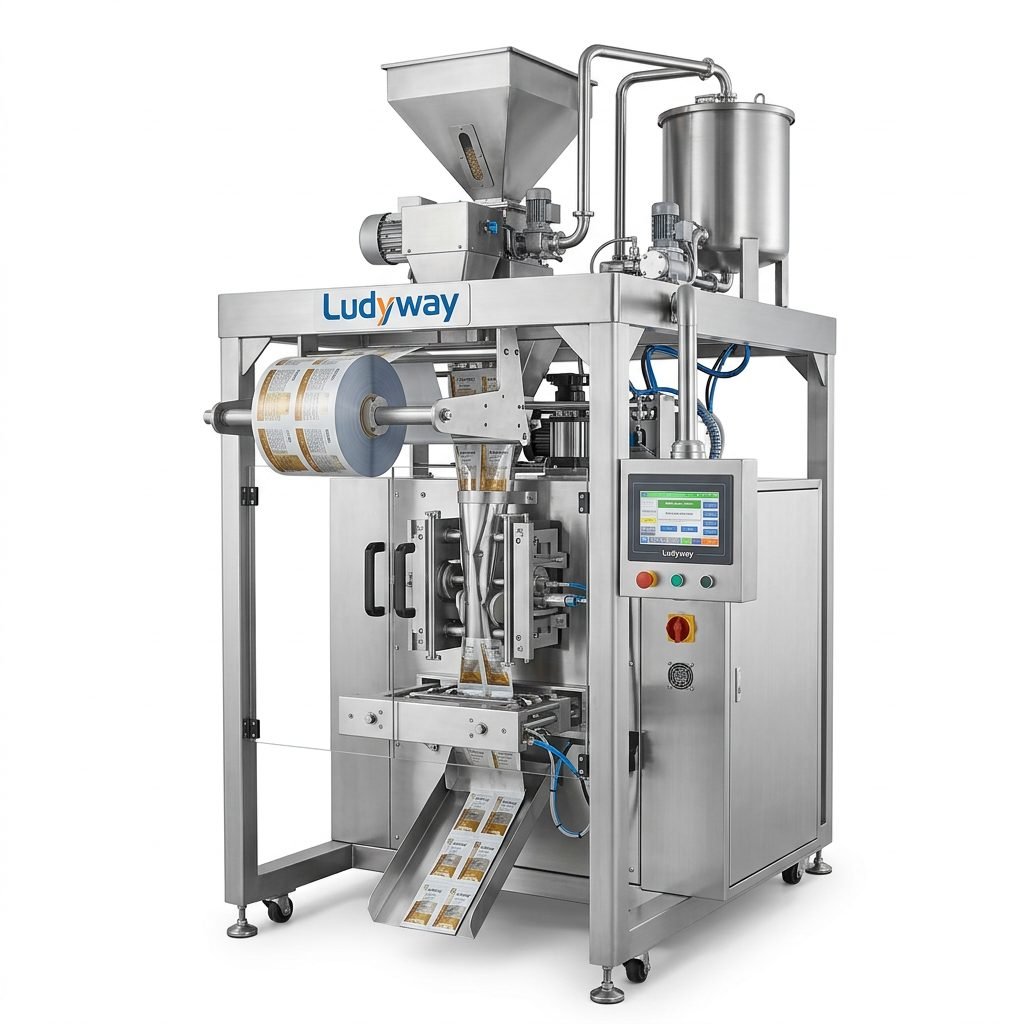
Auger fillers are the most widely used technology for seasoning powders. They use a rotating screw to dispense a precise volume of product into each package. Auger fillers handle a wide range of powder types well, from free-flowing granulated seasonings to fine, cohesive powders. They offer good accuracy at moderate to high speeds and are relatively easy to clean and maintain. However, accuracy can be affected by changes in product density.
Volumetric Cup Fillers
These systems use pre-calibrated cups to measure product volume before dispensing. They excel at high-speed applications for free-flowing, uniform-density products. Cup fillers are simple, robust, and cost-effective but are less suitable for products with significant density variations or where high precision is required.
Multi-Head Weighing Systems
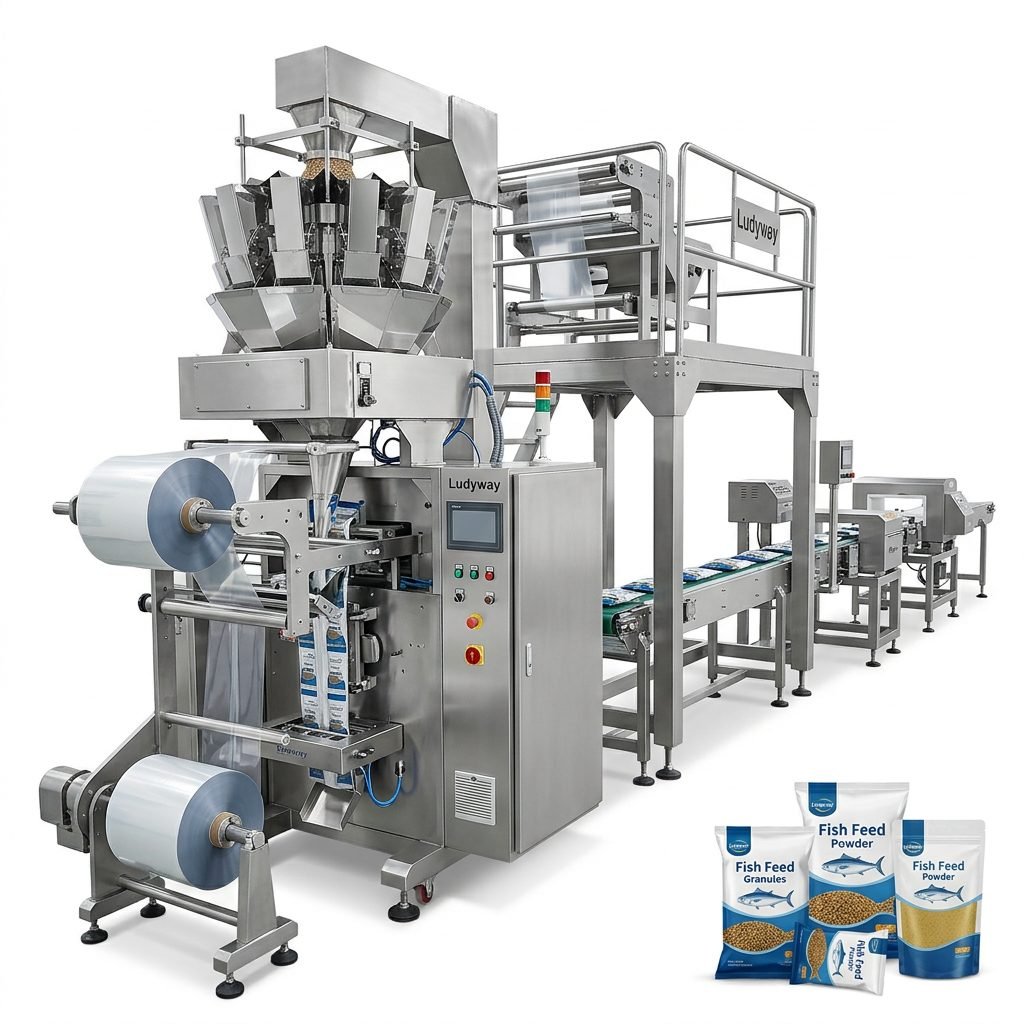
For applications demanding the highest accuracy, particularly with larger fill weights or expensive seasoning blends, multi-head weighers use a combination of weigh buckets to achieve target weights with minimal giveaway. These systems are ideal for premium spice blends, saffron, vanilla powder, and other high-value seasonings where every gram counts. They typically offer the best accuracy but come at a higher cost.
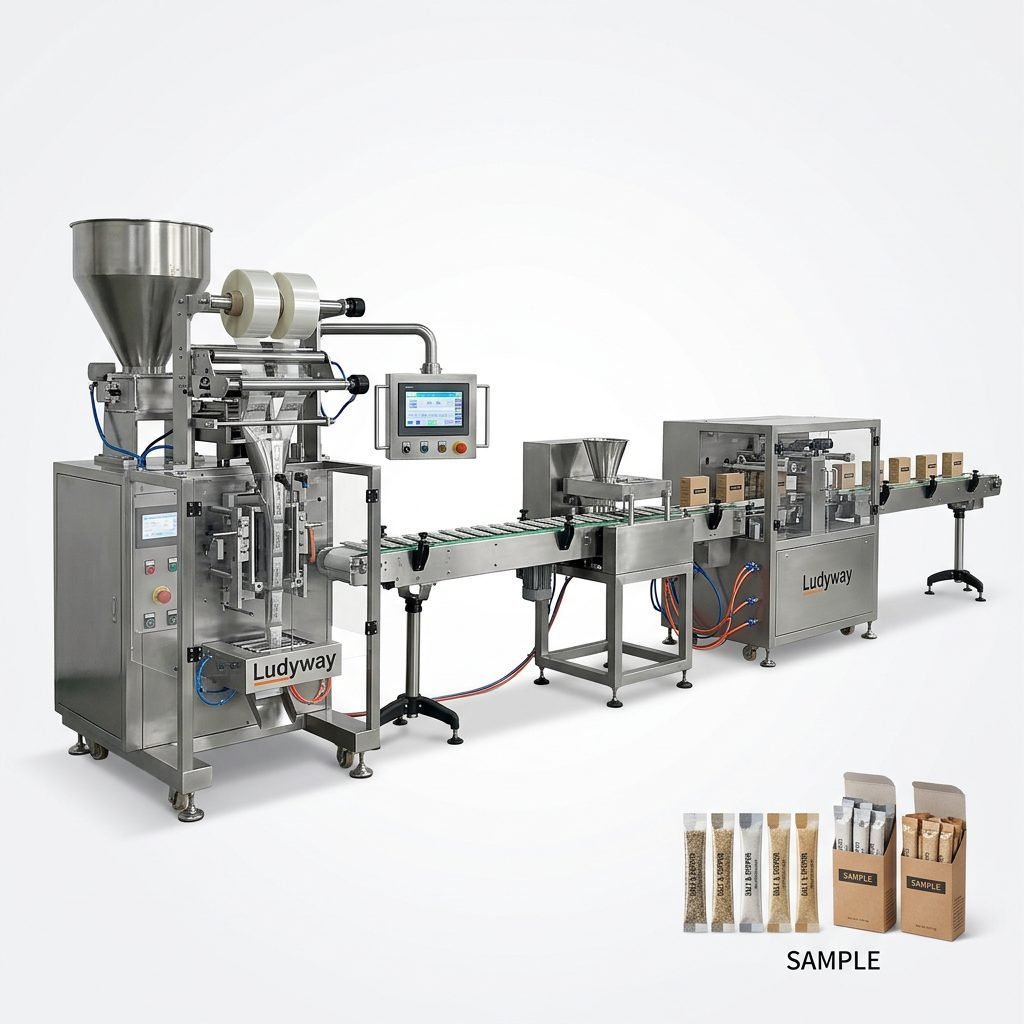
Production Speed and Capacity Requirements
Your production volume targets are critical in determining the appropriate machine configuration. A small artisan spice company packaging a few hundred sachets per day has very different needs from a large-scale manufacturer producing millions of stick packs per month.
Low to Medium Volume
For startups and small-scale producers, single-lane machines producing 30 to 60 packs per minute may be sufficient. These machines typically have lower upfront costs, are easier to operate, and require less floor space. They are a practical choice when production demands are modest and capital budgets are limited.
High Volume and Mass Production
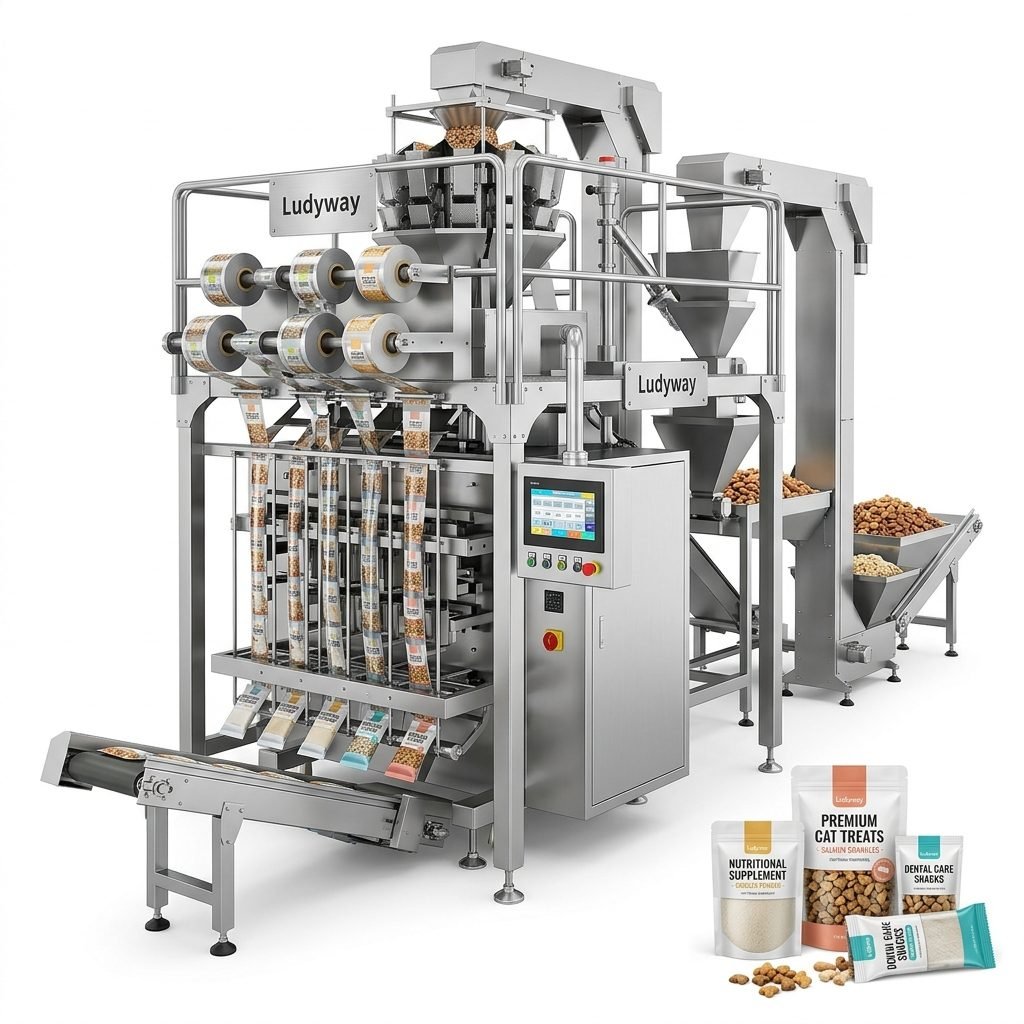
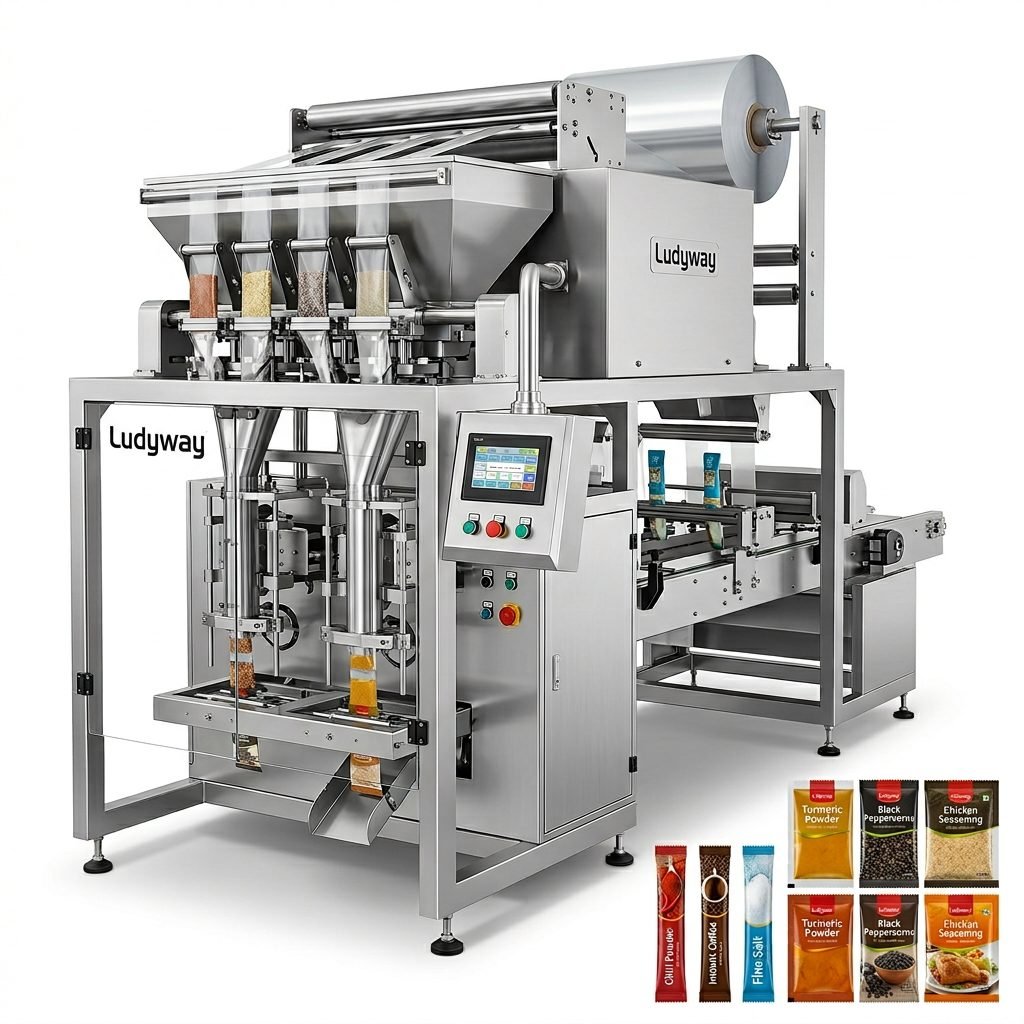
For large-scale seasoning manufacturers, multi-lane machines capable of running 4, 6, 8, 10, or more lanes simultaneously can achieve outputs of 400 to over 1,000 packs per minute. Multi-lane configurations dramatically increase throughput without proportionally increasing floor space or operator requirements. They represent a higher initial investment but deliver significantly lower per-unit packaging costs.
Automation Level and Line Integration
Modern seasoning powder packing machines can range from standalone units to fully integrated packaging lines. Consider whether you need a simple machine or a complete turnkey packaging solution.
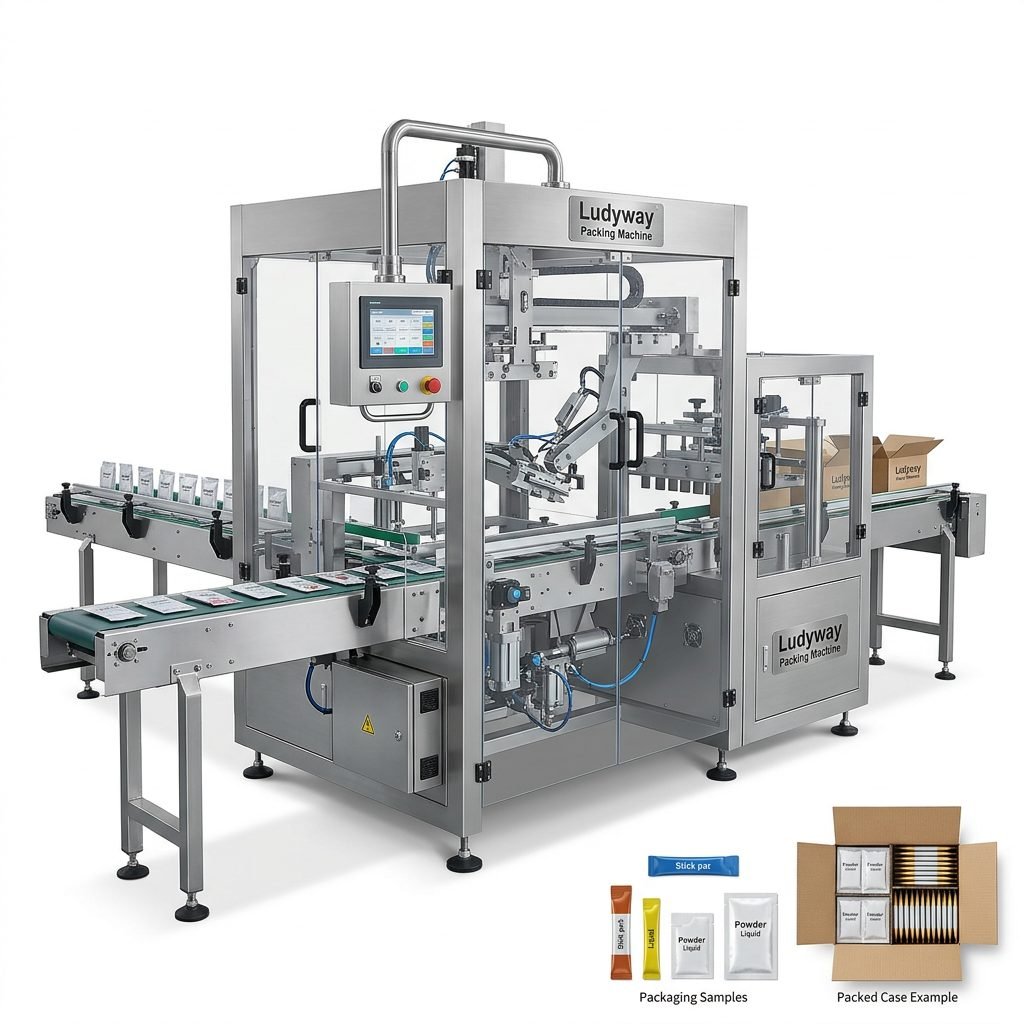
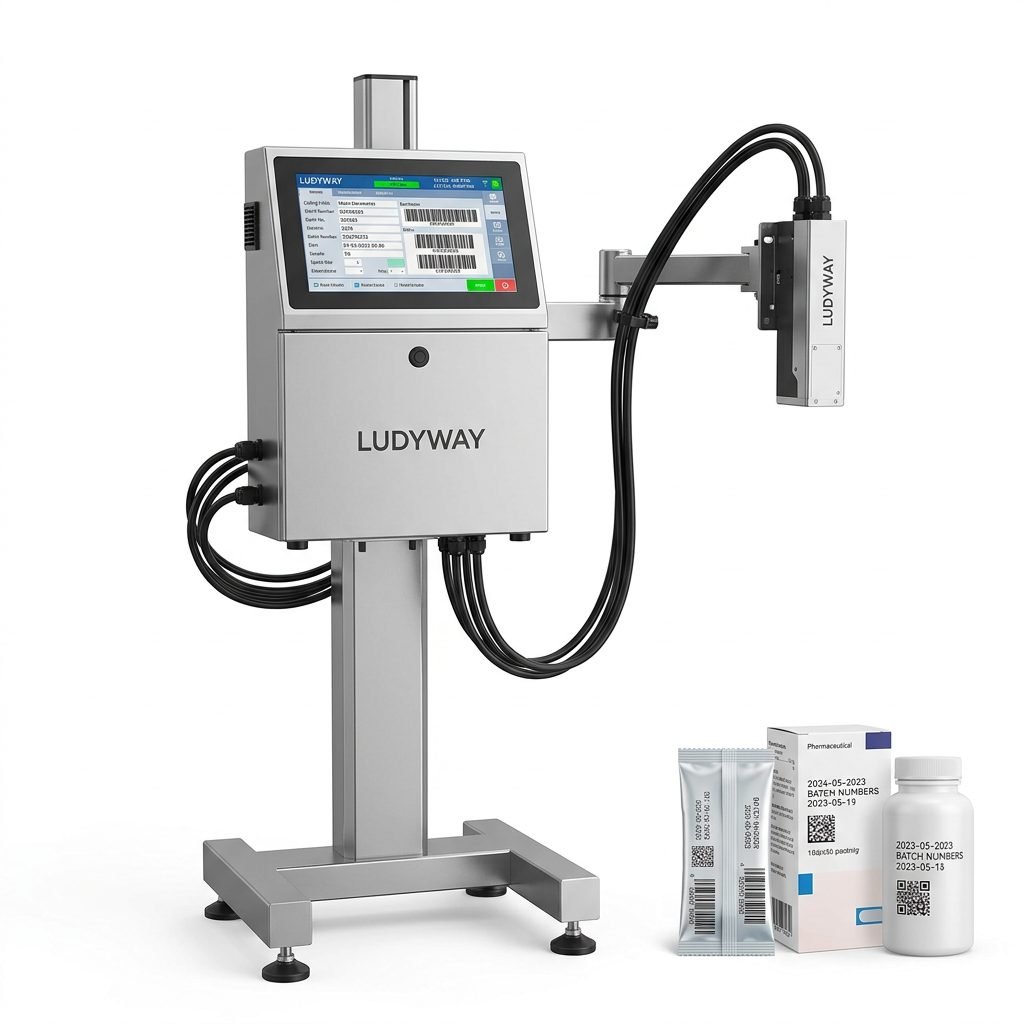
Standalone machines require manual feeding of product and manual collection of finished packs. Semi-automated setups incorporate conveyors and basic feeding systems. At the highest level, fully automated packaging lines integrate feeding, filling, sealing, coding, inspection, cartoning, case packing, and palletizing into one seamless operation. When evaluating automation, it is worth consulting manufacturers like Ludyway Machinery, a China-based packaging machinery manufacturer with more than 30 years of experience in developing and supplying automated packaging equipment and integrated solutions across a wide range of industries.
For insights into broader packaging industry trends affecting automation investments, the PMMI State of the Industry Reports provide valuable data on packaging machinery market developments and technology adoption.
Film Compatibility and Material Handling
The packaging film you plan to use must be compatible with your machine’s sealing system. Seasoning powders require packaging materials that provide adequate barrier properties against moisture, oxygen, and light to preserve product freshness and flavor.
Common Film Structures
- Laminated films – Multi-layer structures combining materials like PET, aluminum foil, and polyethylene for excellent barrier protection.
- Metallized films – Offer good moisture and oxygen barrier at a lower cost than foil laminates.
- Paper-based laminates – Used for certain dry seasoning applications where an eco-friendly appearance is desired.
- Recyclable mono-materials – Growing in popularity as brands pursue sustainable packaging goals.
For detailed information on flexible packaging materials and industry standards, the Flexible Packaging Association Industry Resources offers comprehensive guidance on material selection and regulatory compliance.

Critical Machine Features to Evaluate
When comparing specific machines, pay close attention to the following features that directly impact performance, reliability, and ease of use:
Sealing System Quality
The integrity of your package seals determines product shelf life and protection. Look for machines with precise temperature control, consistent sealing pressure, and reliable jaw alignment. Poor sealing can lead to leakers, product spoilage, and customer complaints. Servo-driven sealing systems generally offer better control and repeatability than pneumatic or mechanical alternatives.
Changeover Efficiency
If you package multiple seasoning products or different pack sizes, quick and tool-free changeover features are essential. Machines with recipe storage, quick-release forming tubes, and easily adjustable filling parameters can reduce changeover time from hours to minutes, significantly improving overall equipment effectiveness.
Cleaning and Maintenance Accessibility
Seasoning powders can be challenging to clean, especially strongly flavored or colored products that can cross-contaminate subsequent runs. Machines with tool-free disassembly, wash-down capability, and accessible design reduce cleaning time and ensure food safety compliance. Stainless steel construction is standard for food-grade equipment and should be verified.
Quality Control Integration
Modern packaging lines benefit from integrated quality control systems. Checkweighers, metal detectors, vision inspection systems, and seal integrity testers can be incorporated into the line to catch defects before products reach customers. While adding upfront cost, these systems pay for themselves by preventing costly recalls and protecting brand reputation.
Budget Considerations and Total Cost of Ownership
The purchase price of a seasoning powder packing machine is only one component of its total cost. A comprehensive cost analysis should factor in:
- Initial equipment cost – The machine purchase price, including any customization or options.
- Installation and commissioning – Costs for setup, calibration, and initial training.
- Operating costs – Labor, electricity, compressed air, and consumables like packaging film.
- Maintenance and spare parts – Routine maintenance, wear parts replacement, and unexpected repairs.
- Downtime cost – Lost production during breakdowns or changeovers.
- Film waste – Machines with better tension control and alignment produce less waste during startups and changeovers.
A machine with a lower purchase price may have significantly higher operating costs over its lifetime. Evaluate total cost of ownership over 5 to 10 years rather than making decisions based on initial price alone.
Regulatory Compliance and Food Safety
Seasoning powder packaging equipment must meet applicable food safety regulations in your target markets. Key considerations include:
Material Compliance
All product contact surfaces should be made from food-grade stainless steel (typically 304 or 316L). Verify that materials comply with regulations such as FDA food contact substance requirements for the U.S. market, EU food contact materials regulations for Europe, and other applicable standards for your target regions.
Design Standards
Equipment should follow good manufacturing practice (GMP) design principles, including hygienic design, easy cleanability, and prevention of contamination risks. Machines destined for certain markets may need to comply with specific standards. For medical or pharmaceutical seasoning applications, refer to ISO packaging standards for guidance on applicable requirements.
After-Sales Support and Technical Service
The relationship with your equipment supplier extends well beyond the initial purchase. Evaluate potential suppliers on their after-sales support capabilities:
- Technical support availability – Is support available during your production hours? Can they provide remote diagnostics?
- Spare parts inventory and delivery – How quickly can critical spare parts be delivered to your location?
- Operator training – Does the supplier offer comprehensive training for your operators and maintenance staff?
- Warranty terms – What is covered, and for how long? What are the exclusions?
- Service network – Does the supplier have service engineers available in your region or country?
Strong after-sales support can significantly reduce downtime and extend the productive life of your equipment. For industry-wide benchmarks on packaging equipment performance and support expectations, PMMI’s business intelligence resources offer useful reference points.
Making the Final Decision
Choosing the right seasoning powder packing machine requires balancing multiple factors: product characteristics, packaging format, production volume, automation requirements, budget, regulatory compliance, and supplier reliability. Start by clearly defining your current needs, but also consider how your requirements might evolve over the next 3 to 5 years.
A machine that barely meets today’s demand may become a bottleneck as your business grows, while an oversized machine may represent unnecessary capital expenditure. Scalability and flexibility should be key criteria in your evaluation process. Request product demonstrations, sample runs with your actual seasoning product, and references from similar manufacturers before making your final decision.
For additional guidance on flexible packaging trends and technology, the Flexible Packaging Association provides ongoing industry research and resources that can help inform your packaging equipment strategy.
Key Takeaways
- Analyze your product first – Powder characteristics determine the right filling technology and machine configuration.
- Match the machine to your packaging format – Stick packs, sachets, and pouches each require different machine designs.
- Plan for your production volume – Choose single-lane for low volume, multi-lane for high-speed mass production.
- Evaluate total cost of ownership – Look beyond the purchase price to operating costs, maintenance, and downtime.
- Prioritize build quality and support – A reliable machine backed by strong after-sales service protects your investment.
- Ensure regulatory compliance – Verify that equipment meets food safety and material standards for your target markets.