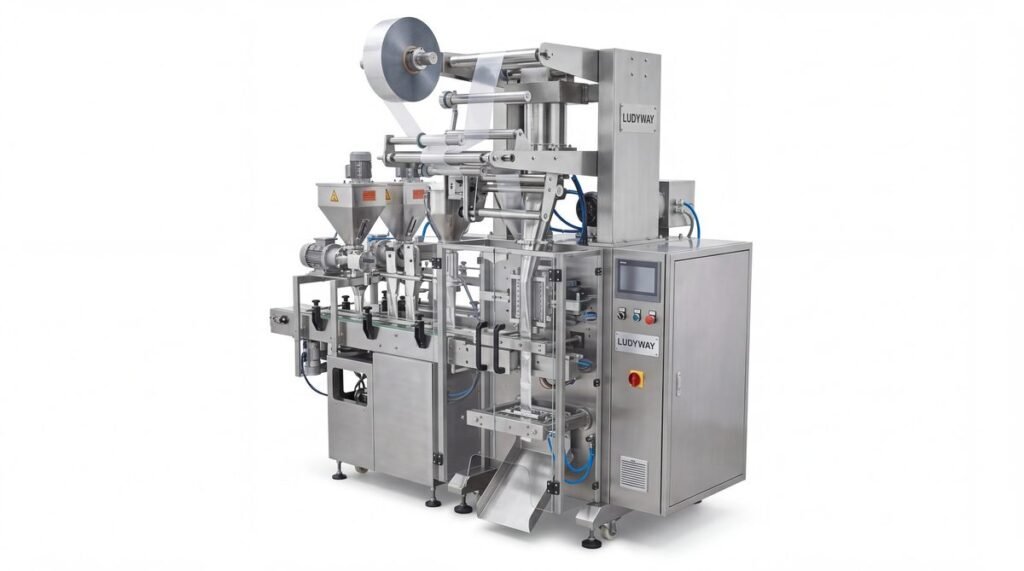
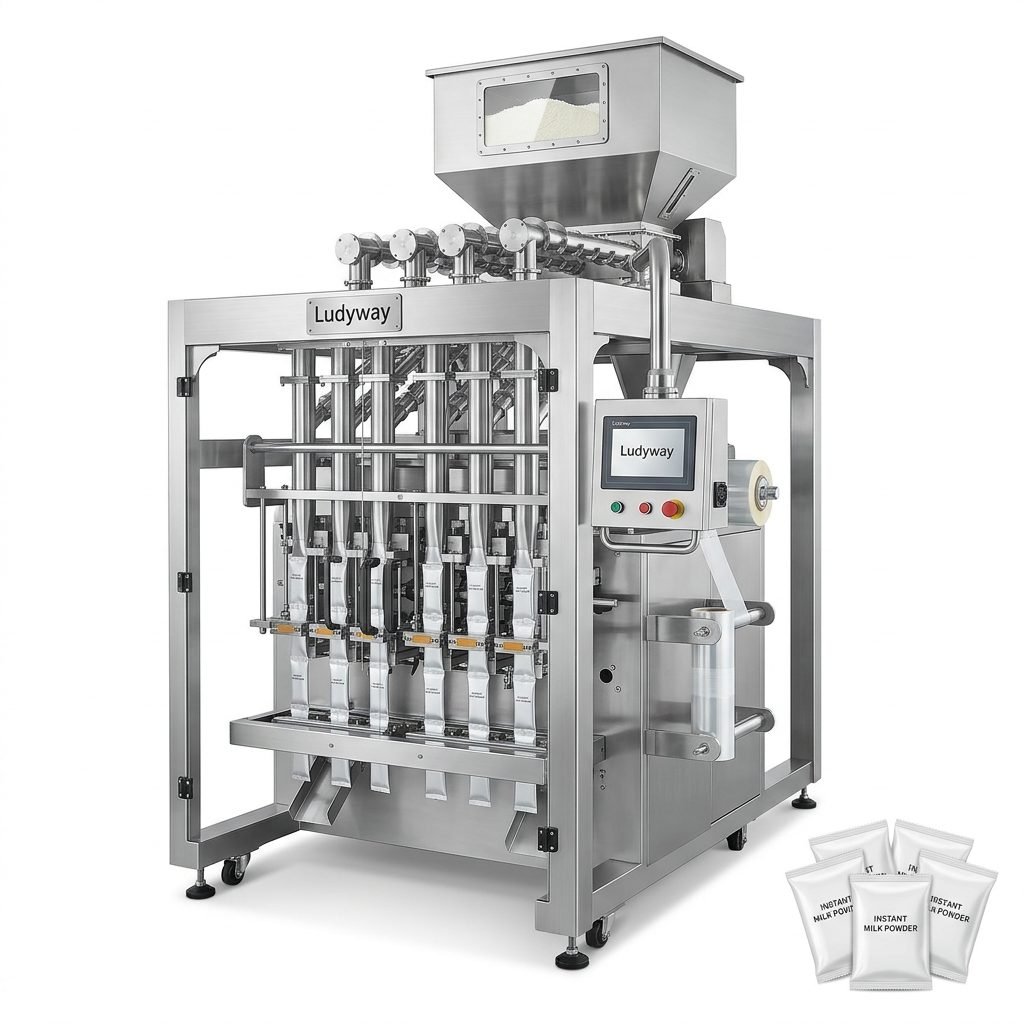
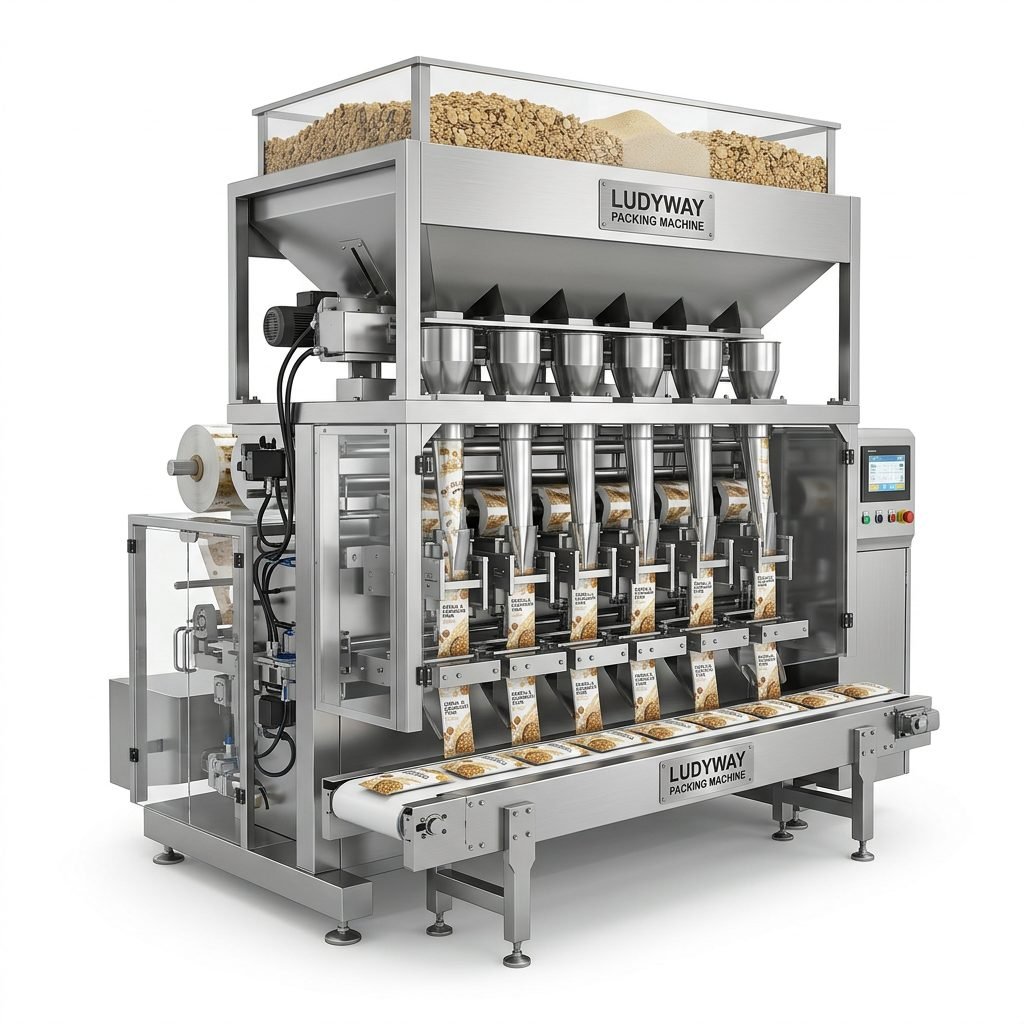
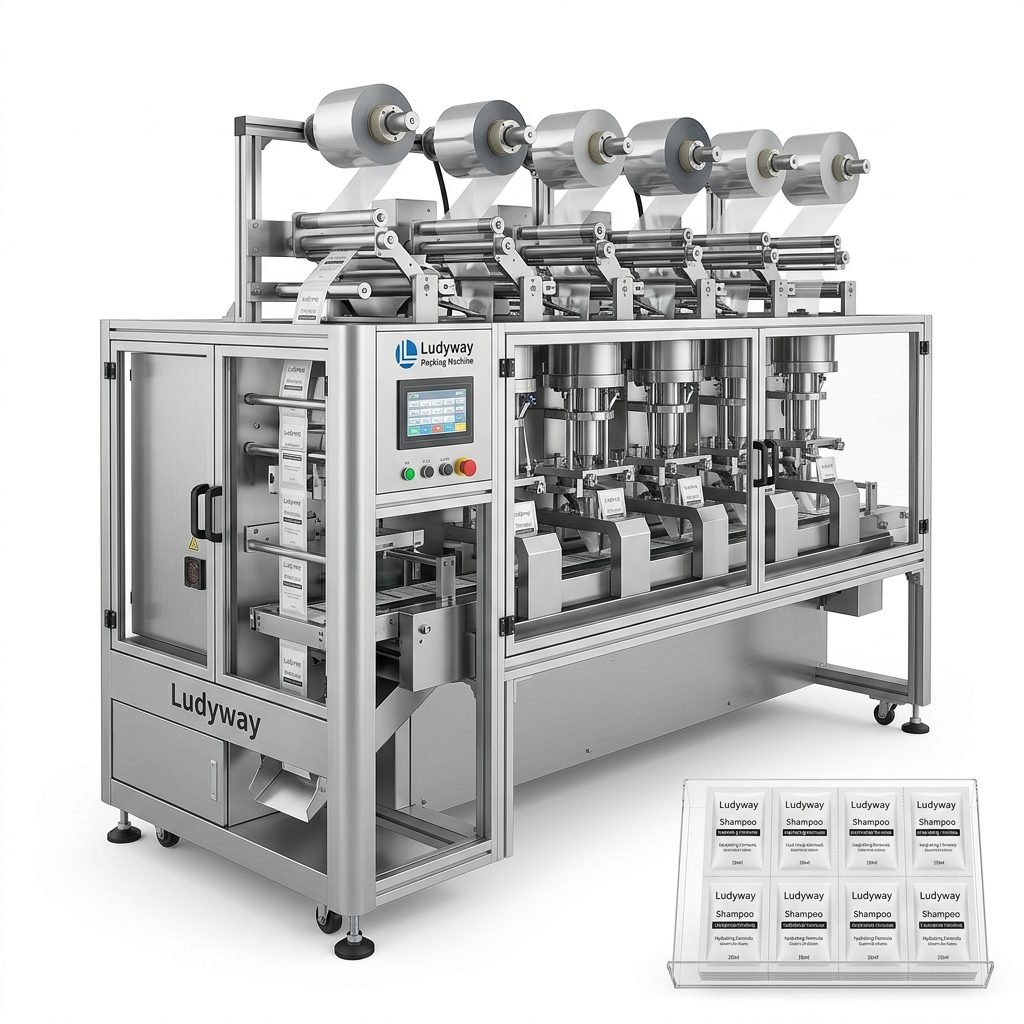
Selecting the right filling machine is one of the most critical decisions you will make for your packaging line. The wrong equipment can lead to production bottlenecks, inconsistent fill accuracy, excessive waste, and costly downtime. Whether you are upgrading an existing line or building a new facility, understanding the key factors that influence machine selection ensures your investment delivers long-term value. This guide walks you through every essential consideration, from product characteristics to automation levels and regulatory compliance, helping you make an informed purchasing decision.
Understanding Your Product Characteristics
Before evaluating any filling equipment, you must thoroughly analyze the physical and chemical properties of your product. The filling mechanism that works perfectly for a free-flowing granule may be completely unsuitable for a viscous liquid or a dusty powder. Misjudging these characteristics often results in inaccurate fills, product waste, and excessive machine wear.
Physical Properties That Influence Filling Technology
Every product presents unique challenges to filling accuracy and speed. Key characteristics to document include:
- Viscosity: Low-viscosity liquids like water and alcohol require different handling than high-viscosity products like honey, creams, or gels. High-viscosity products often need positive displacement fillers or piston-based systems.
- Particle size and distribution: Granules, powders, and solid pieces each demand specific feeding and dosing mechanisms. Inconsistent particle size can cause bridging or clogging in volumetric fillers.
- Density and bulk density: Powder products with varying bulk densities require weight-based or auger filling systems to maintain consistent fill weights across production runs.
- Flowability: Free-flowing products are relatively easy to handle, while cohesive or sticky products may require agitation, vibration, or specialized hopper designs to ensure smooth filling.
- Temperature sensitivity: Products that melt, degrade, or change viscosity at elevated temperatures may need temperature-controlled filling systems or jacketed hoppers.
Chemical Compatibility and Material Safety
Product chemistry directly affects machine material selection. Corrosive chemicals, acidic foods, or reactive pharmaceutical ingredients require stainless steel construction, specialized seals, and compatible gasket materials. According to FDA packaging and food contact substances regulations, all product-contact surfaces must meet applicable safety and migration standards for the intended market.
Types of Filling Technologies
Modern filling machines employ a variety of technologies, each optimized for specific product types and production requirements. Selecting the correct filling principle is the foundation of a successful packaging line. The table below summarizes the most common filling technologies and their ideal applications.
| Filling Technology | Best Suited For | Typical Fill Range | Key Advantage |
|---|---|---|---|
| Volumetric Cup Filler | Free-flowing granules, seeds, grains | 1 g – 5 kg | High speed, simple operation |
| Auger Filler | Powders, fine granules, spices | 0.5 g – 50 kg | Excellent accuracy for powders |
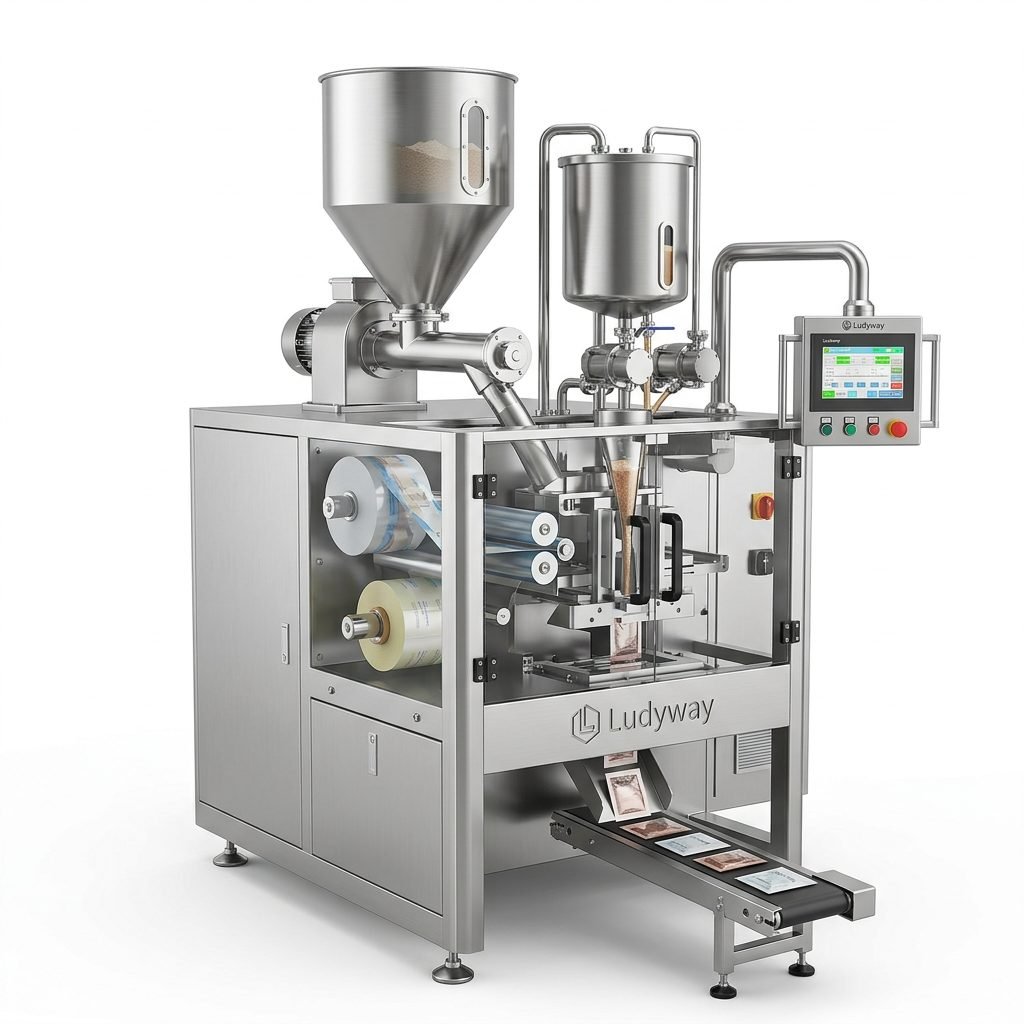
| Piston Filler | Viscous liquids, pastes, creams | 1 ml – 5 L | Handles high viscosity products |
| Overflow Filler | Thin liquids, beverages | 50 ml – 5 L | Consistent fill level appearance |
| Net Weight Filler | High-value products, bulk materials | 100 g – 50 kg+ | Highest accuracy, gravimetric |
| Multi-Head Weigher | Snacks, candies, irregular pieces | 10 g – 3 kg | High speed with combination weighing |
Selecting the appropriate filling technology requires matching your product’s characteristics to the machine’s dosing mechanism. For products that fall between categories or exhibit multiple challenging properties, packaging machinery market research from PMMI provides valuable benchmarks for technology selection across industries.
Production Speed and Capacity Planning
Throughput requirements are a primary driver of machine selection and configuration. A machine that cannot meet your target production rate creates an immediate bottleneck, while an oversized machine increases capital costs and may introduce unnecessary complexity. Your speed assessment should consider both current needs and growth projections over the next several years.
Key performance metrics to evaluate include:
- Rated speed: The manufacturer’s specified maximum output in units per minute or hour. This is typically measured under ideal conditions.
- Sustained speed: The realistic production rate achievable over an entire shift, accounting for film splices, minor adjustments, and normal stoppages.
- Overall Equipment Effectiveness (OEE): A composite metric incorporating availability, performance, and quality. Industry-leading packaging lines target OEE above 80%.
- Changeover time: The time required to switch between products, formats, or fill volumes. Quick-change designs can significantly improve total output in multi-SKU environments.
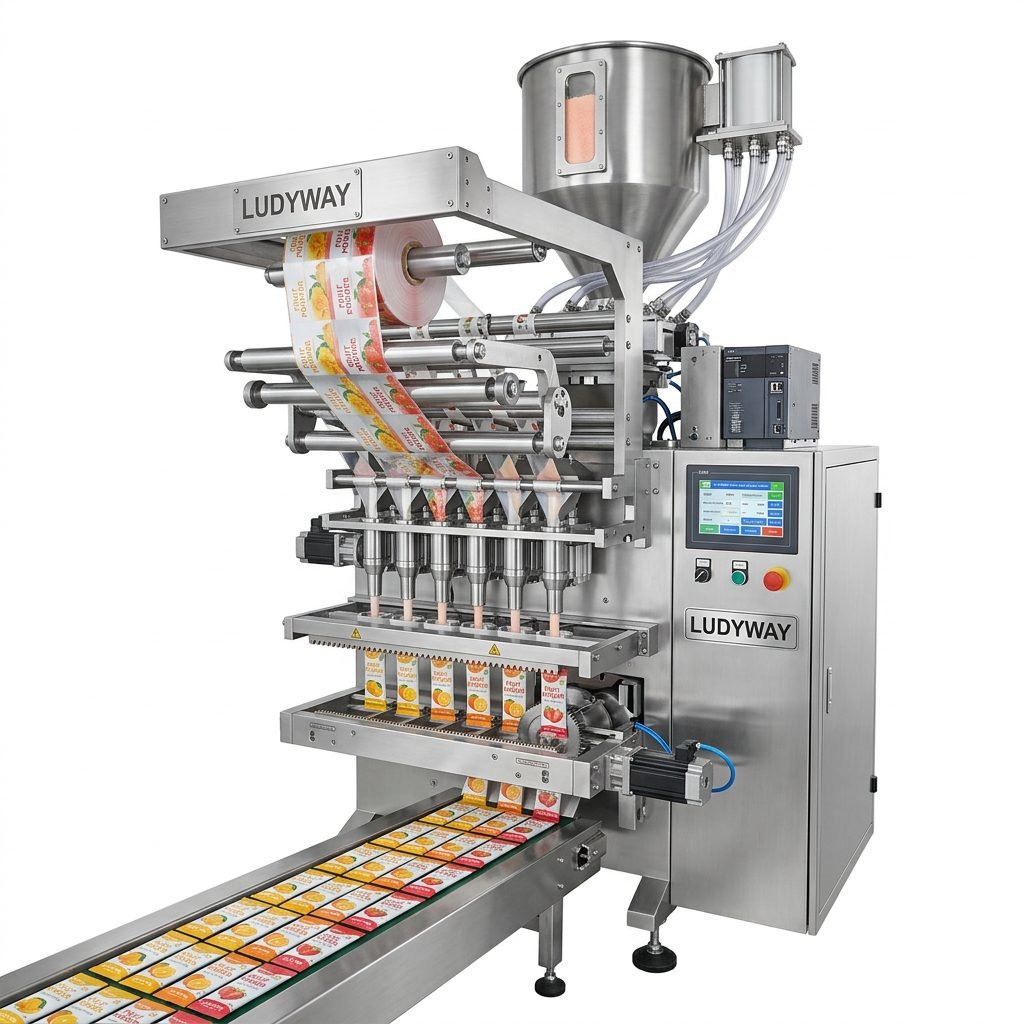
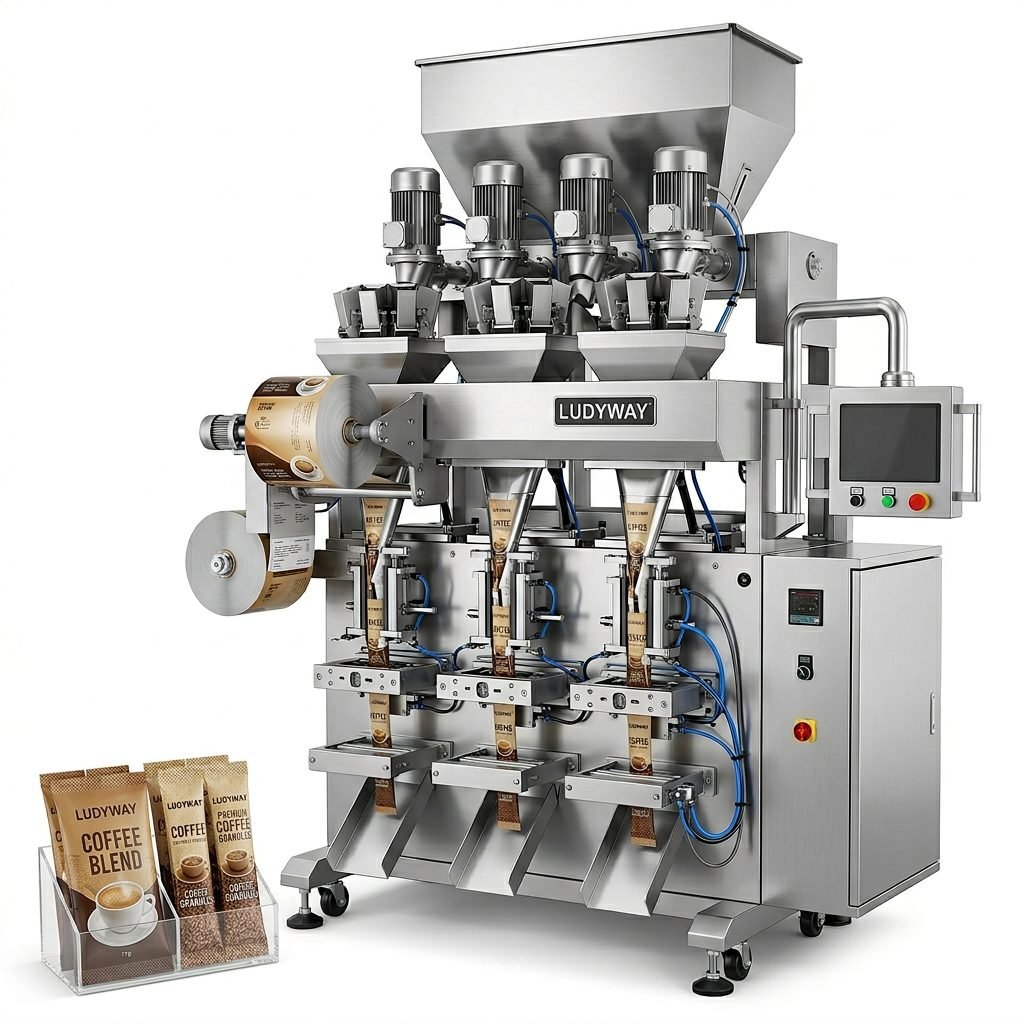
For high-volume operations, multi-lane filling systems offer substantial throughput advantages by running multiple filling lanes simultaneously on a single machine frame. These configurations can achieve outputs of several hundred units per minute while maintaining a compact footprint.
Packaging Formats and Materials
Your choice of packaging format directly influences the type of filling and sealing equipment required. Common flexible packaging formats include:
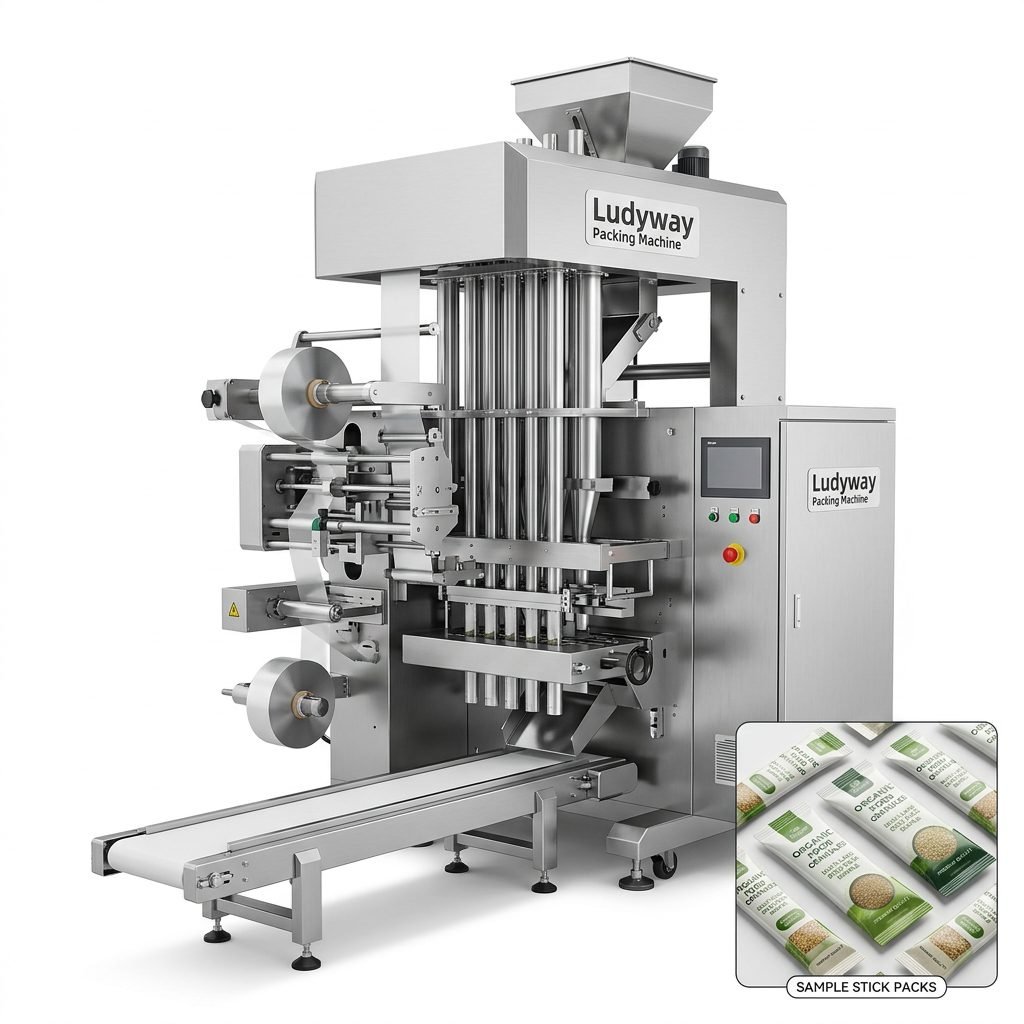
- Sachets and stick packs: Single-serve or sample-size packages ideal for powders, liquids, and granules. Require vertical form-fill-seal (VFFS) or horizontal machines with multi-lane capability.
- Pouches: Available in various styles including stand-up, flat, and zipper pouches. Premade pouch machines offer flexibility, while form-fill-seal systems provide higher speeds for dedicated formats.
- Bags and sacks: For bulk packaging from 5 kg to 50 kg or more. These applications require heavy-duty filling, weighing, and sealing systems.
Packaging material selection interacts closely with machine capability. The Flexible Packaging Association’s industry resources provide comprehensive data on material trends and compatibility considerations. Heat-sealable laminates, barrier films, and recyclable mono-materials each require specific sealing temperature ranges, dwell times, and jaw configurations that affect machine setup and performance.
Automation and Integration Levels
Modern packaging lines can range from semi-automatic workstations to fully integrated, lights-out automated systems. Determining the right level of automation depends on your labor costs, production volume, product complexity, and long-term operational strategy. Semi-automatic machines require operators to load products or initiate cycles and are appropriate for lower volumes or frequent changeovers. Fully automatic systems handle product feeding, filling, sealing, coding, inspection, and discharge with minimal human intervention.
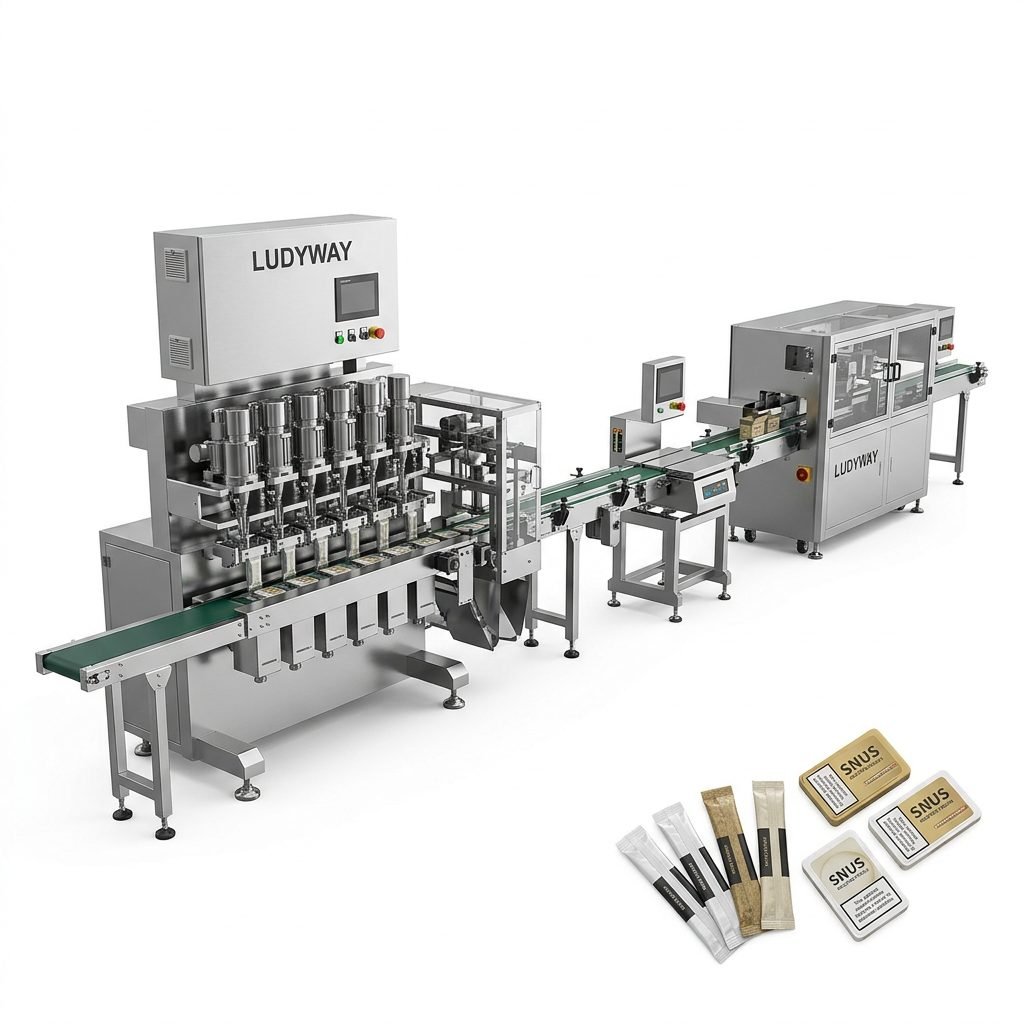
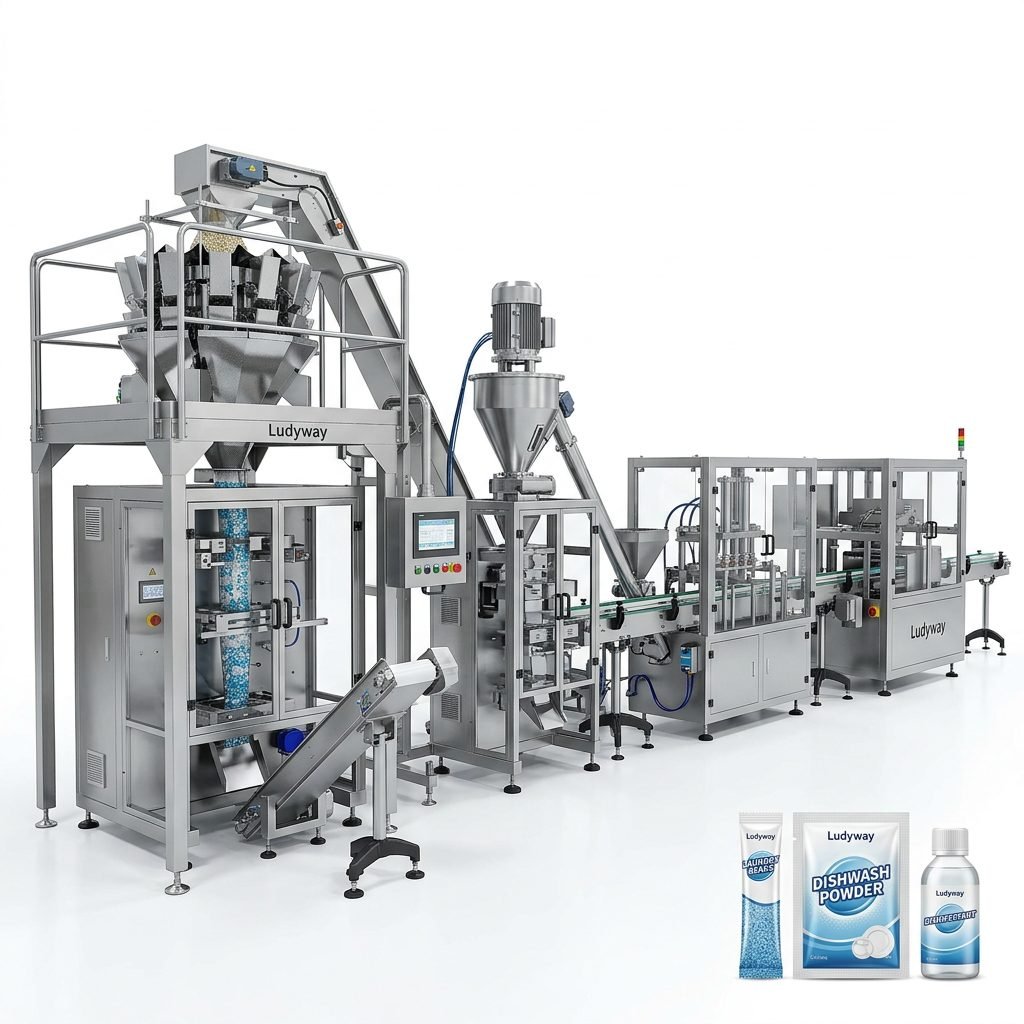
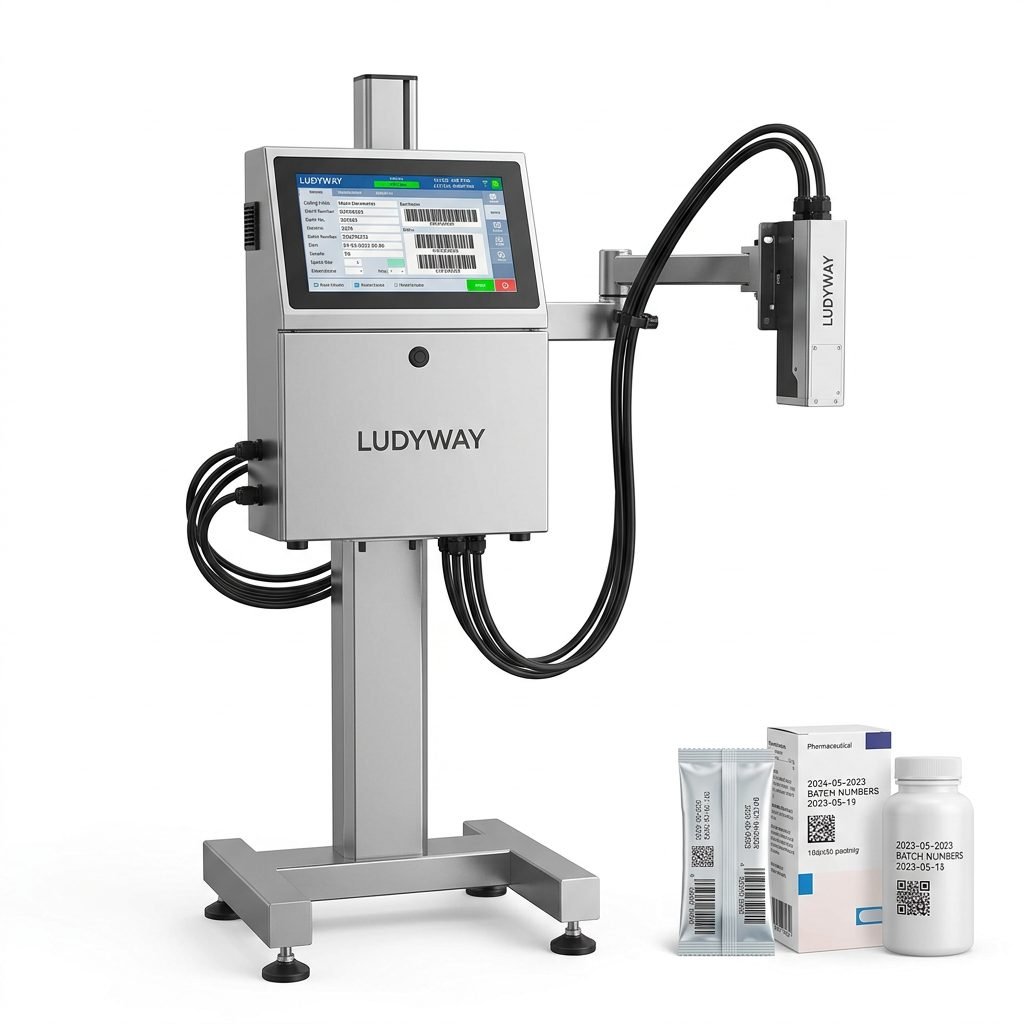
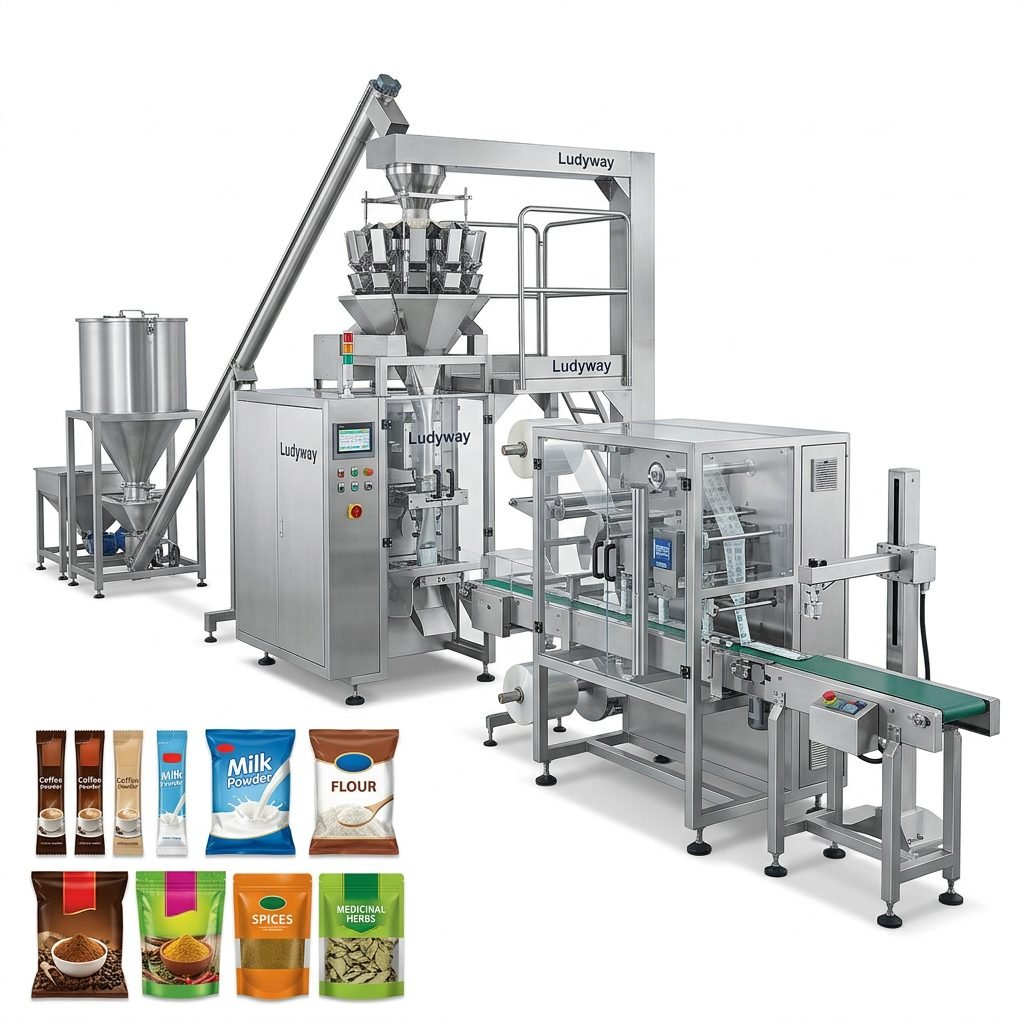
Beyond the core filling machine, consider how the equipment integrates with upstream and downstream processes. A turnkey packaging line that includes product feeding conveyors, multi-head weighers, filling modules, sealing stations, coding and marking systems, checkweighers, metal detectors, and end-of-line case packing can dramatically simplify project management and ensure compatibility across all stages. ISO packaging standards provide guidelines for system integration and validation that help ensure consistent performance across connected equipment modules.
Industry-Specific Compliance and Quality Requirements
Different industries impose vastly different regulatory and quality demands on packaging machinery. Pharmaceutical and medical device manufacturers must comply with stringent validation protocols, cleanroom compatibility requirements, and serialization mandates. Food and beverage producers face hygienic design standards, washdown requirements, and allergen control considerations. Chemical and industrial product manufacturers must address corrosion resistance, explosion-proof ratings, and hazardous material handling provisions.
When evaluating machines for regulated industries, verify that the equipment can be supplied with the necessary certification documentation, including IQ/OQ/PQ protocols for pharmaceutical applications, FDA-compliant materials of construction, and CE marking for European markets. The PMMI State of the Industry report tracks how evolving regulatory requirements are shaping packaging equipment design and investment across sectors.
Total Cost of Ownership and ROI Analysis
The purchase price of a filling machine represents only a fraction of its total cost over its service life. A comprehensive cost analysis should account for:
- Initial capital expenditure: Machine cost, tooling, installation, and facility modifications.
- Operating costs: Labor, energy consumption, compressed air usage, and consumable parts including sealing elements, filters, and wear components.
- Maintenance and spare parts: Scheduled preventive maintenance, unplanned repairs, spare parts inventory investment, and technical support contracts.
- Product waste and giveaway: Inaccurate filling leads to product giveaway or rejected packages. Even a 1% improvement in fill accuracy can generate significant annual savings in high-volume operations.
- Downtime cost: Every minute of unplanned downtime translates to lost production capacity. Machines with higher reliability and faster service response times reduce this risk.
A machine with a higher upfront cost but superior reliability, accuracy, and throughput often delivers a faster return on investment than a lower-cost alternative that incurs higher operating expenses and more frequent downtime. Calculate the payback period based on realistic production schedules and conservative efficiency assumptions to make a financially sound decision.
Key Questions to Ask Before Purchasing
Before engaging with equipment suppliers, having clear answers to the following questions will streamline the evaluation process and help you receive more accurate proposals:
- What is the full range of products the machine must handle, including future product development plans?
- What packaging formats and sizes are required? Will multiple formats run on the same machine?
- What is the target production rate in units per minute or hour, and what is the expected OEE?
- What are the facility constraints, including available floor space, ceiling height, power supply, and compressed air capacity?
- What regulatory standards apply to your industry and target markets?
- What level of technical support and after-sales service is available in your region?
- What is the expected lead time for manufacturing, delivery, installation, and commissioning?
Finding the Right Packaging Machinery Partner
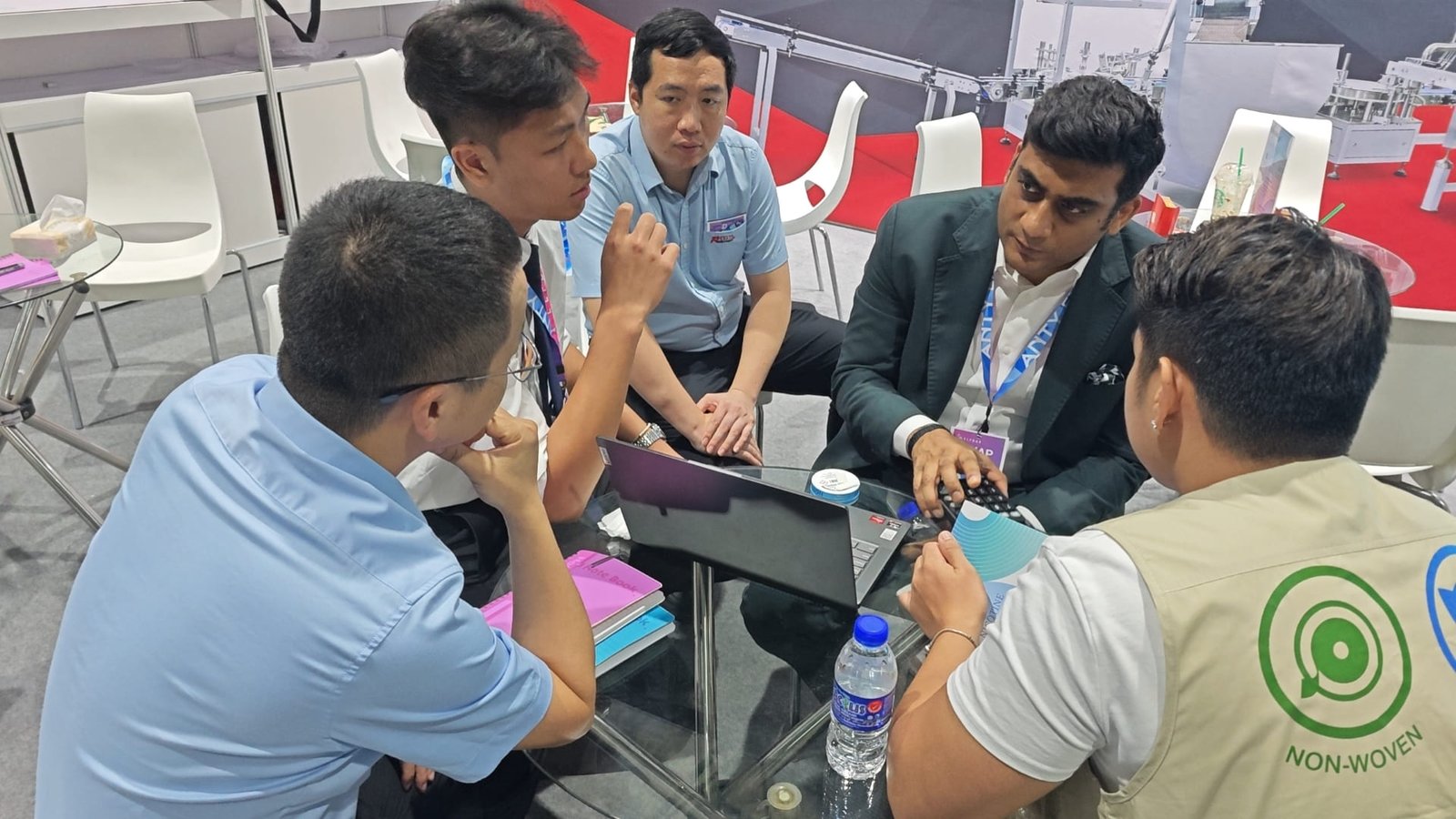
Selecting a filling machine is not merely a transactional purchase but the beginning of a long-term relationship with your equipment supplier. The right partner brings engineering expertise, application knowledge, and responsive support that extends well beyond the initial installation. When evaluating potential suppliers, assess their experience in your specific industry, their manufacturing and engineering capabilities, their installed base in similar applications, and the availability of local technical support. A supplier with integrated manufacturing, in-house engineering teams, and a track record of customized solutions can provide greater flexibility than one offering only standardized machines with limited configurability.
For manufacturers seeking a comprehensive approach, Ludyway Machinery’s global growth trajectory reflects the increasing demand for integrated packaging solutions that combine filling technology, automation, and turnkey line engineering. With over 50 packaging machine models and experience across food, pharmaceutical, cosmetic, and chemical industries, manufacturers that partner with established equipment builders benefit from application-specific customization, comprehensive technical support, and equipment designed for long-term reliability in demanding production environments.
Making the Final Decision
Choosing the right filling machine requires balancing technical specifications, production requirements, budget constraints, and long-term strategic goals. A methodical evaluation process that begins with a clear understanding of your product characteristics and ends with a thorough assessment of total cost of ownership will lead to a decision that supports efficient, reliable, and scalable production. Invest time in factory acceptance testing where possible, review references from customers with similar applications, and ensure that the selected machine can accommodate not just today’s requirements but also the growth and diversification you anticipate for your production line in the years ahead.