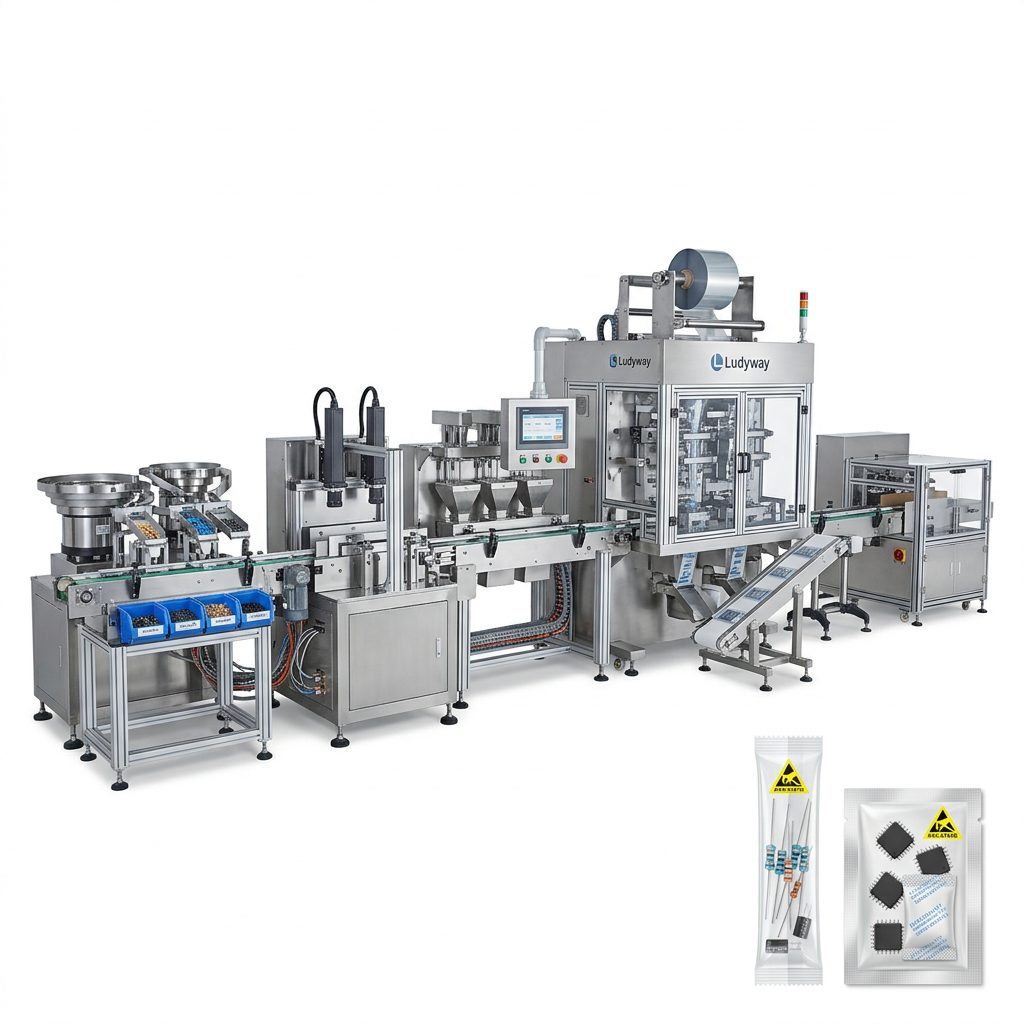
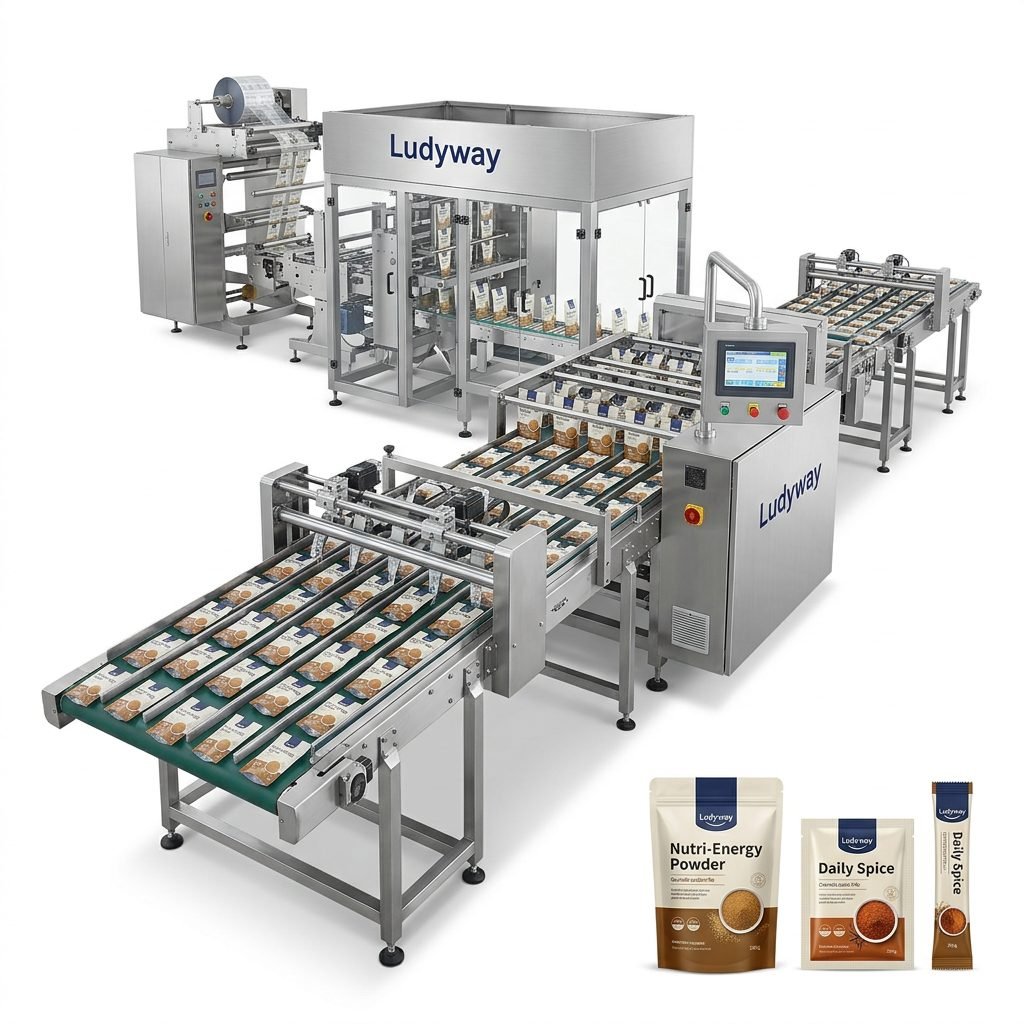
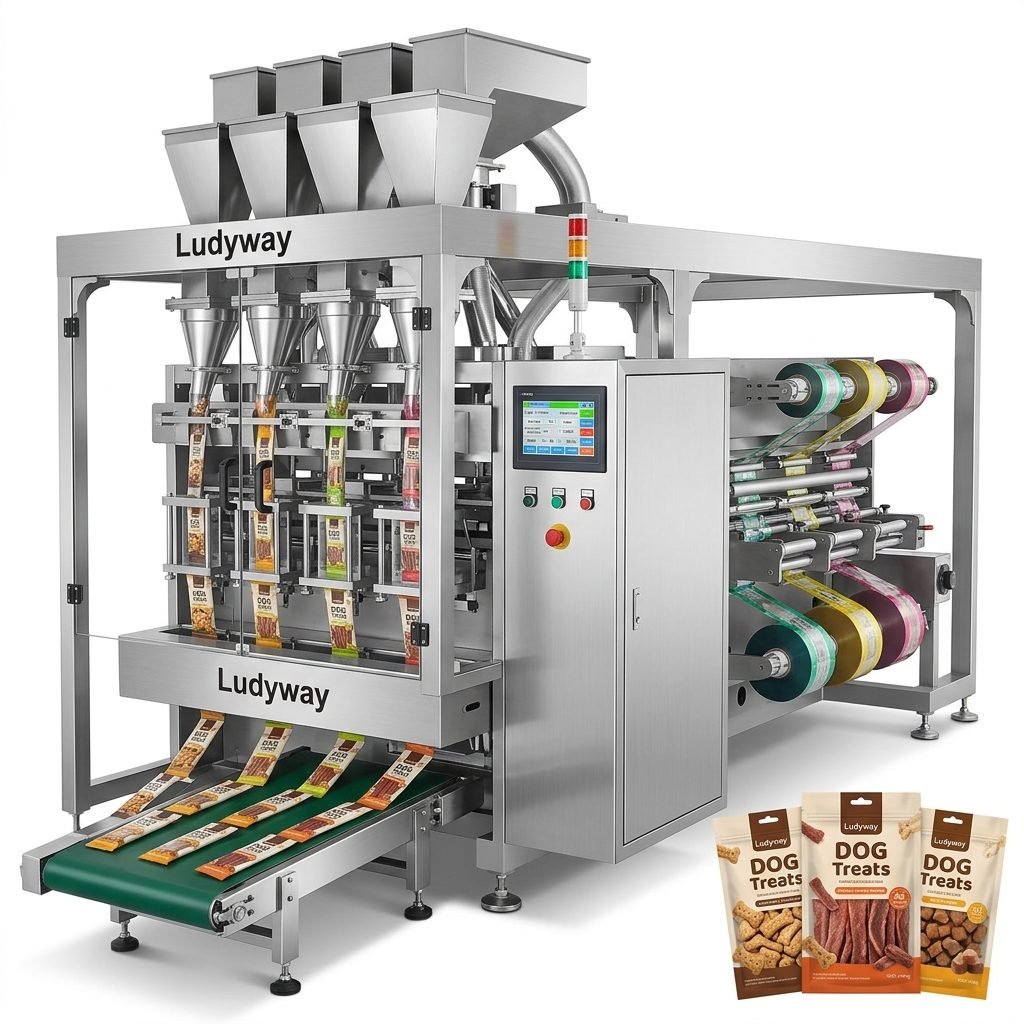
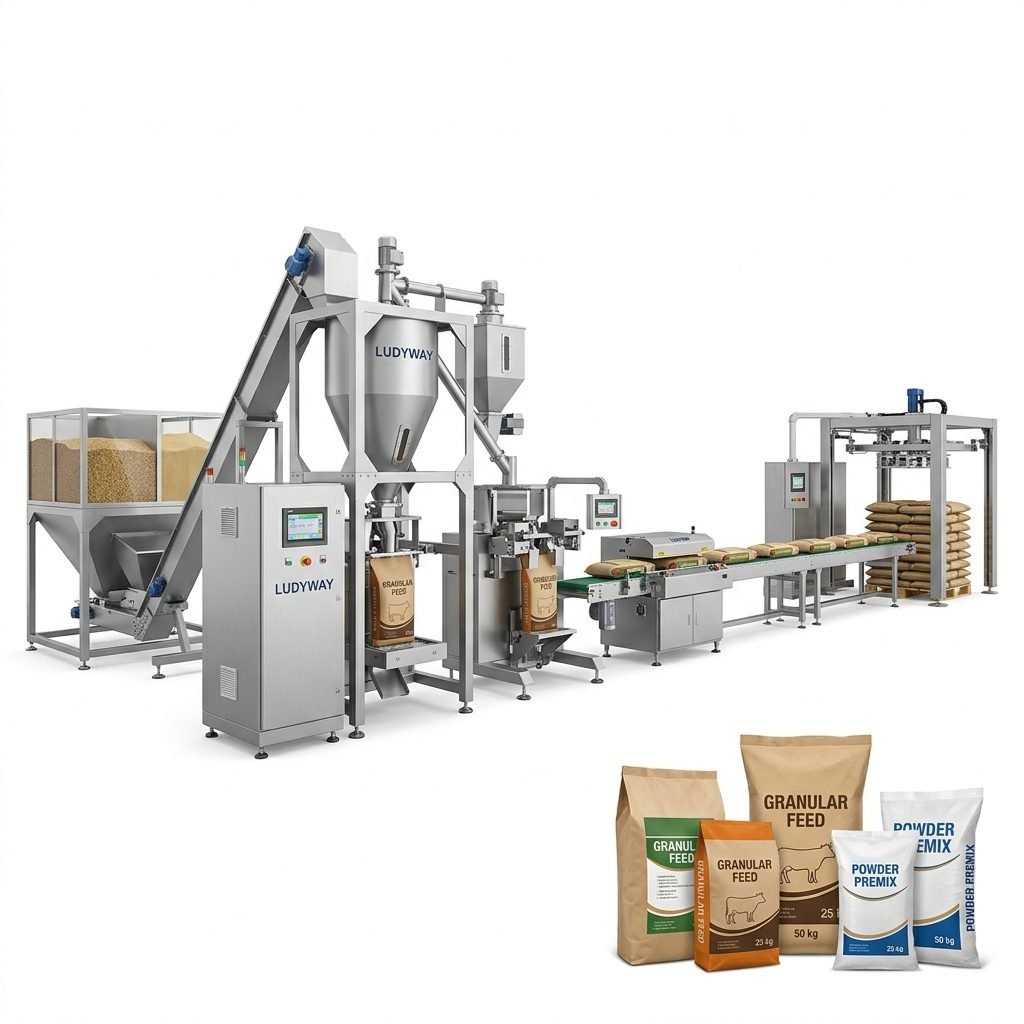
Investing in a small vacuum packaging machine is a strategic move for German businesses ranging from artisanal food producers to high-end industrial manufacturers. The technology not only extends product shelf life but also preserves the quality, aroma, and texture of sensitive goods. This comprehensive guide explores the technical specifications, regulatory standards, and purchasing strategies you need to navigate the German market effectively.
Understanding Vacuum Packaging Technology
Vacuum packaging involves removing air from a package prior to sealing. By eliminating oxygen, the process drastically reduces the growth of aerobic bacteria and fungi, which is essential for maintaining freshness. The core of the system relies on a robust vacuum pump, which extracts air from the chamber, and a precise sealing bar that hermetically locks the barrier film.

Key Types of Small Vacuum Machines in Germany
Choosing the right configuration depends heavily on your production volume and product characteristics. Below is a breakdown of the primary machine types dominating the German food processing and industrial sectors.
- Nozzle Vacuum Sealers: Ideal for small batch production. The nozzle is inserted into an open bag, sucks out the air, and then retracts while the bag is sealed. This method is cost-effective but slower for high-volume lines.
- Chamber Vacuum Machines: The most popular choice for small to medium enterprises. The entire product—whether sealed in a bag or not—is placed inside a chamber. The chamber creates a vacuum and then seals the bag. This is highly reliable for marinating, liquids, and delicate items.
- External Vacuum Sealers: Best suited for small kitchens or retail environments. The bag remains outside the machine. These are generally suitable for dry goods but struggle with moisture.
Critical Factors for the German Market
When sourcing a small vacuum packaging machine in Germany, compliance with local standards is non-negotiable. The European Union directives enforce strict safety and hygiene regulations that buyers must prioritize.
Compliance and Certification
Any machine operated in Germany must carry the CE mark, confirming conformity with health, safety, and environmental protection standards. For food contact applications, compliance with EC Regulation 1935/2004 is mandatory. This regulation ensures that packaging materials do not transfer harmful substances into the food.
Energy Efficiency (Stromverbrauch)
With rising energy costs, German businesses heavily scrutinize power consumption. Modern small vacuum machines equipped with Busch or Becker pumps offer superior oil-free operation and require less maintenance. Look for machines with an energy-saving standby mode and optimized pump duty cycles to reduce operational overhead.
Applications Across German Industries
The versatility of vacuum sealing extends far beyond the kitchen. Here are the primary sectors driving demand for compact vacuum systems in Germany:
| Industry | Application Purpose | Key Feature Required |
|---|---|---|
| Fleischerei (Butchery) | Aged & marinated meat preservation | Liquid control sensor & double seam sealing |
| Käseproduktion (Cheese) | Maturation and transport | Soft-air/gas flush compatibility |
| Pharmazeutika | Sterile barrier for medical devices | Validated sealing per DIN EN ISO 11607-2 |
| Industrial Components | Corrosion prevention for precision parts | High-tensile barrier film compatibility |

Essential Buying Tips for Your Business
Selecting the right equipment requires a balance between budget, production targets, and technical longevity. Here are expert buying tips tailored for the German market.
1. Pump Quality Over Aesthetics
The pump is the heart of the machine. For a small footprint, many businesses opt for dry-running rotary vane pumps. Determine the required pumping speed in m³/h. If you plan to vacuum large bags frequently, look for a pump capacity exceeding 10 m³/h to maintain efficiency without overheating.
2. Map Out the Sensor Configuration
Precision is critical for liquids and powders. Advanced packaging machinery incorporates liquid sensors that detect boiling moisture before it reaches the sealing bar. This prevents weak seals, which is a common point of failure in entry-level models. Investing in digital control panels allows for saving up to 20 program profiles, ensuring repeatable results.
3. The Importance of the Sealing Bar
Inspect the sealing bar width and the wire gauge. A wide seal (3mm to 10mm) provides a stronger barrier. Look for double-sealing systems that create two parallel seals, ensuring no leaks during transport. The machine should offer an adjustable sealing time independent of the vacuum time.
Maintenance and After-Sales in Europe
One of the biggest hurdles for international equipment is the availability of after-sales support. German businesses should seek manufacturers who stock spare parts locally or provide expedited shipping from their European hubs. Regular maintenance, including oil changes for oil-based pumps and gasket checks, is vital.
Leading manufacturers like Ludyway, with over 30 years of industry experience and a presence in over 100 countries, emphasize engineering support that bridges the gap between cost-effective manufacturing and rigorous Western quality standards. Their expertise assists in navigating the strict EU machinery directives while implementing advanced technology.

Integration with Existing Production Lines
For a small factory, a standalone vacuum machine often suffices. However, scaling up often means integrating a conveyor belt. When buying a small vacuum packaging machine, confirm it has the potential to be adapted into a turnkey packaging system. This includes compatibility with checkweighers, metal detectors, and automatic printing solutions.
Evaluating Total Cost of Ownership
Don’t just look at the upfront price. Calculate the Total Cost of Ownership (TCO) by asking these questions:
- What is the lifespan of the sealing gasket and Teflon tape?
- How much does a replacement pump cost in the aftermarket?
- Is the control board protected against power surges?
- Are documentation and interface languages available in German?
Navigating Import and Standards
If importing a machine from outside the EU, you must act as the “importer” under the EU Machinery Directive 2006/42/EC. You are responsible for ensuring the machine is safe and documented correctly. It is highly recommended to work with a supplier who provides a Declaration of Conformity and a complete technical file including circuit diagrams and an EU safety checklist.
For further reading on global packaging trends and regulations, we recommend exploring resources such as the PMMI State of the Industry Reports or the Flexible Packaging Association’s sustainability resources. Staying informed ensures your equipment remains competitive and compliant.
Conclusion
Purchasing a small vacuum packaging machine in Germany is an investment in product quality and longevity. Whether you require a simple chamber machine for a local bakery or a high-precision nozzle sealer for sensitive electronics, the key is in the details: pump integrity, sealing precision, and local compliance. By prioritizing these elements, you ensure your operation runs efficiently, safely, and profitably in the long term.