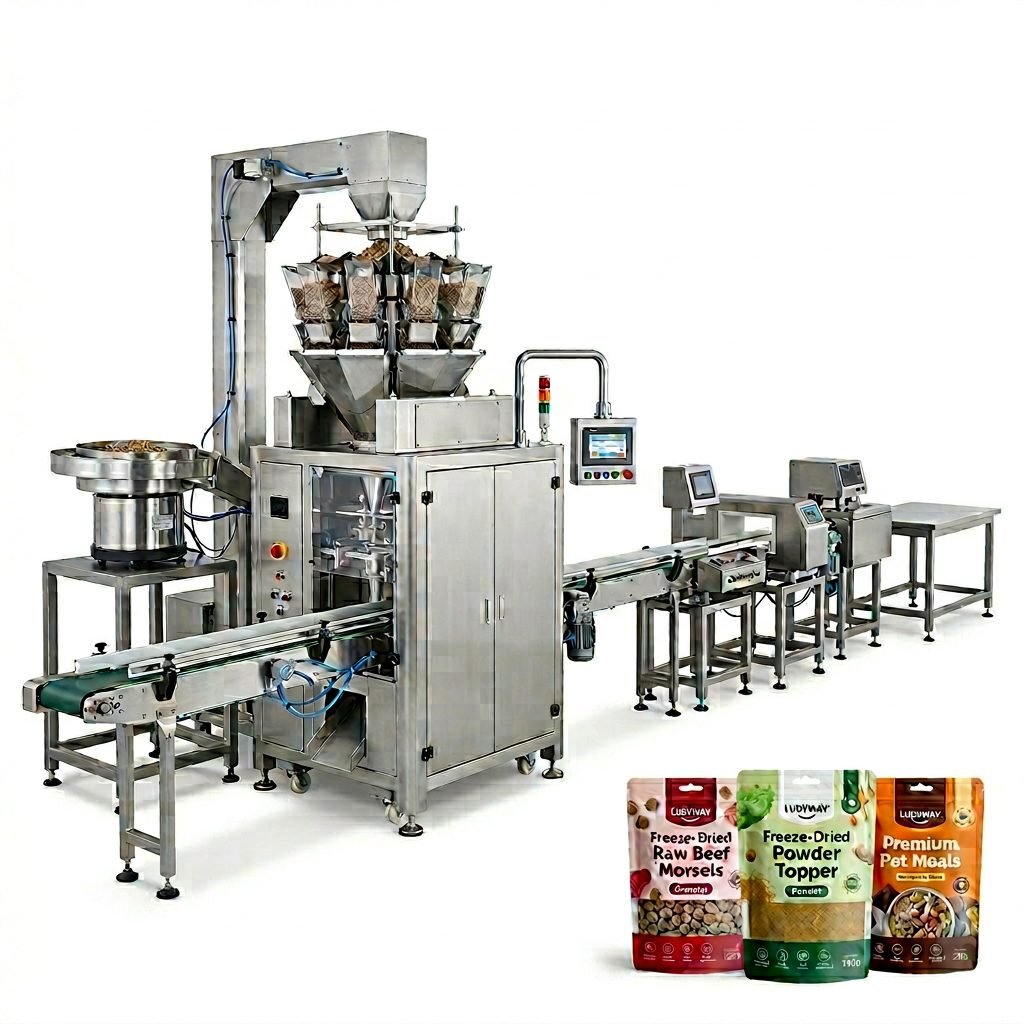
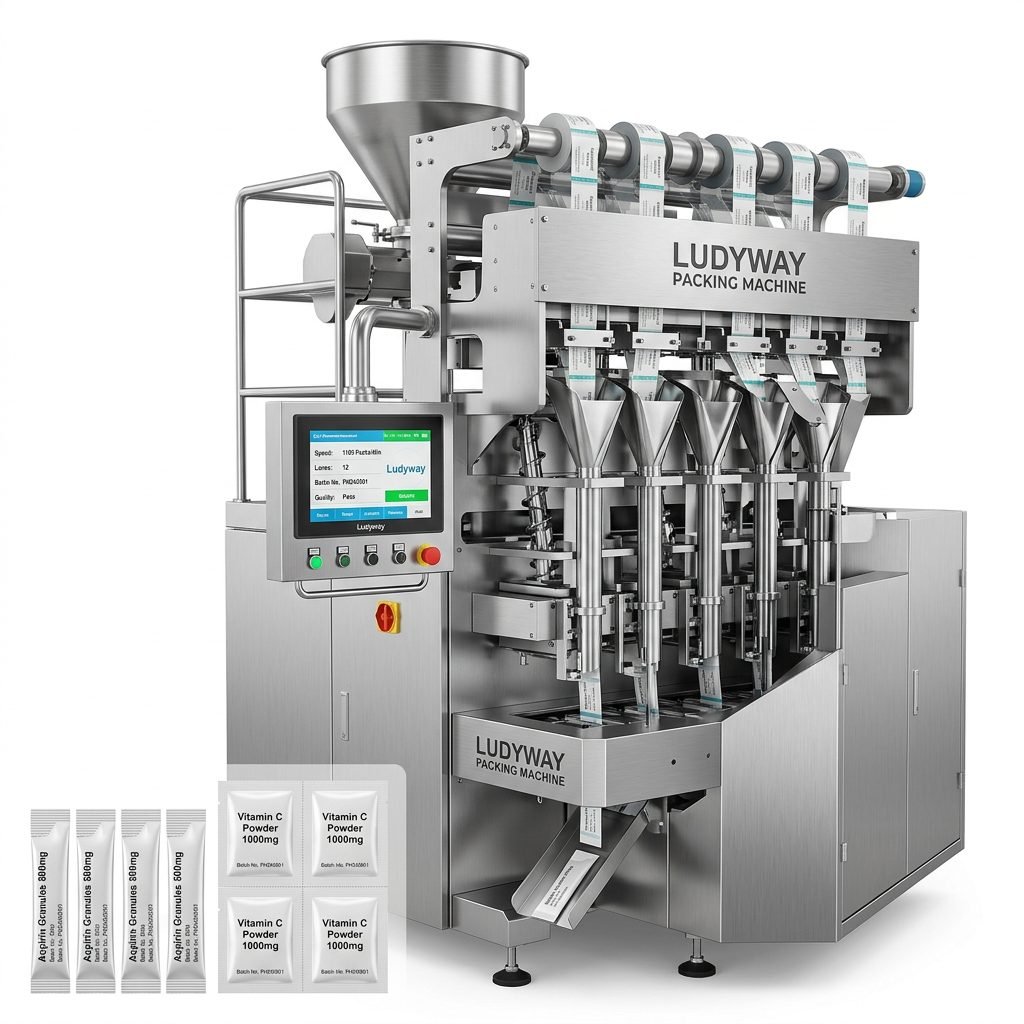
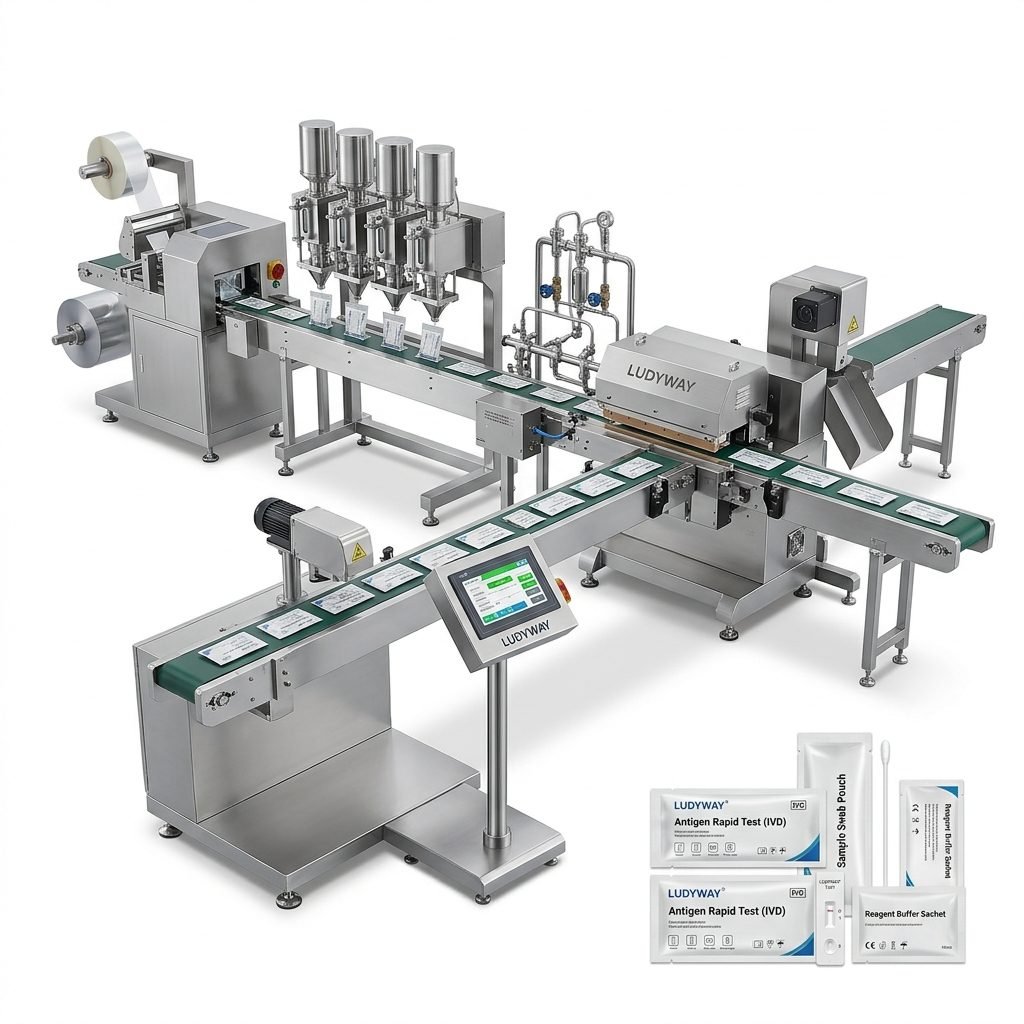
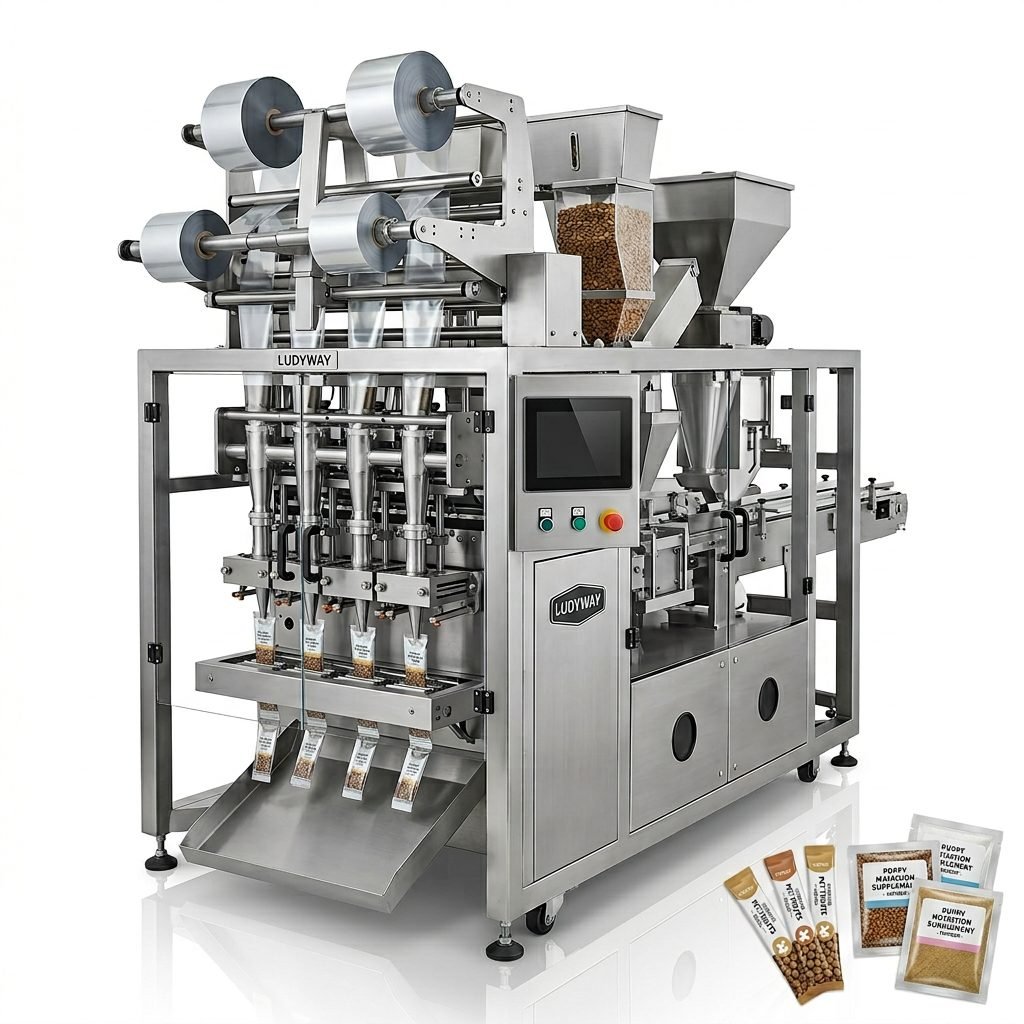
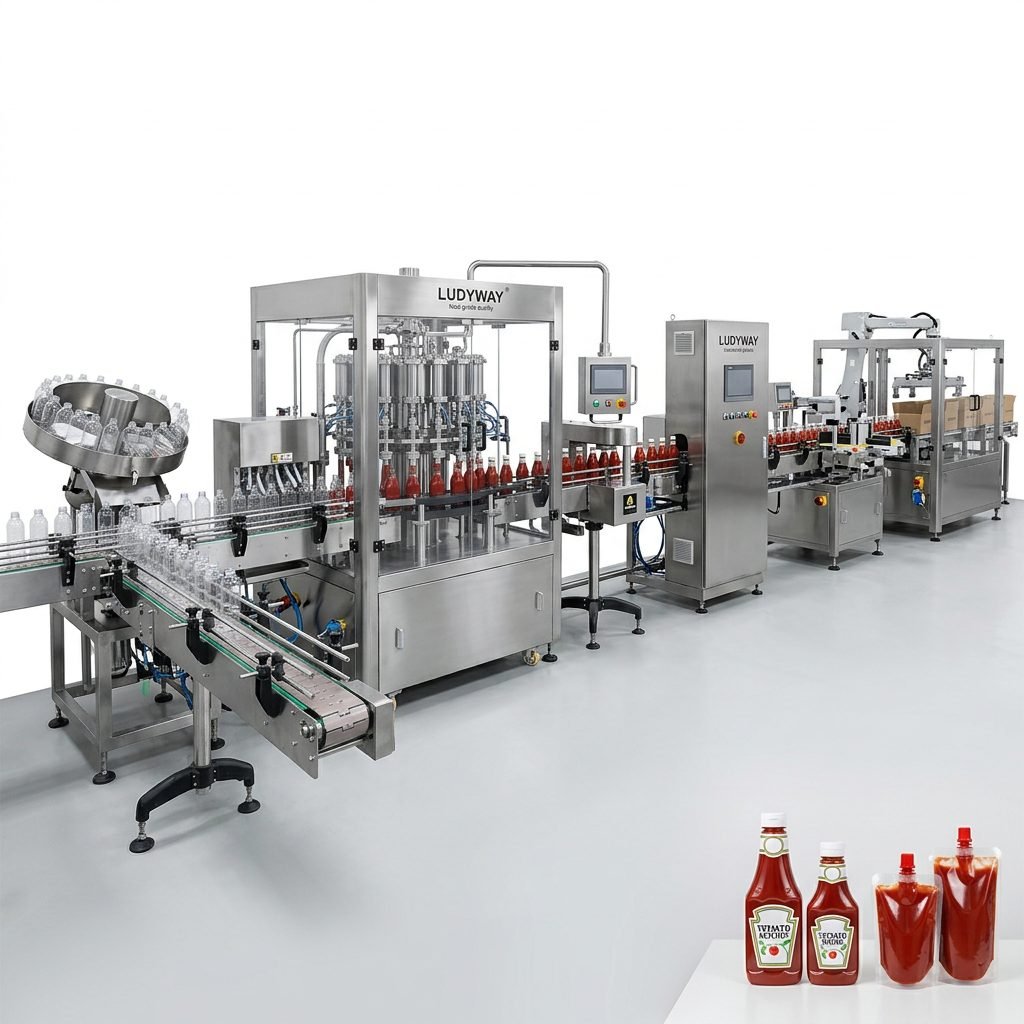
Investing in the right chili powder packing machine is a strategic decision that directly impacts your production efficiency, product consistency and long‑term profitability. With countless equipment options on the market, understanding how product characteristics, packaging formats and automation requirements shape machine selection is essential. This guide breaks down the most critical factors to help you choose a machine that fits your operation today and scales with your business tomorrow.
Understanding Chili Powder Characteristics
Chili powder is rarely a single‑specification material. Depending on the blend, grind size and moisture content, its flow behaviour can change significantly. Before evaluating any chili powder packing machine, start by analysing these product attributes:
- Particle size and uniformity – Finely ground powders tend to bridge and clump, demanding auger fillers with agitation or mechanical assist.
- Moisture sensitivity and hygroscopicity – Many spice blends absorb ambient moisture quickly, which affects flow and seal integrity.
- Bulk density variation – From light, fluffy cayenne to dense, granulated red pepper blends, density consistency directly influences dosing accuracy.
- Dust generation – Fine chili dust can contaminate sealing zones and electronics; proper dust extraction is non‑negotiable.
Defining these variables early helps you communicate precise requirements to equipment suppliers and avoids costly mismatches. As highlighted by the PMMI 2025 State of the Industry, powder handling remains one of the fastest‑growing segments in flexible packaging, driven precisely by this need for specialised dosing technology.
Types of Chili Powder Packing Machines
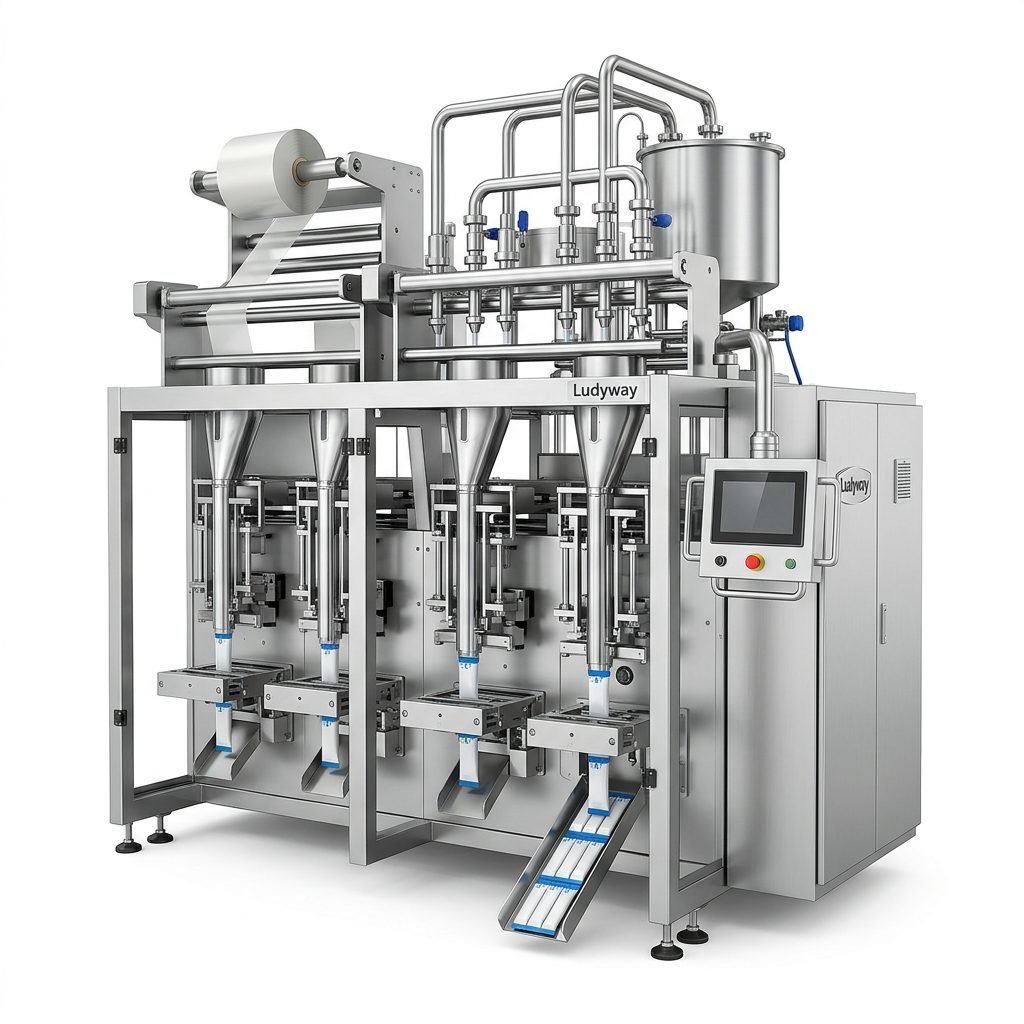
Not all powder packaging machines are built alike. Selecting the correct platform depends on your target bag style, throughput and factory layout. Below are the most common configurations used for chili powder applications.
| Machine Type | Ideal For | Key Advantages |
|---|---|---|
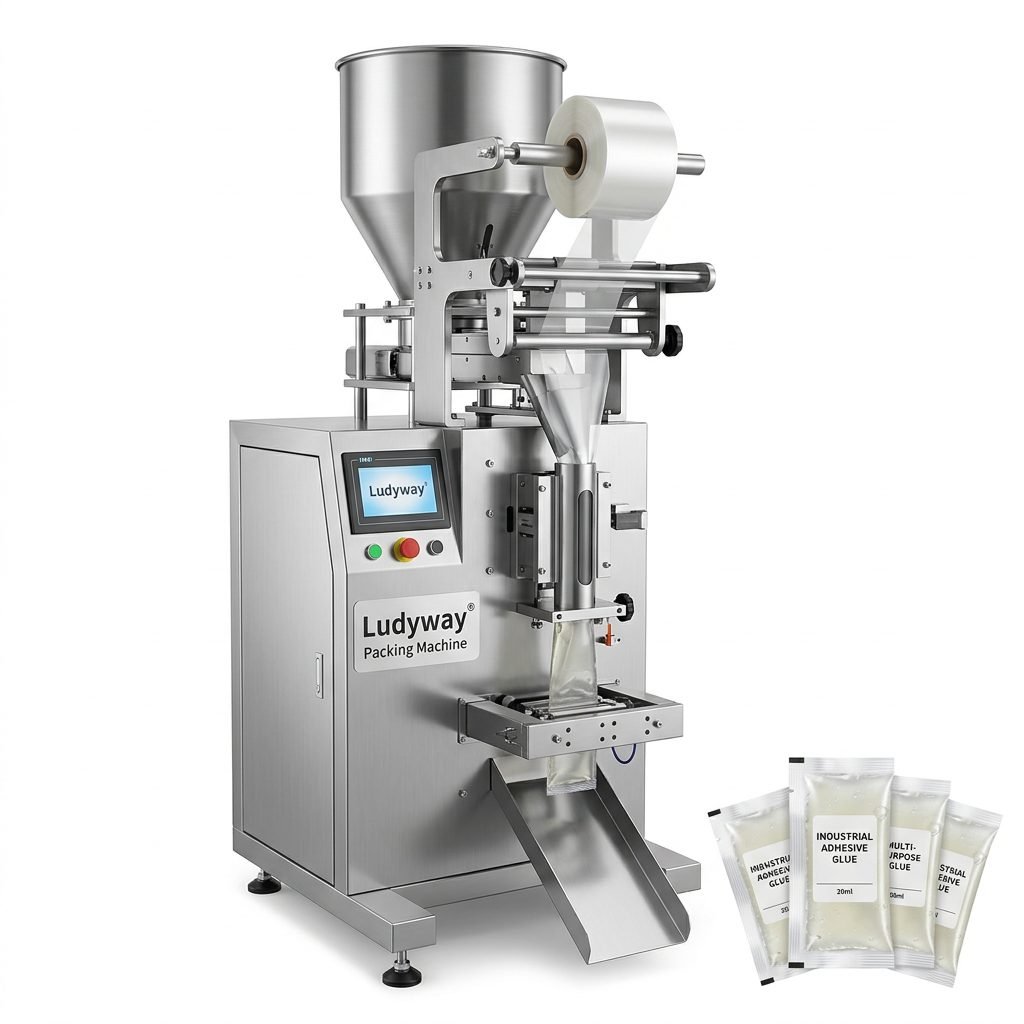
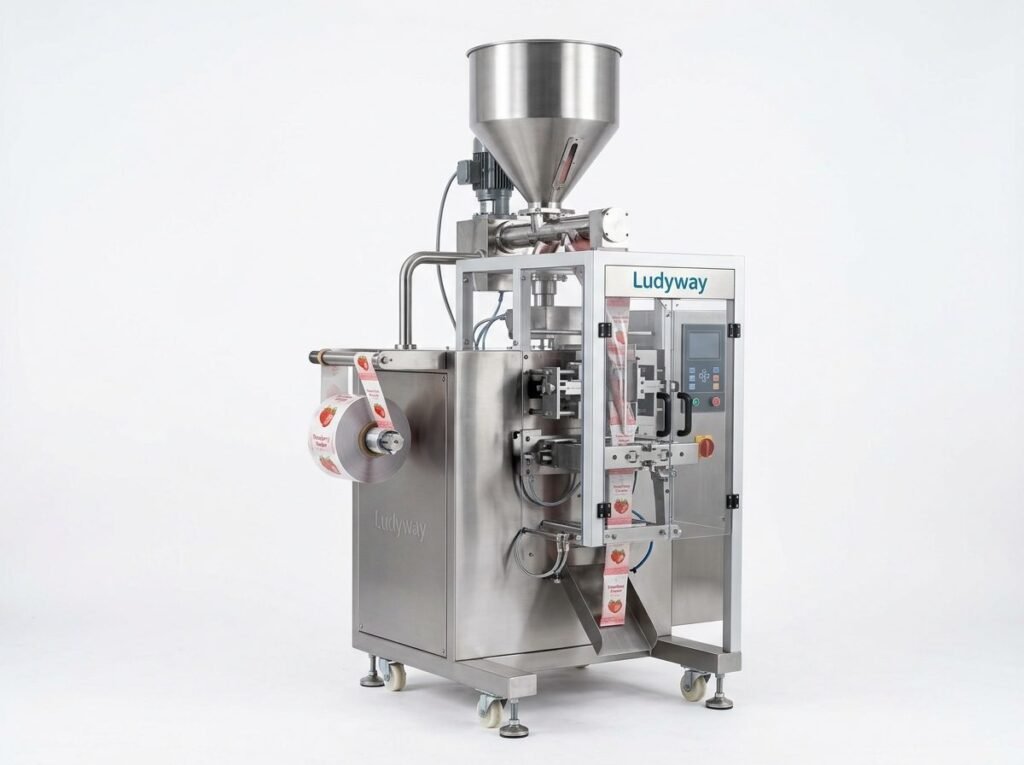
| Vertical Form Fill Seal (VFFS) | Pillow bags, gusseted pouches for retail and food service | Compact footprint, proven sealing technology, easy to integrate multi‑head weigher or auger filler |
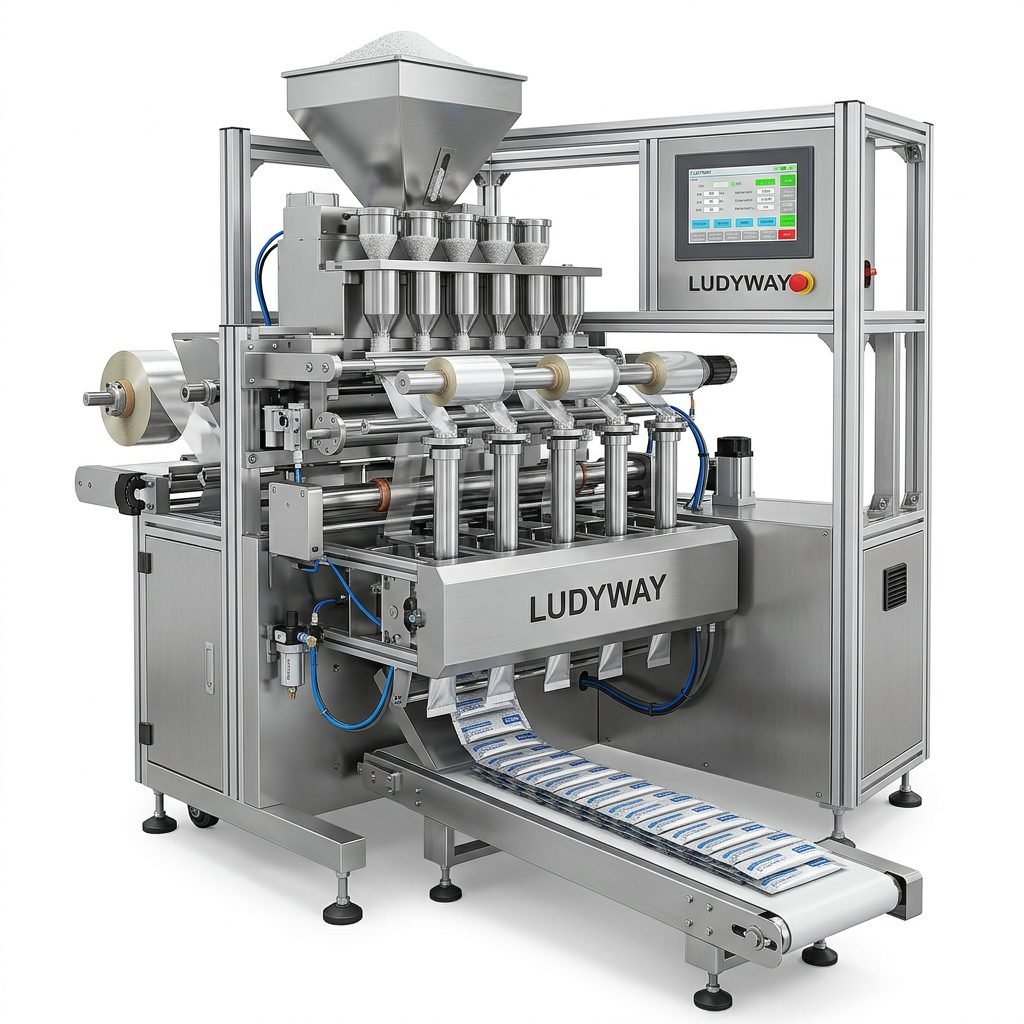
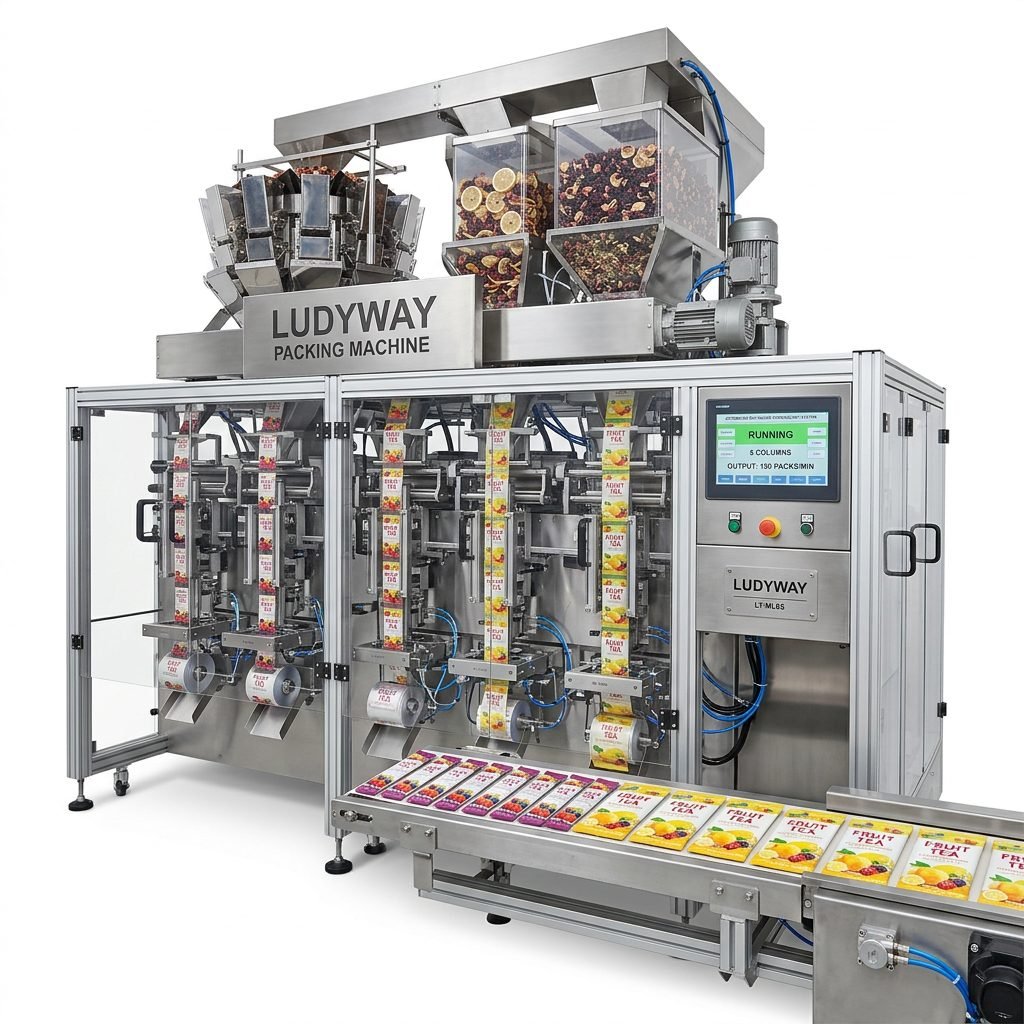
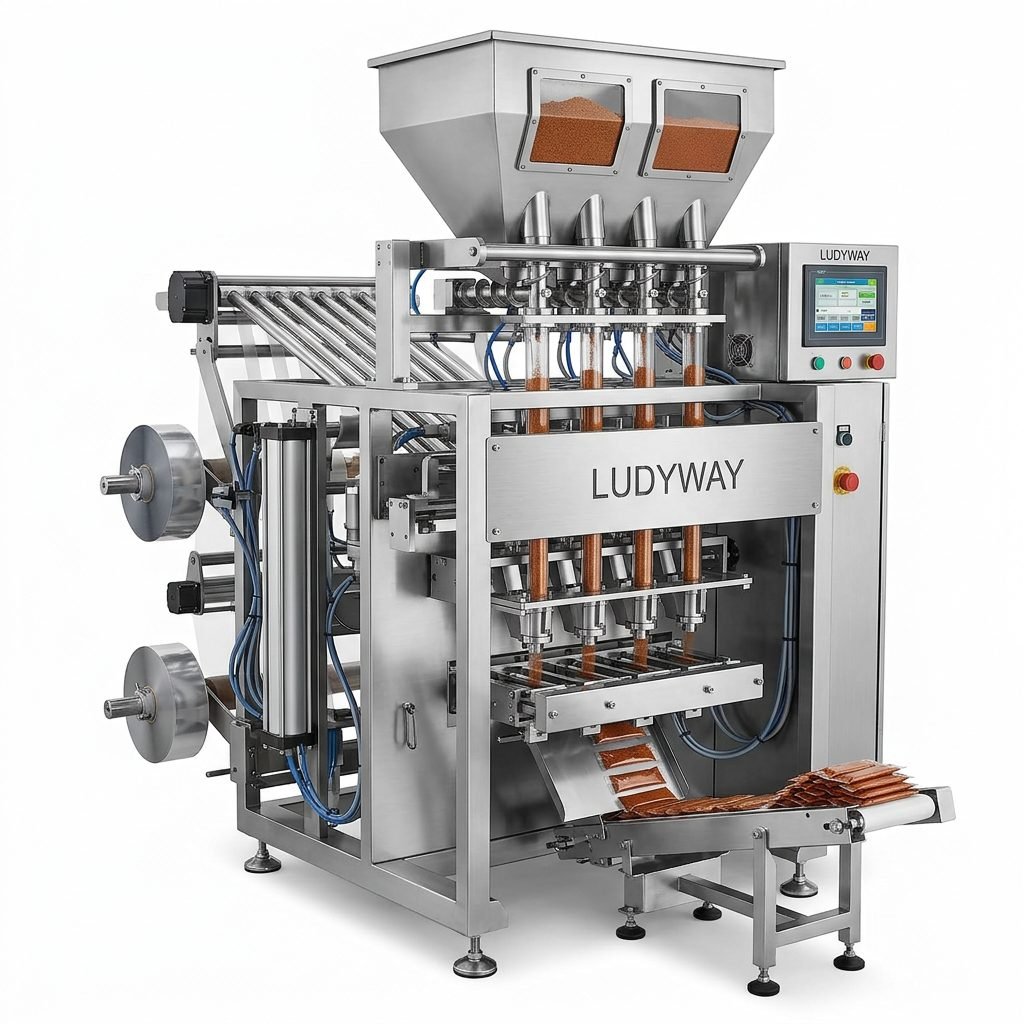
| Multi‑Lane Stick Pack Machine | Single‑serve sticks, sachets for food, condiment and seasoning packs | High output per minute, precise portion control, minimal film waste |
| Premade Pouch Rotary Machine | Stand‑up pouches, zipper pouches, shaped bags with high shelf appeal | Excellent seal quality, handles multiple pouch sizes, fast changeover |
| Auger Filler for Bulk Bags | Large‑format sacks, 5‑25 kg bulk packaging for industrial and food ingredient supply | High accuracy for free‑flowing and non‑free‑flowing powders, robust construction |
For most spice brands, multi‑lane stick pack systems offer the best balance between speed, portion accuracy and film economics. However, always confirm that the dosing system can handle the specific flow characteristics of your blend.
Critical Features to Evaluate
Once the machine type is shortlisted, examine the detailed engineering features that define long‑term reliability.
Filling and Dosing Accuracy
Chili powder profitability depends on tight weight tolerances. Look for servo‑driven auger fillers with closed‑loop feedback and automatic tare correction. Agitator paddles or vibratory trays inside the hopper prevent bridging. Machines validated against ISO packaging standards give you an objective benchmark for repeatability.
Sealing Integrity and Material Compatibility
Spice oils and fine dust can contaminate seal areas, causing leaks and rejects. Machines with independent temperature control on each sealing jaw, PTFE‑coated surfaces and automatic film tracking consistently outperform basic models. Discuss laminate structures with your film supplier to ensure compatibility with the machine’s dwell time and pressure profile.
Speed and Changeover Efficiency
Modern production demands both high output and flexibility. A chili powder packing machine should allow quick tool‑less changeover between different bag lengths and widths. Look for stored recipe management that recalls filling parameters, temperature settings and film tension automatically. This significantly reduces downtime when switching from, say, a 5‑gram chili flake sachet to a 25‑gram chili powder stick pack.
Hygiene and Cleanability
Because chili powder is a food ingredient, the machine must comply with rigorous hygiene standards. Sloped surfaces, minimal horizontal ledges, quick‑release guards and IP65‑rated electrical components make cleaning faster and prevent cross‑contamination. Machines designed to meet FDA food contact substance regulations provide additional assurance for export‑oriented producers.
Automation and Line Integration
A stand‑alone chili powder packing machine is often just one part of a larger production ecosystem. Evaluate how easily the machine can connect with upstream dosing systems and downstream equipment such as checkweighers, metal detectors, inkjet coders and case packers. Unified control architecture and standard communication protocols simplify line balancing and performance monitoring.
- Checkweigher integration – Real‑time weight data allows automatic filler feedback, reducing giveaway and ensuring net‑content compliance.
- Metal detection and X‑ray inspection – Critical for brand protection; the footprint should accommodate these units without sacrificing line speed.
- Secondary packaging automation – Cartoning, case packing and palletising modules can be added later if the machine control system supports modular expansion.
Why Customization and Support Matter
Standardised catalog machines rarely fit spice applications perfectly. Variations in bulk density, dust extraction requirements and packaging material often demand tailored engineering. Working with a manufacturer that offers in‑house design and testing capability means your chili powder packing machine will be configured for your specific product, not adapted after delivery.
For manufacturers seeking a reliable partner, Ludyway Machinery combines decades of powder packaging expertise with customised engineering and global technical support. Equipment is developed around real product testing, so dosing accuracy, seal integrity and line efficiency are validated before shipment.
Budget and Lifecycle Cost Considerations
While the initial purchase price is important, the total cost of ownership reveals the true investment. Consider these often‑overlooked expenses:
- Spare parts availability and lead time – Regional warehousing of critical components prevents prolonged downtime.
- Energy consumption – Servo‑driven systems and optimised heating zones reduce operational costs over a machine’s life.
- Film waste rates – Machines with precise film indexing and start‑up waste recovery pay for themselves quickly in high‑volume production.
- Operator training and ease of use – Intuitive HMI interfaces and remote diagnostics lower the skill barrier and reduce service calls.
Selecting the Right Partner for Long‑Term Success
Your chili powder packing machine is a long‑term asset. Beyond technical specifications, evaluate the supplier’s commitment to after‑sales service, remote support and continuous improvement. Ask for documented case studies in spice or seasoning applications, and if possible, arrange a factory acceptance test with your own product.
By approaching the selection process with a clear understanding of product behaviour, required packaging formats, future scalability and supplier capability, you position your business for consistent quality and efficient growth in an increasingly competitive spice market.