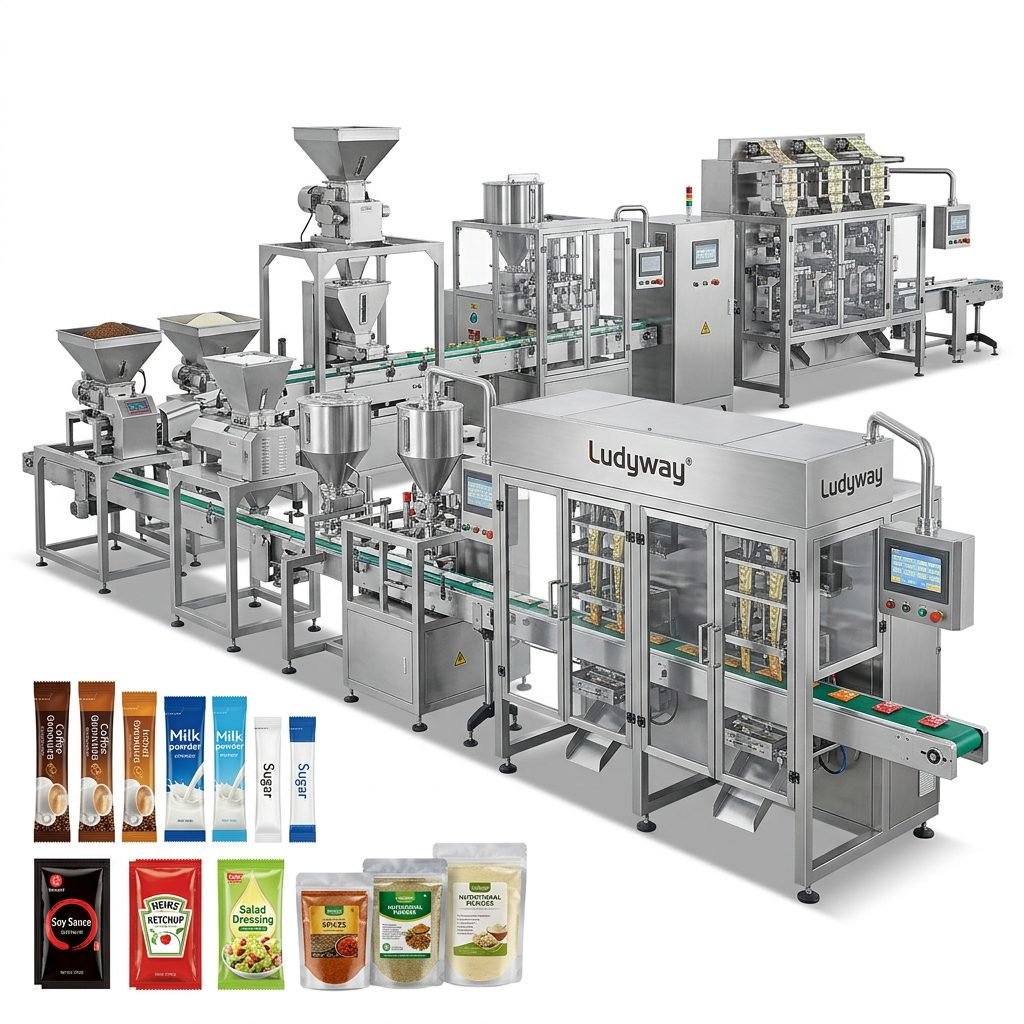
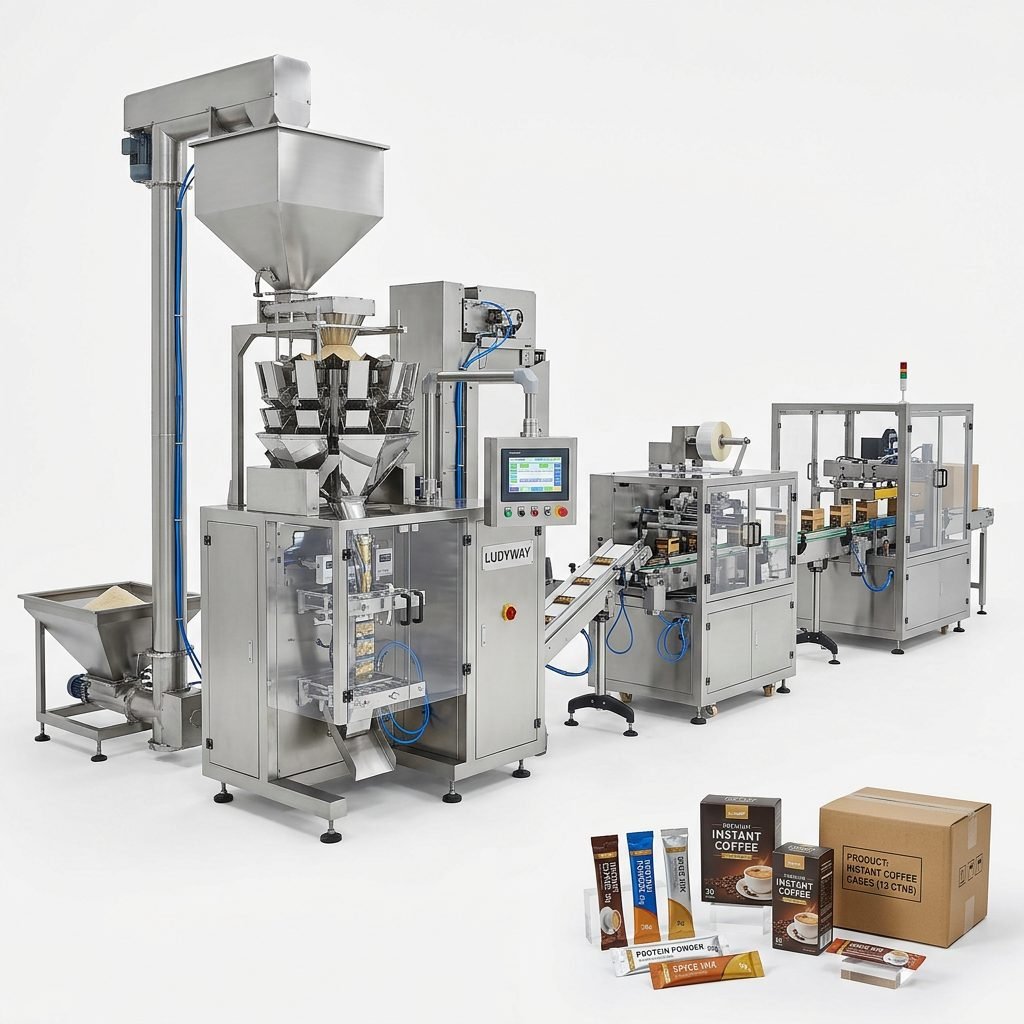
For manufacturers handling bulk powders, granules, or specialty materials, selecting the right 25 kg bag packing machine is a critical decision that directly impacts production efficiency, weighing accuracy, product quality, and long-term operational costs. Whether you are packaging food ingredients, chemical powders, animal feed, pharmaceutical raw materials, or construction materials, the equipment you choose must match your product characteristics, throughput requirements, and factory environment.
This comprehensive buyer’s guide walks you through the key factors to evaluate when investing in a 25 kg bag packing machine, helping you make an informed purchasing decision that aligns with your production goals. From understanding machine types and dosing technologies to evaluating automation levels and compliance requirements, we cover the essential criteria that packaging professionals need to consider.
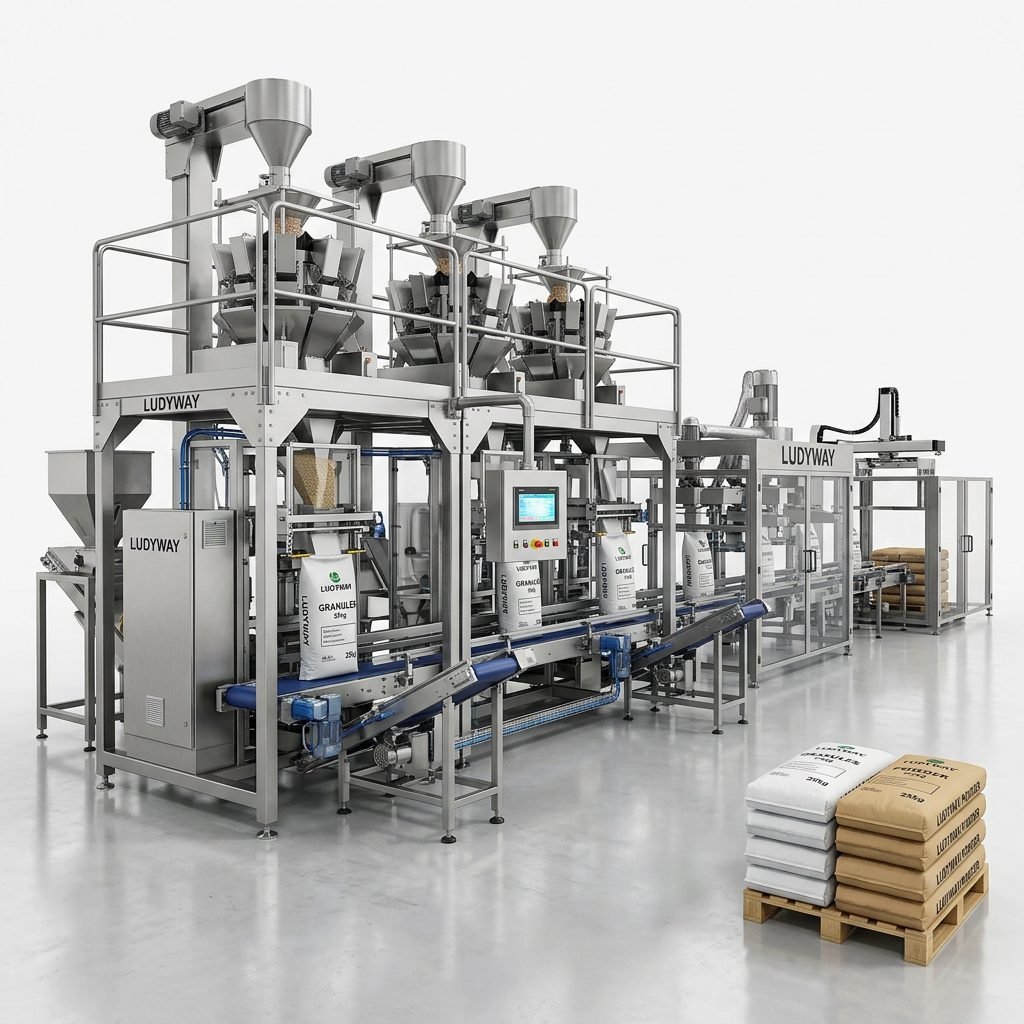
Understanding 25 kg Bag Packing Machine Types
Before diving into specifications, it’s important to understand the main categories of 25 kg bag packing machines available on the market. Each type is engineered for specific material handling characteristics and production environments.
Open-Mouth Bagging Machines
Open-mouth bagging systems are among the most common configurations for 25 kg bag packing operations. These machines fill pre-made open-mouth bags through a filling spout, after which the bag is sealed using a separate closing system. They are suitable for a wide range of free-flowing and non-free-flowing powders and granules.
Valve Bag Filling Machines
Valve bag fillers are designed for materials that can be pneumatically conveyed. The product enters the bag through a valve opening, which self-seals when filling is complete. This type of 25 kg bag packing machine is often used for fine powders such as cement, flour, and certain chemical products where dust control is a priority.
Form-Fill-Seal (FFS) Bagging Systems
For high-volume operations, form-fill-seal bagging machines create the bag from roll stock film, fill it with product, and seal it in a continuous automated process. These systems offer higher speed and greater packaging material flexibility, making them suitable for food, agricultural, and industrial products.
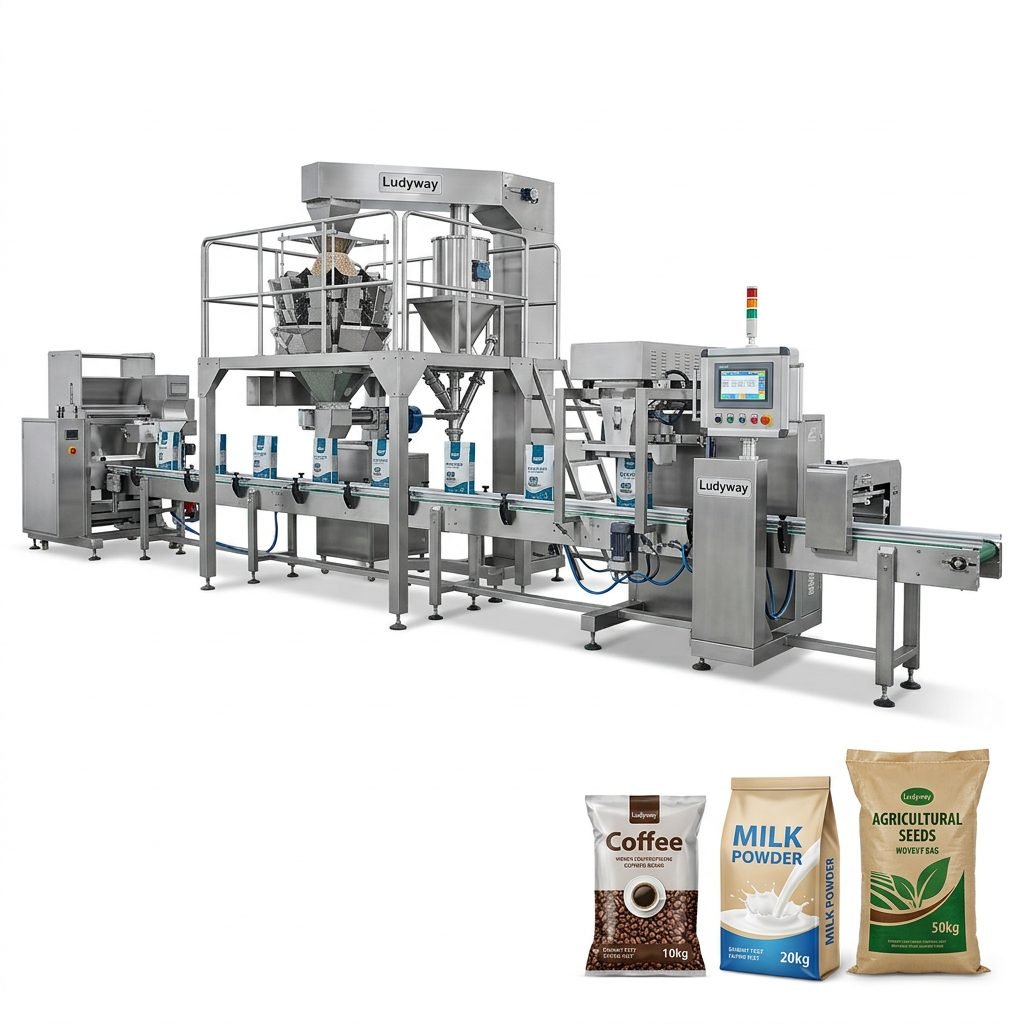
Key Factors to Consider When Choosing a 25 kg Bag Packing Machine
Evaluating the right 25 kg bag packing machine requires a systematic approach. Below are the most important criteria to assess during your equipment selection process.
| Selection Criteria | Key Considerations | Impact on Operation |
|---|---|---|
| Product Characteristics | Particle size, bulk density, flowability, moisture content, dustiness | Determines feeder type, dosing technology, and dust collection requirements |
| Weighing Accuracy | Target weight tolerance, filling speed requirements, legal metrology standards | Affects product giveaway, regulatory compliance, and customer satisfaction |
| Production Capacity | Bags per hour, shift patterns, peak demand requirements | Determines machine speed class and automation configuration |
| Bag Material and Size Range | Paper, woven polypropylene, PE, laminated bags; dimensions and style | Influences bag handling system and sealing technology selection |
| Automation Level | Semi-automatic vs. fully automatic; integration with upstream and downstream equipment | Affects labor requirements, consistency, and overall line efficiency |
| Environmental Conditions | Temperature, humidity, dust, washdown requirements | Determines machine construction materials and protection ratings |
Weighing and Dosing Technologies for 25 kg Bag Packing
Accurate weighing is at the heart of any reliable 25 kg bag packing machine. The choice of weighing and dosing technology depends on your product’s physical properties and speed requirements.
Net Weighing Systems
In net weighing configurations, product is weighed in a dedicated weigh hopper before being discharged into the bag. This method delivers high accuracy and is ideal for products with variable bulk density. Net weighers are widely used in food, chemical, and agricultural applications where precision matters. According to industry data, packaging machinery manufacturers continue to innovate in weighing technology to meet evolving market demands.
Gross Weighing Systems
Gross weighing fills the product directly into the bag while it sits on a scale. This approach can offer faster speeds for free-flowing products and requires less headroom compared to net weighing. It’s commonly used for grains, pellets, and relatively uniform materials.
Combination Weighing Technology
For applications requiring both high speed and precision, combination weighers (multi-head weighers) may be integrated into 25 kg bag packing lines. These systems use multiple weigh heads to achieve rapid cycle times while maintaining tight weight tolerances.
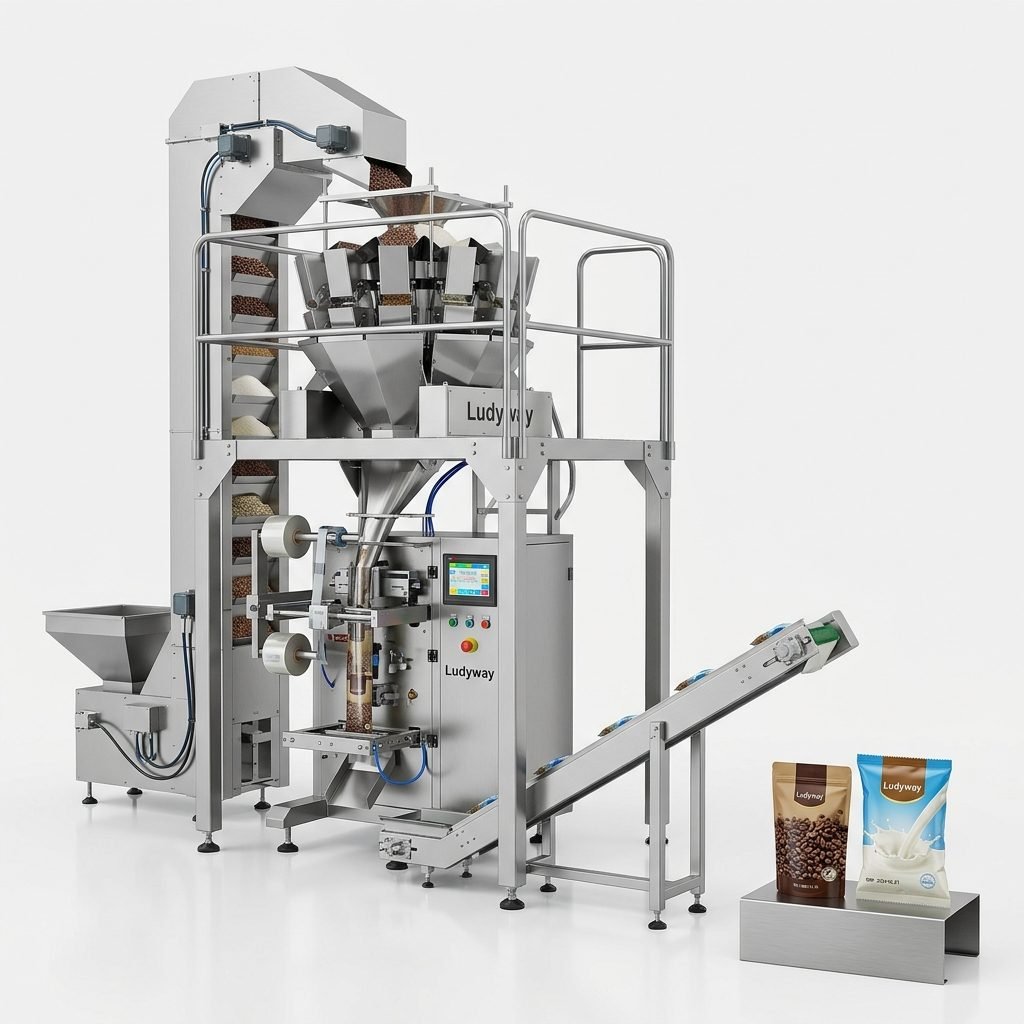
Bag Closing and Sealing Options
The bag closing method is an integral part of the overall 25 kg bag packing machine configuration. Selecting the appropriate closing technology ensures product protection, shelf stability, and tamper evidence.
- Heat Sealing: Suitable for thermoplastic bag materials such as PE and laminated films. Provides a strong, airtight seal and can be integrated with gas flushing for modified atmosphere packaging.
- Sewing Closure: Common for woven polypropylene and multi-wall paper bags. Offers reliable mechanical closure and is widely used in agricultural and industrial sectors.
- Ultrasonic Sealing: Used for specialty applications requiring clean, dust-free seals without heat. Ideal for certain pharmaceutical and food products.
- Combined Sewing and Heat Sealing: Some bag closing systems provide both sealing methods for enhanced product protection, particularly in moisture-sensitive applications.
Automation and Integration Capabilities
Modern 25 kg bag packing machines can be configured as standalone units or integrated into fully automated packaging lines. Understanding your automation needs is essential for optimizing productivity and return on investment.
Bag Placement and Handling
Semi-automatic machines require an operator to manually place bags on the filling spout, while fully automatic systems include robotic or mechanical bag placers that pick, open, and position bags without human intervention. For operations producing more than 300–400 bags per hour, automatic bag placement can significantly improve consistency and reduce labor dependency.
Upstream and Downstream Integration
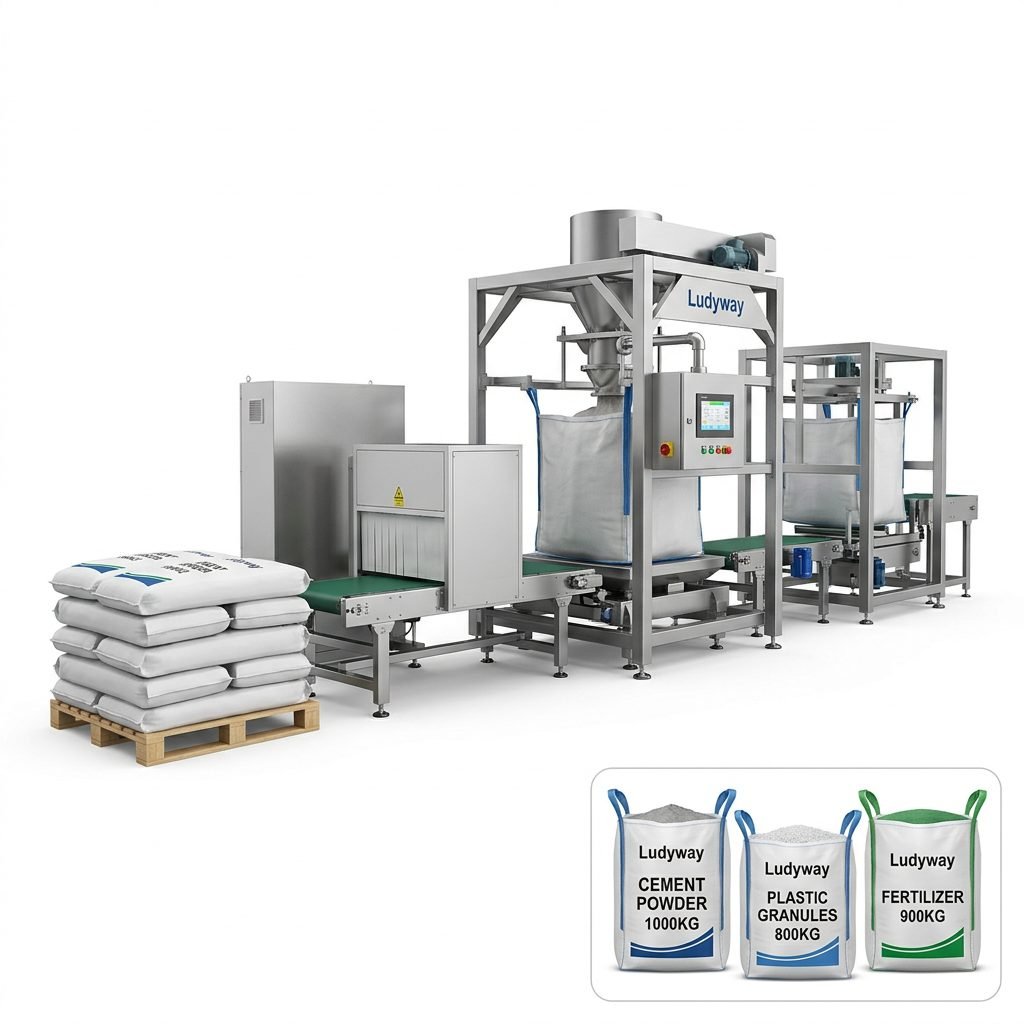
A 25 kg bag packing machine often operates as part of a larger production ecosystem. Consider how the machine will interface with upstream product supply systems, such as silos, bulk bag dischargers, or process equipment. Downstream, integration with conveyor systems, checkweighers, metal detectors, palletizers, and stretch wrappers creates a seamless end-of-line packaging operation.
Control Systems and Data Management
Advanced 25 kg bag packing machines feature PLC-based control systems with HMI touchscreens that enable recipe management, production data logging, and diagnostic functions. Connectivity options for integration with MES or ERP systems can provide valuable production analytics and traceability capabilities.
Industry-Specific Requirements for 25 kg Bag Packing
Different industries impose distinct requirements on 25 kg bag packing equipment. Understanding the regulatory and operational demands of your sector is crucial for selecting compliant and fit-for-purpose machinery.
| Industry Sector | Typical Requirements | Recommended Features |
|---|---|---|
| Food and Beverage | Hygienic design, food-grade materials, CIP compatibility | Stainless steel construction, easy-clean surfaces, metal detection integration |
| Pharmaceuticals | Strict cleanliness, validation documentation, containment | High containment design, validated sealing, full traceability systems |
| Chemicals | Corrosion resistance, dust control, hazardous area compliance | ATEX/IECEx certified configurations, chemical-resistant seals and gaskets |
| Animal Feed | High throughput, durability, multi-shift operation | Robust construction, high-speed filling, wear-resistant components |
| Construction Materials | Abrasion resistance, dust management, high capacity | Hardened contact surfaces, integrated dust extraction, heavy-duty design |
For manufacturers navigating complex regulatory environments, resources such as FDA packaging requirements and ISO packaging standards provide valuable guidance on compliance expectations.
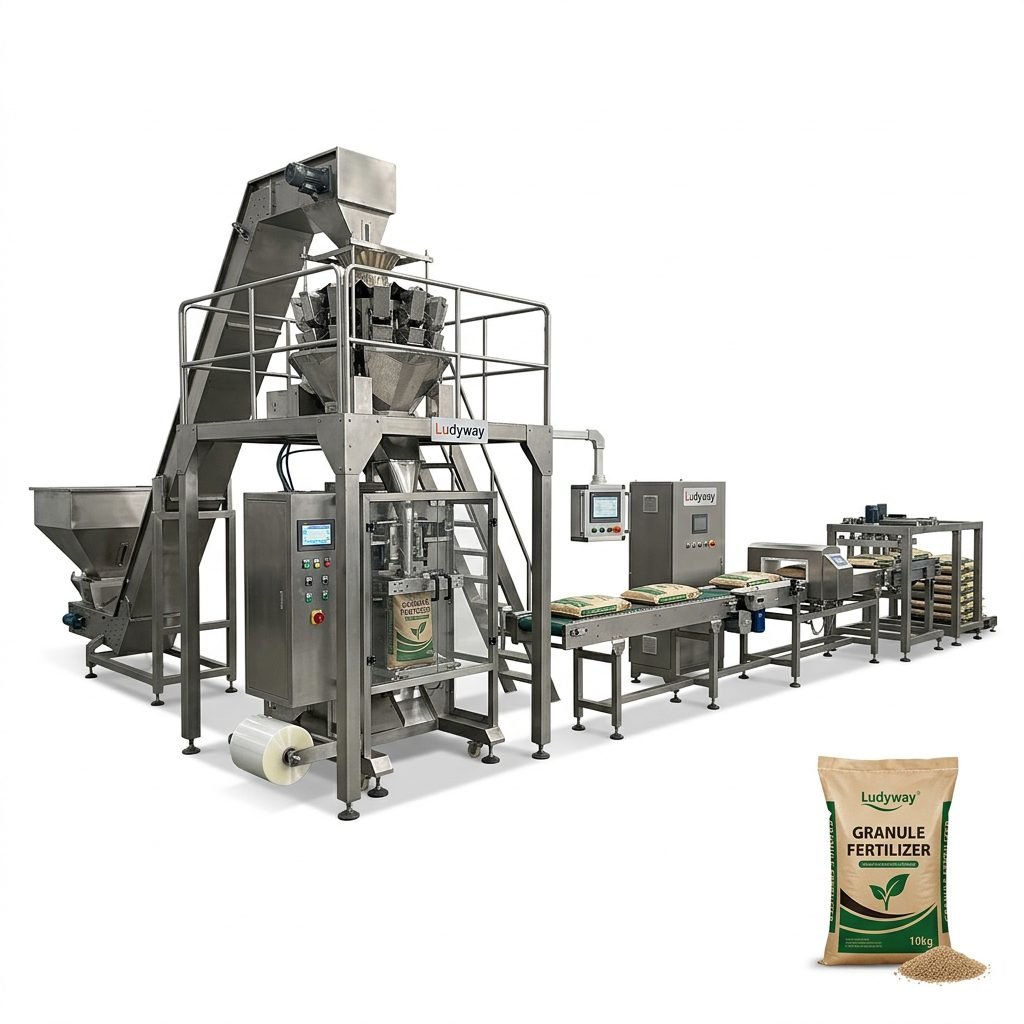
Dust Collection and Environmental Control
Many bulk products generate significant dust during the filling process, which can create health hazards, explosion risks, and product loss. A well-designed 25 kg bag packing machine should incorporate effective dust management features. Look for integrated dust extraction ports, inflatable bag spout seals, and enclosed product handling zones. For explosive dust environments, compliance with ATEX directives or equivalent local regulations is mandatory.
Maintenance, Serviceability, and Spare Parts
Long-term equipment reliability depends on proper maintenance and access to technical support. When evaluating a 25 kg bag packing machine, consider the following:
- Accessibility: Easy access to key components such as filling spouts, weighing systems, and sealing mechanisms reduces maintenance time and improves uptime.
- Wear Parts Availability: Confirm that critical spare parts are readily available from the manufacturer’s local representative or distribution network.
- Remote Support Capabilities: Modern machines with remote diagnostic capabilities enable faster troubleshooting and reduce the need for on-site service visits.
- Documentation: Comprehensive operation manuals, maintenance schedules, and spare parts lists support proper machine care and operator training.
Cost Considerations Beyond the Initial Purchase Price
The total cost of ownership (TCO) for a 25 kg bag packing machine extends well beyond the initial capital investment. To make a financially sound decision, evaluate these ongoing costs:
- Energy Consumption: Compare power requirements across different machine models and automation configurations.
- Labor Requirements: Calculate the number of operators needed per shift for both semi-automatic and fully automatic systems.
- Product Giveaway: A machine with higher weighing accuracy reduces product giveaway, which can generate significant savings over time.
- Packaging Material Waste: Machines with precise bag handling reduce material waste and improve sustainability metrics.
- Maintenance and Spare Parts: Estimate annual maintenance costs based on the manufacturer’s recommended schedule and historical data for similar equipment.
Evaluating Manufacturer Expertise and Support
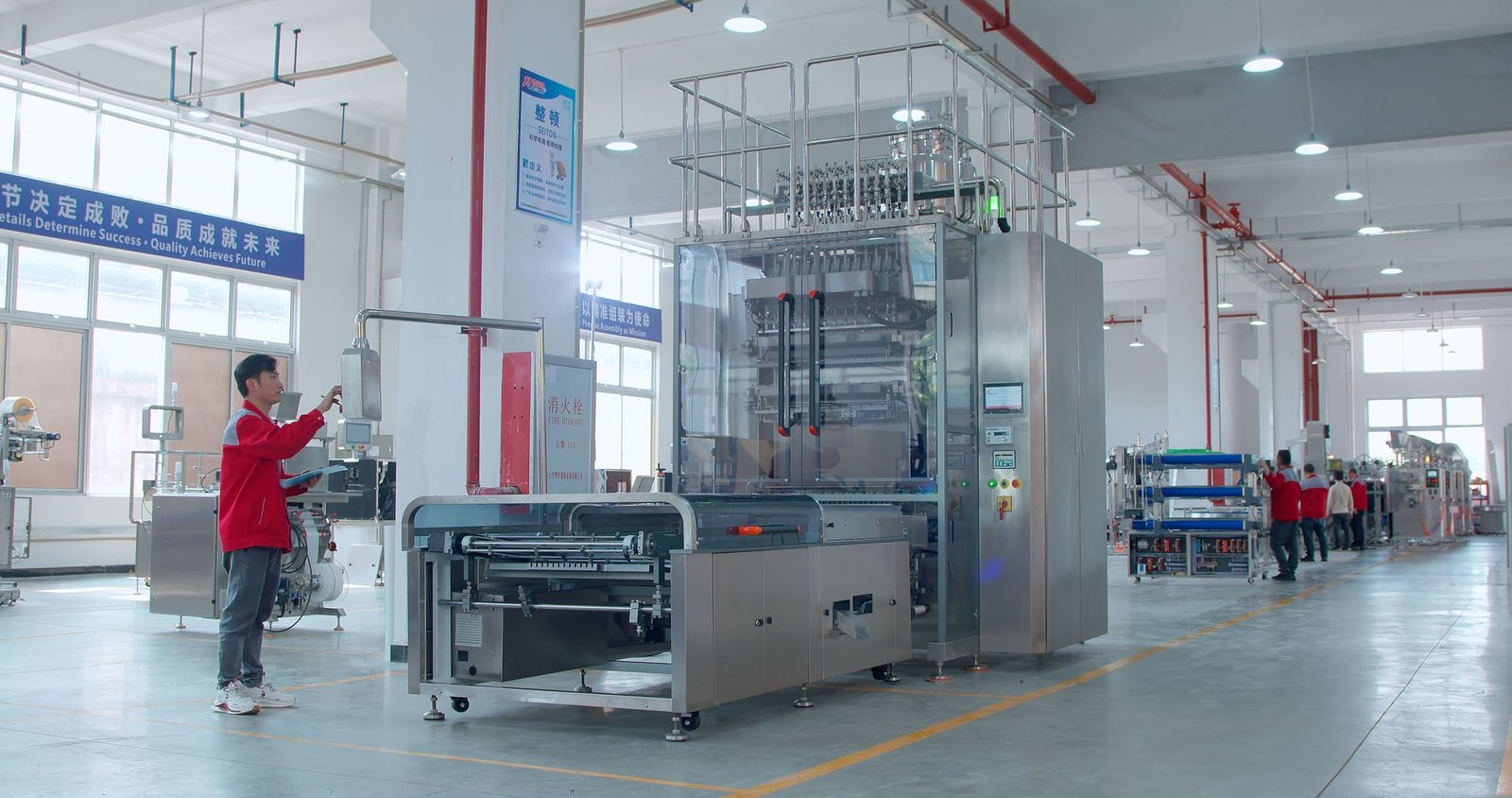
Choosing the right equipment partner is as important as selecting the right machine. A manufacturer with deep application knowledge can help you configure a 25 kg bag packing machine that matches your specific product characteristics, production environment, and business objectives. Look for evidence of industry experience, engineering capabilities, and a track record of successful installations in your sector.
For instance, Ludyway Machinery provides packaging machinery and integrated solutions to manufacturers across food, pharmaceutical, chemical, animal feed, and other industries, with over 30 years of experience in developing automated packaging equipment. When evaluating potential suppliers, request case studies, customer references, and detailed technical proposals that demonstrate their understanding of your application.
Compliance with International Standards
If your packaged products are destined for export markets, ensure that your 25 kg bag packing machine can be configured to meet applicable international standards. Relevant standards may include those related to weighing accuracy (OIML), electrical safety (IEC), machinery safety (ISO 12100), and hygienic design (3-A Sanitary Standards or EHEDG guidelines). Additionally, European packaging regulations increasingly emphasize sustainability and recyclability, which may influence your packaging material and machine choices.
Future-Proofing Your Investment
As your business grows, your 25 kg bag packing machine should be able to adapt. Consider whether the machine platform supports future upgrades, such as adding automatic bag placers, switching to different bag materials, increasing filling speed, or integrating with factory-wide automation systems. Modular machine designs that allow field upgrades can extend the useful life of your equipment and protect your investment.
Final Recommendations for Choosing a 25 kg Bag Packing Machine
To summarize, selecting the optimal 25 kg bag packing machine for your operation involves careful evaluation across multiple dimensions:
- Start with your product: Document all relevant product characteristics, including particle size distribution, bulk density range, flow behavior, and any special handling requirements.
- Define your throughput targets: Determine current and projected production volumes, allowing for future growth and peak demand periods.
- Specify bag requirements: Confirm the bag materials, dimensions, and closure methods you plan to use, and verify machine compatibility.
- Assess automation needs: Evaluate labor availability and cost in your region to determine the appropriate automation level.
- Consider the complete line: Think beyond the bagging machine to the full packaging line, including product supply, checkweighing, palletizing, and wrapping.
- Verify compliance requirements: Ensure the machine can meet applicable regulatory, safety, and industry standards for your target markets.
- Evaluate total cost of ownership: Consider energy, labor, product giveaway, maintenance, and material waste costs over the machine’s expected service life.
- Select a reliable partner: Work with an experienced manufacturer that offers engineering support, customization, installation, training, and responsive after-sales service.
By systematically working through these criteria, you can confidently select a 25 kg bag packing machine that improves your packaging efficiency, product quality, and bottom-line results. For additional insights into packaging machinery market trends and technology developments, resources such as the Flexible Packaging Association’s knowledge hub provide valuable industry data and best practices.