Investing in a seed packing machine is a strategic decision that directly impacts your operational efficiency, product quality, and bottom line. Whether you are packaging vegetable seeds, grain, grass seed, or treated seed products, the right equipment ensures consistent fill weights, high throughput, and minimal product damage. With a wide range of machine types and configurations available, understanding your specific requirements is the first step toward making an informed purchase. This guide walks you through the essential factors to consider when choosing a seed packing machine for your production line.
Understanding Your Seed Packaging Requirements
Before comparing machine models, you need to define your production goals and product characteristics. Seed types vary significantly in size, shape, density, and flow behavior. For instance, small, round seeds like alfalfa or canola flow differently than larger, irregular seeds like corn or sunflower. Some seeds have delicate coatings or treatments that can be damaged by aggressive handling. Additionally, your target output rate, desired bag format, and available factory space will influence which machine configuration is right for you. Begin by answering three core questions: What seed type are you packaging? What is your target production speed? What packaging format do you need?
Key Factors to Evaluate in a Seed Packing Machine
1. Machine Type and Packaging Format
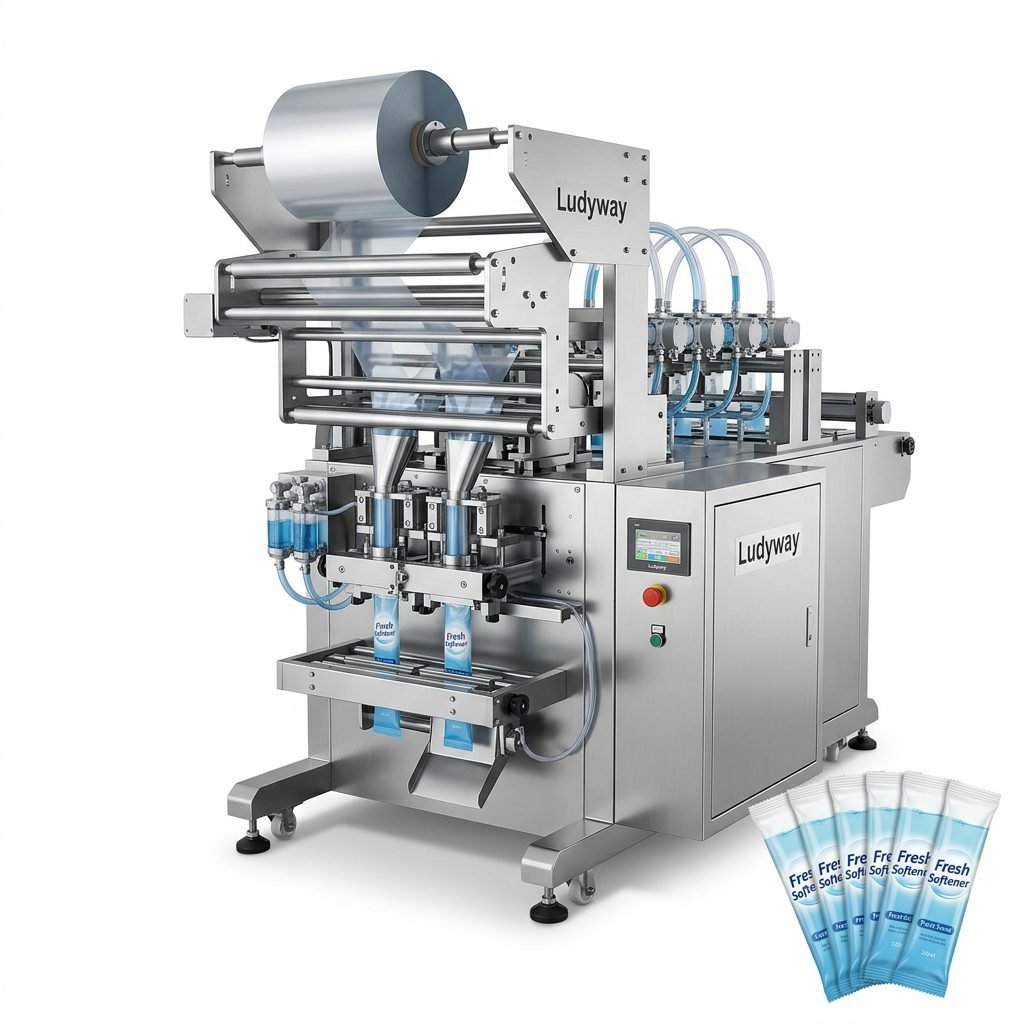
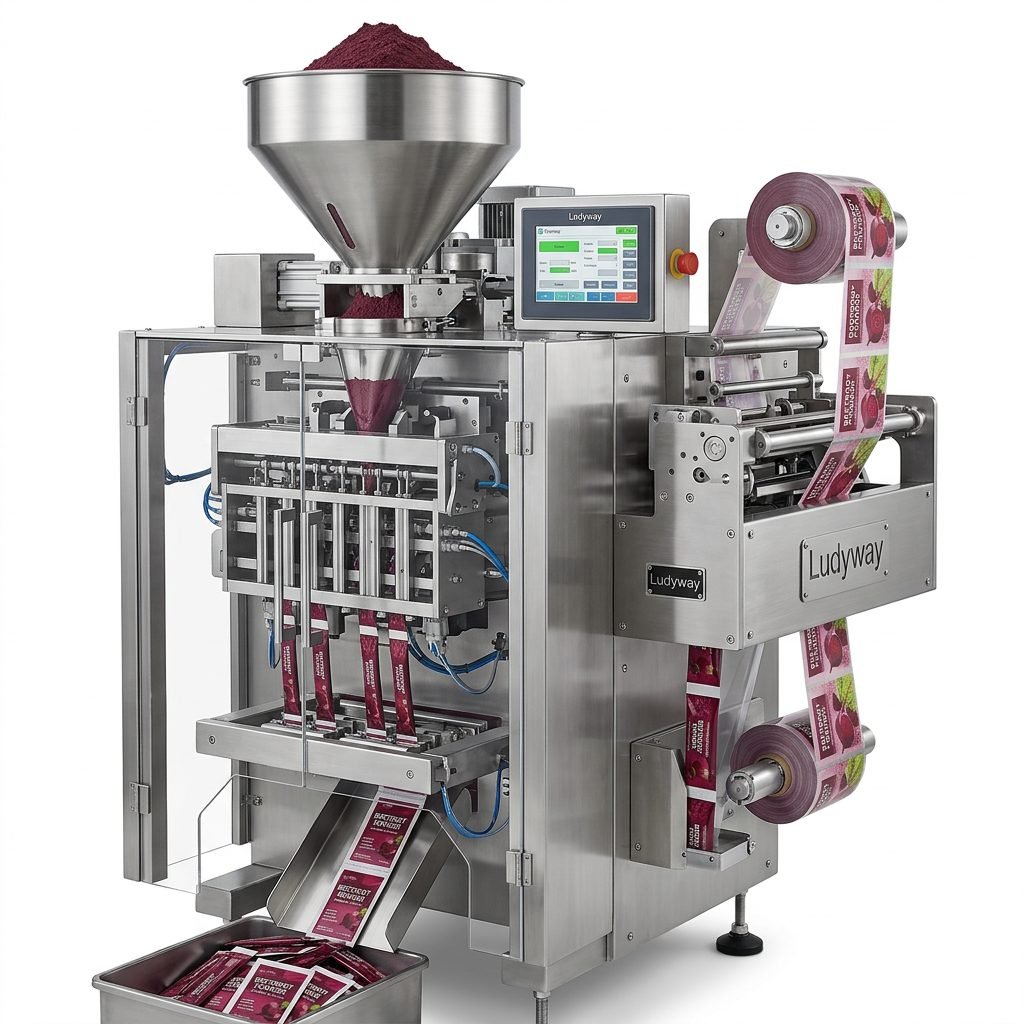
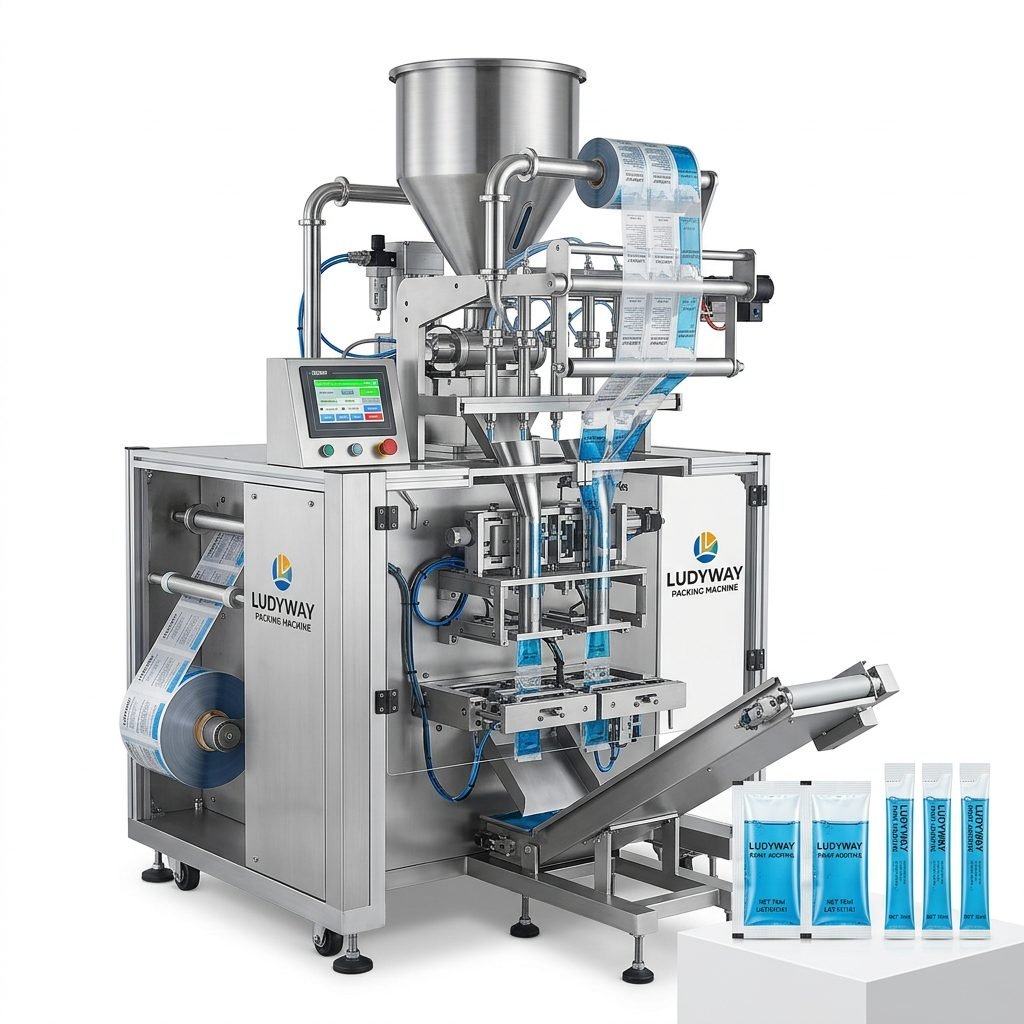
Seed packaging machines are available in several configurations, each suited to different applications. Flexible packaging formats such as sachets, stick packs, and premade pouches are increasingly popular for seeds due to their convenience and shelf appeal. Below is a comparison of common machine types used in seed packaging:
| Machine Type | Best For | Packaging Formats | Typical Speed Range |
|---|---|---|---|
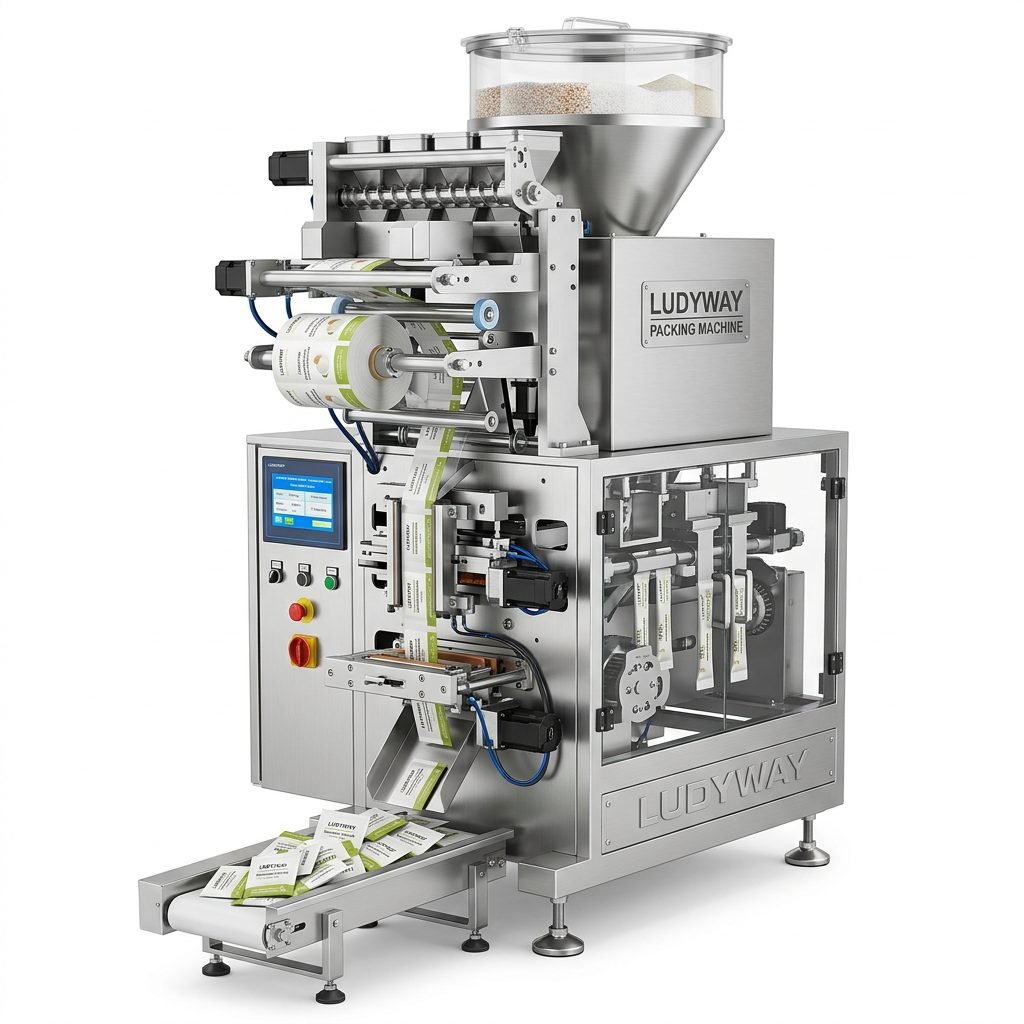
| Vertical Form Fill Seal (VFFS) | Small to medium seed packets | Pillow bags, gusseted bags, sachets | 30-120 packs/min |
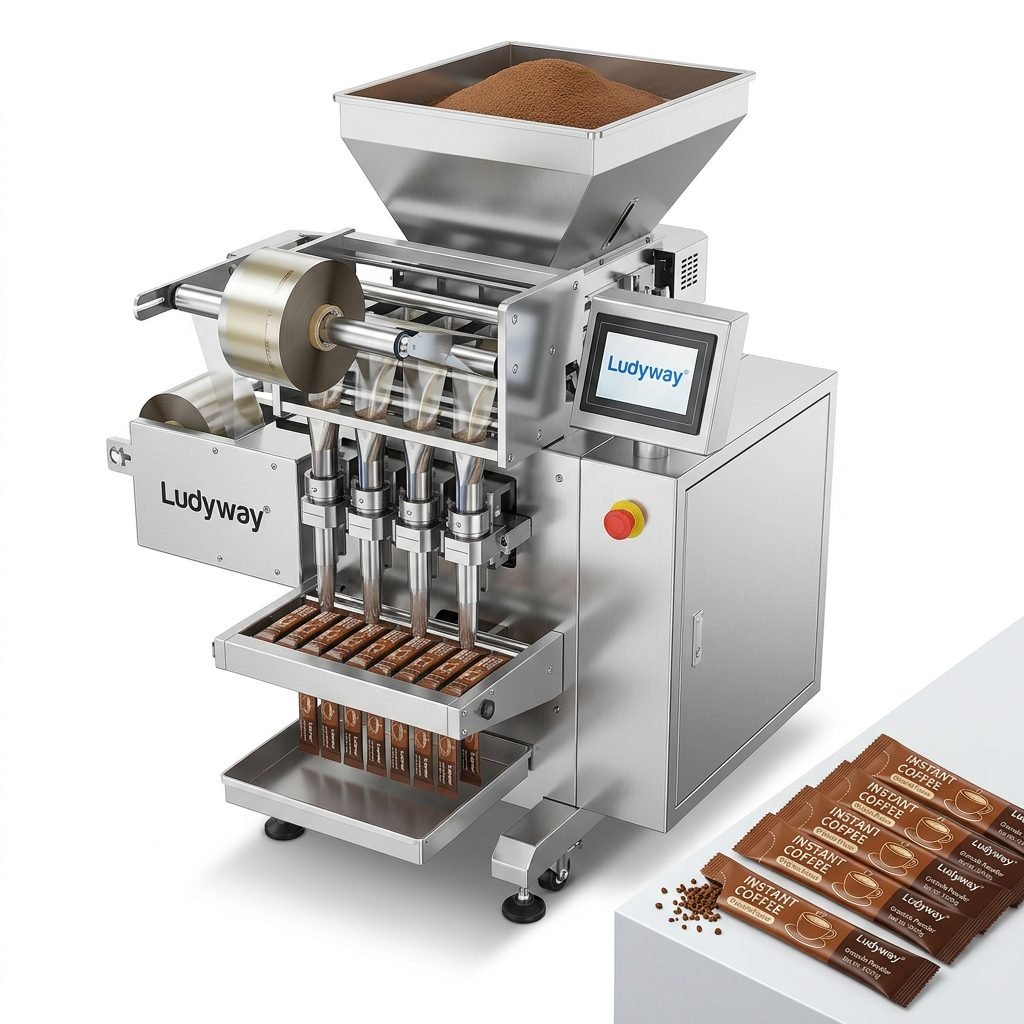
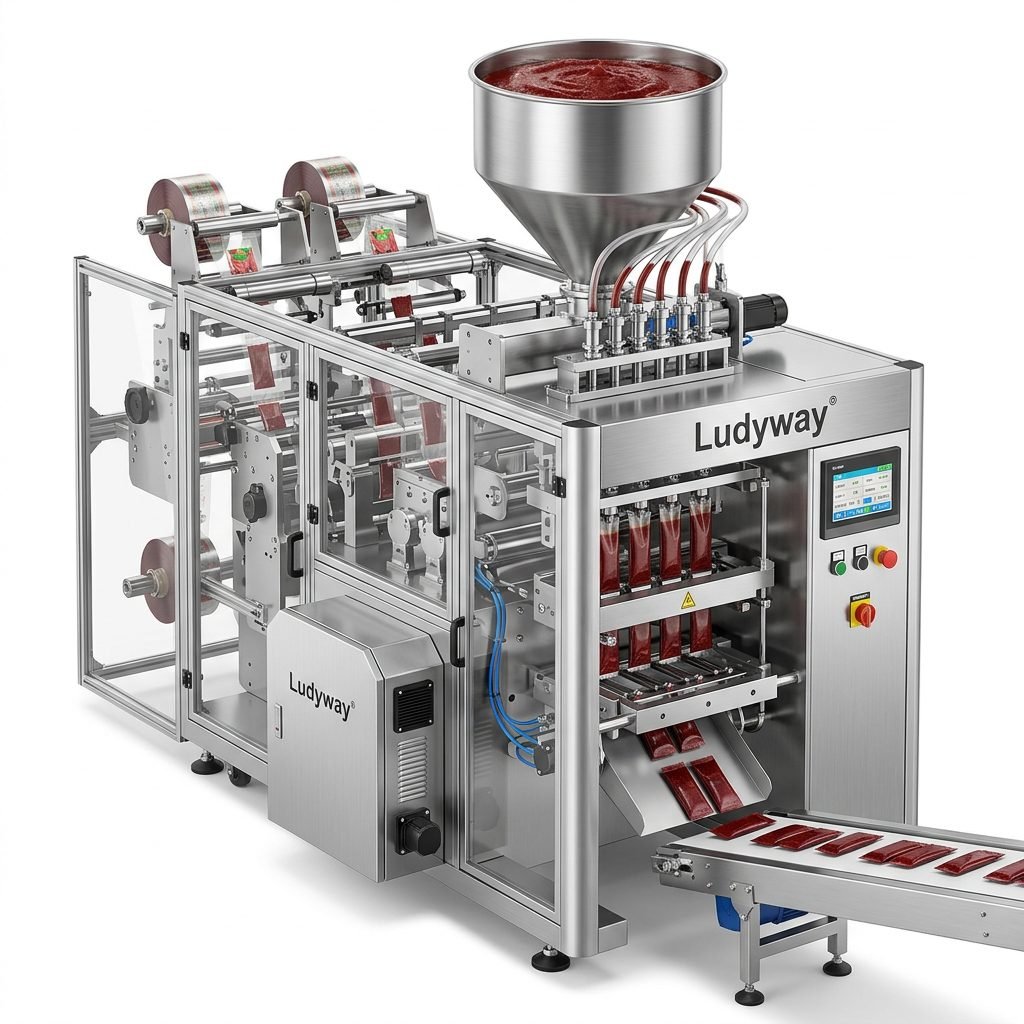
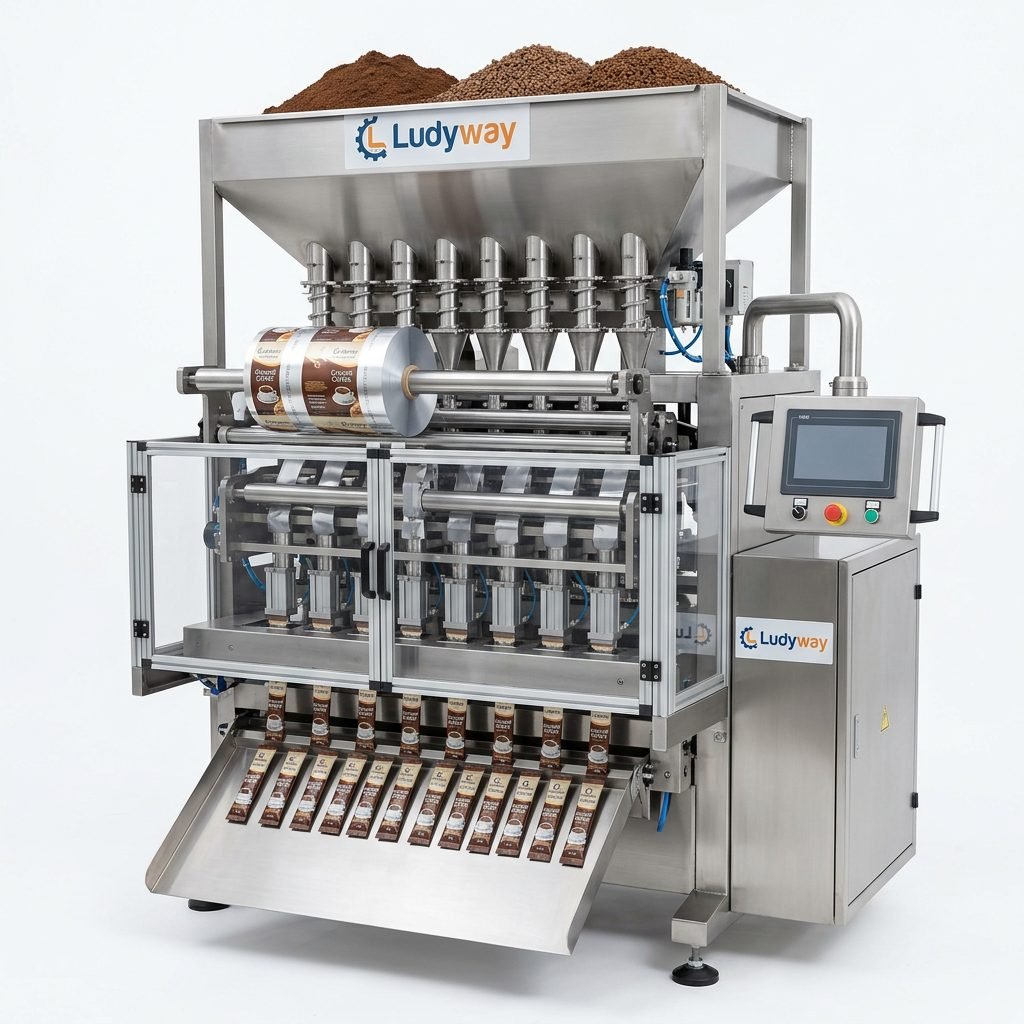
| Multi-Lane Stick Pack Machine | High-speed single-serving seed packs | Stick packs, narrow sachets | 200-600+ packs/min |
| Premade Pouch Machine | Stand-up pouches, zipper bags | Stand-up pouches, flat pouches, resealable bags | 20-80 packs/min |
| Bulk Bagging Machine | Large-scale agricultural seed distribution | 5kg-50kg bags, bulk sacks | 5-20 bags/min |
Understanding the differences between these machine types is crucial. For example, packaging industry data shows that multi-lane stick pack machines are increasingly adopted for high-speed production of small seed sample packs and promotional seed packets. Your choice should align with both your current needs and future growth projections.
2. Filling Accuracy and Precision
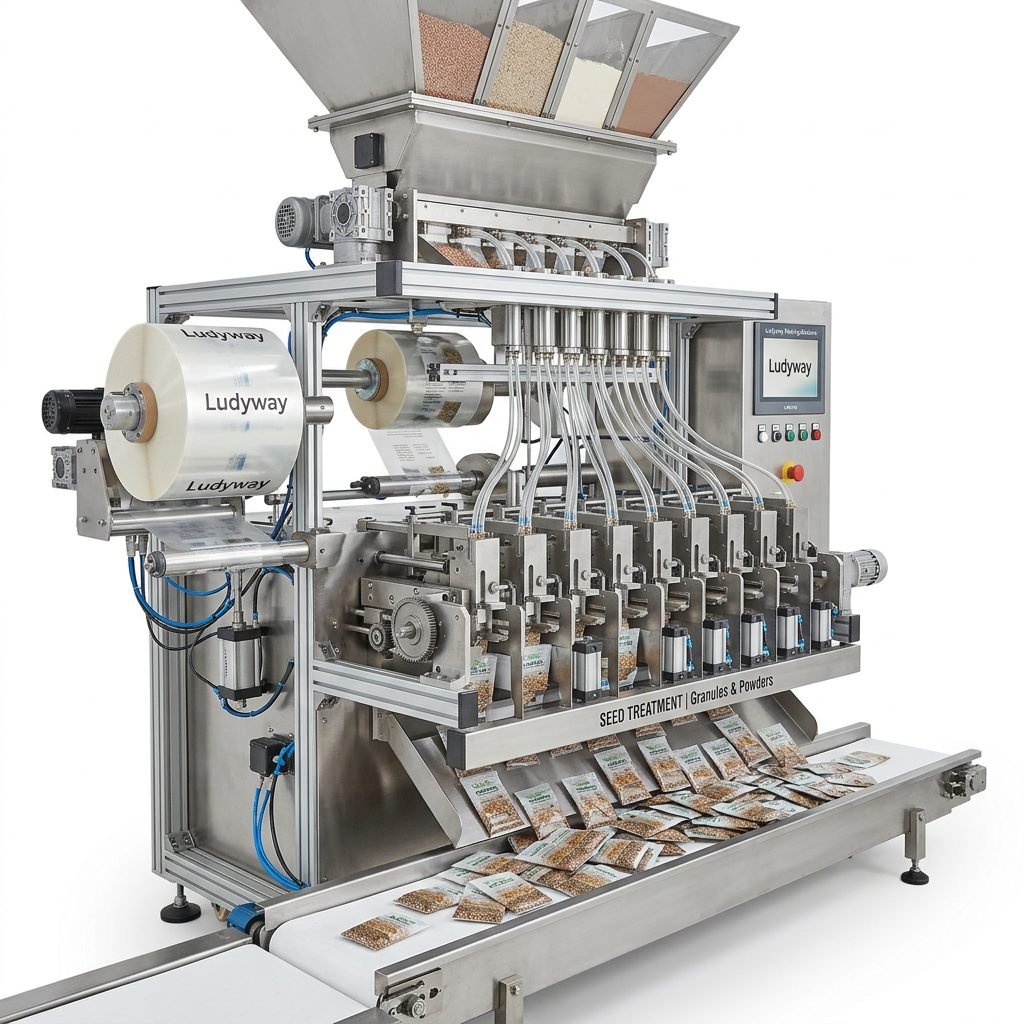
Seed count accuracy is critical, especially for commercial seed companies where every packet must contain a precise number of seeds. Modern seed packing machines utilize advanced dosing systems including auger fillers, volumetric cup fillers, multi-head weighers, and seed counting systems. For high-value hybrid seeds, even minor overfills can significantly erode profit margins over time. Look for machines that offer filling accuracy within ±0.5% to ±1% of the target weight or count. Multi-head weighers are particularly effective for achieving high accuracy with free-flowing seeds, while dedicated seed counters using optical or vibratory technology excel at delivering exact seed counts per package.
3. Seed Handling and Product Integrity
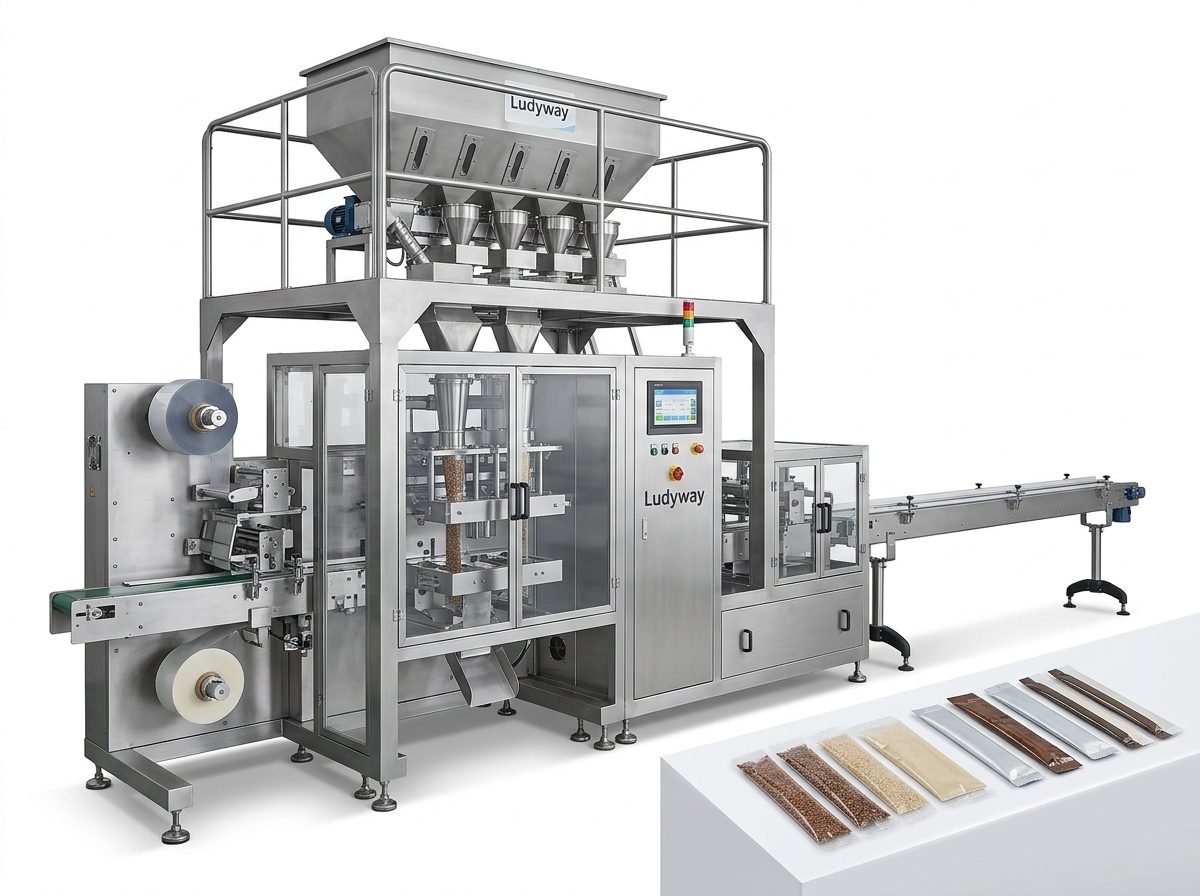
Seeds are living products that can be damaged by rough handling, excessive heat, or moisture. A quality seed packing machine minimizes mechanical stress on seeds during the filling process. Key design features to look for include gentle product transfer systems, low-drop filling nozzles, and controlled vibration settings. If you are packaging treated seeds with chemical coatings or inoculants, the machine’s contact surfaces should be compatible with these treatments and easy to clean. Packaging machinery market research emphasizes the growing importance of gentle handling systems as seed treatments become more sophisticated and seed values continue to rise.
4. Production Speed and Scalability
Your current production volume determines the minimum speed requirement, but planning for future growth is equally important. A machine that barely meets today’s demand may become a bottleneck within two years. Consider the following speed tiers when evaluating equipment:
- Low-speed machines: 20-40 packs per minute — suitable for small-scale seed companies and specialty seed producers
- Medium-speed machines: 40-100 packs per minute — ideal for mid-sized commercial seed operations
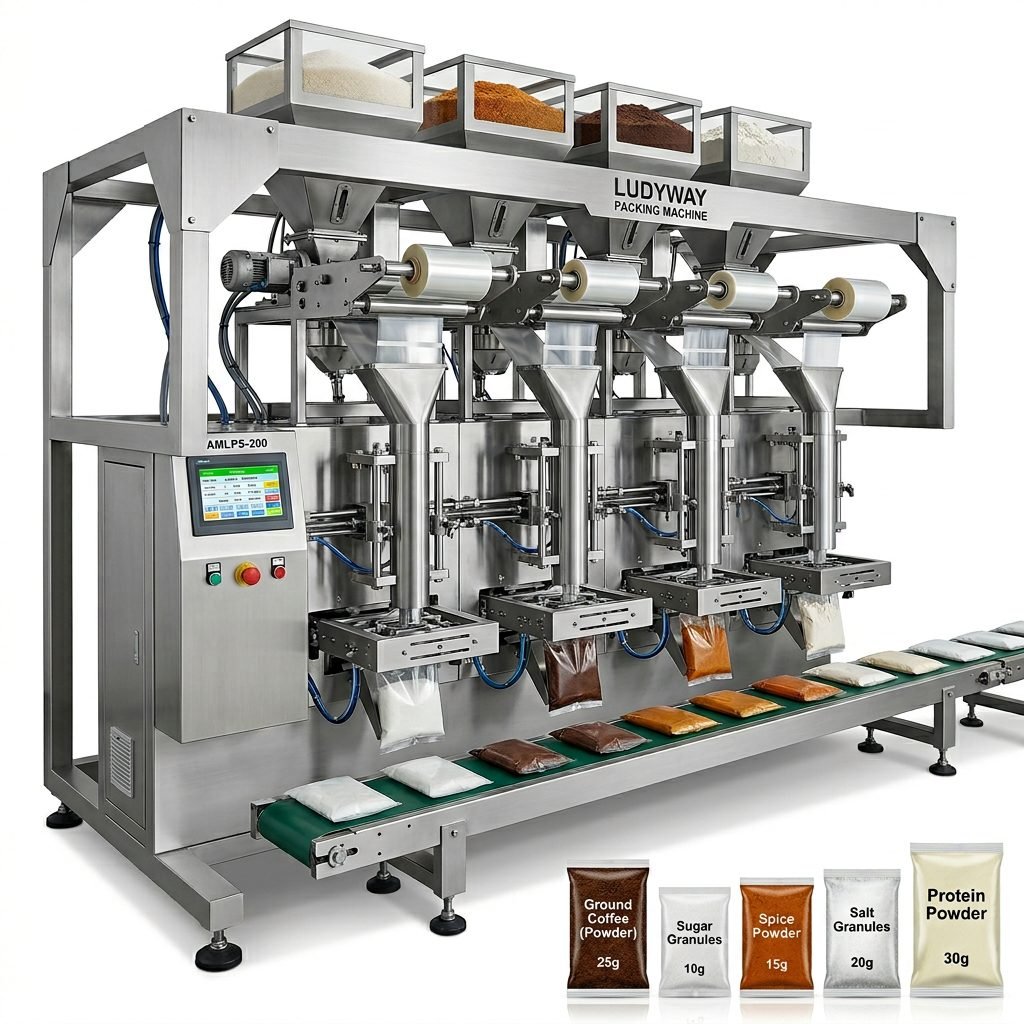
- High-speed multi-lane machines: 100-600+ packs per minute — designed for large-scale seed distributors and high-volume production
Multi-lane configurations allow you to scale output without proportionally increasing floor space, making them an attractive option for growing seed businesses. According to the PMMI 2025 State of the Industry report, demand for high-speed flexible packaging equipment in the agricultural sector continues to grow as companies seek to automate and increase throughput.
5. Material Compatibility and Packaging Film
The type of packaging material you intend to use directly affects machine selection. Seed packets commonly use laminated films, foil-based materials, paper-foil combinations, and biodegradable films. Not all machines handle all film types equally well. Verify that the machine’s sealing system — whether heat sealing, ultrasonic sealing, or impulse sealing — is compatible with your chosen packaging material. Additionally, if you plan to switch between different film types or thicknesses, look for machines with quick-change sealing parameters and minimal adjustment requirements.
6. Automation Level and Integration
Modern seed packaging operations benefit from automation beyond just filling and sealing. Consider integrated solutions that combine multiple functions into a single line:
- Automatic feeding and seed singulation systems
- Precision weighing or counting stations
- Filling and sealing modules
- Inline printing and coding for lot numbers and expiration dates
- Checkweighing and quality inspection systems
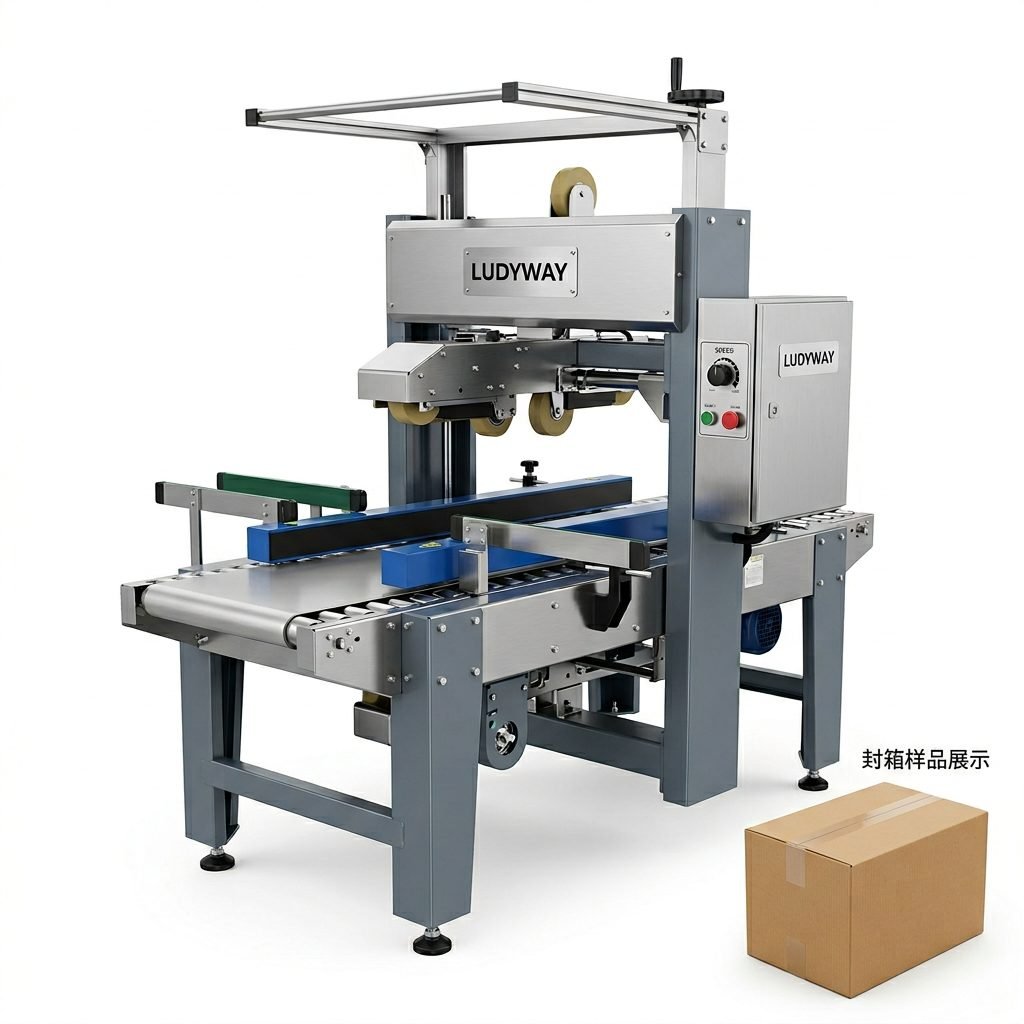
- Cartoning and case packing equipment
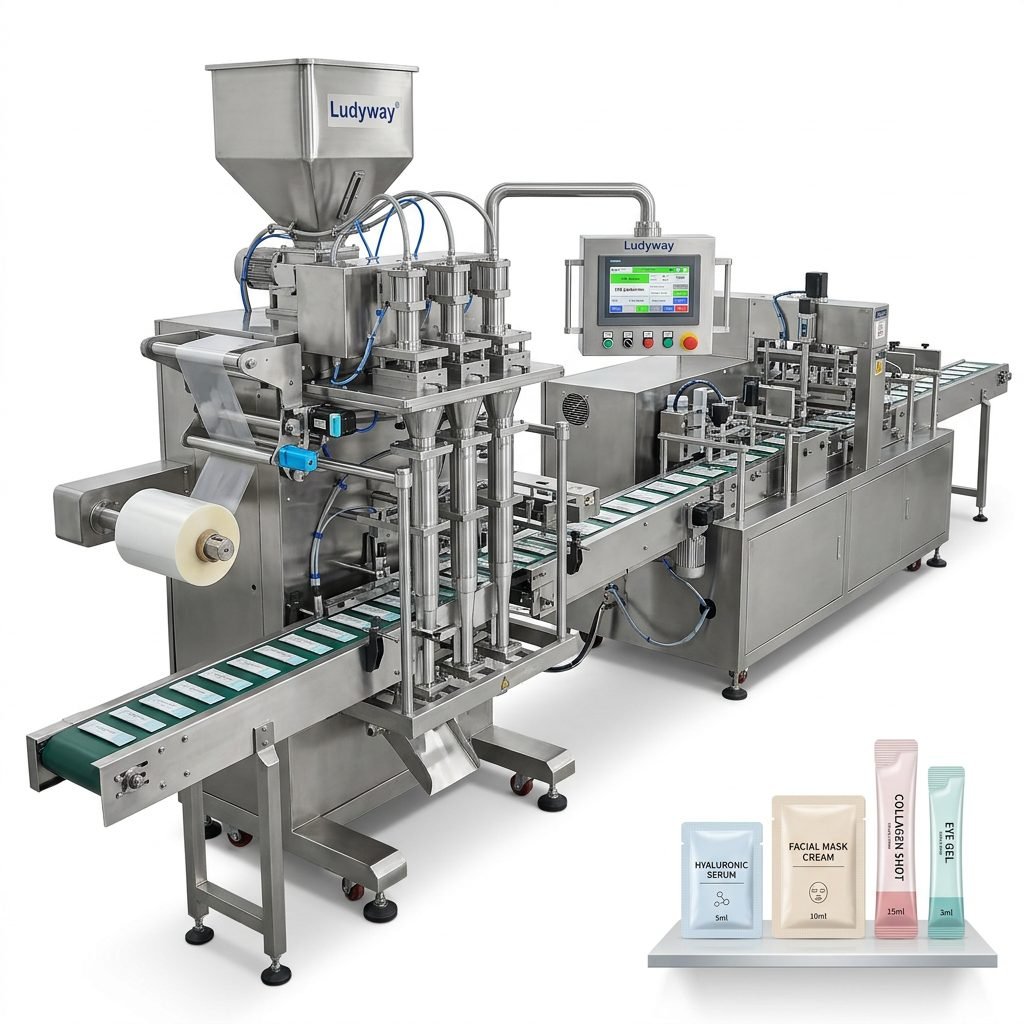
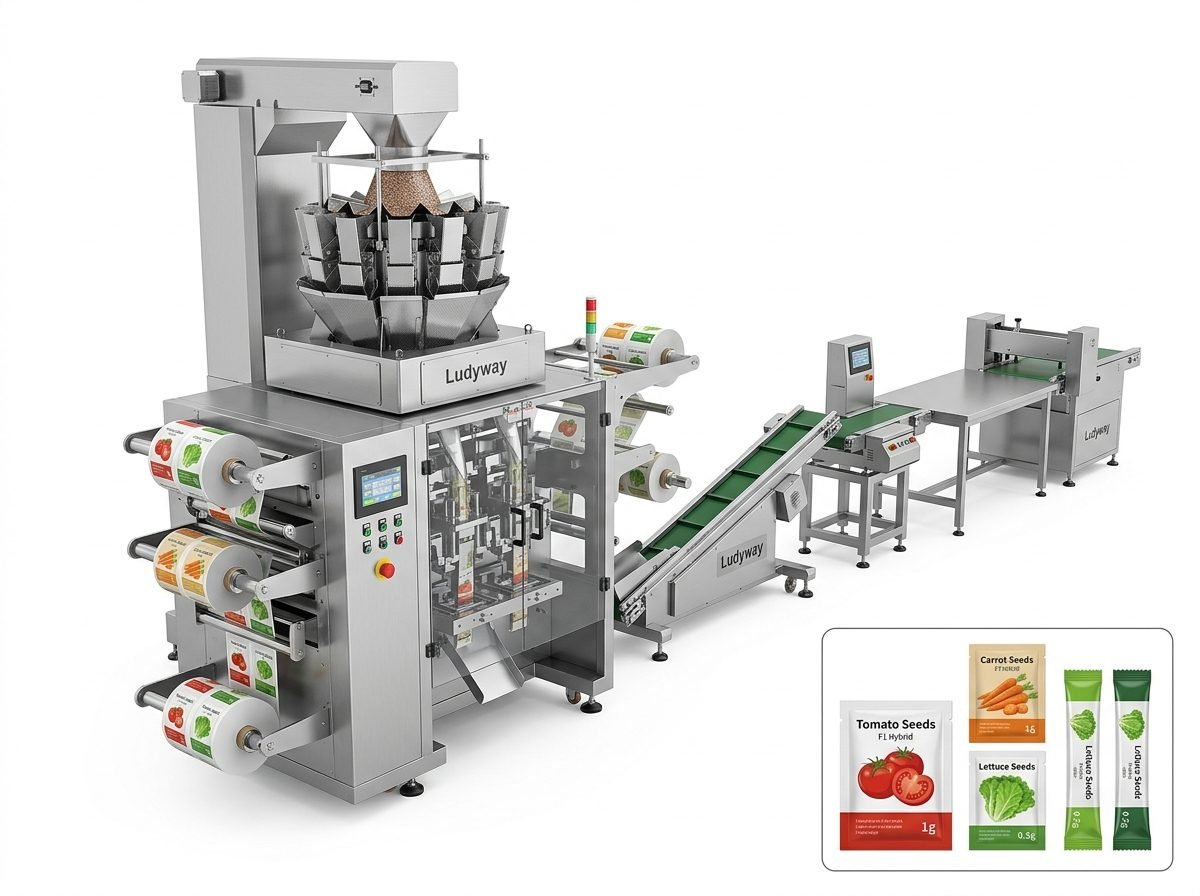
A fully integrated packaging line can significantly reduce labor costs and improve consistency. When evaluating suppliers, ask whether they offer turnkey packaging solutions that include system integration, installation, and technical support. Ludyway Machinery, for instance, provides integrated packaging systems and turnkey production line solutions that connect multiple packaging process stages, enabling manufacturers to work with a single partner for equipment selection, system integration, and ongoing support.
Budget Considerations and Total Cost of Ownership
The purchase price is only one component of the overall investment. When budgeting for a seed packing machine, account for these ongoing costs:
- Consumables: Packaging film, spare sealing elements, and wear parts
- Maintenance: Scheduled servicing, lubricants, and replacement components
- Labor: Operator training and staffing requirements per shift
- Downtime costs: Lost production during changeovers and unscheduled repairs
- Energy consumption: Electrical and compressed air usage over the machine’s lifespan
A higher-quality machine with better reliability and lower operating costs often delivers superior long-term value compared to a lower-priced alternative with frequent downtime and higher consumable expenses. Request detailed lifecycle cost estimates from potential suppliers before making your final decision.
Common Mistakes to Avoid When Choosing a Seed Packing Machine
Many buyers make preventable errors during the selection process. Here are the most frequent pitfalls and how to avoid them:
- Underestimating future capacity needs: A machine operating at 85% capacity to meet current demand leaves little room for growth. Aim for equipment that can accommodate at least 30-50% additional throughput beyond your current requirements.
- Overlooking seed characteristics: Not all seeds behave the same way in filling equipment. Test your specific seed varieties on the target machine before committing to a purchase.
- Ignoring packaging material costs: The film specification required by your machine may limit your supplier options and affect per-unit packaging costs.
- Neglecting after-sales support: Technical support availability, spare parts lead times, and service responsiveness directly impact your production uptime.
- Prioritizing price over precision: For high-value seeds, even small filling inaccuracies can cost significantly more over time than the price difference between a basic and a precision machine.
Evaluating Machine Suppliers: What to Look For
Your choice of supplier is as important as the machine itself. A reliable packaging machinery manufacturer should offer more than just equipment — they should be a long-term partner in your production success. Key evaluation criteria include:
- Industry experience: Look for manufacturers with a proven track record in seed and agricultural product packaging
- Customization capabilities: Can the supplier adapt machine configurations to your specific seed types and packaging requirements?
- Technical support and service: Verify the availability of installation support, operator training, remote assistance, and spare parts
- Quality certifications: Check for compliance with ISO packaging standards and other relevant international requirements
- Customer references: Request case studies or references from seed companies similar to yours
According to the Flexible Packaging Association’s industry resources, the global trend toward automated and sustainable packaging solutions is reshaping buyer expectations. Choose a supplier that demonstrates both technical expertise and a forward-looking approach to packaging technology. For seed companies exporting to international markets, ensuring that your packaging equipment meets applicable FDA food packaging regulations and other regional standards is essential for market access.

Making the Final Decision
Selecting the right seed packing machine requires balancing technical specifications, budget constraints, and long-term production goals. Start with a clear definition of your requirements, then evaluate machines and suppliers against those criteria. Request product demonstrations or factory acceptance tests with your actual seed products whenever possible. A well-chosen seed packing machine will deliver consistent quality, efficient operation, and reliable performance for years to come — making it one of the most important investments in your seed packaging operation.
As global packaging machinery trends continue to evolve, staying informed about technological advancements, regulatory changes, and market demands will help you maintain a competitive edge in the seed industry. Take the time to research thoroughly, ask detailed questions, and choose a packaging partner that understands the unique challenges of seed packaging.