Selecting the right automatic cup filling and sealing machine is a critical decision for any business in the food, dairy, beverage, or pharmaceutical sectors. The efficiency, hygiene, and reliability of your packaging line directly impact product quality, operational costs, and brand reputation. This guide will walk you through the key factors to consider when choosing a quality cup packaging machinery solution.
Understanding Your Production Requirements
Before evaluating machinery, a thorough analysis of your specific needs is essential. This foundational step ensures the chosen solution aligns perfectly with your operational goals.
Key Parameters to Define
Product Characteristics: Is your product a liquid, semi-viscous paste, granule, or powder? Viscosity, acidity, and particulate size dictate pump types and filling mechanisms.
Cup Specifications: Material (PP, PS, PET, aluminum), shape, size, and lid type (heat seal, snap-on, press-on) must be compatible with the machine’s forming, sealing, and handling systems.
Desired Output Speed: Calculate your required units per minute (UPM) or per hour (UPH) based on current and forecasted demand. Speed must be balanced with precision and changeover flexibility.
Core Components of a Quality Cup Filling & Sealing Line
A modern automatic solution is an integrated system. Understanding each component’s role helps in assessing the machine’s overall capability and durability.
1. Cup Feeding and Forming System
For pre-formed cups, a reliable unscrambler or destacker is vital. For form-fill-seal (FFS) machines, the thermoforming unit that molds cups from a plastic reel is the heart of the system. Look for precision in temperature control and forming consistency.
2. Precision Filling System
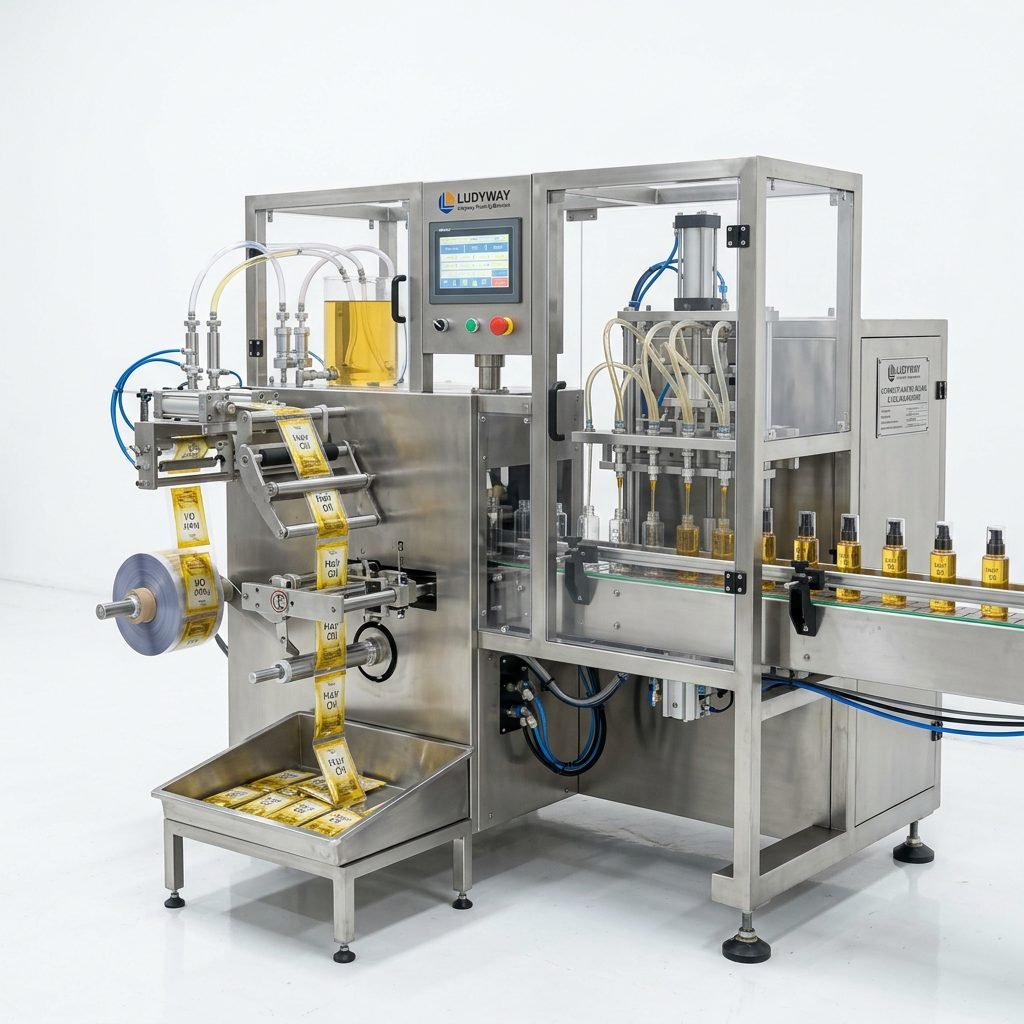
This is where accuracy is paramount. Volumetric piston fillers, auger fillers for powders, and timed-flow pumps for liquids are common. The best systems feature no-drip nozzles and weight-check feedback loops to maintain fill accuracy within ±0.5-1%.
3. Sealing and Lidding Station
A robust sealing station ensures product integrity and shelf life. Options include induction sealing for foil lids, heat sealing for lamination, or capping for screw tops. Consistent temperature and pressure control are non-negotiable for a hermetic seal.
4. Automation and Control Panel
The brain of the operation. A user-friendly Human-Machine Interface (HMI) with recipe storage, real-time diagnostics, and production data logging is essential for efficient operation and quick changeovers.
Critical Evaluation Criteria for Machinery Selection
Beyond basic functions, these factors differentiate a good machine from a great, long-term investment.
Build Quality and Hygiene Design
Machinery frames should be constructed from high-grade stainless steel (e.g., SS304 or SS316) for durability and ease of cleaning. Hygienic design principles—such as smooth surfaces, rounded corners, and minimized crevices—are crucial for food and pharmaceutical applications to meet HACCP, FDA, or GMP standards.
Flexibility and Changeover Time
Market demands change. Can the machine handle multiple cup sizes and products with minimal tooling change and downtime? Look for systems with quick-change parts and digital adjustment of fill volume, sealing parameters, and conveyor guides.
Energy Efficiency and Sustainability
Modern machinery should optimize power consumption, especially in heating and drive systems. Furthermore, compatibility with recyclable or biodegradable cup materials is an increasingly important consideration for brand owners.
Supplier Credibility and Support
The machine is only as good as the company behind it. Evaluate the manufacturer’s experience, reputation, and commitment to after-sales service. A partner like Ludyway Machinery, with decades of industry focus, provides not just equipment but reliable turnkey solutions and global technical support, ensuring your packaging line runs smoothly for years.
Integration and Future-Proofing Your Investment
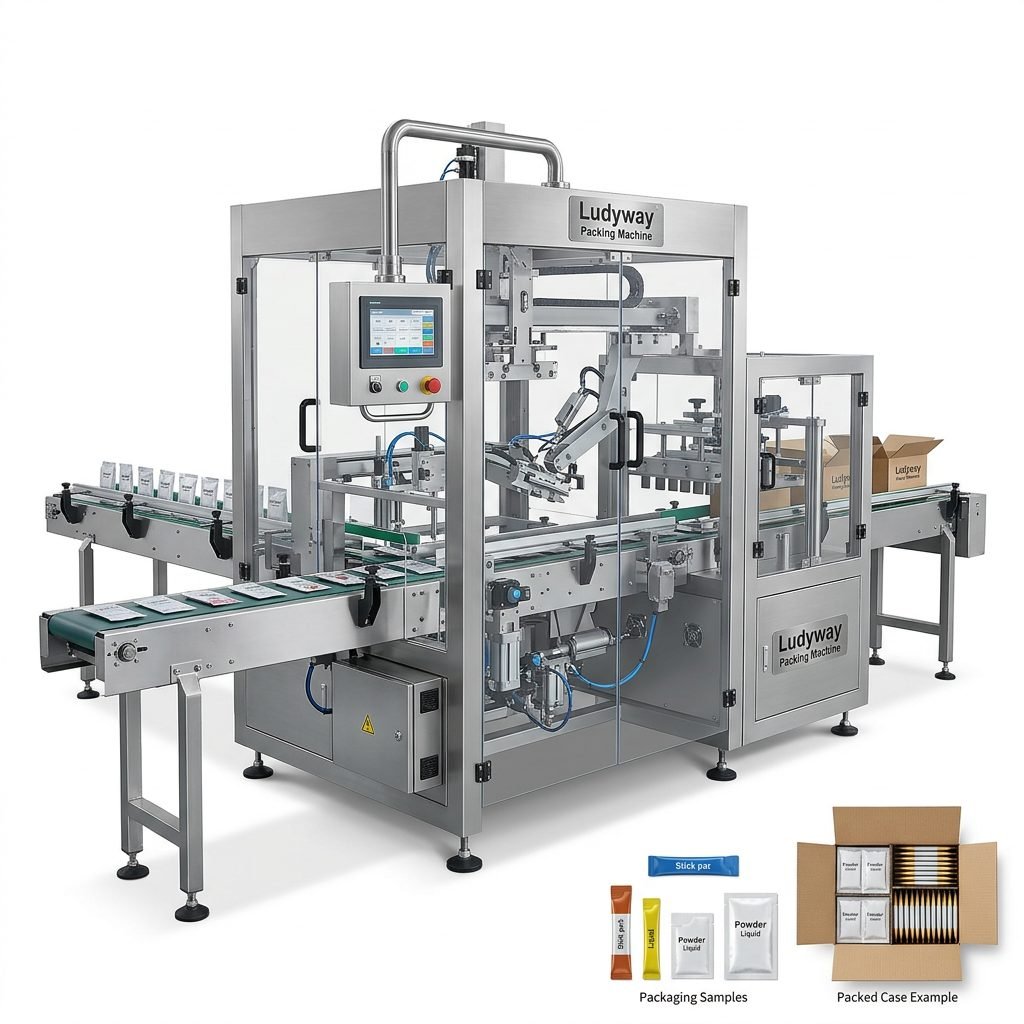
Consider the machine as part of a larger ecosystem. It should integrate seamlessly with upstream processes (mixing, cooking) and downstream systems (labeling, cartoning, palletizing). Choosing a supplier capable of providing a complete, synchronized packaging line solution reduces interface risks and improves overall line efficiency. Furthermore, select equipment with the capability for data export (Industry 4.0 readiness) to connect with your Manufacturing Execution System (MES) for smarter production management.
In conclusion, investing in automatic cup filling and sealing machinery requires a strategic balance of technical specifications, operational flexibility, hygienic construction, and supplier partnership. By meticulously assessing your needs against these criteria, you can select a solution that enhances productivity, ensures product safety, and delivers a strong return on investment.
Frequently Asked Questions (FAQs)
Q1: What is the typical accuracy range for a high-quality cup filling machine?
A: High-end machines can achieve filling accuracies within ±0.5% to ±1.0% of the target volume or weight, depending on the product’s viscosity and the filling technology used (e.g., piston, auger). Integrated checkweighers can provide real-time correction to maintain this consistency.
Q2: How difficult is it to change over the machine for a different cup size or product?
A: Modern machines are designed for flexibility. Changeover complexity varies. Look for models with “tool-less” or “quick-change” features for format parts like cup holders, filling nozzles, and sealing heads. Digital recipe recall on the HMI can automate parameter adjustments, reducing changeover time to minutes.
Q3: What hygiene certifications should I look for in a cup packaging machine?
A: For food and pharmaceutical use, machinery design should comply with international hygiene standards. Key certifications or design principles to look for include those meeting FDA requirements, EHEDG guidelines, and 3-A Sanitary Standards. Construction in food-grade stainless steel with easy-clean surfaces is a must.
Q4: Can one machine handle both liquid and semi-solid products like yogurt or pudding?
A: Yes, many machines are versatile. The critical component is the filling system. A machine equipped with a suitable positive displacement piston filler can often handle a range of viscosities, from watery juices to thick pastes, by simply changing the piston kit and adjusting speeds.
Q5: What kind of after-sales support is crucial when purchasing such equipment?
A: Comprehensive support includes detailed installation guidance, on-site or remote operator training, availability of spare parts, and prompt technical service. A reliable supplier should offer a clear warranty, provide detailed maintenance manuals, and have a responsive service team to minimize potential downtime.