Investing in a seed pouch filling machine is a strategic decision that directly impacts your production efficiency, product quality, and long-term operational costs. Whether you are packaging vegetable seeds, grass seeds, grain seeds, or specialized agricultural seeds, the right equipment ensures consistent filling accuracy, reliable sealing, and high throughput. This comprehensive buyer’s guide will walk you through every critical factor to consider before making your purchase.
Understanding Seed Pouch Filling Machine Types
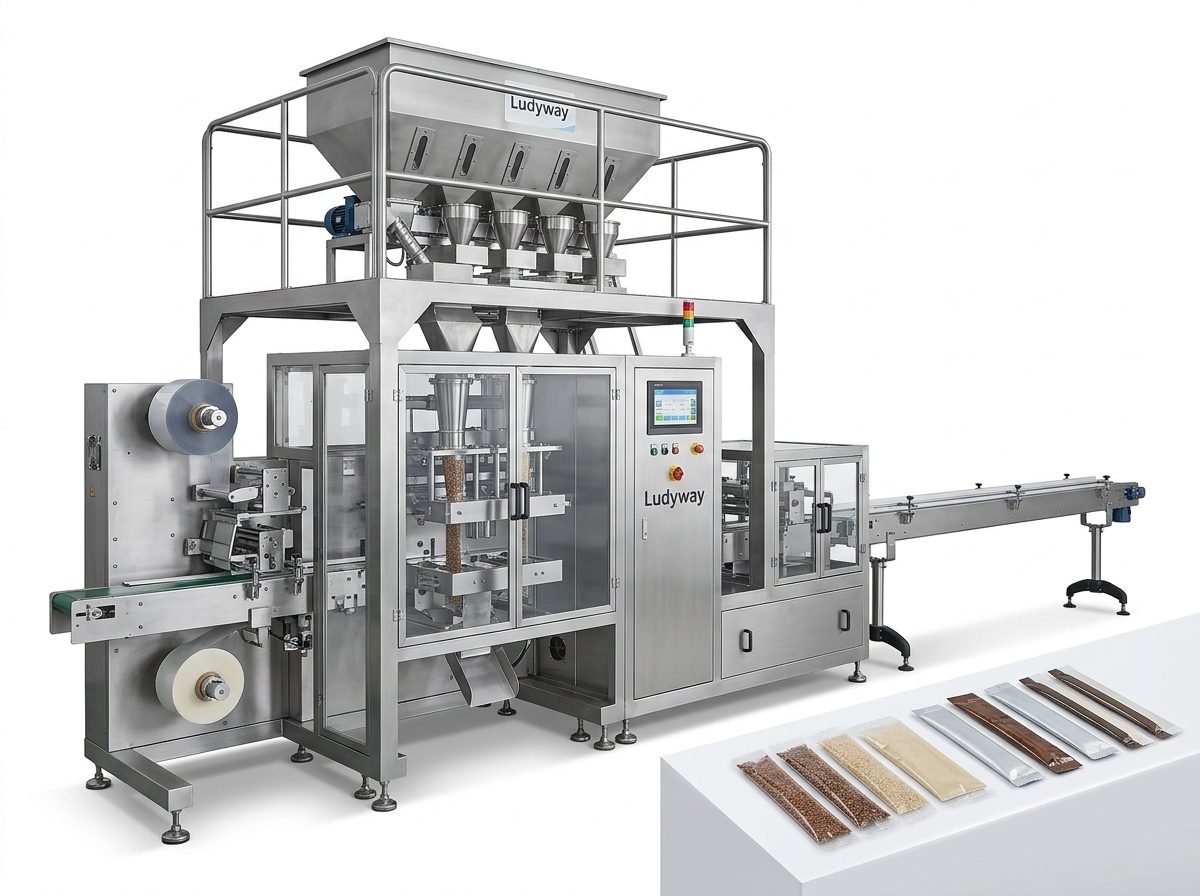
Before diving into specifications, it is essential to understand the main categories of seed packaging machines available in the market. Each type is designed for specific production volumes, seed characteristics, and packaging formats.
- Single-Lane Stick Pack Machines: Ideal for small to medium production runs, these machines fill one lane at a time and are suitable for startups or niche seed varieties.
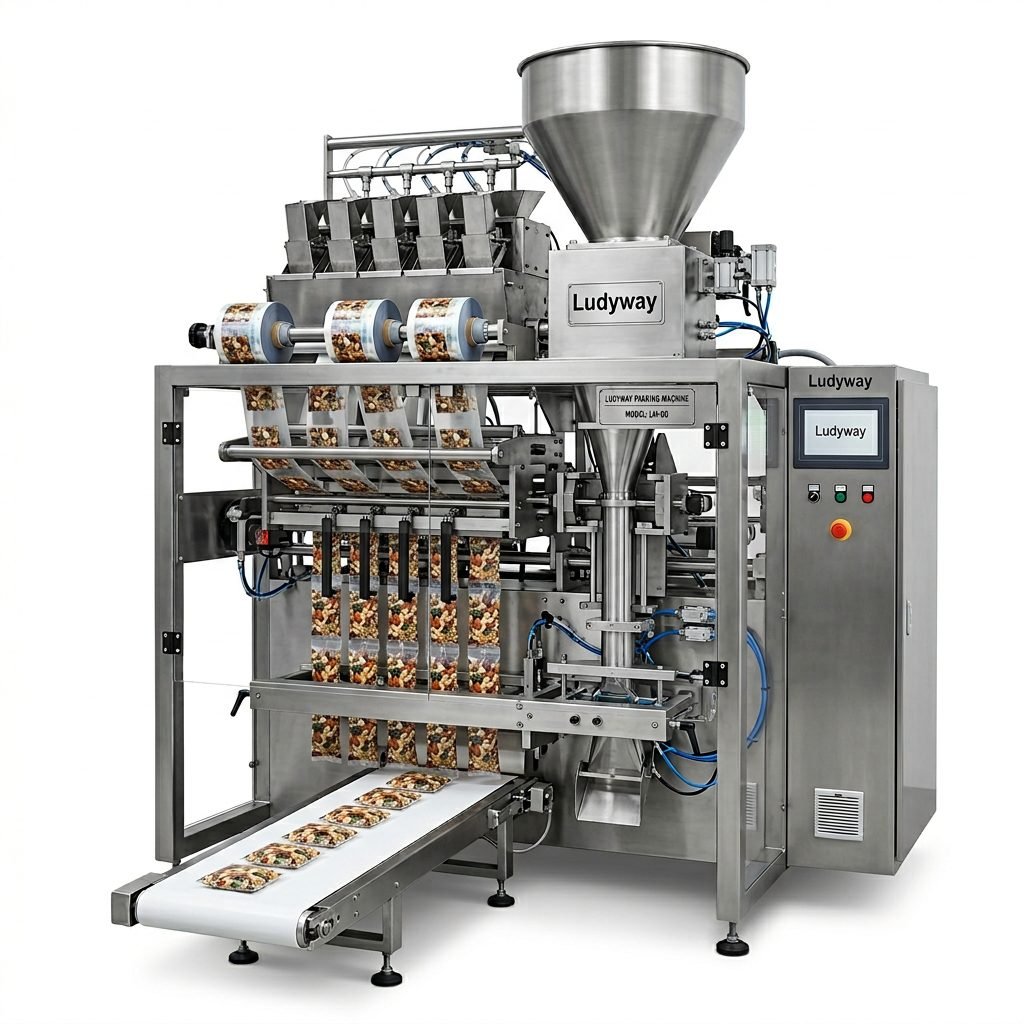
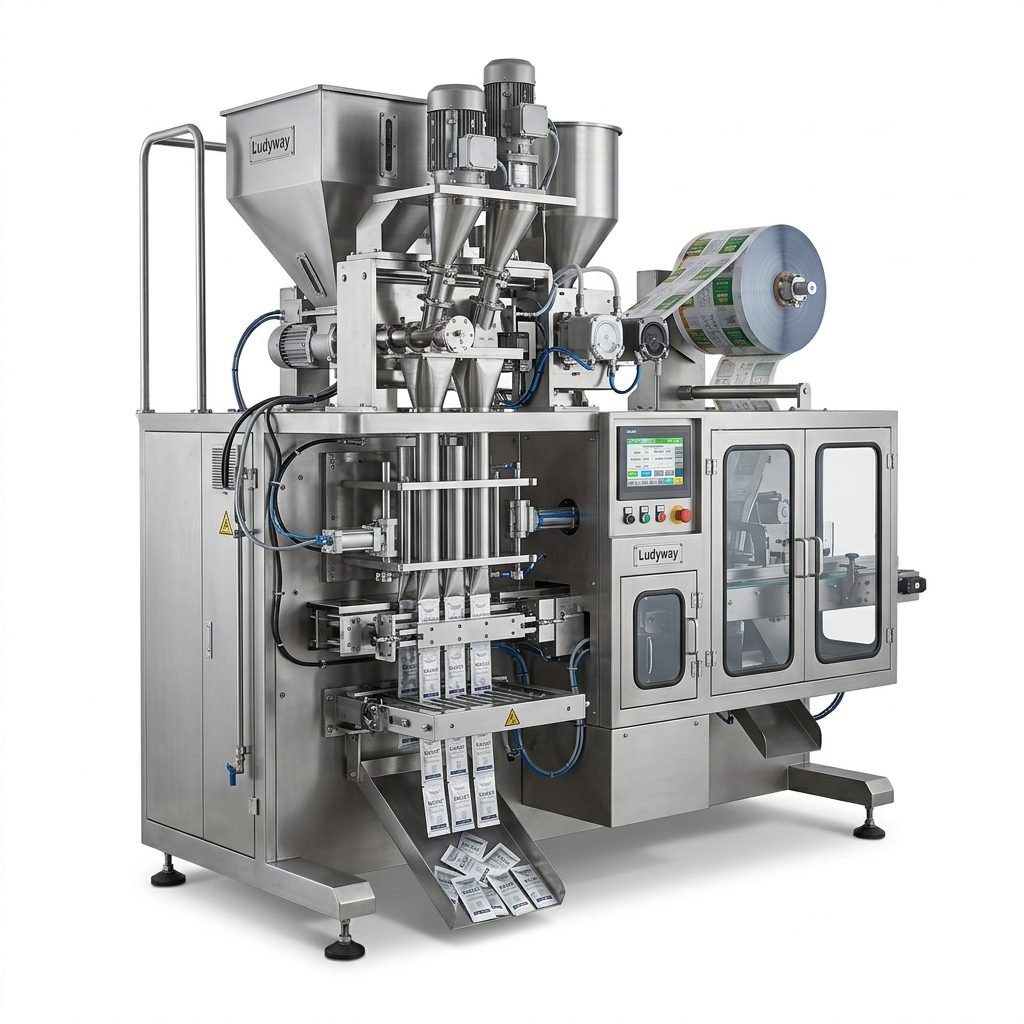
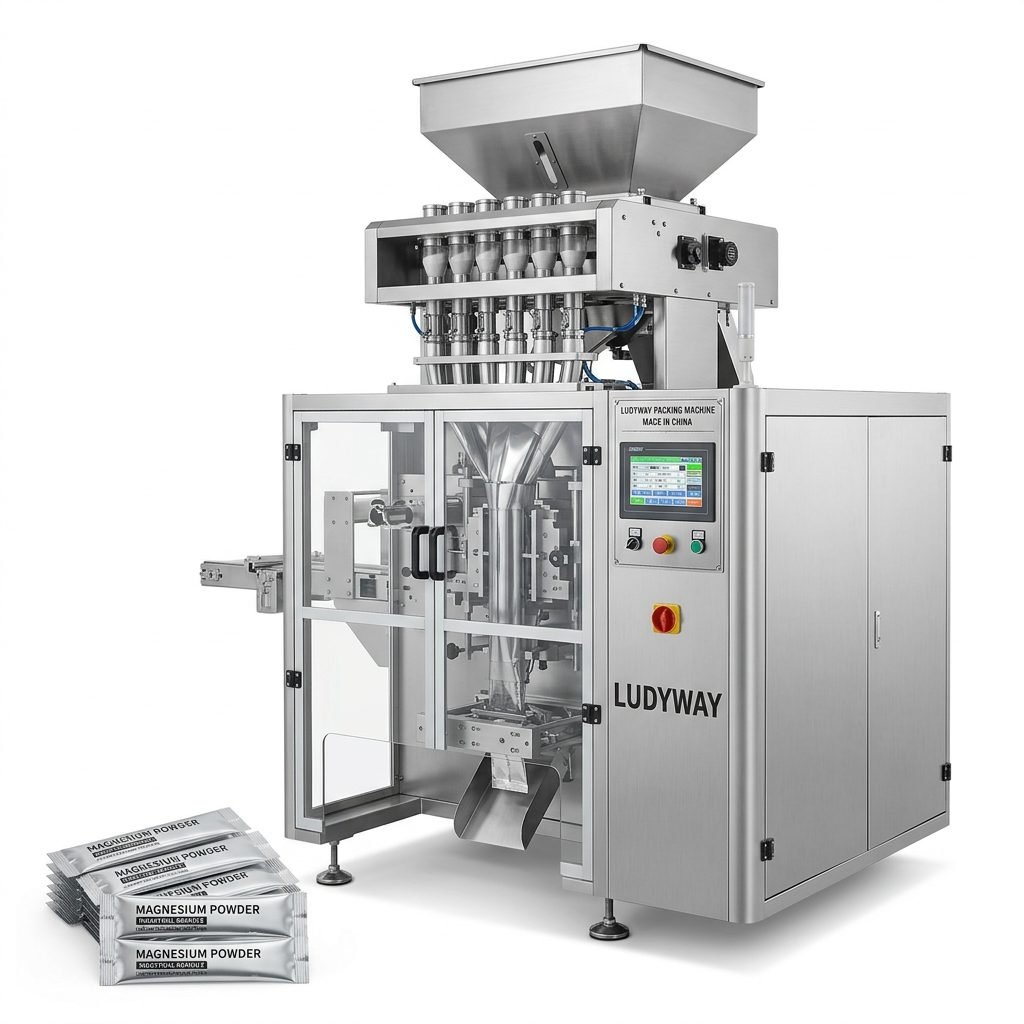
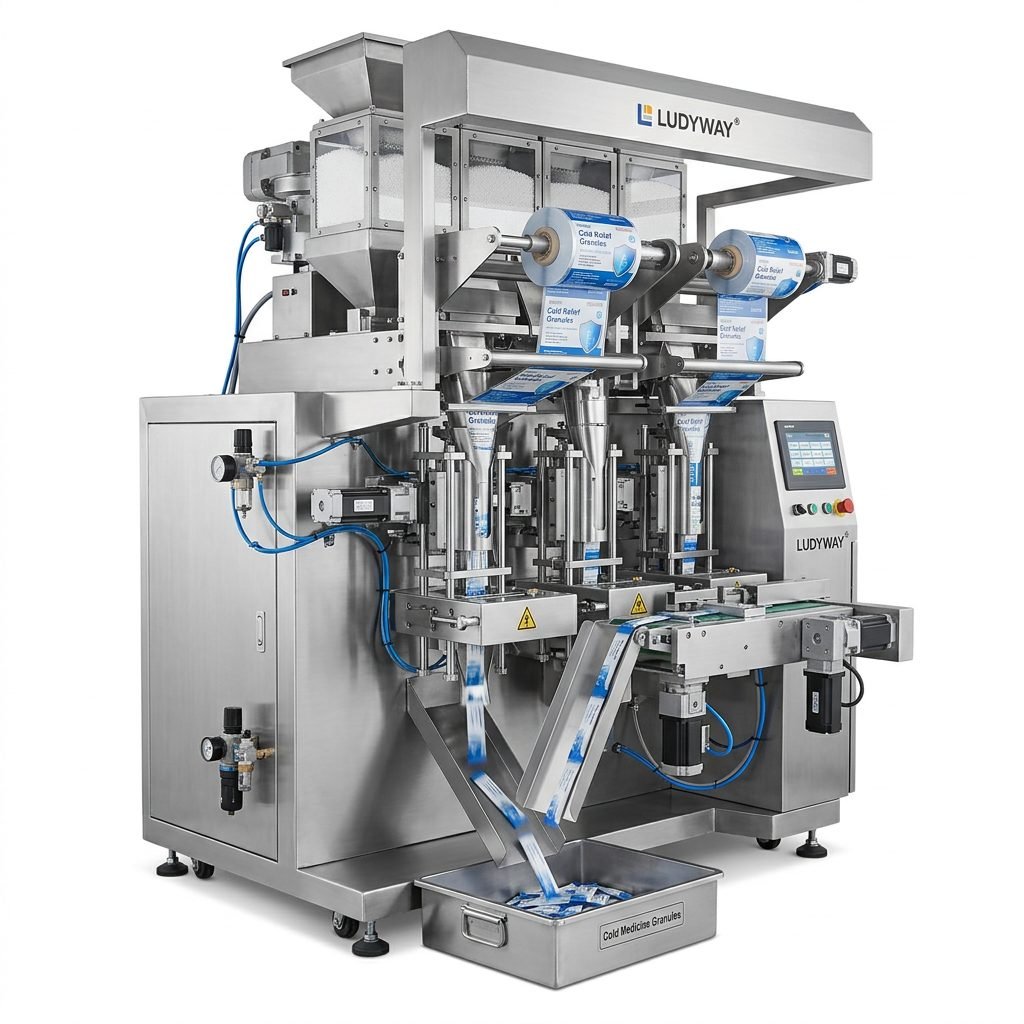
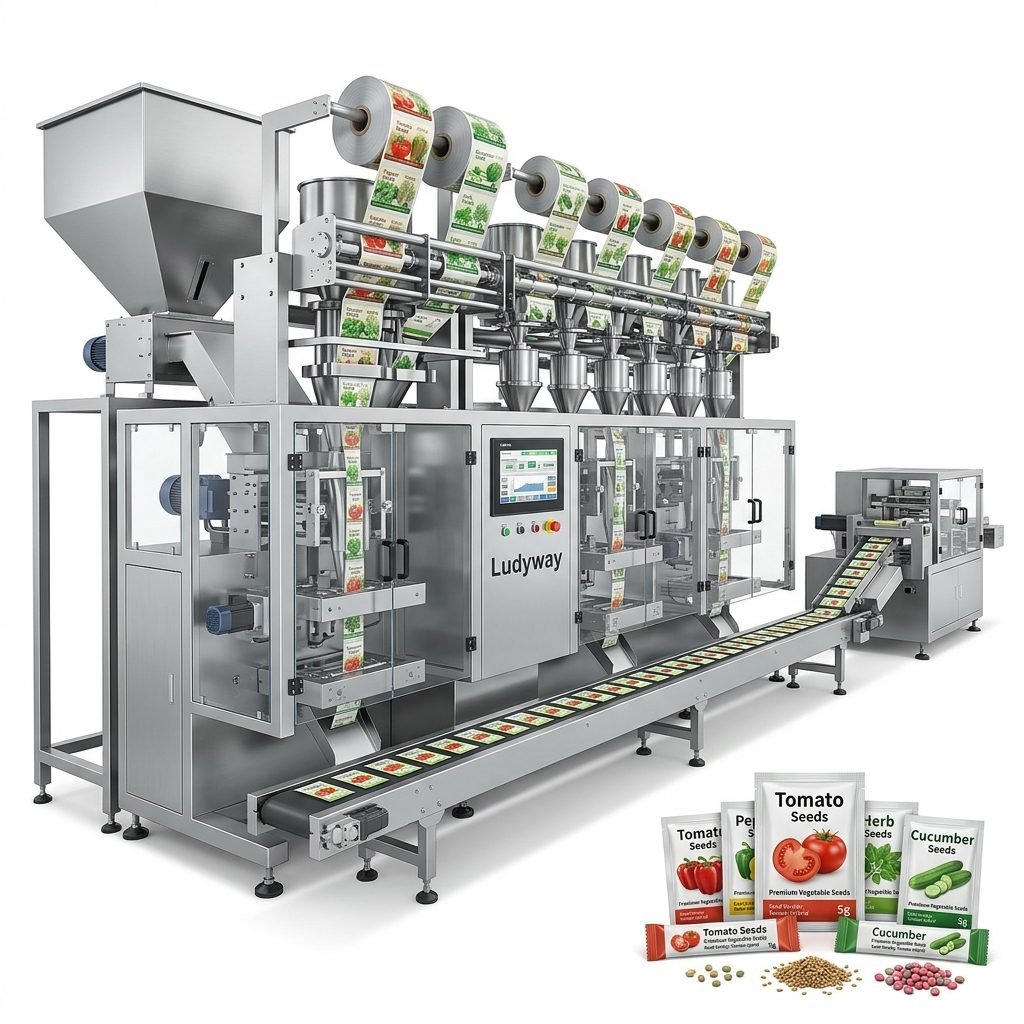
- Multi-Lane Sachet Packaging Machines: Capable of running 4 to 16 lanes simultaneously, significantly increasing output for high-volume seed producers. These are commonly used for automated seed packaging operations.
- Vertical Form Fill Seal (VFFS) Machines: These machines form pouches from roll stock, fill them with seeds, and seal them in a continuous process. Excellent for larger pouch formats.
- Pre-Made Pouch Filling Machines: Designed for manufacturers who prefer using ready-made pouches, offering flexibility in pouch styles and materials.
- Rotary Pouch Fillers: High-speed rotary systems designed for continuous production with precision dosing, suitable for large-scale seed companies.
Key Specifications to Evaluate Before Buying
Selecting the right seed pouch filling machine requires a detailed evaluation of technical specifications that align with your specific seed product characteristics. Seeds vary in size, shape, weight, and flowability, and your equipment must handle these variables effectively.
Seed Type and Flow Characteristics
Different seeds present unique challenges. Small seeds like grass or flower seeds require high-precision dosing to avoid overfilling or underfilling. Larger seeds such as corn, beans, or sunflower seeds demand gentle handling to prevent cracking or damage. Irregularly shaped seeds may require specialized feeding mechanisms. Understanding your seed’s bulk density, angle of repose, and moisture content will help you select compatible dosing systems.
Filling Accuracy and Dosing Technology
Filling accuracy directly affects product consistency, regulatory compliance, and profitability. Modern seed packaging machines employ several dosing technologies:
- Auger Fillers: Best for fine seeds and powders, providing volumetric accuracy.
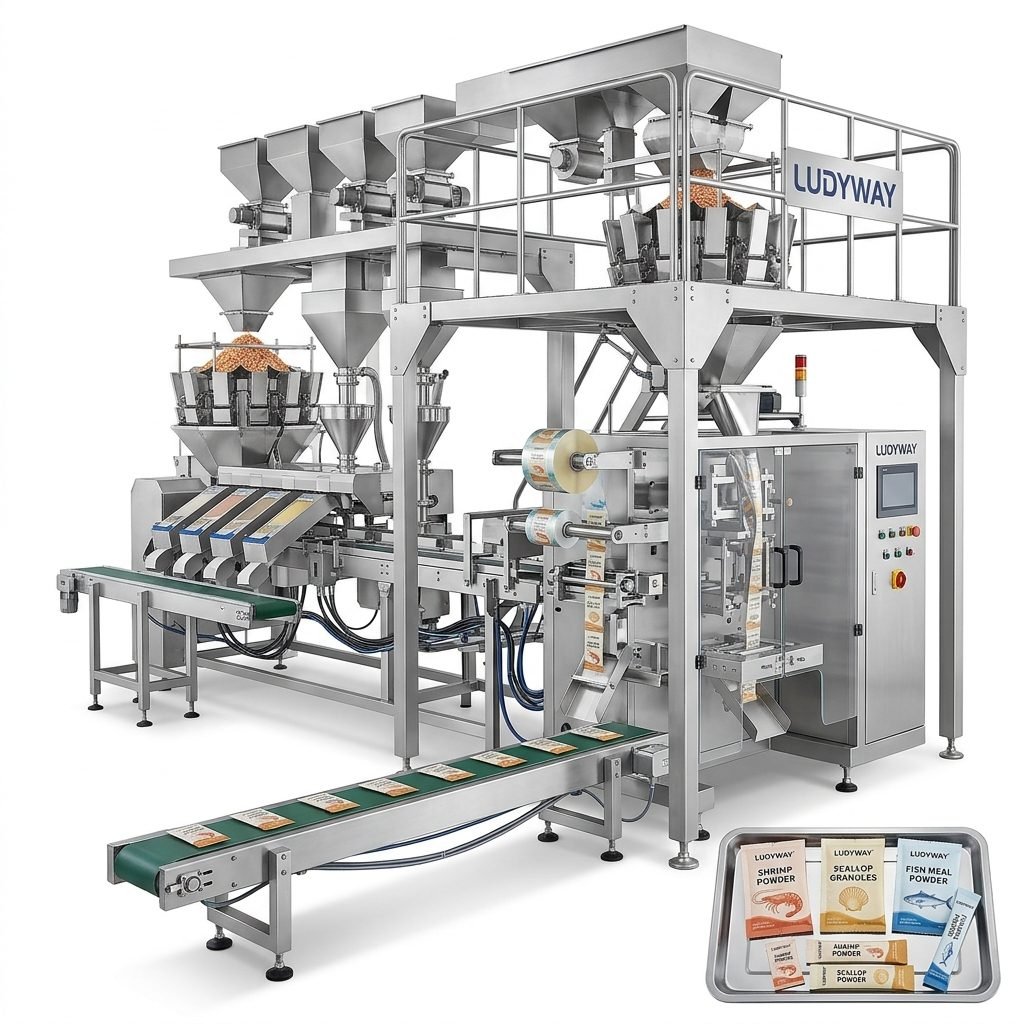
- Multi-Head Weighers: Deliver gravimetric precision, ideal for high-value seeds where every gram counts.
- Volumetric Cup Fillers: Cost-effective for uniform seed sizes at moderate speeds.
- Counting Systems: Used for packaging a specific number of seeds per pouch, common in the horticultural industry.
Production Speed and Capacity Requirements
Your current and projected production volumes should guide your equipment selection. A seed pouch filling machine that cannot keep pace with demand creates costly bottlenecks. Conversely, overspending on excess capacity strains your budget without delivering immediate returns.
Consider these capacity-related questions:
- How many pouches per minute does your operation require today?
- What is your projected growth over the next 3 to 5 years?
- Do you experience seasonal production peaks?
- Will you run single shifts or continuous production?
Multi-lane machines can produce 200 to 600 pouches per minute depending on lane configuration, while single-lane systems typically range from 30 to 80 pouches per minute. According to PMMI packaging industry research, automation adoption in seed packaging continues to accelerate as manufacturers seek higher throughput with fewer operators.
Packaging Material Compatibility
Seed packaging requires materials that protect against moisture, oxygen, and light while maintaining product viability. Your machine must be compatible with your chosen packaging materials. Common options include:
| Material Type | Key Benefits | Best Applications |
|---|---|---|
| Laminated Foil | Excellent moisture and oxygen barrier | High-value hybrid seeds, long-term storage |
| Metallized PET/PE | Good barrier properties, lightweight | Standard vegetable and flower seeds |
| Kraft Paper Laminates | Eco-friendly appearance, biodegradable options | Organic seeds, sustainable branding |
| Clear Barrier Films | Product visibility, tamper evidence | Retail seed displays, consumer packs |
| Compostable Films | Environmentally friendly, emerging market demand | Eco-conscious brands, specialty markets |
Automation and Integration Features
Modern seed pouch filling machines offer varying levels of automation. The right choice depends on your labor availability, technical expertise, and operational goals.
Essential Automation Components
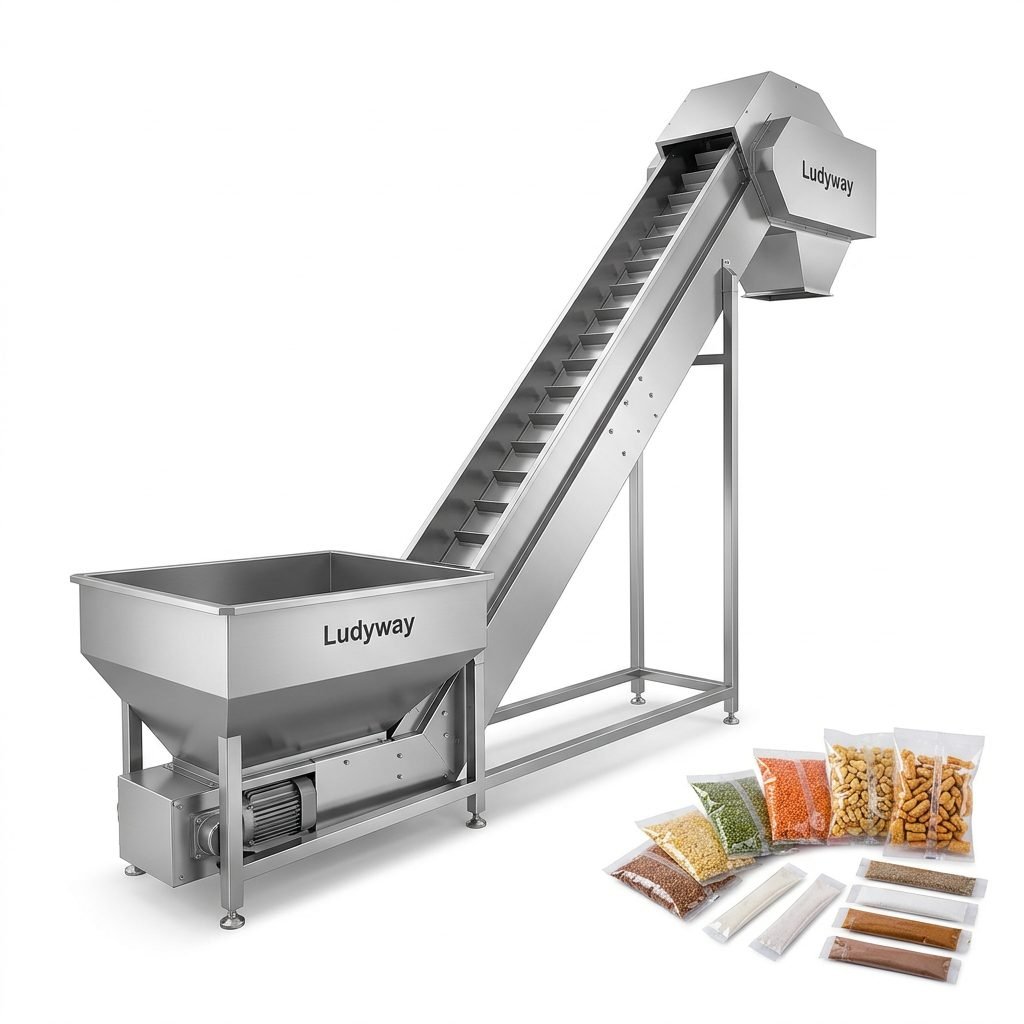
- Automatic Feeding Systems: Vibratory feeders, bucket elevators, or inclined conveyors that deliver seeds to the filling station without manual intervention.
- Inline Quality Control: Checkweighers, metal detectors, and vision inspection systems that ensure every pouch meets specifications.
- Coding and Marking: Integrated inkjet or thermal transfer printers for batch codes, expiration dates, and traceability information.
- Cartoning and Case Packing: Automated secondary packaging that reduces manual handling and improves throughput.
- Palletizing Systems: Robotic or conventional palletizers for end-of-line automation.
The Flexible Packaging Association provides valuable benchmarks on packaging automation trends that can inform your investment decisions.

Comparing Machine Configurations: Key Decision Factors
The following table summarizes the primary considerations when comparing different seed pouch filling machine configurations available from various manufacturers:
| Evaluation Criterion | Single-Lane Machine | Multi-Lane Machine | Rotary System |
|---|---|---|---|
| Typical Output | 30-80 pouches/min | 200-600 pouches/min | 400-1000+ pouches/min |
| Initial Investment | Lower | Moderate to High | Highest |
| Floor Space Required | Compact | Moderate | Larger footprint |
| Changeover Flexibility | Fast and simple | Moderate complexity | More time-intensive |
| Best For | Startups, niche seeds | Mid to large operations | Very high-volume production |
Regulatory Compliance and Quality Standards
Seed packaging for certain markets may require compliance with specific regulations. If you are packaging seeds for export, organic certification, or phytosanitary requirements, your equipment should support necessary documentation and traceability features. Machines designed to meet ISO standards and GMP guidelines provide added assurance for quality-conscious operations. Refer to ISO packaging standards for detailed technical requirements applicable to your market.
Critical Compliance Considerations
- Equipment materials should be food-grade and corrosion-resistant when packaging seeds intended for food crops.
- sealing integrity must be validated to ensure seed viability throughout the shelf life.
- Traceability systems should enable batch-level tracking from processing to packaging.
- Clean-in-place (CIP) designs facilitate sanitation between different seed varieties.
Maintenance, Spare Parts, and After-Sales Support
The long-term reliability of your seed pouch filling machine depends heavily on maintenance access, spare parts availability, and the quality of technical support from your equipment supplier. Before committing to a purchase, investigate the following:
- Spare Parts Inventory: Does the manufacturer maintain a comprehensive stock of critical spare parts? What are the typical lead times for replacement components?
- Technical Documentation: Are detailed manuals, electrical schematics, and troubleshooting guides provided in your language?
- Remote Support Capabilities: Can the supplier diagnose issues remotely via secure connections, reducing downtime?
- Training Programs: Does the manufacturer offer operator and maintenance training during installation and beyond?
- Warranty Terms: What is covered under warranty, and for how long? Are extended service contracts available?
Budget Planning: Total Cost of Ownership
The purchase price of a seed pouch filling machine is only one component of its total cost. Smart buyers evaluate the total cost of ownership (TCO) over the expected service life, which includes:
- Initial capital expenditure — machine cost plus shipping, duties, and installation.
- Operational costs — energy consumption, compressed air requirements, and consumables such as sealing components and lubricants.
- Labor costs — the number of operators required and their skill levels.
- Maintenance costs — routine service, spare parts, and potential downtime losses.
- Packaging material waste — machines with precise controls minimize wasted film, directly impacting profitability.

Questions to Ask Potential Suppliers
When you engage with equipment manufacturers, asking the right questions helps you differentiate between vendors and identify the best partner for your seed packaging needs. Use this checklist during your supplier evaluations:
- Can you provide references from seed companies similar to ours?
- What seed types has your equipment successfully packaged?
- Can we conduct a product trial with our specific seed varieties before purchase?
- What is your typical delivery lead time for a machine of this configuration?
- Do you offer factory acceptance testing (FAT) and site acceptance testing (SAT)?
- What service and support infrastructure do you have in our region?
- How do you handle machine upgrades and retrofits as our needs evolve?
- Can the machine be integrated with our existing upstream and downstream equipment?
Future-Proofing Your Investment
The seed industry continues to evolve with trends toward sustainable packaging, digital traceability, and smart factory integration. When selecting your equipment, consider how adaptable it will be to future requirements. Machines with modular designs, upgradeable control systems, and compatibility with emerging packaging materials offer better long-term value. Industry data from PMMI’s 2026 State of the Industry report highlights growing demand for flexible, intelligent packaging machinery that can adapt to changing market conditions.
Emerging Trends Worth Watching
- Smart sensors and IoT connectivity enabling predictive maintenance and real-time production monitoring.
- Sustainable packaging materials including recyclable mono-materials and compostable films.
- Digital printing integration for variable data, personalized packaging, and shorter runs.
- AI-powered quality inspection systems that detect defects faster than human operators.
Making the Final Decision
Choosing the right seed pouch filling machine is a multifaceted decision that balances technical requirements, budget constraints, and long-term business goals. Start by thoroughly analyzing your seed characteristics and production targets. Shortlist equipment configurations that match your throughput needs, then evaluate suppliers based on their experience, support infrastructure, and willingness to conduct product trials.
Companies like Ludyway offer extensive experience in seed packaging machinery with a broad portfolio of multi-lane sachet and stick pack systems, providing customized solutions for manufacturers worldwide. Their approach integrates equipment selection, system configuration, and technical support to help seed producers achieve efficient and scalable packaging operations.
Remember that the lowest purchase price rarely delivers the lowest total cost of ownership. Prioritize build quality, dosing accuracy, reliability, and after-sales support to ensure your investment delivers consistent returns for years to come. A well-chosen machine not only packages seeds efficiently but also strengthens your brand through consistent, professional packaging that protects product quality from production to the end user.