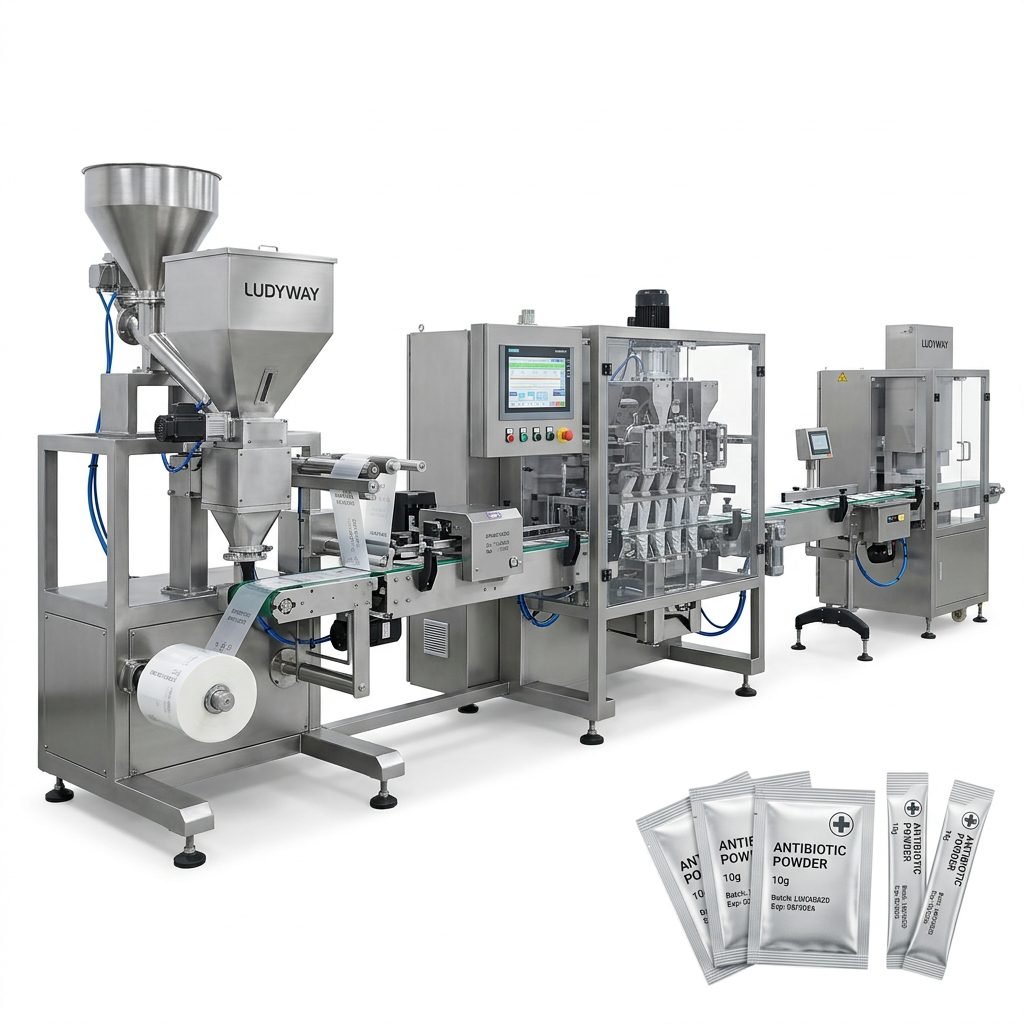
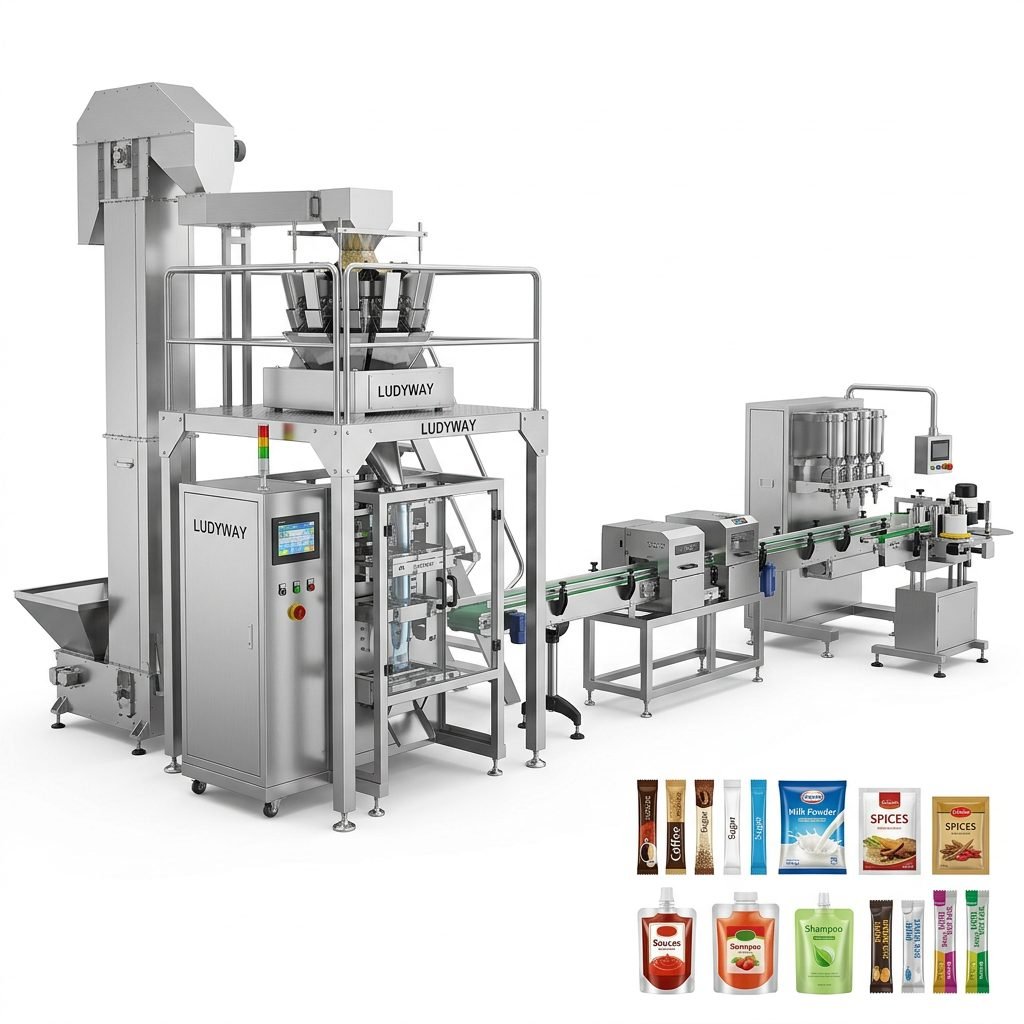
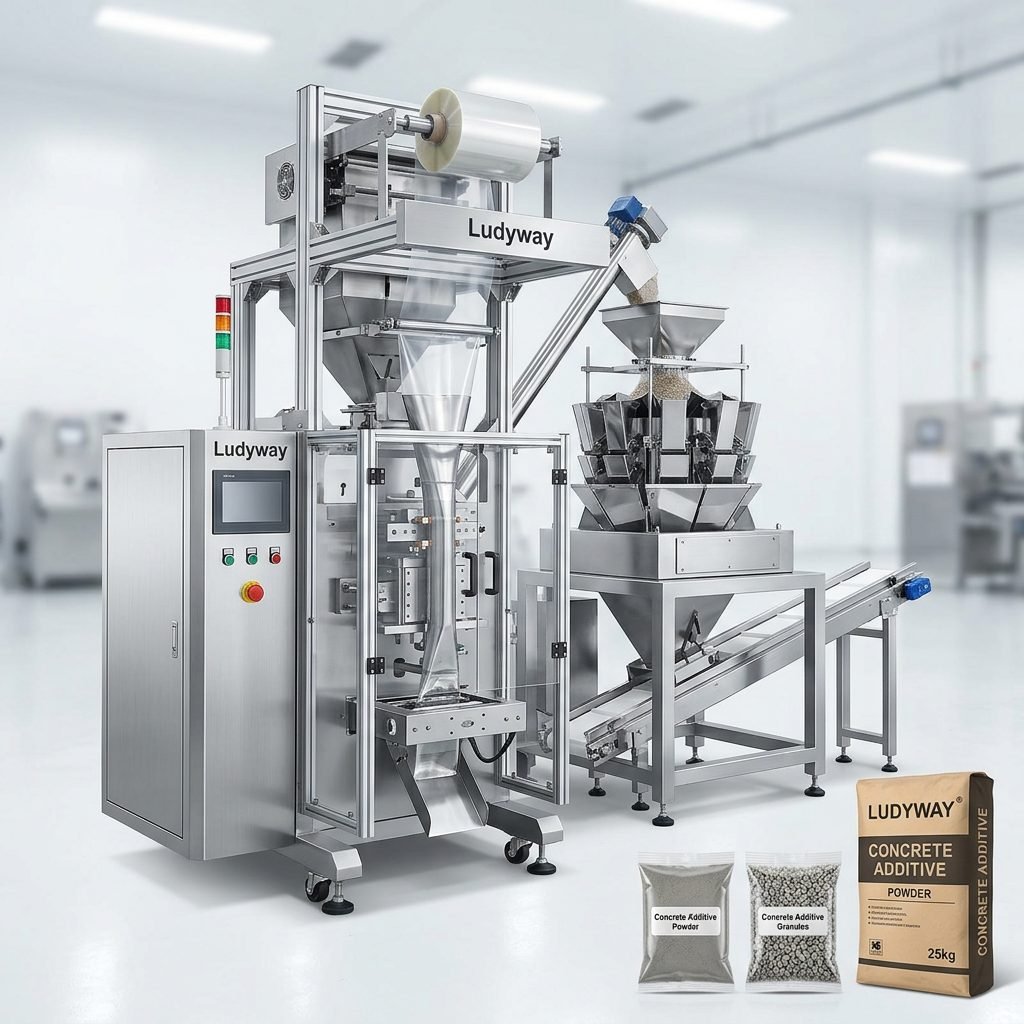
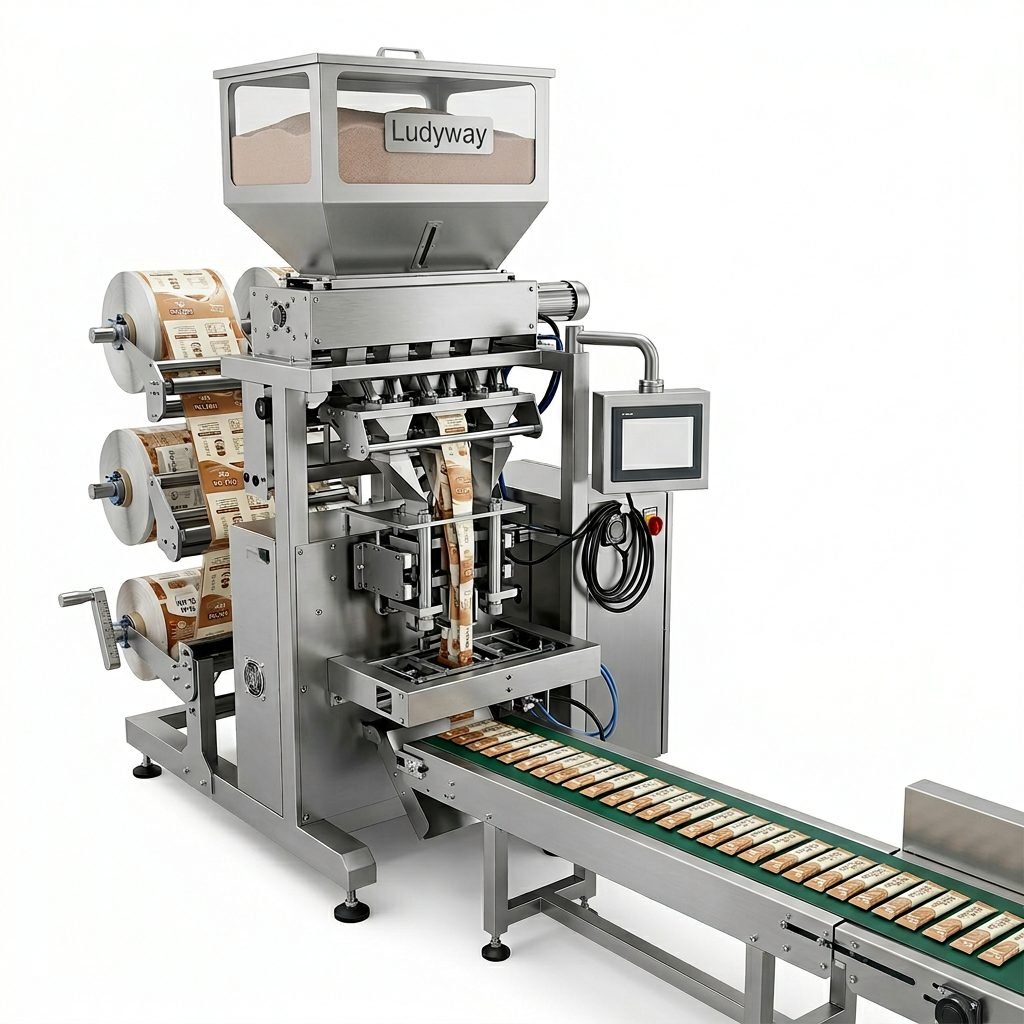
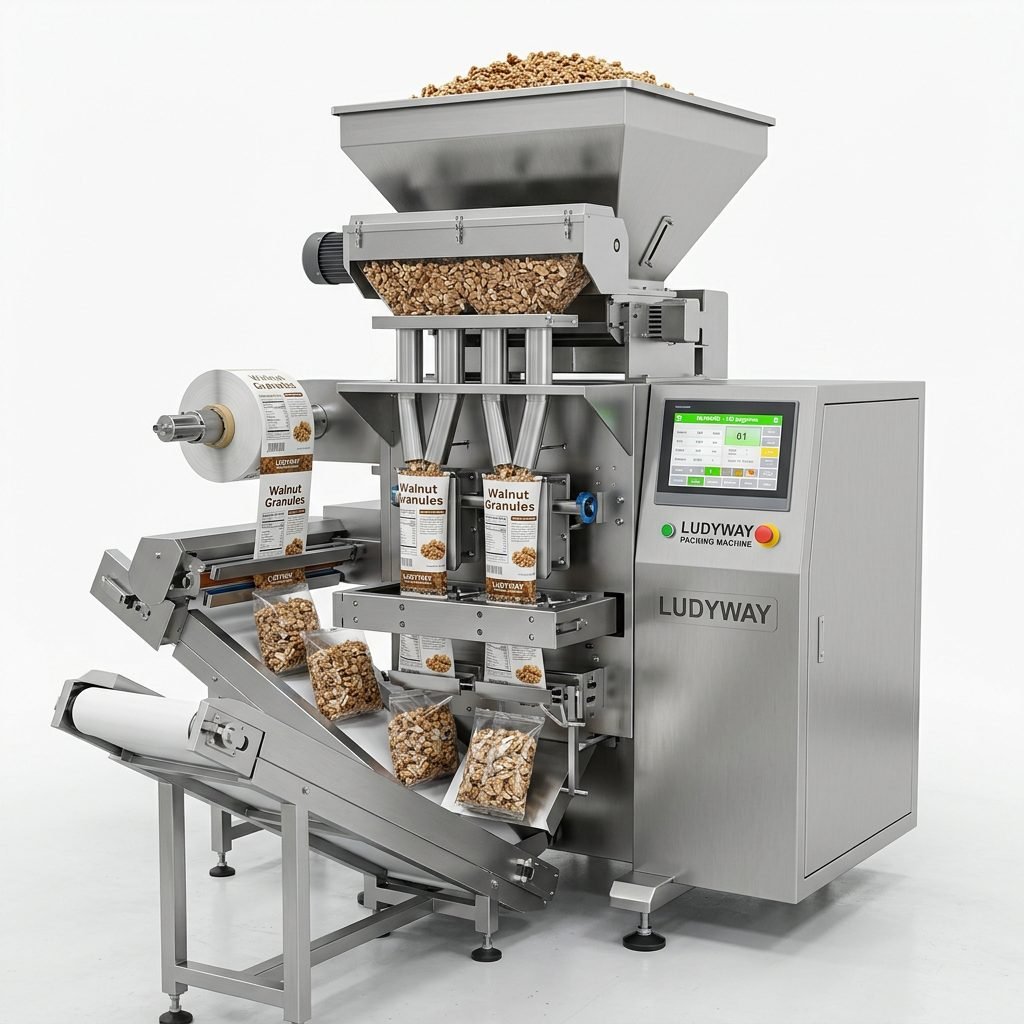
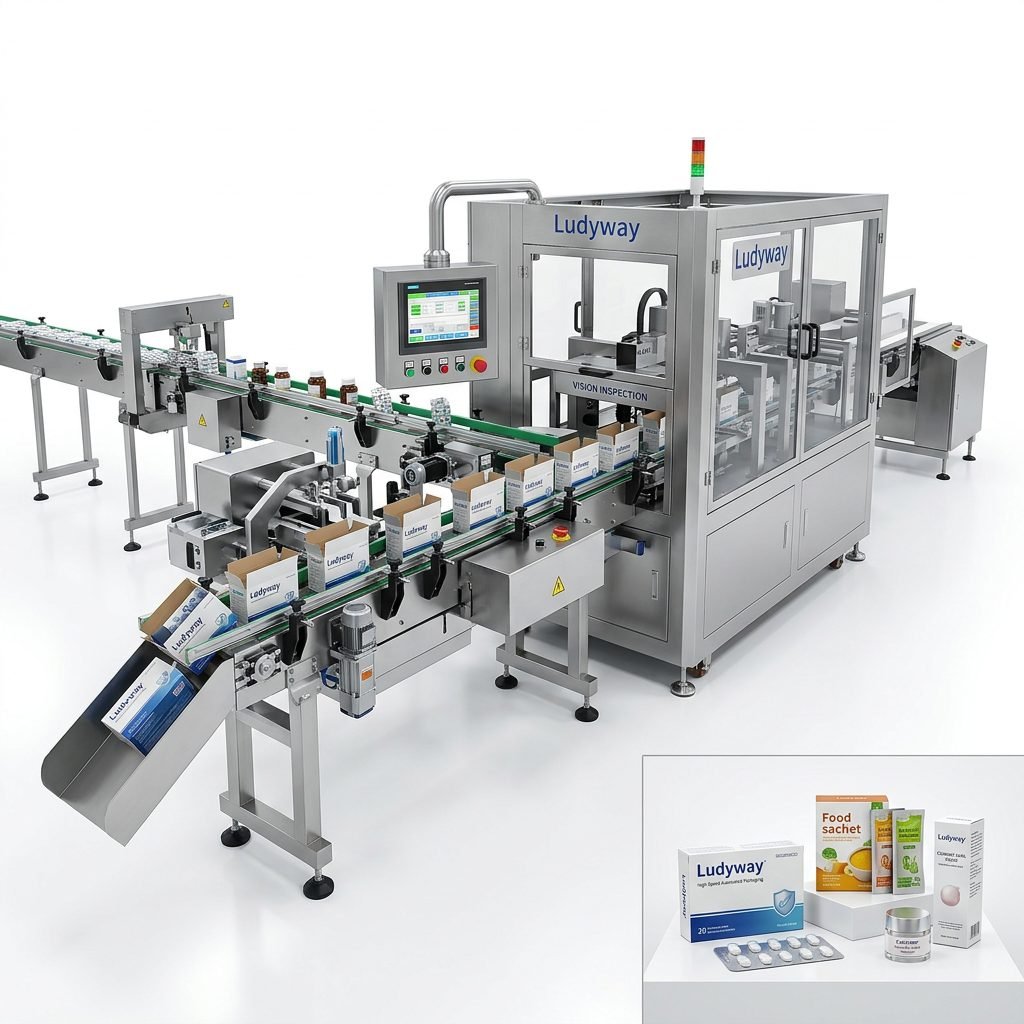
The Middle East is witnessing a substantial surge in demand for convenient, on-the-go breakfast options, with granola bars leading the charge. Setting up a granola bar packaging production line in this region requires careful planning, from understanding local market regulations to selecting the right machinery for high-speed, hygienic output. This guide walks you through every critical step to ensure a successful launch.
1. Understanding the Middle East Granola Bar Market
Before investing in machinery, you must analyze the target consumer base. The Middle East, particularly the GCC countries like the UAE, Saudi Arabia, and Qatar, has a growing health-conscious population. Consumers are looking for nutritious snack bars with clean labels. The region’s hot climate also demands moisture-resistant packaging to maintain product shelf life. Understanding these nuances ensures your packaging line is configured for the right materials and formats — typically multi-lane stick packs, sachets, or flow-wrapped bars.
2. Key Regulatory Requirements for Food Packaging
Food packaging in the Middle East must comply with GSO (GCC Standardization Organization) standards and local regulations such as those from ESMA in the UAE or SASO in Saudi Arabia. Packaging materials should be food-grade, and labeling must include nutritional facts in both Arabic and English. Your granola bar packaging production line should incorporate date coding machines and vision inspection systems to meet traceability requirements.
| Regulatory Body | Country | Key Packaging Standard |
|---|---|---|
| ESMA | UAE | UAE.S 5030 Food Packaging |
| SASO | Saudi Arabia | SASO 2570 |
| GSO | GCC Region | GSO 9 Labeling |
3. Selecting the Right Packaging Machine for Granola Bars
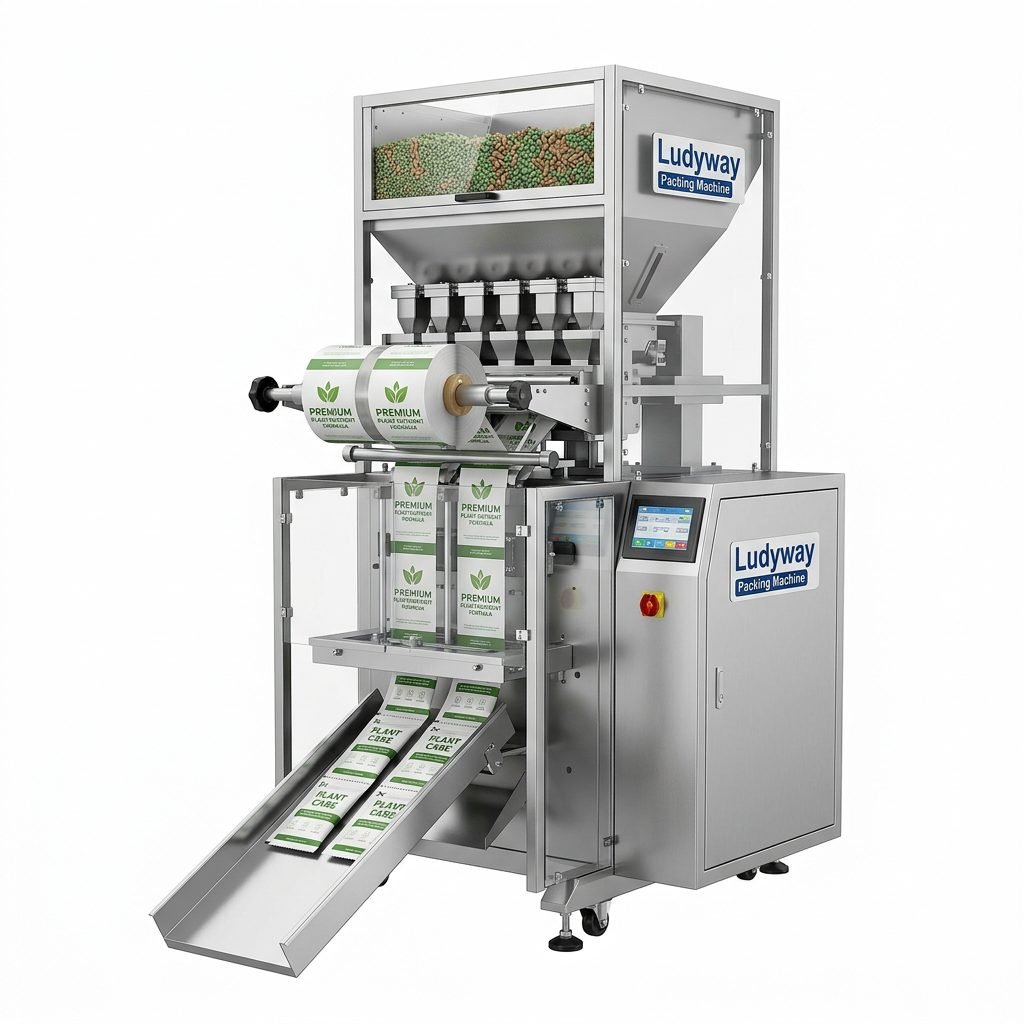
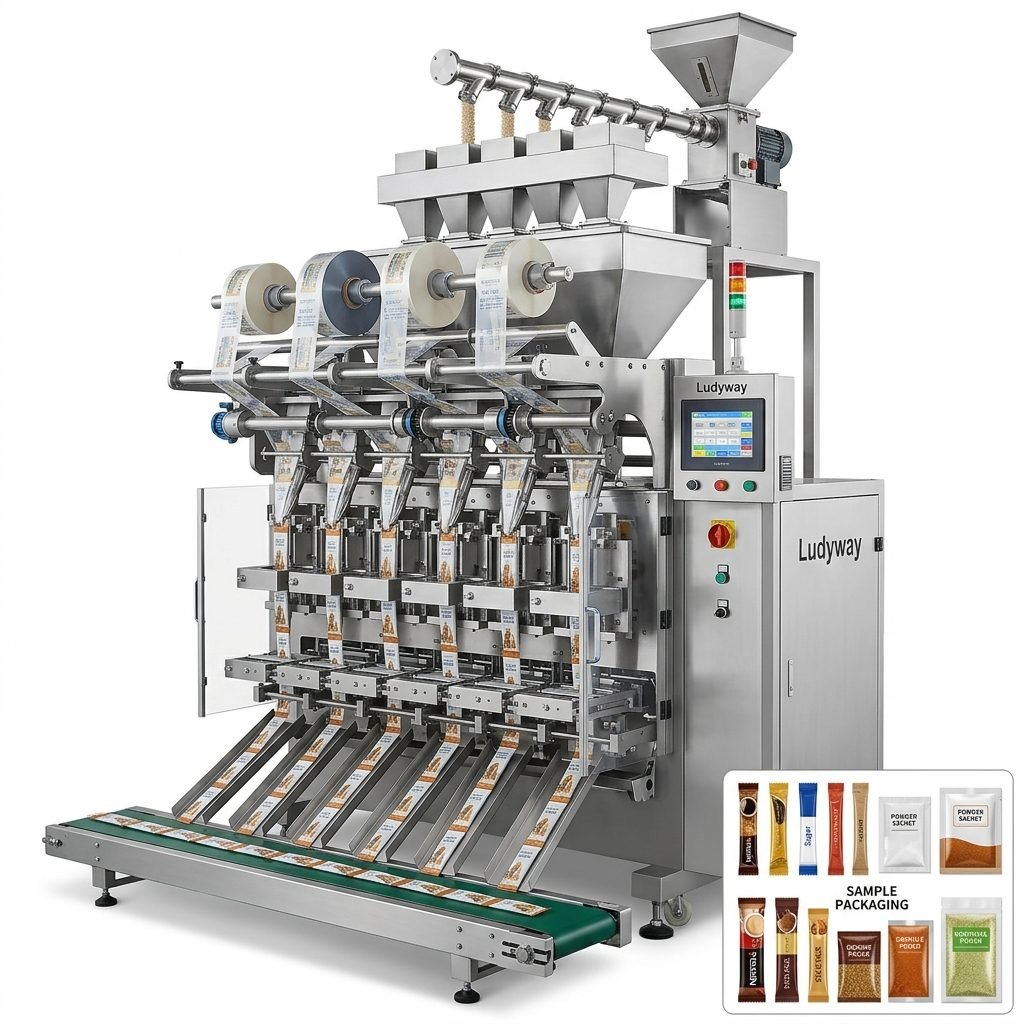
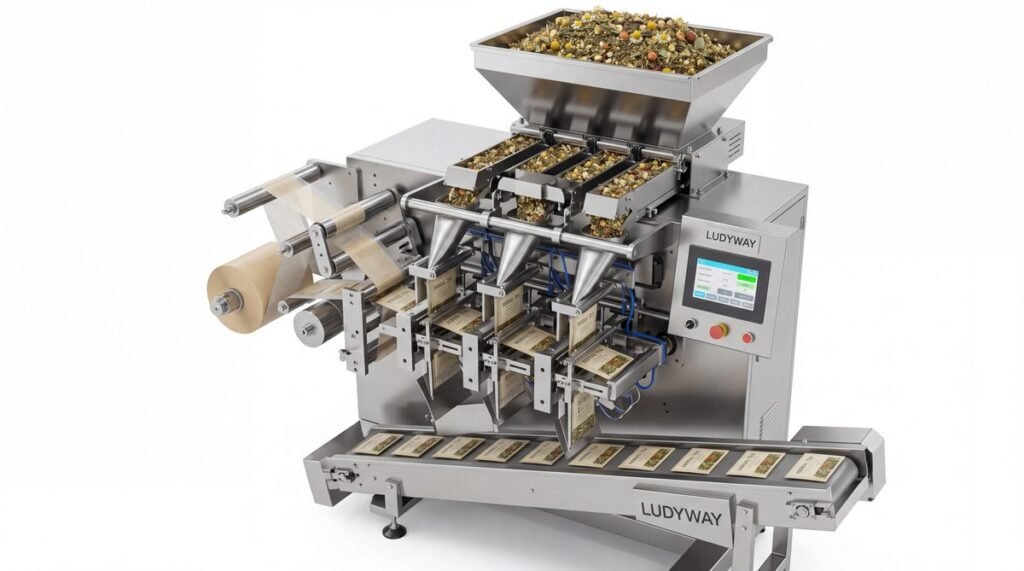
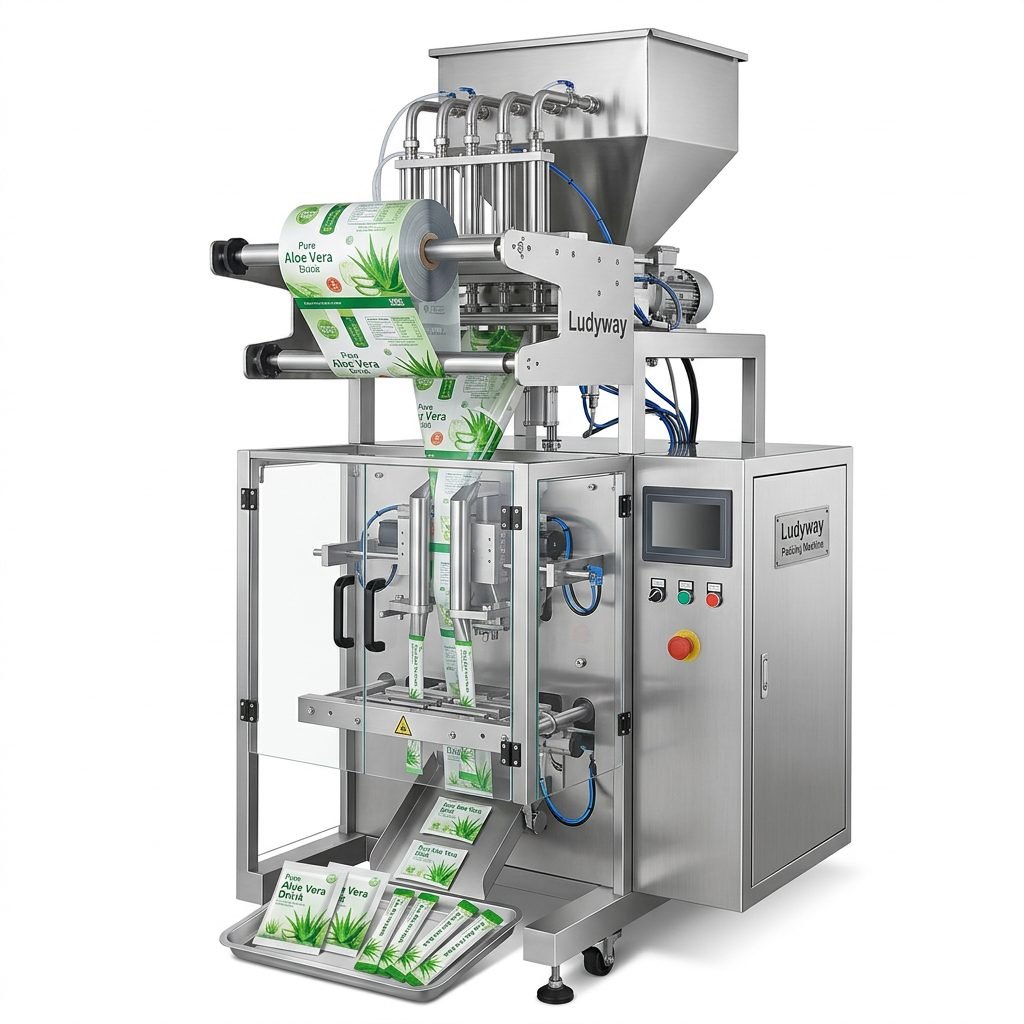
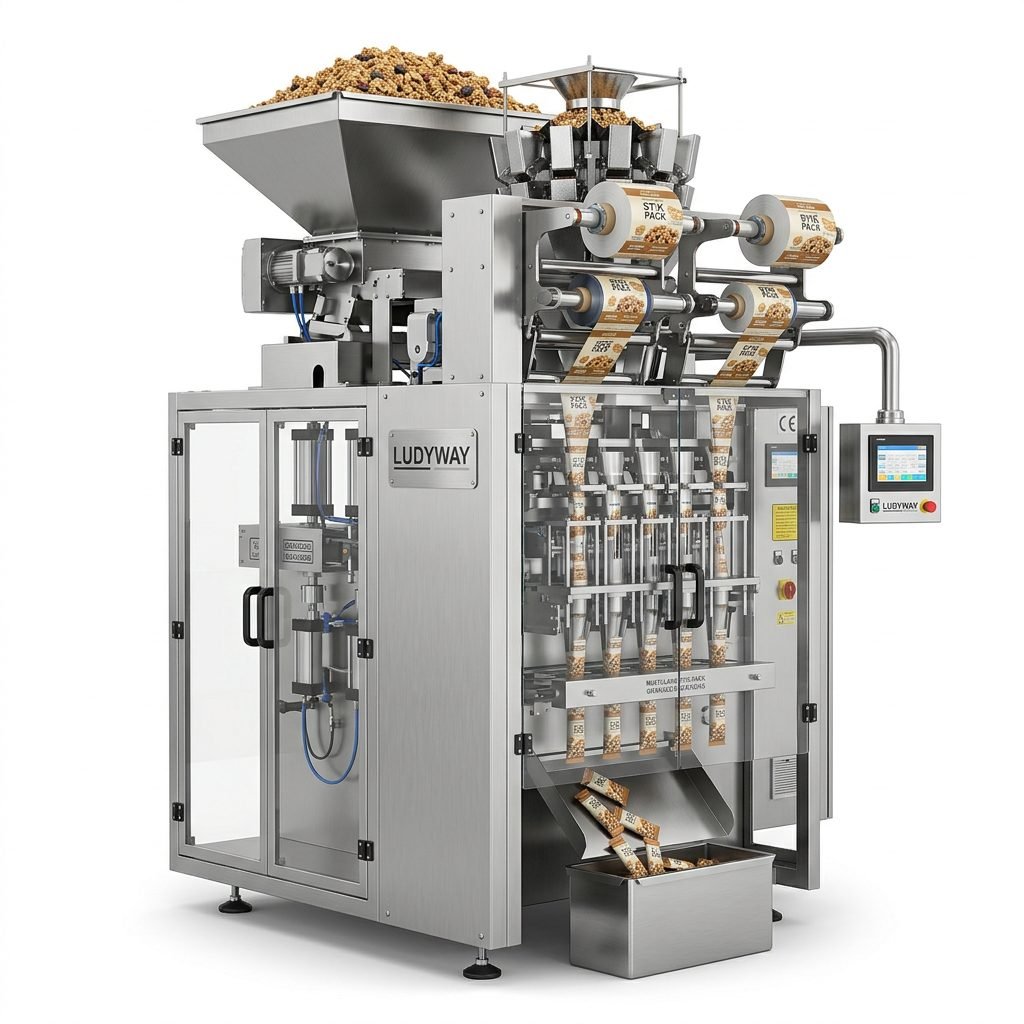
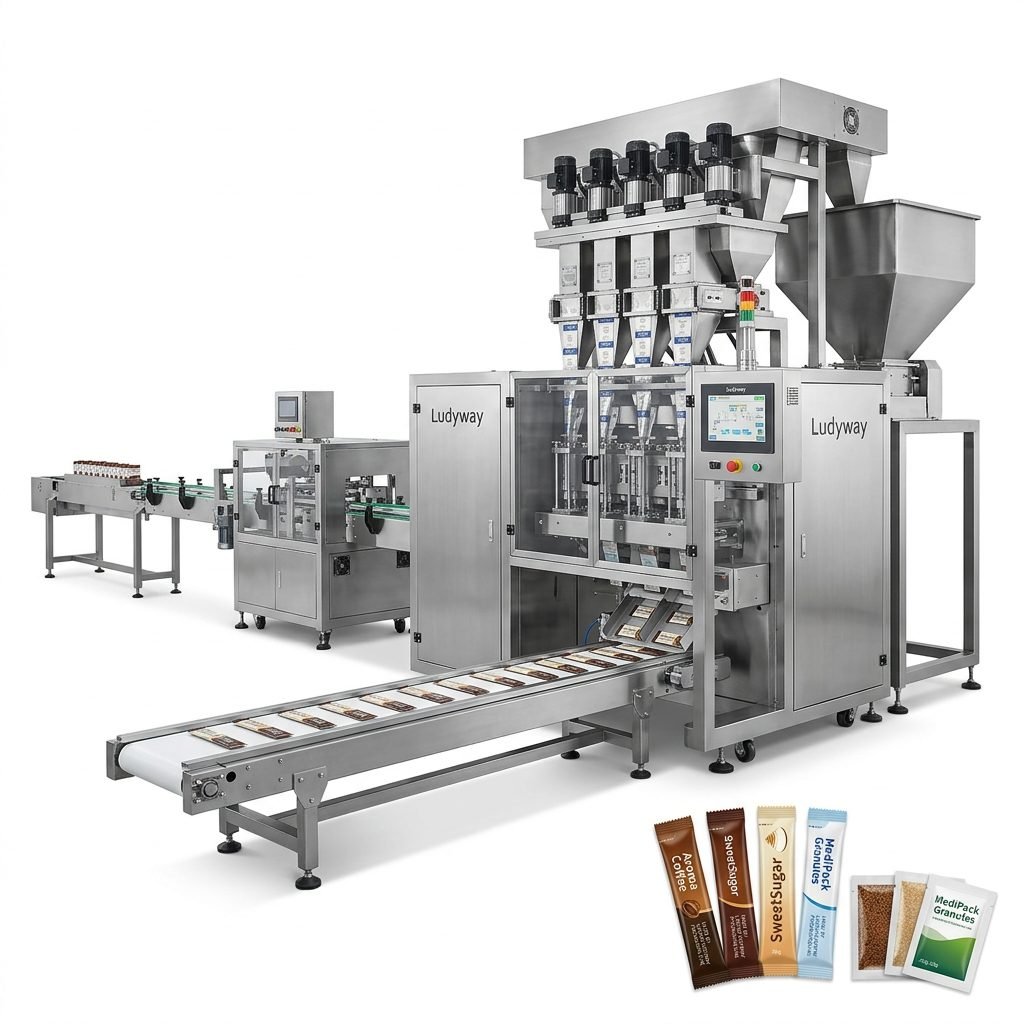
Granola bars can be packaged in various formats — standard flow wrap, multi-lane stick packs, or premade pouches. For the Middle East market, where single-serve and portion-controlled packs are popular, multi-lane stick pack machines offer exceptional efficiency. These systems can produce up to 400-600 packs per minute per lane, making them ideal for high-volume production.
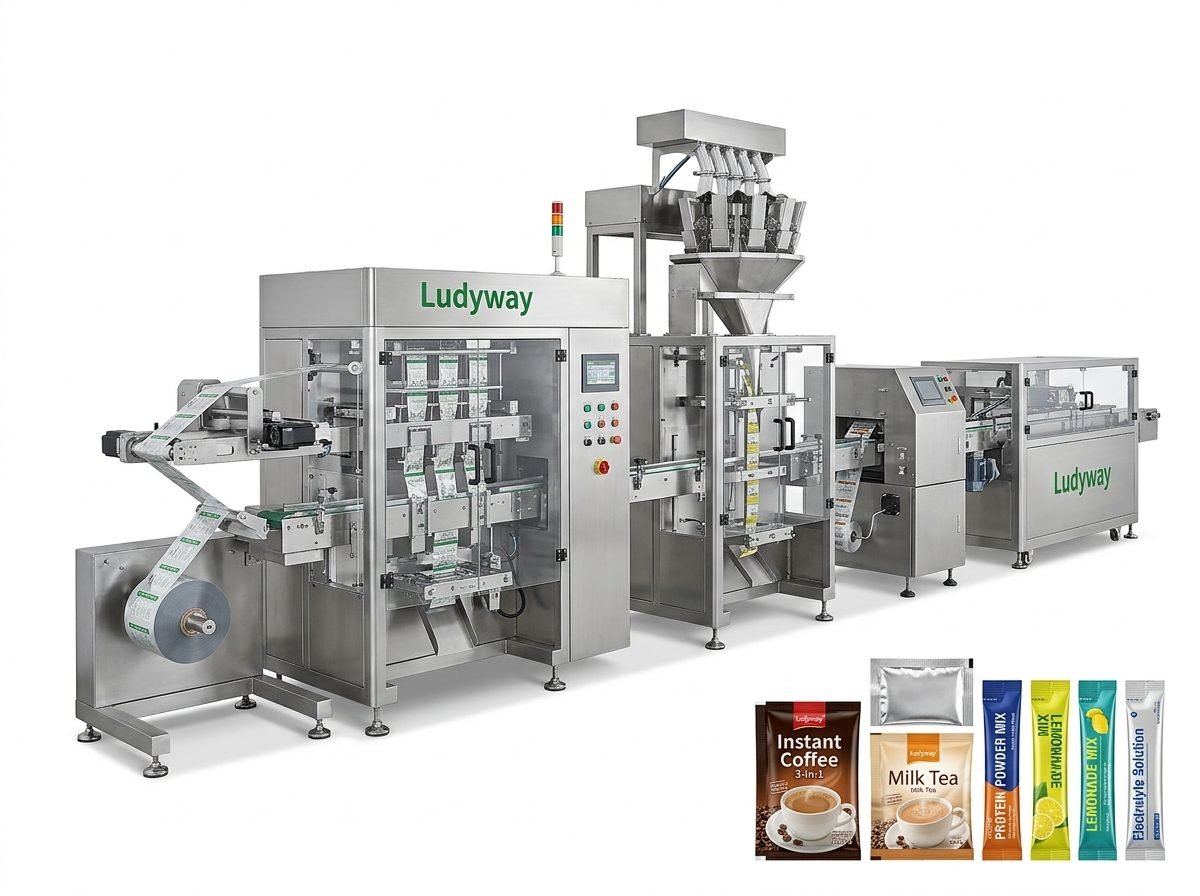
Essential Equipment Checklist:
- Multi-head weigher or auger filler — for precise portioning of granola mix
- Multi-lane stick pack machine — core packaging unit
- Conveyor systems — bucket elevators for gentle product transfer
- Checkweigher and metal detector — quality control and safety
- Date coding machine — batch and expiry marking
- Cartoning machine — secondary packaging for retail distribution
4. Production Line Layout and Workflow Design
An efficient granola bar packaging line typically follows this sequence:
- Product feeding — granola bars are conveyed from the cooling tunnel via an inclined conveyor
- Alignment and spacing — bars are spaced and oriented for consistent wrapping
- Primary packaging — flow wrapping or stick pack sealing with nitrogen flushing for extended freshness
- Quality inspection — vision systems check seal integrity and correct labeling
- Secondary packaging — cartoning and case packing with automatic palletizing
5. Climate Considerations for Middle East Facilities
The Middle East’s high ambient temperatures and humidity fluctuations pose unique challenges. Your packaging machinery must be equipped with adequate cooling and dehumidification systems. Additionally, granola bars are susceptible to oil migration and rancidity — nitrogen flushing during packaging is highly recommended. Ensure your facility maintains a temperature-controlled environment between 20-25°C with relative humidity below 55%.
6. Cost Estimates and ROI Analysis
Setting up a complete granola bar packaging line in the Middle East involves several cost components. Below is a breakdown of the primary investment categories:
| Investment Category | Estimated Range (USD) | Notes |
|---|---|---|
| Primary Packaging Machine | $50,000 – $200,000 | Multi-lane stick pack or flow wrap |
| Auxiliary Equipment | $30,000 – $80,000 | Conveyors, checkweighers, coders |
| Installation & Training | $10,000 – $25,000 | On-site setup and operator training |
| Facility Modifications | $20,000 – $50,000 | HVAC, clean room, utilities |
7. Finding a Reliable Packaging Machine Manufacturer
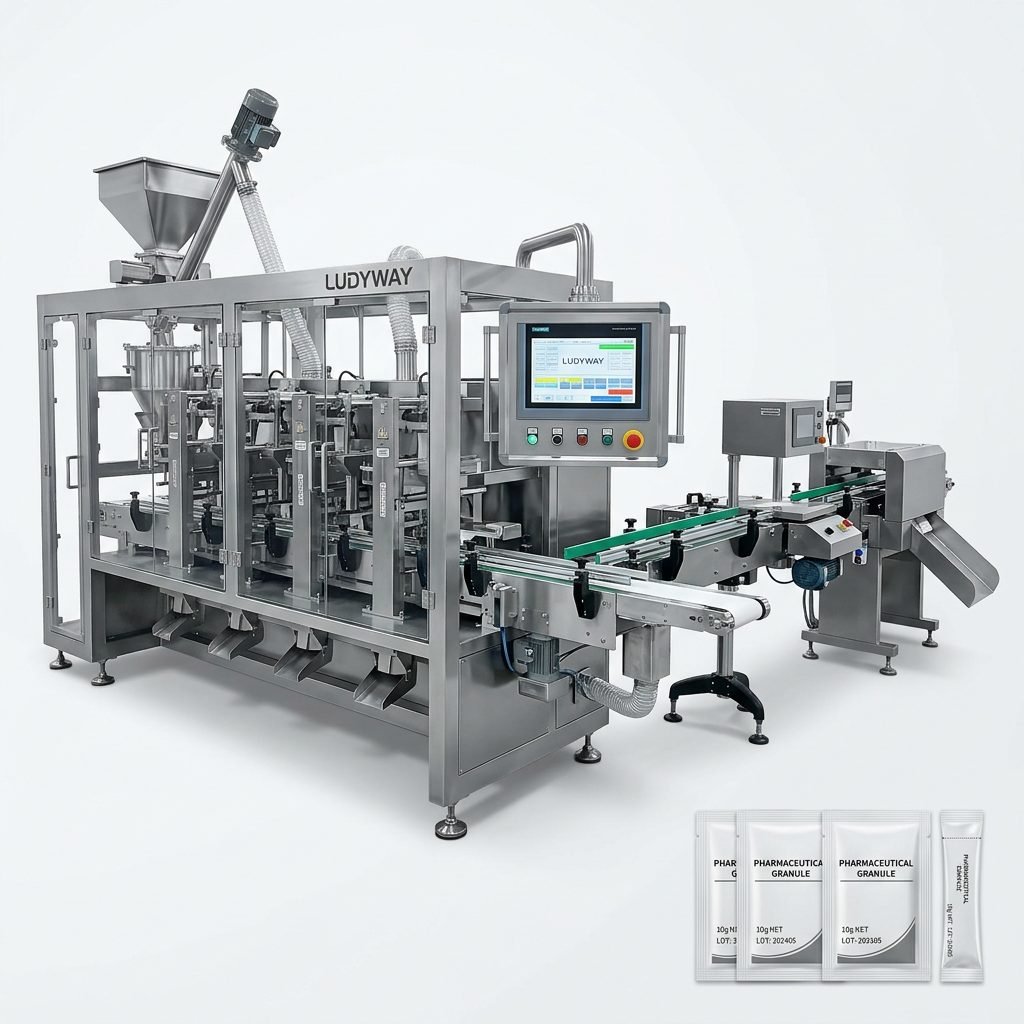
When sourcing equipment for a Middle East production line, look for manufacturers with proven international experience, particularly in hot-climate regions. A reputable supplier should offer turnkey solutions — including installation, training, and after-sales support. For comprehensive granola bar packaging solutions, Ludyway provides advanced multi-lane stick pack machines and complete production line systems trusted by manufacturers worldwide. Key evaluation criteria include:
- CE / UL certifications for electrical safety compliance
- Stainless steel construction (food-grade 304 or 316)
- Remote technical support and local service partners in the GCC
- Proven track record with granola bar or similar snack packaging
Quick Tip: Choosing Between New and Refurbished Equipment
While refurbished machines may offer lower upfront costs, new turnkey packaging lines provide better long-term reliability, warranty coverage, and access to the latest technology — crucial for maintaining high production uptime in the demanding Middle East market.

8. Logistics and Supply Chain Setup
Setting up in the Middle East means leveraging strategic logistics hubs like Jebel Ali Port (Dubai) or King Abdulaziz Port (Dammam). Your packaging line should be configured for easy raw material integration with local suppliers of packaging films and cartons. Many manufacturers choose free zones such as JAFZA or KEZAD for tax benefits and streamlined import/export procedures. Plan your spare parts inventory carefully — keeping critical components on-site minimizes downtime in a region where express shipping can be costly.
9. Workforce Training and Safety Protocols
Your packaging line operators must be trained on both the technical aspects of the machinery and food safety standards such as HACCP and ISO 22000. Many leading machine manufacturers offer comprehensive on-site training programs as part of the installation package. Key training areas include:
- Machine operation and changeover procedures
- Cleaning and sanitation protocols
- Basic troubleshooting and maintenance
- Quality control checks and documentation
10. Future-Proofing Your Packaging Line
The Middle East granola bar market is projected to grow at a CAGR of 6-8% through 2030, driven by increasing health awareness and tourism. Design your packaging line with modularity and scalability in mind. Choose machines that support multiple pack formats and can be easily upgraded as production volumes increase. Integration with Industry 4.0 systems for remote monitoring and predictive maintenance will also future-proof your investment.
For more information on packaging industry standards and market trends, visit the PMMI – Association for Packaging and Processing Technologies or explore Flexible Packaging Association resources. Setting up a granola bar packaging production line in the Middle East is a significant but rewarding investment — with the right planning, equipment, and partners, you can capture a growing share of this dynamic market.
Related Resources:
PMMI Business Intelligence Library — Industry reports and data
2025 State of the Industry Report — Packaging market insights
European Commission — Packaging and Packaging Waste — Regulatory compliance