In the seed packaging industry, accuracy is everything. Whether you are packing sunflower seeds, grass seeds, vegetable seeds, or agricultural grains, even a slight deviation in weight can lead to regulatory non-compliance, customer complaints, and significant product giveaway. This is why choosing the right multihead weigher seed packing machine is a critical investment for your production line.
A multihead weigher combines high-speed weighing with exceptional precision, making it the preferred solution for manufacturers who need to package seeds, granules, and small-piece products efficiently. However, with various models, configurations, and technical specifications available, selecting the best machine for your specific application requires careful evaluation.

Understanding Multihead Weigher Technology for Seed Packaging
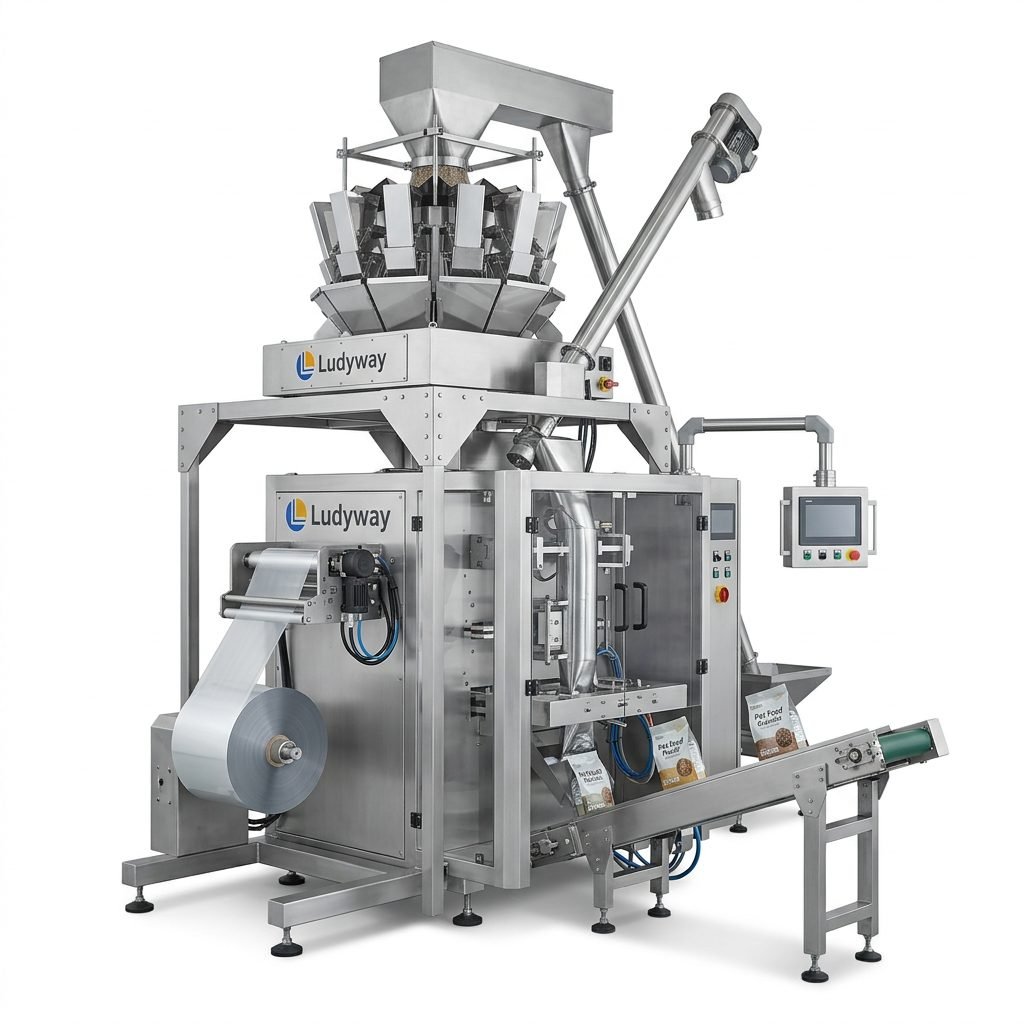
A multihead weigher operates by distributing product across multiple weigh hoppers, each independently calculating the optimal combination of partial weights to achieve the target total weight. This technology is particularly valuable for seed packaging because seeds vary in size, shape, and density depending on the variety.
Modern granule packaging systems equipped with multihead weighers can handle a wide range of seed types, including:
- Small seeds — lettuce, carrot, tomato, and flower seeds
- Medium seeds — sunflower, pumpkin, and melon seeds
- Large seeds and grains — corn, bean, pea, and chickpea seeds
- Coated and pelleted seeds — precision-planting seed varieties with specialized coatings
- Mixed seed blends — grass seed mixtures and cover crop blends
Key Factors to Consider When Choosing a Seed Packaging Machine
Before investing in a multihead weigher seed packing machine, evaluate the following factors carefully. Each aspect directly impacts production efficiency, weighing accuracy, and long-term operational costs.
1. Weighing Accuracy and Speed Requirements
The primary advantage of a multihead weigher is its ability to deliver high accuracy at high speeds. For seed packaging, typical accuracy ranges from ±0.1g to ±1.0g, depending on the target weight and machine configuration. Determine your required throughput (packs per minute) and acceptable weight deviation before comparing models.
2. Number of Weigh Heads
Multihead weighers come with varying numbers of weigh heads, typically ranging from 10 to 24 heads. More heads generally allow for faster speeds and better accuracy because the control system has more weight combinations to choose from. For seed applications, a 14-head or 16-head weigher often provides an optimal balance between performance and cost.
3. Product Characteristics
Seed properties significantly influence machine selection. Consider the following product attributes:
- Seed size and shape — round, elongated, flat, or irregular
- Bulk density — affects hopper volume and feeding behavior
- Flowability — some seeds flow freely, while others tend to clump or bridge
- Fragility — delicate seeds may require gentler handling to prevent damage
- Surface texture — smooth, rough, or coated surfaces affect material flow
4. Target Package Weight and Format
Are you packaging seeds into small sachets (1g–50g), medium pouches (50g–500g), or bulk bags (1kg–25kg)? The target weight range determines the appropriate weigher size, hopper capacity, and discharge configuration. Bulk bag packaging systems require different specifications compared to high-speed stick pack applications.
5. Material Contact and Hygiene Compliance
For edible seeds and food-grade applications, material contact parts should be constructed from stainless steel (typically SUS304 or SUS316L) and designed to meet relevant food safety standards. Easy disassembly for cleaning and maintenance reduces downtime between product changeovers.
Technical Specifications Comparison Table
The table below outlines typical specifications to consider when evaluating multihead weigher seed packing machines. Use this as a reference when comparing different models and manufacturers.
| Specification | Entry-Level | Mid-Range | High-Performance |
|---|---|---|---|
| Number of Heads | 10–12 | 14–16 | 20–24 |
| Weighing Range | 10g–500g | 5g–1,000g | 1g–3,000g |
| Speed (packs/min) | 30–50 | 50–80 | 80–120+ |
| Accuracy | ±0.5–1.5g | ±0.2–0.8g | ±0.1–0.5g |
| Hopper Volume | 1.6L–2.5L | 2.5L–4.0L | 4.0L–7.0L |
| Control System | Basic PLC | Advanced PLC with Touchscreen | Full Digital Control with Remote Access |
Integration with Complete Packaging Lines
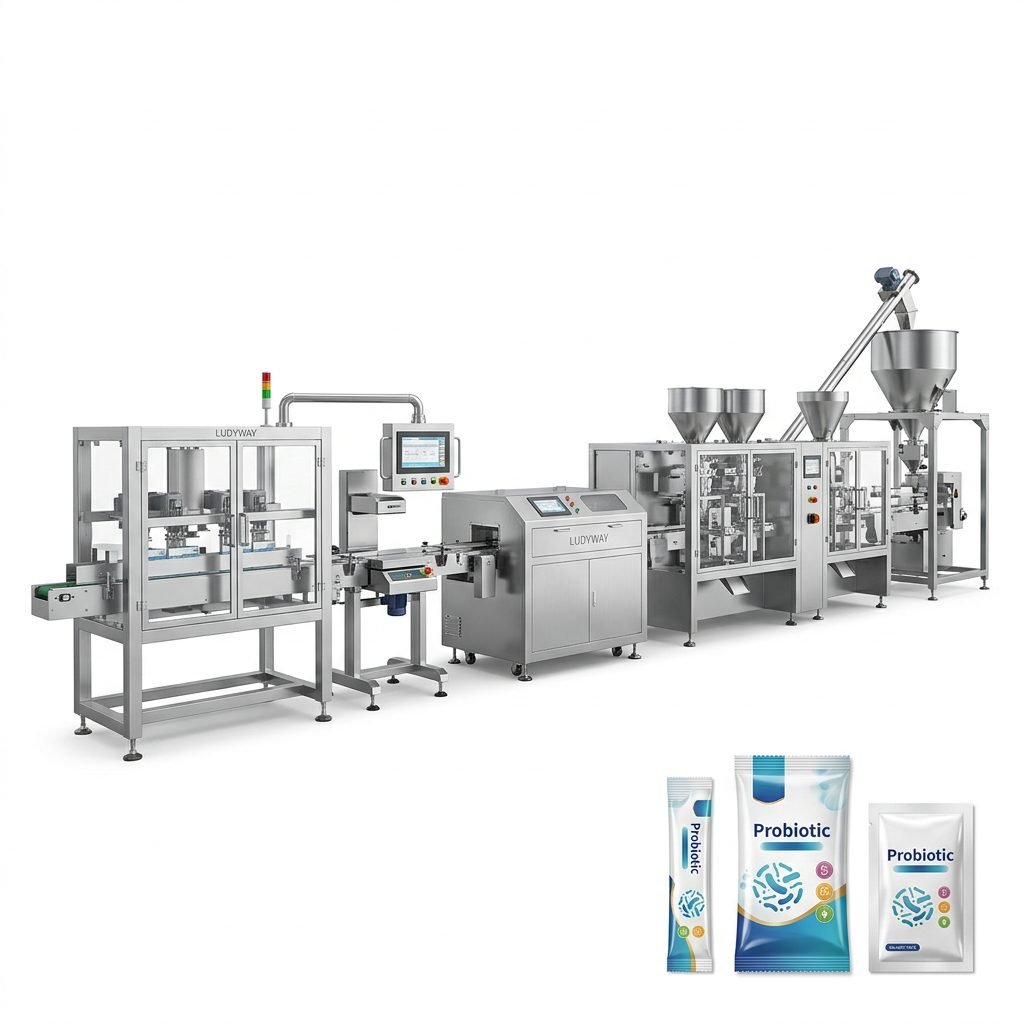
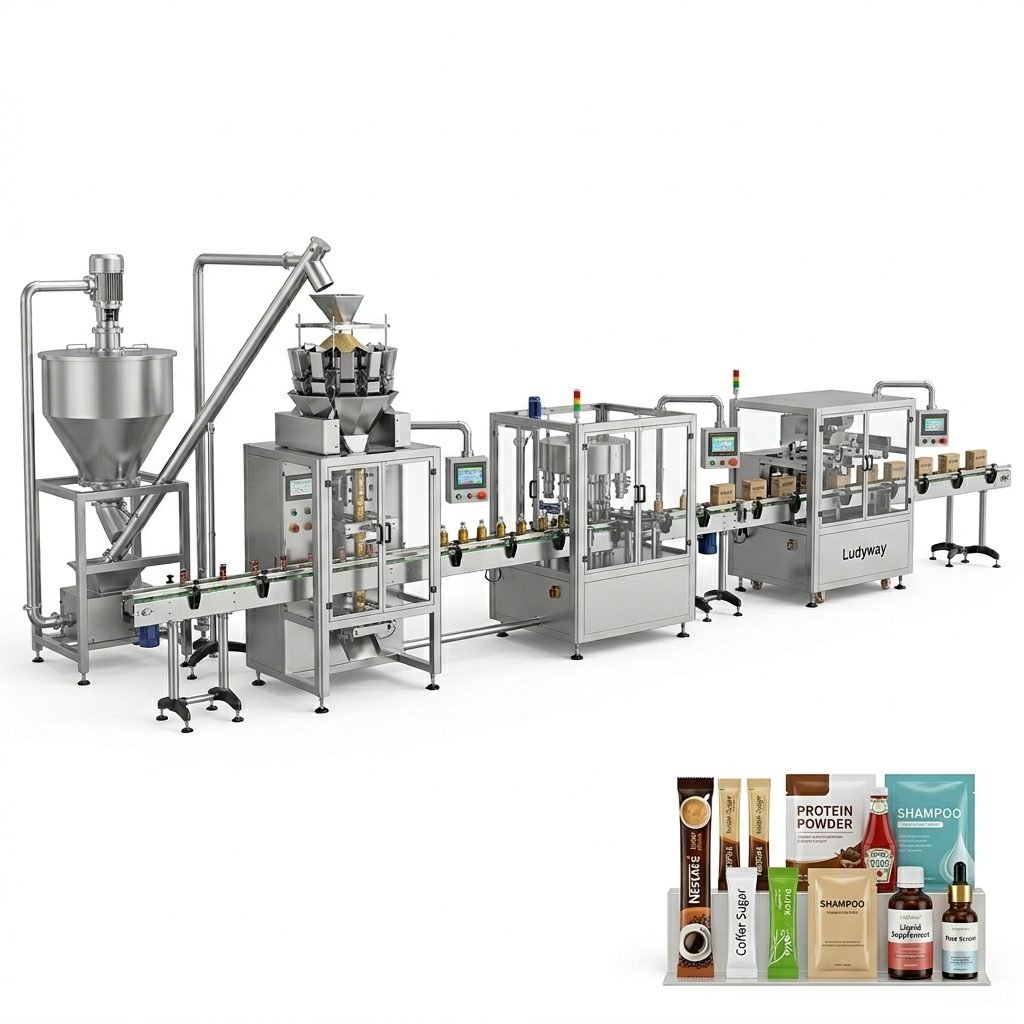
A multihead weigher does not operate in isolation. It must be integrated with upstream feeding equipment and downstream packaging machinery. Consider the entire packaging line configuration when making your selection:
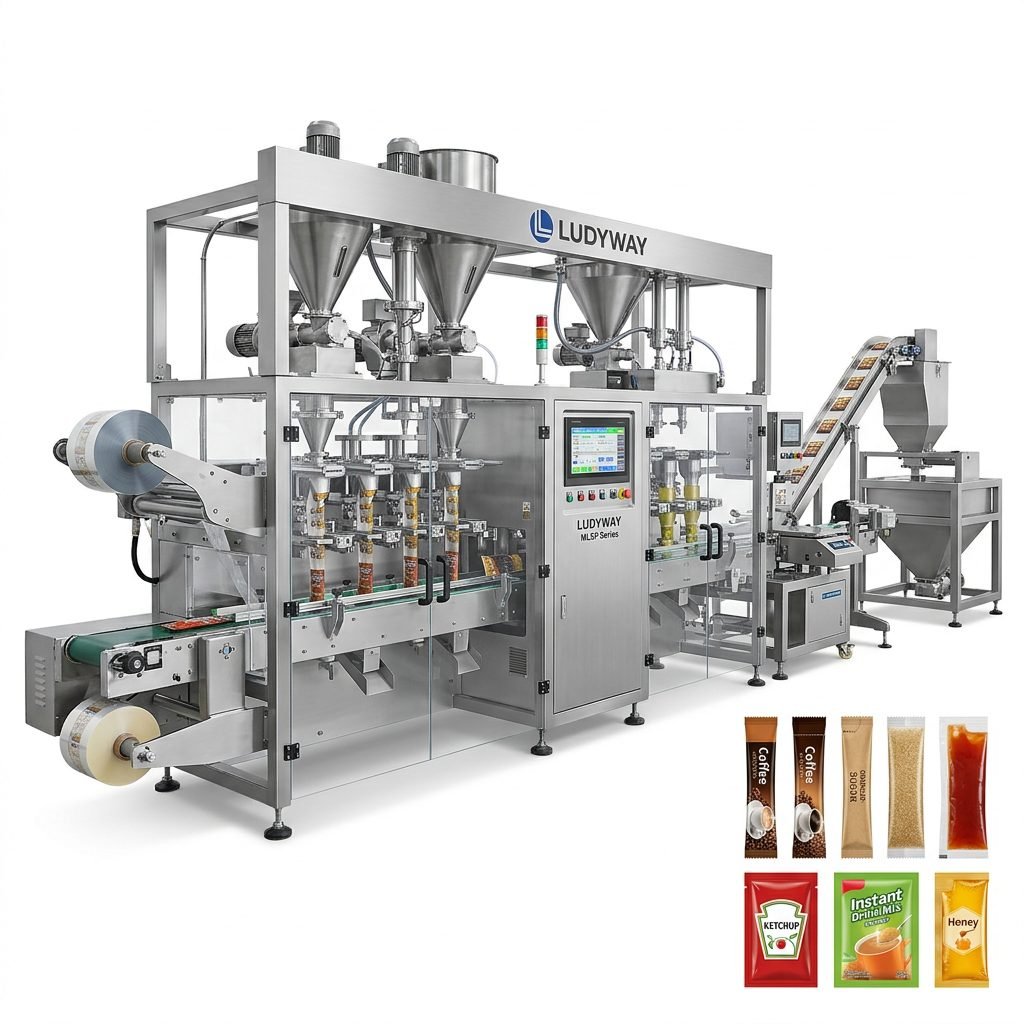
- Feeding systems — bucket elevators, inclined conveyors, or vibratory feeders that supply seeds to the weigher
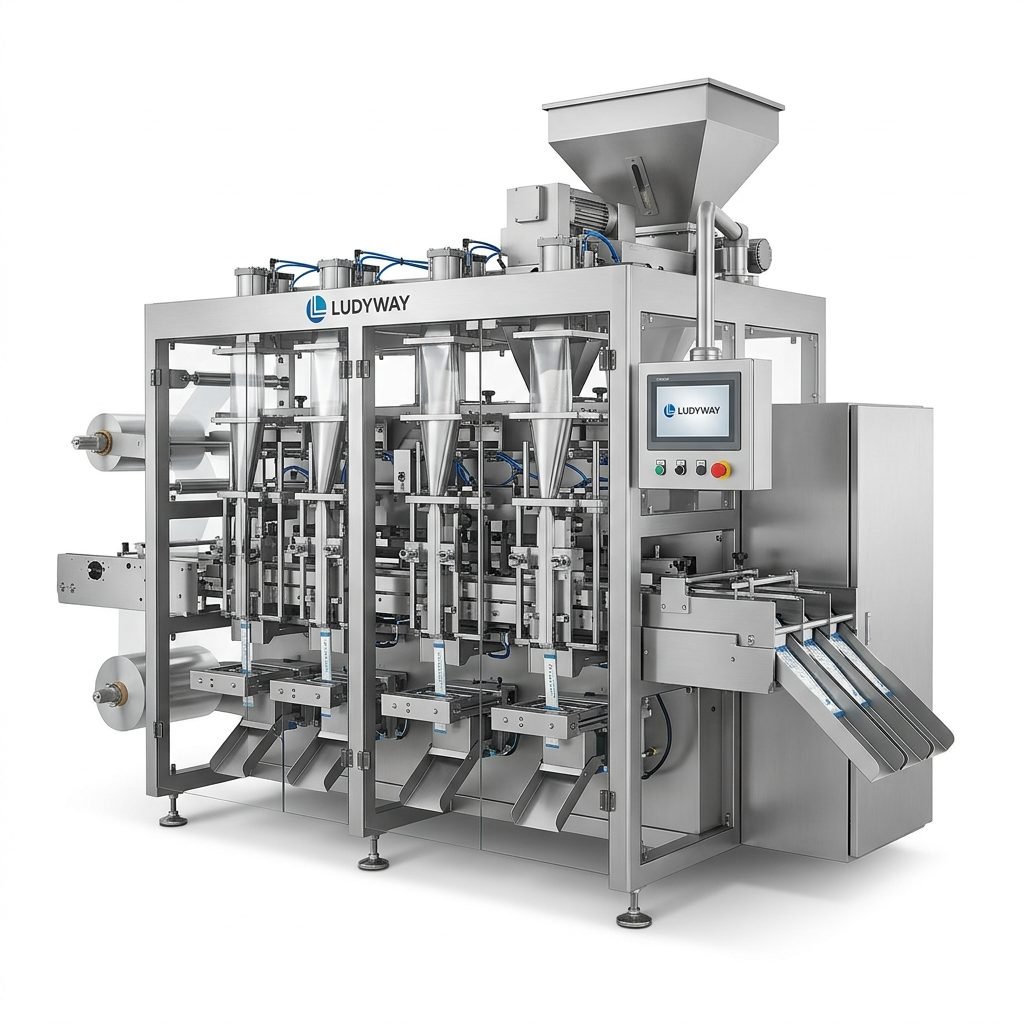
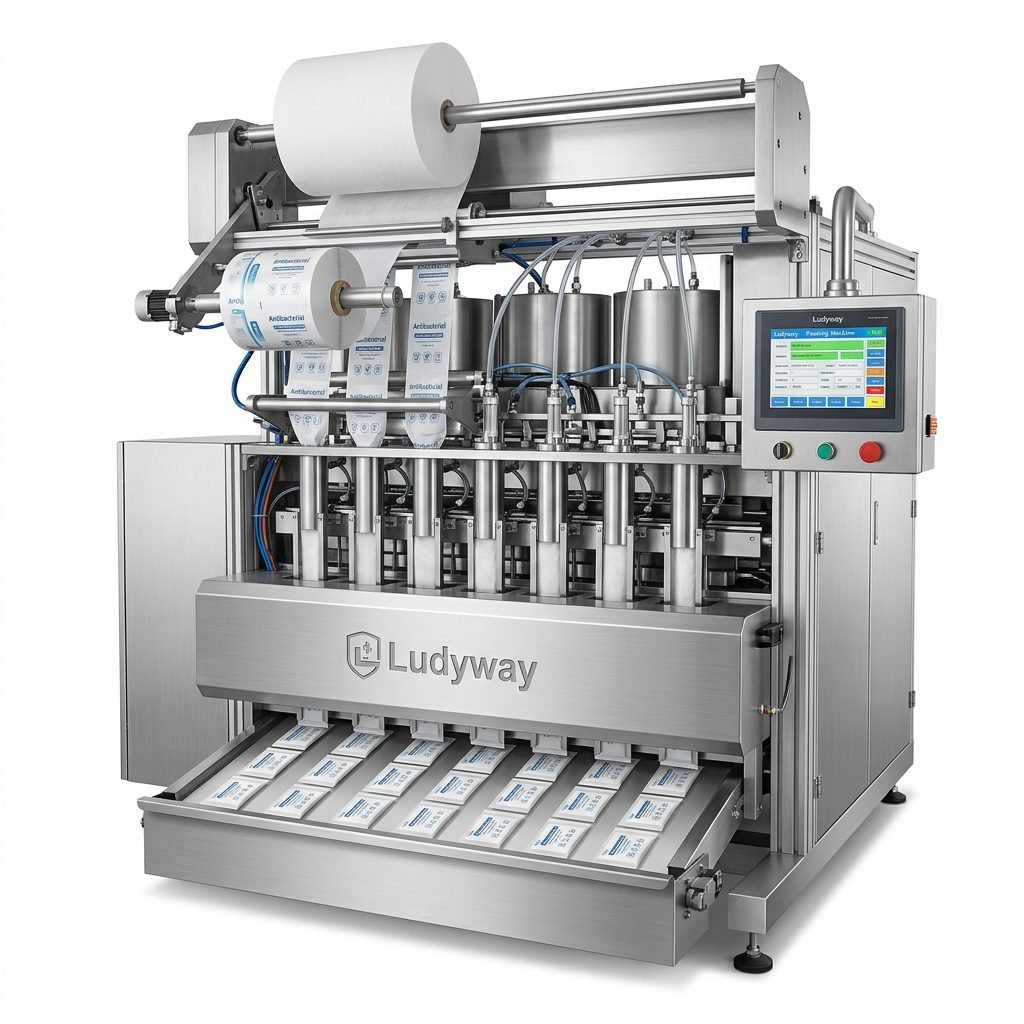
- Packaging machine compatibility — vertical form fill seal (VFFS) machines, premade pouch packaging systems, or automatic pouch fillers
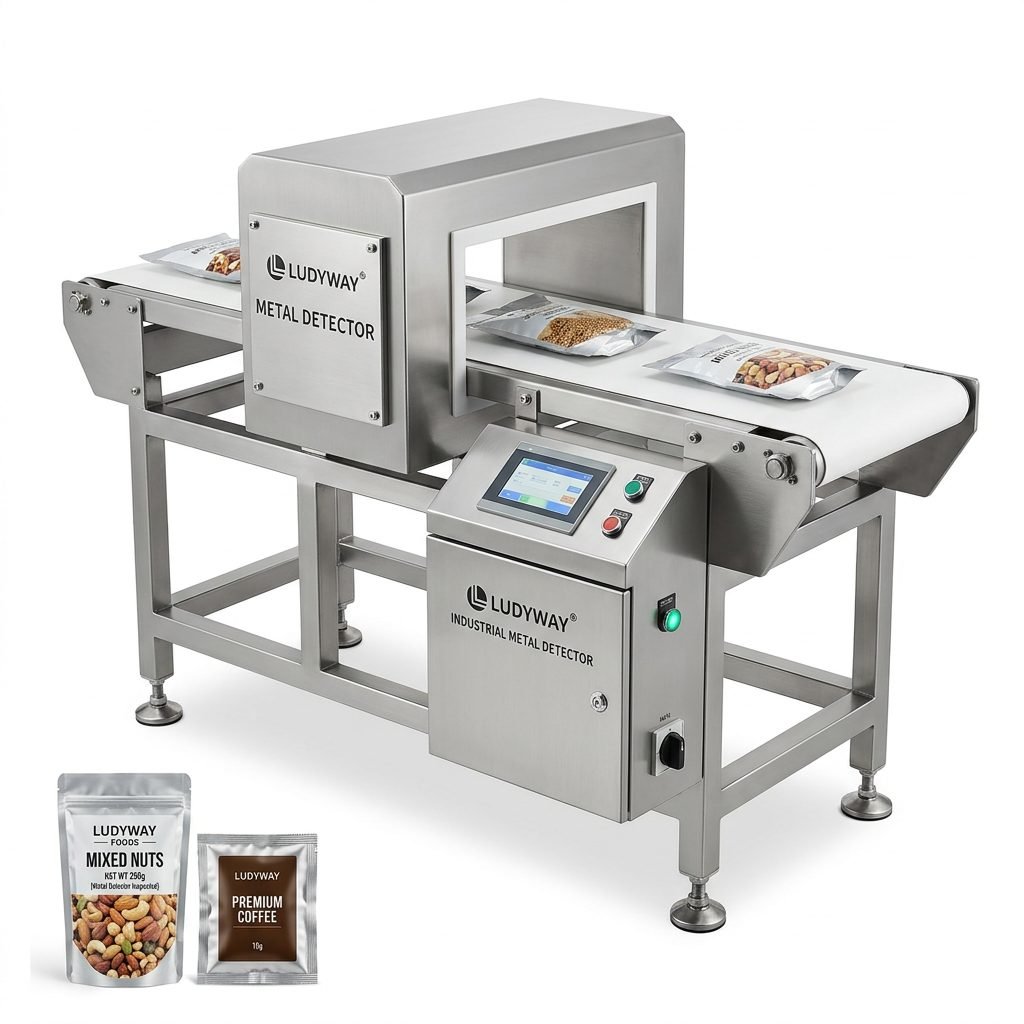
- Auxiliary equipment — checkweighers, metal detectors, coding and marking systems, and cartoning machines
- Data integration — compatibility with factory MES or ERP systems for production tracking
Dust and Environmental Considerations
Seed packaging often generates dust, particularly with untreated seeds, coated seeds, or seed mixtures that include fine particles. Dust accumulation can affect weighing accuracy, damage sensitive electronic components, and create maintenance challenges. Look for multihead weighers with dust-resistant enclosures, proper sealing, and provisions for dust extraction if your application involves significant dust generation.
Changeover Flexibility and Multi-Product Capability
If your production line handles multiple seed varieties with frequent changeovers, prioritize machines that offer tool-free disassembly, recipe storage for different products, and quick-clean designs. A weigher that can switch from small vegetable seeds to large bean seeds within minutes significantly improves overall equipment effectiveness (OEE).
After-Sales Support and Service Accessibility
Even the most reliable multihead weigher requires periodic maintenance, calibration, and occasional troubleshooting. Evaluate the manufacturer’s service network, spare parts availability, and technical support capabilities in your region. Remote diagnostic capabilities are increasingly valuable for minimizing downtime in global operations.
Questions to Ask Potential Equipment Suppliers
- What is the standard warranty period and what does it cover?
- Are local service technicians available in your country or region?
- What is the typical lead time for critical spare parts?
- Do they offer remote technical assistance for commissioning and troubleshooting?
- Can they provide references from customers packaging similar seed products?
Experienced packaging machinery manufacturers with decades of industry knowledge can guide you through equipment selection, line integration, and ongoing technical support. Ludyway Machinery, for instance, has over 30 years of experience providing integrated packaging solutions and serves manufacturers in more than 100 countries worldwide, offering customized equipment configurations that match specific seed packaging requirements.
Evaluating Total Cost of Ownership
Purchase price is just one component of total cost. When comparing multihead weigher seed packing machines, factor in these long-term considerations:
- Energy consumption — more efficient systems reduce operating costs over time
- Spare parts costs and availability — some components require periodic replacement
- Maintenance labor requirements — designs that simplify cleaning and service reduce labor hours
- Product giveaway reduction — higher accuracy directly translates to material savings
- Expected equipment lifespan — industrial-grade construction extends service life
Industry Standards and References
For additional guidance on packaging machinery standards, best practices, and industry research, refer to authoritative resources from organizations such as PMMI – The Association for Packaging and Processing Technologies and the Flexible Packaging Association. These organizations publish valuable reports on packaging machinery market trends and state-of-the-industry data that can inform your investment decisions.
Compliance with international standards such as ISO packaging standards and relevant FDA food packaging requirements is essential for manufacturers targeting regulated markets.
Making the Final Decision: A Practical Checklist
Before finalizing your purchase, use this checklist to ensure all critical factors have been evaluated:
- ✓ Confirmed target weight and accuracy requirements match the weigher’s capabilities
- ✓ Tested with your actual seed product to verify performance claims
- ✓ Verified integration compatibility with existing or planned packaging line equipment
- ✓ Assessed dust management and environmental suitability for your production environment
- ✓ Evaluated service and support infrastructure in your region
- ✓ Calculated total cost of ownership including energy, maintenance, and giveaway savings
- ✓ Reviewed changeover requirements for multi-product production scenarios
- ✓ Considered future scalability as production volumes grow
Selecting the right multihead weigher seed packing machine is a decision that impacts your production efficiency, product quality, and profitability for years to come. By carefully evaluating your product characteristics, production requirements, and equipment specifications against the criteria outlined in this guide, you can make an informed investment that supports your business growth and operational goals.