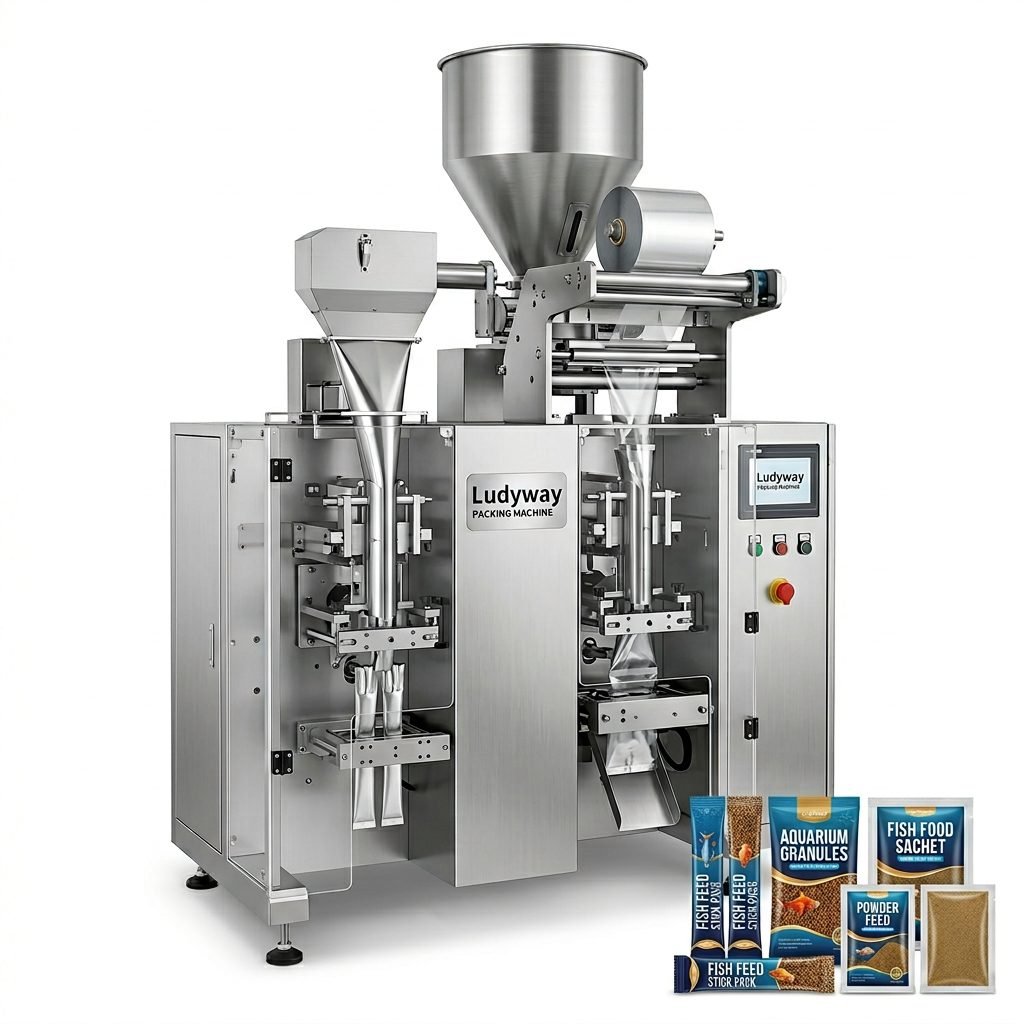
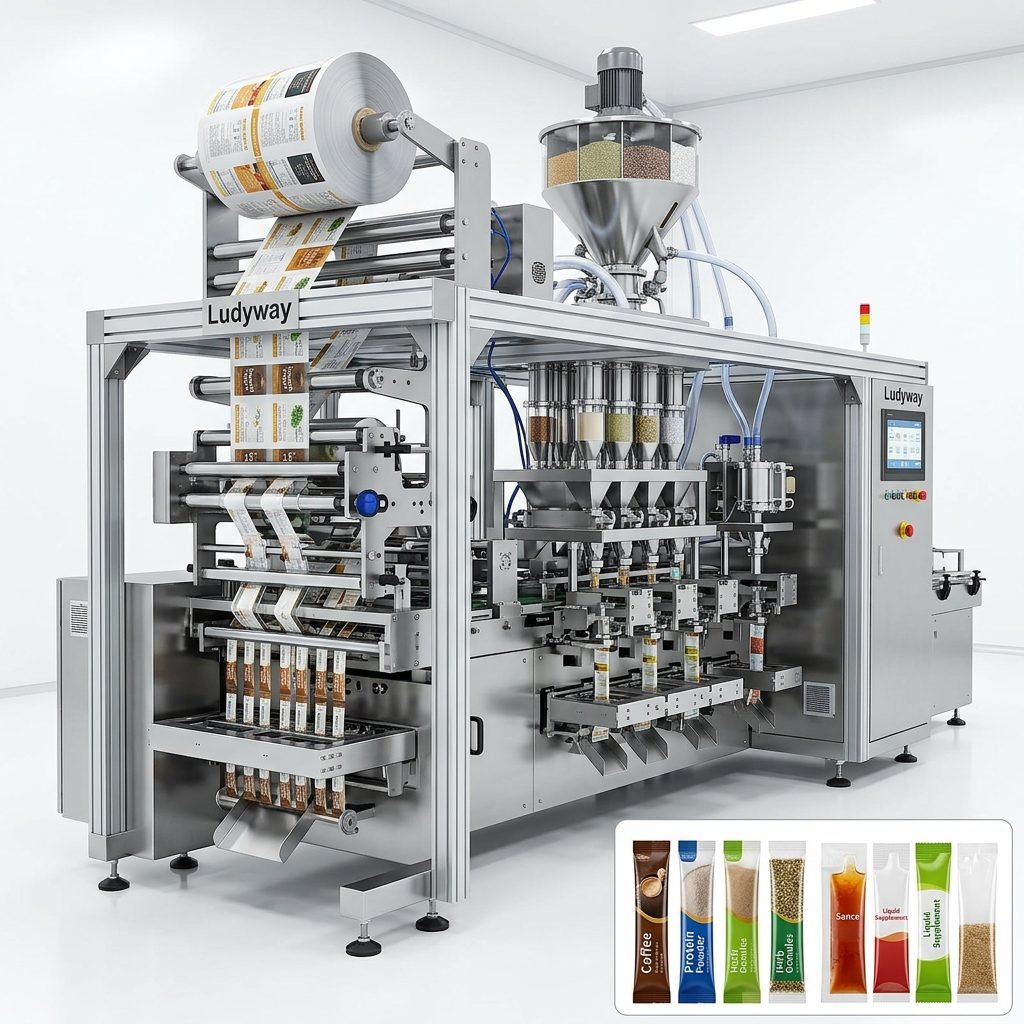
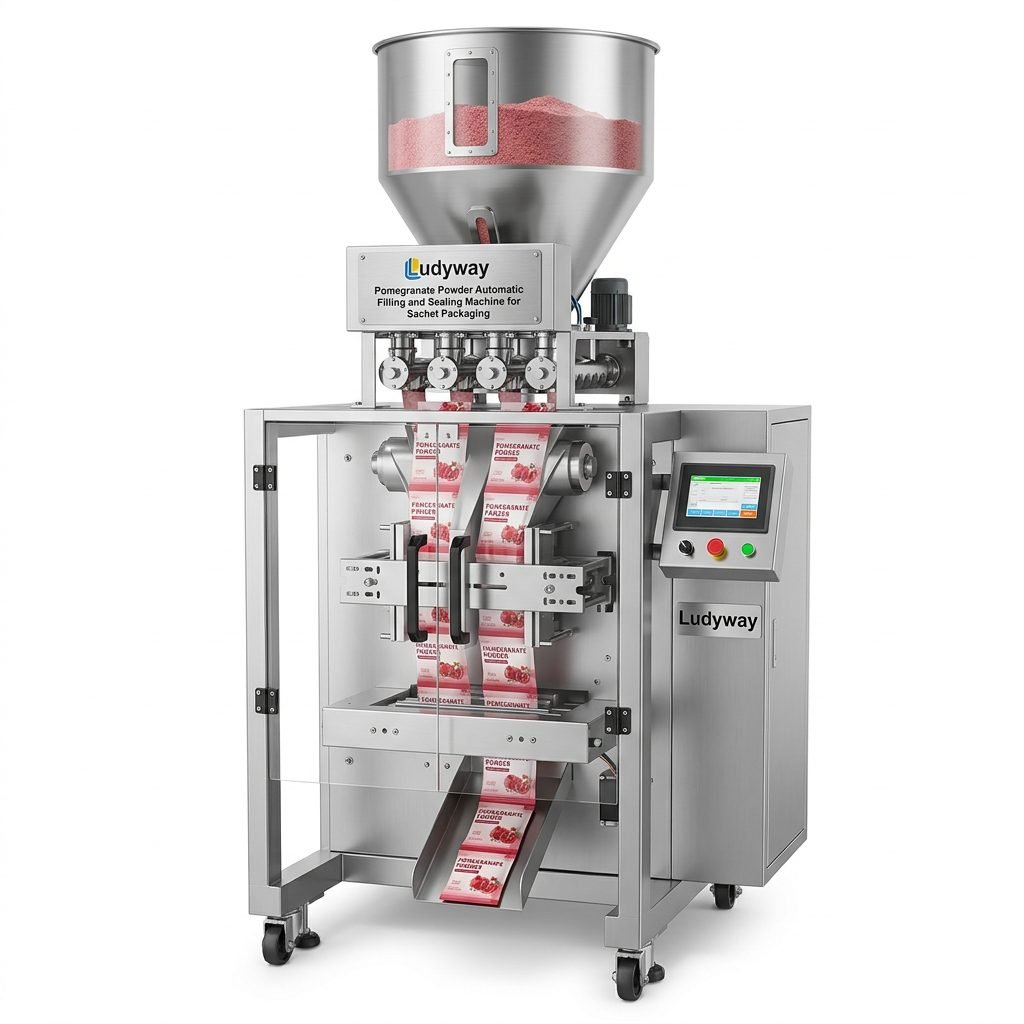
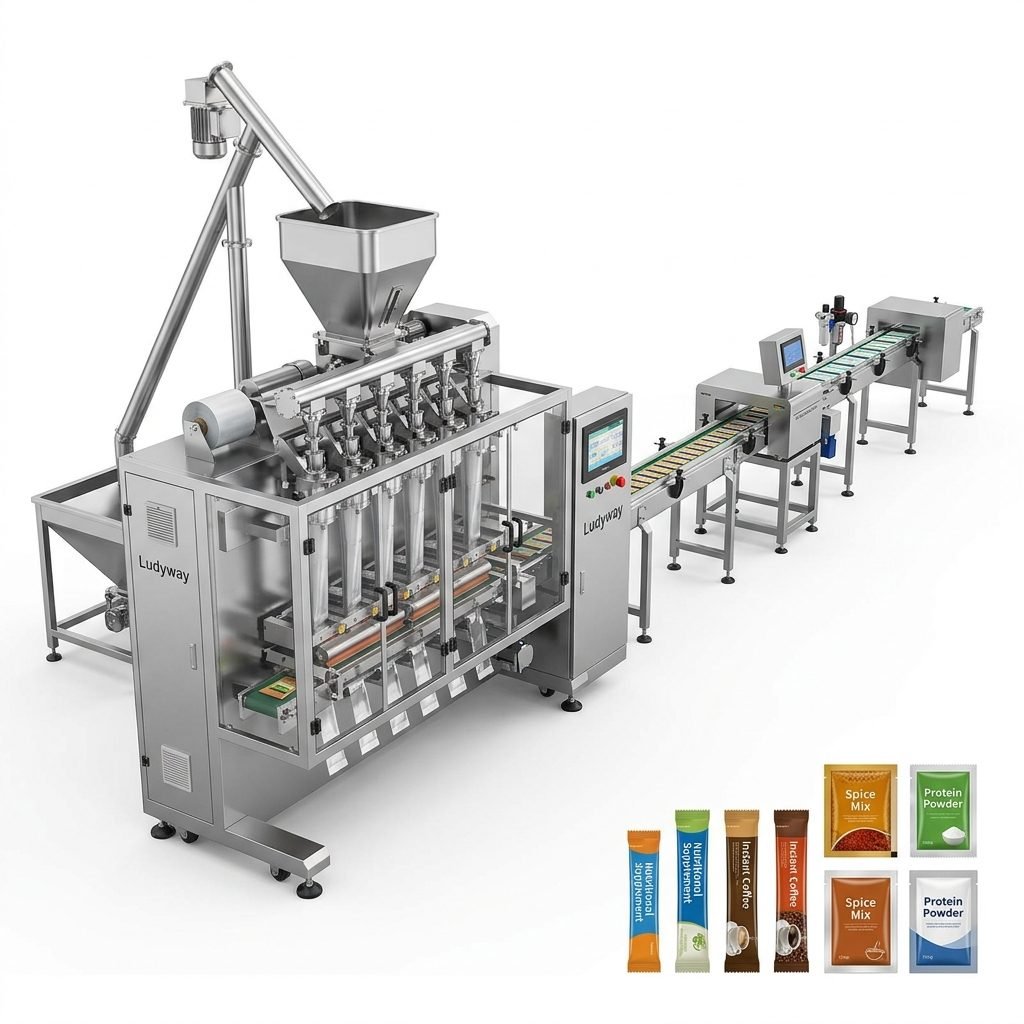
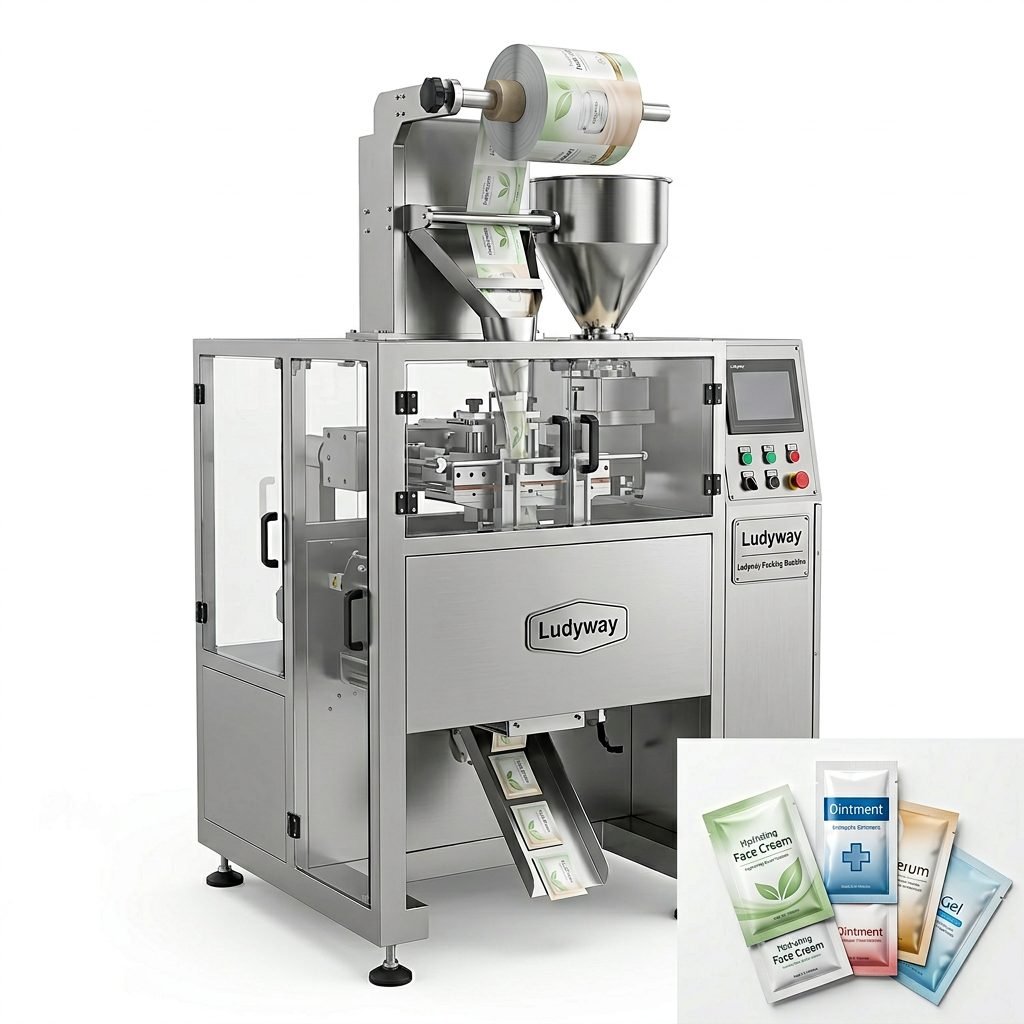
Investing in the right commercial packaging machine is a strategic decision that directly impacts your production efficiency, product quality, and long-term operational costs. With a vast array of technologies, configurations, and suppliers available, navigating this complex landscape requires a structured evaluation process. Whether you are automating a manual line or upgrading existing equipment, focusing on a few critical factors will help you select a packaging solution that meets your current needs and scales for future growth.
1. Evaluate Your Product Characteristics and Packaging Material
The physical and chemical properties of your product are the single most important starting point. The machine must handle your specific product type without degradation or excessive waste. A system designed for free-flowing granules is fundamentally different from one engineered for sticky powders, liquids with particulates, or fragile items. Key product variables to analyze include density, viscosity, particle size, dust level, and temperature sensitivity.
Equally critical is the packaging material structure. Flexible packaging materials range from single-layer films to complex multi-layer laminates with barrier properties. You must verify machine compatibility with your desired film type, thickness, and sealing characteristics. For instance, running recyclable mono-materials often requires precise temperature control and specialized sealing jaw designs. Ensure the equipment can handle the material without puckering, bridging, or creating weak seals that compromise shelf life. Manufacturers like Ludyway Machinery, with over 30 years of experience, often provide extensive material testing to validate compatibility before finalizing a machine configuration. Testing your actual product on the target machine is a non-negotiable step before purchase.
2. Define Your Bag Format, Size, and Production Speed
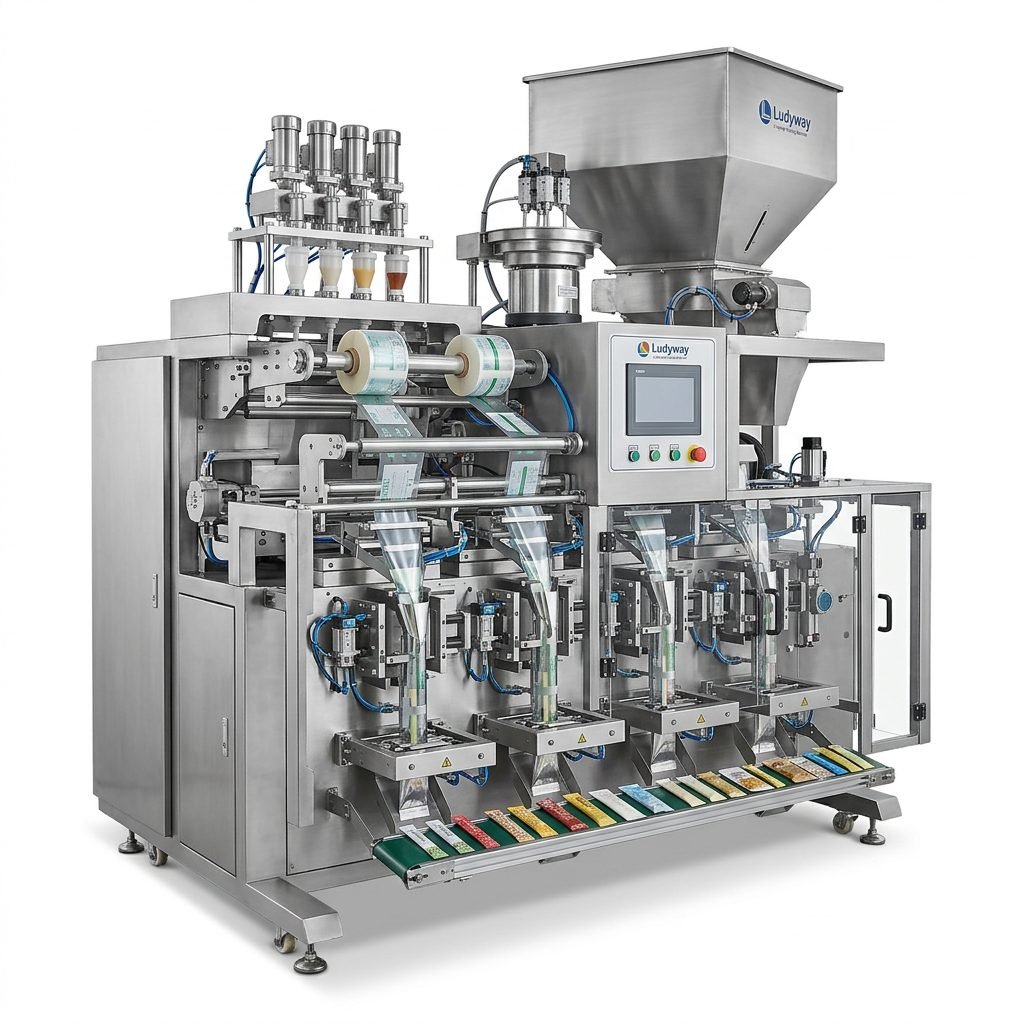
Packaging format flexibility defines the scope of your market reach. The commercial packaging machine must reliably produce the exact style you require. Common formats include pillow bags, gusseted pouches, stick packs, sachets, quad-seal bags, and doypacks. If you plan to launch multiple product lines or sizes, consider the machine’s changeover complexity. A system offering quick, tool-less changeover between different bag widths and lengths can save significant production time.
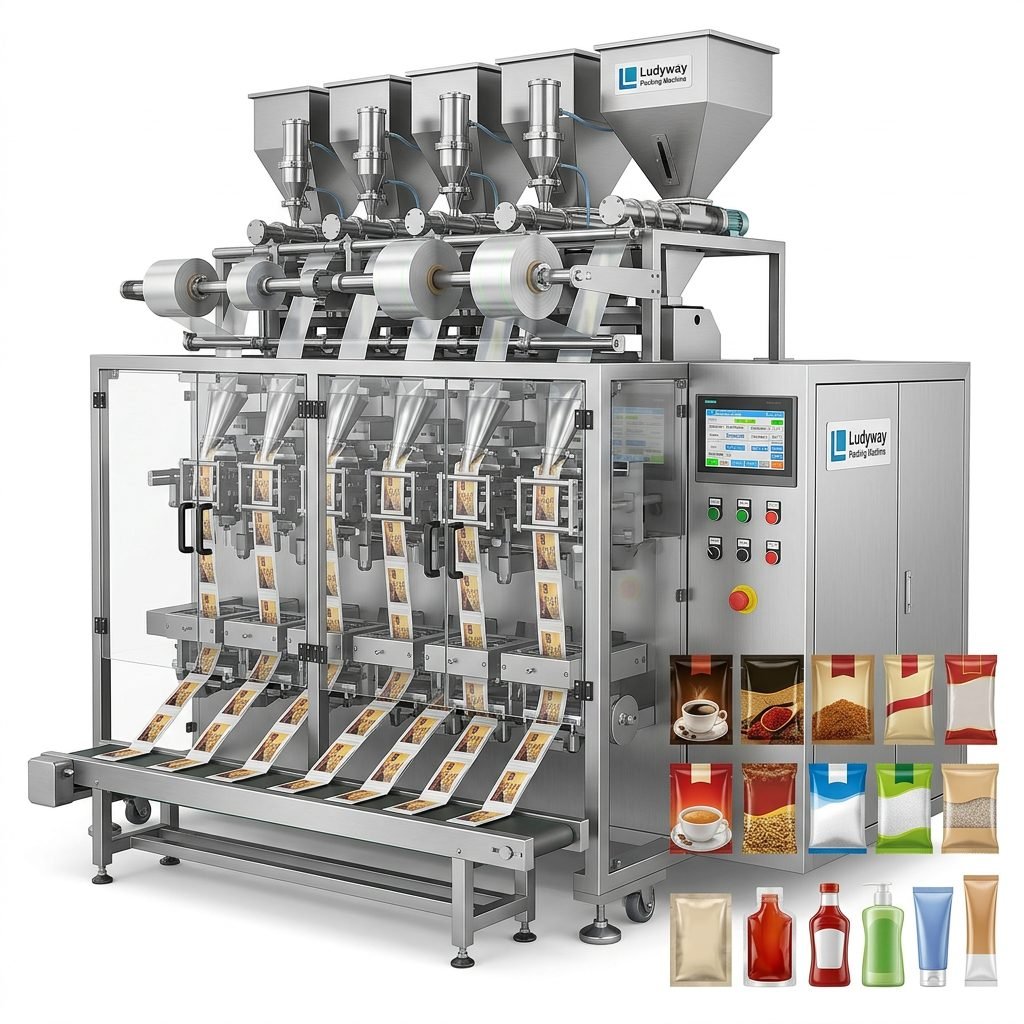
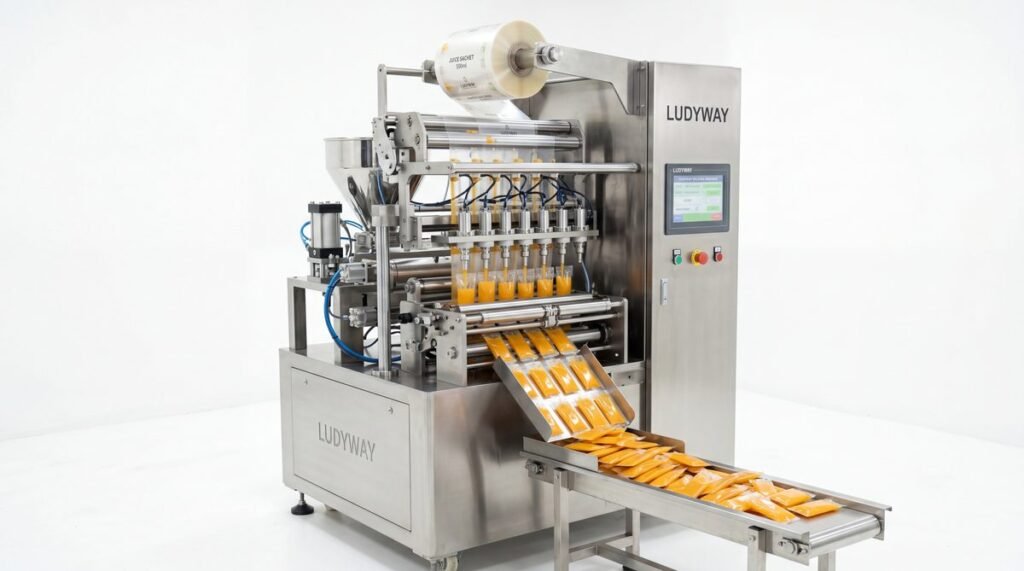
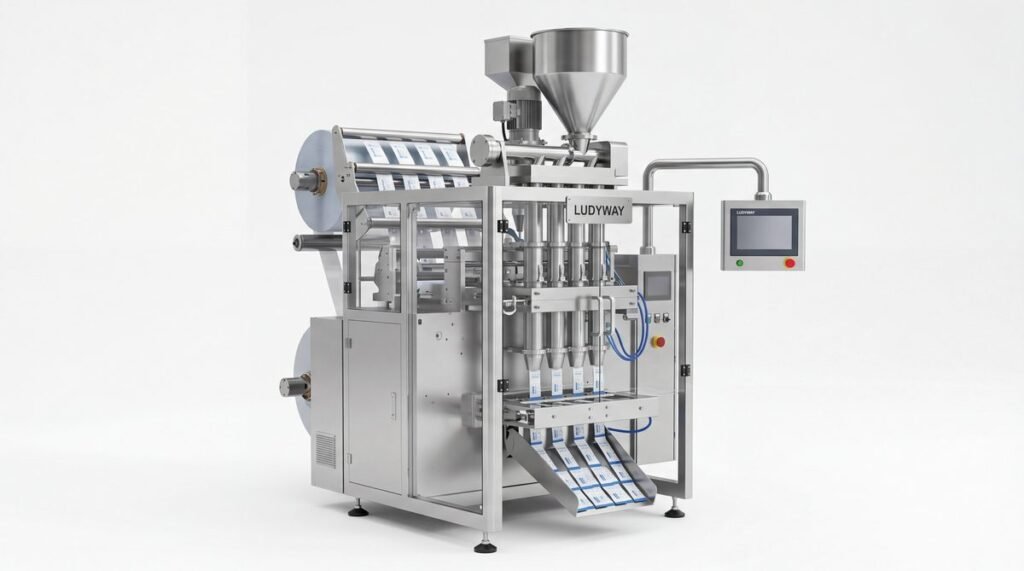
Production speed requirements must be balanced against accuracy. While a high-speed multi-lane packaging machine can output thousands of packs per hour, you need to match this to your upstream production and downstream cartoning capabilities. A bottleneck in any part of the line negates the benefit of a faster filler. Look closely at the relationship between cycles per minute and the actual sustained output rate, accounting for film splices and routine stoppages.
Key Speed and Format Considerations
- Bag dimensions: Minimum and maximum width/length capabilities.
- Multi-lane options: Running 2 to 20+ lanes simultaneously for stick packs.
- Changeover time: Tool-less adjustments versus complex mechanical changes.
- Seal integrity: Consistent seal pressure and temperature across the full width at speed.
3. Match the Dosing and Filling Technology to Your Product
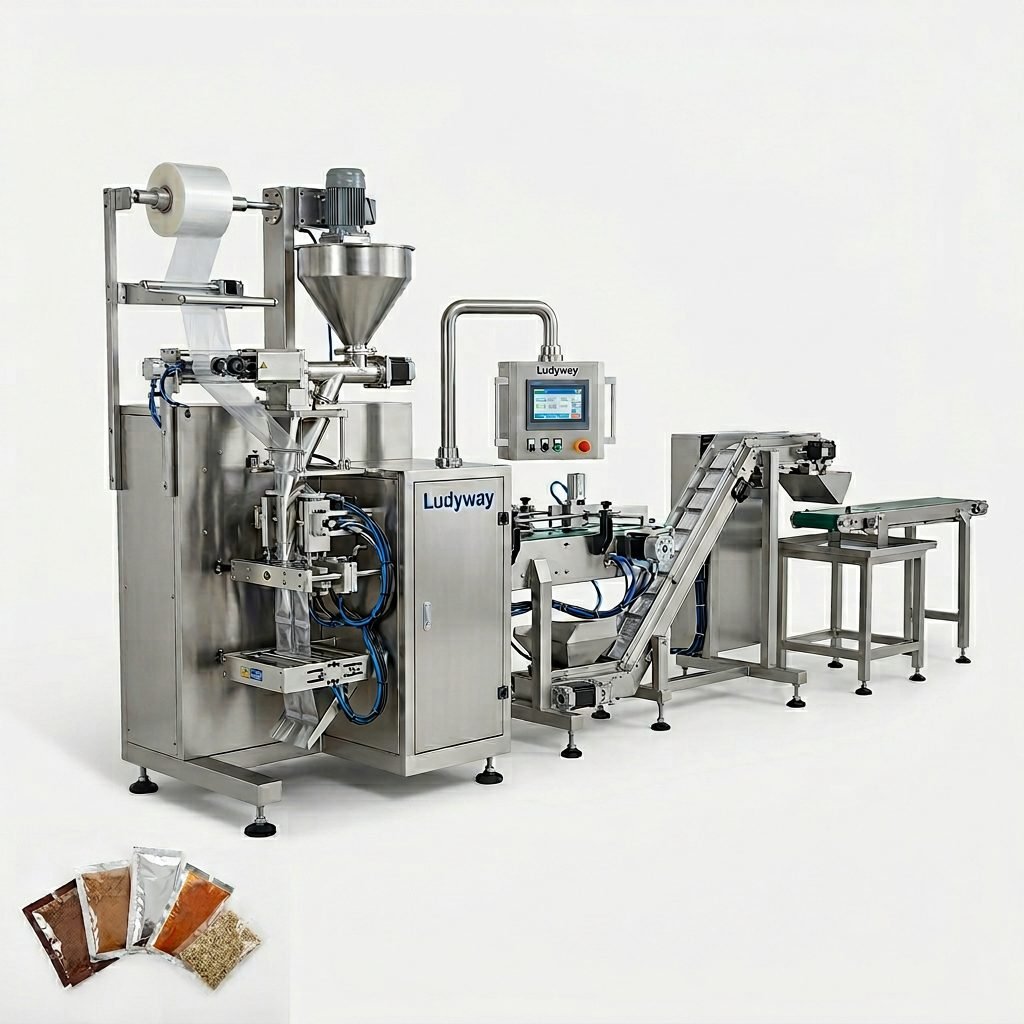
Dosing accuracy is the heart of your profitability. Giving away even a fraction of a gram per pack translates into massive losses over millions of units. The filling system technology must pair perfectly with your product’s flow characteristics. Volumetric cup fillers offer speed and simplicity for uniform, free-flowing granules, while auger fillers provide high accuracy for powders that bridge or vary in density. Multi-head weighers represent the gold standard for solid products requiring high precision and minimal giveaway. For liquids, pumping systems must account for viscosity, foam, and particulate content.
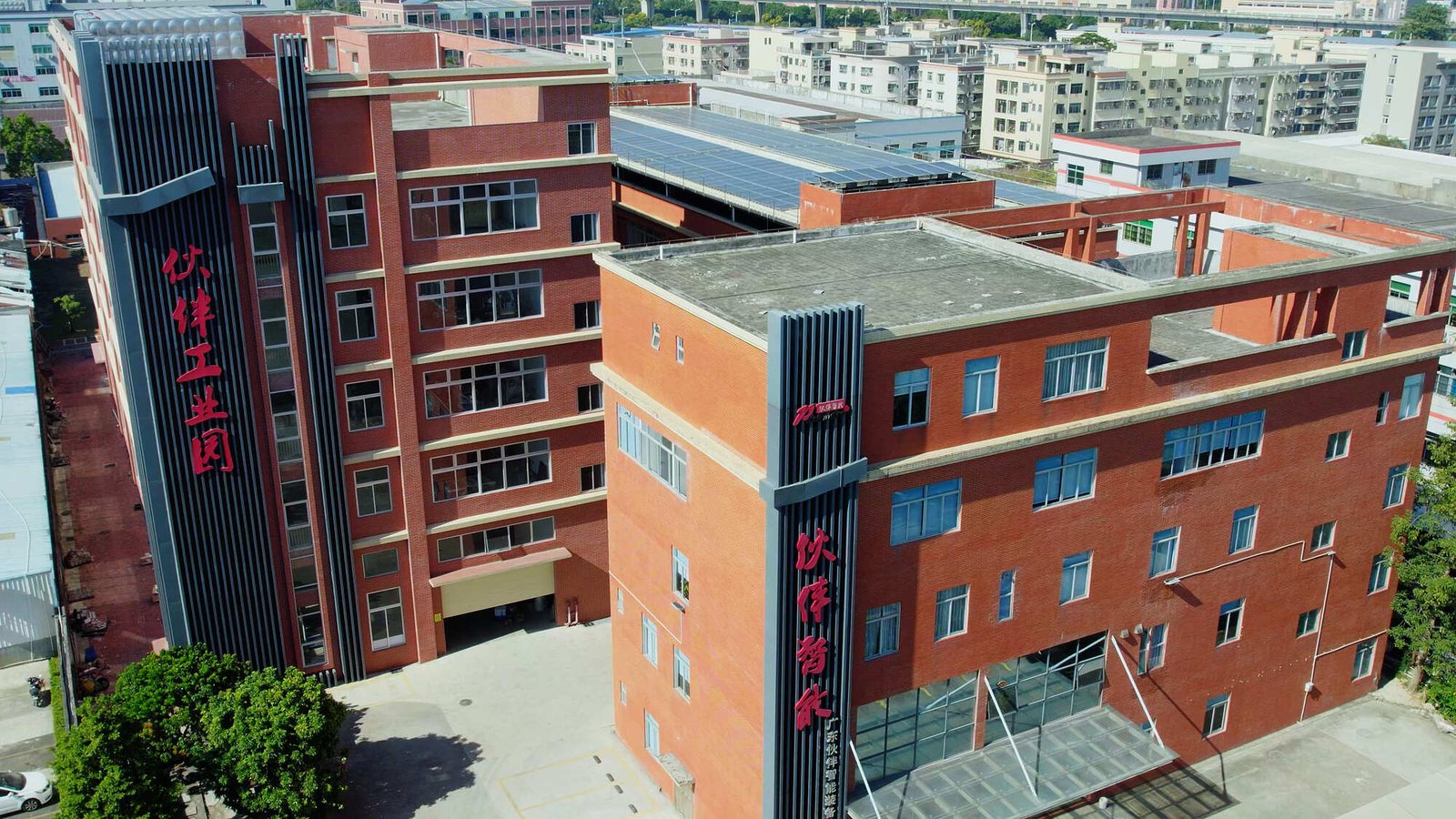
Integration is key. The dosing unit must communicate seamlessly with the bagger’s film advance and sealing cycle to avoid spillage or empty bags. Advanced systems feature automatic feedback loops that adjust subsequent doses based on checkweigher data, keeping giveaway to an absolute minimum while maintaining the product’s structural integrity.
4. Navigate Industry Compliance, Hygiene, and Standards
Regulatory compliance is not optional. Depending on your market, the machine design may need to adhere to strict FDA regulations for food contact, pharmaceutical GMP standards, or ATEX directives for explosive dust environments. Hygienic machine construction typically involves stainless steel frames, sloped surfaces to prevent product accumulation, and easy access for wash-down cleaning. If you produce products containing allergens or active pharmaceutical ingredients, containment and dust extraction systems become critical to prevent cross-contamination.
Industry-Specific Machine Requirements
| Industry | Critical Machine Feature | Common Certifications |
|---|---|---|
| Food and Beverage | Wash-down stainless steel, hygienic design | FDA, CE, HACCP compliance |
| Pharmaceuticals | Containment, validation documentation, dust control | cGMP, 21 CFR Part 11 |
| Chemicals and Agrochemicals | Corrosion-resistant materials, safety interlocks | ATEX, GMP |
| Cosmetics and Personal Care | Gentle product handling, quick format changeover | ISO 22716, GMP |
5. Assess Automation Level and Integration Capabilities
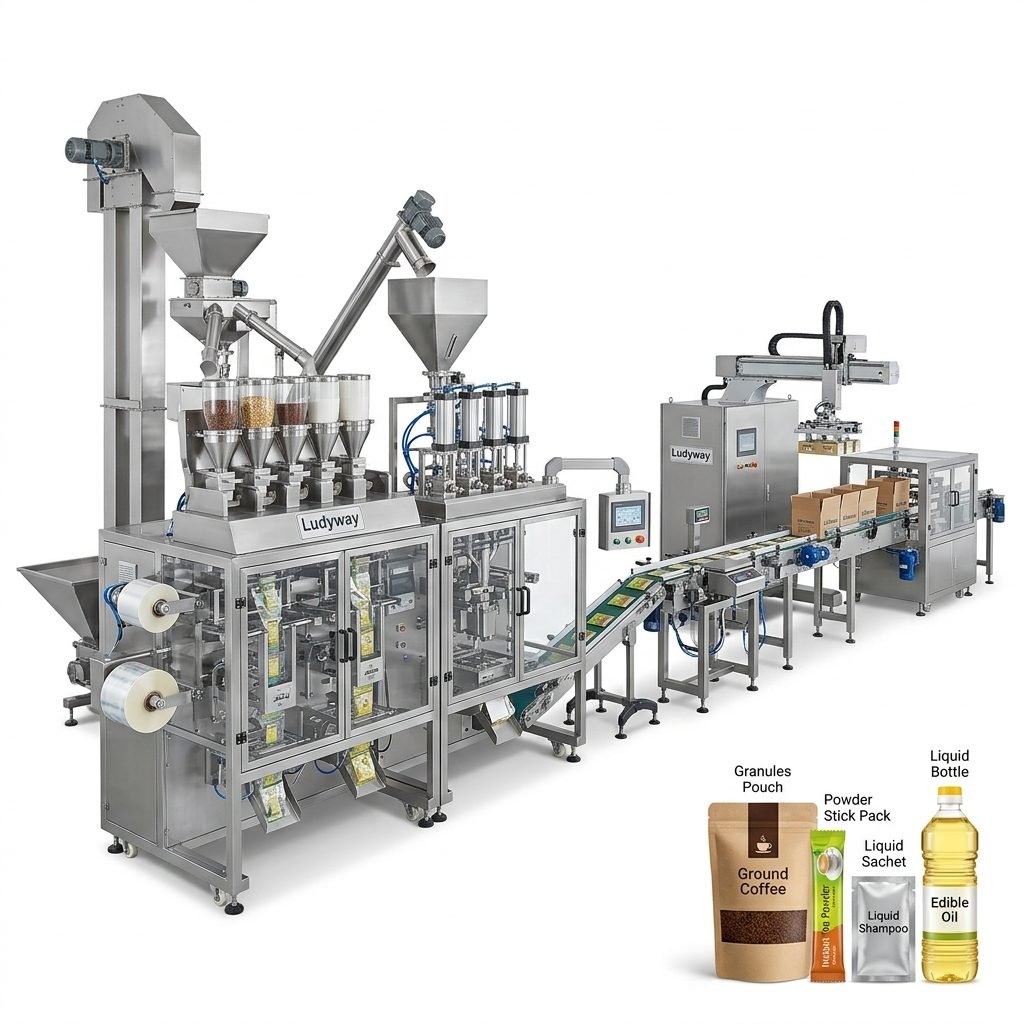
Modern packaging lines extend far beyond the filling and sealing station. A true commercial packaging machine functions as part of a synchronized ecosystem. Assess whether you need a standalone unit seamlessly connecting to your existing conveyors, cartoners, case packers, and palletizers. The control architecture matters immensely. Open-architecture PLC systems with industrial communication protocols like Ethernet/IP or Profinet simplify data exchange across the line. Features like remote access for diagnostics, user-friendly HMI touchscreens, and automated rejection stations for out-of-spec packages significantly boost overall equipment effectiveness.
6. Select a Partner with Deep Application Experience
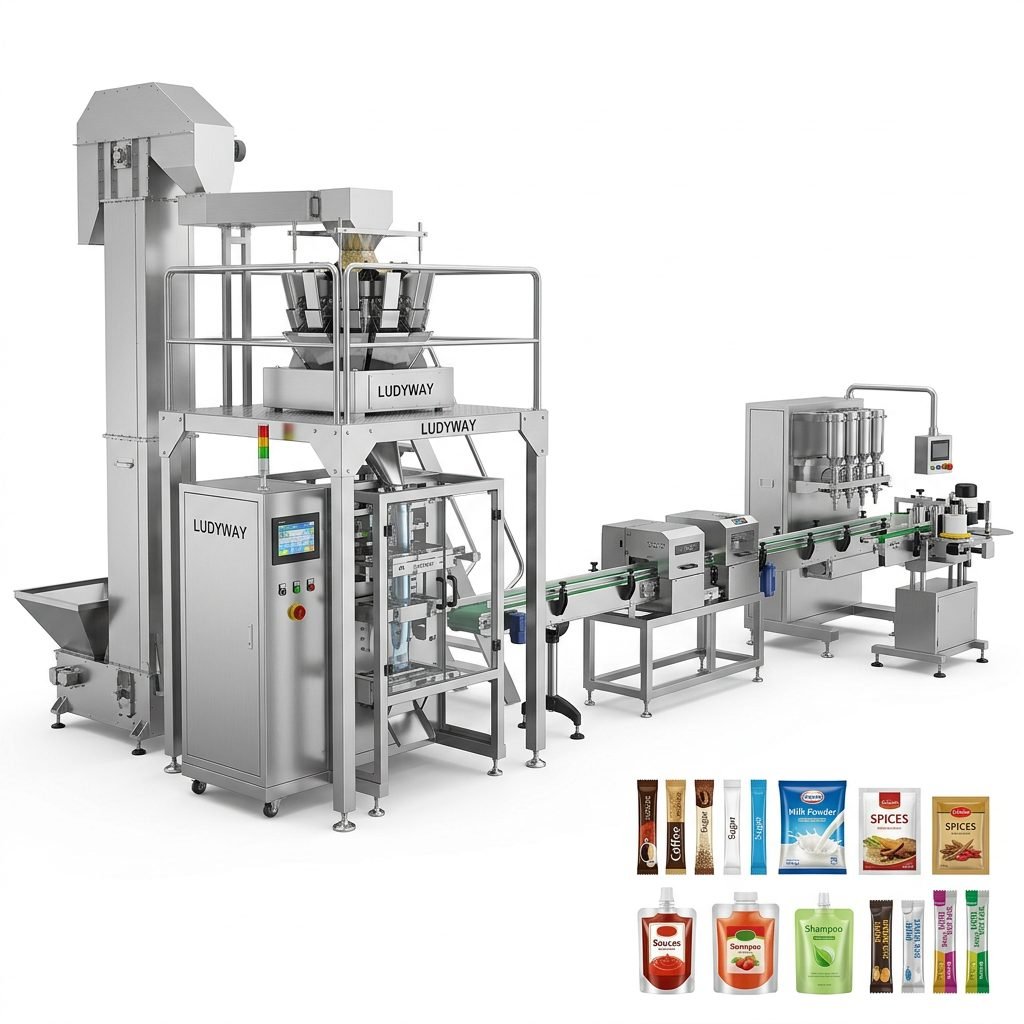
Selecting a supplier with genuine engineering depth is fundamentally different from buying a catalog machine. A partner with a 20,000-square-meter manufacturing facility and an engineering team that works on mechanical design, filling systems, automation, and control integration can solve complex application challenges. The most valuable partnerships focus on customized configurations rather than standard machines, offering everything from single machines to fully integrated, turnkey packaging lines. This single-source approach streamlines equipment selection, system integration, installation, and ongoing technical support, ensuring consistent performance across the entire production cycle.
7. Calculate Total Cost of Ownership (TCO) Not Just Purchase Price
The sticker price of a machine tells only a fraction of the story. A holistic total cost of ownership analysis reveals the real long-term investment. Factor in energy consumption, compressed air requirements, and the expected lifespan of wear parts such as sealing jaws, belts, and cutting blades. Evaluate the cost and availability of genuine spare parts. A machine designed with globally recognized brands for pneumatics and electrical components often provides more straightforward local sourcing and maintenance. Additionally, quantify expected film waste during start-up and changeover, as this waste is a continuous operational cost multiplier.
Hidden Costs to Evaluate
- Consumables: Sealing elements, grippers, filters, and lubricants.
- Film waste percentage: Length of film scrapped during splices and adjustments.
- Spare parts inventory: Necessary initial stock of critical components.
- Operator training: Time required to reach full proficiency.
Also, consider the cost of downtime. A robust machine with predictable maintenance schedules, supported by remote technical assistance and a responsive after-sales service team, minimizes expensive production interruptions. Suppliers serving customers in more than 100 countries with dedicated project lifecycle support help manufacturers maintain operational consistency year after year.
8. Validate After-Sales Support and Service Infrastructure
Even the most robustly engineered machine requires support. Before committing, map out the after-sales service infrastructure. This covers installation and commissioning services, operator and maintenance training programs, and clear warranty terms. The supplier’s ability to provide rapid troubleshooting, either via remote diagnostics or local service engineers, is critical for global operations. Ask directly about typical response times, the format of technical documentation, and the availability of spare parts kits tailored to your machine configuration. Support that covers the entire project lifecycle, from installation through long-term technical assistance, secures your production line’s uptime.
9. Future-Ready Design: Scalability and Flexibility
A packaging machine is a long-term asset. The chosen platform must accommodate evolving business needs without requiring a complete replacement. Look for modular machine architectures where you can add lanes, integrate new dosing heads, or upgrade control software. Flexibility in handling a range of packaging materials, including emerging recyclable structures, protects your investment against shifting market regulations like the European Packaging and Packaging Waste Regulations. Consider machines capable of connecting to smart factory systems for real-time data collection, predictive maintenance alerts, and performance monitoring via integrated digital dashboards.
10. Prioritize Safety and Ergonomic Design
Operator safety directly affects productivity and liability. A well-designed commercial packaging machine incorporates physical guarding, safety light curtains, and interlocked access doors that meet ISO packaging safety standards. Ergonomic design reduces physical strain during operation, material loading, and routine maintenance. Features such as easy-to-reach control panels, guided film threading paths, and centralized lubrication points reduce operator error and speed up recovery from stoppages. A safe, user-centric design philosophy correlates strongly with sustained high performance and lower staff turnover in production roles.
By methodically evaluating these factors—from product characteristics and filling technology to total cost of ownership and global service support—manufacturers can confidently select a packaging system that meets precise production goals. The right decision places a reliable, automated, and scalable packaging solution at the heart of your manufacturing operation, ready to support growth in a competitive global market.