Selecting the right medication packaging machine is a critical decision for any pharmaceutical manufacturer, contract packager, or compounding pharmacy. The right equipment directly impacts product integrity, patient safety, operational efficiency, and regulatory compliance. With a vast array of technologies available, from simple sachet machines to complex blister packaging lines, navigating the options can be complex. This comprehensive guide will explore the different types of medication packaging machines, their key features, and provide a structured framework to help you choose the best solution for your specific production needs.
Understanding the Different Types of Medication Packaging Machines
The pharmaceutical industry utilizes several primary packaging formats, each requiring specialized machinery. Your choice will largely depend on the dosage form (solid, liquid, powder), required barrier properties, and patient convenience.
Blister Packaging Machines
Blister packaging is one of the most common methods for unit-dose solid oral medications like tablets and capsules. A blister machine forms cavities (blisters) from a thermoformable plastic web, places the product into the cavities, and then seals a lidding material (often foil) on top. This format provides excellent product protection, tamper evidence, and clear patient compliance aids through calendar blisters.
Key Applications: Tablets, capsules, lozenges. Ideal for unit-dose, compliance, and clinical trial packaging.
Sachet and Stick Pack Packaging Machines
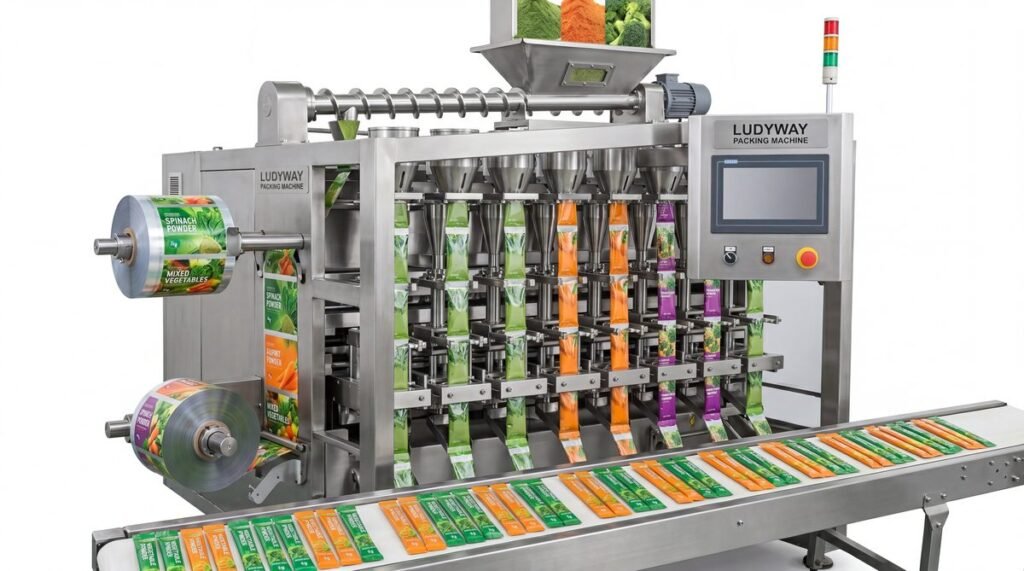
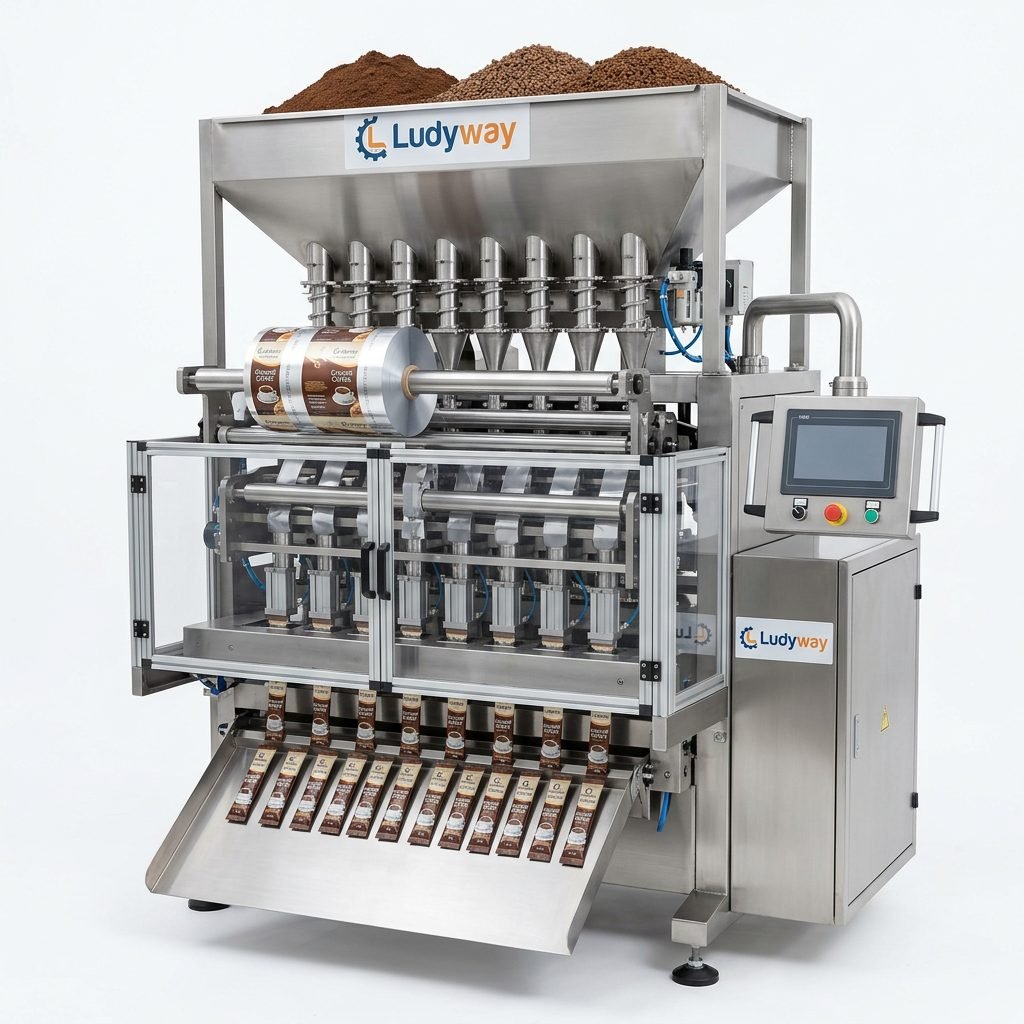
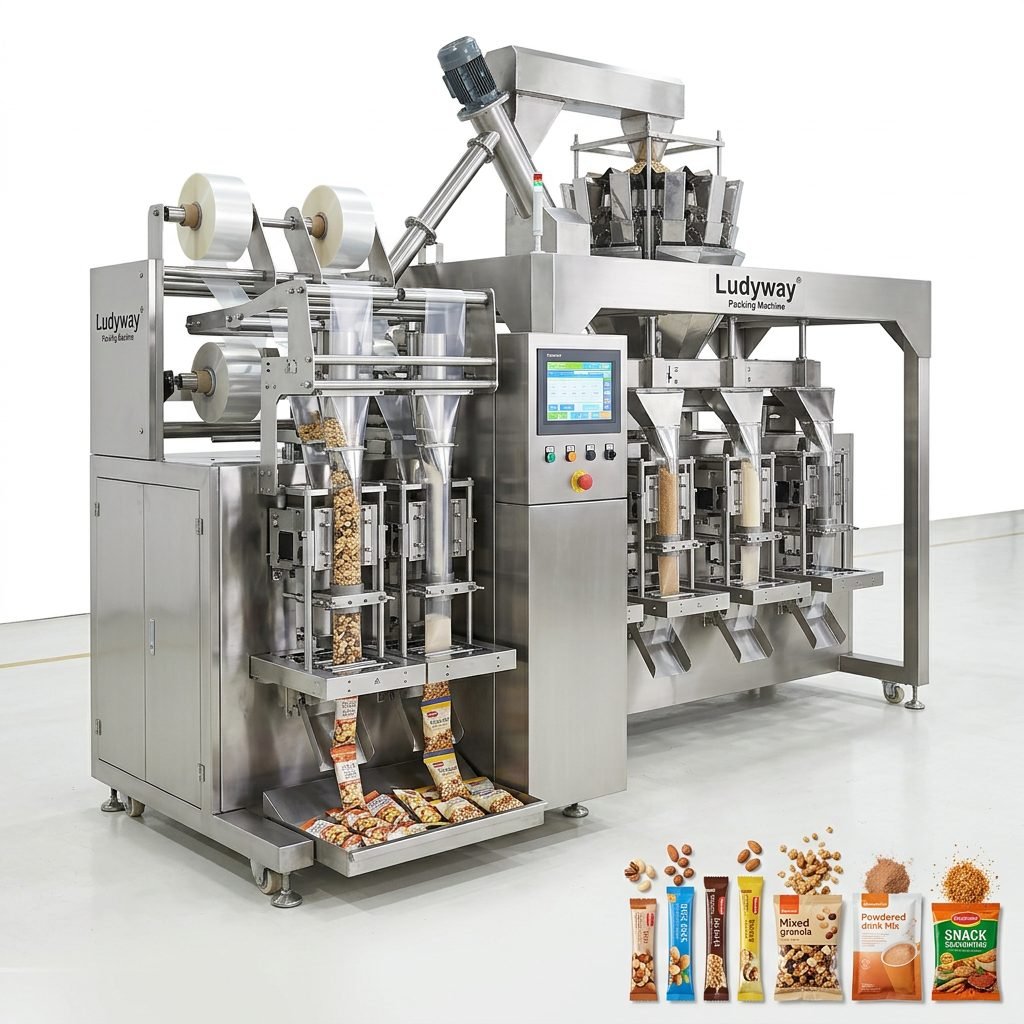
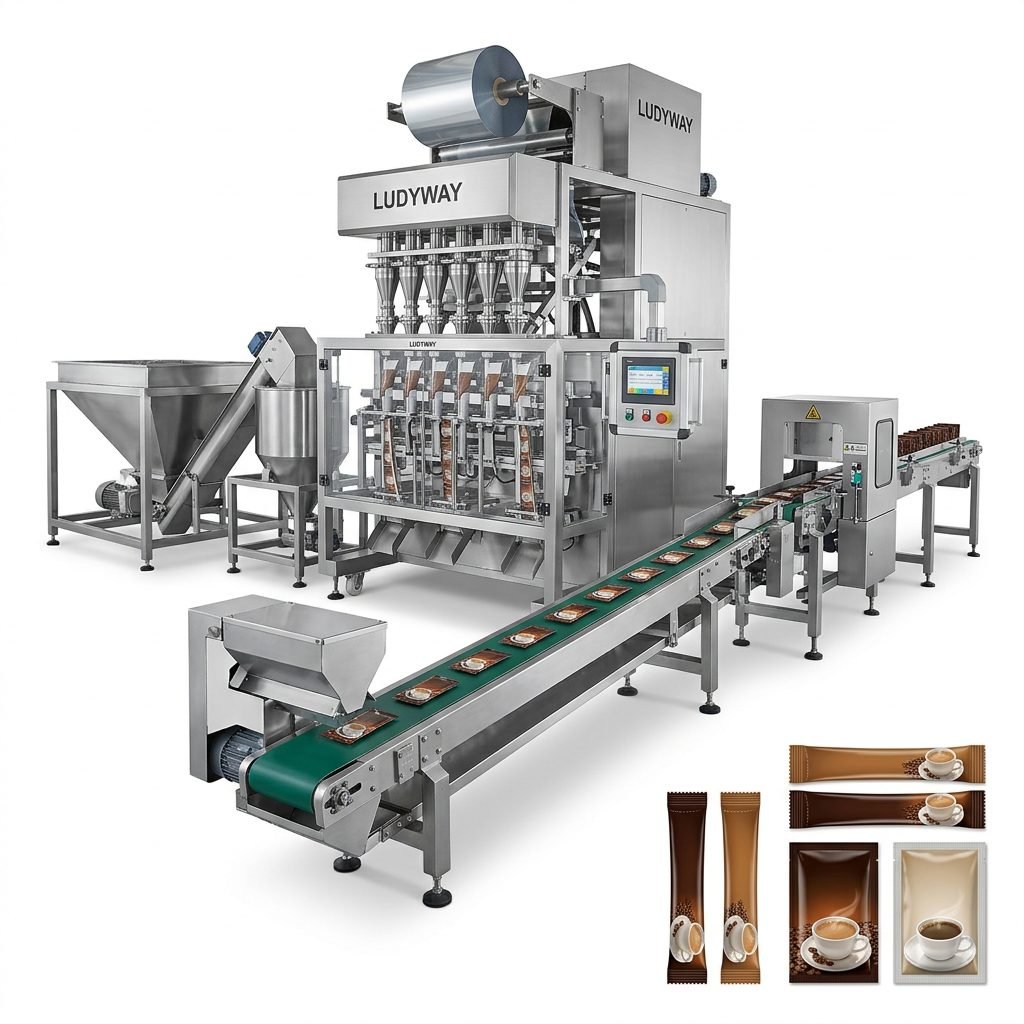
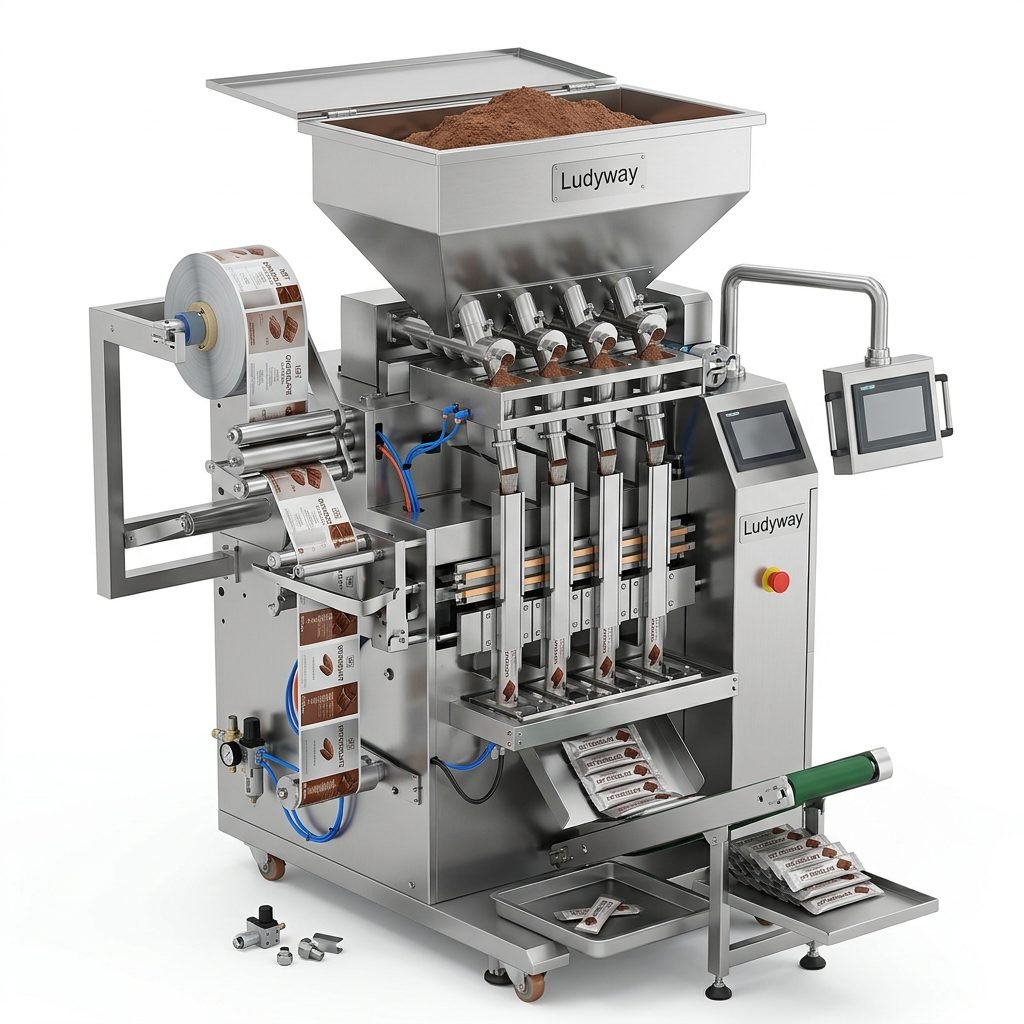
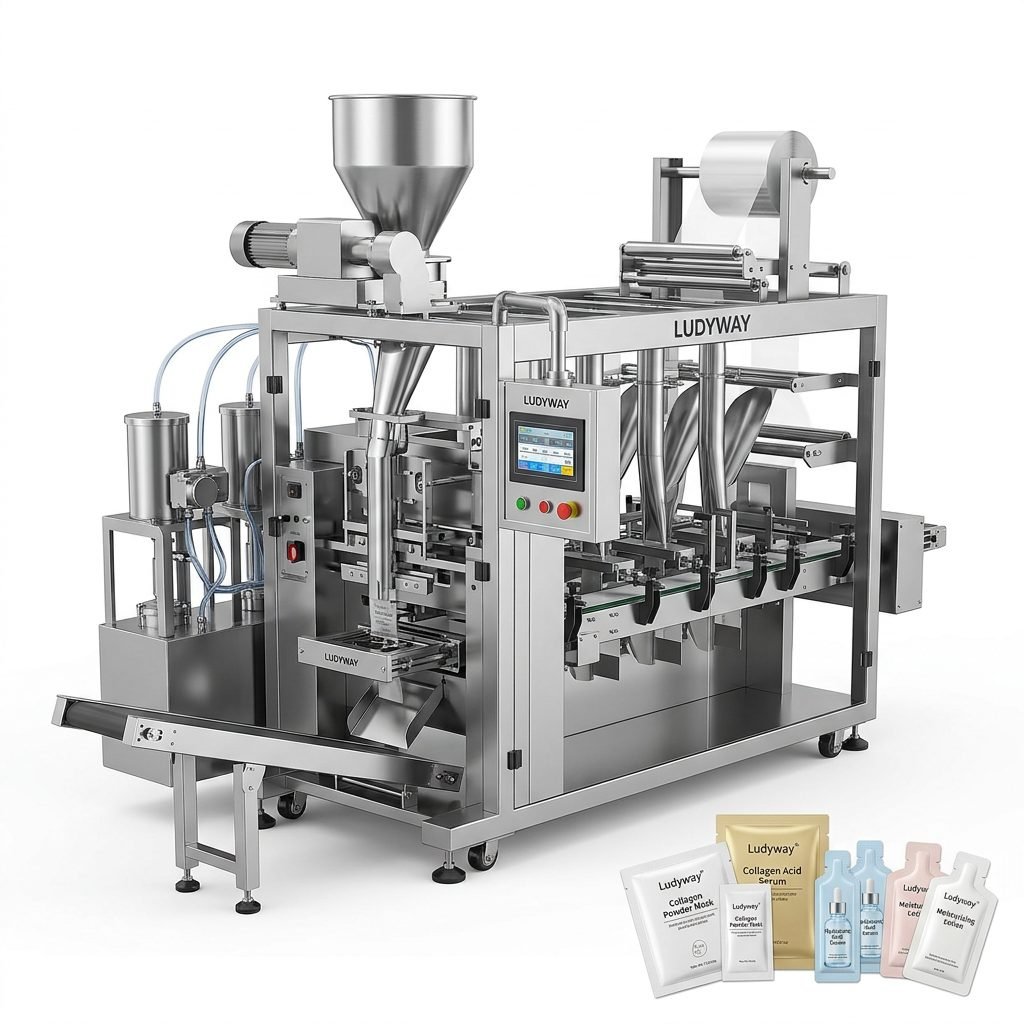
These machines are designed for single-dose packaging of powders, granules, or liquids. They form, fill, and seal a single pouch from a roll of laminated film. Sachet machines typically produce larger, rectangular pouches, while stick pack machines create long, narrow “sticks.” They are perfect for effervescent powders, oral rehydration salts, powdered supplements, and liquid doses.
Bottle Filling and Capping Lines
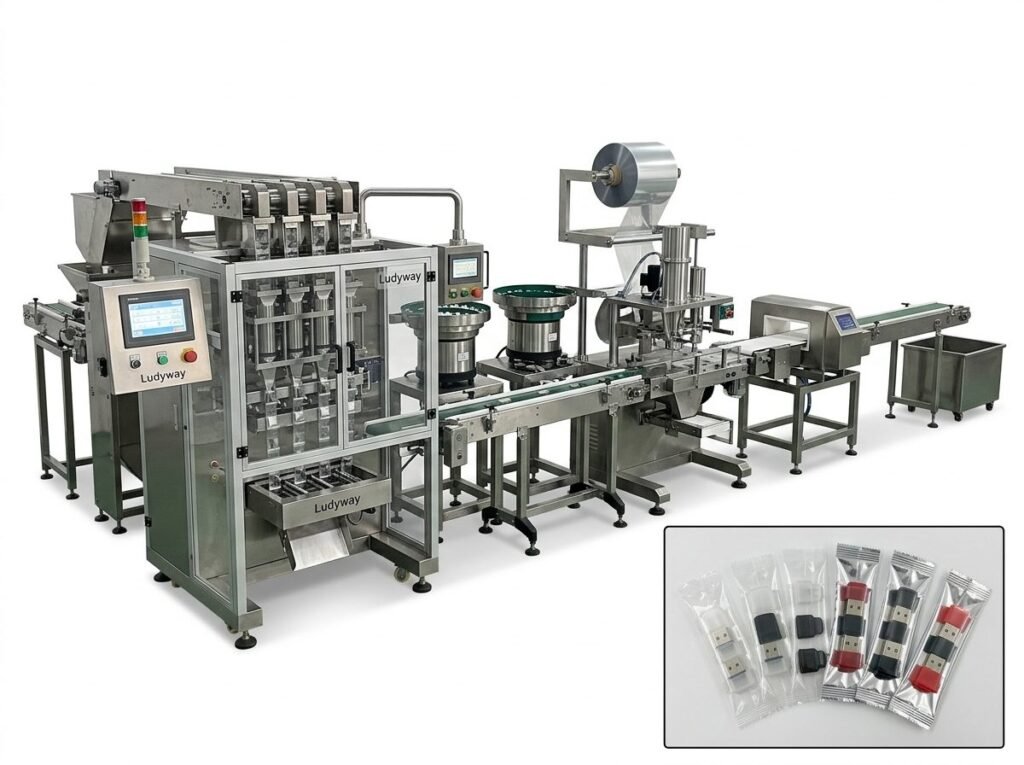
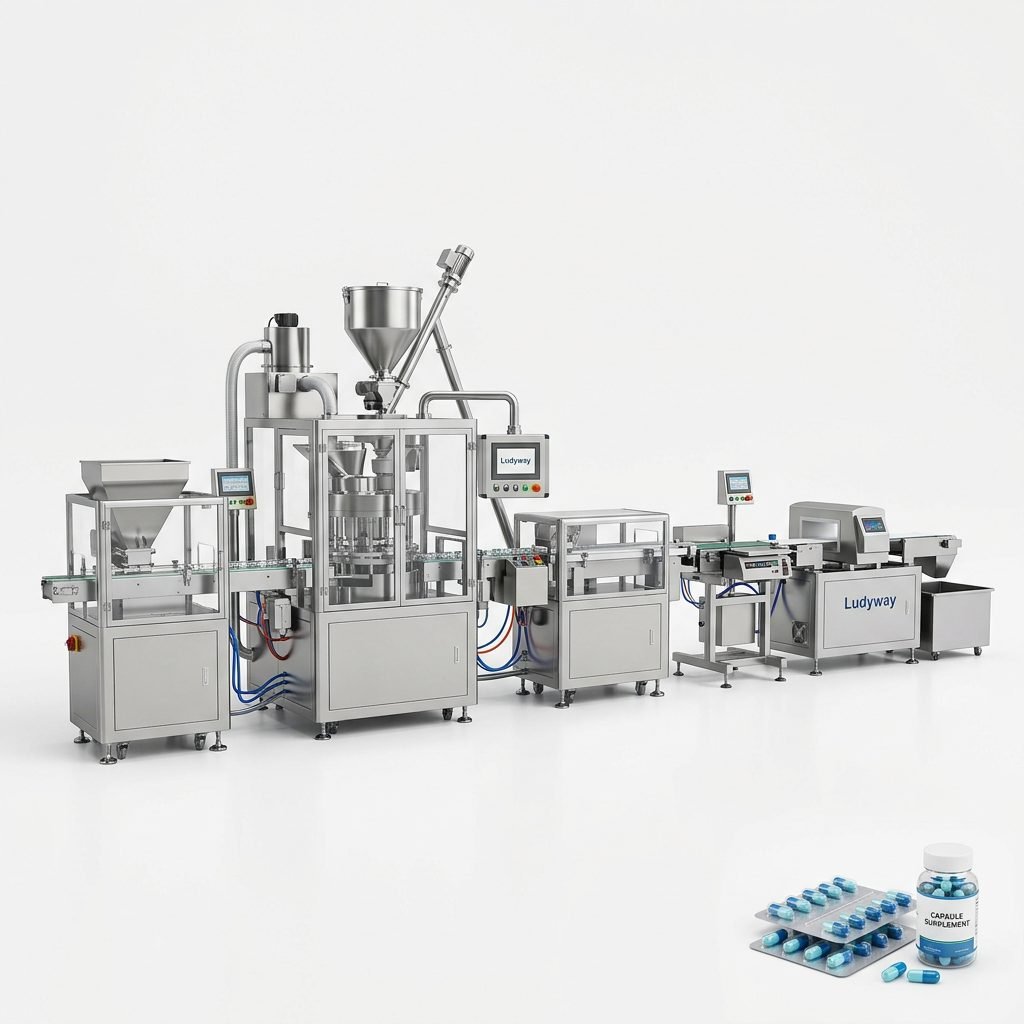
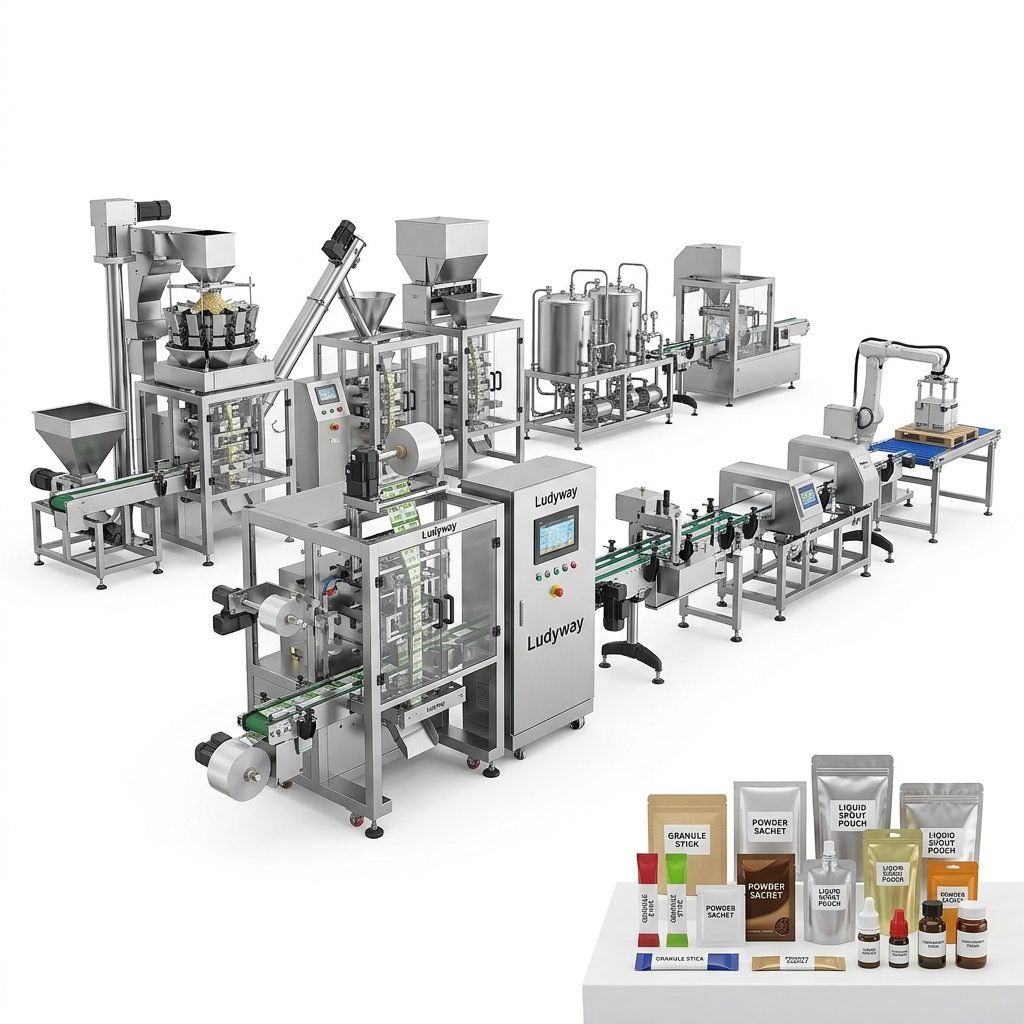
For bulk or multi-dose packaging of tablets, capsules, or liquids, automated bottle filling systems are essential. A complete line often includes a bottle unscrambler, filling machine (by count, volume, or weight), cottoning/induction sealing unit, capping machine (for screw caps, snap caps, or child-resistant closures), and labeling equipment.
Cartoning Machines
Cartoners are secondary packaging machines that automatically erect folding cartons, insert the primary packaged product (blisters, bottles, sachets), along with leaflets, and close the carton. They are crucial for creating the final retail-ready box that includes all mandatory regulatory information.
Essential Features and Capabilities to Evaluate
Beyond the basic type, the features of a packaging machine determine its suitability, reliability, and long-term value. Here are the critical aspects to scrutinize.
1. Accuracy and Precision
For pharmaceuticals, dosing accuracy is non-negotiable. Look for machines with high-precision servo-driven fill systems, check-weighers, or vision inspection systems integrated to ensure every single dose meets the exact weight or count specification. This is paramount for patient safety and regulatory adherence (e.g., FDA, EMA, MHRA standards).
2. Speed and Output (Throughput)
Machine speed, measured in packs per minute (PPM), must align with your production volume requirements. Consider not just peak speed but sustainable operational speed. A high-speed blister machine might run at 300+ blisters per minute, while a stick pack line could produce 200+ sticks per minute. Balance speed with changeover flexibility for smaller batch runs.
3. Flexibility and Changeover
If you package multiple product SKUs (different shapes, sizes, doses), quick and tool-less changeover is vital. Machines with servo technology and digital recipe storage allow for faster size changes, minimizing downtime and boosting overall equipment effectiveness (OEE).
4. Hygienic Design and Cleanability
Pharmaceutical packaging equipment must be designed for easy and thorough cleaning to prevent cross-contamination. Features include stainless steel contact surfaces, rounded corners, easy-access panels, and compatibility with clean-in-place (CIP) or wash-down procedures. This is especially critical for potent compounds or antibiotic packaging.
5. Regulatory Compliance and Documentation
The machine should be designed and constructed to meet relevant Good Manufacturing Practice (GMP) guidelines and international safety standards (e.g., CE, UL). Suppliers should provide a comprehensive Design Qualification (DQ) / Factory Acceptance Test (FAT) dossier, and the machine should facilitate Installation Qualification (IQ) and Operational Qualification (OQ) processes.
💡 Pro Tip: Always request the machine’s User Requirements Specification (URS) template from the supplier. A good supplier will help you define critical parameters like accuracy, materials of construction, safety features, and required documentation upfront.
6. Integration with Track & Trace and Serialization
With global regulations mandating product serialization (like the U.S. DSCSA or EU FMD), the ability to integrate with coding, printing, and verification systems (e.g., inkjet printers, vision cameras, aggregation software) is a must for primary and secondary packaging lines.
How to Choose the Best Solution: A Step-by-Step Framework
Making an informed investment requires a systematic approach. Follow these steps to narrow down your options and select the optimal machine.
Step 1: Define Your Core Requirements
Start by detailing your specific needs: Product characteristics (form, density, sensitivity), packaging materials (film type, foil, carton grade), desired output rate, floor space (footprint), and available utilities (electrical, compressed air). Don’t forget future needs to ensure scalability.
Step 2: Research and Shortlist Reputable Suppliers
Look for suppliers with proven experience in pharmaceutical packaging. Evaluate their industry reputation, client portfolio, and after-sales support network. A supplier like Ludyway Machinery, with over a decade of specialization in packaging solutions for the pharmaceutical and health industries, can offer valuable expertise and reliable equipment tailored to stringent sector demands.
Step 3: Request Demonstrations and Factory Acceptance Tests (FAT)
Never buy based on specifications alone. Arrange to run your actual product (or a close simulant) on the shortlisted machines. Observe the operation, measure accuracy and speed, and assess the ease of operation and cleaning. A thorough FAT at the supplier’s facility is crucial to verify performance before installation.
Step 4: Evaluate Total Cost of Ownership (TCO)
Look beyond the initial purchase price. Calculate TCO by factoring in energy consumption, expected maintenance costs, spare part pricing and availability, required operator skill level, and potential costs for future upgrades or integration. A slightly higher upfront cost for a more robust, efficient, and service-friendly machine often leads to lower long-term costs.
Step 5: Assess Training, Support, and Service
Ensure the supplier provides comprehensive operator and maintenance training. Clarify warranty terms, service response times, and the availability of technical support (remote and on-site). A reliable partner provides not just a machine, but a long-term support system to ensure uptime and productivity.
Conclusion
Investing in a medication packaging machine is a strategic decision that affects your product quality, compliance status, and bottom line. By thoroughly understanding the different machine types, critically evaluating key features like accuracy, hygiene, and compliance readiness, and following a disciplined selection process, you can confidently choose a solution that delivers reliability, efficiency, and peace of mind. Partnering with an experienced supplier who understands the unique challenges of pharmaceutical packaging is the final, critical step toward a successful implementation and optimized packaging operation.
Frequently Asked Questions (FAQs)
1. What is the most important factor when choosing a pharmaceutical packaging machine?
While many factors are important, accuracy and regulatory compliance are paramount. The machine must consistently deliver the correct dose and be built and documented to meet GMP standards, as patient safety and adherence to regulations like those from the FDA are non-negotiable in the pharmaceutical industry.
2. Can one machine handle different types of medications and package sizes?
Yes, many modern machines offer high flexibility. The key is to look for models with servo-driven adjustments and quick-change tooling. This allows for relatively fast changeovers between different product shapes, doses, and packaging formats (e.g., different blister sizes or sachet dimensions), which is ideal for contract packagers or companies with diverse product lines.
3. How do I ensure the packaging machine will be easy to clean and maintain?
During your evaluation, specifically request details on the hygienic design. Look for smooth, stainless steel surfaces, minimal crevices, and easy disassembly of product contact parts. Review the recommended cleaning procedures and ask for a demonstration of a cleaning cycle. Good suppliers design with cleanability as a core principle.
4. What kind of after-sales support should I expect from the supplier?
You should expect comprehensive support including: detailed installation and commissioning guidance, thorough operator and maintenance training programs, clear documentation (manuals, parts lists), readily available spare parts, and responsive technical support (via phone, email, and on-site service). A reliable supplier acts as a long-term partner for your production success.
5. Is it necessary to visit the supplier’s factory before purchasing?
It is highly recommended. A factory visit allows you to inspect their manufacturing and quality control processes, see the machine being built, and most importantly, conduct a Factory Acceptance Test (FAT). Running your own product during a FAT is the best way to verify the machine’s performance, speed, and accuracy before it is shipped to your facility.