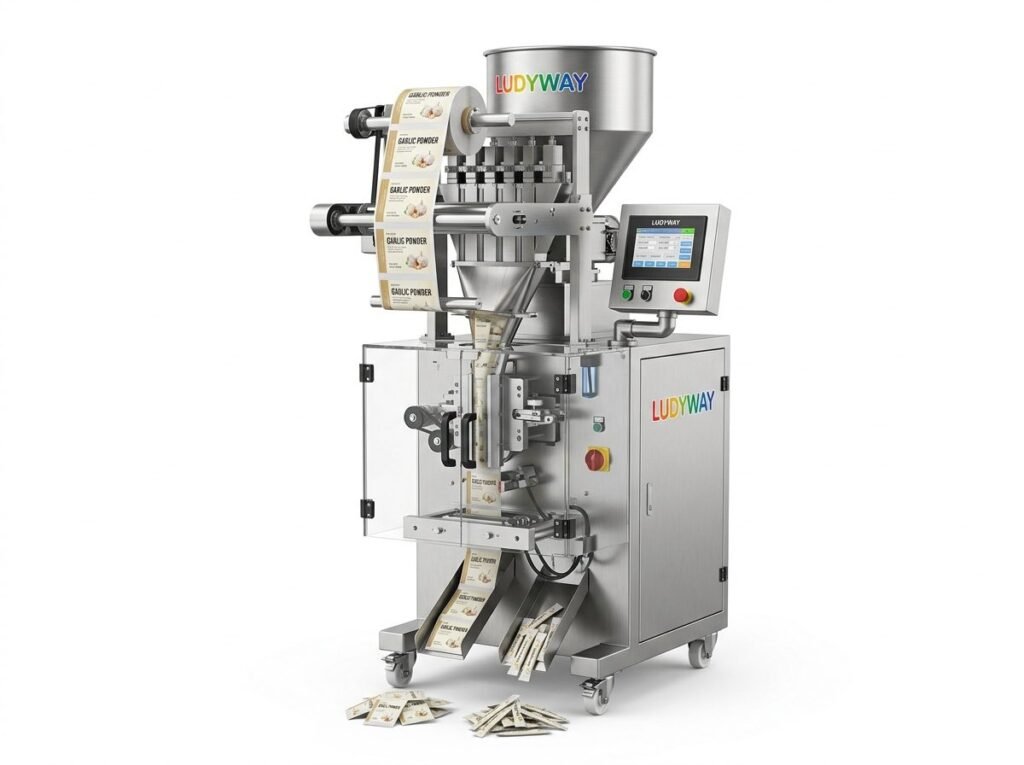
Selecting the right sugar sachet packing machine is a critical investment for manufacturers in the food, hospitality, and portion-packaging sectors. With the global shift toward single-serve formats, driven by hygiene concerns and convenience trends, the demand for efficient sugar stick pack and sachet machinery has surged. According to the PMMI 2026 State of the Industry report, flexible packaging machinery orders continue to climb, reflecting sustained market appetite for automated sachet solutions. However, not all machines are built alike. This guide breaks down the essential factors — from product characteristics to output speed — so you can make an informed purchasing decision.
Understanding Sugar Product Characteristics
Before comparing machine specifications, start with a thorough analysis of your product. Sugar is not a one-size-fits-all ingredient. Granulated white sugar, powdered sugar, brown sugar, and sugar substitutes each behave differently during filling and sealing.
- Particle size and flowability: Granulated sugar flows freely, making it compatible with volumetric cup fillers. Powdered sugar, however, tends to clump and become airborne, often requiring auger fillers or dust extraction systems.
- Moisture sensitivity: Brown sugar has higher moisture content and can cake easily, demanding careful environmental controls and specific sealing technologies.
- Hygroscopic properties: Certain sugar substitutes absorb ambient moisture rapidly. Machines with airtight film handling and immediate sealing capabilities are essential for these products.
Key Packaging Format Considerations
Your target market typically dictates the packaging format. Are you producing stick packs for coffee service, flat sachets for restaurant counters, or larger pillow bags for catering establishments?
| Format | Typical Grammage | Common Use | Recommended Lane Configuration |
|---|---|---|---|
| Stick Pack | 3g – 8g | Coffee shops, airlines | 4-lane to 12-lane |
| 3-Side Seal Sachet | 5g – 15g | Restaurants, hotels | 2-lane to 8-lane |
| 4-Side Seal Sachet | 5g – 20g | Retail, bulk catering | 2-lane to 10-lane |
| Pillow Pack | 10g – 50g | Institutional, vending | Single-lane to 4-lane |
Production Speed and Lane Configuration
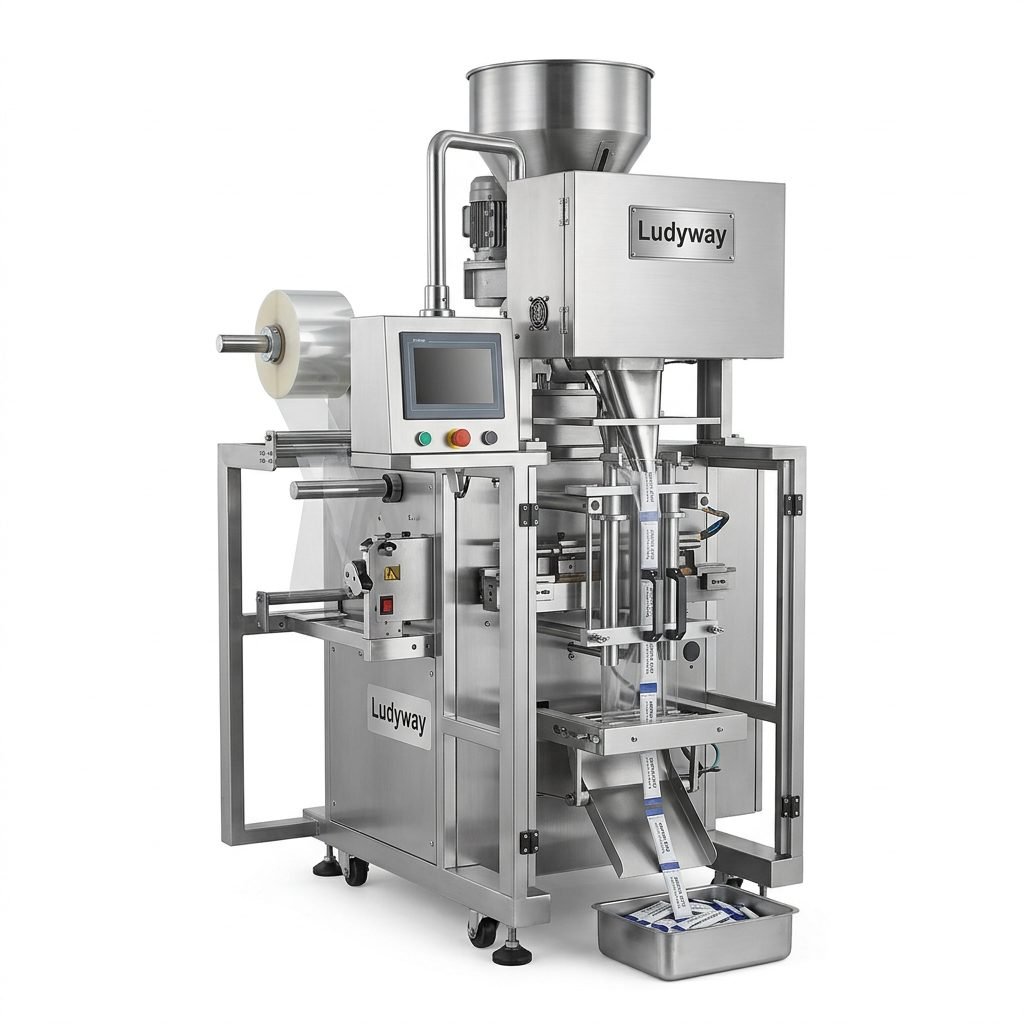
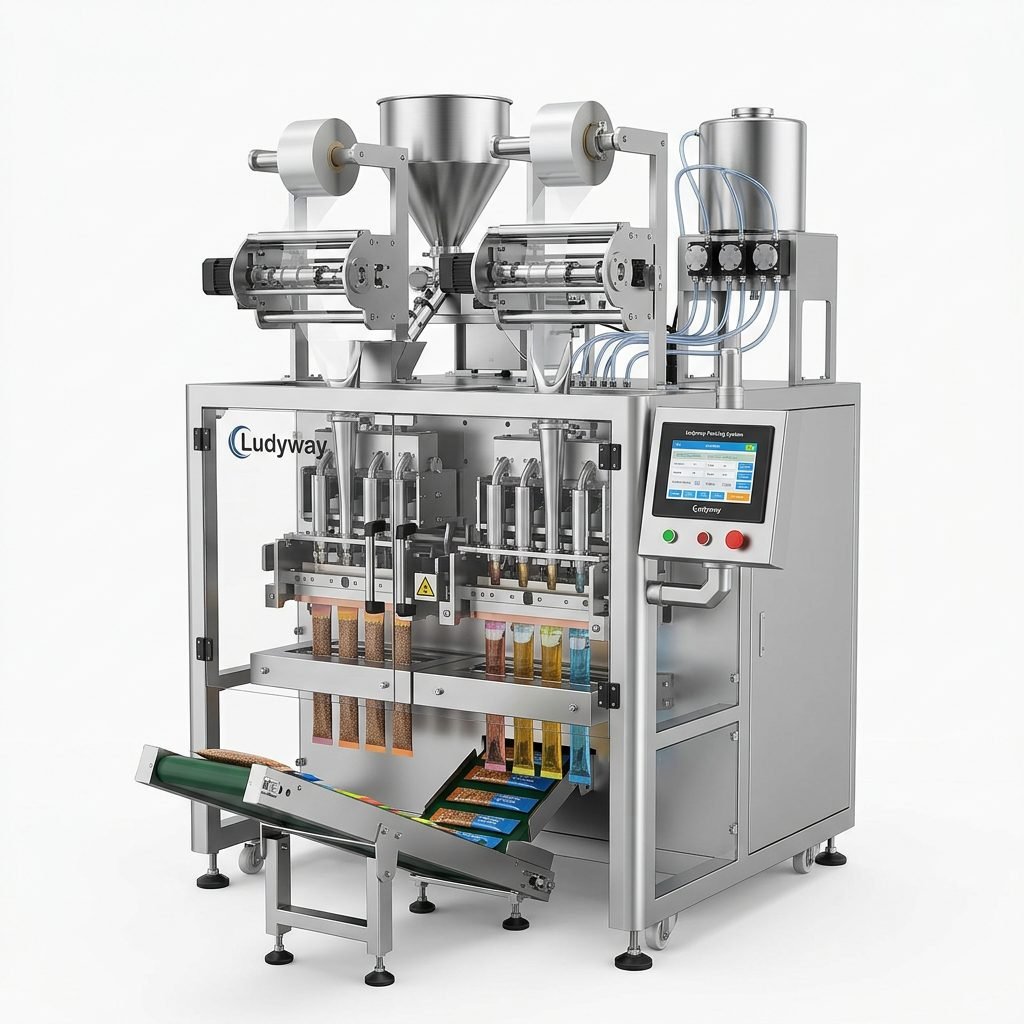
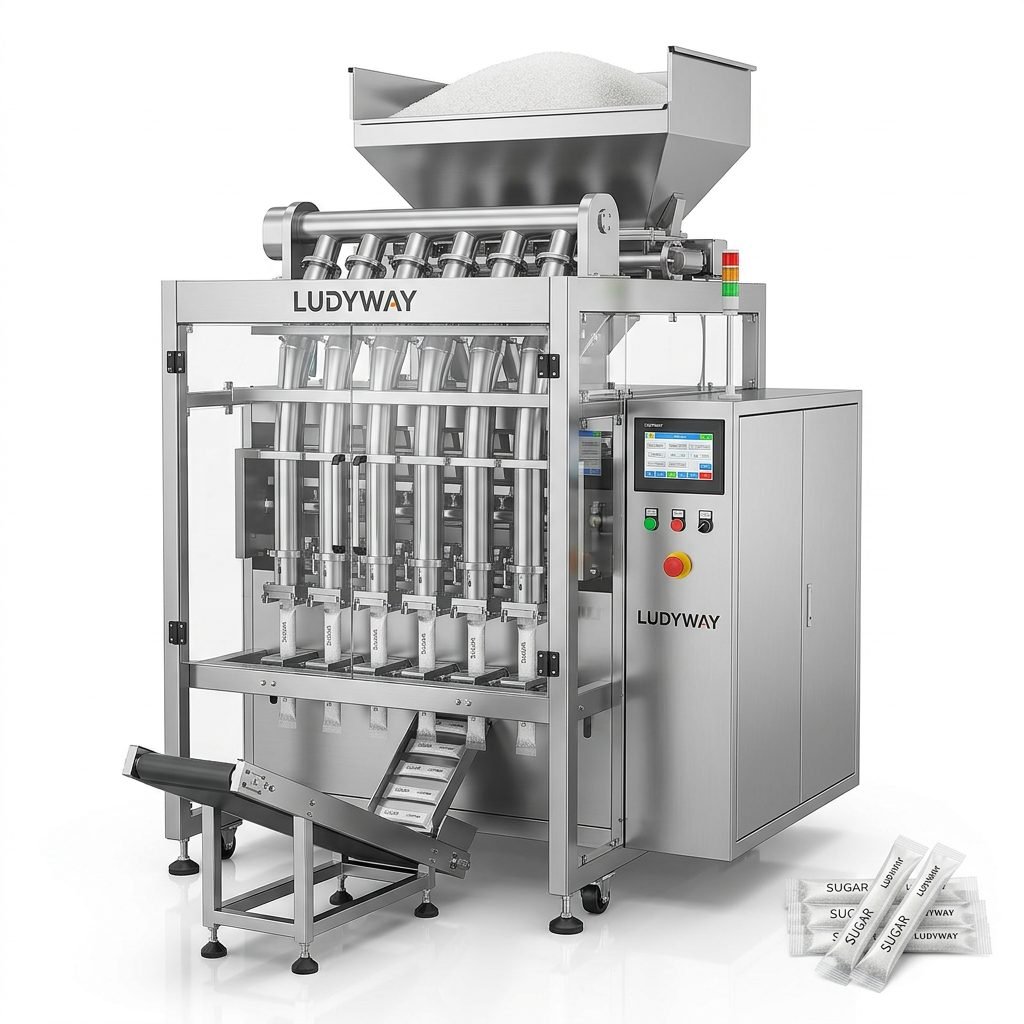
Speed requirements directly influence the machine type and lane count you need. A multi-lane stick pack machine can produce significantly more sachets per minute than a single-lane configuration.
Selecting the right lane count depends on your current and projected production volumes. While a 4-lane machine may suffice for niche markets, high-volume contract packagers manufacturing for global brands often deploy 12-lane or even 16-lane systems. Overinvesting in excessive capacity can strain your ROI, just as under-specifying a machine creates bottlenecks. Modern multi-lane systems from experienced manufacturers offer modular designs that allow future lane expansion, protecting your investment as demand grows. Evaluating the machine’s rated output against your peak daily requirement with an adequate buffer is a sound approach.
Machine Type: Vertical Form Fill Seal vs. Rotary Systems
Two dominant technologies exist for sugar sachet packaging. Understanding their differences is fundamental.
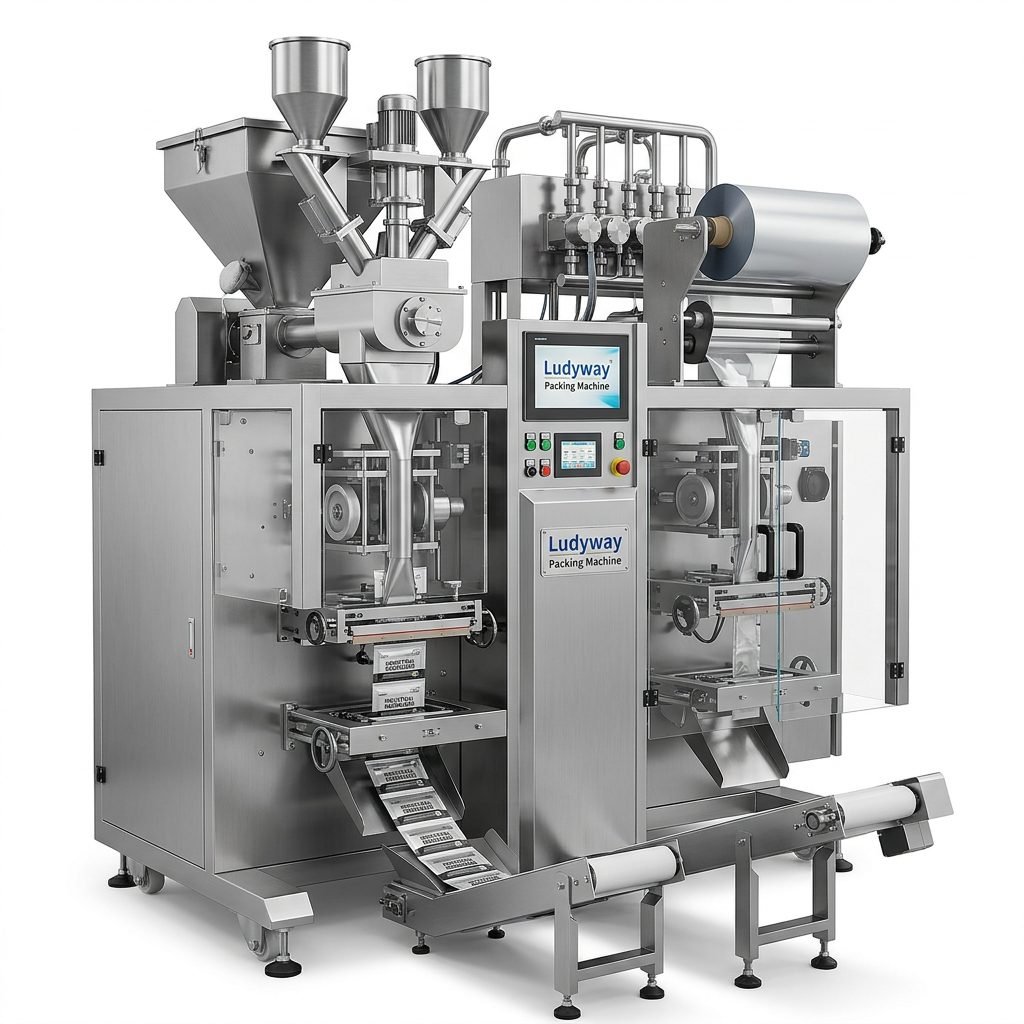
- Vertical Form Fill Seal (VFFS): These machines form a tube from flat film, fill it vertically, and seal it. For sugar applications, continuous-motion VFFS multi-lane models provide excellent speed for free-flowing granulated sugar. They are versatile and compatible with a range of film materials including paper-poly laminates and foil laminates.
- Horizontal Form Fill Seal (HFFS) / Rotary: Typically used for flat sachets with higher seal integrity requirements. Rotary machines are often preferred when running thicker film structures or when extremely precise fill weights are needed for higher-value sugar products or sweetener blends.

Critical Filling and Sealing Technologies
The filling mechanism is the heart of your sugar sachet machine. The wrong choice leads to giveaway, inconsistent fills, and film waste.
- Volumetric Cup Fillers: Highly reliable for consistent-density granulated sugar. They measure volume precisely and are easy to clean and maintain. However, they require density to remain stable; fluctuations in grind size or bulk density affect fill weight accuracy.
- Auger Fillers: Essential for powdered and icing sugars. They handle non-free-flowing products effectively and deliver superior weight accuracy when paired with checkweigher feedback systems.
- Multi-Head Combination Weighers: For high-value sugar substitutes or specialty blends where giveaway costs mount quickly. These systems provide exceptional accuracy and speed, though they represent a higher capital outlay.
Sealing technology is equally important. Serrated tear notches, laser-scored easy-open features, and hermetic seals all require specific jaw designs and temperature control systems. If you package brown sugar or hygroscopic sweeteners, verify that the machine’s sealing jaws can maintain consistent temperature profiles despite product dust and humidity.
Film Material Compatibility
Sugar packaging demands careful film selection, and your machine must be compatible with your chosen material structure. Common laminates include paper-polyethylene, metallized polyester-polyethylene, and foil-based laminates. The Flexible Packaging Association provides resources on material innovations and sustainability trends that can inform your film decisions.
Key machine requirements to evaluate include the film unwinding system’s tension control (especially for thin gauge materials), the temperature range and precision of the sealing jaws, the registration accuracy of the film feeding system for printed materials, and the machine’s compatibility with environmentally preferable structures like mono-material laminates. Confirm that the supplier has tested the machine with your intended film type and thickness range.
Integration, Automation, and Quality Control
Modern sugar sachet machines are rarely standalone units. Consider how the equipment integrates with upstream and downstream systems. Automated feeding systems, including bucket elevators and vacuum conveyors, reduce manual handling and protect product integrity. Coding and marking integration for batch numbers and expiry dates is often a regulatory requirement. Automated cartoning systems and case packers reduce labor costs at the end of the line. These integration points should be addressed during the machine selection phase.
Quality control features are essential for consistent production. Checkweigher feedback loops automatically adjust filler settings to maintain target weights. Vision inspection systems detect seal defects, print errors, and foreign matter contamination. Metal detection and X-ray inspection satisfy food safety requirements and retailer codes of practice. Machines designed to interface with these systems via standardized communication protocols provide greater flexibility as your quality requirements evolve.
Budget, Total Cost of Ownership, and ROI
Price remains important, but savvy buyers evaluate total cost of ownership. An inexpensive machine that requires frequent maintenance, produces high scrap rates, or lacks local service support will cost more over five years than a quality machine with a higher initial price. Consider these financial factors:
- Initial capital outlay: Price of the machine, tooling, and ancillary equipment.
- Installation and commissioning: Costs for factory preparation, utilities, and technical support during startup.
- Training: Operator and maintenance training—essential for maximizing machine uptime.
- Spare parts availability: Readily available, reasonably priced critical spares reduce downtime risk.
- Service and maintenance: Preventative maintenance plans, remote diagnostics, and local service technician availability.
- Energy consumption: Efficiency differences between pneumatic-heavy and servo-driven systems can be significant.
Supplier Evaluation and After-Sales Support
Your machine supplier is a long-term partner, not just a vendor. Evaluate potential suppliers on their industry experience, technical expertise, and commitment to after-sales support. Look for manufacturers with a proven track record in sugar and powder packaging applications. Ask about their installed base in your region, request reference visits to operating installations, and inquire about remote support capabilities, spare parts logistics, and local service networks.
International markets increasingly require certifications for electrical safety, machinery safety, and sometimes food-contact materials. As highlighted by the Ludyway Packaging Machinery Global Growth Trend report, established manufacturers with strong export growth have invested in meeting diverse international standards and compliance documentation. Confirm that your supplier can provide certificates appropriate for your market—this simplifies import processes and demonstrates due diligence to regulatory authorities.
Customization and Future Scalability
Packaging requirements evolve. Sugar products increasingly differentiate through novel packaging formats, sustainable materials, and specialty films. A machine designed with customization in mind allows format changes—switching from a stick pack to a flat sachet, adding perforation or zip closures, or integrating printed film with advanced registration, for example. Modular machine architectures that support field upgrades rather than replacements protect your investment over the long term.
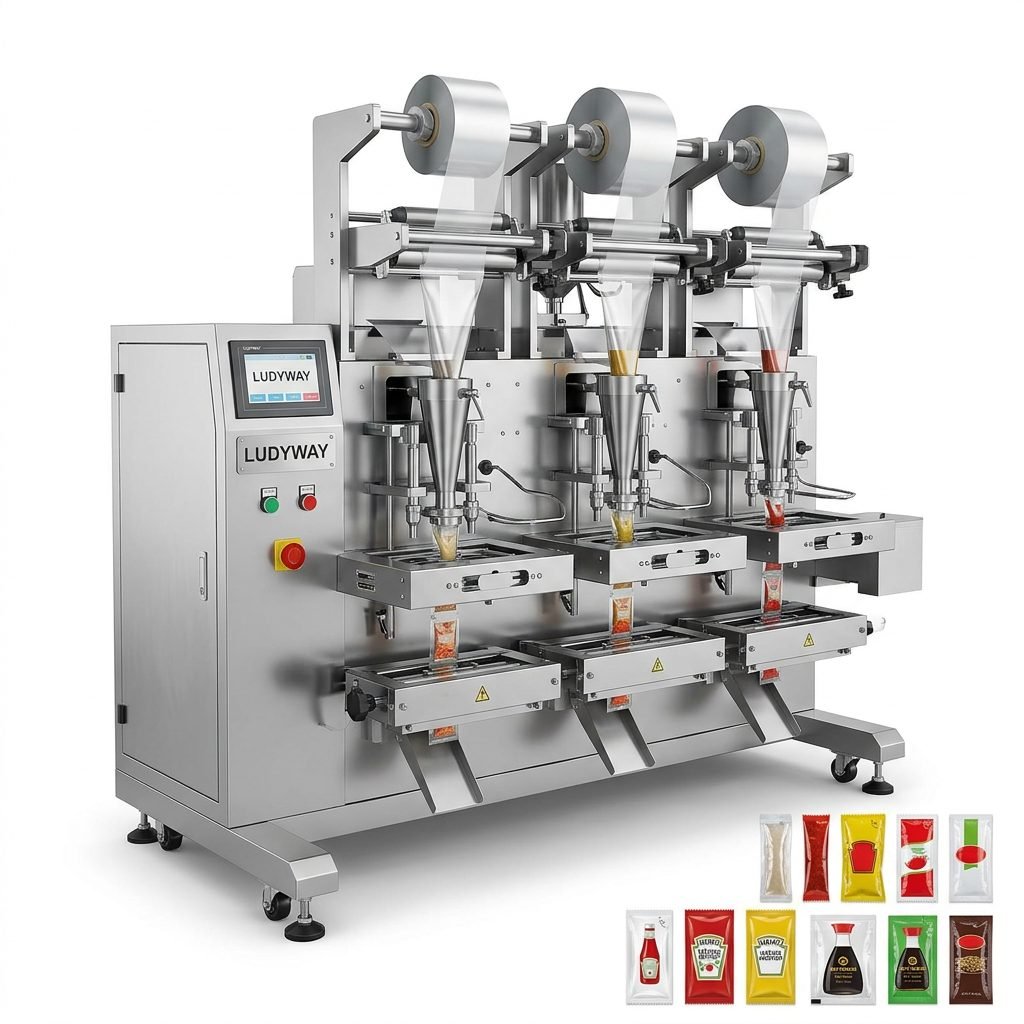
Ludyway Machinery, a China-based packaging machinery manufacturer with over 30 years of experience, has developed a portfolio of stick pack and sachet solutions specifically designed for this level of flexibility. Their engineering approach emphasizes scalable lane configurations—common in sugar, salt, and sweetener applications—combined with customizable filling systems suitable for various sugar types, making them a relevant partner for manufacturers evaluating long-term production requirements. Companies with in-house engineering capabilities can more readily adapt machines to new film specifications, filling volumes, or packaging formats as market conditions shift.
Making the Final Decision
Choosing a sugar sachet packing machine requires balancing technical requirements with commercial considerations. Define your specifications clearly—product type, target fill weight and accuracy, required output, packaging format, film material, and budget—and request detailed proposals from qualified suppliers. Conduct factory acceptance tests where possible and evaluate the supplier’s technical support responsiveness.
Investing time in thorough evaluation yields a machine that delivers consistent performance, minimizes downtime, and adapts to future market demands. The right machine becomes a competitive advantage in the growing single-serve sugar market.