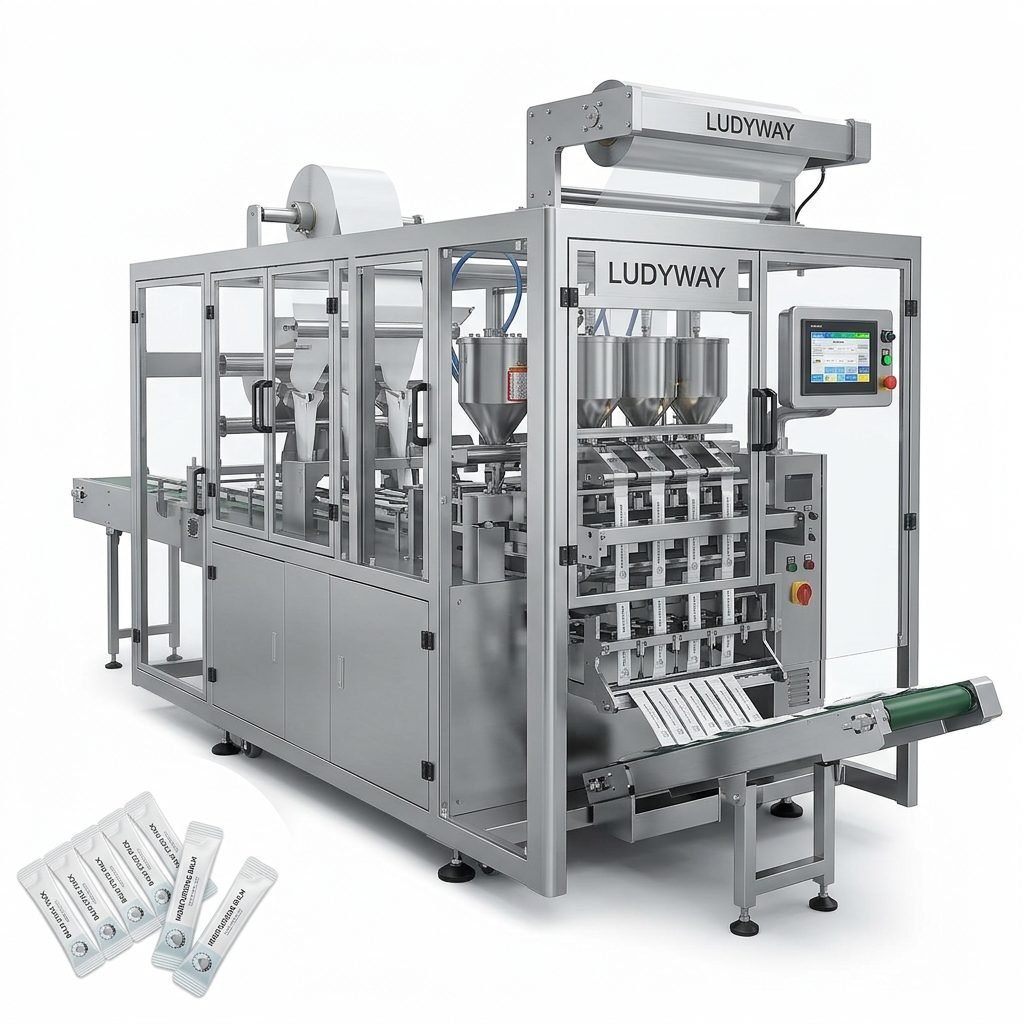
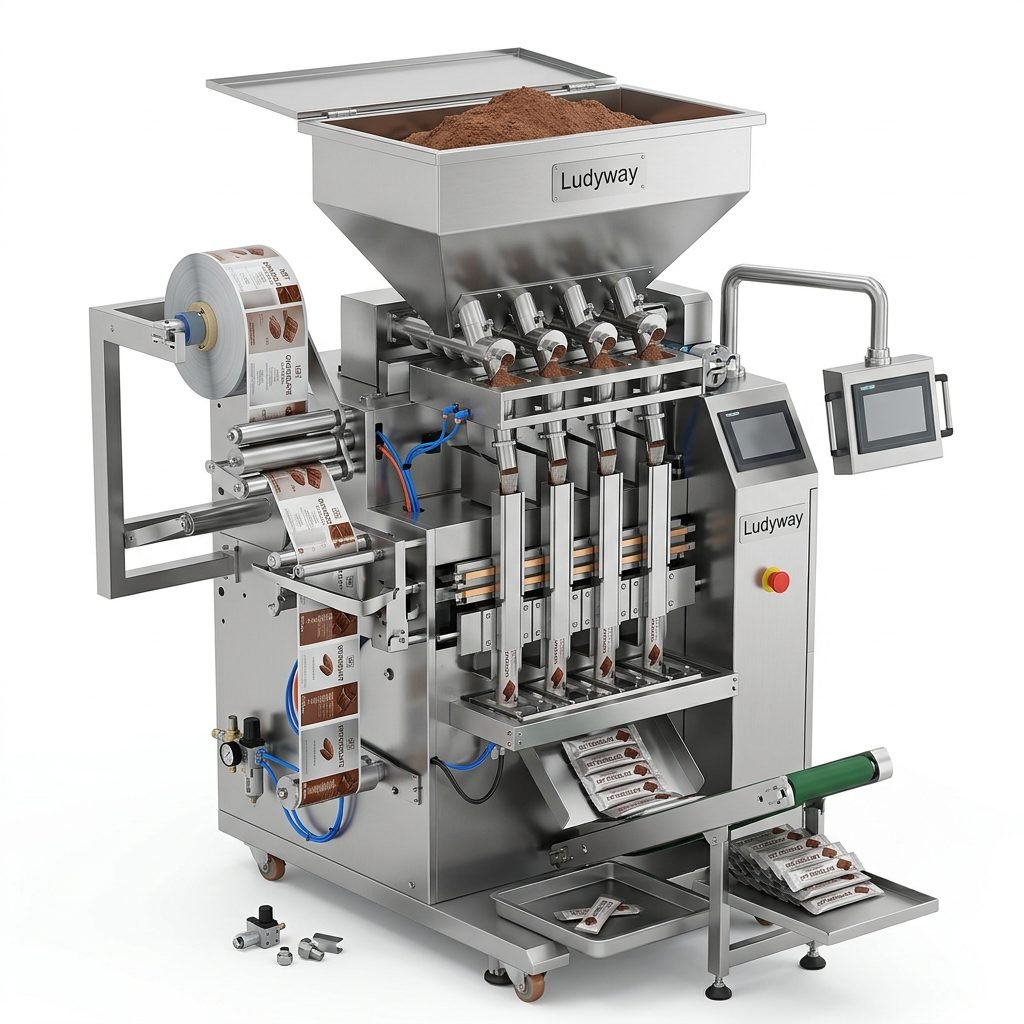
Selecting the right pouch packing machine is a decision that directly affects your production efficiency, product quality, and long-term profitability. With a wide range of technologies, formats, and automation levels available, buyers need a structured approach to evaluate their options. This guide walks you through the key factors to consider before making an investment, helping you match your specific production requirements with the right equipment configuration.
Understand Your Product and Packaging Requirements
Your product characteristics will largely determine which type of pouch packing machine is suitable. Start by clearly defining the following parameters:
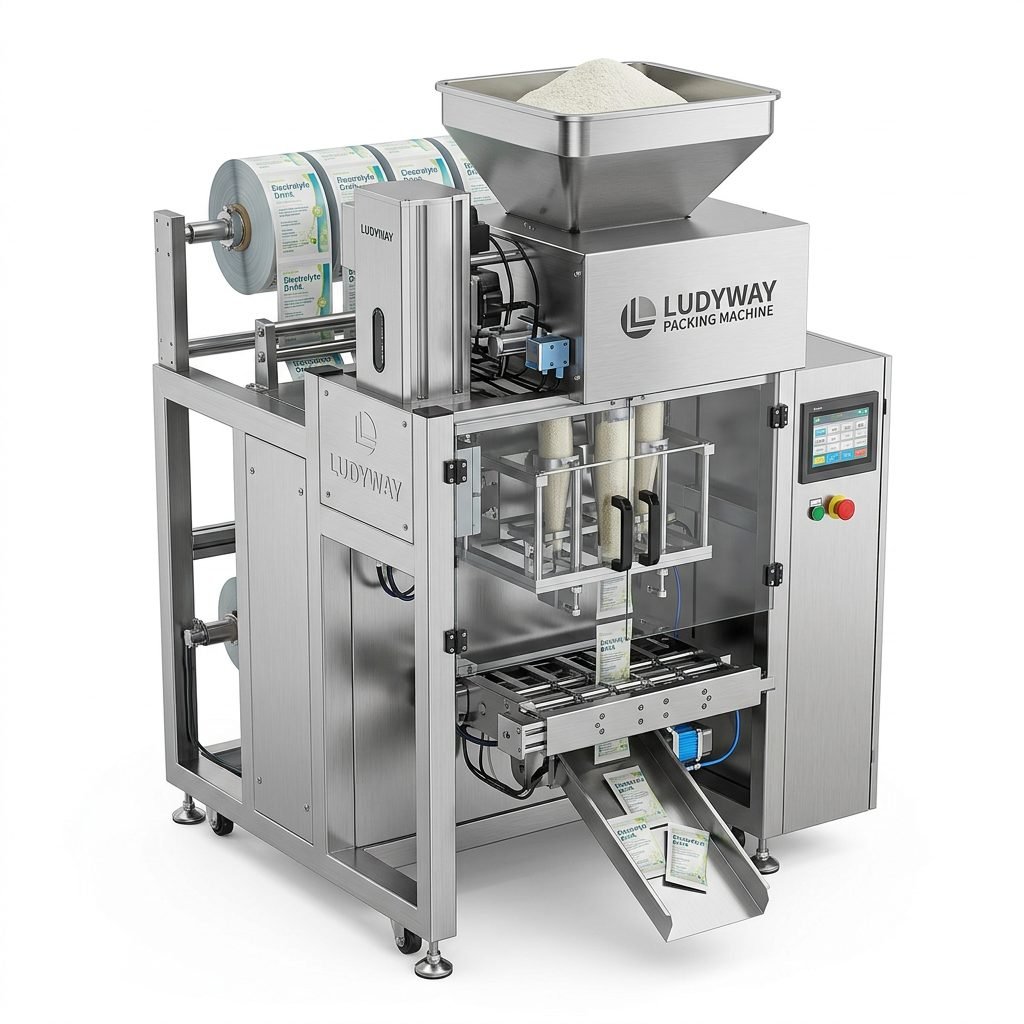
- Product type: powder, granules, liquid, paste, or solid items
- Flowability and density: free-flowing vs. non-free-flowing materials
- Hygroscopic or oxygen-sensitive: if the product requires moisture barrier or nitrogen flushing
- Filling volume per pack: single-serve sachets to larger family-size pouches
- Target production output: packs per minute or per hour
These fundamentals will guide you toward the correct dosing system, sealing technology, and packaging material specification.
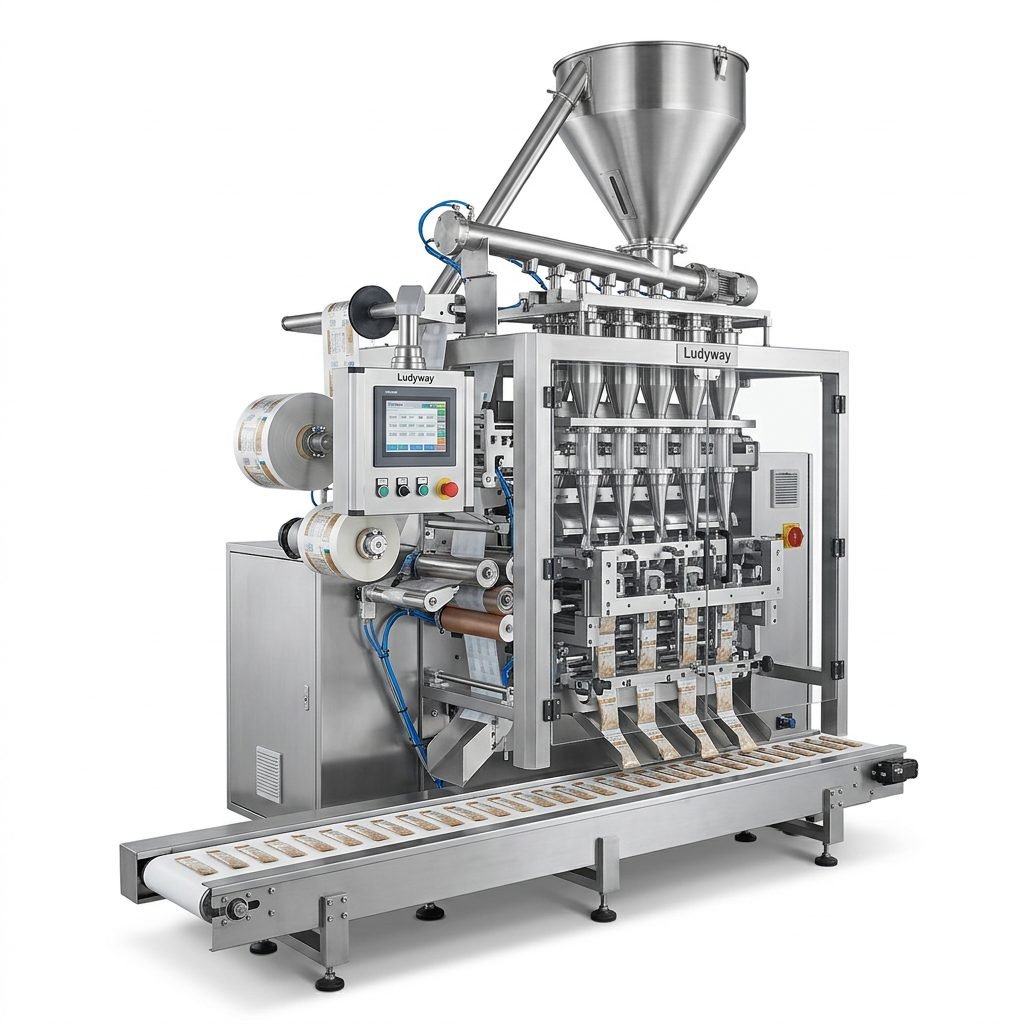
Evaluate Pouch Formats and Bag Styles
Modern pouch packing machines can produce a variety of bag formats. Choosing the wrong style can limit your market appeal or increase material costs. Common formats include:
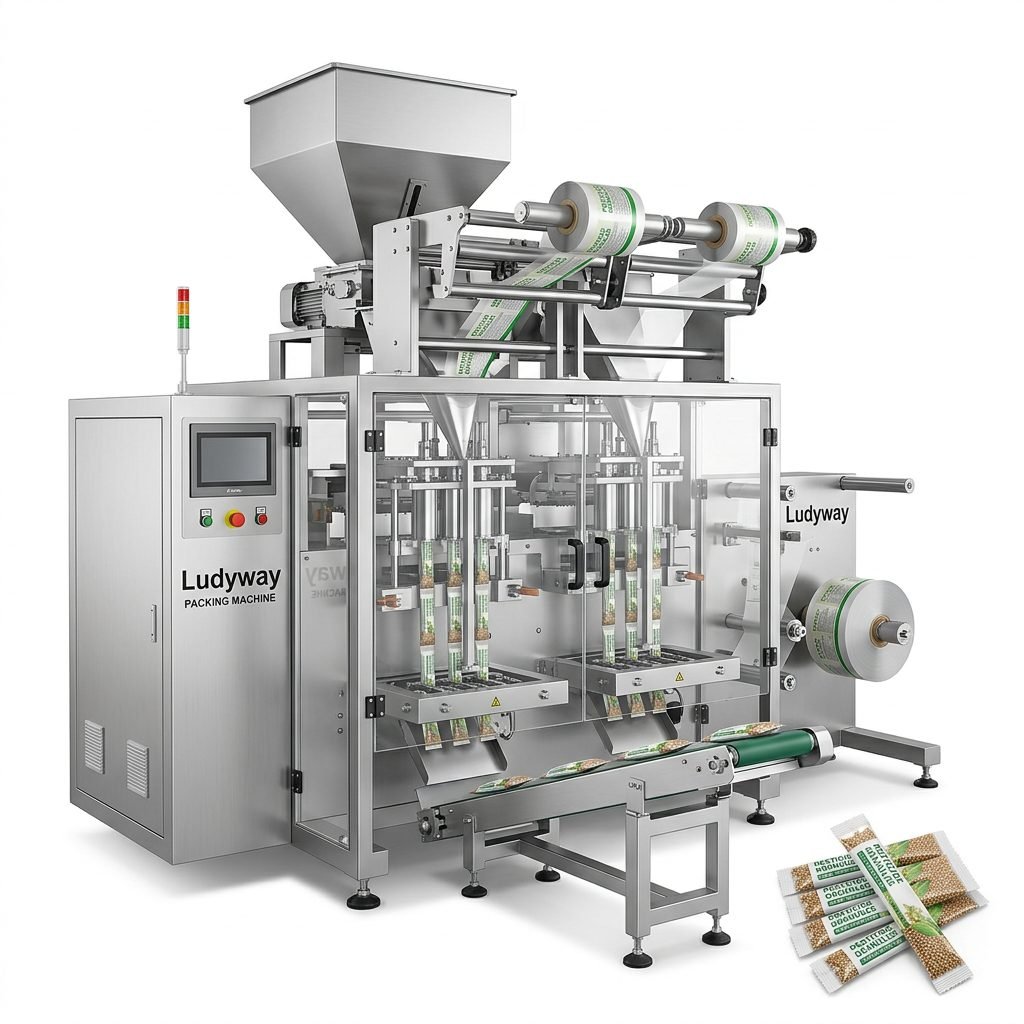
- 3-side seal pouches – ideal for sachets and stick packs
- 4-side seal pouches – provides better stability and flat-bottom presentation
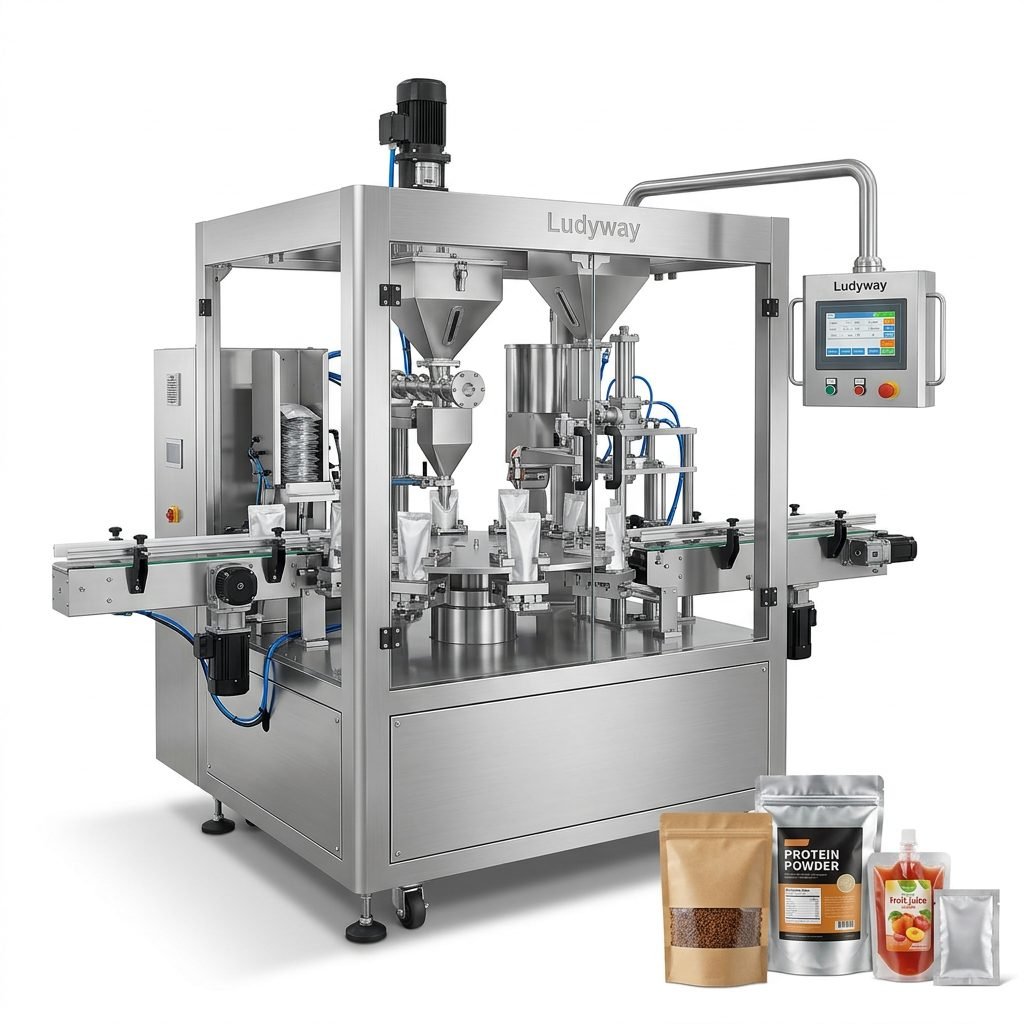
- Stand-up pouches – popular for retail products requiring shelf appeal
- Zipper and resealable pouches – suitable for multi-use products
- Premade pouch filling – for premium look with a separate pouch feeding system
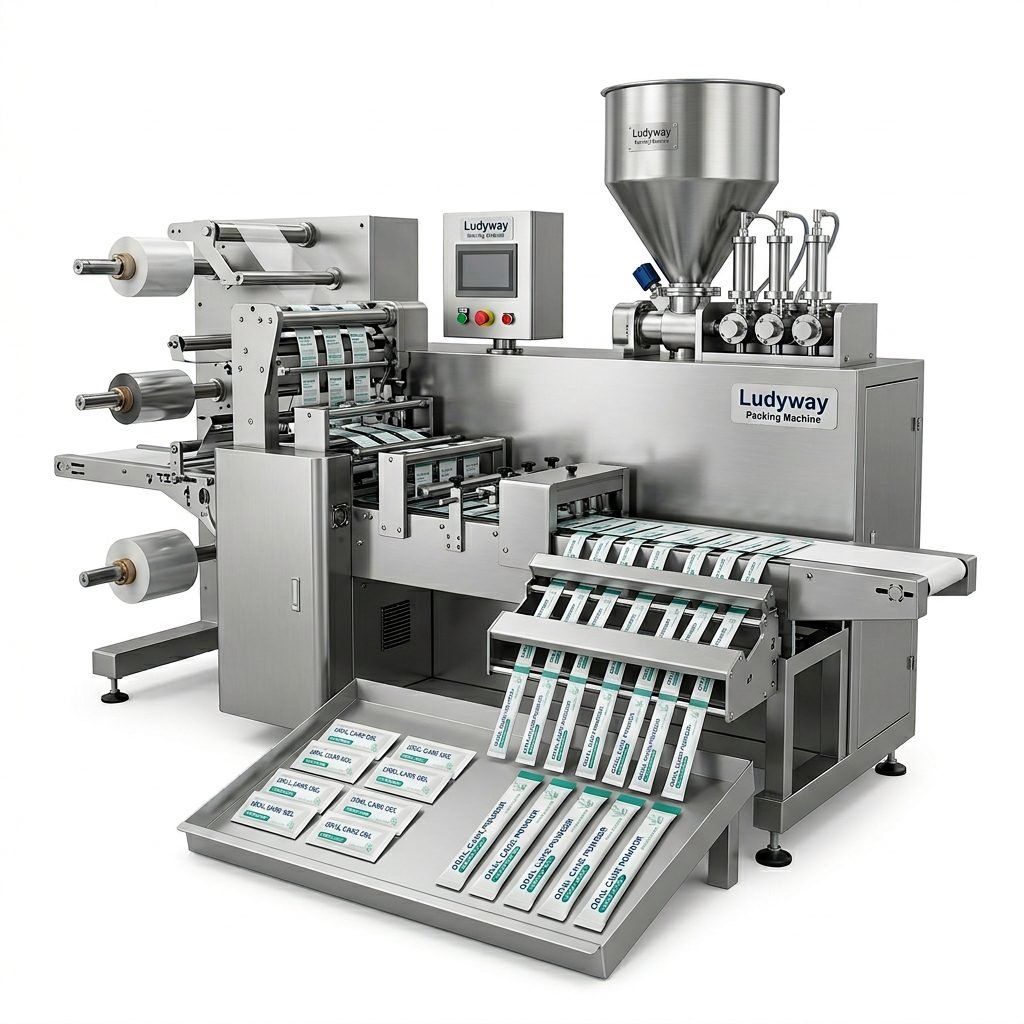
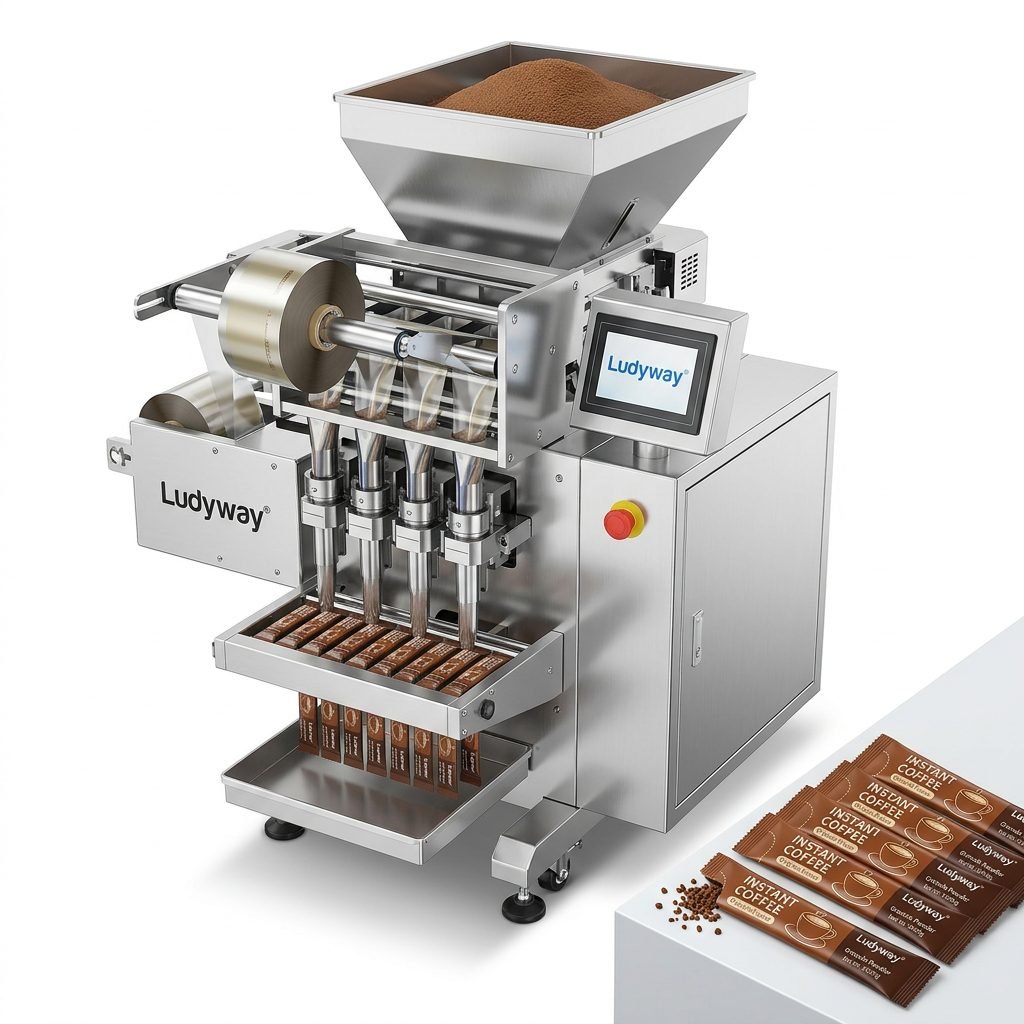
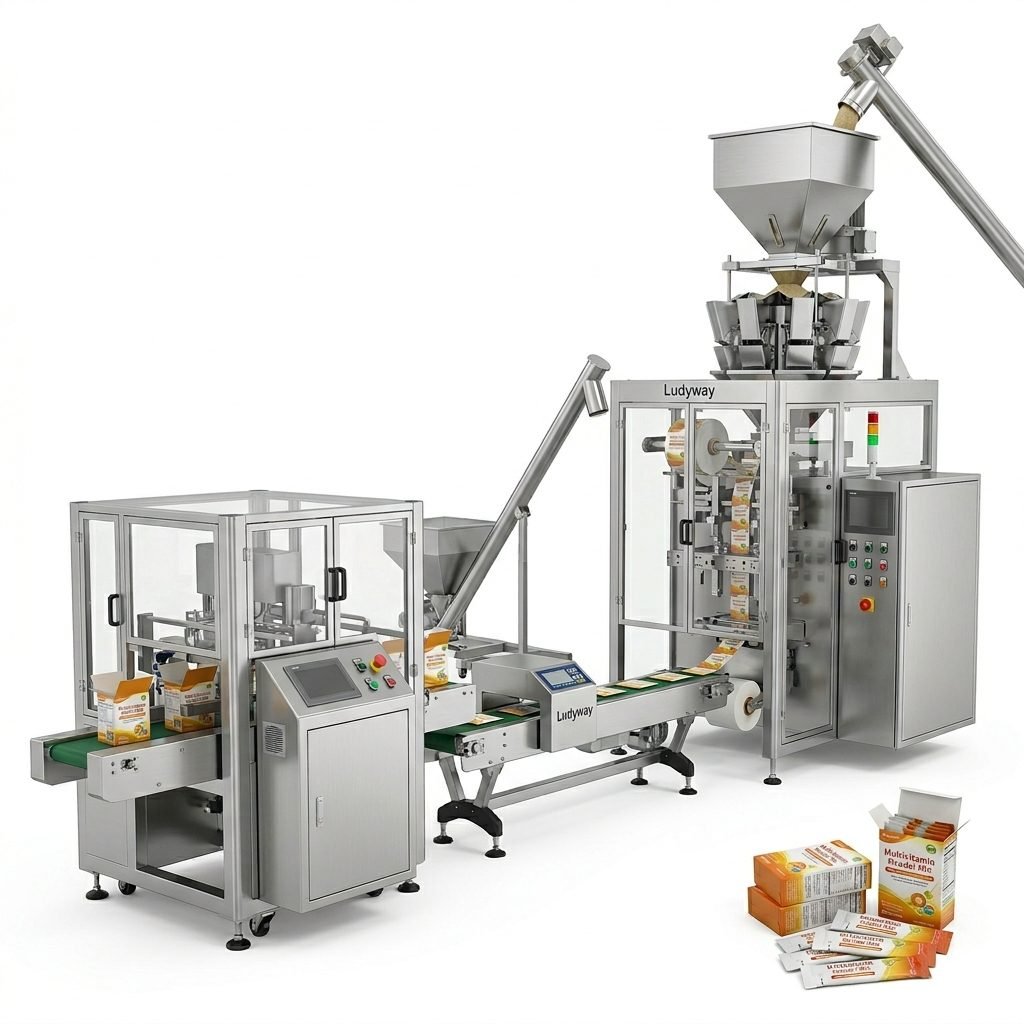
- Stick packs – slender single-serve packaging for powders and liquids
The machine you select must be compatible with your desired bag dimensions, material structure, and sealing requirements.
Assess Production Speed and Automation Level
Throughput requirements vary significantly between small-scale operations and high-volume manufacturing. The table below outlines typical speed ranges and associated automation features:
| Production Level | Speed Range (packs/min) | Typical Automation Features |
|---|---|---|
| Entry / Small Batch | 30 – 60 | Manual feeding, single lane, basic PLC control |
| Mid-Range Production | 60 – 200 | Multi-lane, servo-driven, automatic weighing/filling |
| High-Speed Industrial | 200 – 600+ | Fully automated lines, integrated cartoning, inspection systems |
Consider not only the nominal speed but also the overall equipment effectiveness (OEE), which accounts for changeover time, maintenance, and material waste.
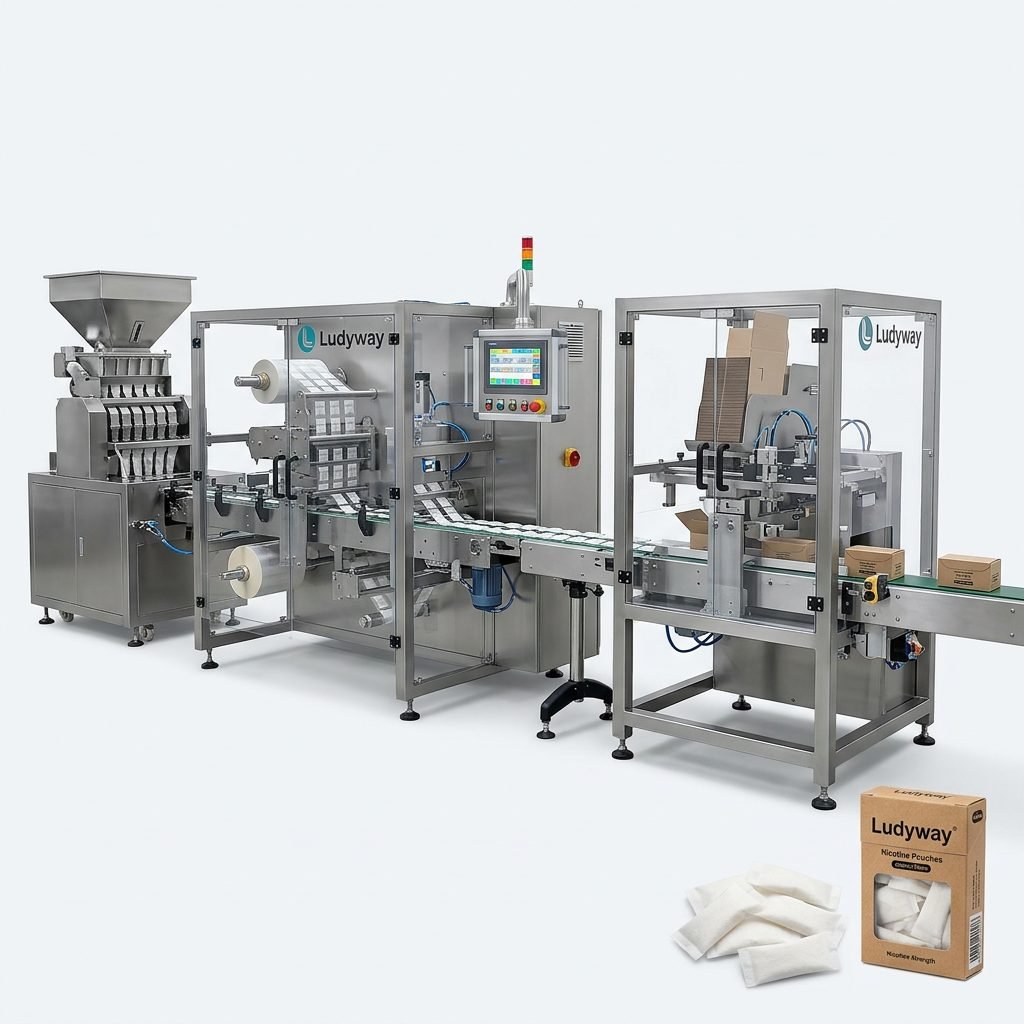
Material Compatibility and Sealing Technology
The packaging material impacts both machine configuration and final product protection. Verify that the pouch packing machine can handle the films or laminates you plan to use, including:
- Heat-sealable films (PE, PP, PET laminates)
- Aluminum foil laminates for moisture and oxygen barrier
- Biodegradable or recyclable mono-materials
- Specialty films for frozen, retort, or aseptic applications
Look for precise temperature control, adjustable sealing pressure, and the option for gas flushing (MAP) if required. Poor sealing consistency leads to leaks and product spoilage.
Compliance, Hygiene, and Industry Standards
Different industries have distinct regulatory requirements. For food and pharmaceutical applications, the equipment should adhere to relevant standards. FDA packaging and food contact substance regulations provide essential guidelines for the US market. For pharmaceutical pouches, standards such as ISO 11607 for terminally sterilized medical devices are critical. Additionally, staying informed about PMMI’s State of the Industry reports helps you understand evolving packaging trends and machinery benchmarks.
Verify if the machine design supports sanitary construction, tool-free changeover, easy cleaning, and integration of optional features like metal detectors or checkweighers.
Budget and Total Cost of Ownership
The purchase price is only one part of the equation. A complete cost analysis should include:
- Initial investment: machine cost, shipping, installation, and commissioning
- Operational costs: energy consumption, compressed air, film waste
- Maintenance and spare parts: availability and lead times for critical components
- Changeover time: impact on production efficiency when switching formats
- Training and support: operator training and after-sales service quality
A machine with a slightly higher upfront cost may deliver significantly lower total cost of ownership through better efficiency and reduced downtime.
Choose a Reliable Supplier and Long-Term Partner
Beyond the machine specifications, the supplier’s engineering capability, customization experience, and global support network are vital. Partnering with an experienced pouch packing machine manufacturer such as Ludyway Machinery can simplify the selection process. With a broad portfolio covering powders, granules, liquids, stick packs, and premade pouches, a turnkey solution provider can configure equipment to your exact product and production goals.
Taking the time to evaluate these factors ensures you invest in a pouch packing machine that aligns with your current needs while offering flexibility for future growth. Whether you are upgrading an existing line or building a new packaging facility, a structured selection process reduces risk and accelerates your return on investment.